
Company
EMI Films
The record-and-electronics giant that bought Britain a movie studio, took Best Picture for The Deer Hunter, then gambled its future in Hollywood and left its library to be carved up by Cannon (1969–1986).
3 projects
About
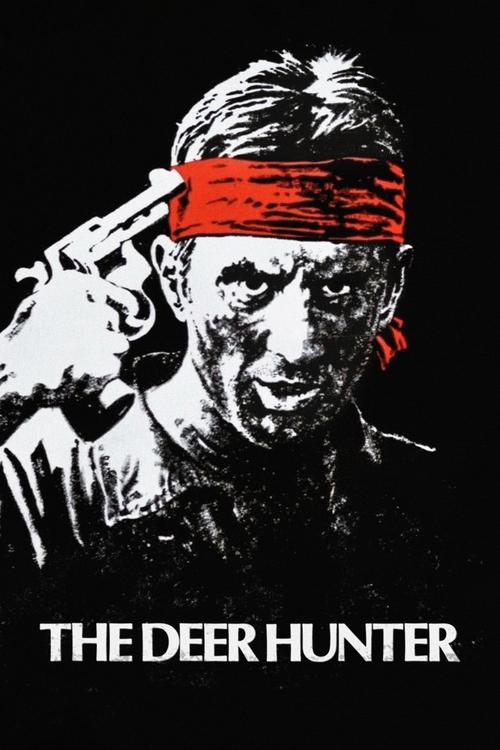
It is one of British cinema's most peculiar contradictions: the company responsible for the definitive Agatha Christie adaptations also funded one of the most harrowing Vietnam War films ever made. EMI Films was a record label's attempt to run a movie studio — and for a brief, improbable decade, it almost succeeded. When *The Deer Hunter* won Best Picture at the 1979 Academy Awards, the victory was, in part, a triumph for the same corporate parent that had once produced Beatles singles. But just as quickly, the entire enterprise slipped from its owners' grasp.
The story began in 1969, when EMI — Electric and Musical Industries, buoyed by music profits — acquired the struggling Associated British Picture Corporation. Overnight, it gained a major British studio: Elstree Studios in Borehamwood, the ABC cinema chain, and a filmmaking legacy dating back to the silent era. Bernard Delfont, a prominent impresario, oversaw the broader leisure empire, while writer-director Bryan Forbes was appointed head of production at Elstree. The goal was clear and ambitious: to build a homegrown studio capable of competing with Hollywood rather than merely hosting it.
The all-star decade
EMI found its identity in grand, star-studded prestige films. *Murder on the Orient Express* (1974) — featuring Albert Finney as the fastidious Poirot and a cast of A-list actors — became a transatlantic hit, proving that a British studio could still produce glamorous, high-quality entertainment. The film earned Ingrid Bergman a Best Supporting Actress Oscar in 1975, EMI's first Academy Award. Its companion piece, *Death on the Nile* (1978), with Peter Ustinov in the detective role, reinforced the formula: elegant, literate, middlebrow entertainment built around recognizable stars.
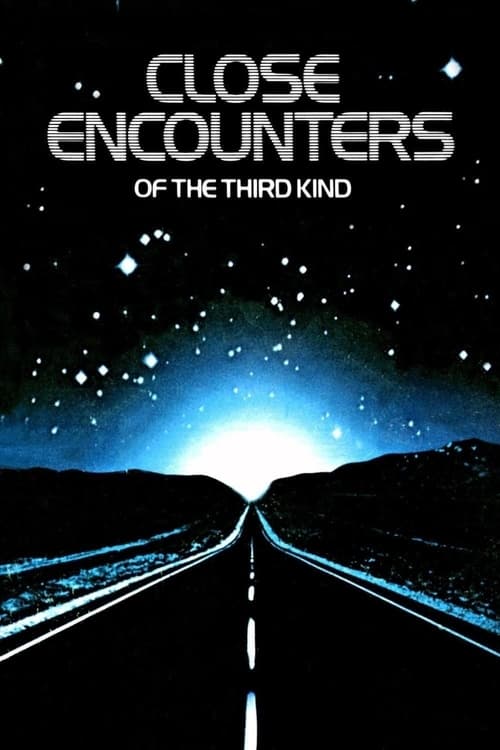
The shift toward American filmmaking began in 1976, when EMI absorbed British Lion and gained producers Michael Deeley and Barry Spikings. The pair sought Hollywood-scale productions, and for a time, they delivered. EMI's financial backing helped fuel an impressive 1978 slate, including Sam Peckinpah's *Convoy* and, most notably, *The Deer Hunter*, Michael Cimino's Vietnam War epic, which won five Academy Awards, including Best Picture. The company also held a stake in Steven Spielberg's *Close Encounters of the Third Kind* (1977). For a British firm, this was unprecedented success.
The gamble and the fall
Success bred overambition. Pursuing the American market meant adopting American budgets and American risks, and the financial losses soon followed — most notably with the 1981 comedy *Honky Tonk Freeway*, a disastrous failure that epitomized the studio's misplaced Hollywood aspirations. The foundation was already eroding. In November 1979, EMI agreed to a takeover by Thorn Electrical Industries; the newly formed Thorn EMI was an electronics company that viewed the film library as an asset to be managed, not a creative mission. The division was rebranded as Thorn EMI Screen Entertainment, and the dream of a British major capable of standing against Hollywood faded.
The end came in 1986. Thorn EMI, eager to divest its film division, sold the company and its library to Australian businessman Alan Bond for £125 million — who, within a week, resold it to Menahem Golan and Yoram Globus's Cannon Group for £175 million. It was a quiet end for a studio that had once chased Oscars: the accumulated library, including the old ABPC archives, became just another asset in Cannon's expanding empire, later passing through Weintraub and Lumiere Pictures before eventually settling with StudioCanal.
A record label had bought a film studio, won cinema's highest honor, and then relinquished the entire legacy in the span of a week.
EMI Films remains significant because it was the last serious attempt to run a British major on Hollywood's scale — and because, for a time, it succeeded. Its Christie adaptations remain the gold standard for all-star mystery films, its Elstree stages outlived the studio, and *The Deer Hunter* remains one of American cinema's landmark films, quietly bearing the imprint of its British parent. In its brief rise and swift collapse, EMI Films became a cautionary tale for the industry: prestige is fragile, libraries are enduring, and a studio can vanish far faster than the films it leaves behind.
Projects (3)
A platform appears here when one of this studio's titles streams on it. Click to filter — pick several to combine.


People here
Work at EMI Films? Add it to your profile →