
Company
Republic Pictures
The Poverty Row major that turned singing cowboys and cliffhanger serials into an empire, then bankrolled the occasional masterpiece before television swept its whole business away (1935–1967).
2 projects
Next release
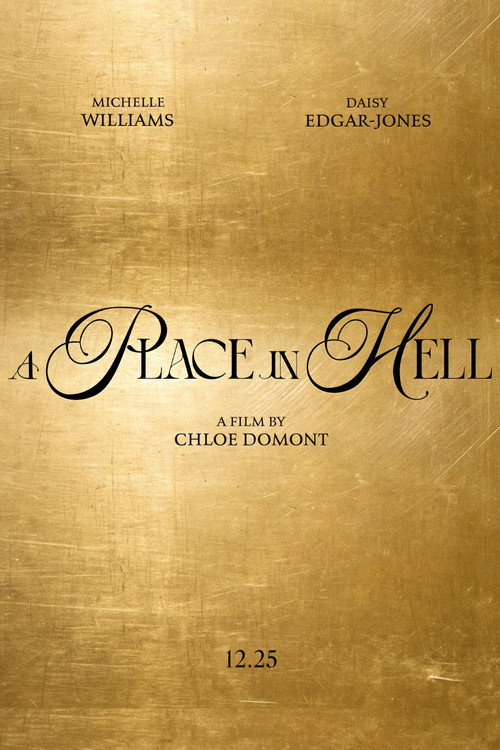
132 days
A Place in Hell
Dec 4, 2026
About
Republic Pictures originated not from a desire for showmanship, but from debt collection. Herbert J. Yates owned Consolidated Film Industries, a processing laboratory that developed negatives for Hollywood's smaller studios. By the mid-1930s, many of these Poverty Row studios owed him money. Rather than write off the debts, Yates took collateral. In 1935, he merged six struggling independent companies—Monogram, Mascot, Liberty, Majestic, Chesterfield, and Invincible—into a single entity named Republic. A film laboratory had essentially absorbed its clients and transformed into a studio.
What Yates acquired was a system built for efficiency and economy, and he operated it that way for two decades. Mascot introduced the movie serial, and Republic refined it, producing fast-paced weekly chapters such as *The Adventures of Captain Marvel* (1941), along with a long series of *Dick Tracy* and *Zorro* cliffhangers. The studio's stunt and effects unit, led notably by the Lydecker brothers, was renowned for its miniature work. Alongside the serials, Republic produced B-westerns on assembly-line schedules, which were sold in large numbers to small-town theaters.
These westerns helped launch stars. Gene Autry came from Mascot already established as a singer; Republic furthered Roy Rogers' rise to the title of "King of the Cowboys." A young contract player named John Wayne also worked extensively on the Republic backlot, years before and after *Stagecoach* brought him wider recognition. When Wayne returned as a major draw, he brought significant financial success to the studio.
Despite its reputation as a factory, Republic occasionally pursued more ambitious projects, often because a major director sought creative control and the studio was willing to grant it. Orson Welles filmed his low-budget *Macbeth* there in 1948. Allan Dwan directed *Sands of Iwo Jima* (1949), the war film that earned Wayne his first Academy Award nomination. John Ford made *Rio Grande* (1950) under the Republic banner before delivering the studio's most acclaimed film, *The Quiet Man* (1952), an Irish romance with Wayne and Maureen O'Hara that won Ford the Oscar for Best Director and another for Best Cinematography. Nicholas Ray's *Johnny Guitar* (1954), a stylized western starring Joan Crawford, followed. For a company primarily known for quick westerns, this was an unexpected secondary identity.
Two factors contributed to Republic's decline. The first was personal: Yates became enamored with Vera Hruba Ralston, a Czech figure skater he cast as a leading lady and married in 1952. He invested heavily in a series of films centered around her, but audiences did not respond, draining the studio's resources while its staff observed. The second force was structural and inevitable. Republic's business model relied on serials and B-westerns for small theaters, a market that television effectively destroyed. The double bill and the Saturday matinee cliffhanger simply disappeared.
Yates attempted to adapt, licensing the studio's film library for television early on, but the core business was already gone. In 1958, control of the company passed to turnaround businessman Victor M. Carter, the same year Republic ceased producing motion pictures. The famous Studio City lot—originally the Mack Sennett grounds where many serials were filmed—was leased to CBS in 1963 and renamed CBS Studio Center. In February 1967, CBS purchased the seventy-acre lot outright for a reported $9.5 million, ending Republic's physical involvement in film production.
The Republic name, however, endured. The studio's film library changed hands during the television era and was revived as a home-video and TV distribution label in 1986, carrying the eagle logo to a new generation before eventually passing through later mergers to Paramount. This legacy is appropriate. Republic proved that a studio could function as both a factory and, occasionally, an artist's patron—that the same lot that produced singing-cowboy serials could also provide John Ford the space to make *The Quiet Man*. It was Hollywood's most disciplined B-picture machine, and, for a time, something more.
Projects (2)
A platform appears here when one of this studio's titles streams on it. Click to filter — pick several to combine.
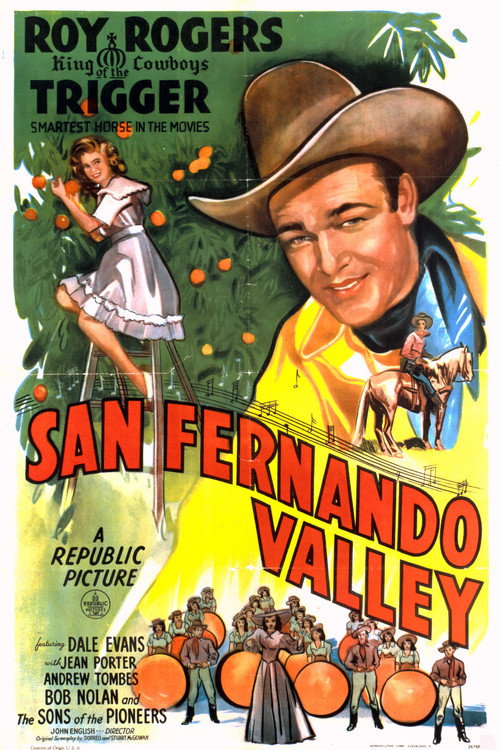

Films distributed
Theatrical releases this company distributed, by U.S. box-office gross.
People here
Work at Republic Pictures? Add it to your profile →
Reviews
Sign in to review Republic Pictures.
No reviews yet.