
Company
The Samuel Goldwyn Company
The boutique that turned a legendary surname into the house style of American arthouse, championing foreign and independent cinema until debt and a buyout folded it back into the studio system (1978–1996).
Studio / production company
About
In the fall of 1988, a small distributor bearing a legendary name released a modest ensemble film about waitresses in a Connecticut fishing town. *Mystic Pizza*, with its low budget and featuring a young Julia Roberts, quietly became a hit. It was emblematic of the Samuel Goldwyn Company: a preference for unfashionable material, a commitment to prestige, and a knack for identifying films that others had overlooked. This was the paradox of the company. It carried one of the most storied names in Hollywood history but built its success on small, literate, foreign, and independent films that the major studios ignored.
The company was founded in June 1978 by Samuel Goldwyn Jr., the son of the legendary producer Samuel Goldwyn Sr. The younger Goldwyn inherited not only the family name but also a valuable asset: the rights to his father’s film library, which included classics such as *Wuthering Heights*, *The Best Years of Our Lives*, and *Guys and Dolls*. Revenue from television and home-video licensing from these titles provided a steady financial foundation. On that base, Goldwyn built a business tailored to the era: a specialty distributor that acquired art-house and international films for the American market, gradually expanding into its own productions, beginning with modest genre films in the early 1980s.
Through the 1980s and early 1990s, the Goldwyn logo became a reliable indicator of quality at a time when independent film was transitioning from a niche to a commercial force. The company distributed Jim Jarmusch’s *Stranger Than Paradise* (1984), Bill Forsyth’s *Gregory’s Girl*, and later Kenneth Branagh’s Shakespeare adaptations *Henry V* and *Much Ado About Nothing*. It backed *Longtime Companion* (1989), one of the first American theatrical dramas to directly address the AIDS crisis, and Ang Lee’s *Eat Drink Man Woman*. Its greatest critical success came with *The Madness of King George* (1994), Nicholas Hytner’s adaptation of Alan Bennett’s play, which received Academy Award attention and exemplified the company’s strengths: British, literate, mid-budget, and dignified.
Goldwyn was never purely a cinephile’s project. A television division helped sustain the business, most notably through the syndication of the popular action show *American Gladiators*, whose broad appeal helped fund the company’s more ambitious film slate. It was a delicate balance, using populist TV revenue to support riskier cinematic ventures.
Overreach, debt, and absorption
That balance eventually faltered. In an effort to compete, the company merged with Heritage Entertainment in 1991, went public, and expanded, taking on increasing debt. But the specialty market was becoming increasingly crowded, with better-funded rivals like Miramax gaining dominance. A string of underperforming releases left the company vulnerable. By the mid-1990s, Goldwyn was a respected brand with an unsustainable balance sheet.
It had spent fifteen years proving that arthouse taste could be a viable business, only to discover that taste alone could not service its debt.
On July 2, 1996, the company and its film library were acquired by John Kluge’s Metromedia for a reported $125 million and renamed the Goldwyn Entertainment Company under Metromedia’s Orion Pictures unit. The company’s independence was over. The following year, the entire Metromedia film operation—including Orion, Goldwyn, and their libraries—was sold to Metro-Goldwyn-Mayer. Samuel Goldwyn Jr., who had been promised a continuing role, was sidelined and later sued over his removal.
The library survives today under MGM, its films continuing to circulate under new corporate ownership. Goldwyn Jr. remained undeterred, launching Samuel Goldwyn Films to carry the family name into the new century. But the original company remains significant for what it demonstrated during its brief existence: that a distributor with discernment could shape a national appetite, that *Mystic Pizza* and *The Madness of King George* could share a logo, and that the American independent film boom of the 1990s was in no small part built on the groundwork laid by a Goldwyn.
Projects
No projects connected to this studio yet — they fill in from the news and the database as it grows.
Films distributed
Theatrical releases this company distributed, by U.S. box-office gross.

Fireproof
2008
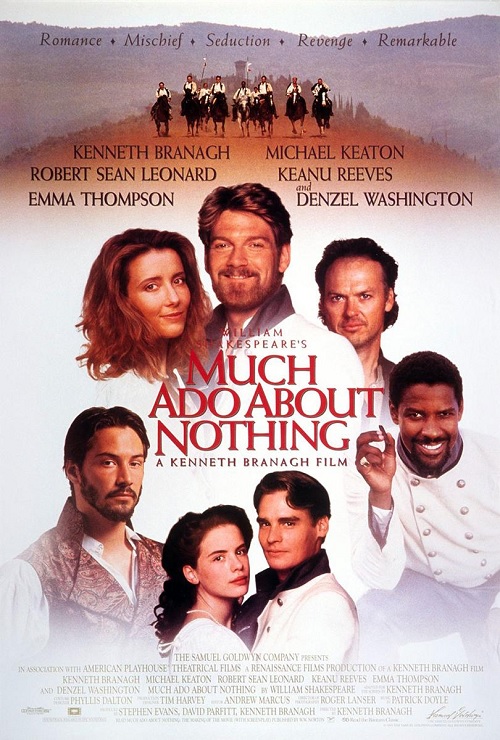
Much Ado About Nothing
1993

August
2025
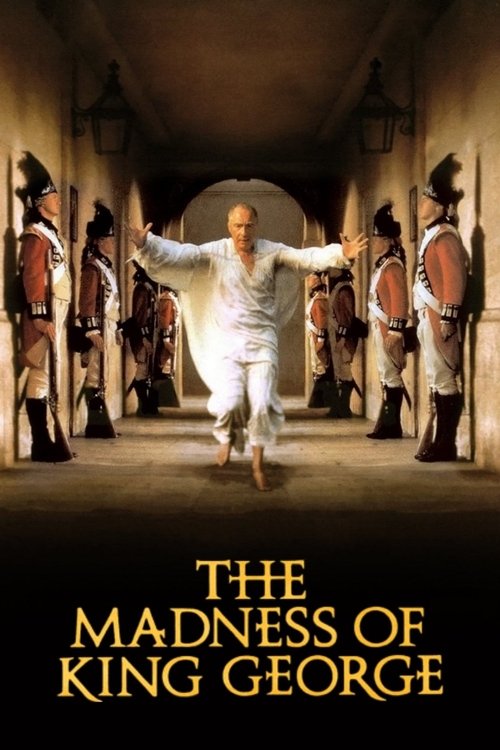
The Madness of King George
1994
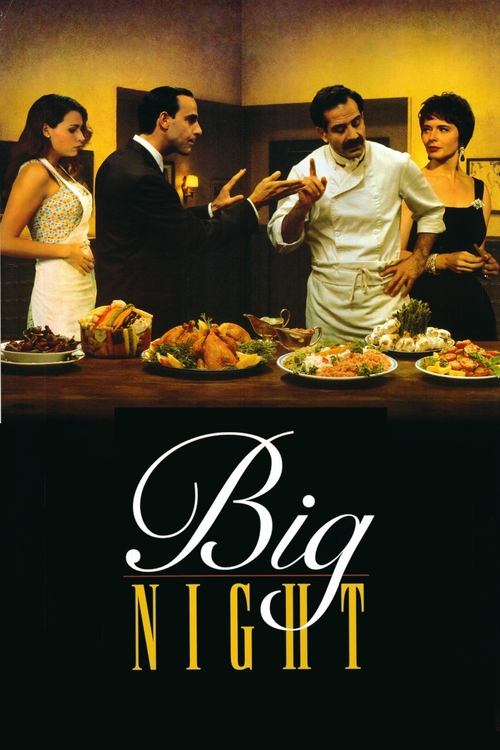
Big Night
1996
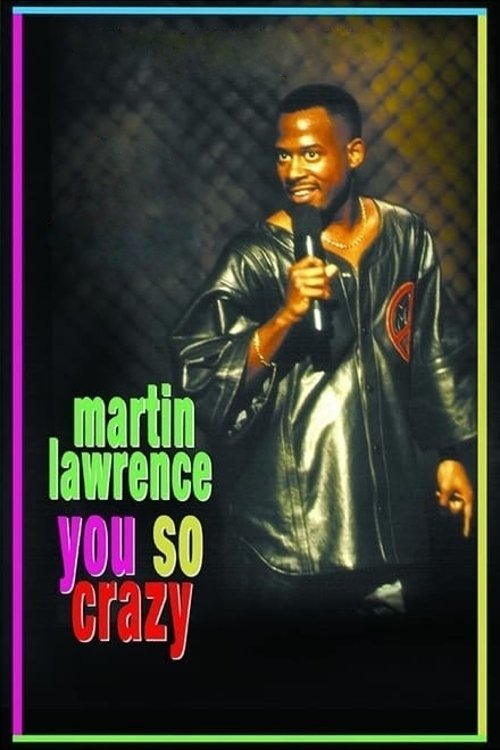
Martin Lawrence: You So Crazy
1994
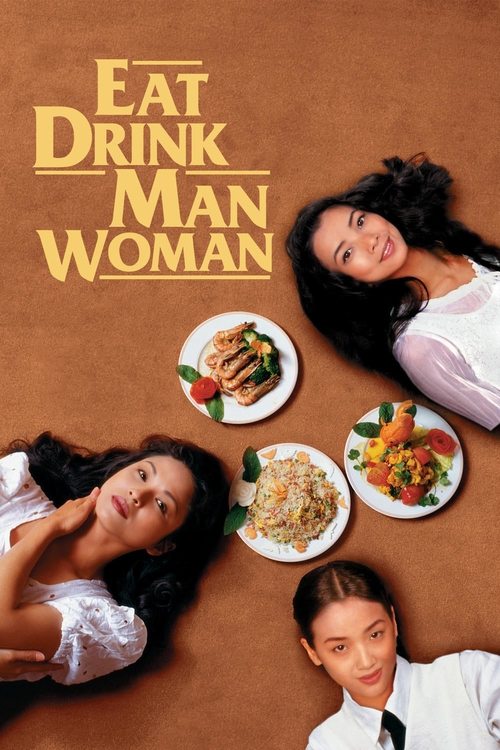
Eat Drink Man Woman
1994
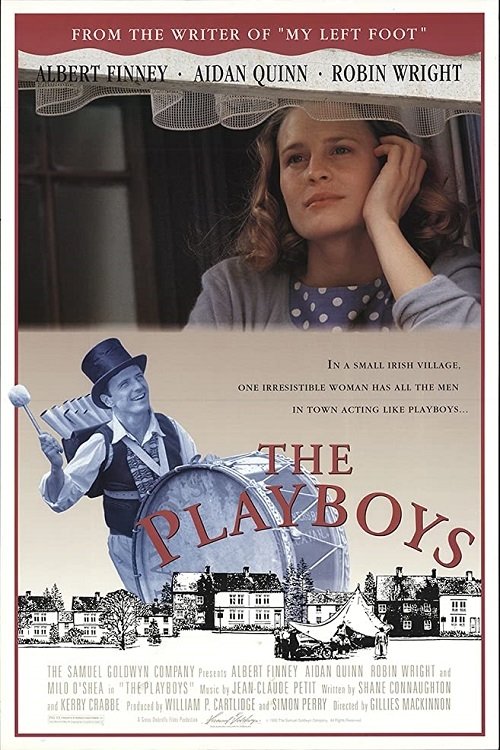
The Playboys
1992
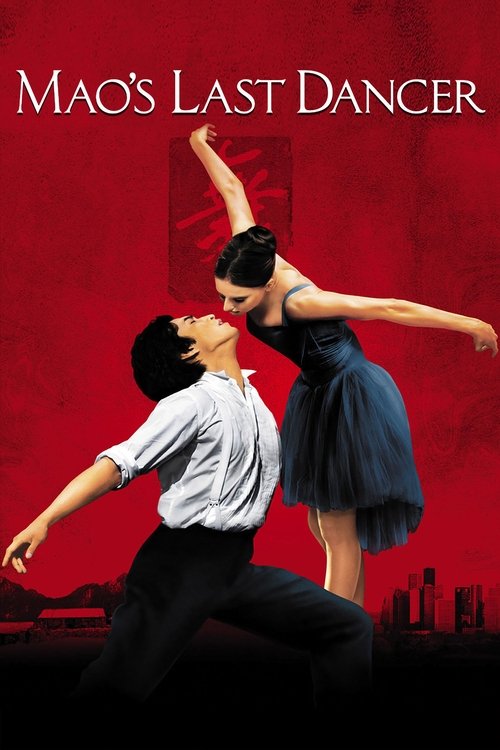
Mao's Last Dancer
2009
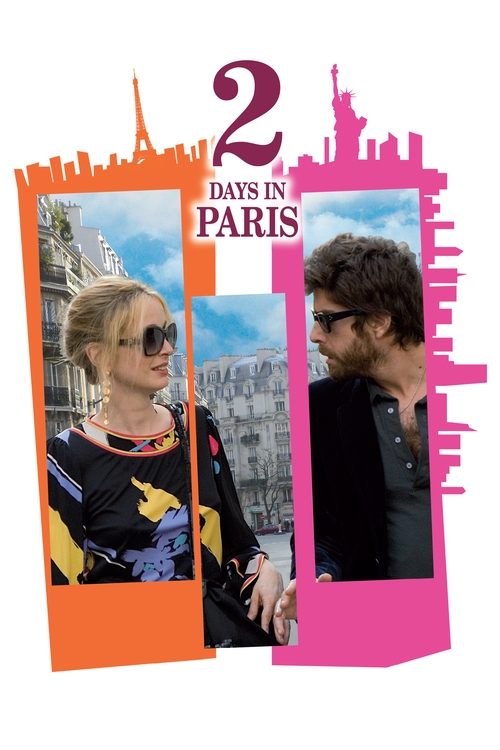
Two Days in Paris
2007
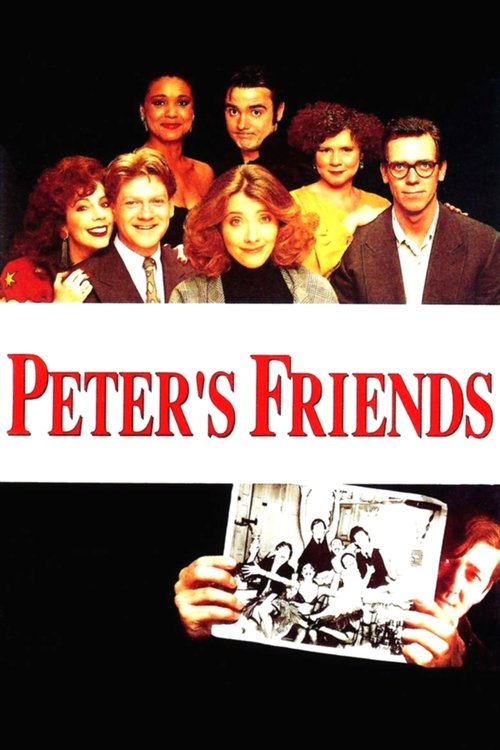
Peter's Friends
1992
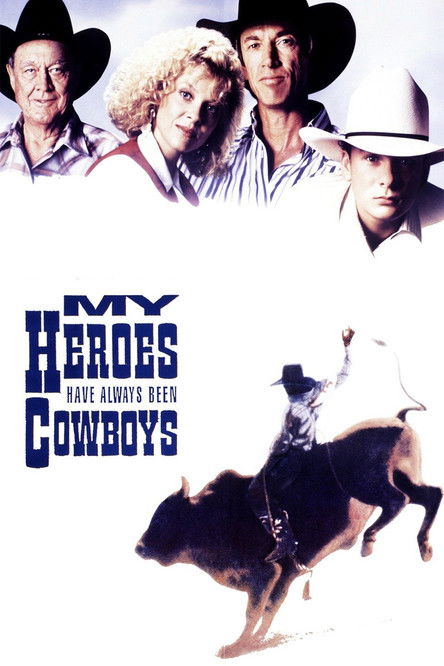
My Heroes Have Always Been Cowboys
1991
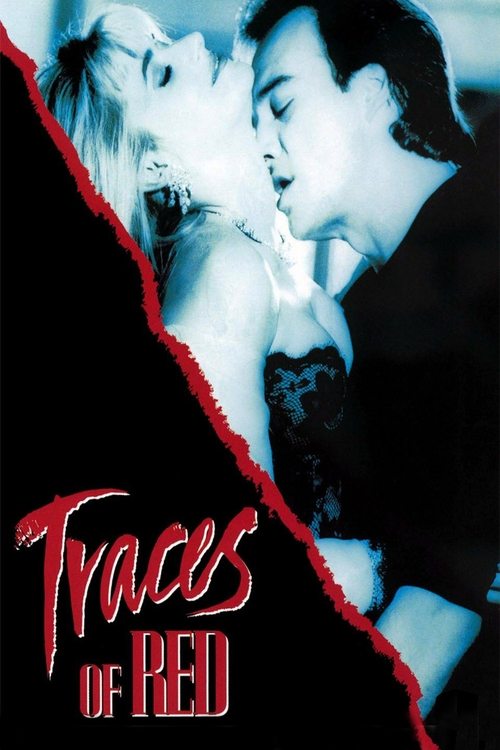
Traces of Red
1992
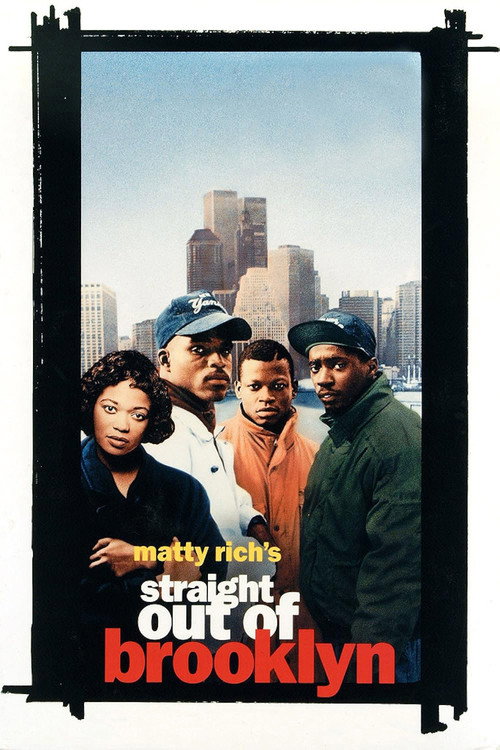
Straight Out of Brooklyn
1991

Priceless
2006
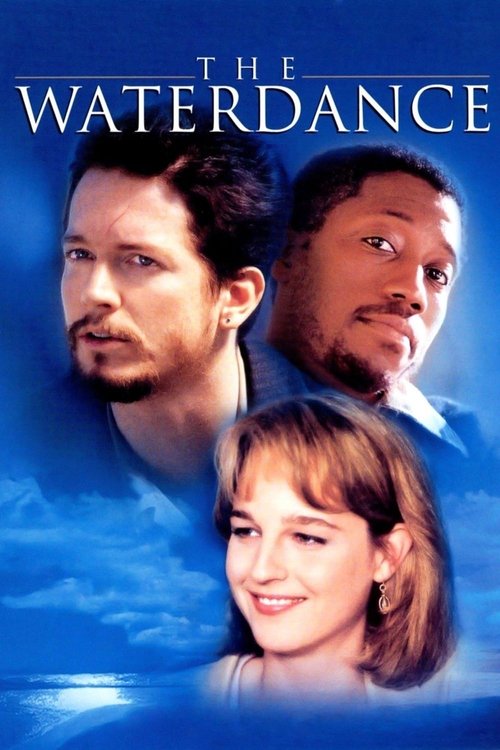
The Waterdance
1992
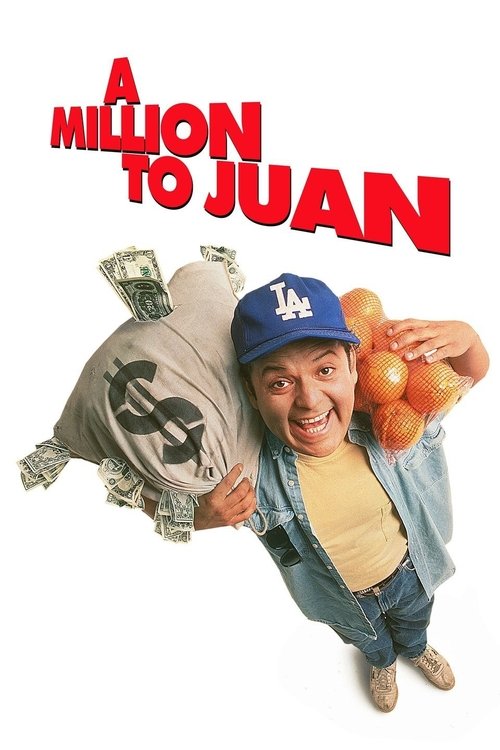
A Million to Juan
1994

Saving Christmas
2014
People here
Work at The Samuel Goldwyn Company? Add it to your profile →
Reviews
Sign in to review The Samuel Goldwyn Company.
No reviews yet.