
Company
Savoy Pictures
A lavishly funded startup studio that bought its way into 1990s Hollywood, never landed the hit that could sustain it, and cashed out into television before the decade could bury it (1992-1997).
1 project
About
Victor Kaufman named the company after the bat in *The Natural*—the Savoy Special—that Roy Hobbs uses to hit the pennant-winning home run after Wonderboy breaks. It was a hopeful sign for a studio that spent five years trying to produce a breakthrough hit without success. In the early 1990s, Savoy Pictures had nearly everything a new studio could want: experienced leadership, strong financial backing from Wall Street, an output deal with HBO, and a slate of well-received films. What it never had was a breakout hit. In the studio business, respectability without a hit can lead to slow decline.
Savoy was founded in February 1992 by Kaufman, a former Columbia Pictures executive who had helped launch TriStar Pictures, and Lewis J. Korman, another Columbia veteran. Their business model fit the era: produce and distribute mid-budget films in the $12–25 million range and reduce risk through ancillary deals, particularly a June 1992 agreement with HBO for home-video, pay-TV, and pay-per-view rights. In March 1993, Savoy went public, giving it the financial resources to operate like a major studio rather than a small production company.
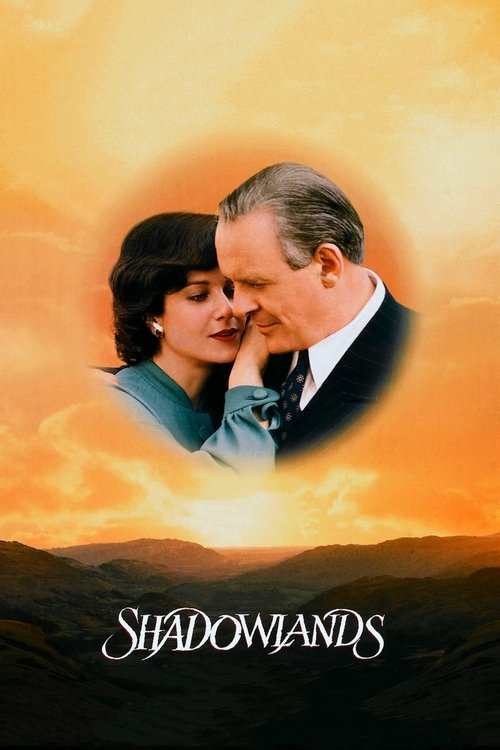
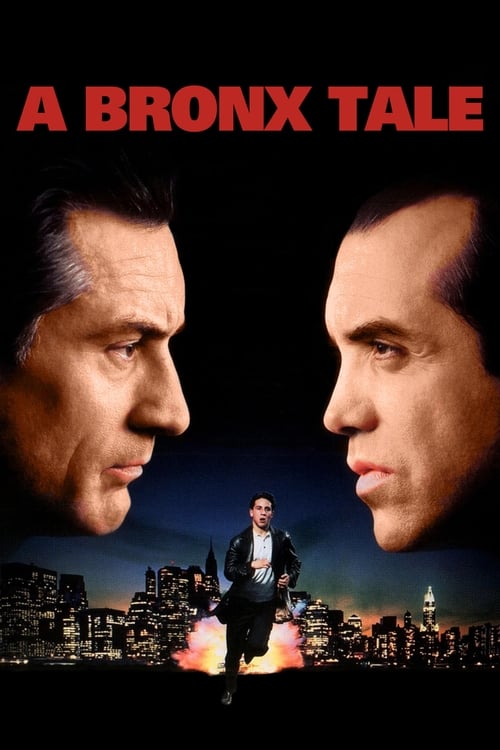
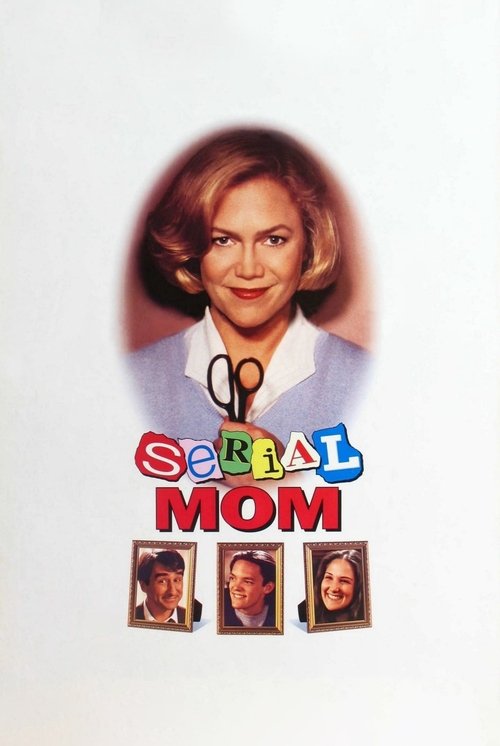
For a company often remembered as a failure, Savoy's filmography reads better than its financial results. Its most enduring release was *A Bronx Tale* (1993), Robert De Niro’s confident directorial debut, adapted from Chazz Palminteri’s one-man play. That December, Savoy handled the U.S. release of *Shadowlands*, Richard Attenborough’s biographical drama about C.S. Lewis, starring Anthony Hopkins and Debra Winger, which received Oscar attention. In 1994 came *Serial Mom*, John Waters’s over-the-top comedy starring Kathleen Turner as a murderous suburban housewife.
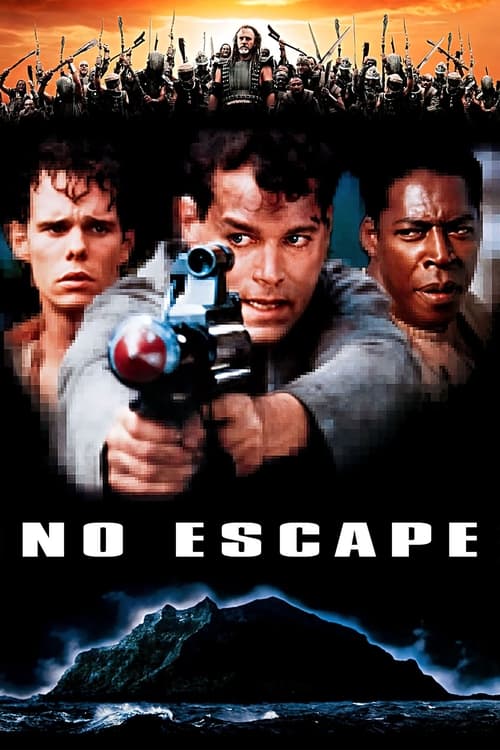
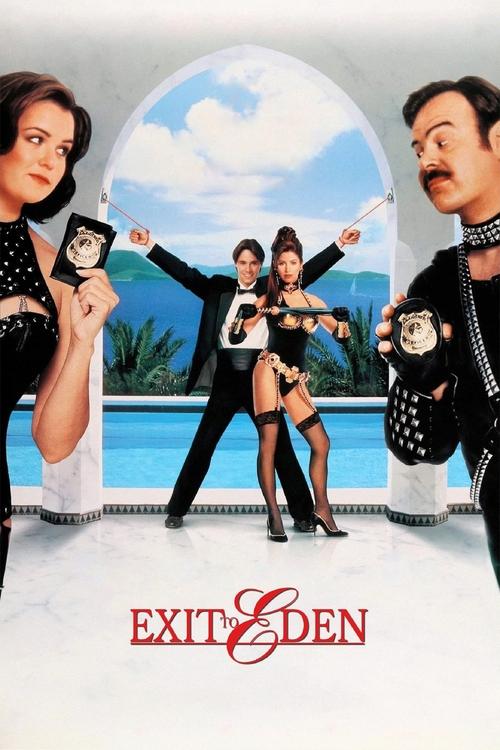
But the blockbusters never materialized. Alongside the well-received films were a series of costly misfires, including the Ray Liotta prison thriller *No Escape* and, most notably, *Exit to Eden* (1994), a poorly received bondage comedy that became emblematic of the studio's marketing struggles. Savoy released good movies and modest ones; it never released a phenomenon, and it lacked the deep catalog that allows a major studio to weather a bad year.
By 1994, the founders were already shifting focus. That March, Savoy formed SF Broadcasting with Fox Television Stations, taking a controlling interest in a cluster of stations in New Orleans, Honolulu, Green Bay, and Mobile that became Fox affiliates. This move signaled a shift in priorities: the company’s most valuable assets were becoming its cash reserves and its broadcast licenses, not its film slate.
Three years after its launch, a studio that had been introduced with fanfare and backed by hundreds of millions in capital had proven the oldest rule in the business—success cannot be bought.
The end came quickly and cleanly for shareholders. In November 1995, Savoy agreed to be acquired by Barry Diller’s Silver King Communications in a deal valued at around $210 million. Diller was not interested in Savoy’s film library; he wanted its cash and television holdings, which fit into the media empire he was building. Kaufman did not leave the company—he joined Diller’s Office of the Chairman, a fitting conclusion for a film company whose founder realized it was worth more as a broadcasting entity. The merger was completed in 1997, and Savoy was folded into the entity that later became HSN, USA Networks, and eventually IAC.
Film production ceased. The modest Savoy film library remained with Diller’s empire until he sold USA Networks’ entertainment assets to Vivendi Universal in 2002, which is why most Savoy titles are now owned by Universal Pictures and Focus Features.
Savoy remains a textbook example of the independent-studio boom of the early 1990s—proof that money, experience, and a smart output deal were no substitute for a franchise or a runaway hit. It closed not with a collapse but with a quiet, profitable exit: a film company that realized it was worth more as a television holding and was acquired accordingly.
Projects (1)
A platform appears here when one of this studio's titles streams on it. Click to filter — pick several to combine.

Films distributed
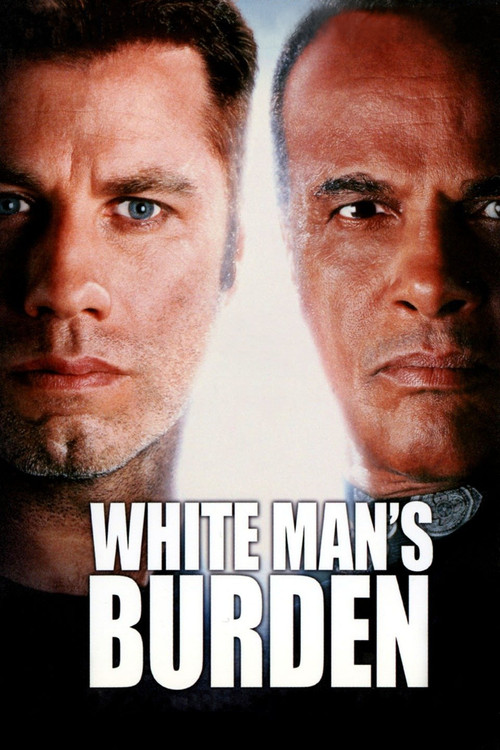
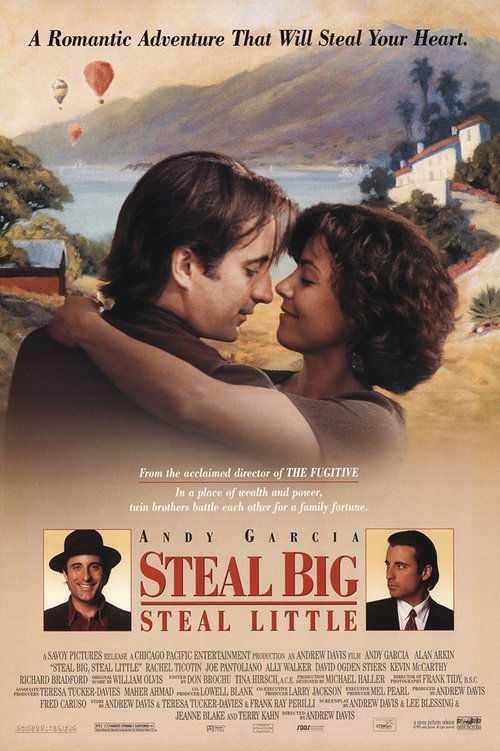
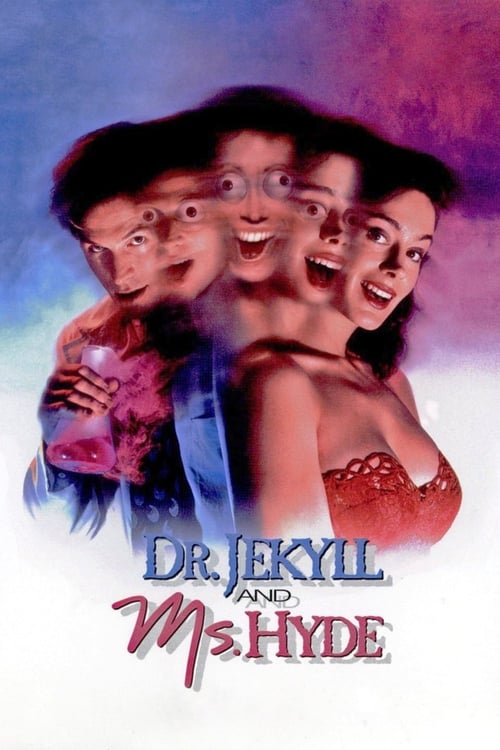
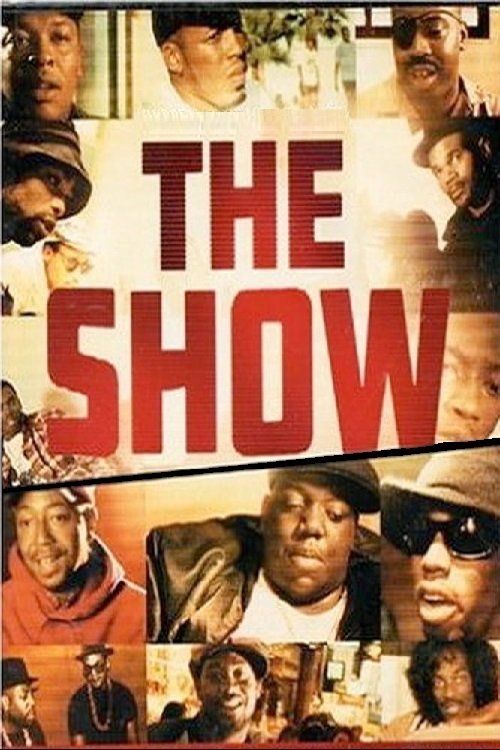
Theatrical releases this company distributed, by U.S. box-office gross.



People here
Work at Savoy Pictures? Add it to your profile →
Reviews
Sign in to review Savoy Pictures.
No reviews yet.