
Person · Actor
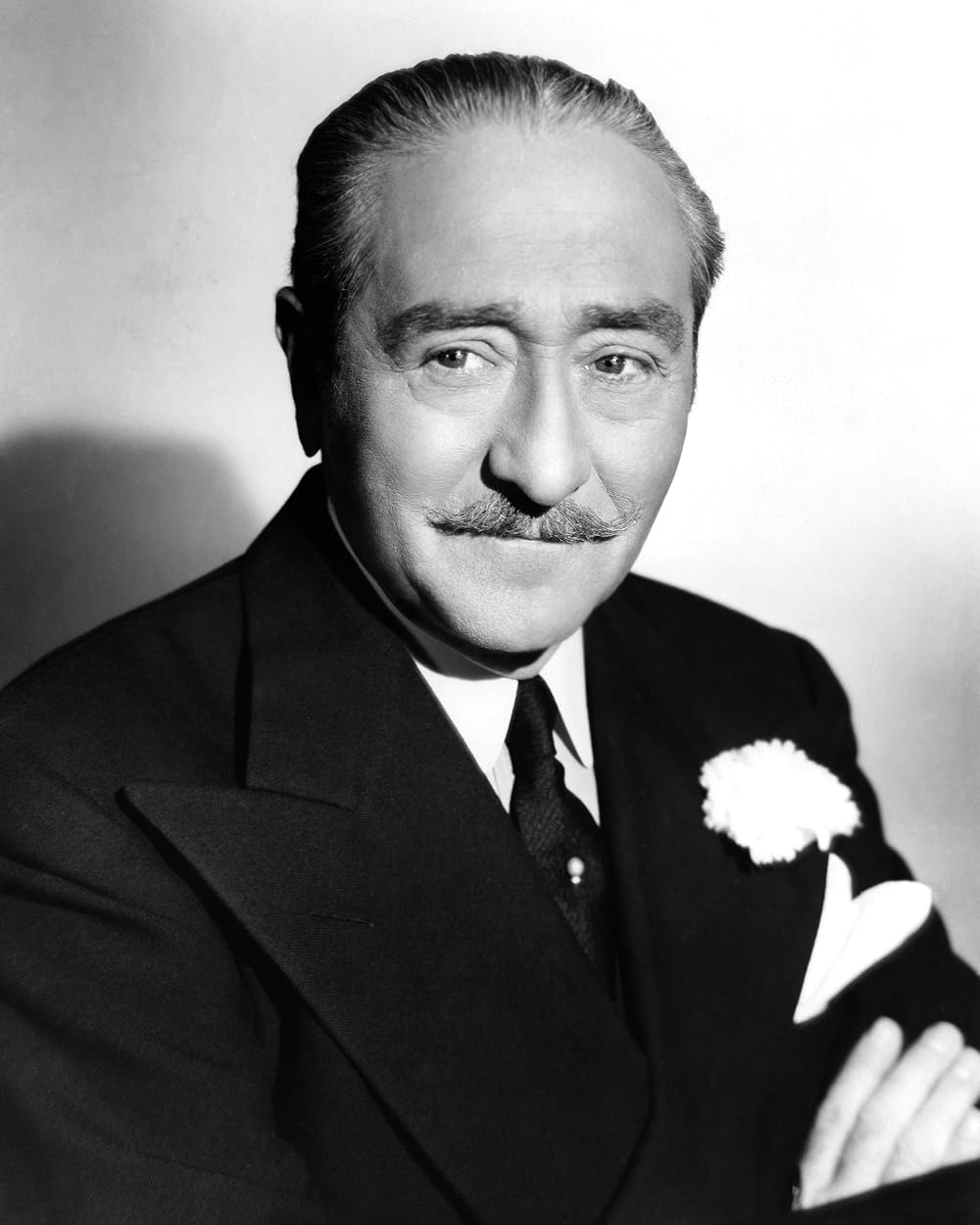
Adolphe Menjou
- Also:
- Producer
In short · Acted for 11 decades — 155 credits.
Remembered for
Ranked by community engagement + sustained interest across this person's credits in our database.
Help complete this page
We’re missing one-line descriptor, birth date. Sign in to add what you know.
Biography
The words "suave" and "debonair" became synonymous with the name Adolphe Menjou in Hollywood, both on- and off-camera. The epitome of knavish, continental charm and sartorial opulence, Menjou, complete with trademark waxy black mustache, evolved into one of Hollywood's most distinguished of artists and fashion plates, a tailor-made scene-stealer, if you will. What is often forgotten is that he was primed as a matinée idol back in the silent-film days. With hooded, slightly owlish eyes, a prominent nose and prematurely receding hairline, he was hardly competition for Rudolph Valentino, but he did possess the requisite demeanor to confidently pull off a roguish and magnetic man-about-town. Fluent in six languages, Menjou was nearly unrecognizable without some type of formal wear, and he went on to earn distinction as the nation's "best dressed man" nine times. Born on February 18, 1890, in Pittsburgh, Pennsylvania, he was christened Adolphe Jean Menjou, the elder son of a hotel manager. His Irish mother was a distant cousin of novelist / poet James Joyce ("Ulysses") (1882-1941). His French father, an émigré, eventually moved the family to Cleveland, where he operated a chain of restaurants. He disapproved of show business and sent an already piqued Adolphe to Culver Military Academy in Indiana in the hopes of dissuading him from such a seemingly reckless and disreputable career. From there Adolphe was enrolled at Stiles University prep school and then Cornell University. Instead of acquiescing to his father's demands and obtaining a engineering degree, however, he abruptly changed his major to liberal arts and began auditioning for college plays. He left Cornell in his third year in order to help his father manage a restaurant for a time during a family financial crisis. From there he left for New York and a life in the theater. Adolphe toiled as a laborer, a haberdasher and even a waiter in one of his father's restaurants during his salad days, which included some vaudeville work. Oddly enough, he never made it to Broadway but instead found extra and/or bit work for various film studios (Vitagraph, Edison, Biograph) starting in 1915. World War I interrupted his early career, and he served as a captain with the Ambulance Corps in France. After the war he found employment off-camera as a productions manager and unit manager. When the New York-based film industry moved west, so did Adolphe. Nothing of major significance happened for the fledgling actor until 1921, an absolute banner year for him. After six years of struggle he finally broke into the top ranks with substantial roles in The Faith Healer (1921) and Through the Back Door (1921), the latter starring Mary Pickford. He formed some very strong connections as a result and earned a Paramount contract in the process. Cast by Mary's then-husband Douglas Fairbanks as Louis XIII in the rousing silent The Three Musketeers (1921), he finished off the year portraying the influential writer/friend Raoul de Saint Hubert in Rudolph Valentino's classic The Sheik (1921). Firmly entrenched in the Hollywood lifestyle, it took little time for Menjou to establish his slick prototype as the urbane ladies' man and wealthy roué. Paramount, noticing how Menjou stole scenes from Charles Chaplin favorite Edna Purviance in Chaplin's A Woman of Paris: A Drama of Fate (1923), started capitalizing on Menjou's playboy image by casting him as various callous and creaseless matinée leads in such films as Broadway After Dark (1924), Sinners in Silk (1924), The Ace of Cads (1926), A Social Celebrity (1926) and A Gentleman of Paris (1927). His younger brother Henri Menjou, a minor actor, had a part in Adolphe's picture Blonde or Brunette (1927). The stock market crash led to the termination of Adolphe's Paramount contract, and his status as leading man ended with it. MGM took him on at half his Paramount salary and his fluency in such languages as French and Spanish kept him employed at the beginning. Rivaling Gary Cooper for the attentions of Marlene Dietrich in Morocco (1930) started the ball rolling for Menjou as a dressy second lead. Rarely placed in leads following this period, he managed his one and only Oscar nomination for "Best Actor" with his performance as editor Walter Burns in The Front Page (1931). Not initially cast in the role, he replaced Louis Wolheim, who died ten days into rehearsal. Quality parts in quality pictures became the norm for Adolphe during the 1930s, with outstanding roles given him in The Great Lover (1931), A Farewell to Arms (1932), Forbidden (1932), Little Miss Marker (1934), Morning Glory (1933), A Star Is Born (1937), Stage Door (1937) and Golden Boy (1939). The 1940s were not as golden, however. In addition to entertaining the troops overseas and making assorted broadcasts in a host of different languages, he did manage to get the slick and slimy Billy Flynn lawyer role opposite Ginger Rogers' felon in the "Chicago" adaptation Roxie Hart (1942), and continued to earn occasional distinction in such post-WWII pictures as The Hucksters (1947) and State of the Union (1948). His last lead was in the crackerjack thriller The Sniper (1952), in which he played an (urbane) San Francisco homicide detective tracking down a killer who preys on women in San Francisco, and he appeared without his mustache for the first time in nearly two decades. Also active on radio and TV, his last notable film was the classic anti-war picture Paths of Glory (1957) playing the villainous Gen. Broulard. Adolphe's extreme hardcore right-wing Republican politics hurt his later reputation, as he was made a scapegoat for his cooperation as a "friendly witness" at the House Un-American Activities Commission hearing during the Joseph McCarthy Red Scare era. Following his last picture, Disney's Pollyanna (1960), in which he played an uncharacteristically rumpled curmudgeon who is charmed by Hayley Mills, he retired from acting. He died after a nine-month battle with hepatitis on October 29, 1963, inside his Beverly Hills home. Three times proved the charm for Adolphe with his 1934 marriage to actress Verree Teasdale, who survived him. The couple had an adopted son named Peter. His autobiography, "It Took Nine Tailors" (1947), pretty much says it all for this polished, preening professional.
Family & relationships
- Spouse
- Other
Filmography · 152 of 152
A platform appears here when one of these titles streams on it. Click to filter — pick several to combine.
Actor
134 credits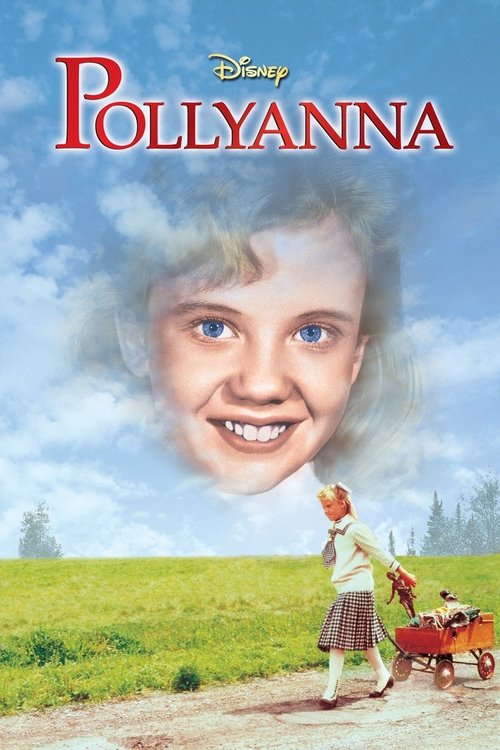
Pollyanna(1960)
Mr. Pendergast
Film
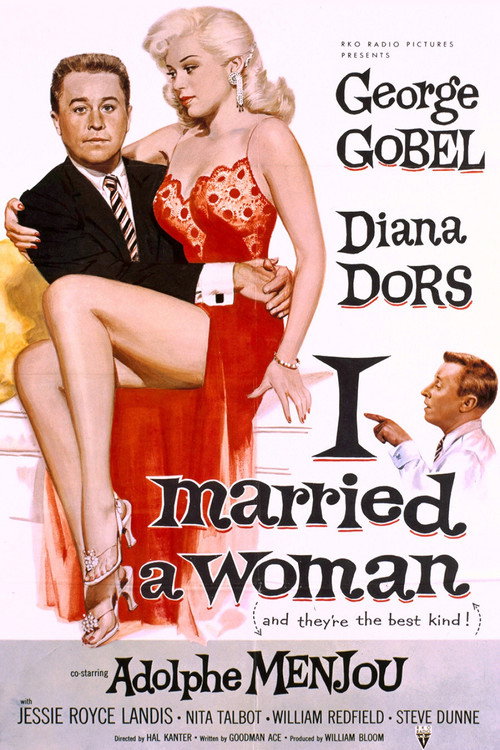
I Married a Woman(1958)
Frederick W. Sutton
Film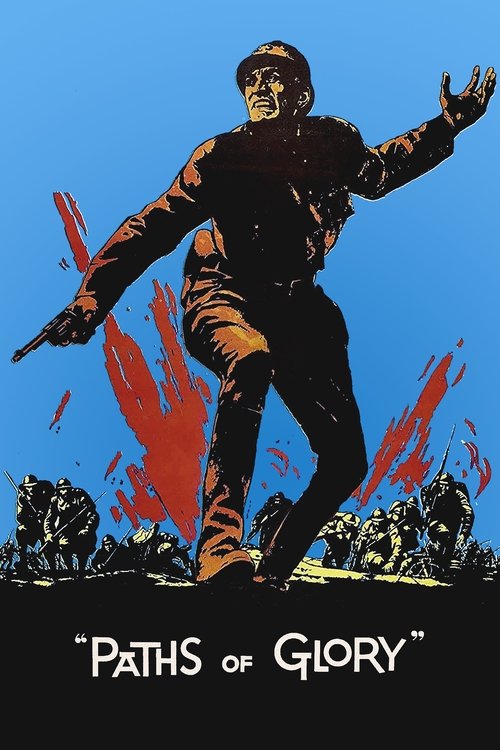
Paths of Glory(1957)
Gen. George Broulard
Film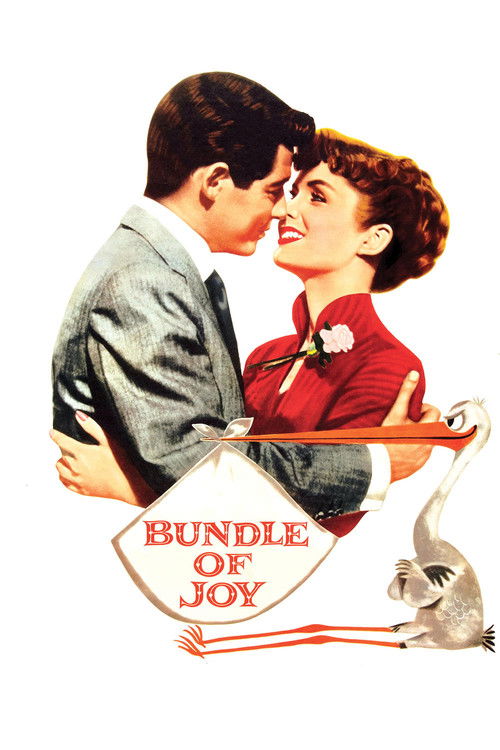
Bundle of Joy(1956)
J.B. Merlin
Film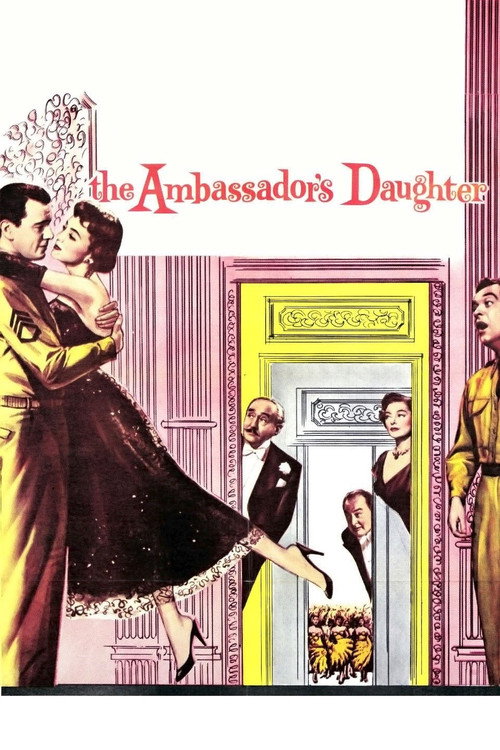
The Ambassador's Daughter(1956)
Senator Jonathan Cartwright
Film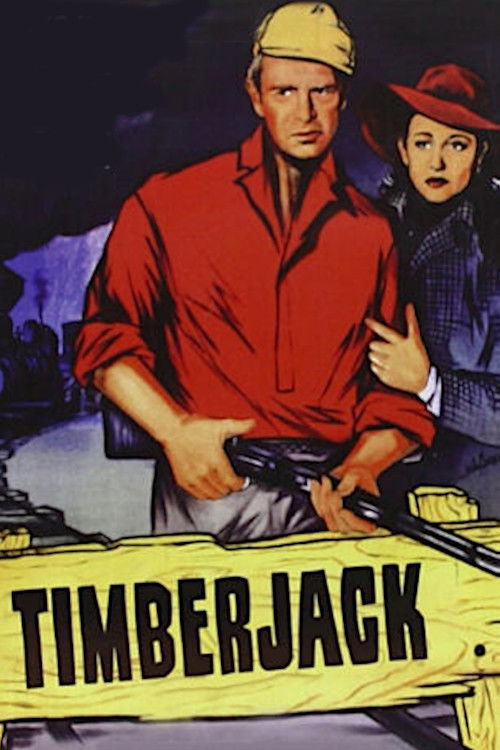
Timberjack(1955)
'Sweetwater' Tilton
Film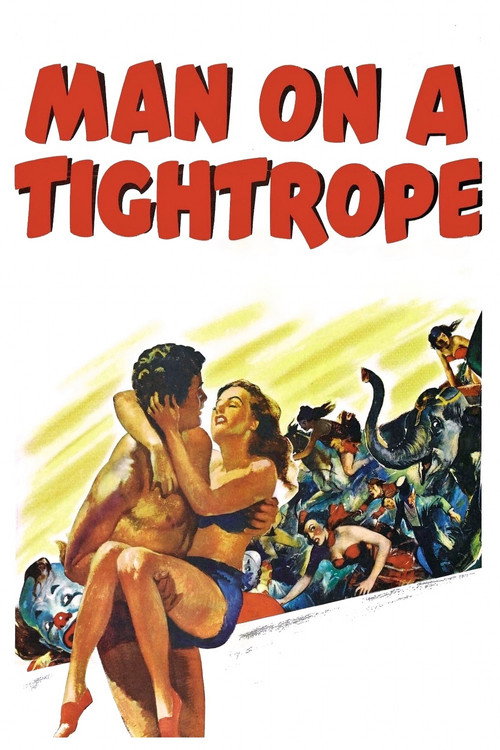
Man on a Tightrope(1953)
Fesker
Film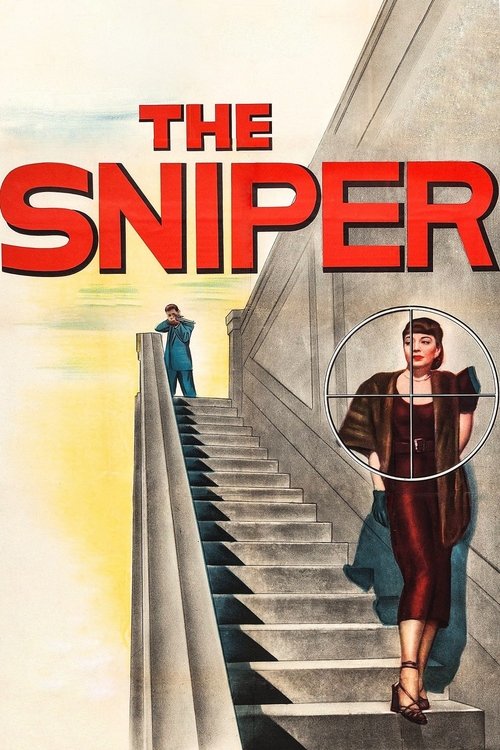
The Sniper(1952)
Police Lt. Frank Kafka
Film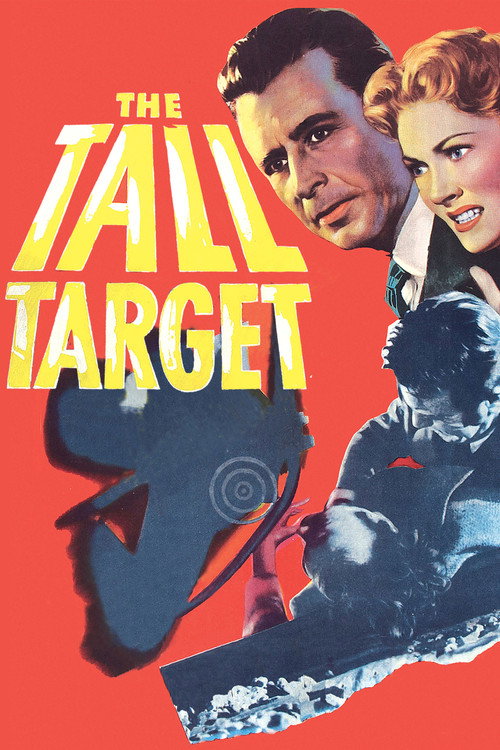
The Tall Target(1951)
Colonel Caleb Jeffers
Film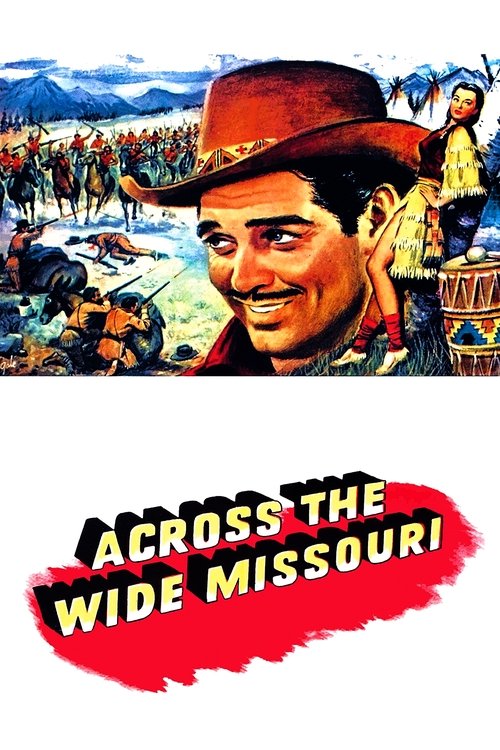
Across the Wide Missouri(1951)
Pierre
Film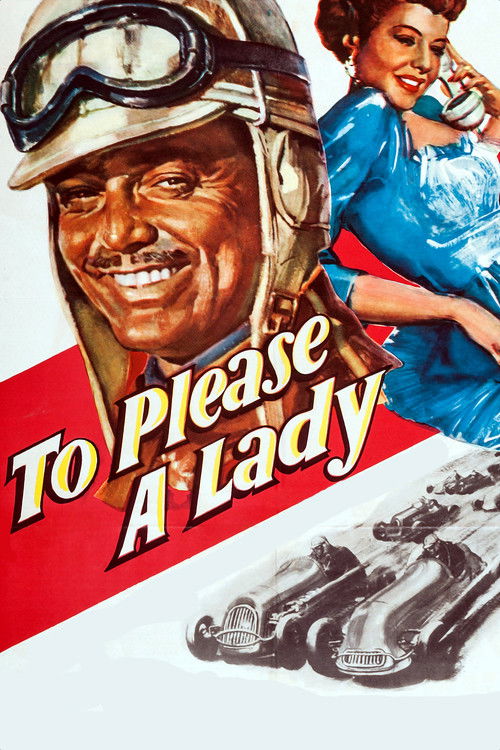
To Please a Lady(1950)
Gregg
Film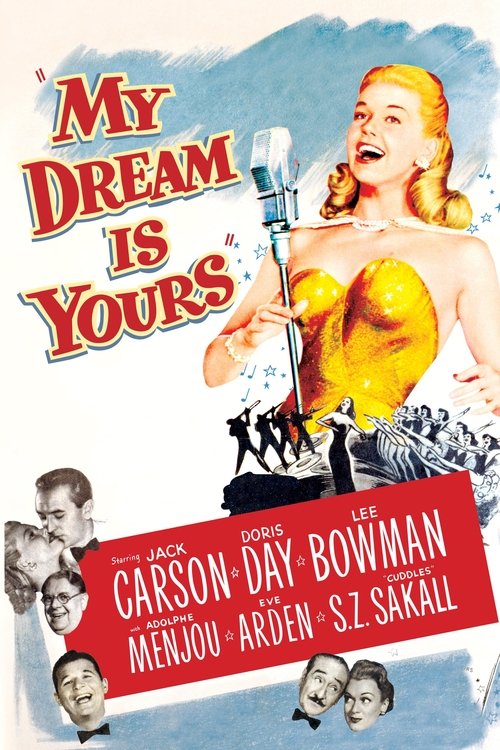
My Dream Is Yours(1949)
Thomas Hutchins
Film
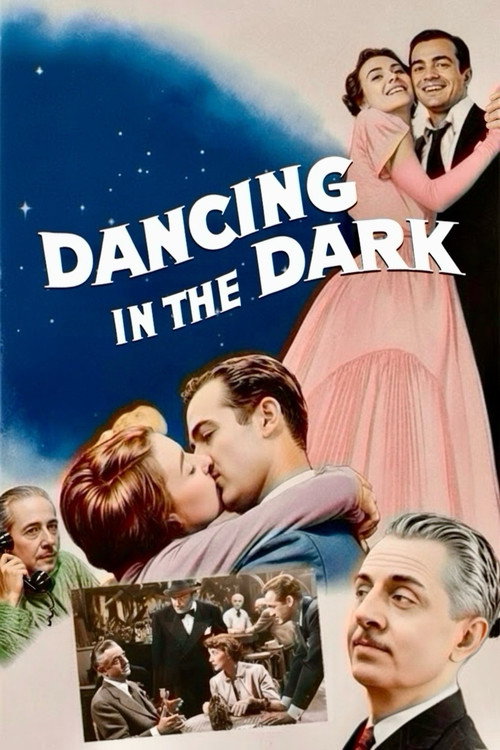
Dancing in the Dark(1949)
Melville Crossman
Film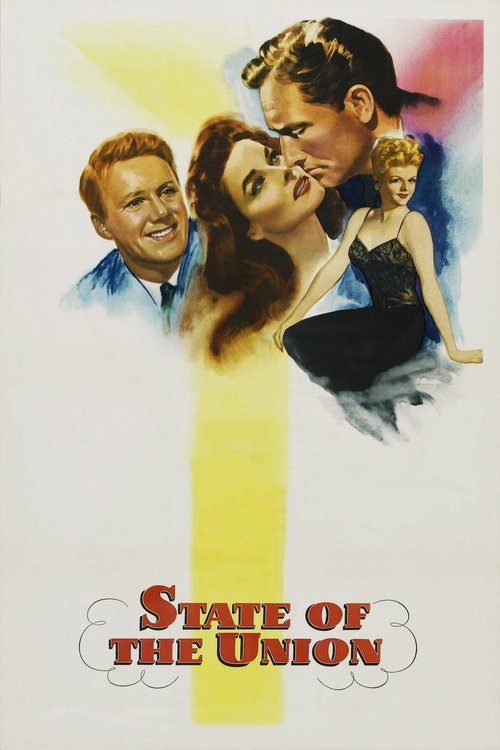
State of the Union(1948)
Jim Conover
Film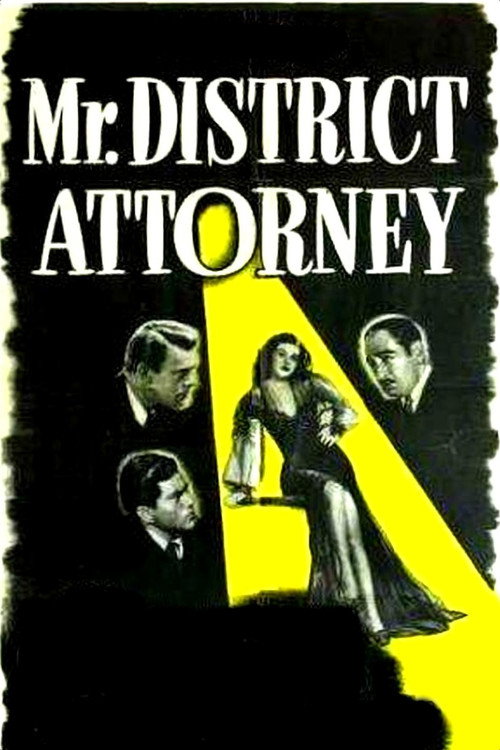
Mr. District Attorney(1947)
Craig Warren
Film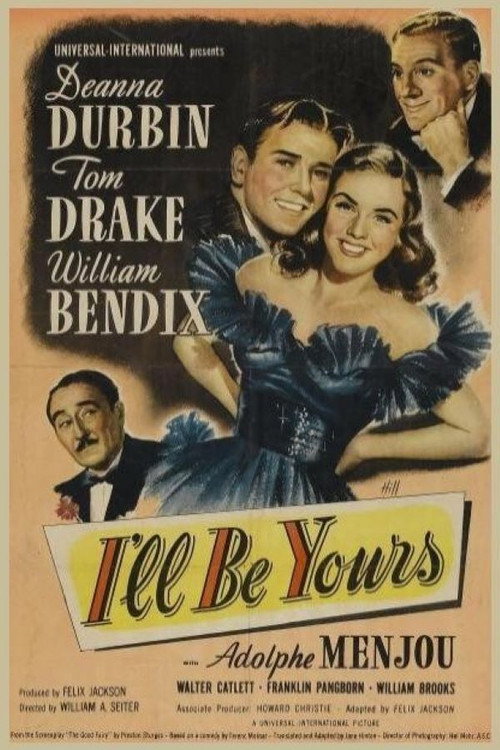
I'll Be Yours(1947)
J. Conrad Nelson
Film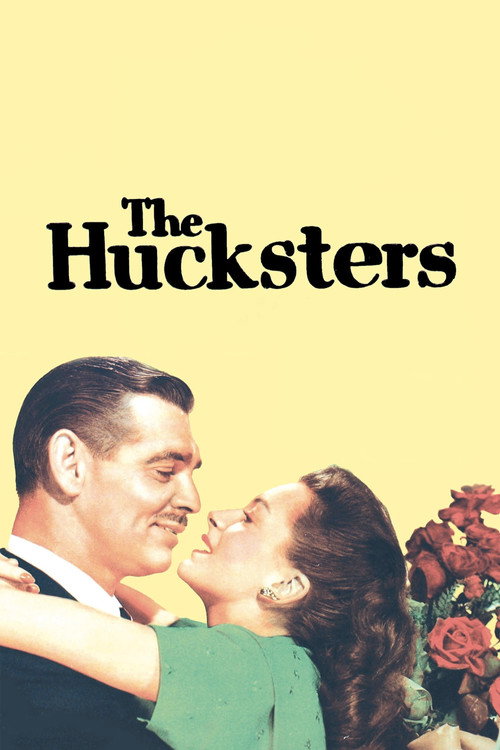
The Hucksters(1947)
Mr. Kimberly
Film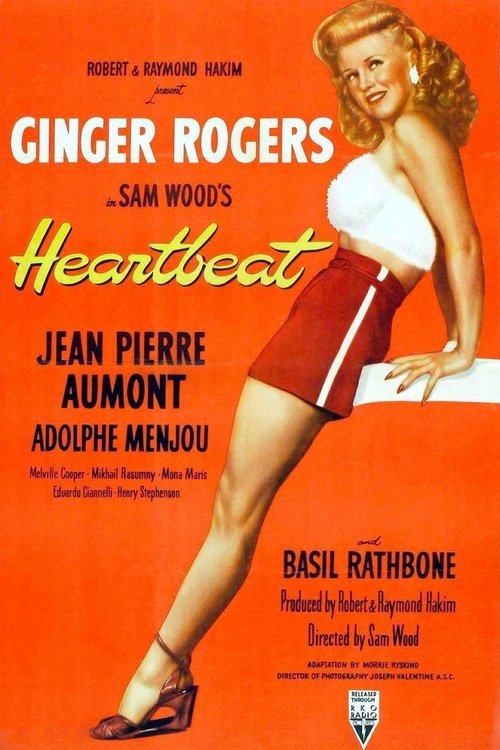
Heartbeat(1946)
Ambassador
Film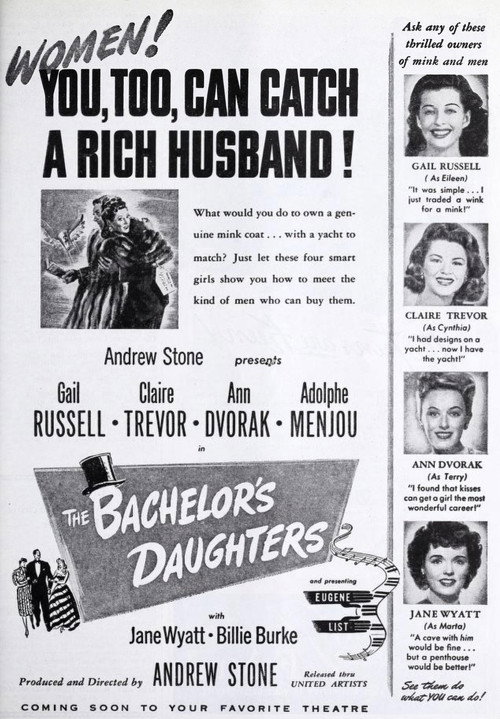
The Bachelor's Daughters(1946)
Alexander Moody
Film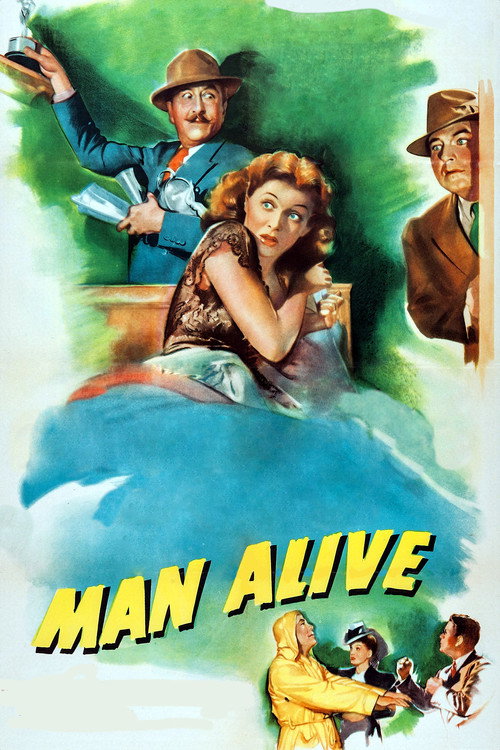
Man Alive(1945)
Kismet
Film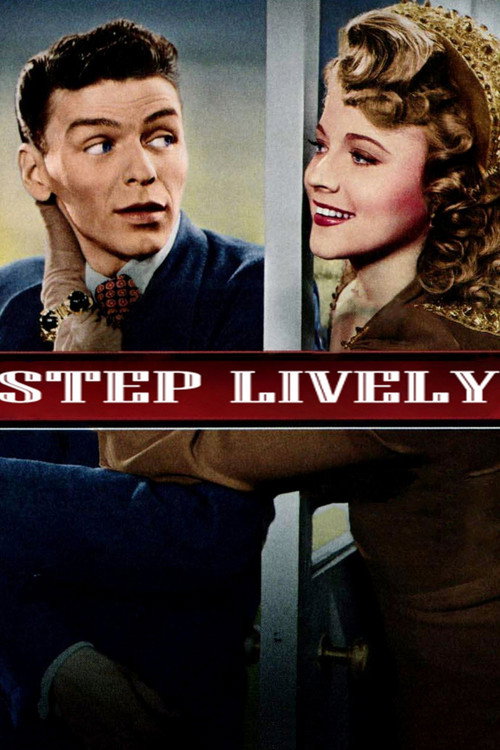
Step Lively(1944)
Wagner
Film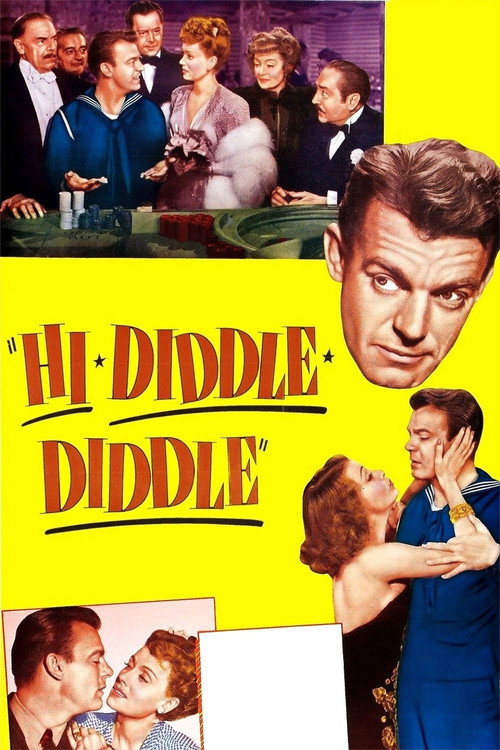
Hi Diddle Diddle(1943)
Colonel Hector Phyffe
Film
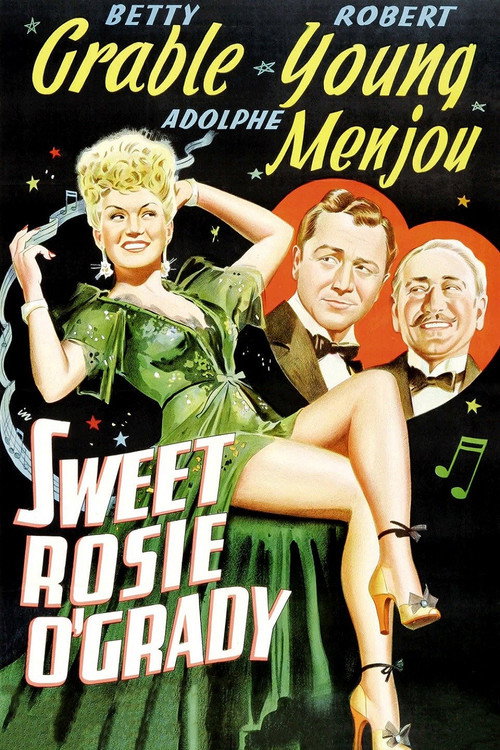
Sweet Rosie O'Grady(1943)
Tom Moran
Film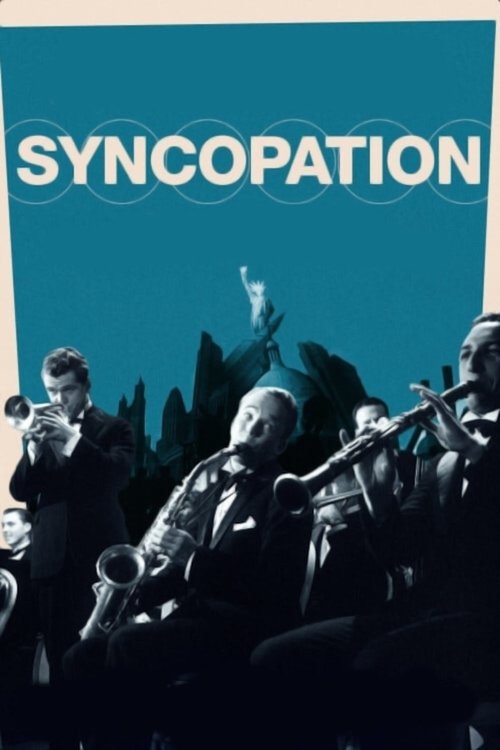
Syncopation(1942)
George Latimer
Film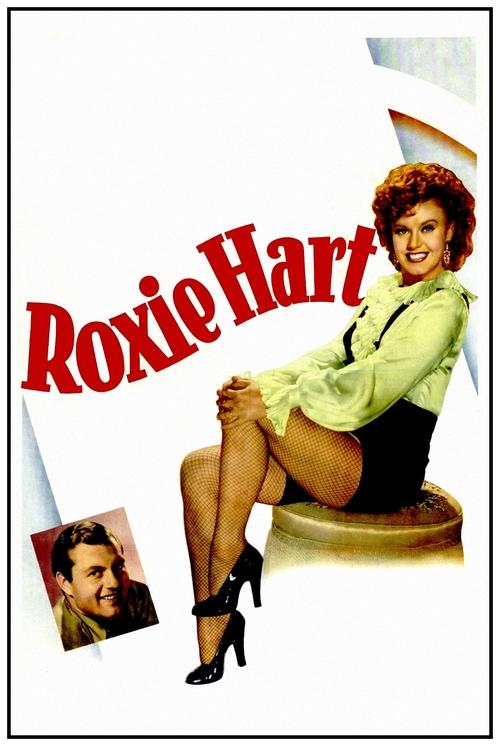
Roxie Hart(1942)
Billy Flynn
Film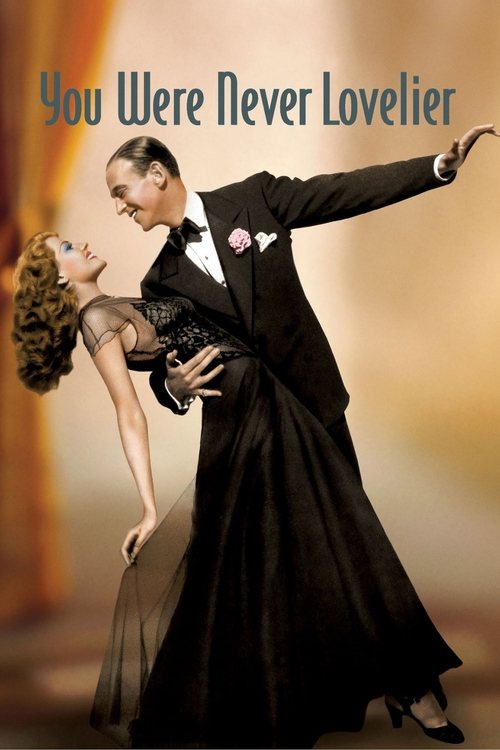
You Were Never Lovelier(1942)
Eduardo Acuña
Film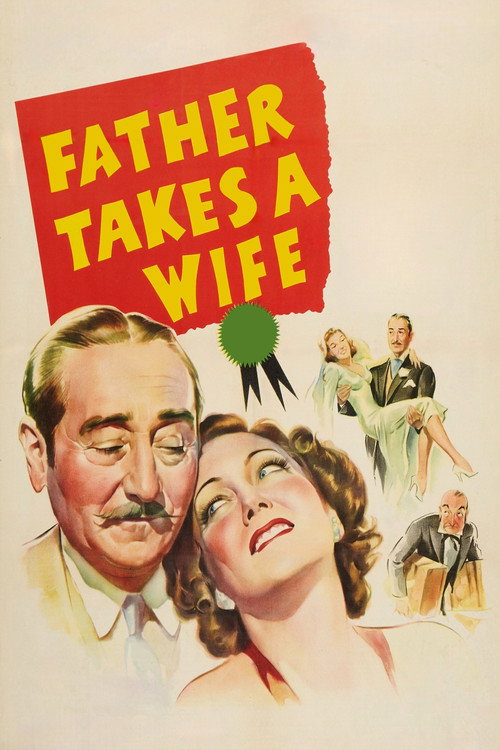
Father Takes a Wife(1941)
Senior
Film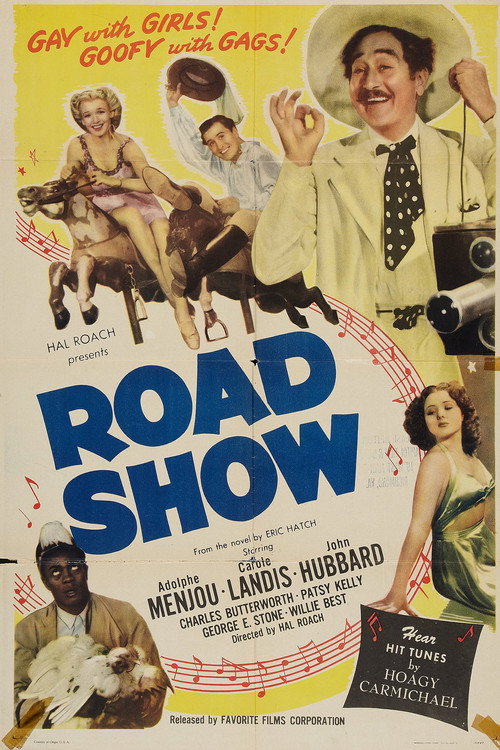
Road Show(1941)
Colonel Carleton Carroway
Film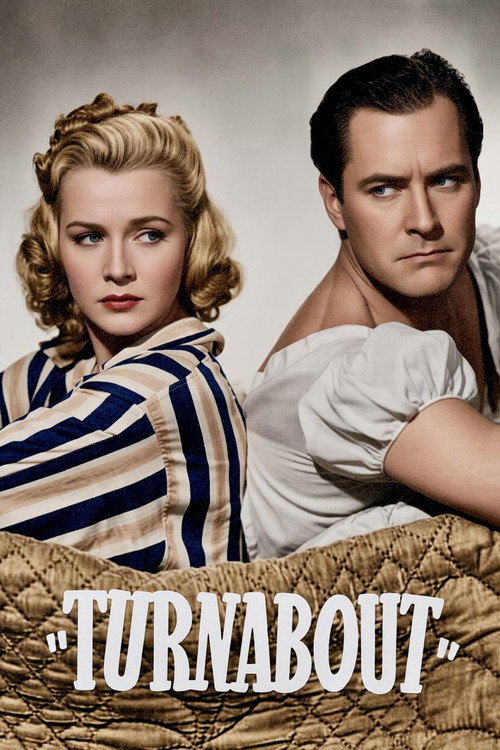
Turnabout(1940)
Phil Manning
Film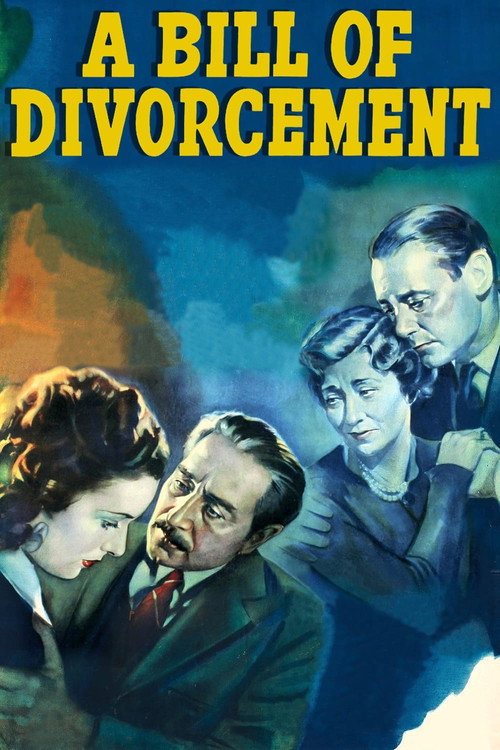
A Bill of Divorcement(1940)
Hilary Fairfield
Film
Editor
3 credits
Other crew
15 credits
Sinatra: All or Nothing at All(2015)
Crew
TV
Marsha Hunt's Sweet Adversity(2015)
Crew
Film
Classified X(2007)
Crew
Film
Trumbo(2007)
Crew
Film
Ayn Rand: A Sense of Life(1996)
Crew
Film
Citizen Cohn(1992)
Crew
Film
Biography(1987)
Crew
TV

Zelig(1983)
Crew
Film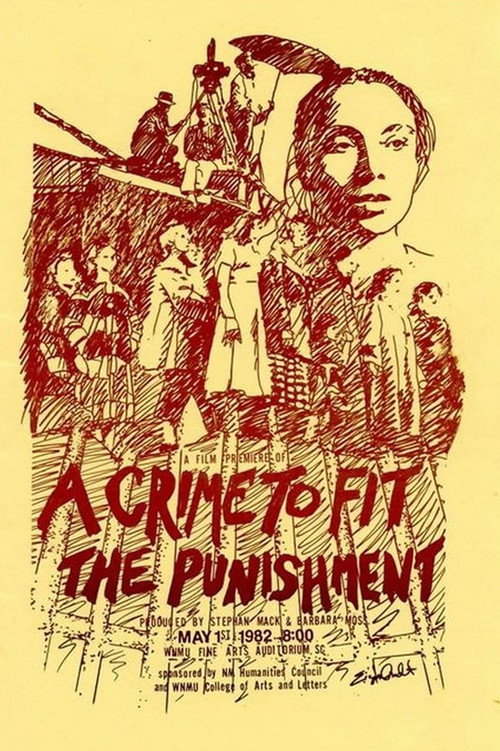
A Crime to Fit the Punishment(1982)
Crew
Film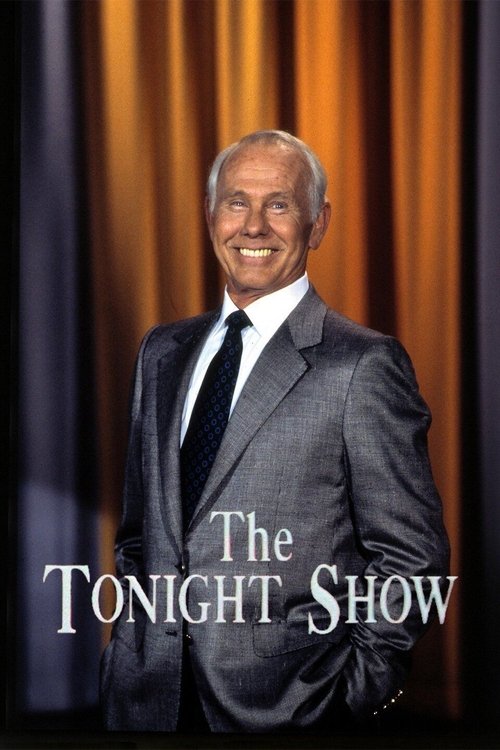
The Tonight Show Starring Johnny Carson(1962)
Crew
TV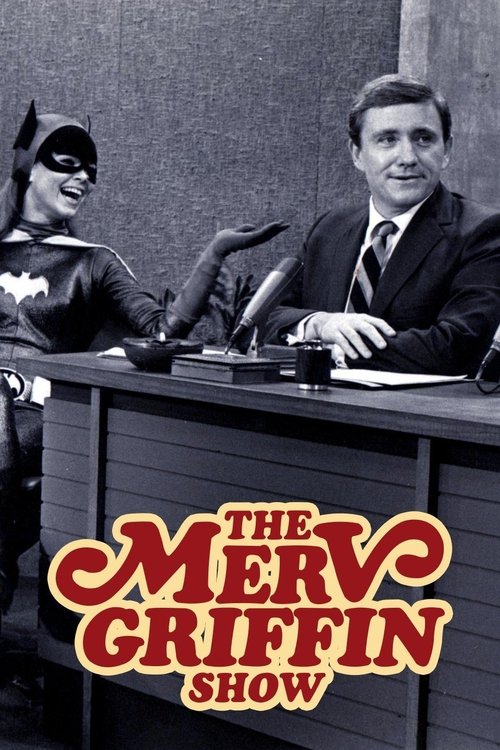
The Merv Griffin Show(1962)
Crew
TV
Here's Hollywood(1960)
Crew
TVThe George Gobel Show(1954)
Crew
TV
I've Got a Secret(1952)
Crew
TV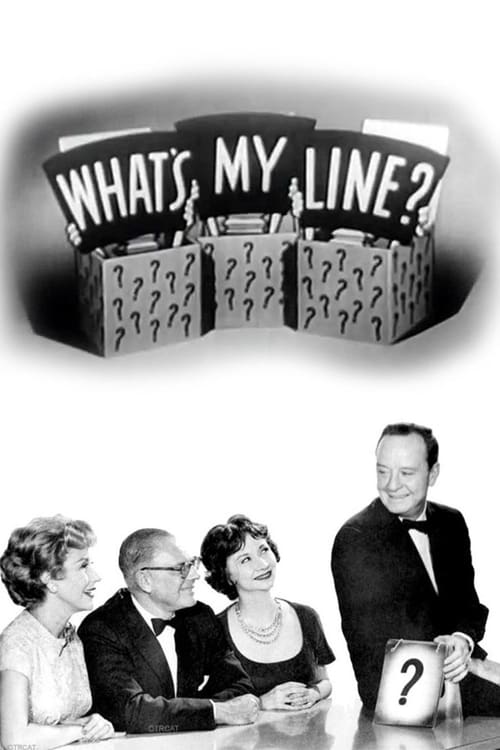
What's My Line?(1950)
Crew
TV
Awards & Nominations
2 nominationsAcademy Award
- Nom1931Best Actor
More awards & festivals (1) — regional academies & film-festival prizes
Academy Awards
- Nom1930Oscar — Actor in a Leading Role
Originals
Streaming originals this person worked on.
Memorable quotes
Browse all →No quotes logged for Adolphe Menjou yet — add the first memorable line below.
Got a quote we’re missing?
Submit a line from any film, show, or game.
Additional credits3Show
Non-headline appearances — talk-show, awards-show, panel, and archive-footage credits, kept separate from the main filmography.
- Your Favorite StorySelf - Host · 1953
- Wir schalten um auf HollywoodSelf · 1931
- The Circus: PremiereSelf · 1928
Edit history
Loading edit history…
Comments (0)
on Adolphe MenjouNo comments yet. Be the first to share what you think.