
Person · Actor
Art Carney
- Also:
- Producer
In short · Acted for nine decades — 63 credits, 5 Primetime Emmy Award wins.
Remembered for
Ranked by community engagement + sustained interest across this person's credits in our database.
Recent & in release
- Award win
Primetime Emmy Award — Outstanding Supporting Actor in a Miniseries or a Movie
- Award win
Academy Awards — Oscar — Actor in a Leading Role
- Award win
Primetime Emmy Award — Outstanding Supporting Actor in a Comedy Series
- Award win
Primetime Emmy Award — Outstanding Supporting Actor in a Comedy Series
Help complete this page
We’re missing one-line descriptor, birth date. Sign in to add what you know.
Biography
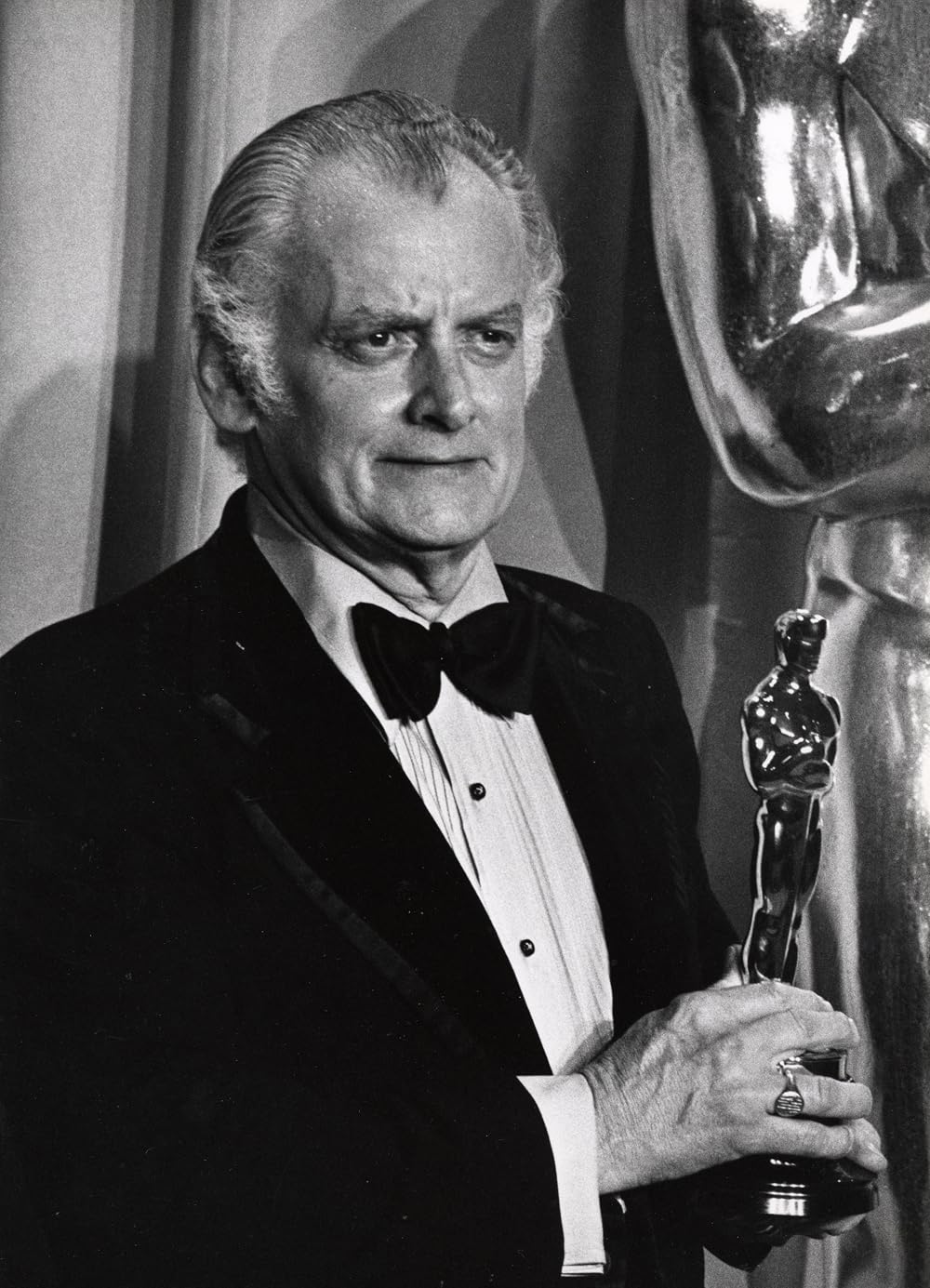
Art Carney was an American actor with a lengthy career but is primarily remembered for two roles. In television, Carney played municipal sewer worker Ed Norton in the influential sitcom "The Honeymooners" (1955-1956). In film, Carney played senior citizen Harry Coombes in the road movie "Harry and Tonto" (1974). For this role, Carney won the Academy Award for Best Actor. In 1918, Carney was born in an Irish American family in Mount Vernon, New York. His father was publicist Edward Michael Carney, and his mother was housewife Helen Farrell. Carney was the youngest of the family's six sons. He was educated at Mount Vernon High School (at the time called "A.B. Davis High School"). In the 1930s, Carney was a singer with the orchestra of big band leader Horace Heidt (1901-1986). They appeared often in radio shows, and were regulars in the pioneering game show Pot o' Gold (1939-1947). Carney had an uncredited cameo in the film adaptation "Pot o' Gold" (1941), which was his film debut. His career was interrupted when he was drafted for World War II service. He served as an infantryman and machine gun crewman for the duration of the war. He fought in the Invasion of Normandy (1944), where he was wounded in the leg by shrapnel. Following his injury, his right leg was shorter than his left one. He walked with a limp for the rest of his life. Following the War, Carney appeared regularly on radio as a character actor. He also served as a celebrity impersonator, imitating the voices of (among others) Franklin Delano Roosevelt, Winston Churchill, and Dwight David Eisenhower. He had a recurring role as the Red Lantern in the fantasy adventure series "Land of the Lost" (1943-1948), and another as Charlie the doorman in radio and television version of the sitcom The Morey Amsterdam Show (1948-1950). Carney was first paired with fellow actor Jackie Gleason (1916-1987) in 1950, in a comedy sketch appearing in the variety series "Cavalcade of Stars" (1949-1952). Gleason appeared as lunchroom loudmouth Charlie Bratten, and Carney as mild-mannered victim Clem Finch. Due to good chemistry between the two actors, Carney became a show regular and appeared in several other comedy sketches with Gleason. "Cavalcade of Stars" was eventually reworked into "The Jackie Gleason Show" (1952-1957), with Gleason as the lead actor and Carney as his sidekick. The most notable of the recurring sketches was "the Honeymooners", pairing the verbally abusive Ralph Kramden (Gleason) with his optimistic best friend Ed Norton (Carney). The sketch eventually was eventually given its own series, "The Honeymooners" (1955-1956). The series only lasted for 1 season, and a total of 39 episodes. The sitcom was canceled due to low ratings, but found success in syndication. Its depiction of the American working class was popular and influenced several other sitcoms. The popular animated sitcom "The Flintstones" (1960-1966) started as a Honeymooners parody, with the character Barney Rubble based on Ed Norton. Due to his popularity as Gleason's sidekick, Carney was offered a number of lead roles in television. He starred in the television special "Art Carney Meets Peter and the Wolf" (1958), adapted from the story "Peter and the Wolf" (1936) by Sergei Prokofiev. He was eventually given his own show "Art Carney Special" (1959-1961), which was not particularly successful. Carney had few notable guest star roles in television during the 1960s. He played an alcoholic department store Santa Claus in the episode "The Night of the Meek" (1960) of The Twilight Zone, and portrayed the villain "The Archer" in two episodes of "Batman". He opened the 1970s by playing both Santa Claus and villain Cosmo Scam in the Christmas television special "The Great Santa Claus Switch" (1970), where he appeared alongside Jim Henson's Muppets. Carney had suffered a career decline until the 1970s, in part due to his alcoholism. He first found success in film as the leading character "Harry and Tonto" (1974), as a lonely senior citizen who goes on a cross-country journey with his pet cat. His critical success in the role and winning an Academy Award helped revive his career. He was offered many new film roles, though few leading ones. Among his better-known film roles were the deranged preacher John Wesley Gore in "W.W. and the Dixie Dancekings" (1975), aging detective Ira Wells in "The Late Show" (1977), senile surgeon Dr. Amos Willoughby in "House Calls" (1978), and thrill-seeking bank robber Al in "Going in Style". During this period, Carney won both the National Society of Film Critics Award for Best Actor and the Pasinetti Award for Best Actor. Carney had a notable role in the television film "Star Wars Holiday Special" (1978) as Trader Saun Dann, a member of the Rebel Alliance. In the 1980s, Carney was mostly reduced to minor roles again. He is better remembered as the kind-hearted farmer Irv Manders in the horror film "Firestarter" (1984) and theatrical producer Bernard Crawford in the comedy-drama "The Muppets Take Manhattan" (1984). He mostly retired from acting by the late 1980s. Carney emerged from retirement to play the supporting role of Frank Slater in "Last Action Hero" (1993). Frank is depicted as the "favorite second cousin" of the film's protagonist Jack Slater (played by Arnold Schwarzenegger). Frank's death provided motivation for the revenge-seeking protagonist. Frank's final line in the film was "I'm outta here", and this was indeed Carney's last appearance in a film before his death. Carney lived in retirement until 2003. He died in his sleep in November 2003, in his home near Westbrook, Connecticut. His death was attributed to unspecified "natural causes". He was 85 years old and had reportedly managed to stay sober since he originally quit drinking in 1974. He is interred at the Riverside Cemetery in Old Saybrook, Connecticut. Carney was survived by his wife Jean Myers, who died in October 2012. Carney was the grandfather of politician Devin Carney, who served in the Connecticut General Assembly.
Family & relationships
- Children
- Other
Filmography · 61 of 61
A platform appears here when one of these titles streams on it. Click to filter — pick several to combine.
Actor
40 credits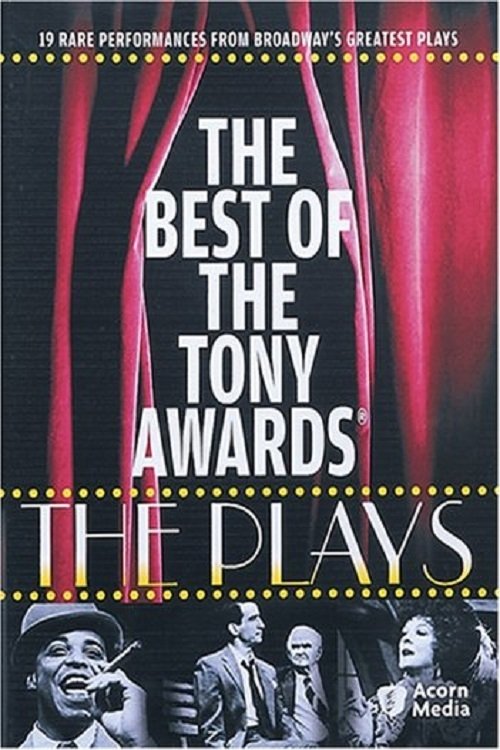
The Best of The Tony Awards: The Plays(2006)
Andy Tracey (segment "Lovers")
Film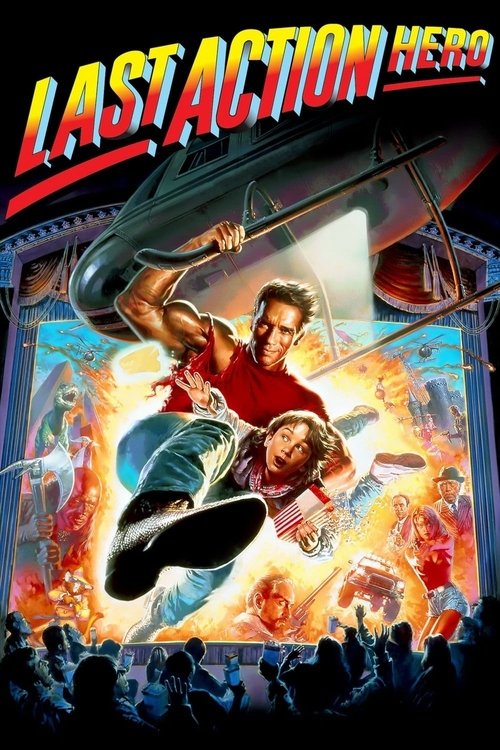
Last Action Hero(1993)
Frank
Film
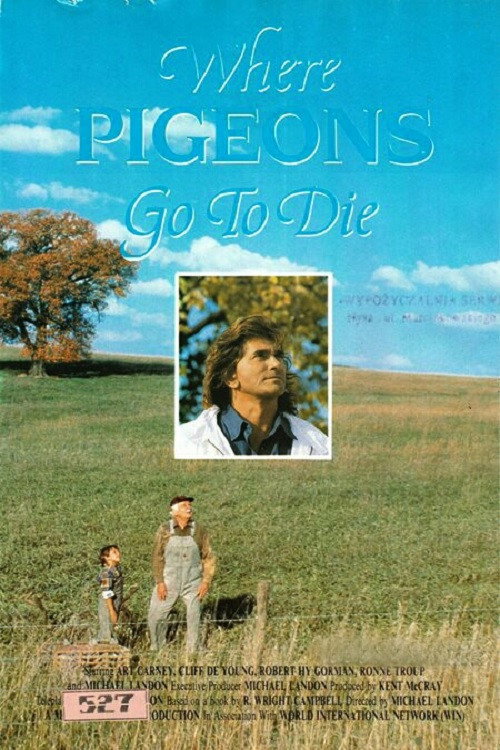
Where Pigeons Go to Die(1990)
Da
Film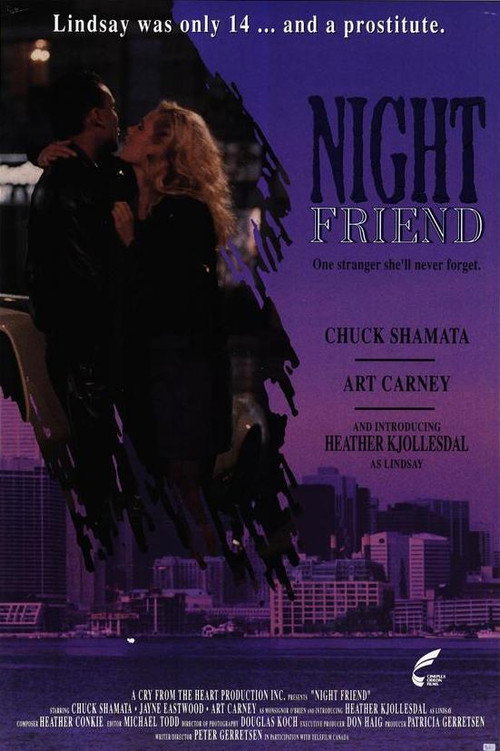
Night Friend(1987)
Monsignor O'Brien
FilmThe Cavanaughs(1986)
James 'The Weasel' Cavanaugh
TV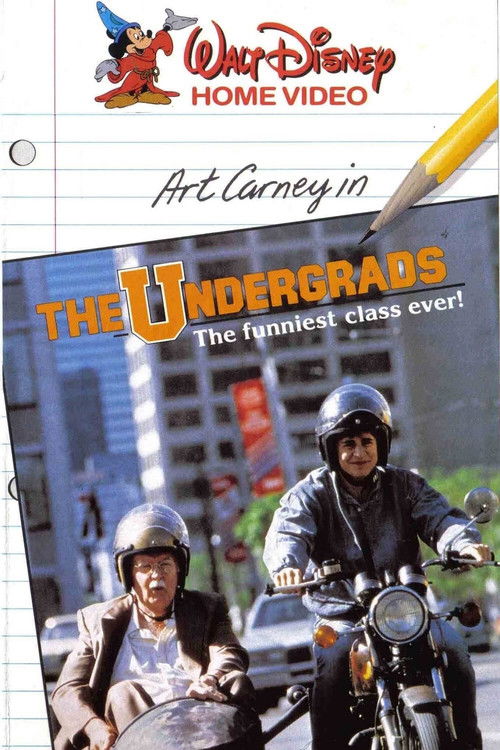
The Undergrads(1985)
Mel Adler
Film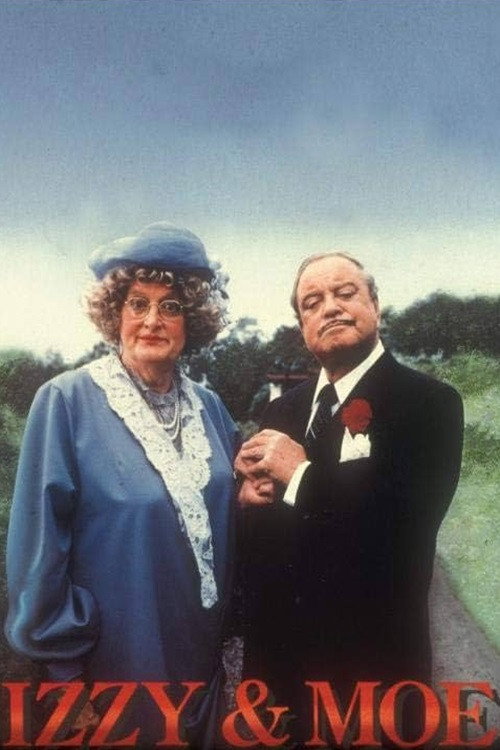
Izzy & Moe(1985)
Moe Smith
Film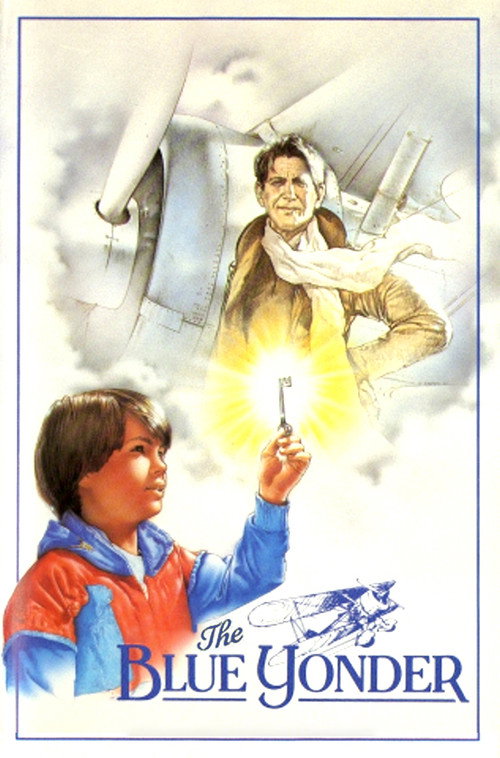
The Blue Yonder(1985)
Henry Coogan
Film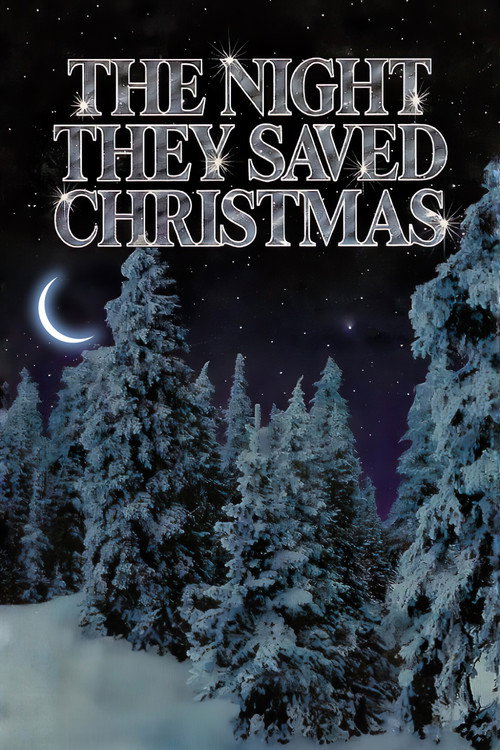
The Night They Saved Christmas(1984)
Santa Claus
Film
A Doctor's Story(1984)
Harry Wickes
Film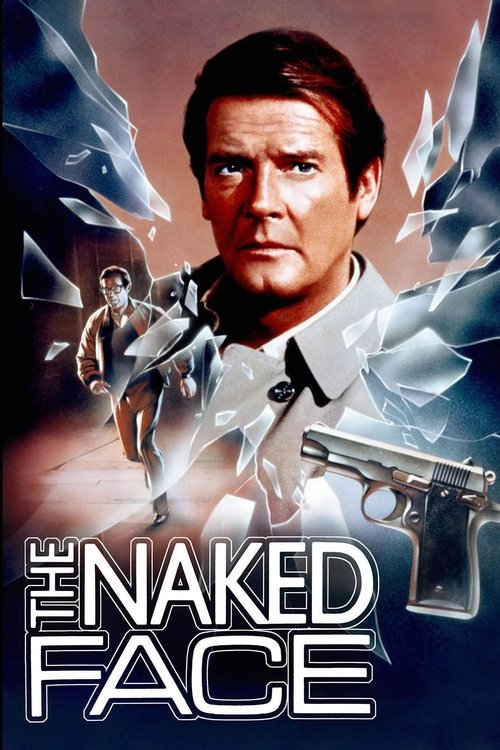
The Naked Face(1984)
Morgens
Film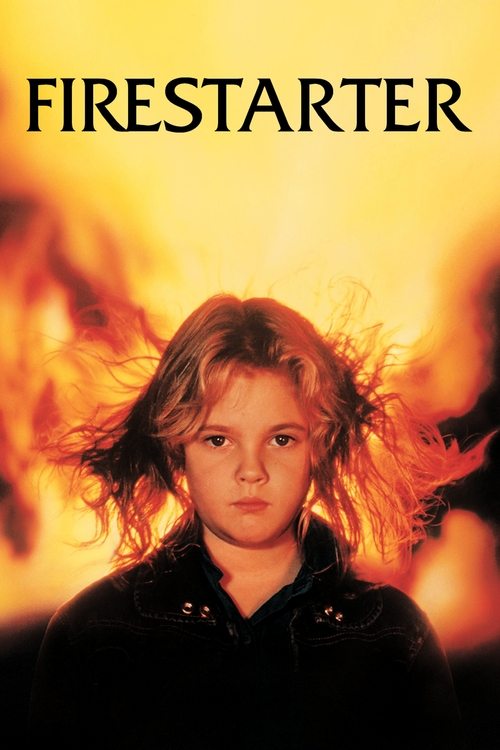
Firestarter(1984)
Irv Manders
Film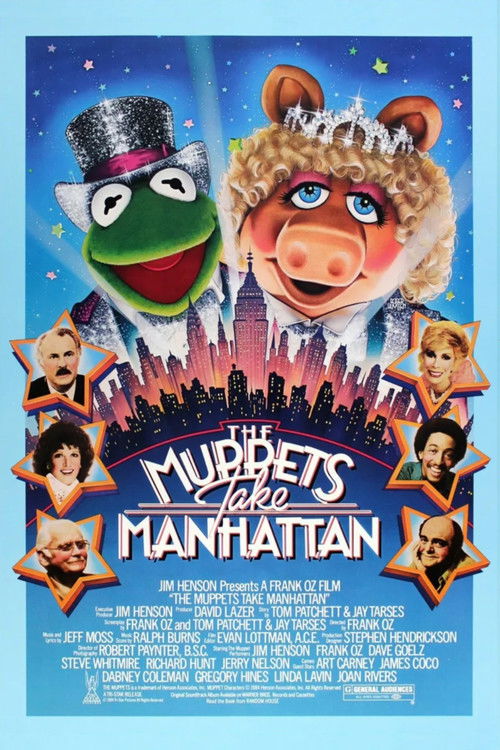
The Muppets Take Manhattan(1984)
Bernard Crawford
Film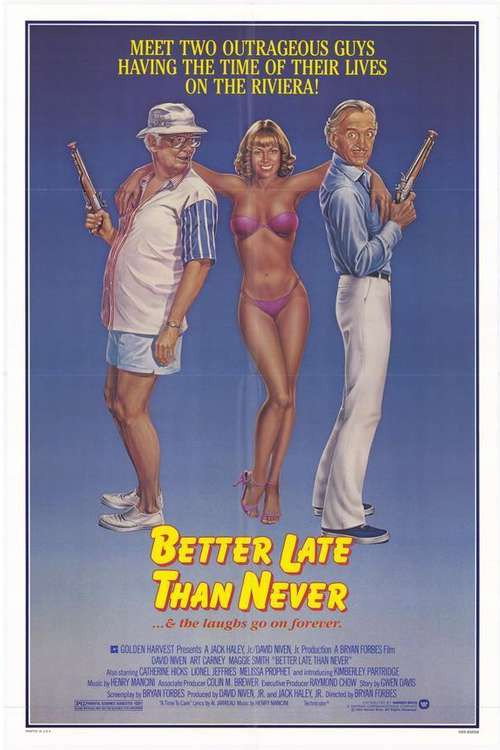
Better Late Than Never(1983)
Charley Dunbar
Film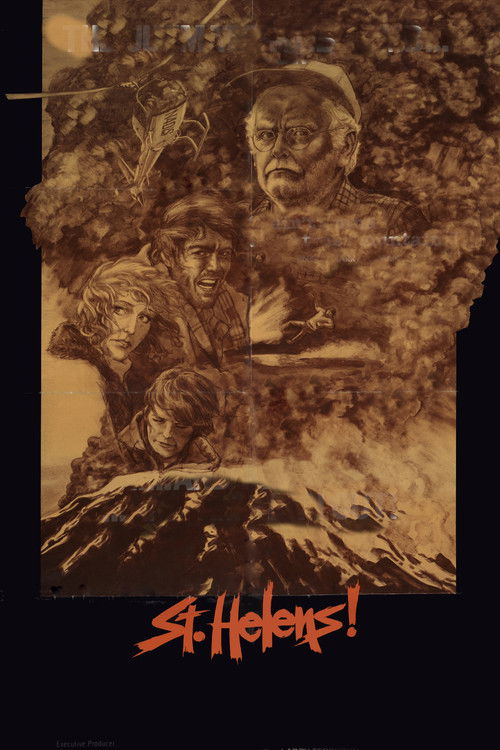
St. Helens(1981)
Harry Truman
Film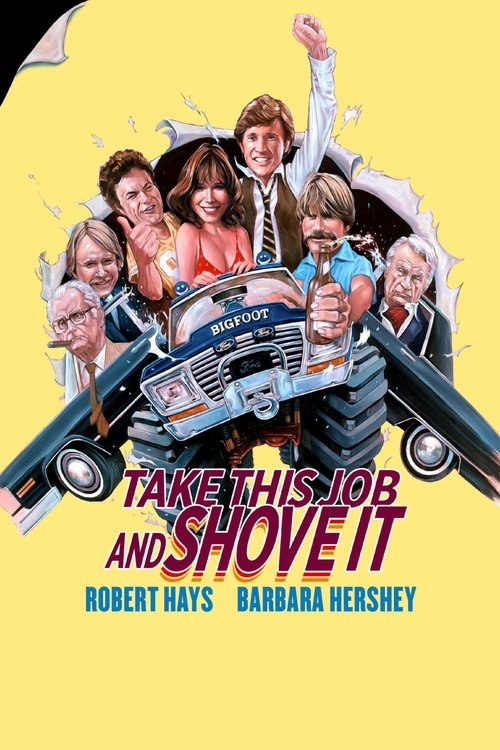
Take This Job and Shove It(1981)
Charlie Pickett
Film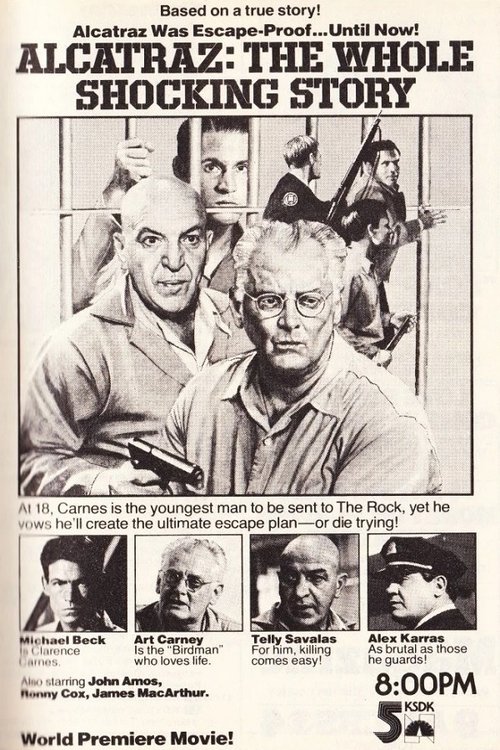
Alcatraz: The Whole Shocking Story(1980)
Robert Stroud
Film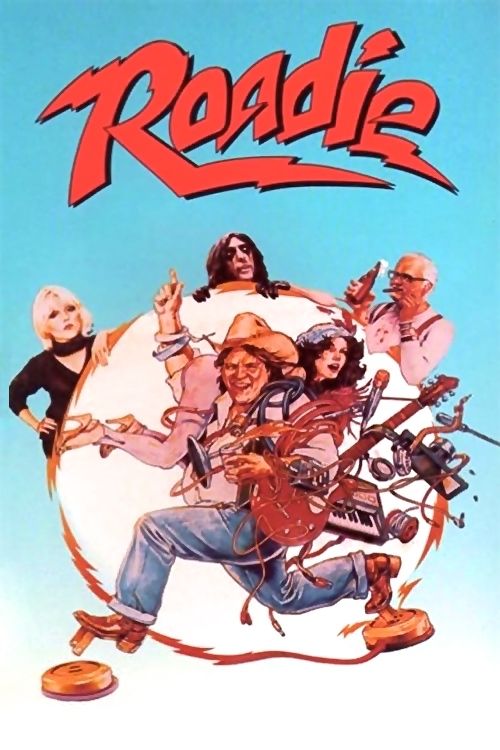
Roadie(1980)
Corpus C. Redfish
Film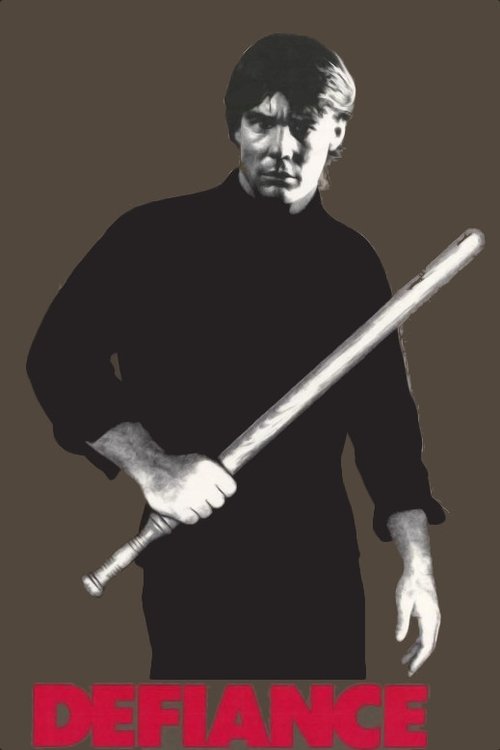
Defiance(1980)
Abe
Film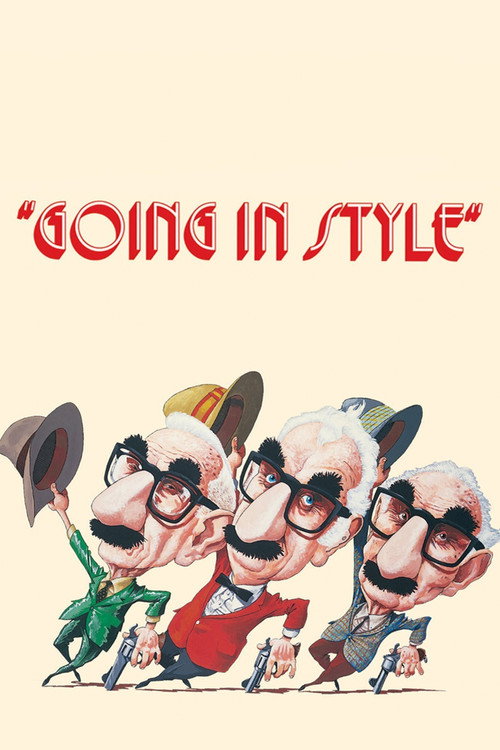
Going in Style(1979)
Al
Film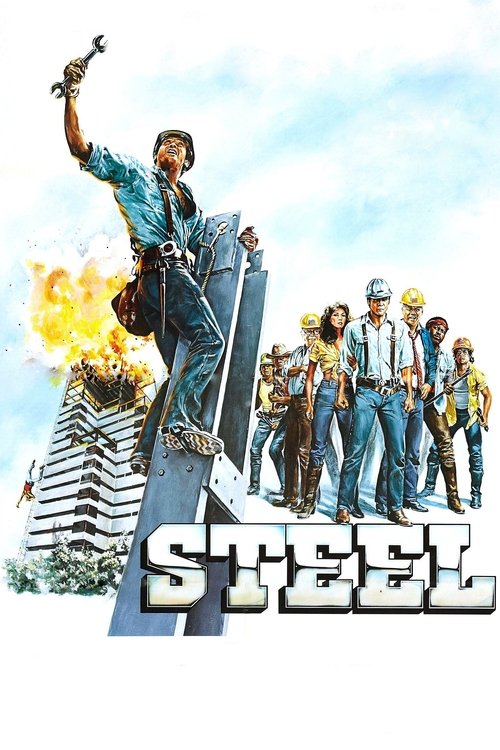
Steel(1979)
Pignose Moran
Film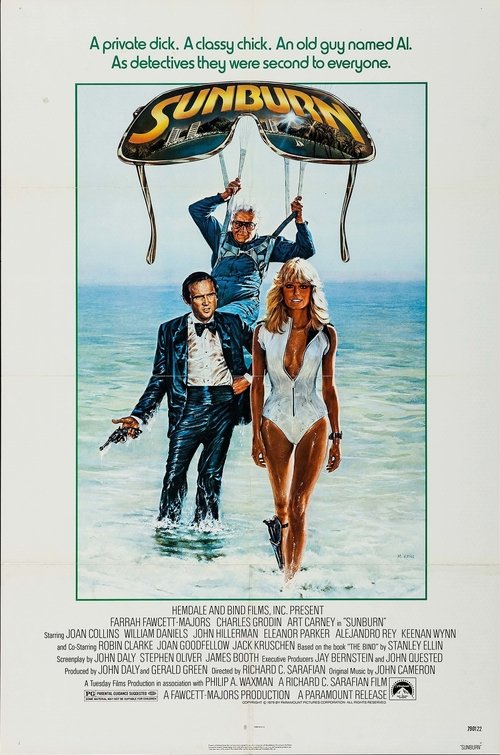
Sunburn(1979)
Al Marcus
Film
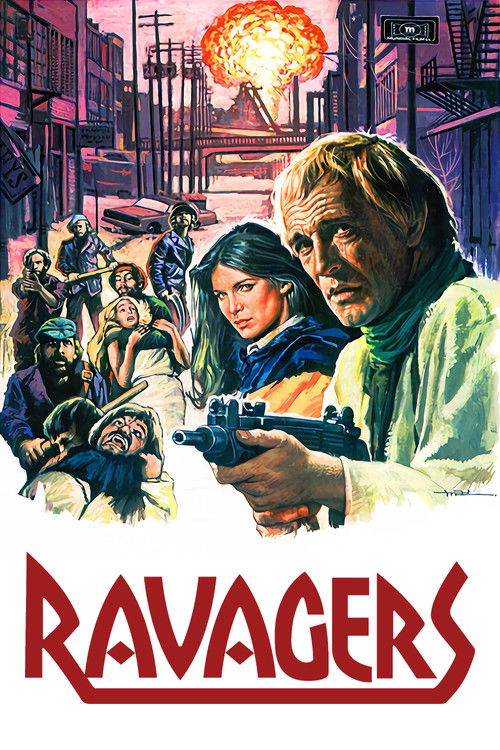
Ravagers(1979)
Sergeant
Film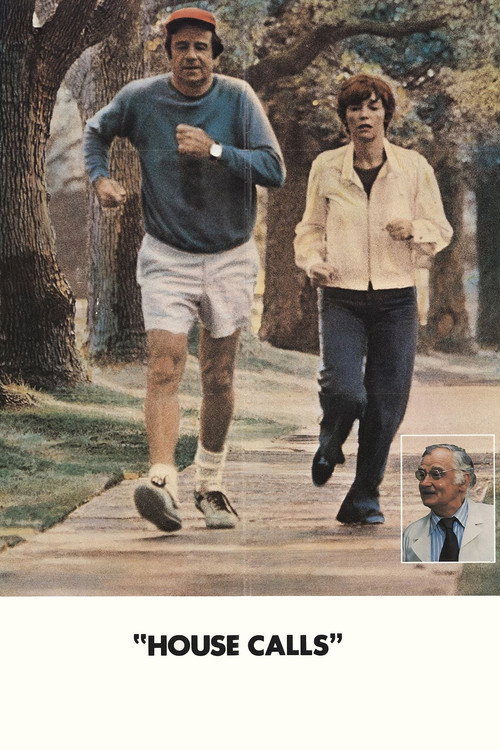
House Calls(1978)
Dr. Amos Willoughby
Film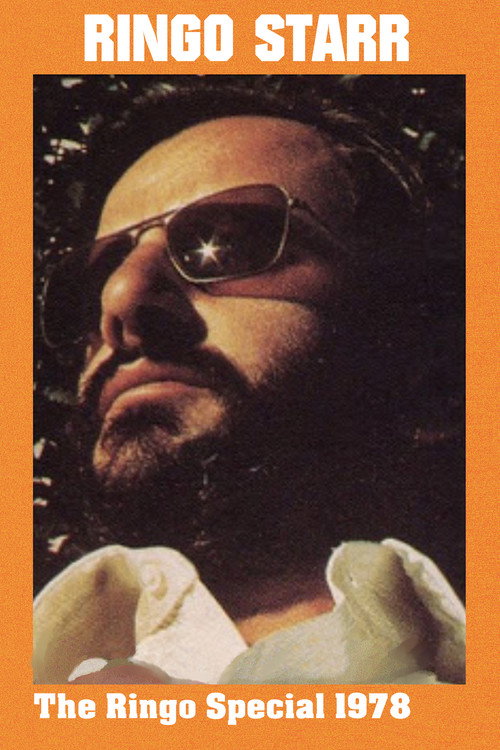
Ringo(1978)
Ognir's Father
Film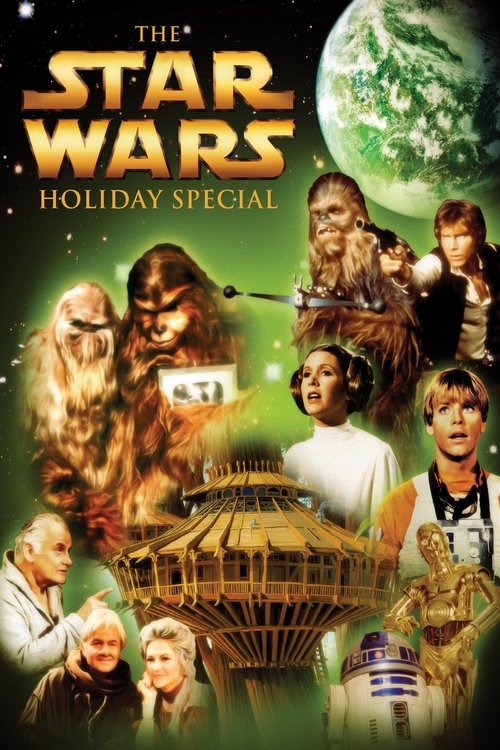
The Star Wars Holiday Special(1978)
Saun Dann
Film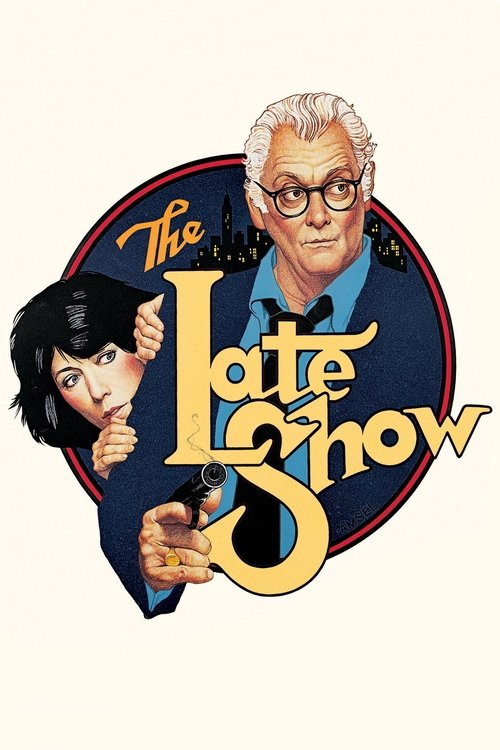
The Late Show(1977)
Ira Wells
Film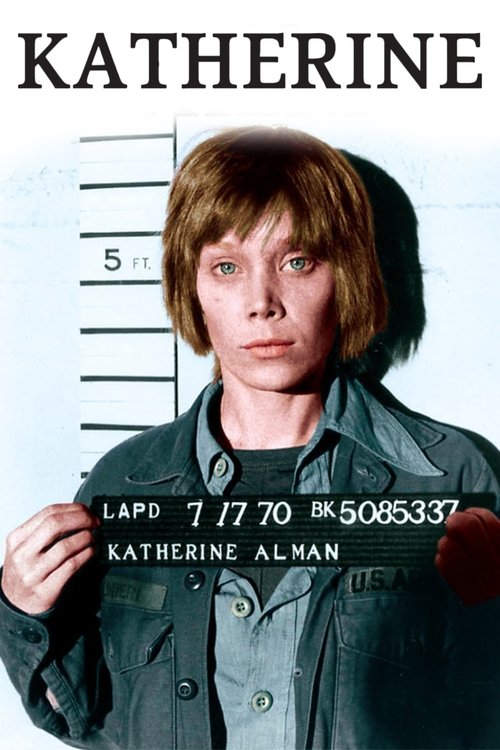
Katherine(1975)
Thornton Alman
Film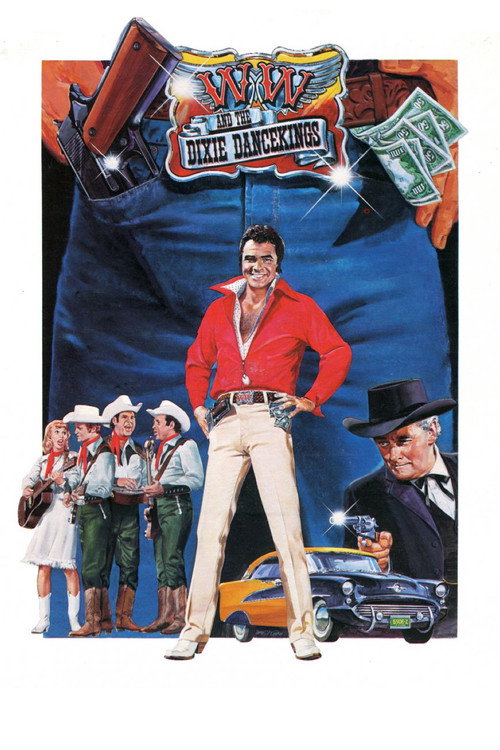
W.W. and the Dixie Dancekings(1975)
Deacon
Film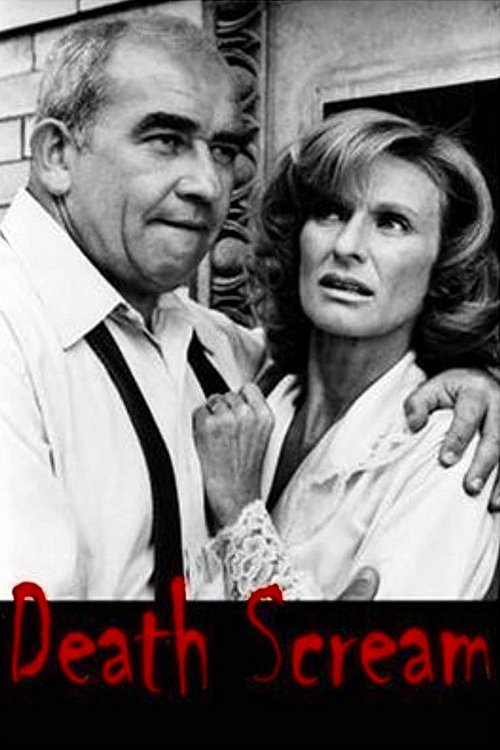
Streetkill(1975)
Mr. Jacobs
Film
Editor
6 credits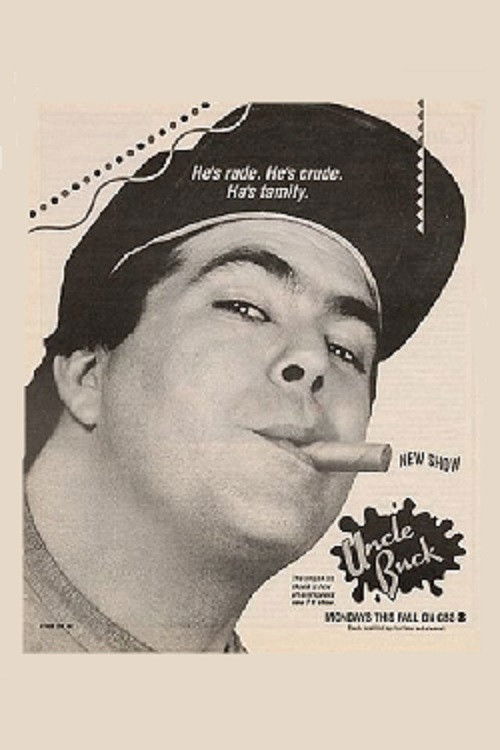
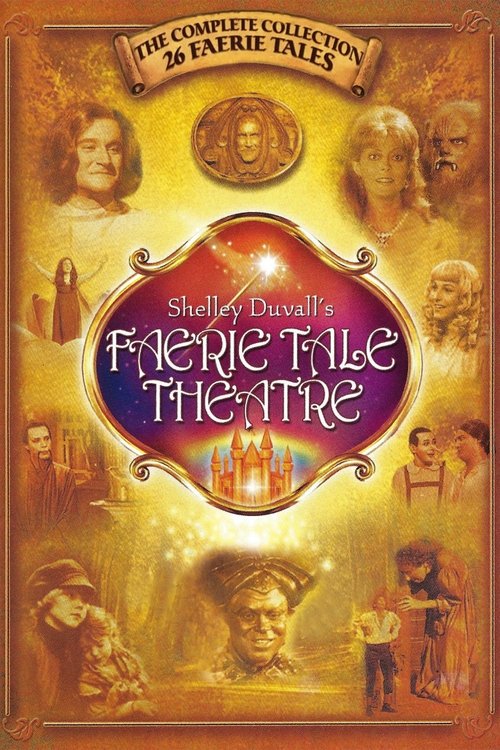
Other crew
15 creditsTV We Love(2025)
Crew
TV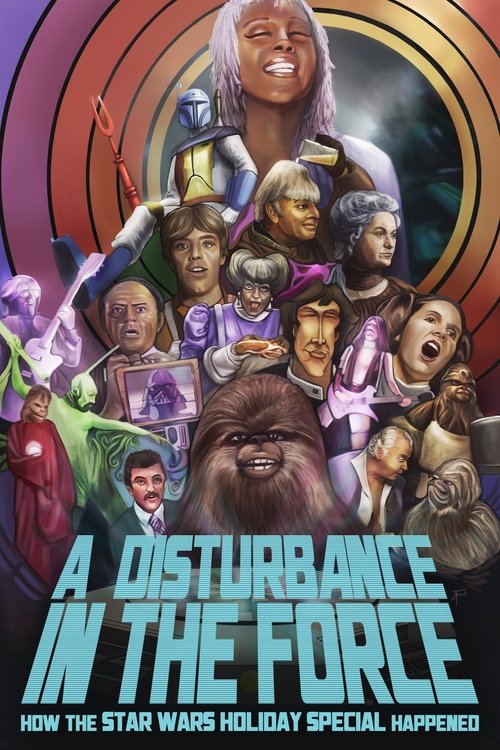
A Disturbance in the Force(2023)
Crew
FilmEd Sullivan's Comedy Legends(2022)
Crew
TV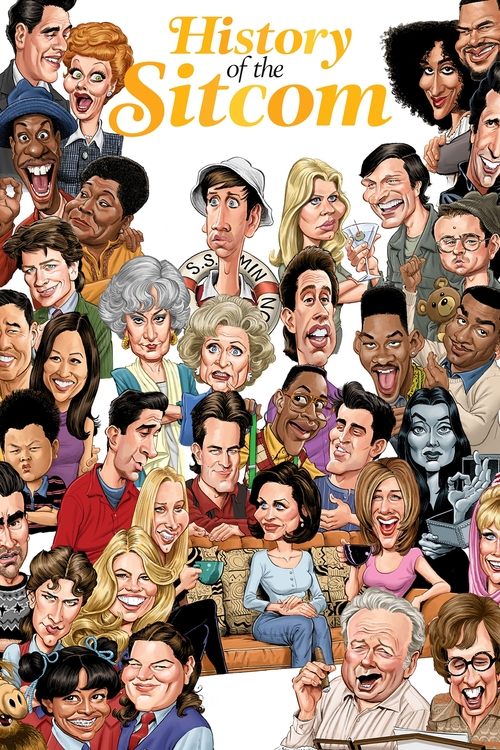
History of the Sitcom(2021)
Crew
TV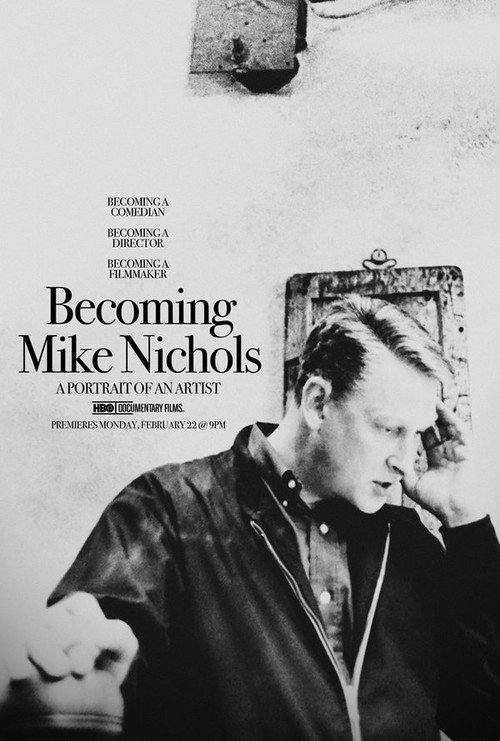
Becoming Mike Nichols(2016)
Crew
Film
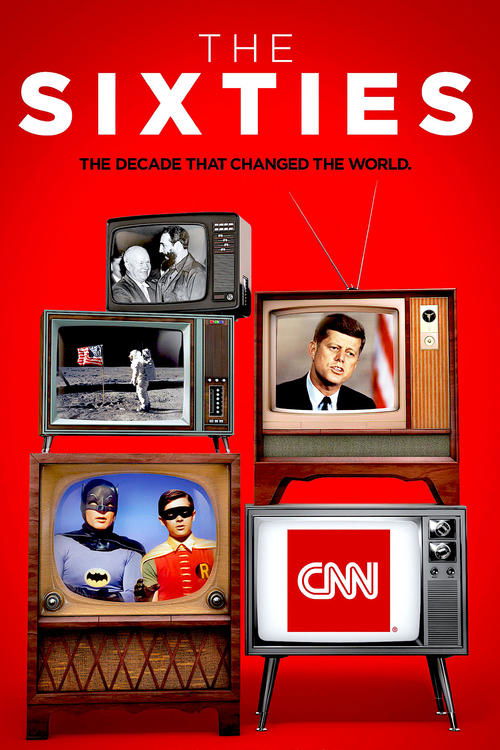
The Sixties(2014)
Crew
TV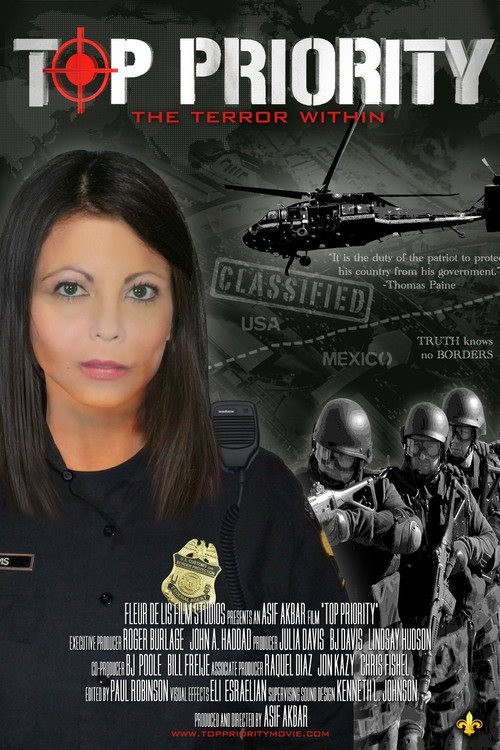
Top Priority: The Terror Within(2012)
Crew
Film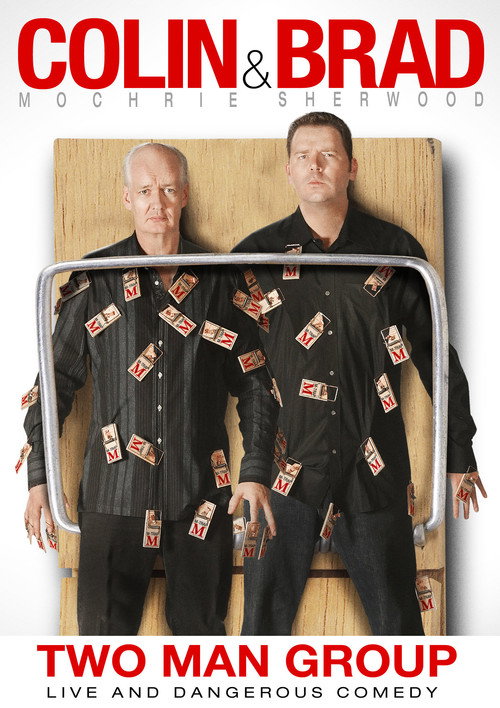
Colin & Brad: Two Man Group(2011)
Crew
Film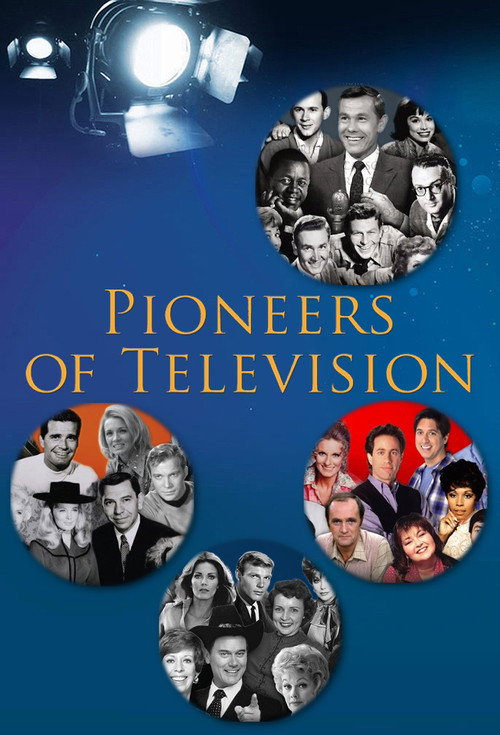
Pioneers of Television(2008)
Crew
TV
Inside TV Land(2000)
Crew
TV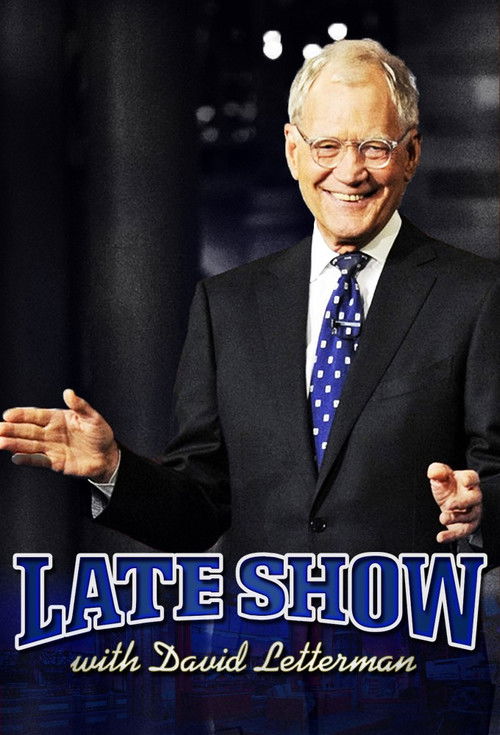
Late Show with David Letterman(1993)
Crew
TV
Biography(1987)
Crew
TV
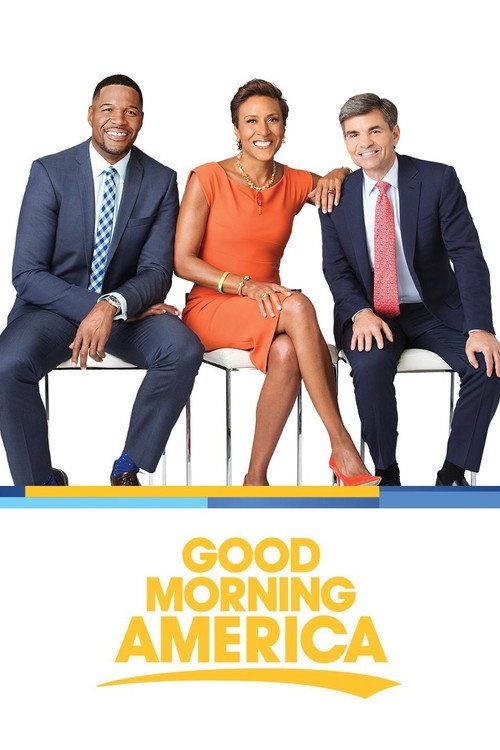
Good Morning America(1975)
Crew
TV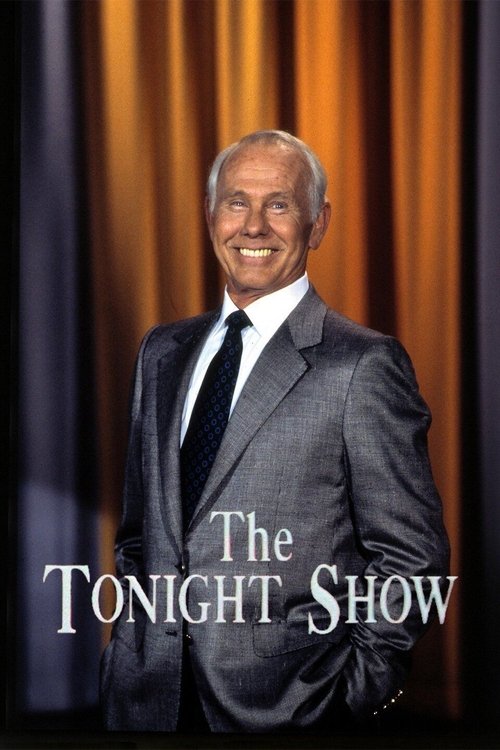
The Tonight Show Starring Johnny Carson(1962)
Crew
TV
The Mike Douglas Show(1961)
Crew
TV
Awards & Nominations
5 wins · 2 nominationsPrimetime Emmy Award
- Won1984Outstanding Supporting Actor in a Miniseries or a Movie
- Won1956Outstanding Supporting Actor in a Comedy Series
- Won1955Outstanding Supporting Actor in a Comedy Series
- Won1954Outstanding Supporting Actor in a Comedy Series
Academy Award
- Nom1975Best Actor
Tony Award
- Nom1969Best Actor in a Play
More awards & festivals (1) — regional academies & film-festival prizes
Academy Awards
- Won1974Oscar — Actor in a Leading Role
Originals
Streaming originals this person worked on.
Memorable quotes
Browse all →No quotes logged for Art Carney yet — add the first memorable line below.
Got a quote we’re missing?
Submit a line from any film, show, or game.
Additional credits2Show
Non-headline appearances — talk-show, awards-show, panel, and archive-footage credits, kept separate from the main filmography.
- Art Carney SpecialSelf - Host · 1959
- Cavalcade of StarsSelf · 1949
Edit history
Loading edit history…
Comments (0)
on Art CarneyNo comments yet. Be the first to share what you think.