
Person · Cinematographer
Arthur Edeson
The cameraman who shot "Frankenstein," "The Maltese Falcon," and "Casablanca" — a hidden architect of Hollywood's most iconic images. (1891-1970)
- Also:
- Camera Department
- Assistant Director
In short · Shot for four decades — 127 credits.
Remembered for
Ranked by community engagement + sustained interest across this person's credits in our database.
Help complete this page
We’re missing birthplace, birth date. Sign in to add what you know.
Biography
Arthur Edeson was born in New York City and began as a portrait photographer before joining the fledgling film industry in the 1910s. He became one of the busiest and most respected cinematographers of the silent and early-sound eras, a versatile professional whose work quietly shaped some of the most enduring films Hollywood ever made.
In the silent period he brought sweep and spectacle to Douglas Fairbanks adventures, including the lavish fantasy "The Thief of Bagdad," with its magic-carpet flights and enormous, dreamlike sets. When sound arrived he adapted brilliantly, photographing the harrowing battlefield realism of "All Quiet on the Western Front," a landmark antiwar film whose grim, muddy trenches he rendered with unflinching clarity, mastering the difficult new demands of the sound camera on location.
At Universal he helped invent the visual language of American horror, shooting James Whale's "Frankenstein" and "The Invisible Man," wrapping Boris Karloff's monster in fog, torchlight, and looming shadow, and pulling off the trick photography that made a man vanish before audiences' eyes. Then, moving to Warner Bros., he lit two of the most beloved films in the studio's history. For "The Maltese Falcon" he gave John Huston's directorial debut its low, brooding, off-kilter shadows, an early template for film noir. And for "Casablanca" he created the smoky, romantic, endlessly imitated look of Rick's Café Américain, from the glow on Ingrid Bergman's face to the misty fog of the final airport farewell.
Despite this astonishing run of classics, Edeson never became a household name, the fate of many great cinematographers whose art works precisely by not calling attention to itself. He retired in the late 1940s after decades of steady, superb work and lived quietly until 1970. Few careers touch as many genuine masterpieces, and the images he made, monsters and falcons and lovers on a foggy tarmac, remain fixed in the collective memory of the movies.
Filmography · 127 of 127
A platform appears here when one of these titles streams on it. Click to filter — pick several to combine.
Cinematographer
127 credits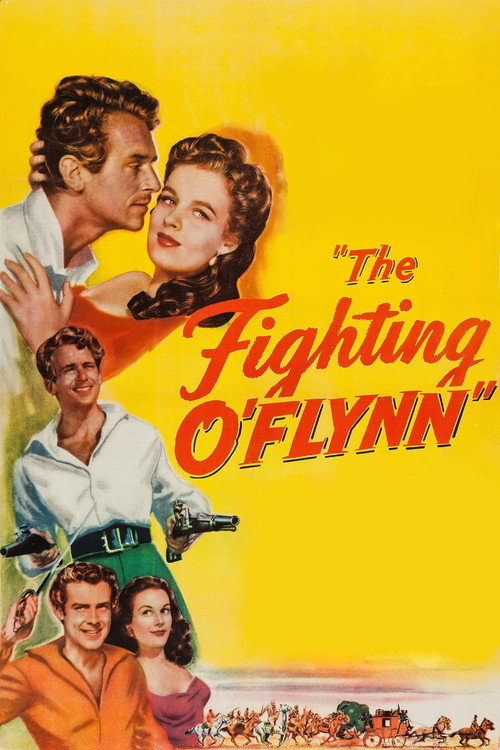
The Fighting O'Flynn(1949)
Cinematographer
Film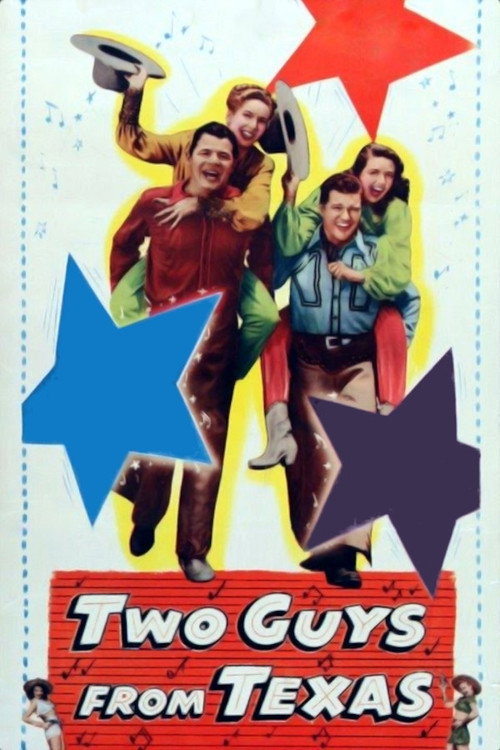
Two Guys from Texas(1948)
Cinematographer
Film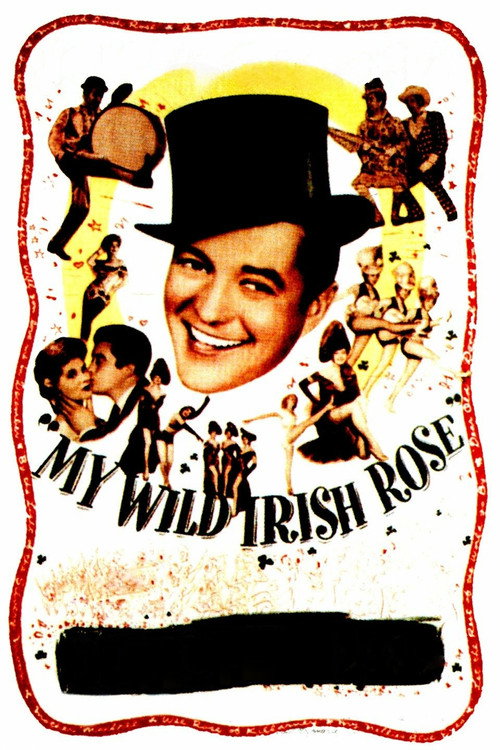
My Wild Irish Rose(1947)
Cinematographer
Film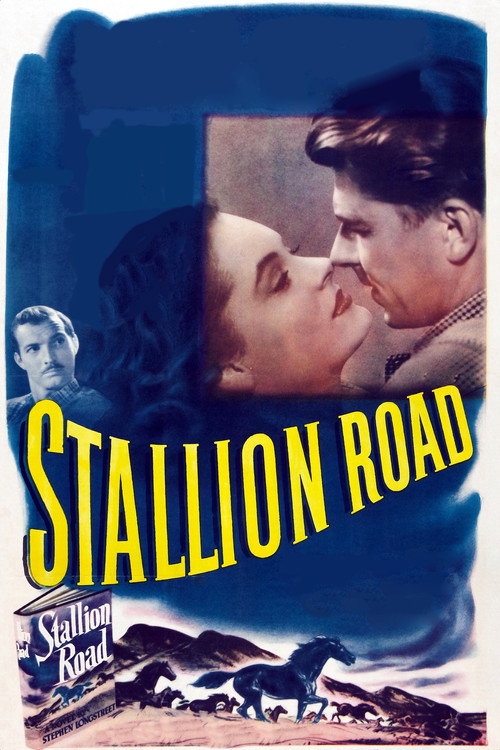
Stallion Road(1947)
Cinematographer
Film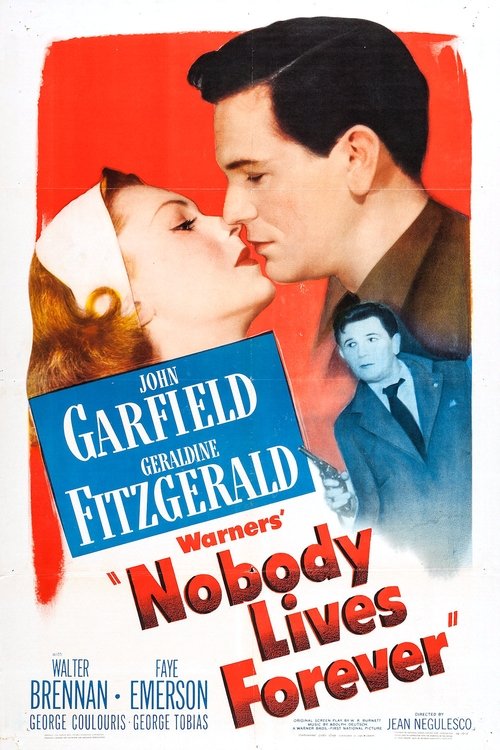
Nobody Lives Forever(1946)
Cinematographer
Film

Two Guys from Milwaukee(1946)
Cinematographer
Film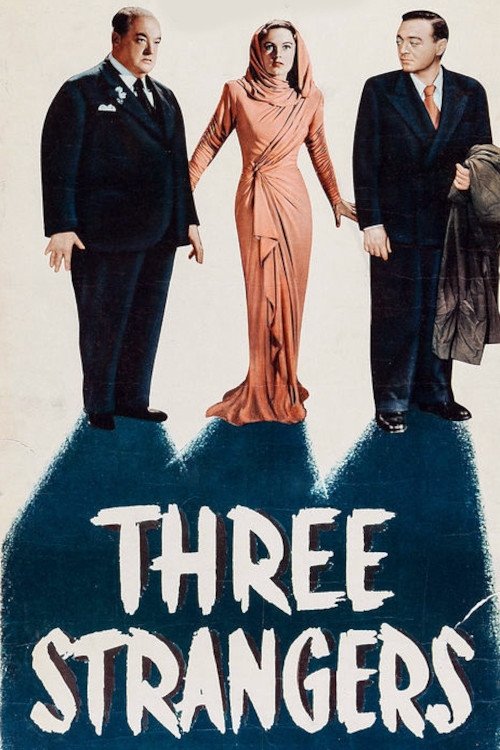
Three Strangers(1946)
Cinematographer
Film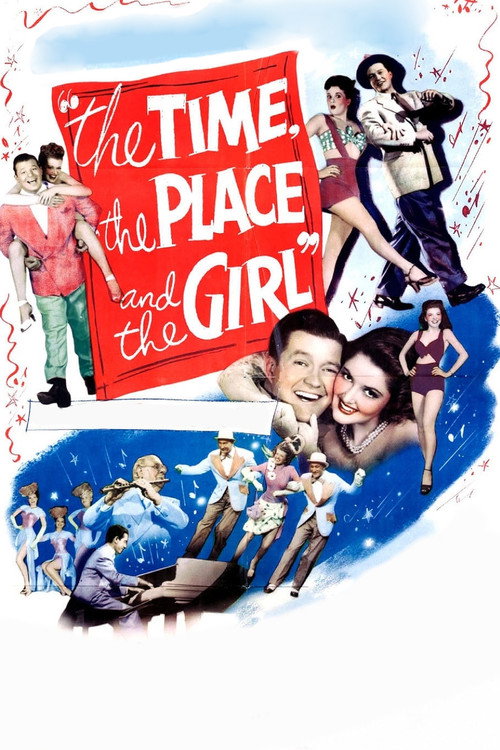
The Time, the Place and the Girl(1946)
Cinematographer
Film
Never Say Goodbye(1946)
Cinematographer
Film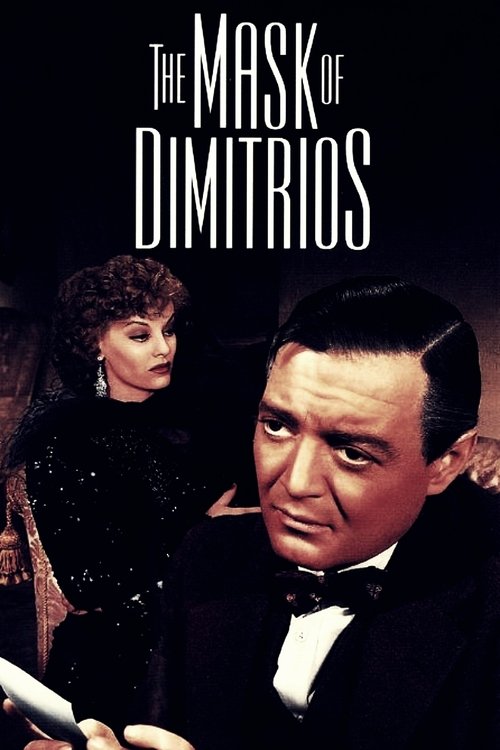
The Mask of Dimitrios(1944)
Cinematographer
Film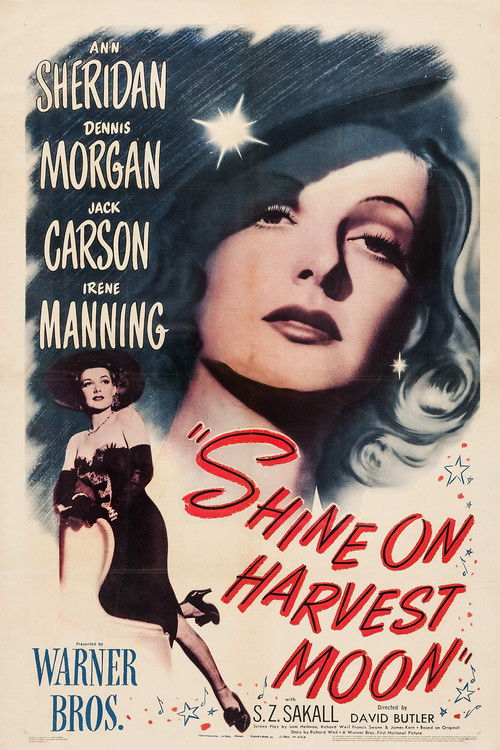
Shine on Harvest Moon(1944)
Cinematographer
Film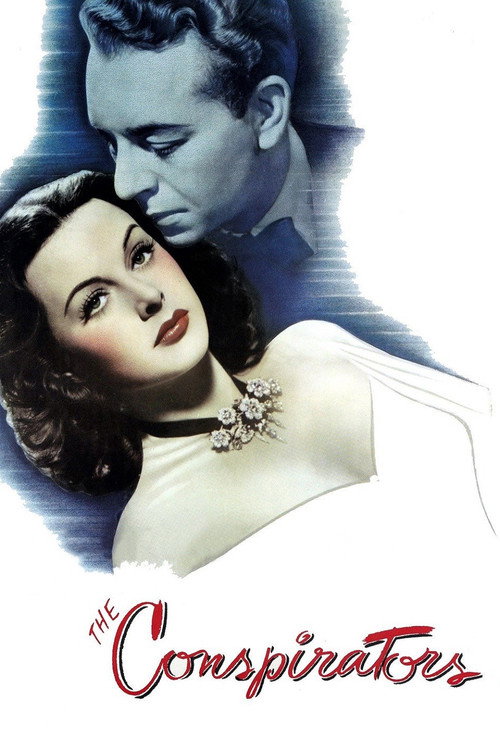
The Conspirators(1944)
Cinematographer
Film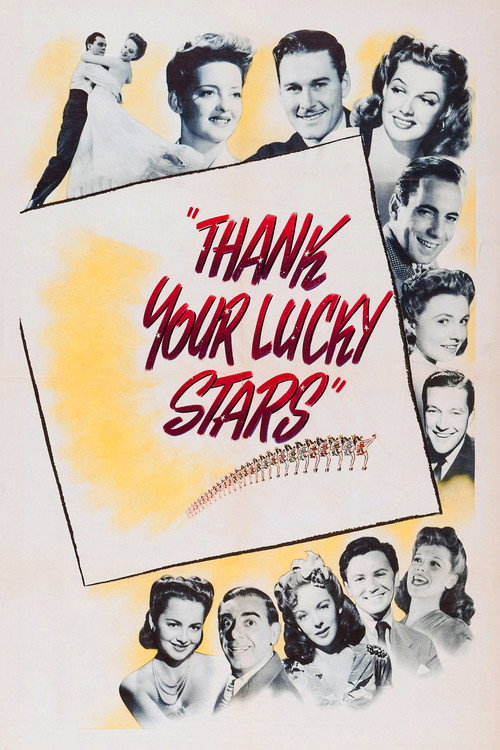
Thank Your Lucky Stars(1943)
Cinematographer
Film
Glen Gray and the Casa Loma Orchestra(1942)
Cinematographer
Film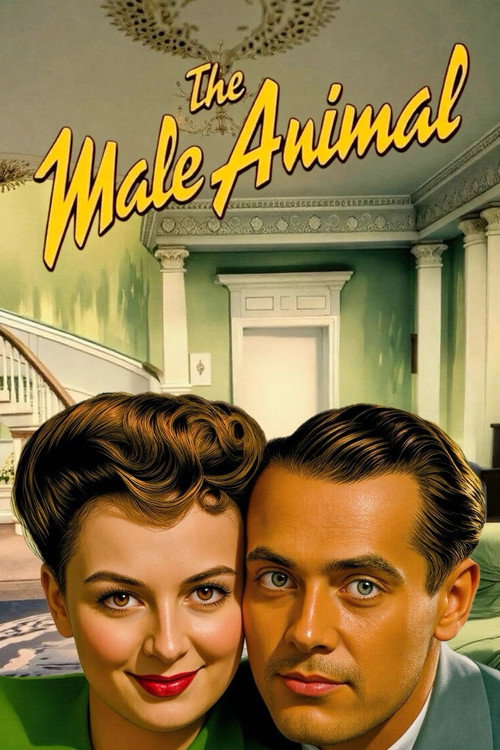
The Male Animal(1942)
Cinematographer
Film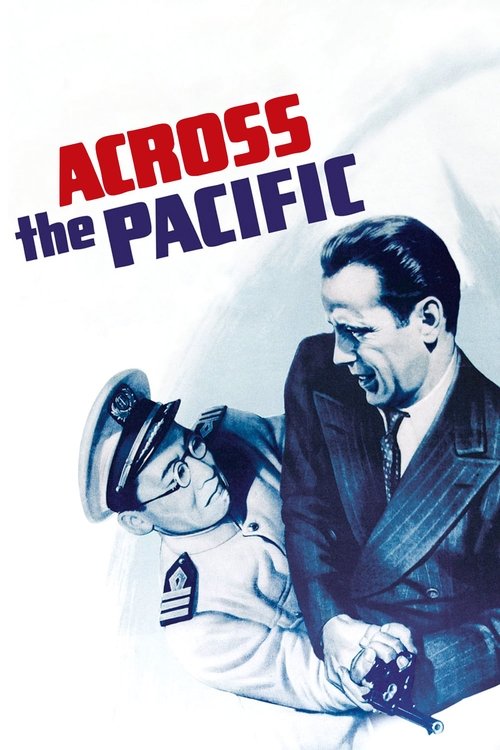
Across the Pacific(1942)
Cinematographer
Film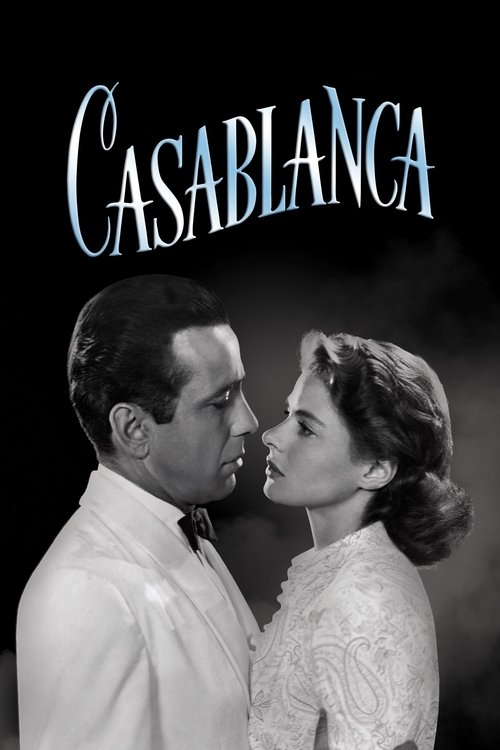
Casablanca(1942)
Cinematographer
Film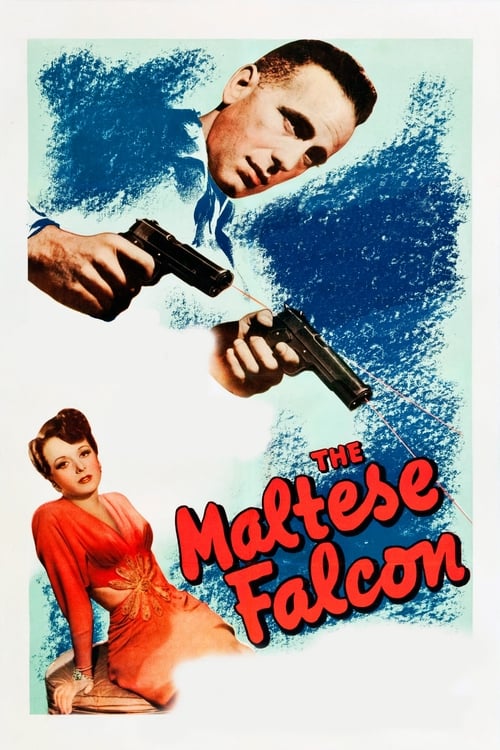
The Maltese Falcon(1941)
Cinematographer
Film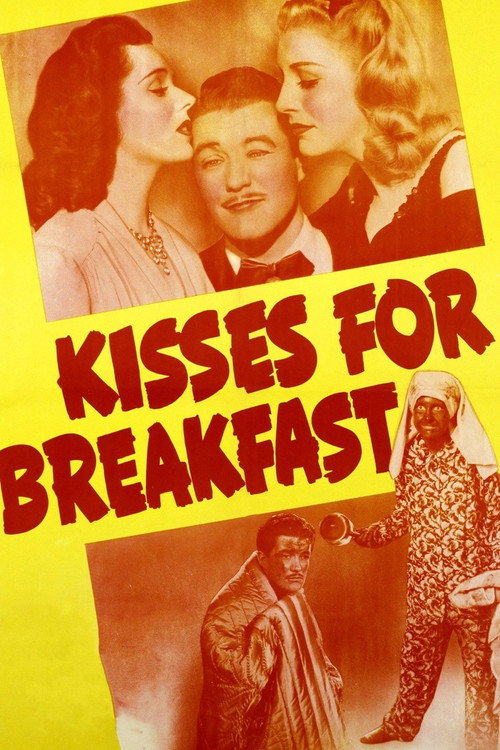
Kisses for Breakfast(1941)
Cinematographer
Film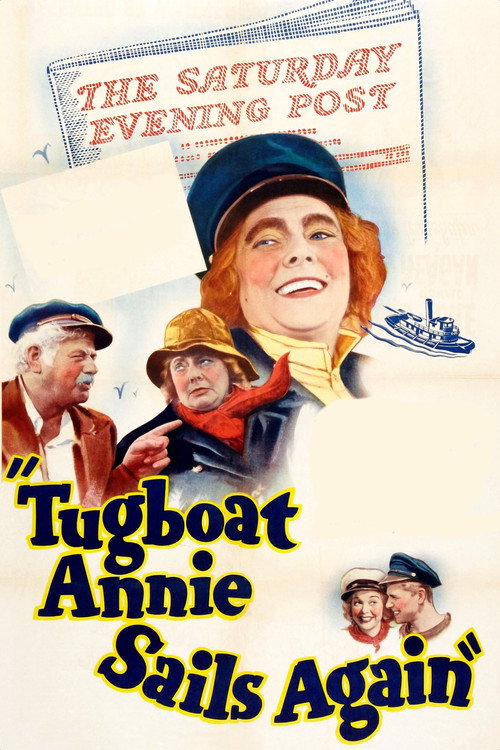
Tugboat Annie Sails Again(1940)
Cinematographer
Film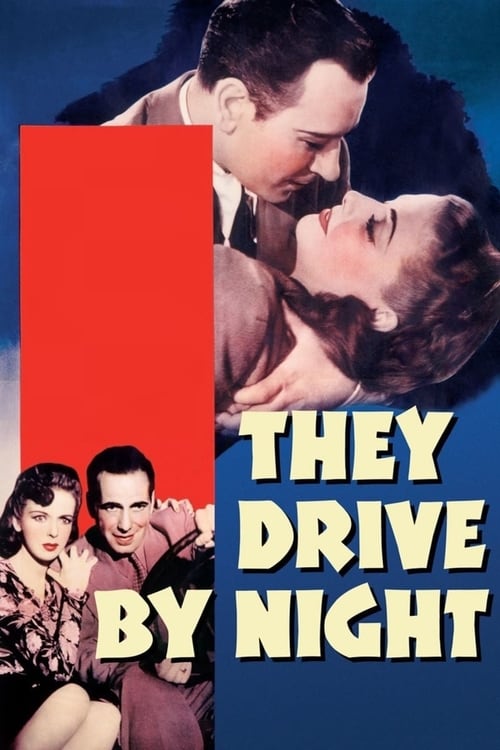
They Drive by Night(1940)
Cinematographer
Film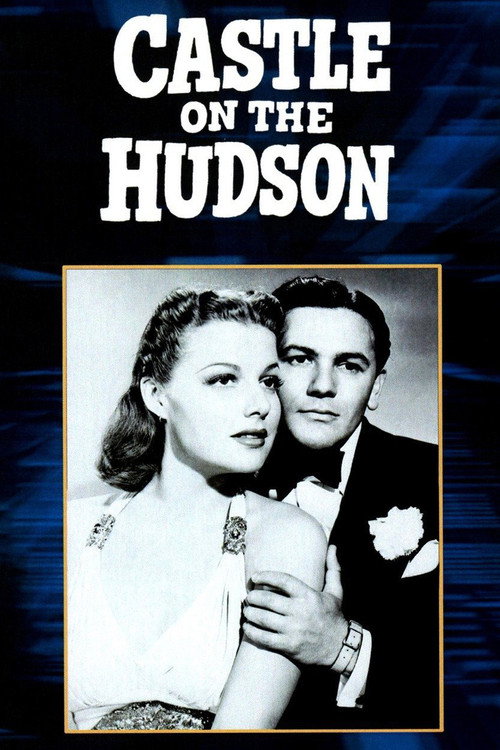
Castle on the Hudson(1940)
Cinematographer
Film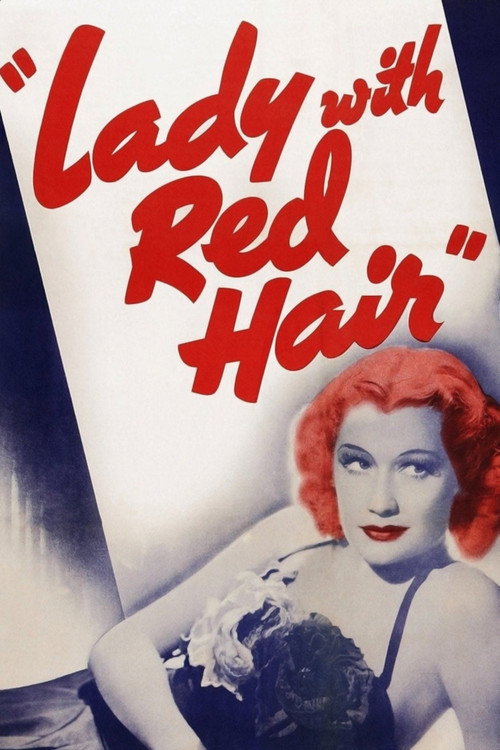
Lady with Red Hair(1940)
Cinematographer
Film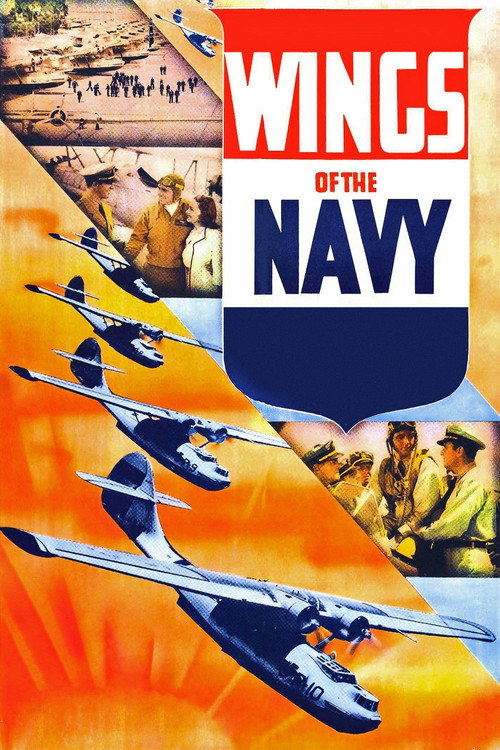
Wings of the Navy(1939)
Cinematographer
Film
Sweepstakes Winner(1939)
Cinematographer
Film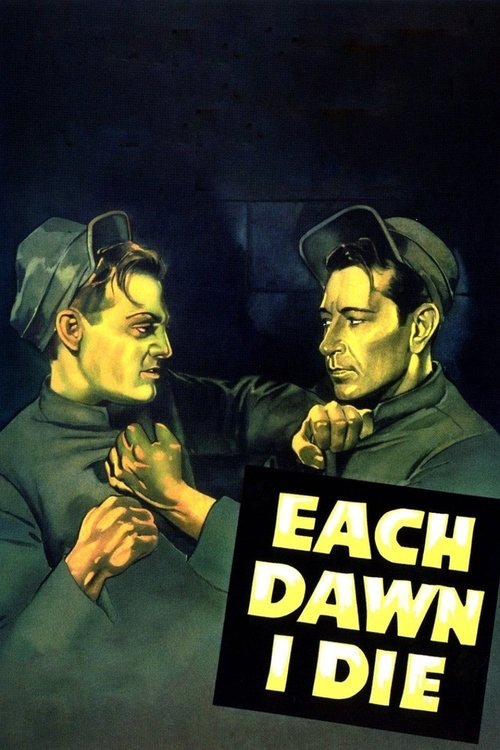
Each Dawn I Die(1939)
Cinematographer
Film
Nancy Drew... Reporter(1939)
Cinematographer
Film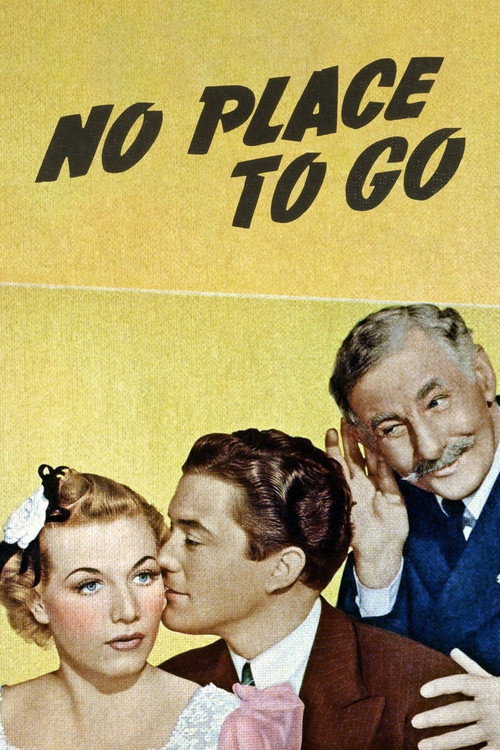
No Place to Go(1939)
Cinematographer
Film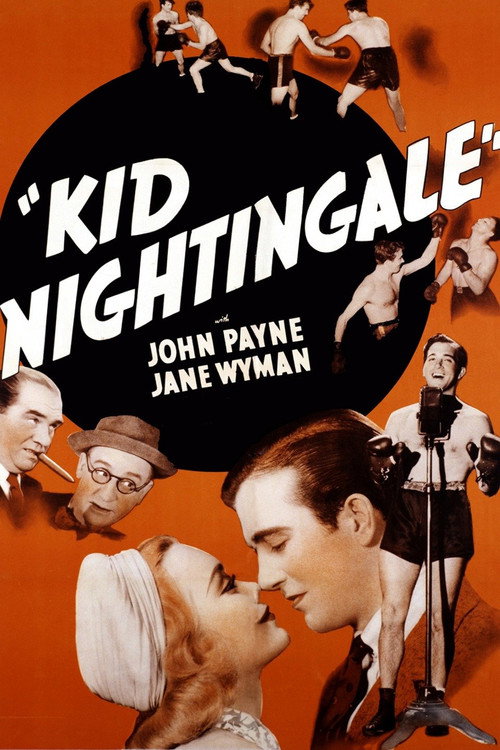
Kid Nightingale(1939)
Cinematographer
Film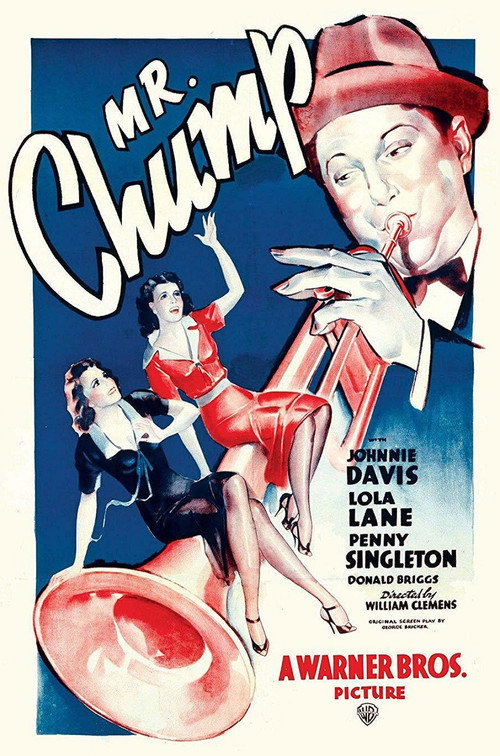
Mr. Chump(1938)
Cinematographer
Film
Awards & Nominations
3 nominationsAcademy Awards
- Nom1943Oscar — Cinematography (black-and-white)
- Nom1929Oscar — Cinematography
- Nom1928Oscar — Cinematography
Memorable quotes
Browse all →No quotes logged for Arthur Edeson yet — add the first memorable line below.
Got a quote we’re missing?
Submit a line from any film, show, or game.
Edit history
Loading edit history…
Comments (0)
on Arthur EdesonNo comments yet. Be the first to share what you think.