
Person · Director
Clarence Brown
The engineer-turned-director who was Garbo's favorite, a master of understated feeling nominated six times and never awarded, whose quiet craft still hides in plain sight (1890-1987).
- Also:
- Producer
- Editor
In short · Directed for five decades — 62 credits.
Remembered for
Ranked by community engagement + sustained interest across this person's credits in our database.
Help complete this page
We’re missing birthplace, birth date. Sign in to add what you know.
Biography
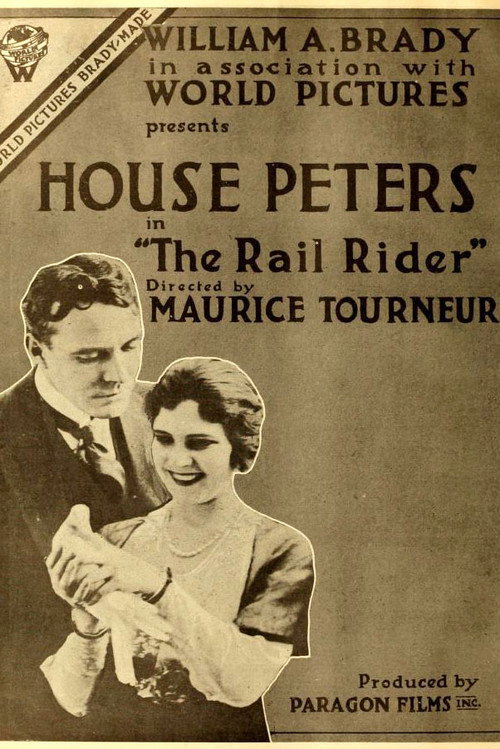
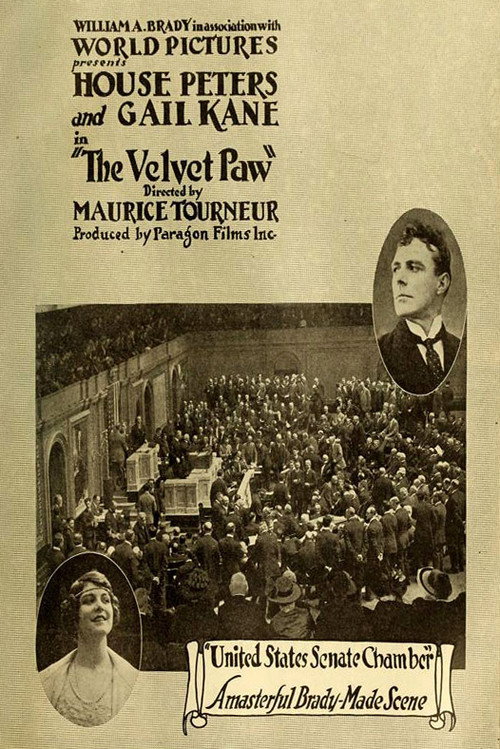
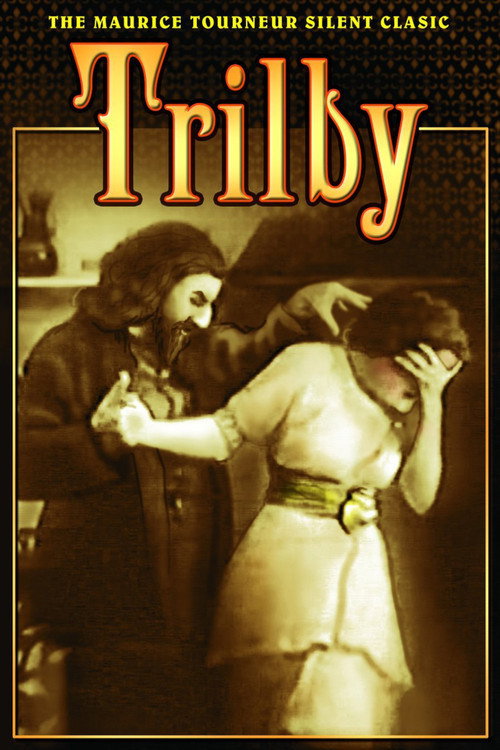
Clarence Brown came to the movies by an unlikely road. Born in Massachusetts and raised in Tennessee, he trained as an engineer and ran a car dealership before apprenticing himself, in his late twenties, to Maurice Tourneur — the pictorialist from whom he absorbed a lifelong sense of composition and restraint. He co-directed several films with his mentor before striking out on his own.
Brown made his name with The Eagle (1925), a dashing Valentino vehicle, and then became one of MGM's most trusted directors, prized above all for his handling of the studio's most difficult and luminous star. Greta Garbo made seven films with him, more than with any other director, and considered him her favorite; Flesh and the Devil (1926), with its charged Garbo–Gilbert love scenes, Anna Christie, Anna Karenina, and Conquest are unimaginable without his tact. He had a gift for coaxing intimacy, for letting a scene breathe, for the eloquent understatement that let stars simply exist on screen.
That very subtlety may explain why he remains under-celebrated. Brown was nominated for the directing Oscar six times and never won — one of the most-nominated directors never to take the prize. Yet the range of his sound work is remarkable: the pastoral Americana of Ah, Wilderness!, the boy-and-a-horse classic National Velvet (1944), the aching adaptation of Marjorie Kinnan Rawlings's The Yearling (1946), and, most daringly, Intruder in the Dust (1949), a courageous anti-lynching drama from Faulkner that he considered his finest achievement. Financially independent from shrewd real-estate investments, he retired comfortably in the early 1950s while still in demand and lived on to 1987, a craftsman whose polished, self-effacing artistry has always been easier to enjoy than to notice.
Filmography · 62 of 62
A platform appears here when one of these titles streams on it. Click to filter — pick several to combine.
Director
49 credits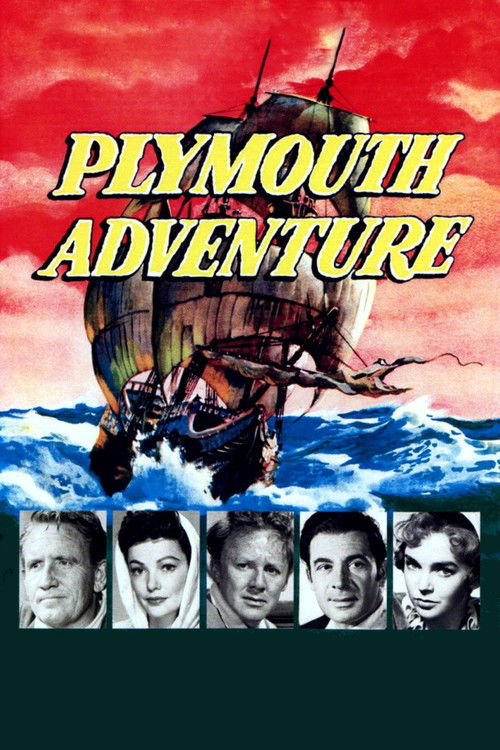
Plymouth Adventure(1952)
Director
Film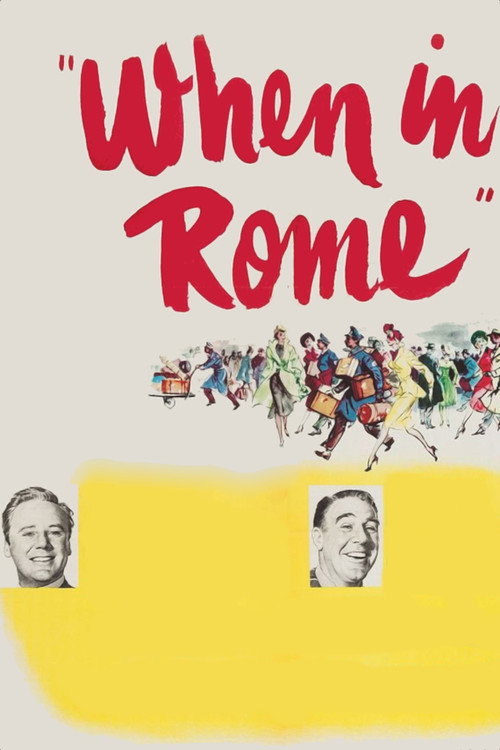
When in Rome(1952)
Director
Film
It's a Big Country: An American Anthology(1951)
Director
Film
Angels in the Outfield(1951)
Director
Film
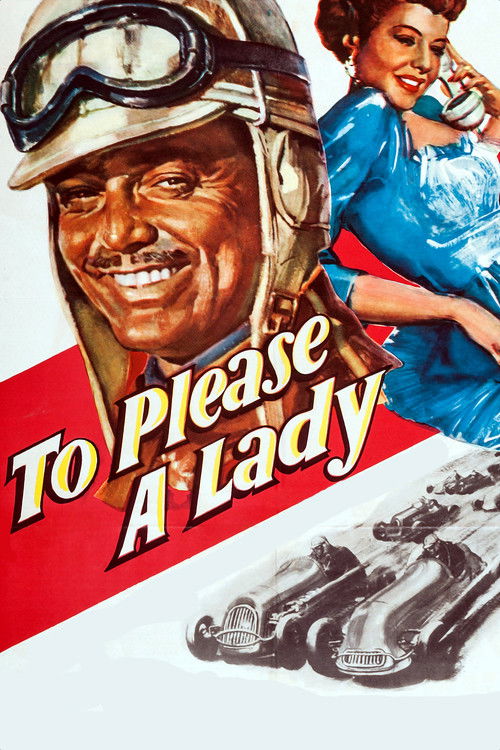
To Please a Lady(1950)
Director
Film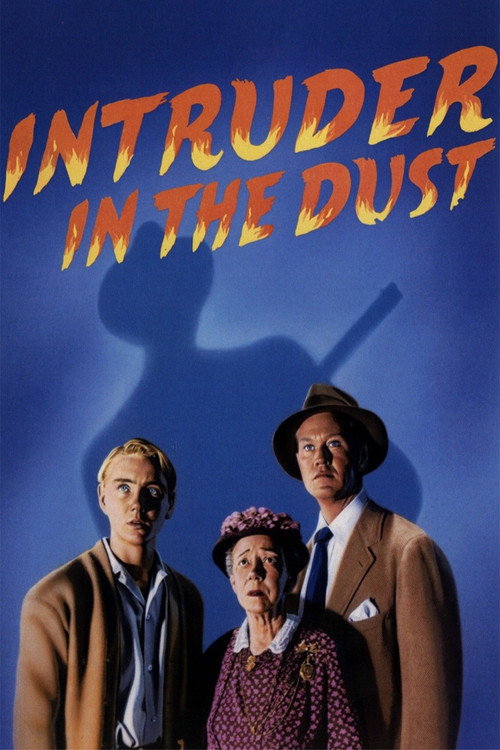
Intruder in the Dust(1949)
Director
Film
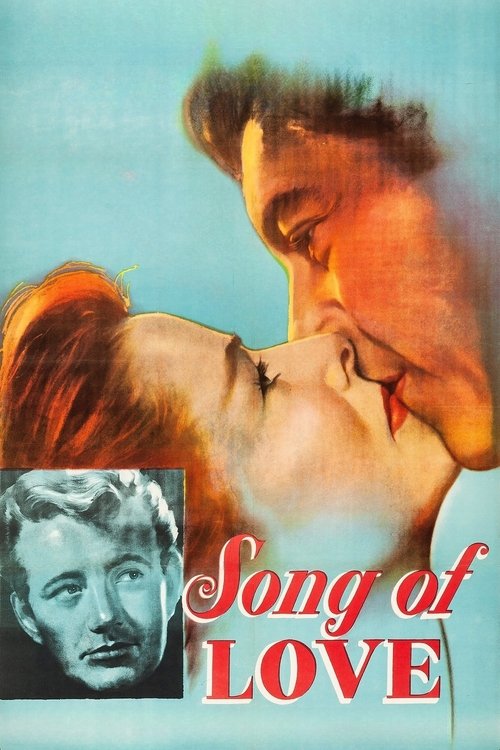
Song of Love(1947)
Director
Film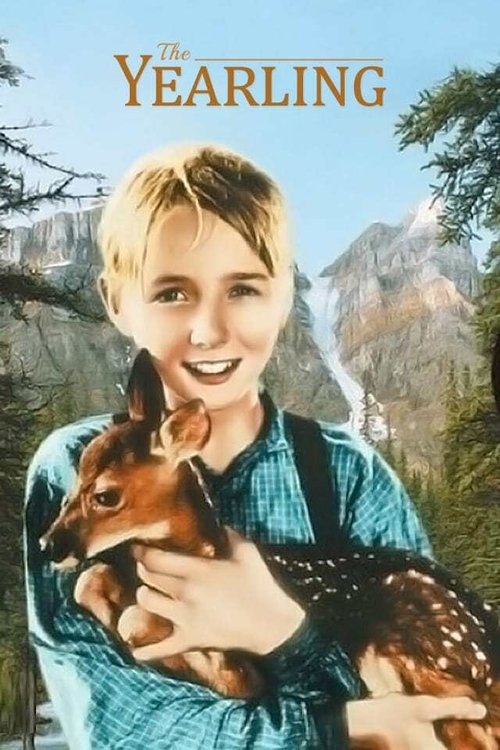
The Yearling(1946)
Director
Film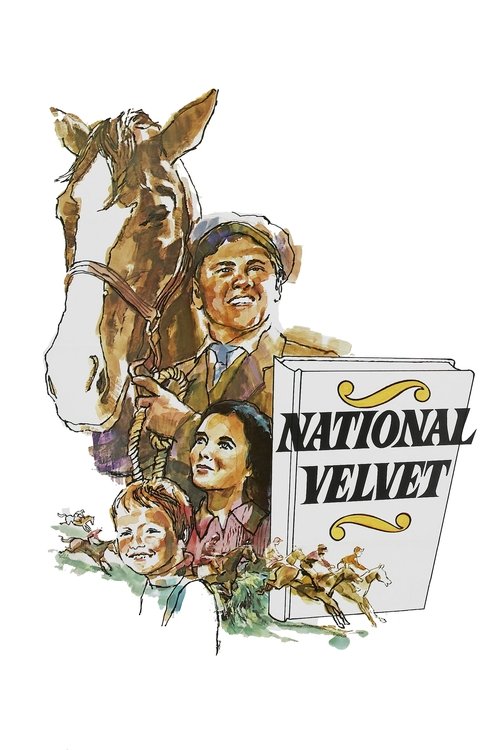
National Velvet(1944)
Director
Film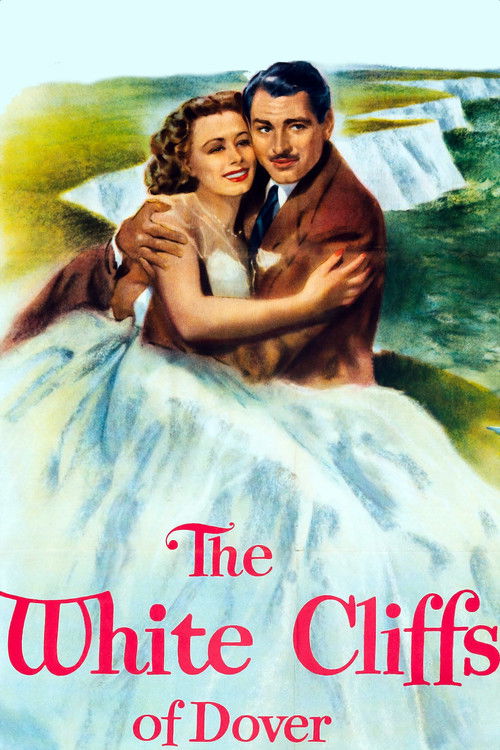
The White Cliffs of Dover(1944)
Director
Film
The Human Comedy(1943)
Director
Film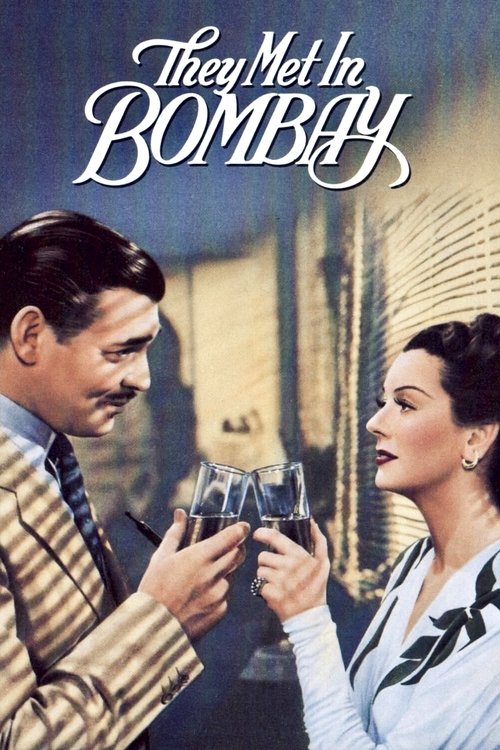
They Met in Bombay(1941)
Director
Film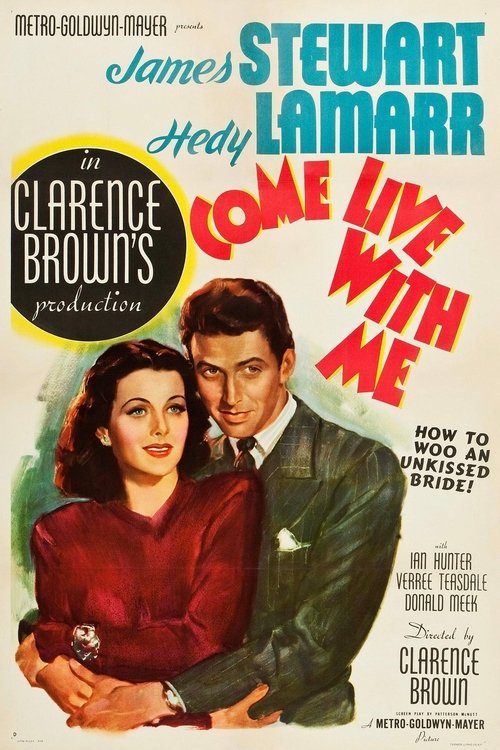
Come Live with Me(1941)
Director
Film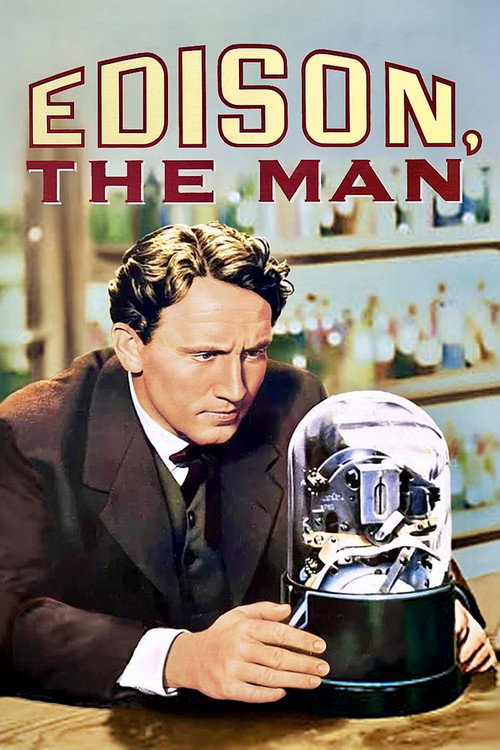
Edison, the Man(1940)
Director
Film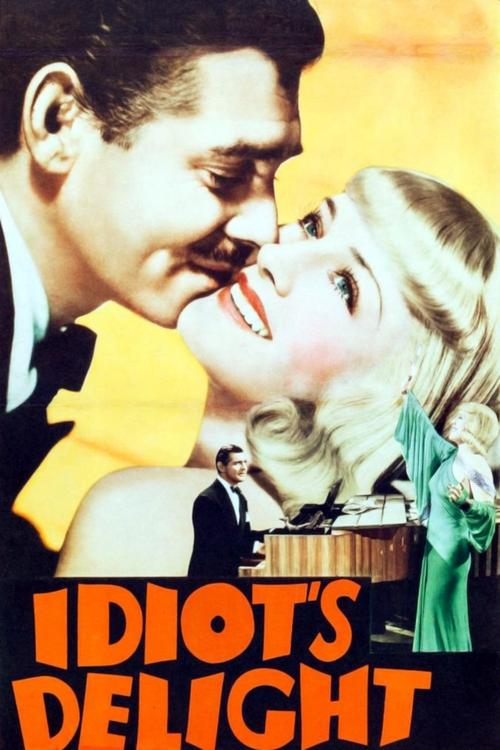
Idiot's Delight(1939)
Director
Film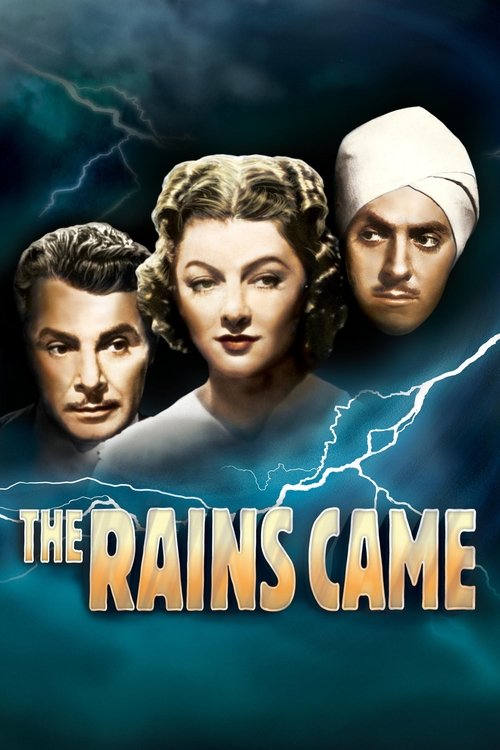
The Rains Came(1939)
Director
Film
Of Human Hearts(1938)
Director
Film
Conquest(1937)
Director
Film
The Gorgeous Hussy(1936)
Director
Film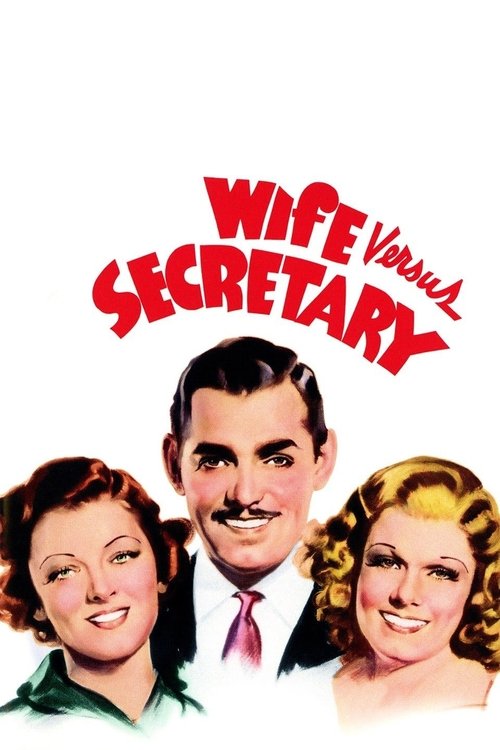
Wife vs. Secretary(1936)
Director
Film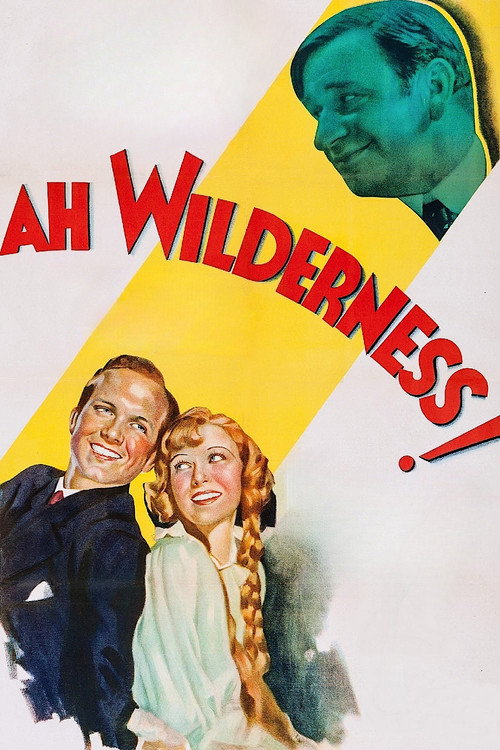
Ah Wilderness!(1935)
Director
Film
Anna Karenina(1935)
Director
Film
Sadie McKee(1934)
Director
Film
Chained(1934)
Director
Film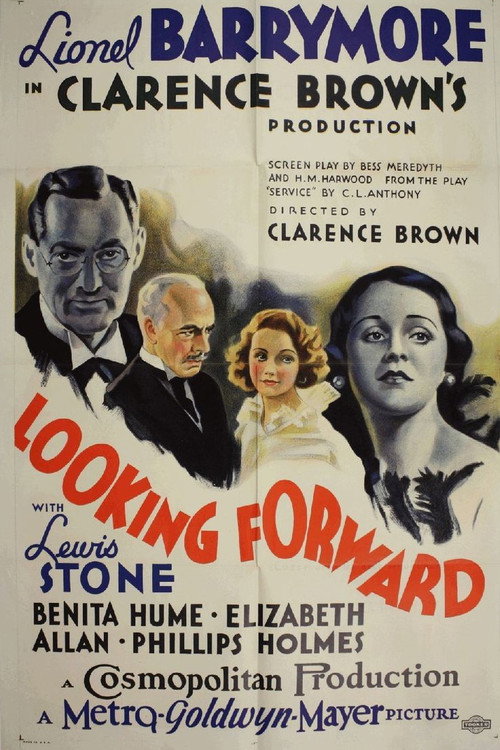
Looking Forward(1933)
Director
Film
Night Flight(1933)
Director
Film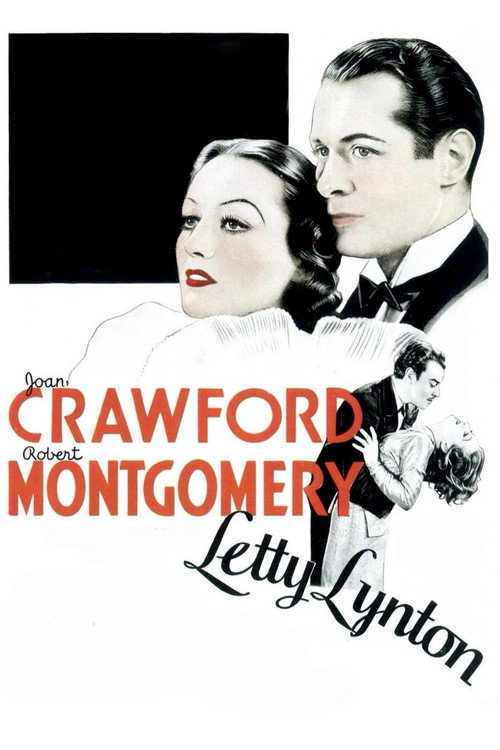
Letty Lynton(1932)
Director
Film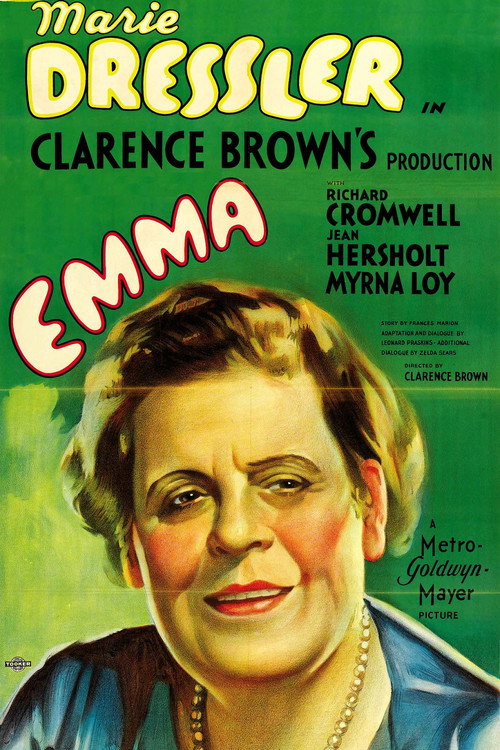
Emma(1932)
Director
Film
The Son-Daughter(1932)
Director
Film
A Free Soul(1931)
Director
Film
Actor
2 credits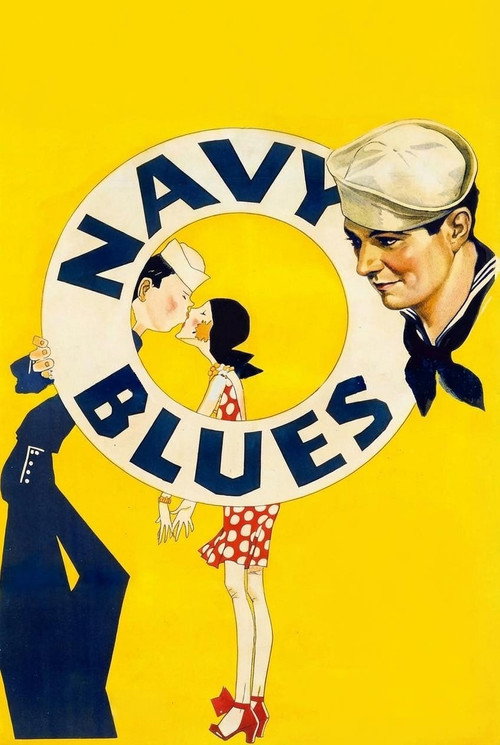
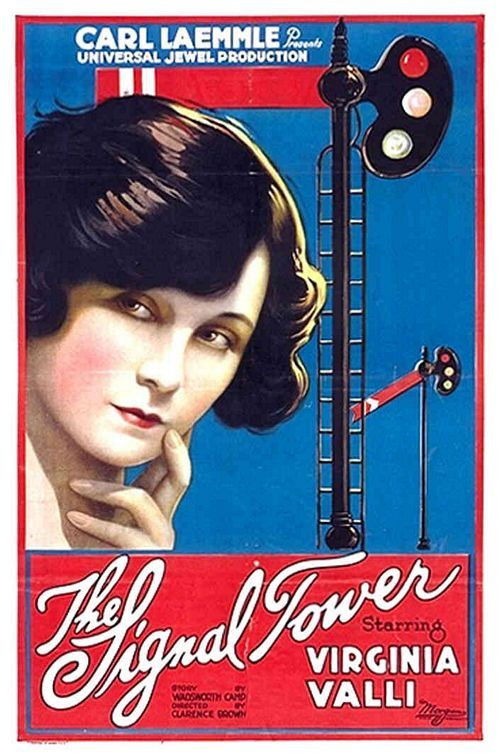
Producer
3 credits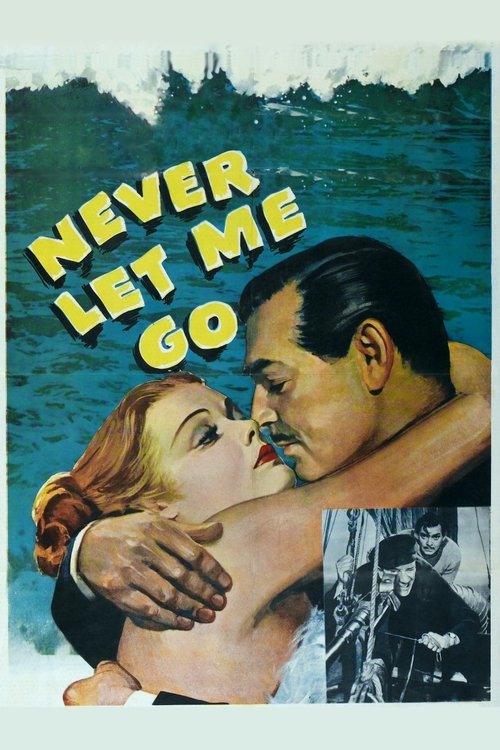

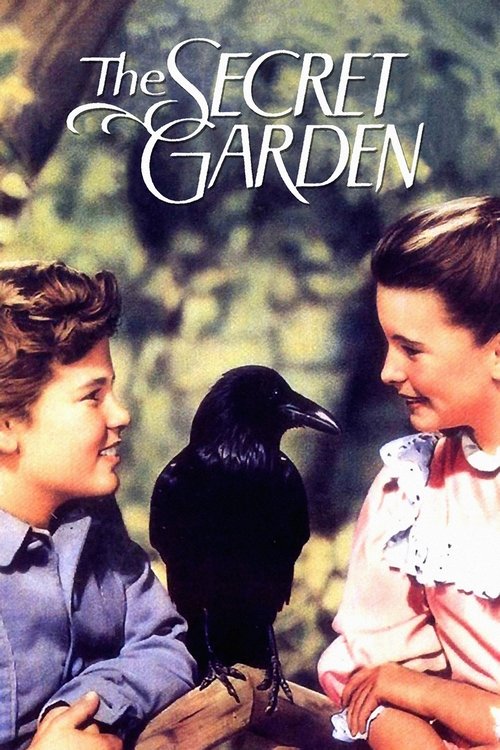

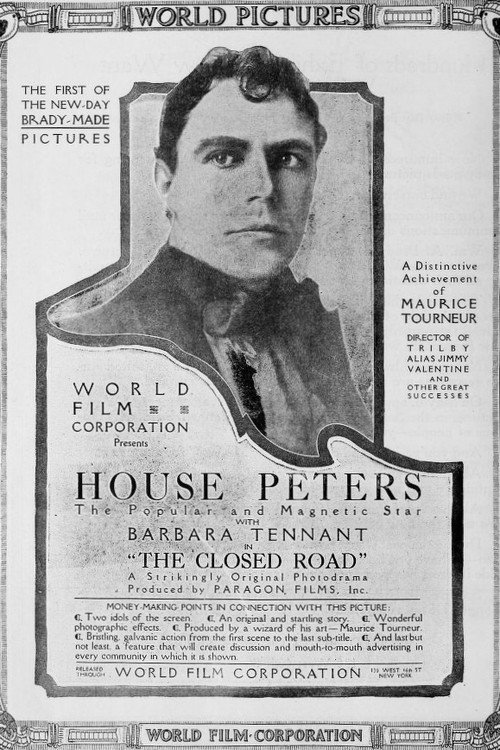
Editor
8 credits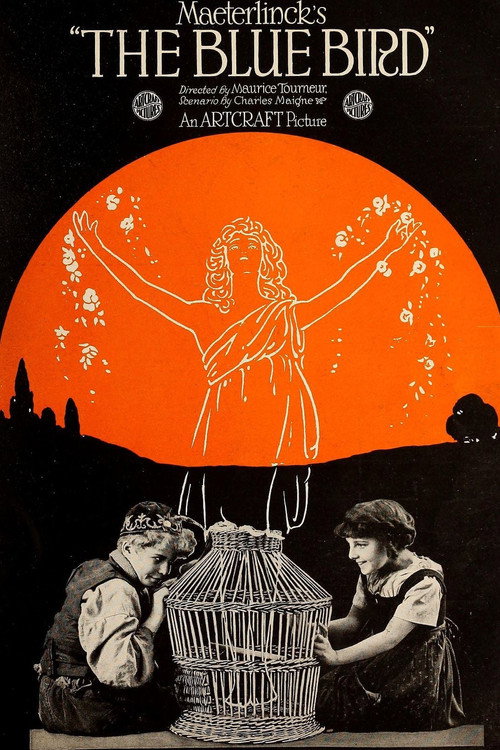

Awards & Nominations
5 nominationsAcademy Awards
- Nom1946Oscar — Directing
- Nom1945Oscar — Directing
- Nom1943Oscar — Directing
- Nom1930Oscar — Directing
- Nom1929Oscar — Directing
Memorable quotes
Browse all →No quotes logged for Clarence Brown yet — add the first memorable line below.
Got a quote we’re missing?
Submit a line from any film, show, or game.
Edit history
Loading edit history…
Comments (0)
on Clarence BrownNo comments yet. Be the first to share what you think.