
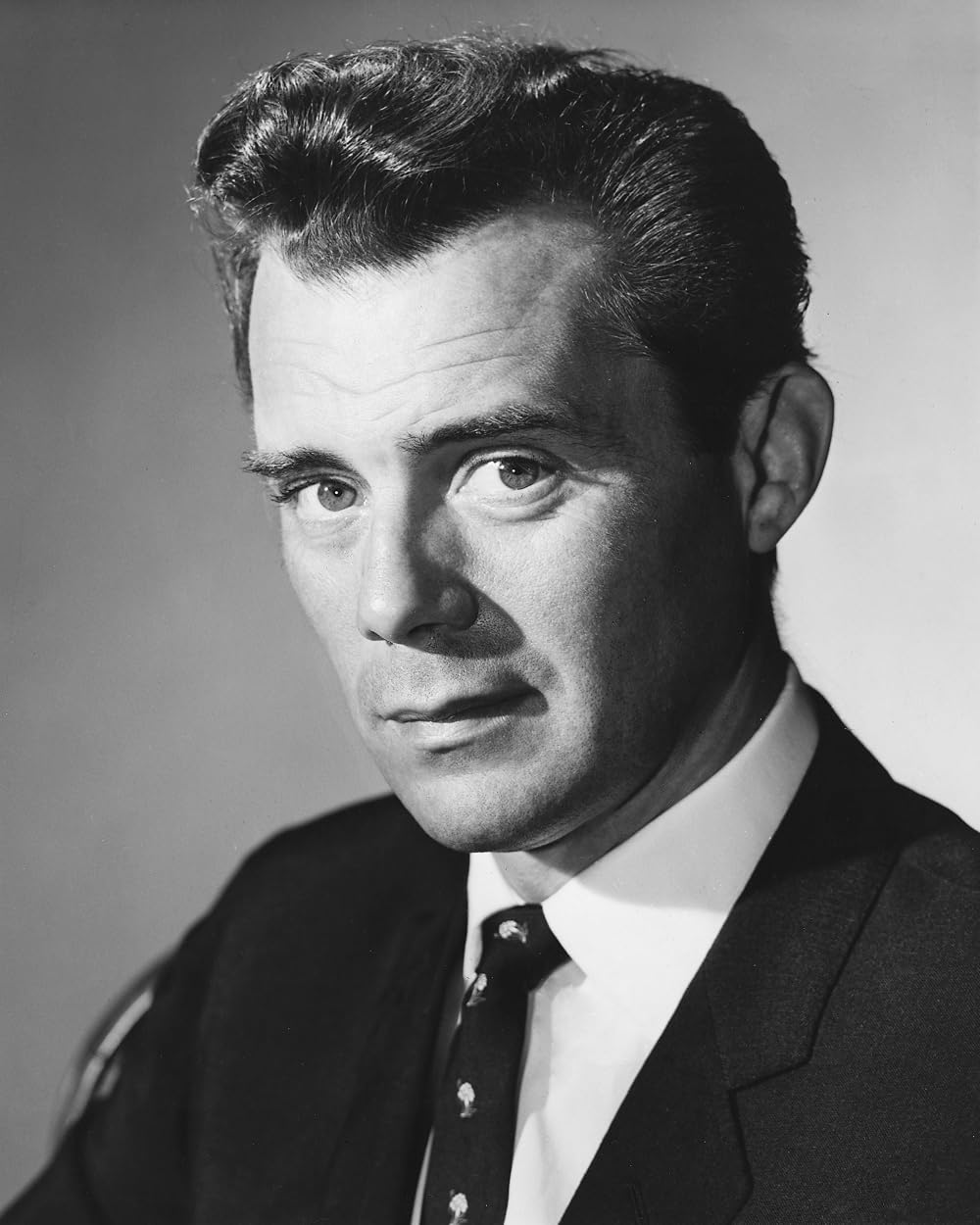
Person · Actor
Dirk Bogarde
- Also:
- Writer
In short · Acted for nine decades — 83 credits, 1 Knight Bachelor win.
Remembered for
Ranked by community engagement + sustained interest across this person's credits in our database.
Help complete this page
We’re missing one-line descriptor, birth date. Sign in to add what you know.
Biography
Sir Dirk Bogarde, a distinguished film actor and writer, was born Derek Jules Gaspard Ulric Niven van den Bogaerde on March 28, 1921, in Hampstead, a London suburb, to Ulric van den Bogaerde, the art editor of *The Times* (London) newspaper, and actress Margaret Niven. He was one of three children, with sister Elizabeth and younger brother Gareth. His father was Flemish, and his mother was of Scottish descent. Ulric Bogaerde founded the *Times'* arts department and served as its first art editor. Derek's mother, Margaret—daughter of actor and painter Forrest Niven—appeared in the play *Bunty Pulls The Strings* but left the stage at her husband's request. The young Derek Bogaerde was raised at the family home in Sussex by his sister Elizabeth and nanny Lally Holt. He attended Allen Glen’s School in Glasgow and later University College School in London before studying commercial art at Chelsea Polytechnic, where his instructors included Henry Moore. Although his father had hoped he would follow him into the *Times* as an art critic and had prepared him for that role, Derek left his commercial art course and pursued drama, though his acting potential at the time was considered limited. In the 1930s, he worked as a commercial artist and scene designer. He trained as an actor with the Amersham Repertory Company and made his stage debut in 1939 at London’s Q Theatre, delivering only one line. A few months later, he appeared in J.B. Priestley’s play *Cornelius*, billed as "Derek Bogaerde." He made his uncredited film debut as an extra in the pre-war George Formby comedy *Come on George!* (1939). The September 1939 invasion of Poland by Nazi Germany and the Soviet Union marked the beginning of World War II, and in 1940, Bogarde joined the Queen’s Royal Regiment as an officer. He served in the Air Photographic Intelligence Unit and eventually reached the rank of major. Known as "Pippin" and "Pip" during the war, he received seven medals over five years of active duty. He wrote poetry and painted during the war, and in 1943, a small magazine published one of his poems, "Steel Cathedrals," later included in an anthology. His war paintings are part of the Imperial War Museum’s collection. Like his character, Captain Hargreaves, in *King & Country* (1964), he was once asked to put a wounded soldier out of his misery, a story he recounted in one of his seven autobiographies. While serving with the Air Photographic Intelligence Unit, he participated in the liberation of the Bergen-Belsen concentration camp, which he described as "looking into Dante's Inferno." He wrote, "At 24, the age I was then, deep shock stays registered forever. An internal tattooing which is removable only by surgery, it cannot be conveniently sponged away by time." After being demobilized, he returned to acting. His agent renamed him "Dirk Bogarde," a name he would make famous within a decade. In 1947, he appeared in *Power Without Glory* at the New Lindsay Theatre, a performance praised by Noël Coward, who encouraged him to continue his acting career. The Rank Organization signed him after a talent scout saw him in the play, and he made his credited film debut in *Dancing with Crime* (1947), playing a one-line role as a policeman. His first leading role came that year in *Sin of Esther Waters* (1948), originally intended for Stewart Granger, who dropped out, allowing Bogarde to take the part. Rank then signed him to a long-term contract, and he appeared in a variety of roles over the 14 years he was with the studio. For three years, he worked in Rank films without gaining much recognition; then in 1950, he was cast as young hood Tom Riley in the crime thriller *The Blue Lamp* (1950) (the title refers to the blue light on London police call-boxes), the most successful British film of 1950, which established Bogarde as a notable actor. Playing a cop killer, a serious crime in England at the time, it was the first of many intense, neurotic, and attractive villains he would portray. He continued stage work, appearing in Jean Anouilh’s *Point of Departure* in the West End. Though praised for his performance, stage acting made him nervous, and as he became more famous, he was increasingly mobbed by fans. The public attention proved overwhelming, especially due to his stage fright. He was approached by crowds at the stage door during the 1955 touring production of *Summertime*, and some enthusiastic admirers even shouted at him during the play. He would appear in only one more stage play, the Oxford Playhouse production of *Jezebel* in 1958, and never returned to the stage, despite receiving tempting offers. He first acted for American expatriate director Joseph Losey in *The Sleeping Tiger* (1954). Losey, a Communist and self-described Stalinist at the time, had moved to England after being blacklisted in Hollywood for refusing to direct *The Woman on Pier 13* (1949) at RKO Pictures, which was owned by right-wing multi-millionaire Howard Hughes. He was accused of being a Communist during testimony before the House Un-American Activities Committee. The director, like Bogarde, would not find his stride until the early
Family & relationships
- Parents
- Ulric van den Bogaerde
- Other
Filmography · 75 of 75
A platform appears here when one of these titles streams on it. Click to filter — pick several to combine.
Actor
62 credits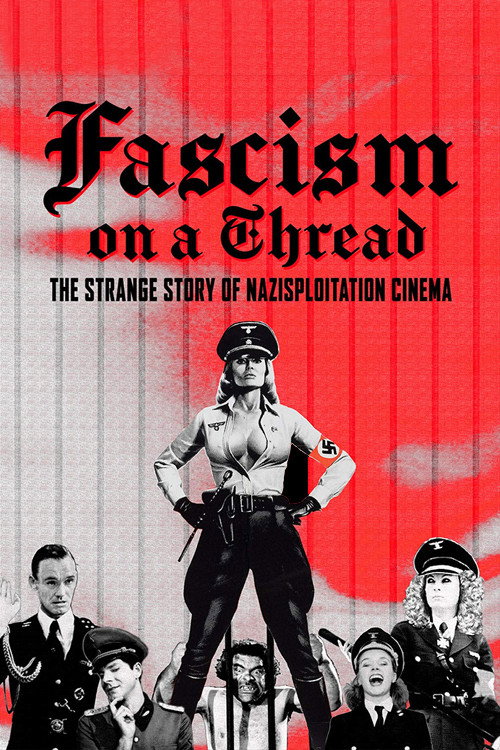
Fascism on a Thread- The Strange Story of Nazisploitation Cinema(2019)
Actor
Film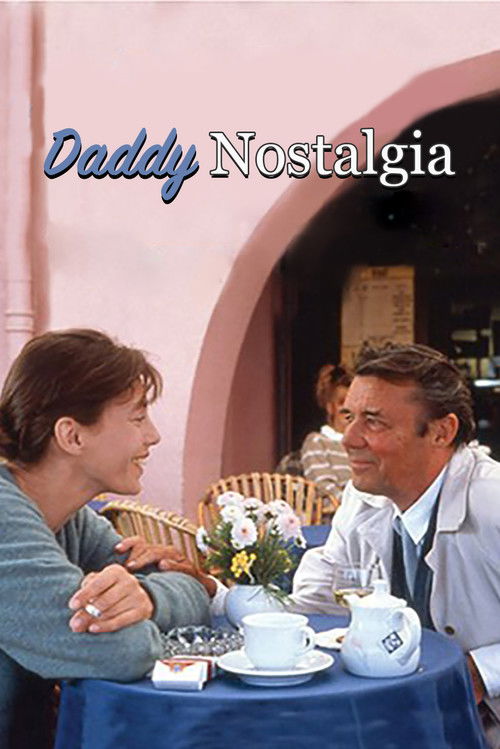
Daddy Nostalgia(1990)
Daddy
Film
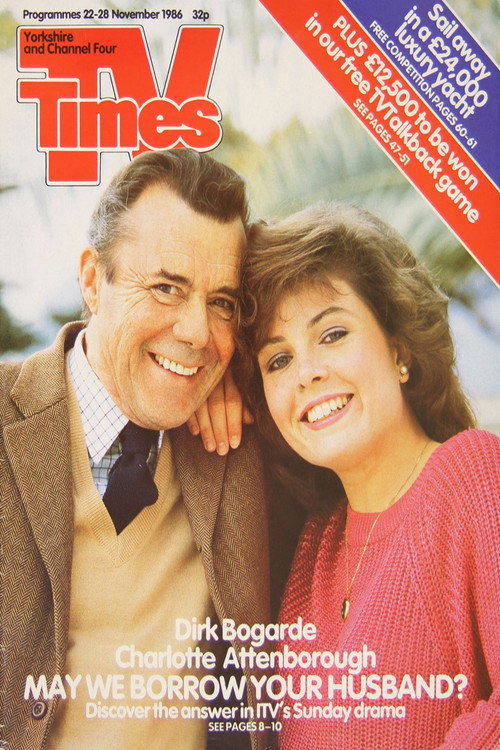
May We Borrow Your Husband?(1986)
William Harris
Film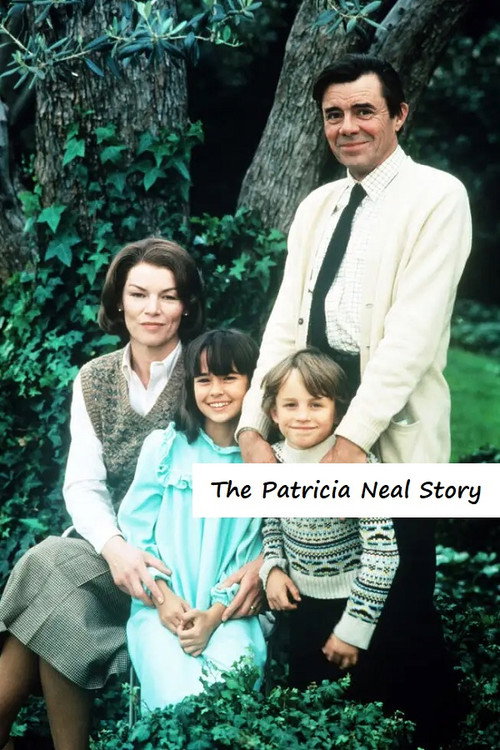
The Patricia Neal Story(1981)
Roald Dahl
Film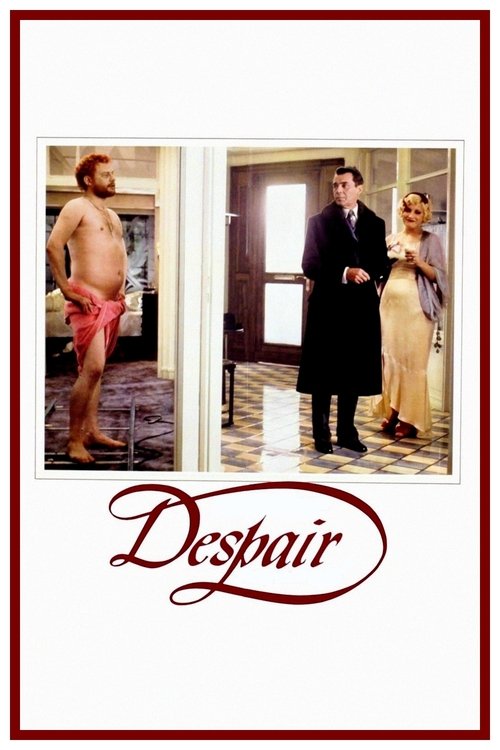
Despair(1978)
Herman
Film
Providence(1977)
Claude Langham
Film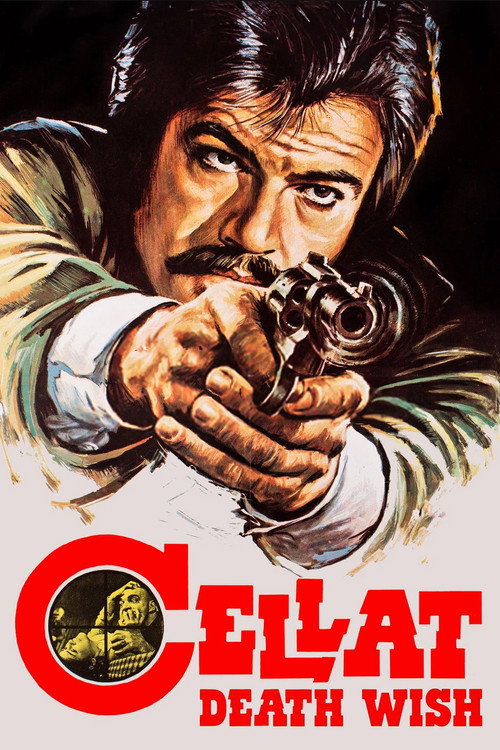
The Executioner(1975)
Alan Curtis
Film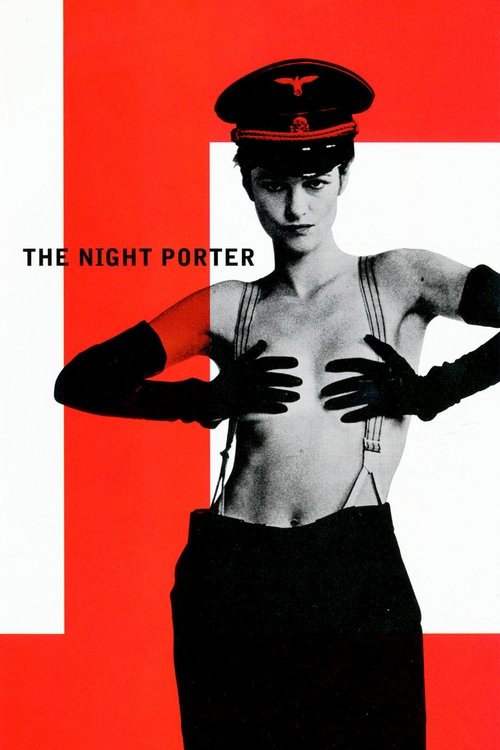
The Night Porter(1974)
Max [Maximilian Theo Aldorfer]
Film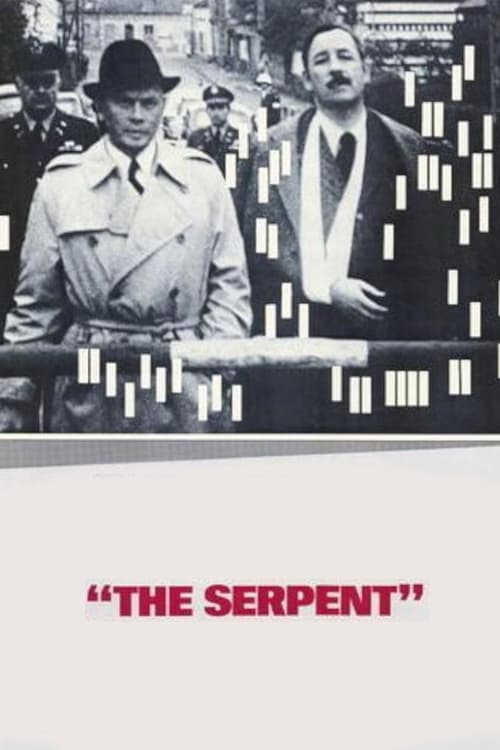
The Serpent(1973)
Philip Boyle
Film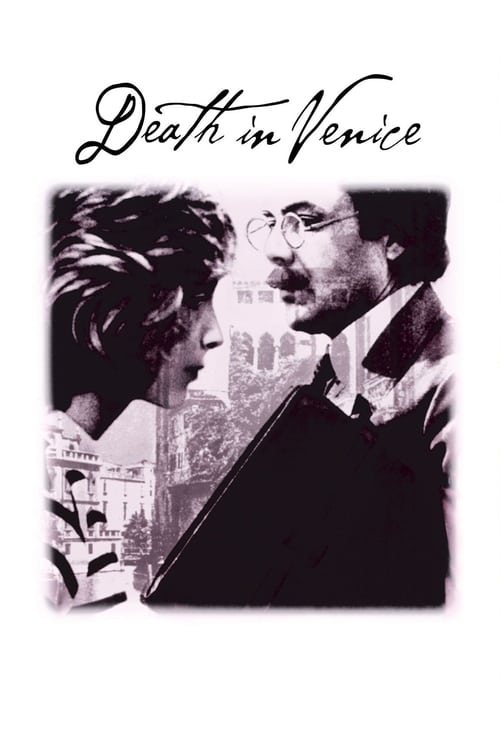
Death in Venice(1971)
Gustav von Aschenbach
Film
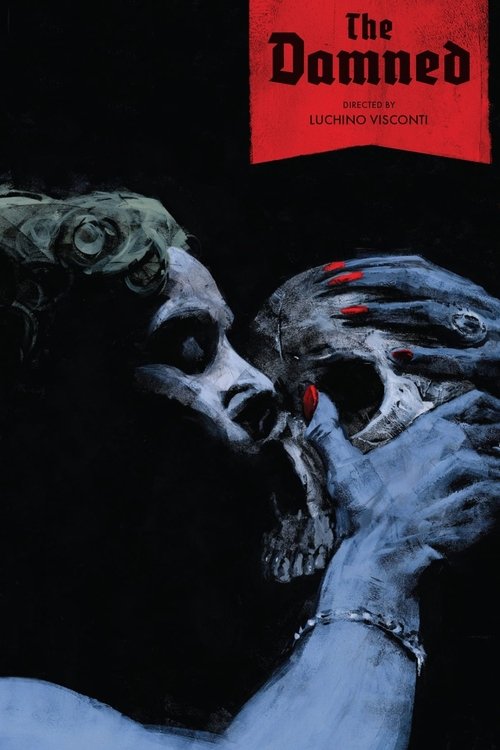
The Damned(1969)
Friedrich Bruckmann
Film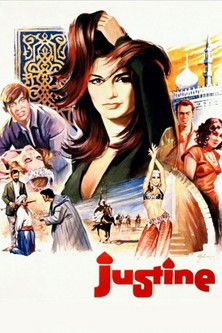
Justine(1969)
Pursewarden
Film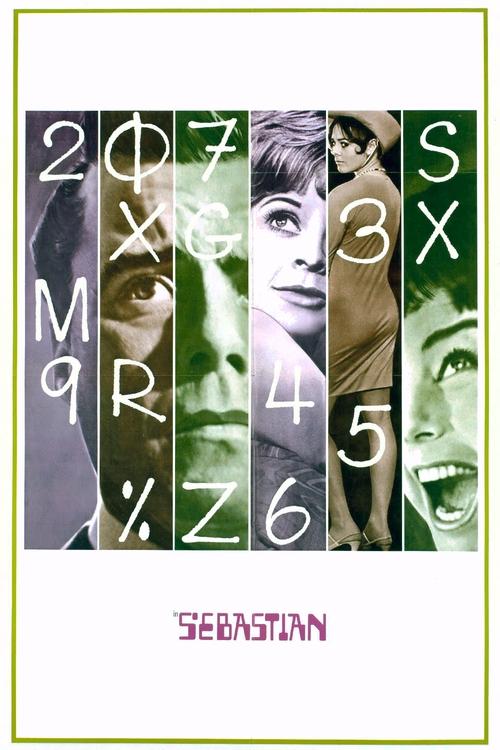
Sebastian(1968)
Sebastian
Film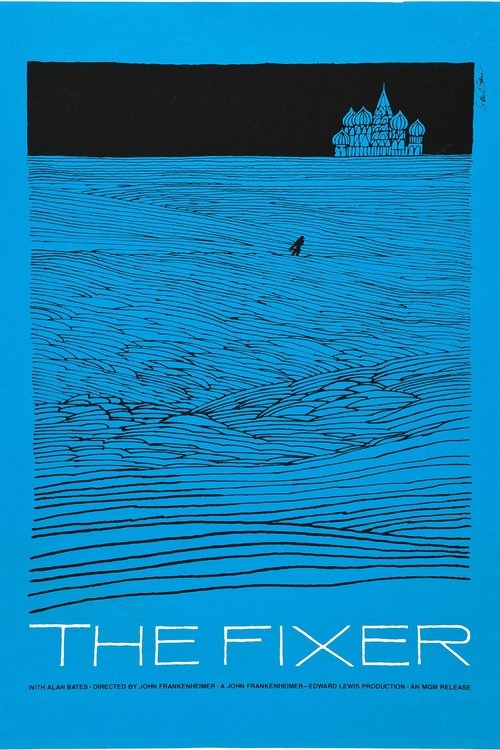
The Fixer(1968)
Bibikov
Film
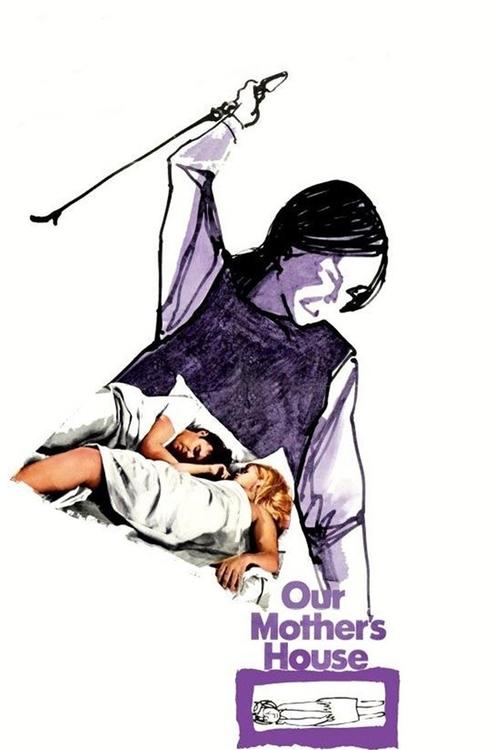
Our Mother's House(1967)
Charlie Hook
Film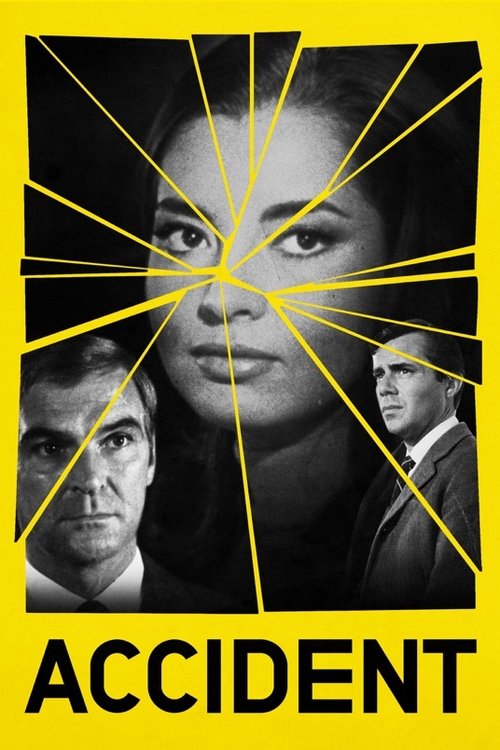
Accident(1967)
Stephen
Film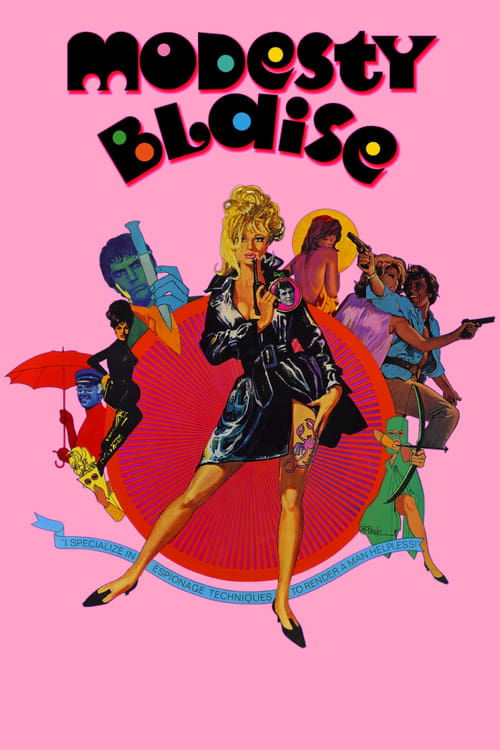
Modesty Blaise(1966)
Gabriel
Film
McGuire, Go Home!(1965)
Maj. McGuire
Film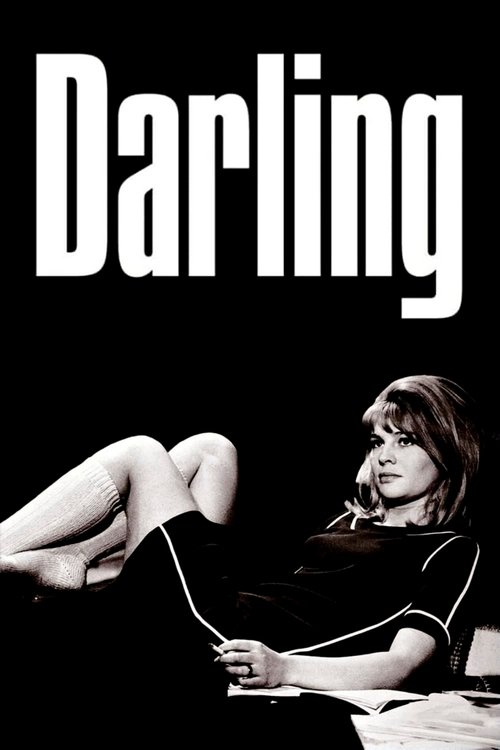
Darling(1965)
Robert Gold
Film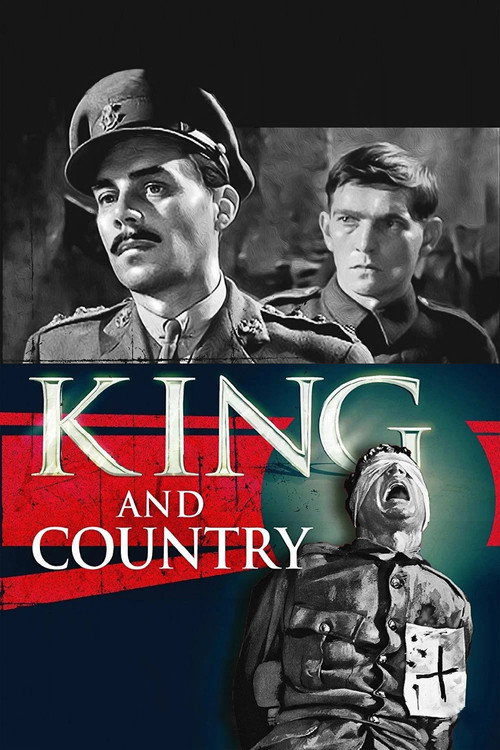
King & Country(1964)
Captain Hargreaves
Film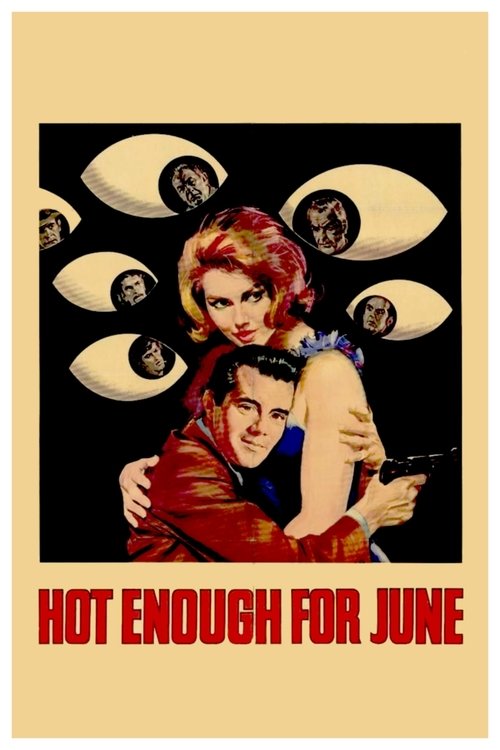
Agent 8 3/4(1964)
Nicholas Whistler
Film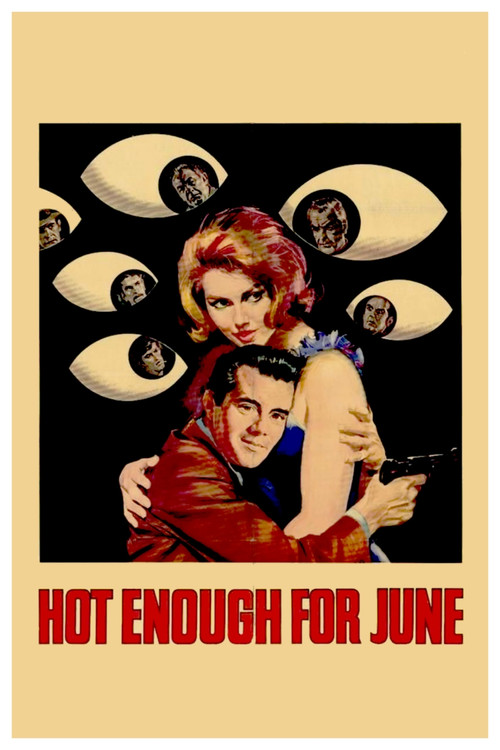
Hot Enough for June(1964)
Nicholas Whistler
Film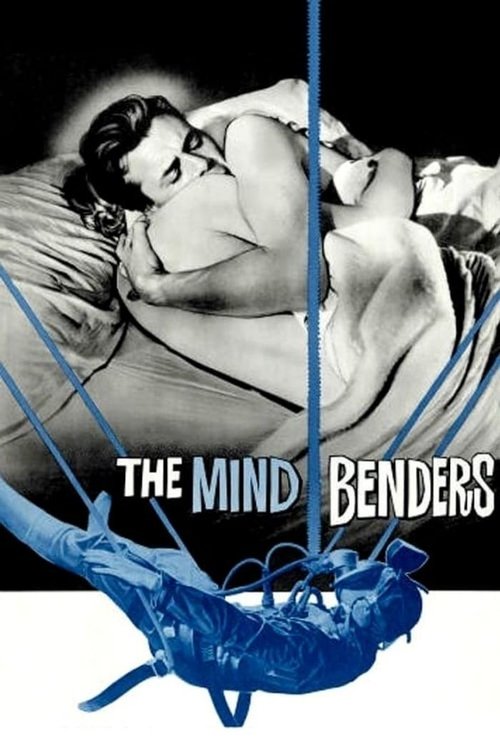
The Mind Benders(1963)
Dr. Harry Longman
Film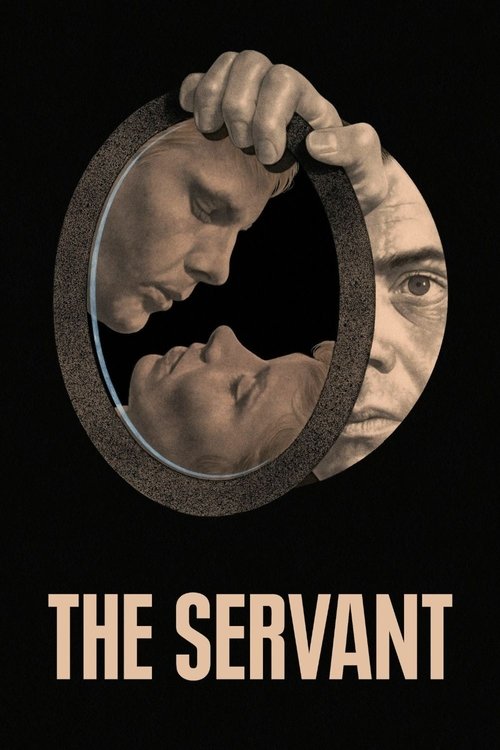
The Servant(1963)
Barrett
Film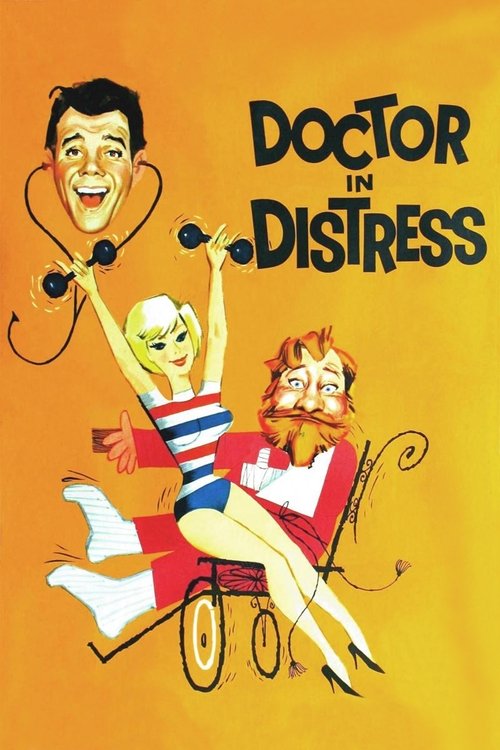
Doctor in Distress(1963)
Dr. Simon Sparrow
Film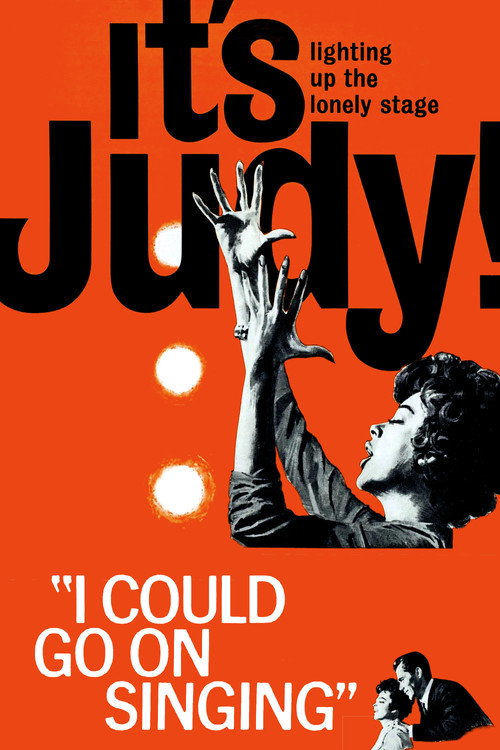
I Could Go on Singing(1963)
David Donne
Film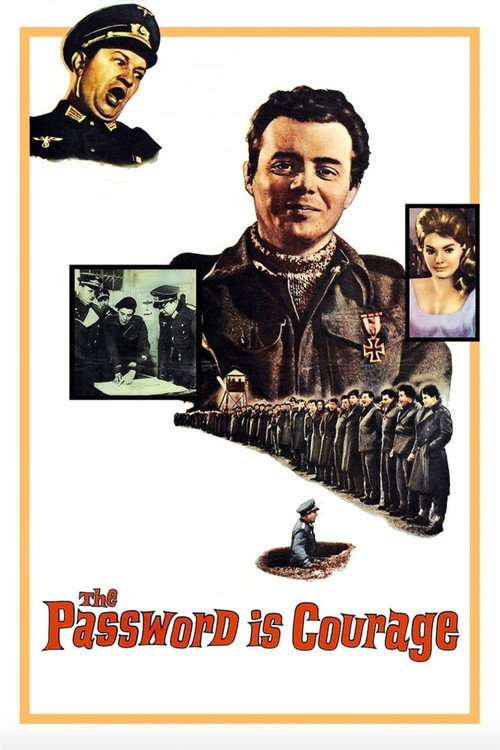
The Password Is Courage(1962)
Sergeant-Major Charles Coward
Film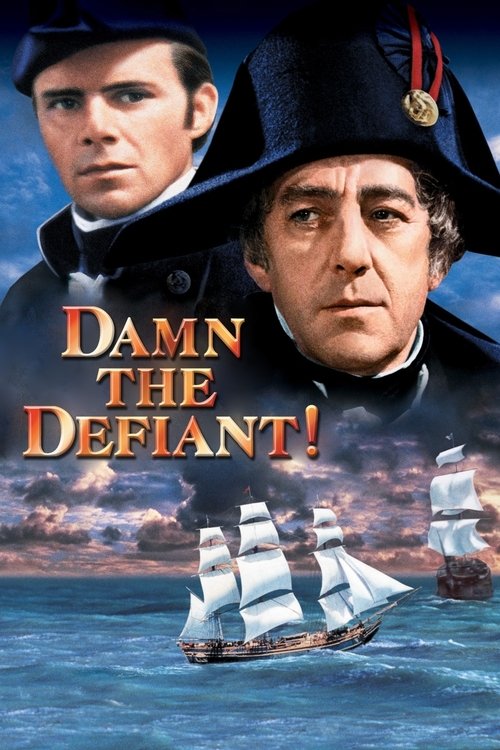
Damn the Defiant!(1962)
Lieut. Scott-Padget
Film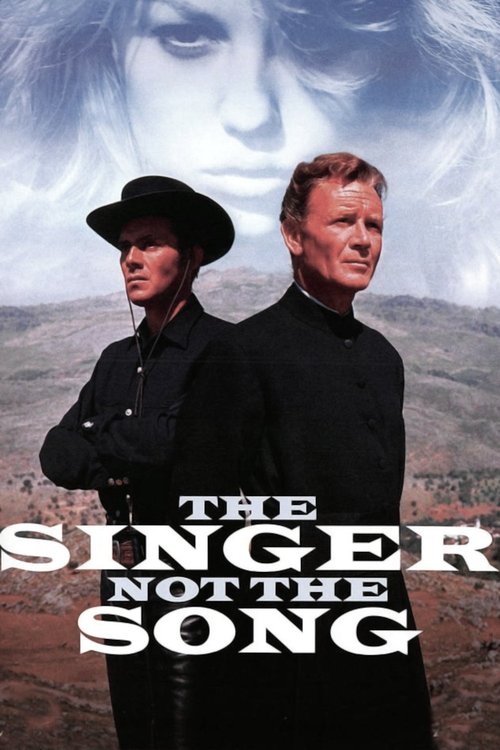
The Singer Not the Song(1961)
Anacleto Comachi
Film
Victim(1961)
Melville Farr
Film
Editor
2 credits

Other crew
11 credits
The Most Beautiful Boy in the World(2021)
Crew
Film
Memories of My Father(2020)
Crew
Film
Discovering Film(2014)
Crew
TV
Talking Pictures(2013)
Crew
TV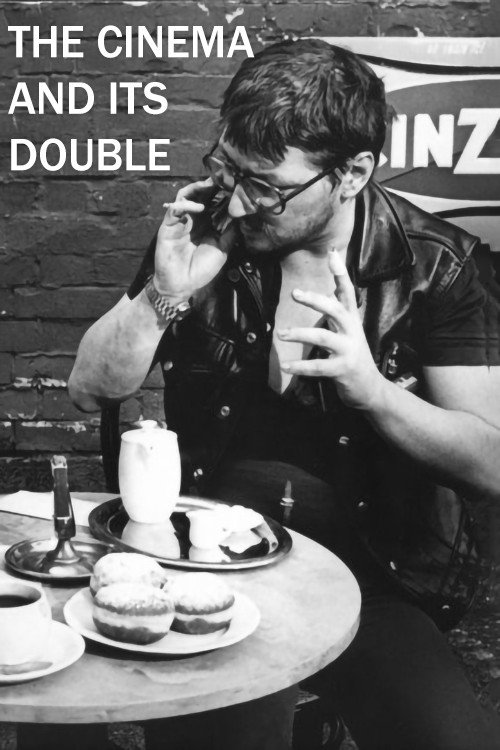
The Cinema and its Double - Rainer Werner Fassbinder's 'Despair' Revisited(2011)
Crew
Film
Great Directors(2009)
Crew
Film
Biography(1987)
Crew
TVCinema 3(1984)
Crew
TVAspel & Company(1984)
Crew
TV
Pebble Mill at One(1972)
Crew
TV
Omnibus(1967)
Crew
TV
Awards & Nominations
1 winKnight Bachelor
- Won1992Knight Bachelor
Memorable quotes
Browse all →No quotes logged for Dirk Bogarde yet — add the first memorable line below.
Got a quote we’re missing?
Submit a line from any film, show, or game.
Additional credits8Show
Non-headline appearances — talk-show, awards-show, panel, and archive-footage credits, kept separate from the main filmography.
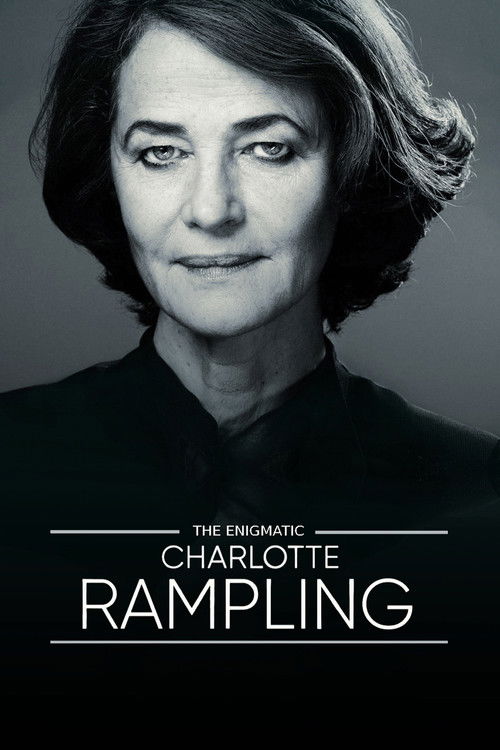
- The Enigmatic Charlotte RamplingSelf · 2023
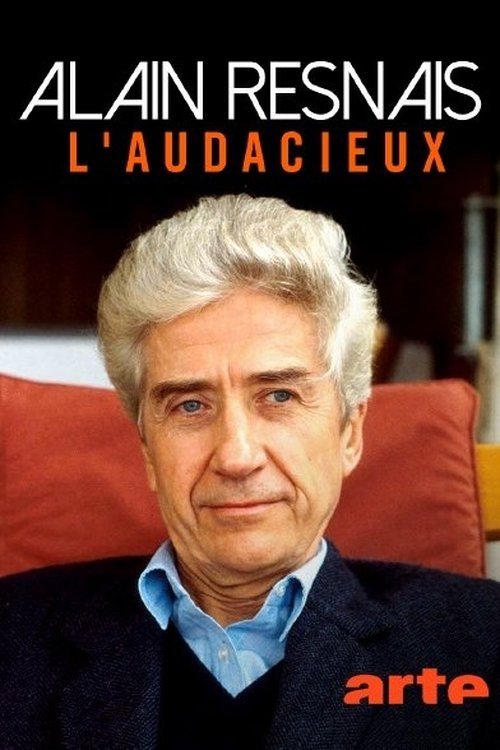
- Alain Resnais, l'audacieuxSelf · 2022
- Luchino ViscontiSelf · 1999
- SchindlerSelf - Narrator · 1983
- Rainer Werner Fassbinder, 1977Self · 1977
- To See Such FunSelf · 1977
- Lionpower from MGMSelf (archive footage) (uncredited) · 1967
- The Epic That Never WasSelf - Host · 1965
Edit history
Loading edit history…
Comments (0)
on Dirk BogardeNo comments yet. Be the first to share what you think.