
Person · Composer
Elmer Bernstein
The composer who brought jazz to the drug den and brass to the frontier, giving mid-century America the swaggering sound of The Magnificent Seven and the tender heart of To Kill a Mockingbird (1922-2004).
- Also:
- Music Department
In short · Composed for eight decades — 168 credits, 1 Academy Award win.
Remembered for
Ranked by community engagement + sustained interest across this person's credits in our database.
Help complete this page
We’re missing birthplace, birth date. Sign in to add what you know.
Biography
Born on New York's Upper West Side to immigrant parents, Elmer Bernstein - no relation to Leonard, a coincidence he spent a lifetime clarifying - was a gifted child pianist who studied dance, acting, and painting before settling on music, with early encouragement from the composer Aaron Copland. After Army service scoring broadcasts during the war, he headed to Hollywood, only to see his fledgling career nearly derailed when the blacklist era's suspicions pushed him into low-budget films.
He clawed back with two landmark scores in the mid-1950s. For Otto Preminger's The Man with the Golden Arm in 1955 he wrote a hard-driving jazz score for its portrait of heroin addiction - startling, urban, and hugely influential - and for Cecil B. DeMille's The Ten Commandments he composed music of vast Biblical grandeur, proving he could command any scale. Then came the score that made him a legend: the galloping, brass-and-strings main theme of The Magnificent Seven in 1960, so quintessentially American that it came to stand for the Western itself and, later, for a famous cigarette campaign.
Bernstein's range was immense. He gave The Great Escape its jaunty march, To Kill a Mockingbird a score of hushed, childlike wonder widely counted among the finest ever written, and lent his gifts to everything from the epic Hawaii to the comedies of a later generation - Animal House, Airplane!, Ghostbusters, Trading Places - introducing his sound to audiences who never knew his name. Nominated fourteen times, he won a single competitive Oscar, for the musical Thoroughly Modern Millie in 1967. Working into his eighties, he enjoyed a late renaissance with Martin Scorsese and others, and completed the score for Far from Heaven shortly before his death in Ojai, California, in 2004, a bridge between the Golden Age he came up in and the modern film music he helped inspire.
Filmography · 167 of 167
A platform appears here when one of these titles streams on it. Click to filter — pick several to combine.
Producer
1 credit
Composer
164 credits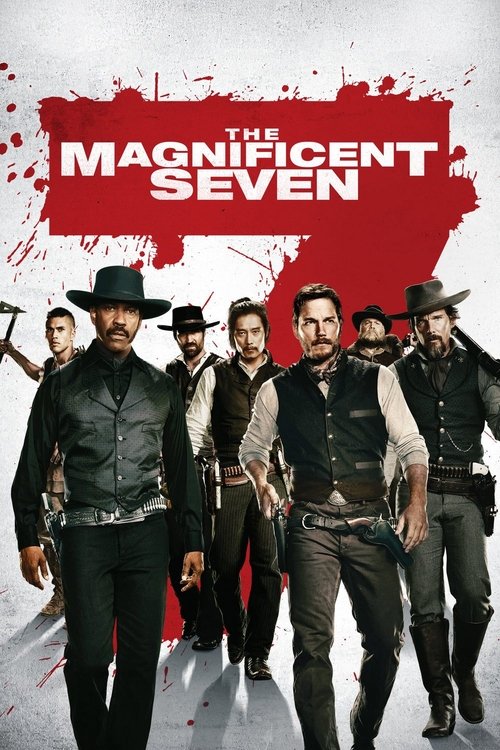
The Magnificent Seven(2016)
composer: theme music
Film

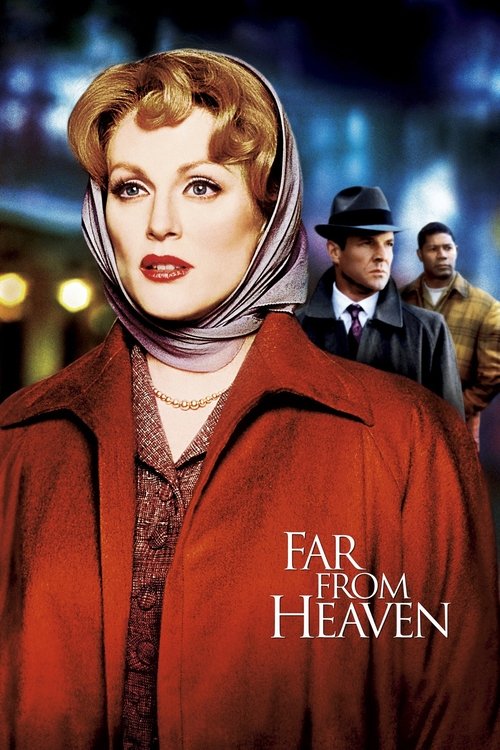
Far from Heaven(2002)
Composer
Film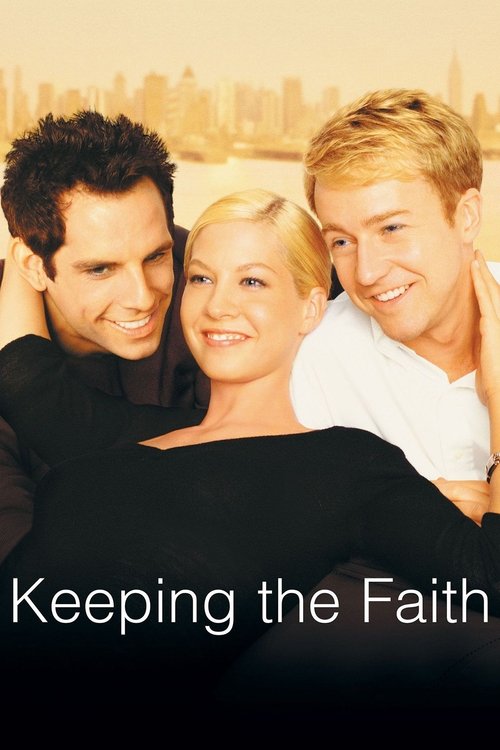
Keeping the Faith(2000)
Composer
Film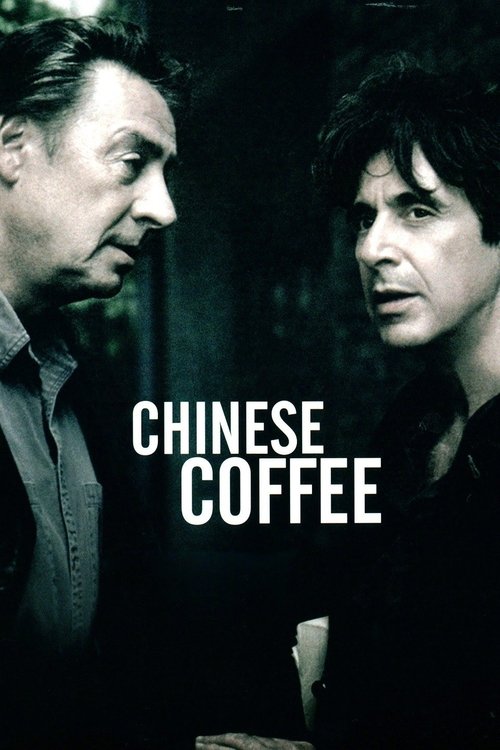
Chinese Coffee(2000)
Composer
Film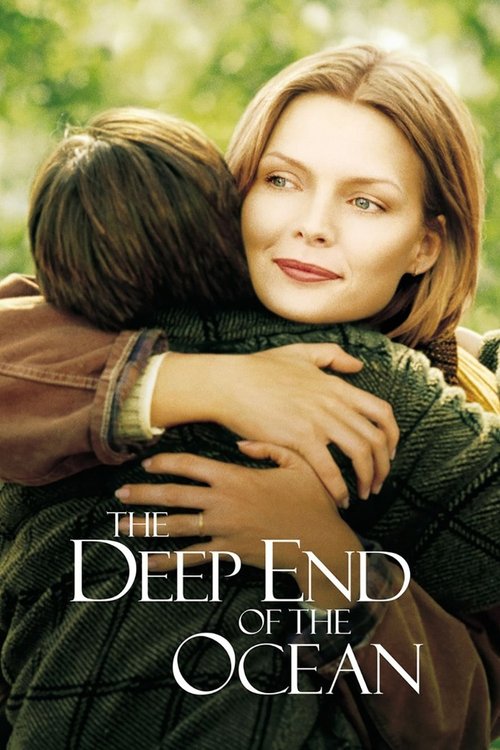
The Deep End of the Ocean(1999)
Composer
Film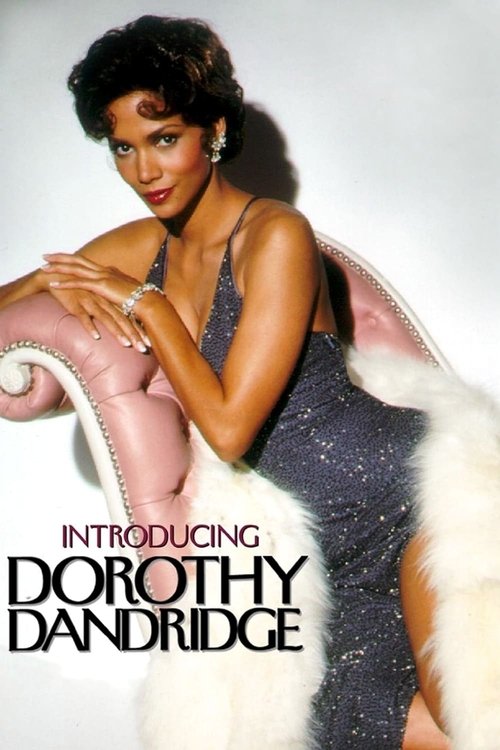
Introducing Dorothy Dandridge(1999)
Composer
Film
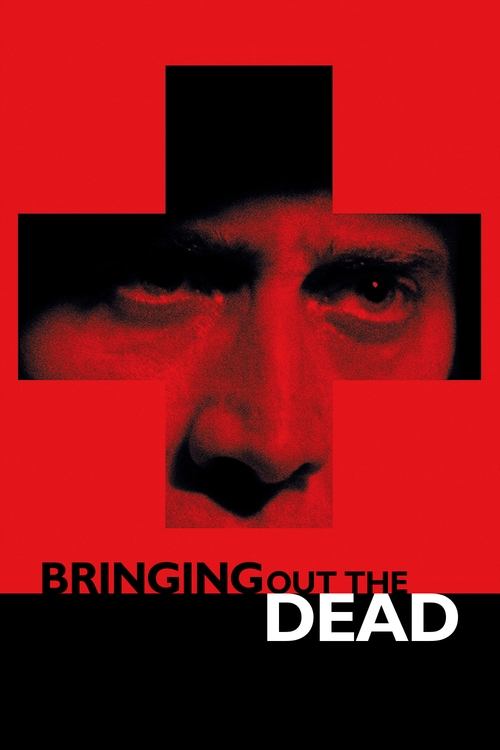
Bringing Out the Dead(1999)
Composer
Film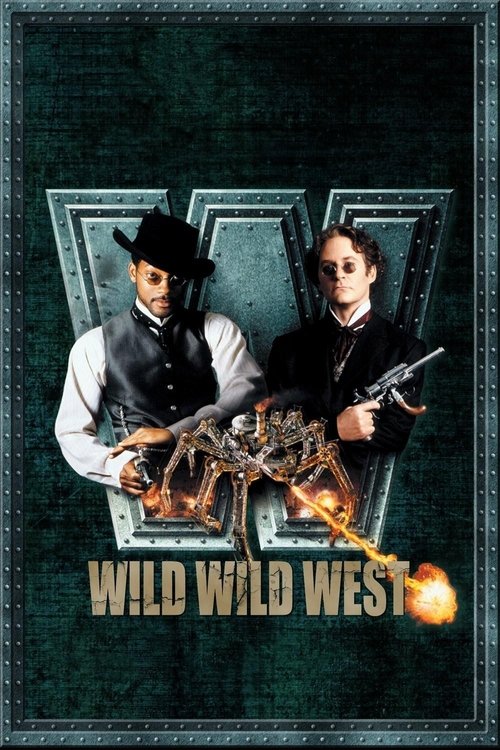
Wild Wild West(1999)
Composer
Film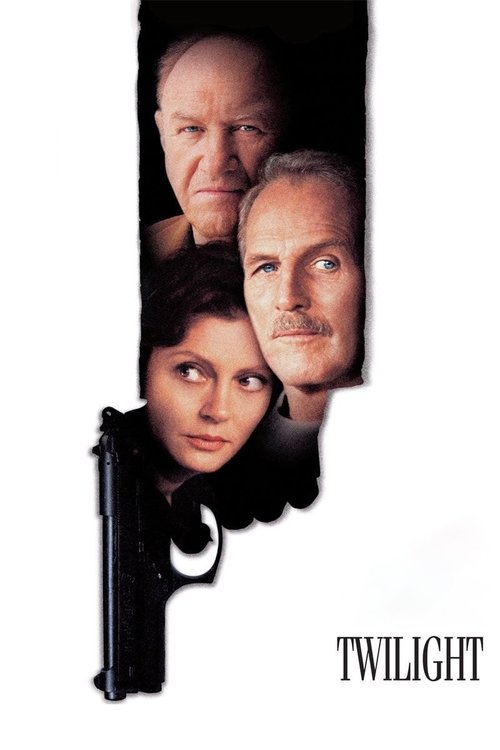
Twilight(1998)
Composer
Film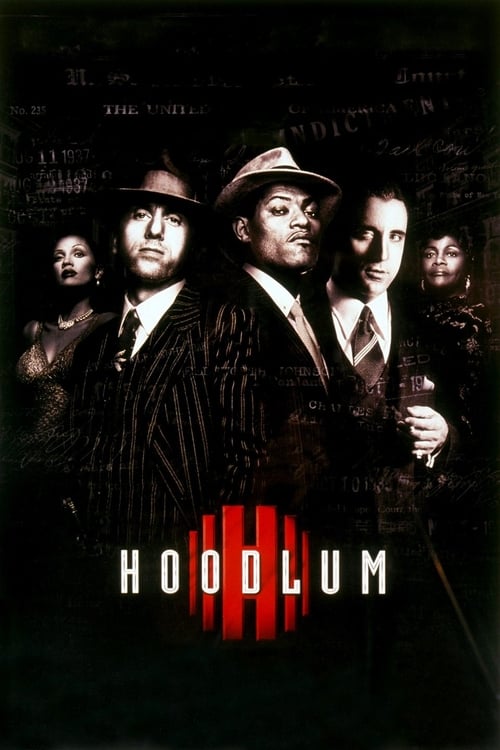
Hoodlum(1997)
Composer
Film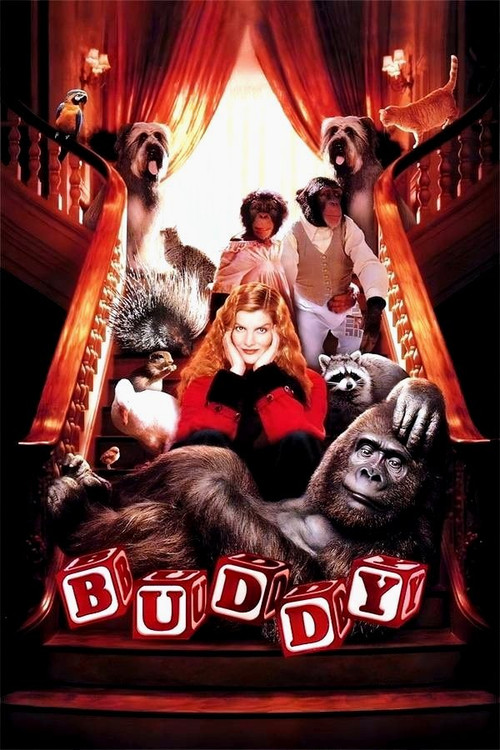
Buddy(1997)
Composer
Film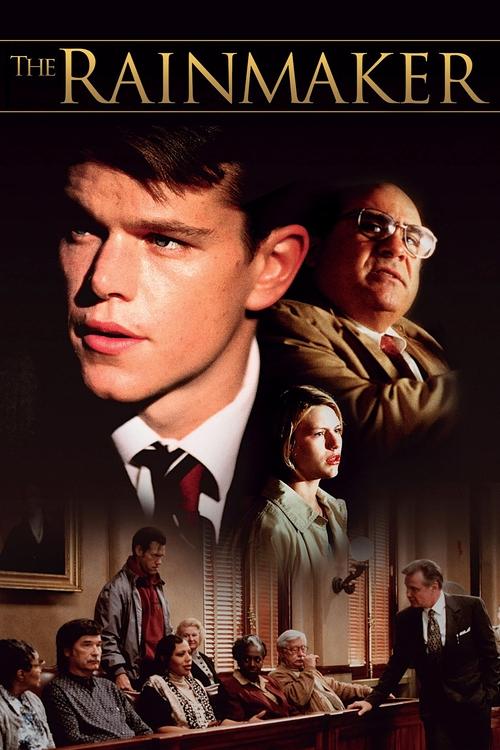
The Rainmaker(1997)
Composer
Film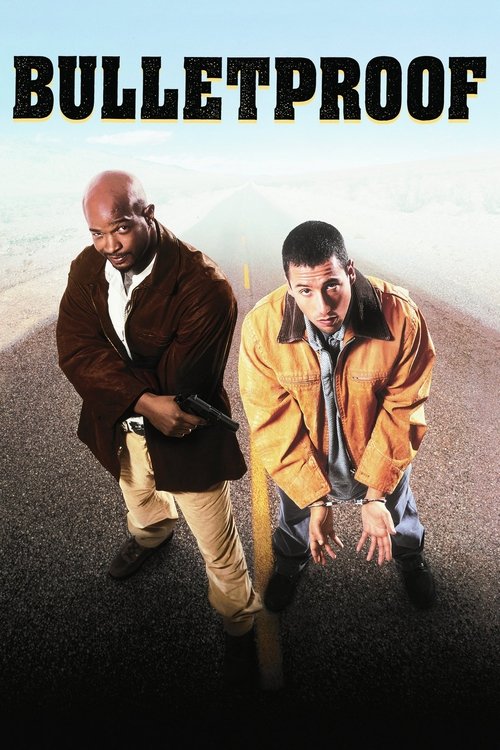
Bulletproof(1996)
Composer
Film
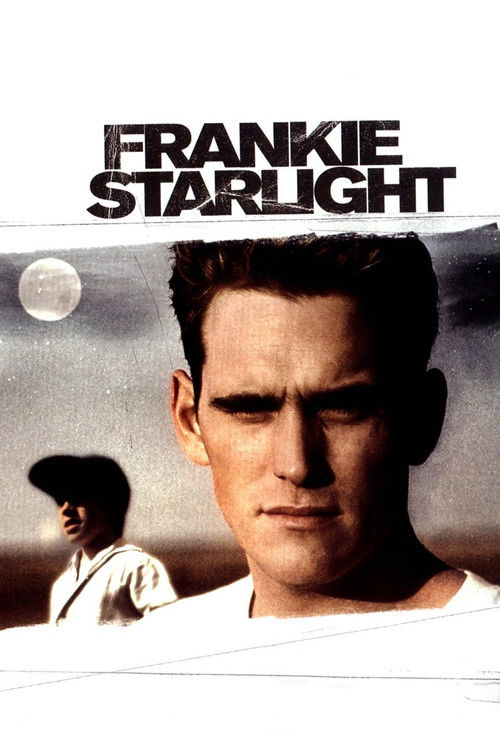
Frankie Starlight(1995)
Composer
Film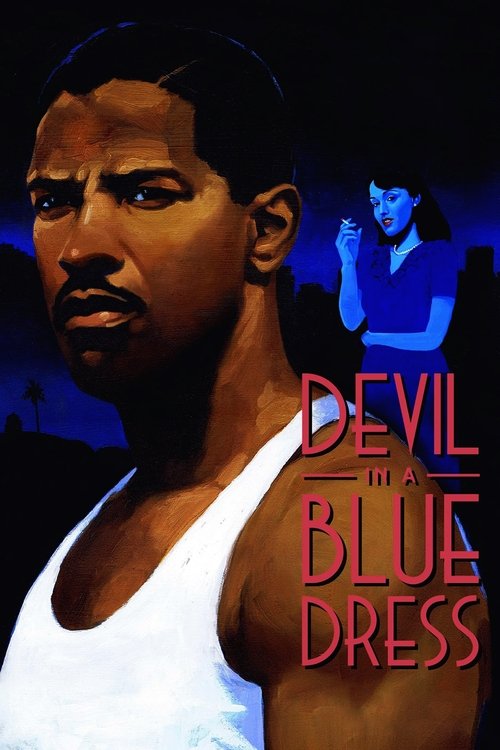
Devil in a Blue Dress(1995)
Composer
Film
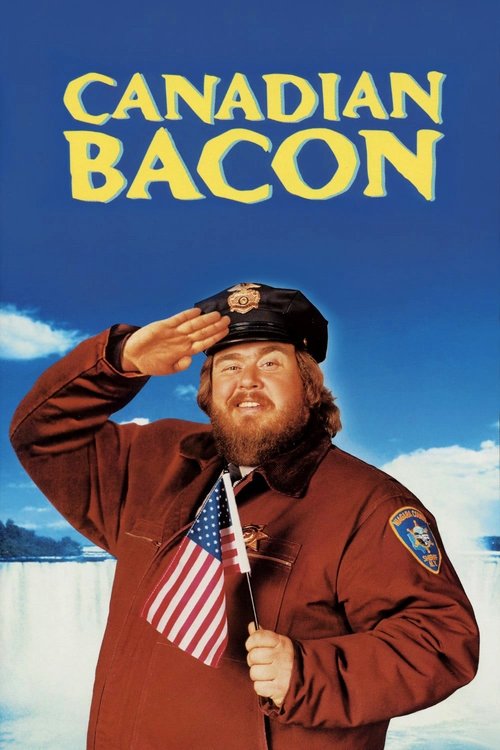
Canadian Bacon(1995)
Composer
Film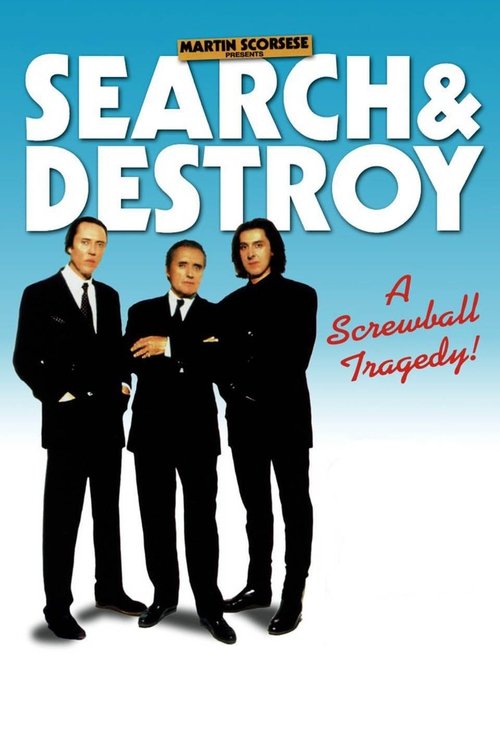
Search and Destroy(1995)
Composer
Film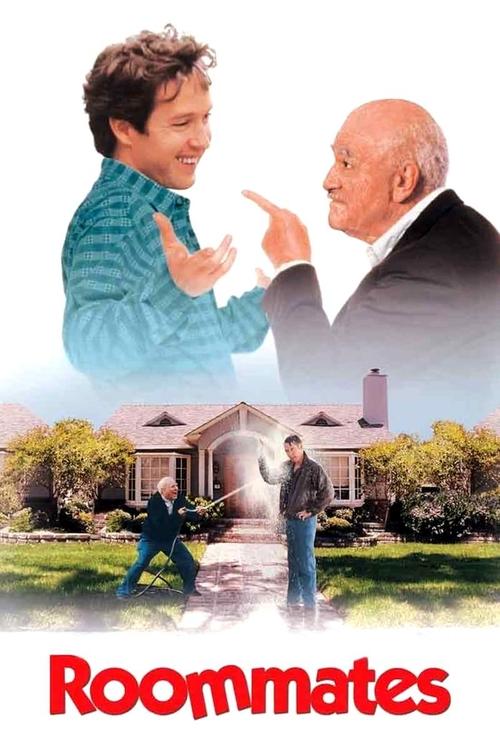
Roommates(1995)
Composer
Film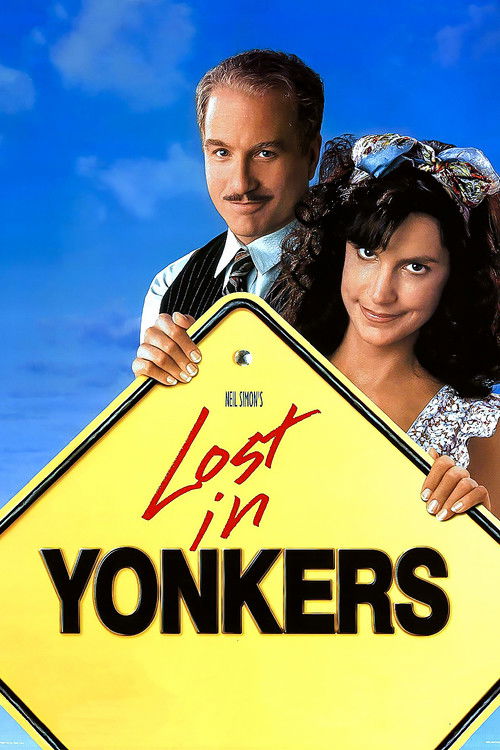
Lost in Yonkers(1993)
Composer
Film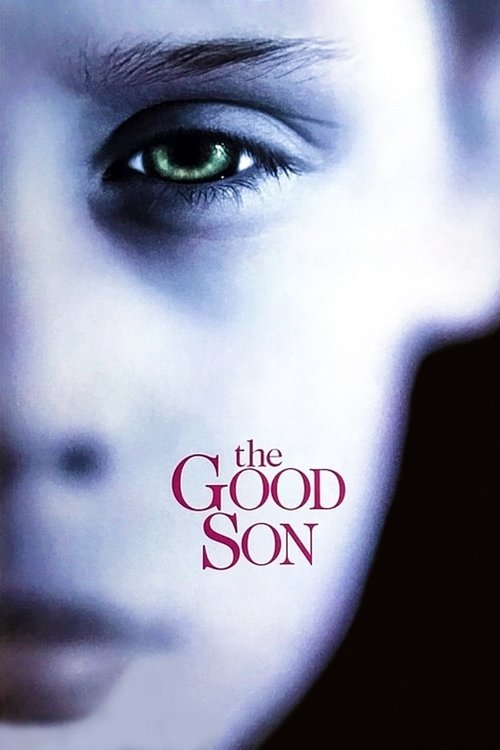
The Good Son(1993)
Composer
Film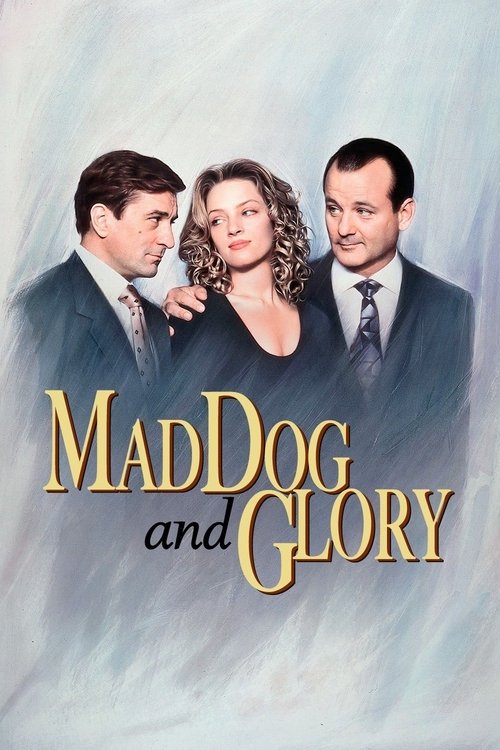
Mad Dog and Glory(1993)
Composer
Film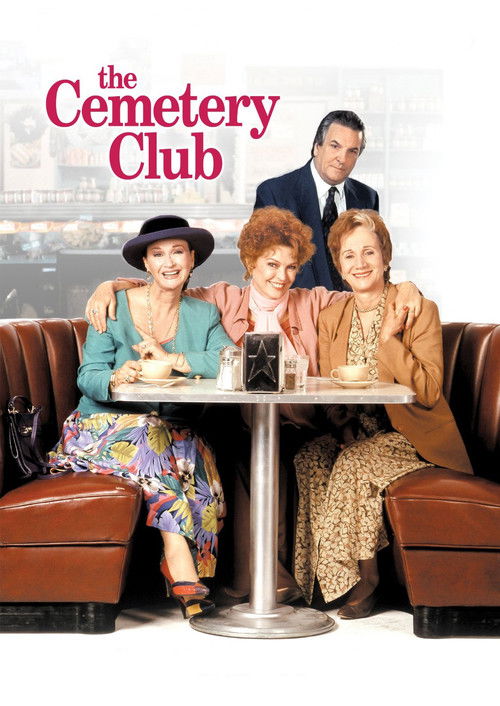
The Cemetery Club(1993)
Composer
Film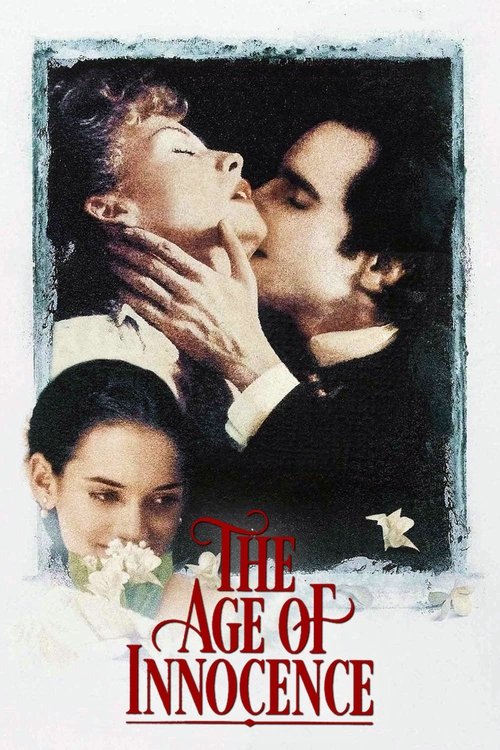
The Age of Innocence(1993)
Composer
Film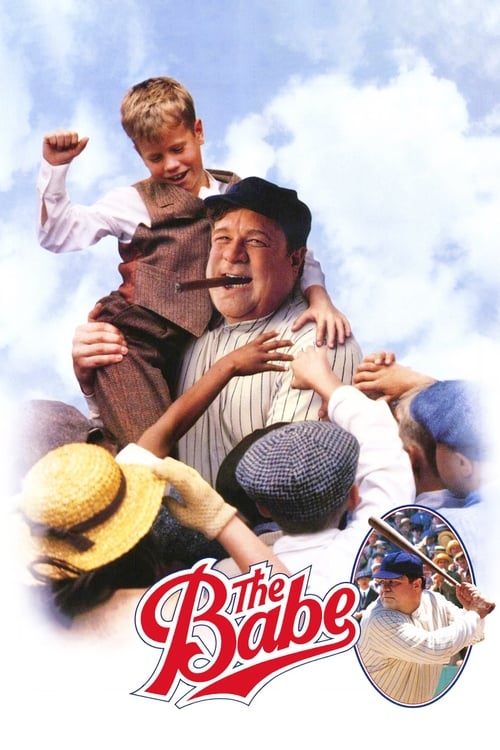
The Babe(1992)
Composer
Film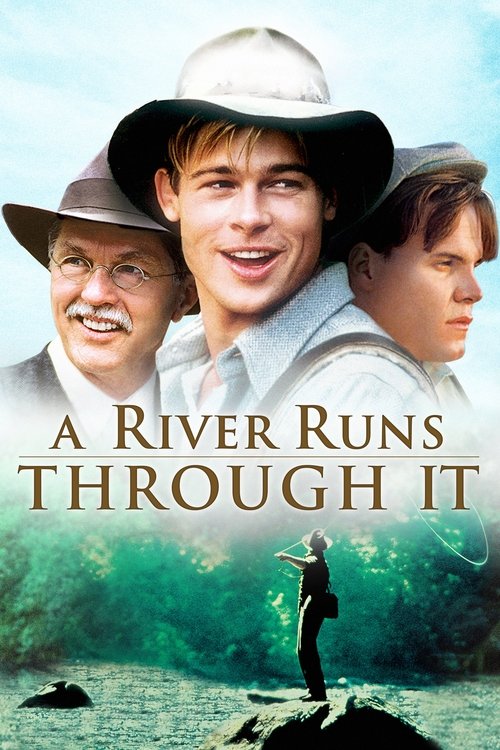
A River Runs Through It(1992)
composer: unused music (uncredited)
Film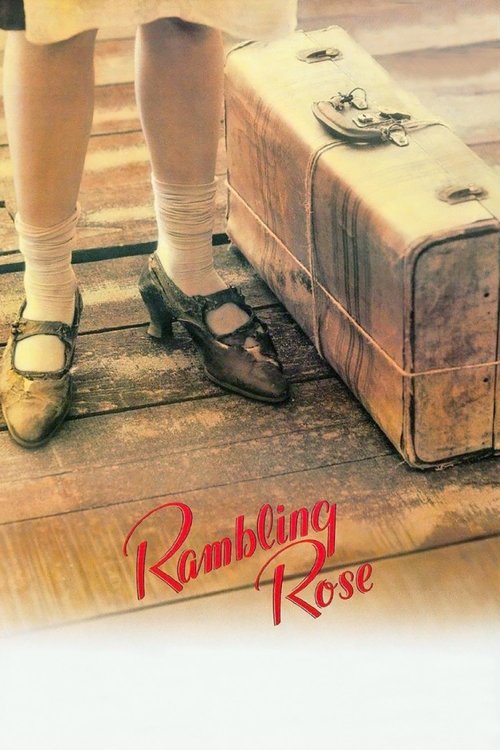
Rambling Rose(1991)
Composer
Film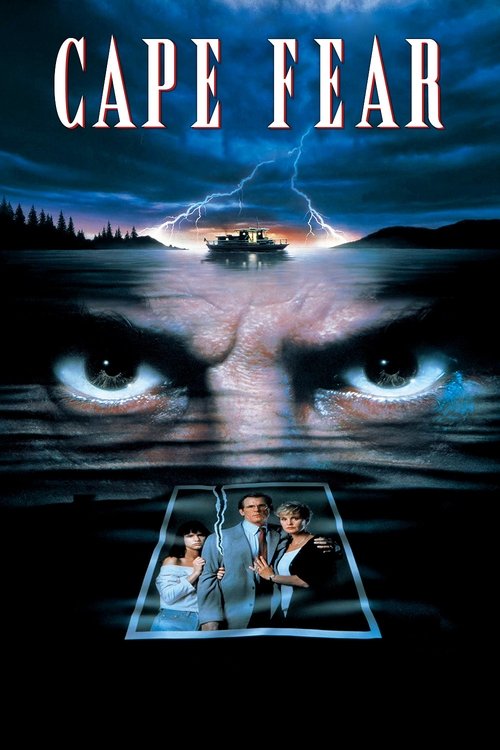
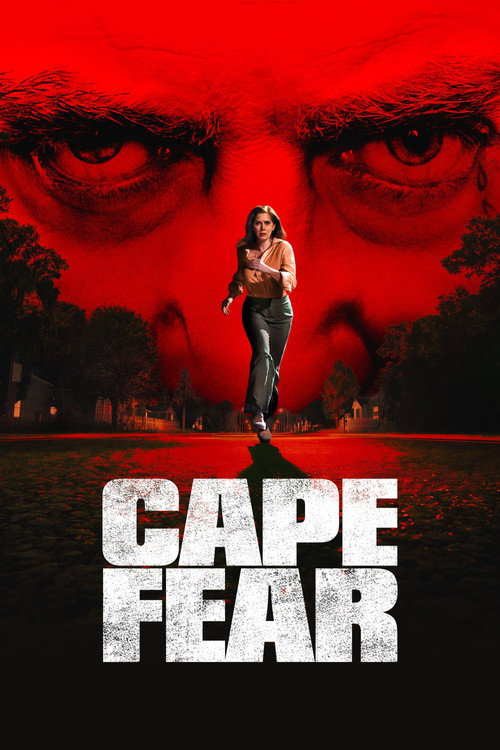
Cape Fear(1991)
Composer
Film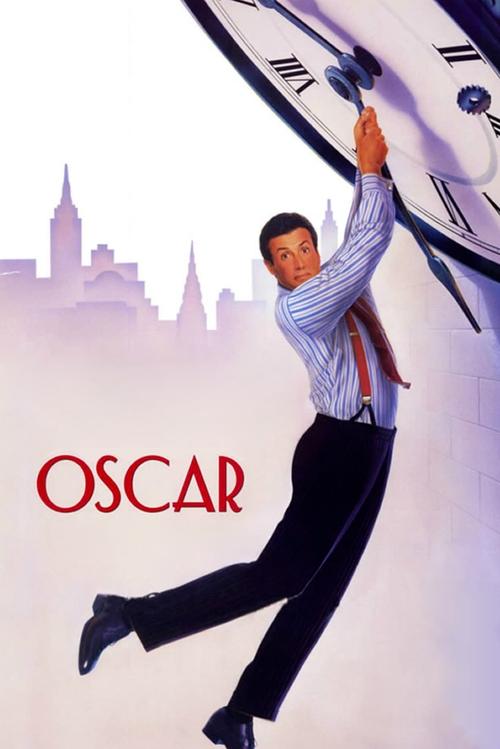
Oscar(1991)
Composer
Film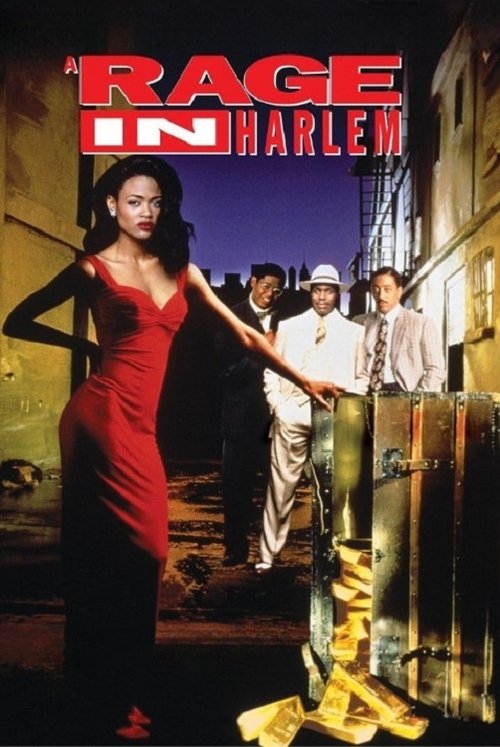
A Rage in Harlem(1991)
Composer
Film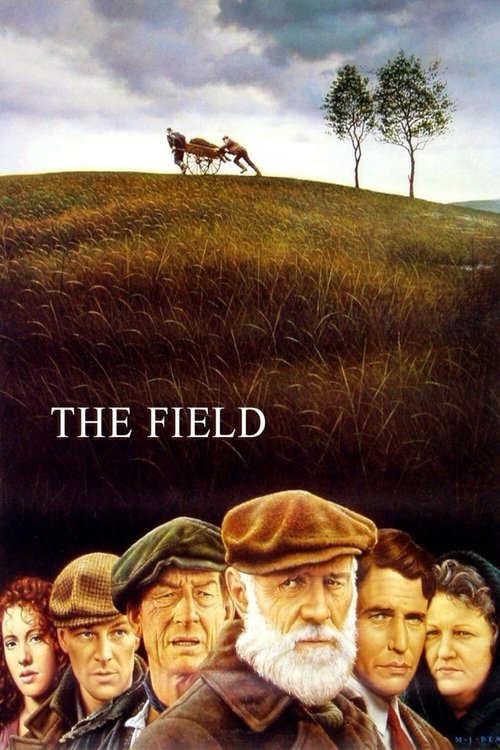
The Field(1990)
Composer
Film
Other crew
2 creditsAwards & Nominations
1 win · 13 nominationsAcademy Awards
- Nom2002Oscar — Music (original Score)
- Nom1993Oscar — Music (original Score)
- Nom1983Oscar — Music (original Song Score or Adaptation Score)
- Nom1974Oscar — Music (original Song)
- Nom1969Oscar — Music (original Song)
- Won1967Oscar — Music (original Score)
- Nom1966Oscar — Music (original Score)
- Nom1966Oscar — Music (original Song Score or Adaptation Score)
- Nom1966Oscar — Music (original Song)
- Nom1962Oscar — Music (original Score)
- Nom1962Oscar — Music (original Song)
- Nom1961Oscar — Music (original Score)
- Nom1960Oscar — Music (original Score)
- Nom1955Oscar — Music (original Score)
Originals
Streaming originals this person worked on.
Memorable quotes
Browse all →No quotes logged for Elmer Bernstein yet — add the first memorable line below.
Got a quote we’re missing?
Submit a line from any film, show, or game.
Additional credits1Show
Non-headline appearances — talk-show, awards-show, panel, and archive-footage credits, kept separate from the main filmography.
- Music for the Movies: Bernard HerrmannSelf · 1992
Edit history
Loading edit history…
Comments (0)
on Elmer BernsteinNo comments yet. Be the first to share what you think.