
Person · Actor
Erich von Stroheim
The Viennese hatter's son who reinvented himself as a monocled aristocrat and directed with such ruinous perfectionism that Hollywood destroyed his masterpiece — 'the man you love to hate' (1885-1957).
- Also:
- Writer
- Director
In short · Acted for 12 decades — 75 credits.
Remembered for
Ranked by community engagement + sustained interest across this person's credits in our database.


Help complete this page
We’re missing birthplace, birth date. Sign in to add what you know.
Biography
Erich Oswald Stroheim was born in Vienna, the son of a middle-class Jewish hat merchant. When he emigrated to America around 1909 he shed that biography entirely, adding a "von," a fictitious noble and military past, and the imperious manner of a Habsburg officer. He drifted into films as an extra and assistant to Griffith, and during the First World War made a lucrative sideline of playing sneering, spike-helmeted Prussian villains — the persona that earned him his billing, "the man you love to hate."
Given the chance to direct, he revealed an obsessive realist's genius. Blind Husbands (1919) and Foolish Wives (1922) dissected the cruelty and hypocrisy beneath European elegance with a cynicism new to American screens — and with budgets and schedules that appalled the studios. His masterwork, Greed (1924), was a savagely faithful adaptation of Frank Norris's novel McTeague, shot on real San Francisco locations and in Death Valley heat, that ran to some nine hours before MGM hacked it down to roughly two and destroyed the excised footage. The full film is one of cinema's great lost objects.
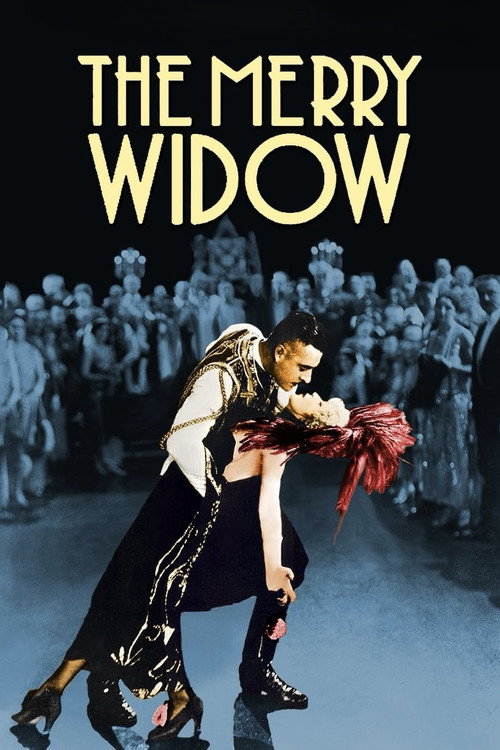
His perfectionism was uncontrollable. The Merry Widow (1925) succeeded, but The Wedding March (1928) was cut down and split apart, and Gloria Swanson and Joseph Kennedy shut down the scandalous Queen Kelly (1929) mid-production. By the sound era no studio would let him direct; the legend of the profligate genius had made him unemployable. He reinvented himself again — as an actor, giving indelible performances as the humane prison-camp commandant in Renoir's Grand Illusion (1937) and, unforgettably, as Max, the fallen director turned butler to his former star, in Sunset Boulevard (1950). He died in France in 1957, honored abroad as the martyr-artist Hollywood had broken.
Filmography · 70 of 70
A platform appears here when one of these titles streams on it. Click to filter — pick several to combine.
Director
4 credits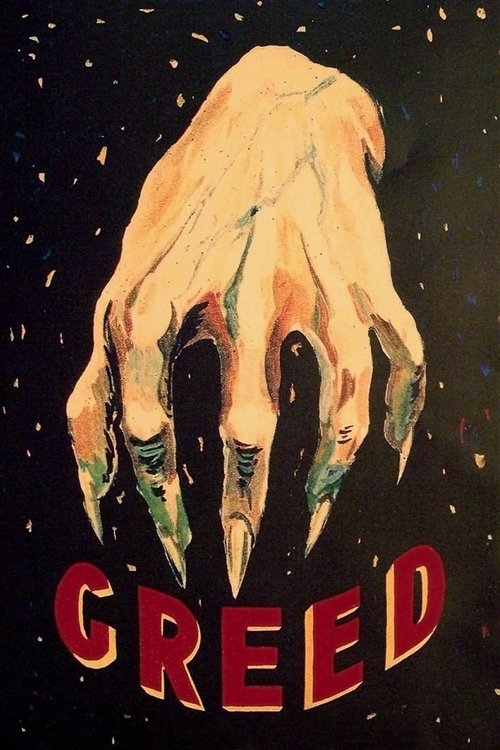
Writer
4 creditsActor
62 credits
Morceaux de Cannes(2021)
Actor
FilmThe Infiltrator(1955)
Sacha Zavaroff
Film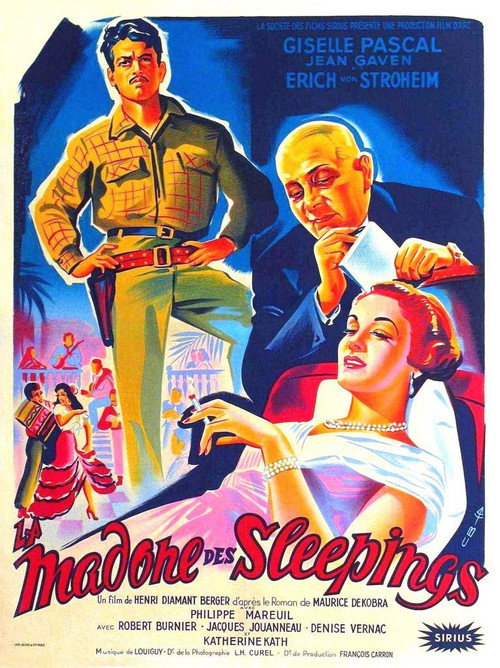
La madone des sleepings(1955)
Dr. Siegfried Traurig
Film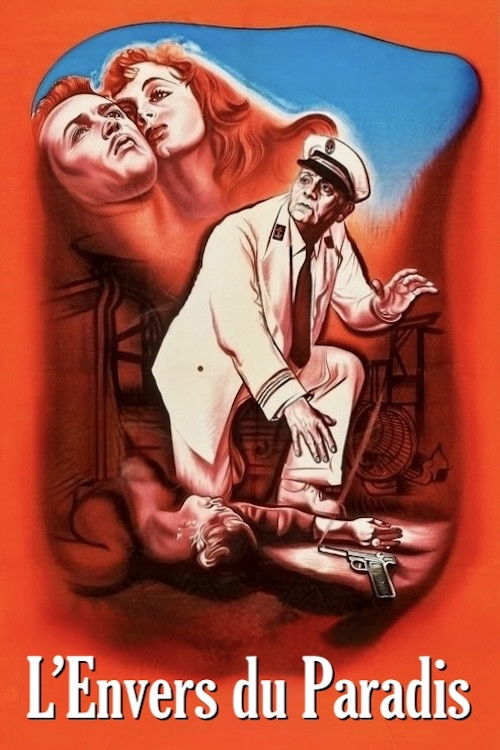
The Other Side of Paradise(1953)
William O'Hara
Film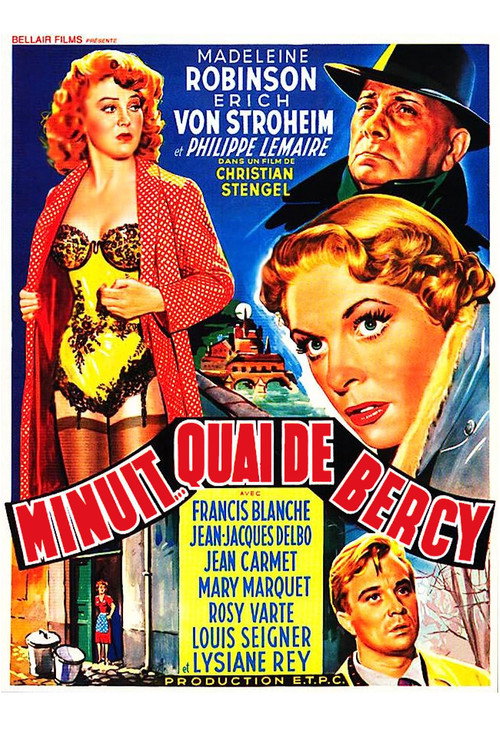
Midnight... Quai de Bercy(1953)
Le professeur Kieffer
Film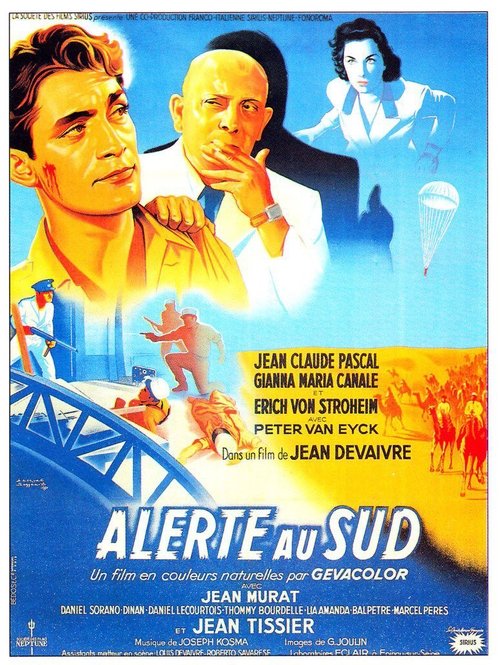
Alerte au sud(1953)
Conrad Nagel
Film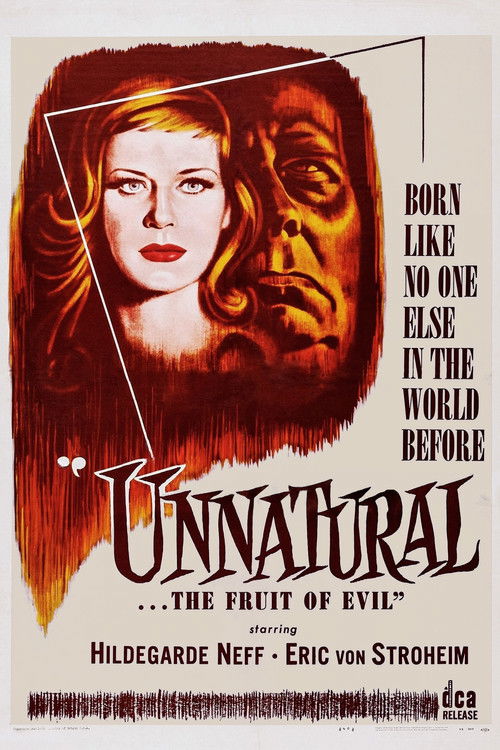
Alraune(1952)
Jacob ten Brinken
Film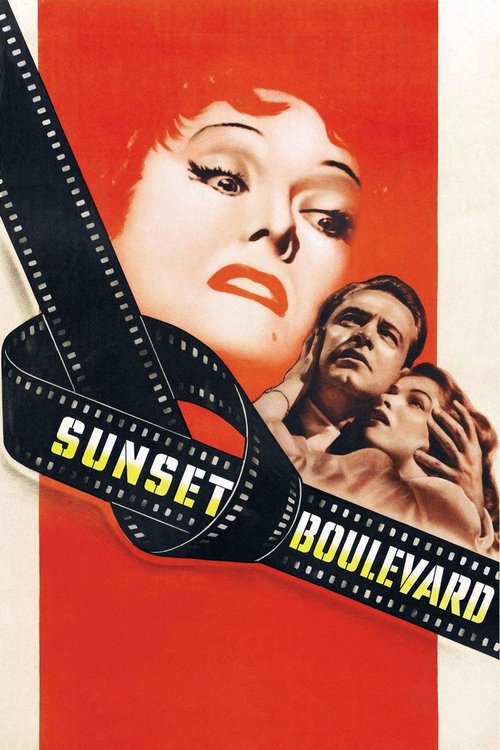
Sunset Boulevard(1950)
Max Von Mayerling
Film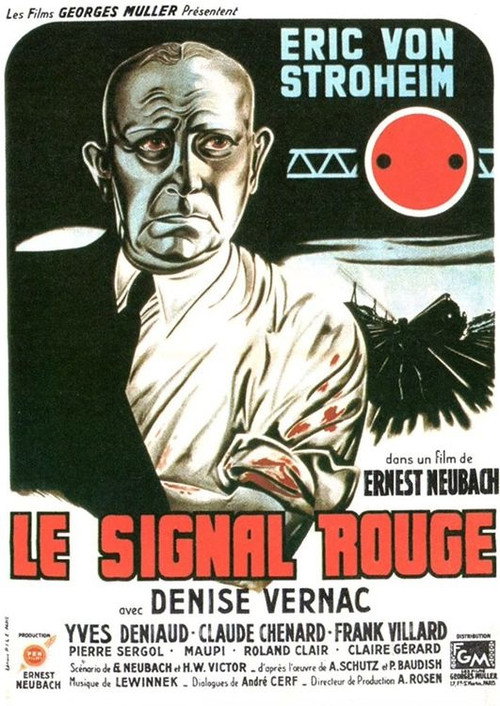
Le signal rouge(1949)
Le docteur Mathias Berthold
Film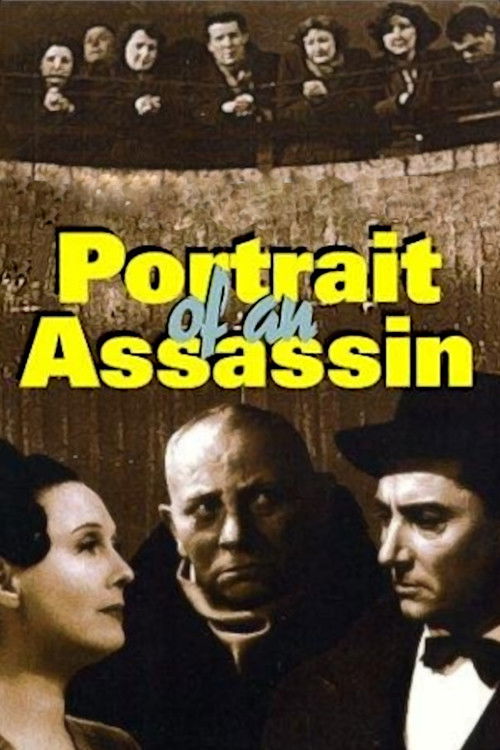
Portrait of a Killer(1949)
Eric
Film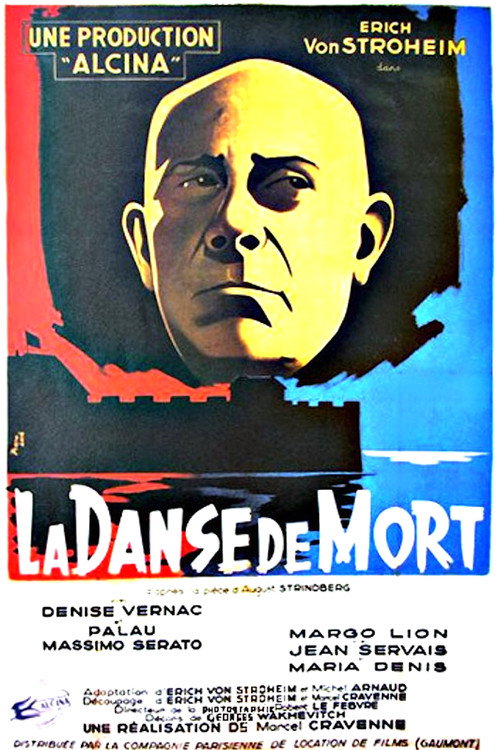
Dance of Death(1948)
Edgar
Film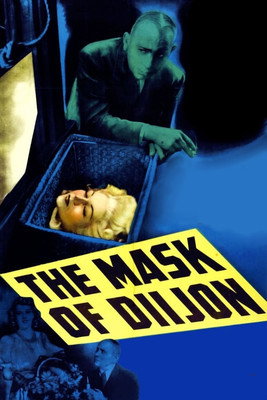
The Mask of Diijon(1946)
Diijon
Film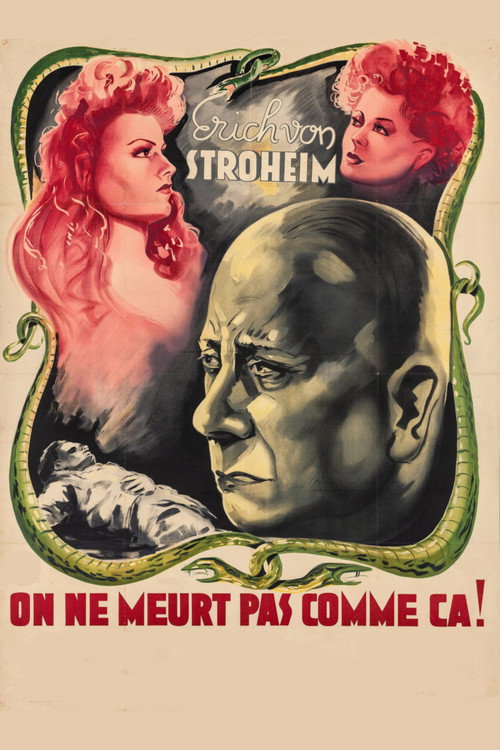
One Does Not Die That Way(1946)
Eric von Berg
Film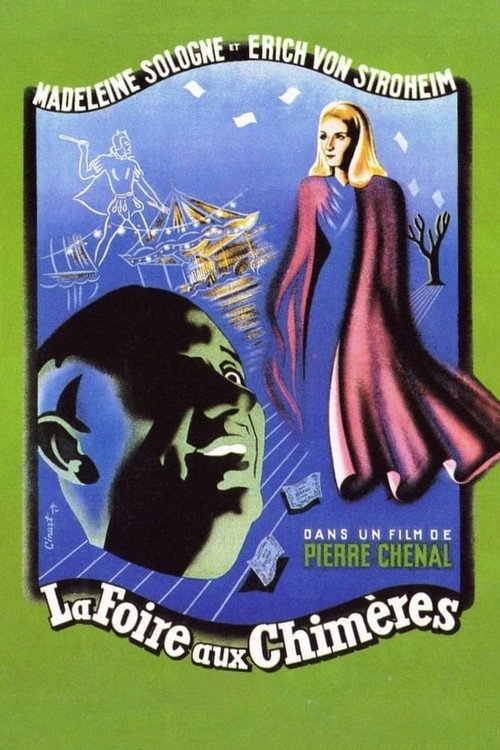
Devil and the Angel(1946)
Frank Davis
Film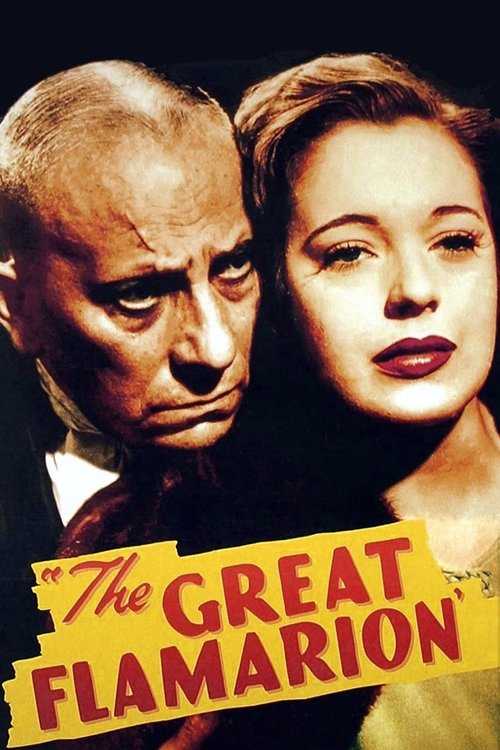
The Great Flamarion(1945)
The Great Flamarion
Film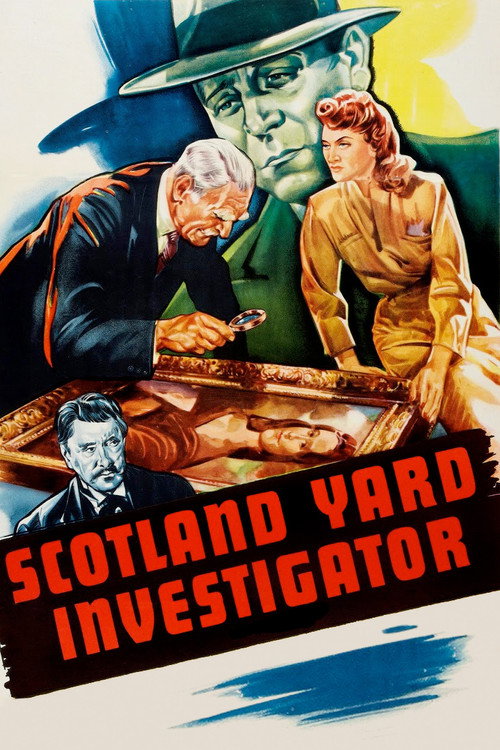
Scotland Yard Investigator(1945)
Carl Hoffmeyer
Film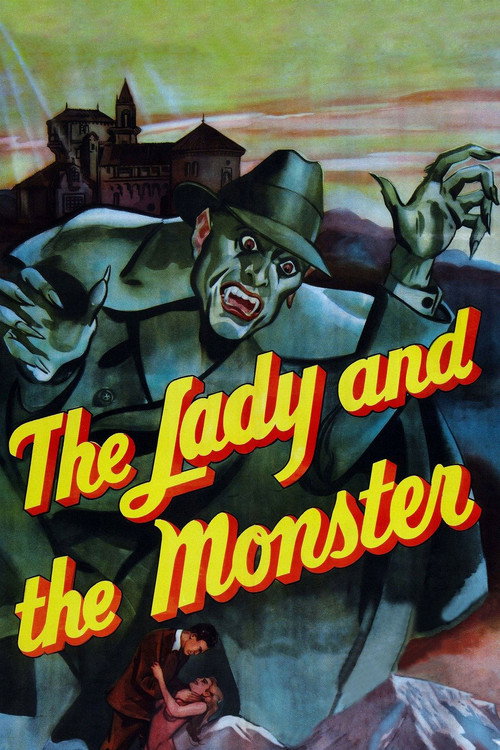
The Lady and the Monster(1944)
Prof. Franz Mueller
Film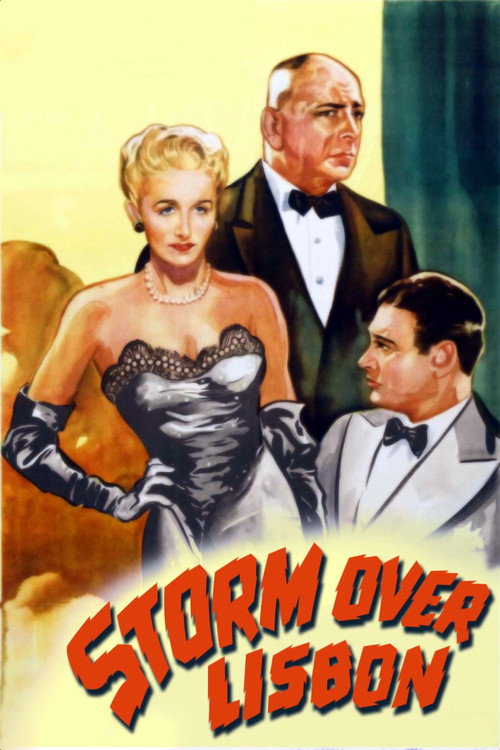
Storm Over Lisbon(1944)
Deresco
Film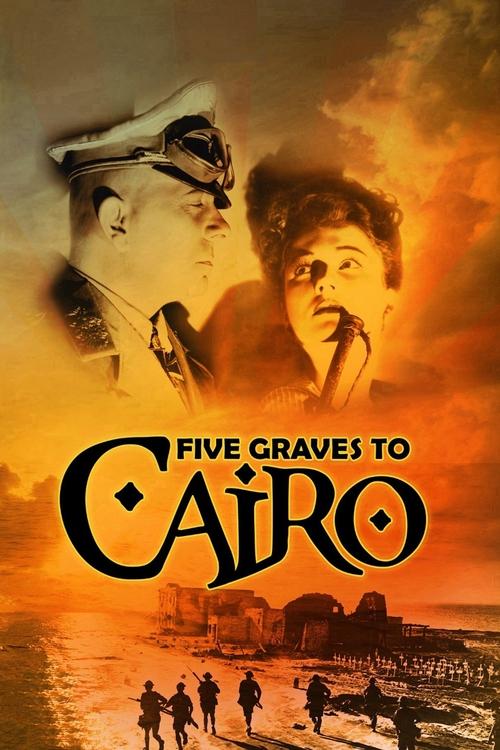
Five Graves to Cairo(1943)
Field Marshal Erwin Rommel
Film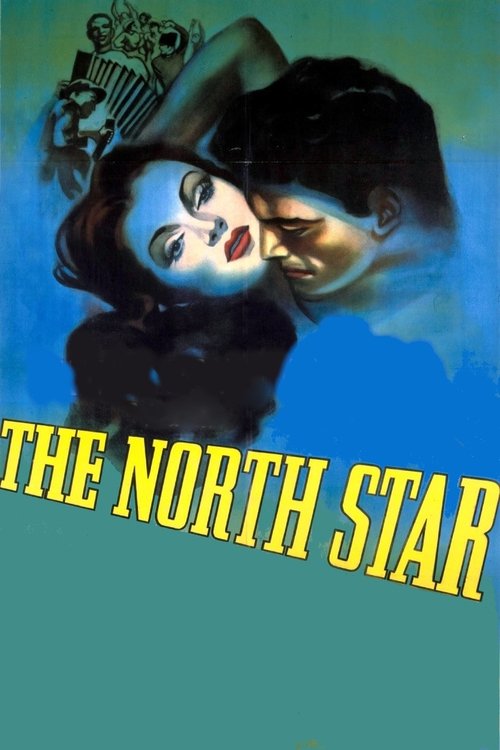
The North Star(1943)
Dr. von Harden
Film
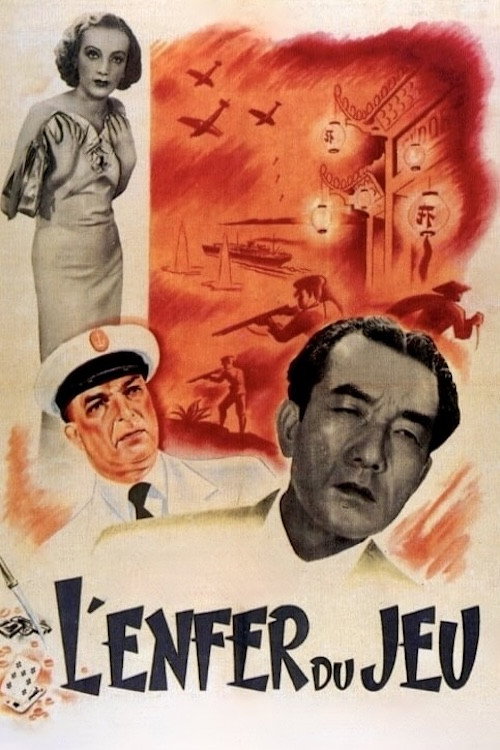
Gambling Hell(1942)
Werner von Krall
Film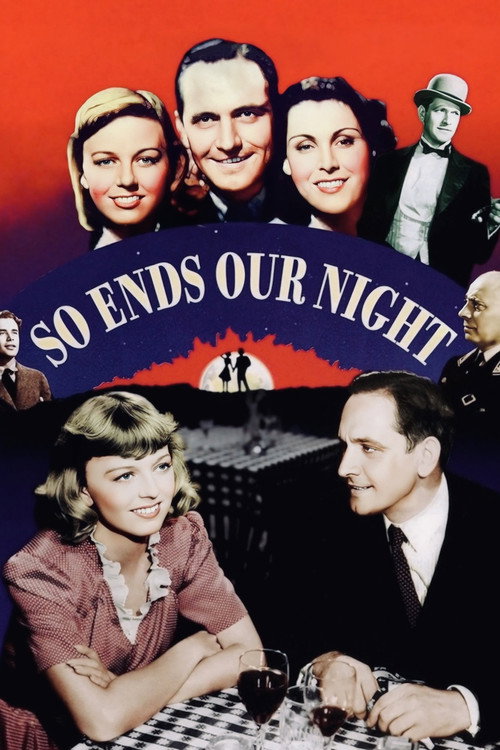
So Ends Our Night(1941)
Brenner
Film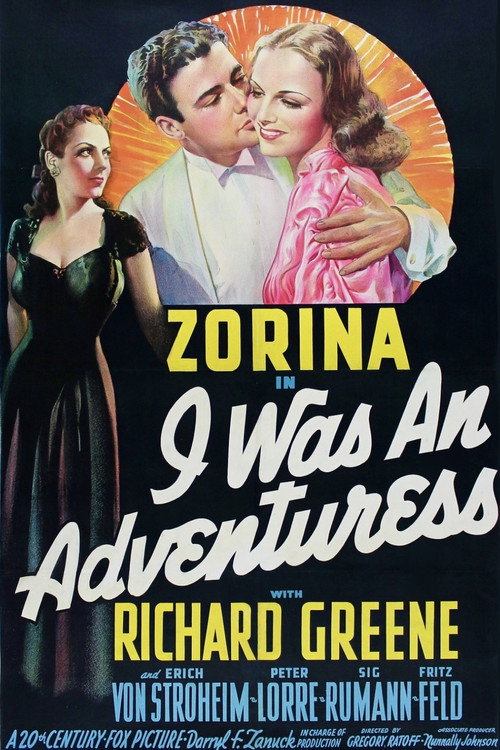
I Was an Adventuress(1940)
Andre Desormeaux
Film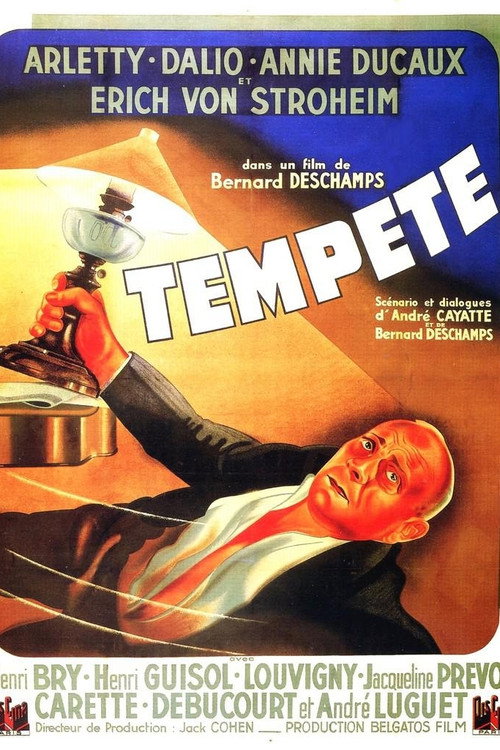
Thunder Over Paris(1940)
Korlick
Film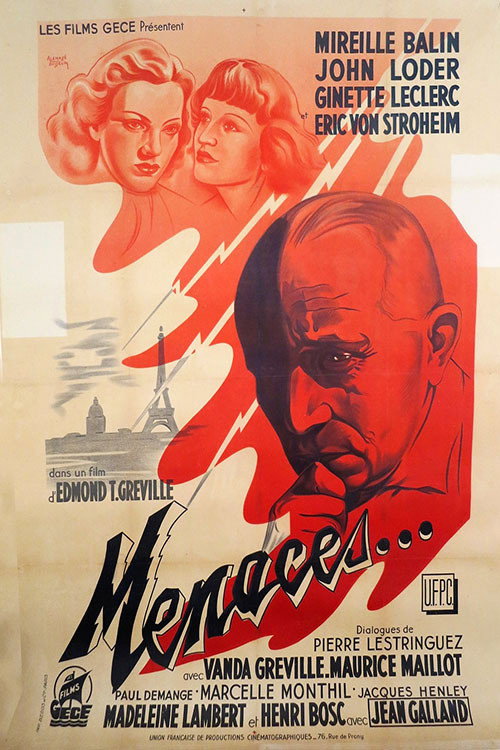
Threats(1940)
Le professeur Hoffman
Film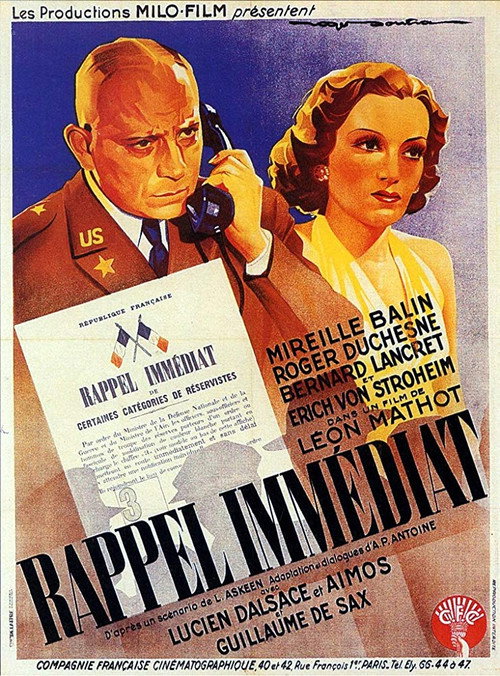
Immediate Call(1939)
Captain Stanley Wells
Film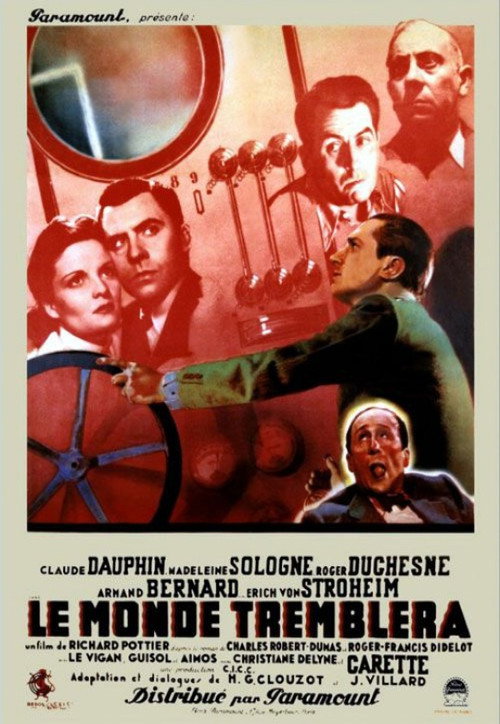
The World Will Shake(1939)
Monsieur Frank
Film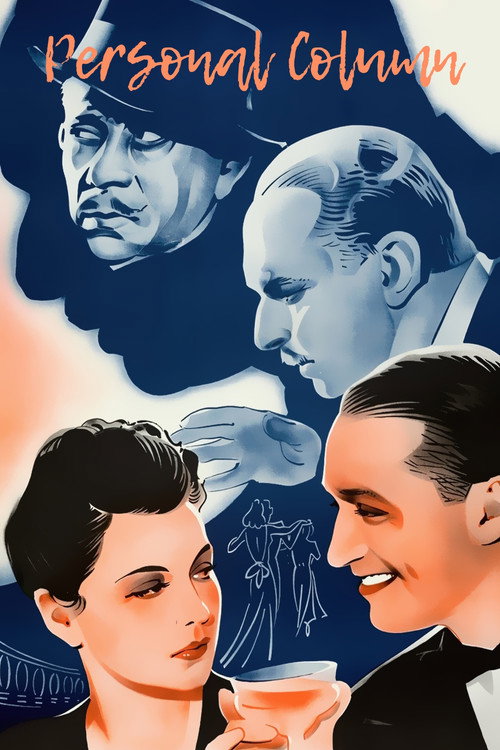
Personal Column(1939)
Pears
Film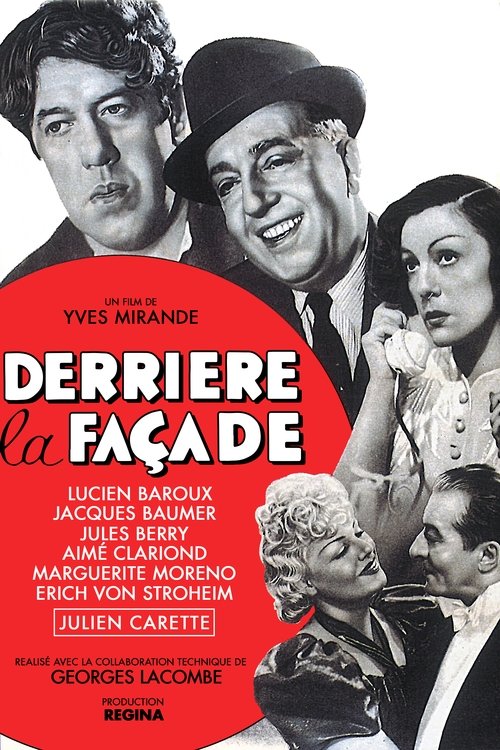
Derrière la façade(1939)
Eric
Film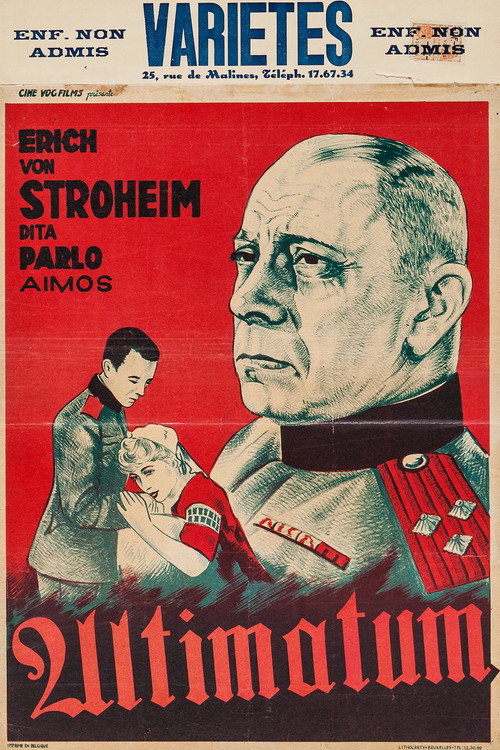
Ultimatum(1938)
General Simovic
Film
Awards & Nominations
1 nominationAcademy Awards
- Nom1950Oscar — Actor in a Supporting Role
Memorable quotes
Browse all →No quotes logged for Erich von Stroheim yet — add the first memorable line below.
Got a quote we’re missing?
Submit a line from any film, show, or game.
Additional credits5Show
Non-headline appearances — talk-show, awards-show, panel, and archive-footage credits, kept separate from the main filmography.
- Edge of OutsideSelf · 2006
- Hollywood MavericksSelf · 1990
- The Legend of Rudolph ValentinoSelf (archive footage) · 1961
- C-V News: Filming GreedSelf · 1923
- Screen Snapshots, Series 3, No. 12Self · 1922
Edit history
Loading edit history…
Comments (0)
on Erich von StroheimNo comments yet. Be the first to share what you think.