
Person · Director
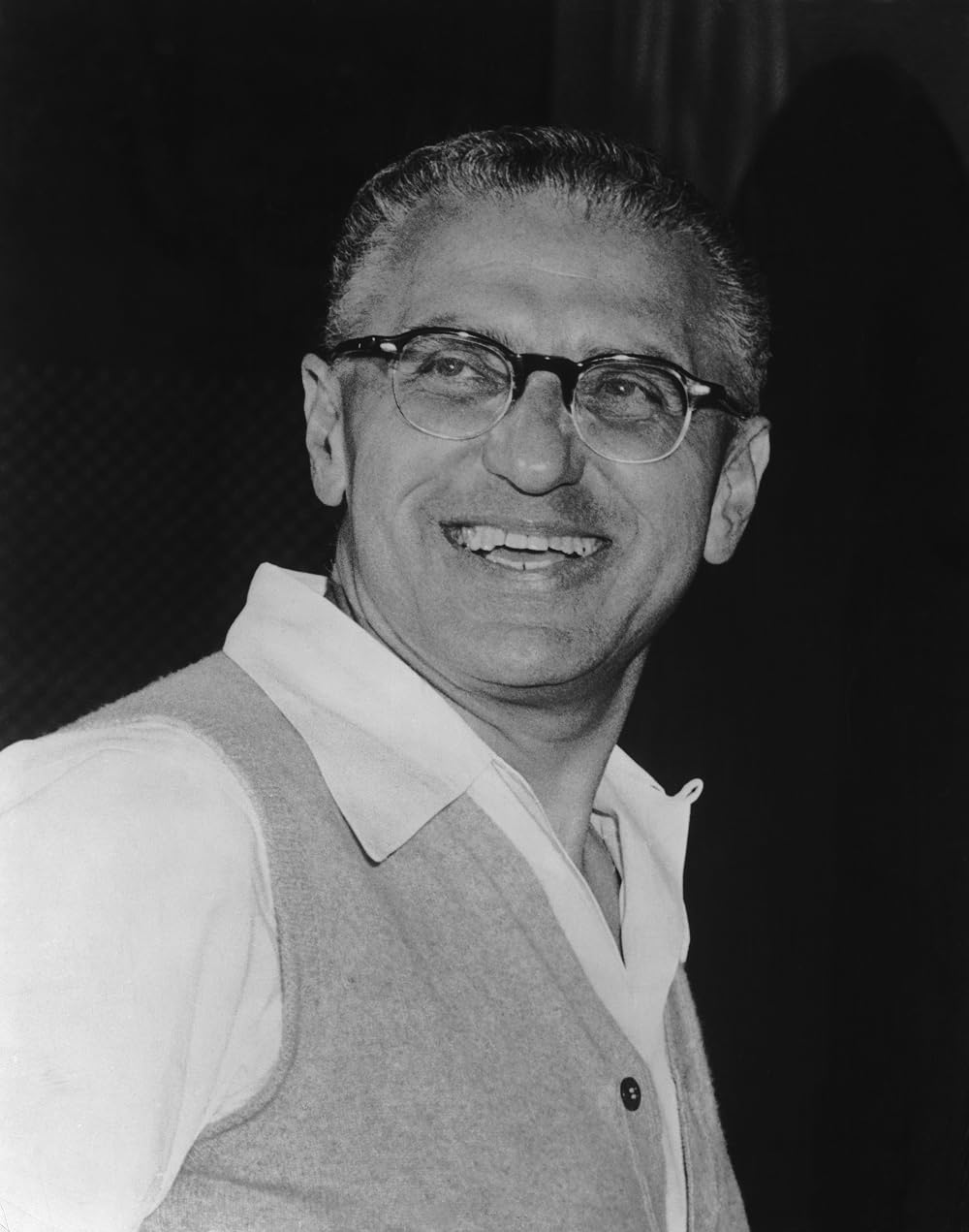
George Cukor
- Also:
- Assistant Director
In short · Directed for 11 decades — 85 credits, 4 Primetime Emmy Award wins.
Remembered for
Ranked by community engagement + sustained interest across this person's credits in our database.
Recent & in release
- In release
Charmed Lives: A Family Romance
- Award win
Primetime Emmy Award — Outstanding Directing for a Limited Series, Movie, or Dramatic Special
- Award win
Golden Plate Award — Golden Plate Award
- Award win
Academy Award — Best Director
- Award win
Academy Awards — Oscar — Directing
Help complete this page
We’re missing one-line descriptor, birth date. Sign in to add what you know.
Biography
George Cukor was an American film director of Hungarian-Jewish descent, known for directing comedies and literary adaptations. He won the Academy Award for Best Director once and was nominated four additional times for the same award. George Dewey Cukor was born in 1899 on the Lower East Side of New York City. His parents were assistant district attorney Viktor Cukor and Helén Ilona Gross. His middle name, "Dewey," was in honor of Admiral George Dewey, a war hero for his victory at the Battle of Manila Bay in 1898. As a child, Cukor took dancing lessons and developed an interest in theater, appearing in several amateur plays. In 1906, he performed in a recital with David O. Selznick, who would later become a close friend. As a teenager, Cukor frequently visited the New York Hippodrome, a well-known Manhattan theater, and often skipped classes to attend afternoon matinees. He later worked as a supernumerary with the Metropolitan Opera, performing there in blackface at times. Cukor graduated from DeWitt Clinton High School in 1917. His father wanted him to pursue a legal career and enrolled him at City College of New York. However, Cukor lost interest in his studies and left college in 1918. He then took a job as an assistant stage manager and bit player for a touring production of the British musical *The Better 'Ole*, an adaptation of the popular British comic strip *Old Bill* by Bruce Bairnsfather. In 1920, Cukor became the stage manager of the Knickerbocker Players, a theatrical troupe. In 1921, he became the general manager of the Lyceum Players, a summer stock company. In 1925, Cukor co-founded the C.F. and Z. Production Company, where he began working as a theatrical director. He made his Broadway debut as a director with the play *Antonia* by Melchior Lengyel. The company was later renamed the Cukor-Kondolf Stock Company and began recruiting up-and-coming theatrical talents. Cukor's theatrical troupe included, at various times, Louis Calhern, Ilka Chase, Bette Davis, Douglass Montgomery, Frank Morgan, Reginald Owen, Elizabeth Patterson, and Phyllis Povah. Cukor received critical acclaim in 1926 for directing *The Great Gatsby*, an adaptation of the then-popular novel by F. Scott Fitzgerald. He directed six more Broadway productions until 1929. At that time, Hollywood film studios were recruiting New York theater talent for sound films, and Cukor was hired by Paramount Pictures. He started as an apprentice director before the studio loaned him to Universal Pictures. His first notable film work was as a dialogue director for *All Quiet on the Western Front* (1930). After returning to Paramount, he worked as a co-director. His first solo directorial effort was *Tarnished Lady* (1931), for which he earned a weekly salary of $1500. Cukor co-directed *One Hour with You* (1932) with Ernst Lubitsch, but Lubitsch demanded sole directorial credit. Cukor filed a legal suit but eventually accepted credit as the film's assistant director. He left Paramount in protest and took a new job with RKO Studios. During the 1930s, Cukor was entrusted with directing films for RKO's leading actresses. He frequently worked with Katharine Hepburn, though not always with box-office success. He directed such hits as *Little Women* (1933) and *Holiday* (1938), as well as notable flops such as *Sylvia Scarlett* (1935). In 1936, Cukor was assigned to work on the film adaptation of the blockbuster novel *Gone with the Wind* by Margaret Mitchell. He spent the next two years involved in the film's pre-production and in overseeing screen tests for actresses vying for the role of Scarlett O'Hara. Cukor reportedly favored casting either Katharine Hepburn or Paulette Goddard for the role. Producer David O. Selznick refused to cast either, citing Hepburn's recent string of flops and Goddard's rumored scandalous affair with Charlie Chaplin, which had damaged her reputation. Cukor did not get to direct *Gone with the Wind*, as Selznick assigned the directing duties to Victor Fleming. Cukor's involvement was limited to coaching Vivien Leigh and Olivia de Havilland. In the same year, he also failed to receive a directing credit for *The Wizard of Oz* (1939), though he contributed to casting and costuming decisions for the film. During this period, Cukor directed *The Women* (1939), an all-female cast film, and *Two-Faced Woman* (1941), Greta Garbo's final film performance. His film career was interrupted by World War II, when he joined the Signal Corps in 1942. Given his experience as a film director, Cukor was assigned to produce training and instructional films for army personnel. He sought an officer's commission but was denied promotion beyond the rank of private. Cukor suspected that rumors of his homosexuality were the reason for the denial. During the 1940s, Cukor had several box-office hits, including *A Woman's Face* (1941) and *Gaslight* (1944
Family & relationships
- Parents
- Victor Cukor
Filmography · 76 of 76
A platform appears here when one of these titles streams on it. Click to filter — pick several to combine.
Director
51 credits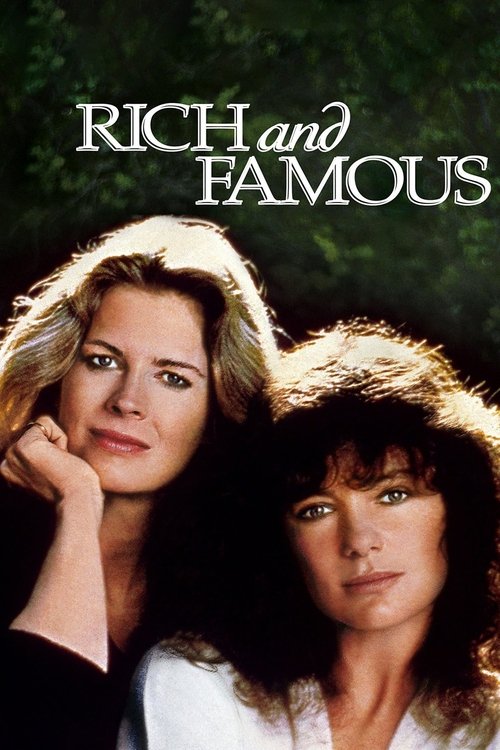
Rich and Famous(1981)
Director
Film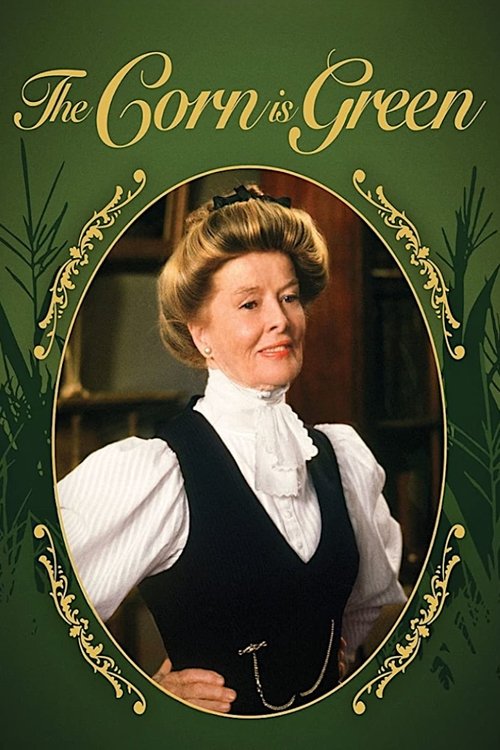
The Corn Is Green(1979)
Director
Film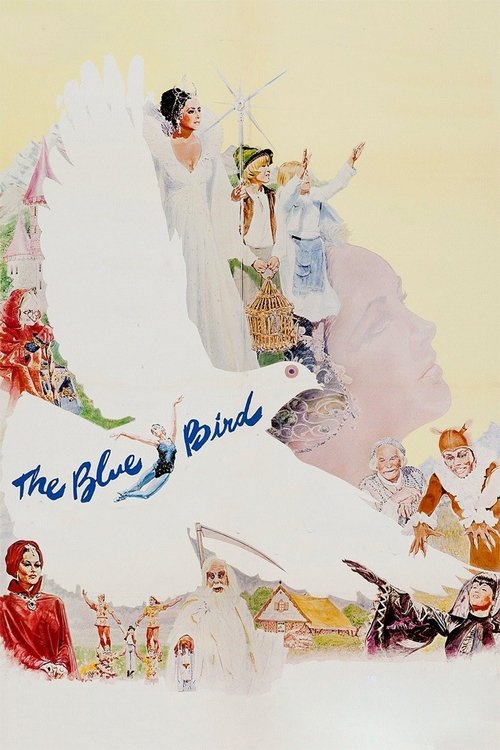
The Blue Bird(1976)
Director
Film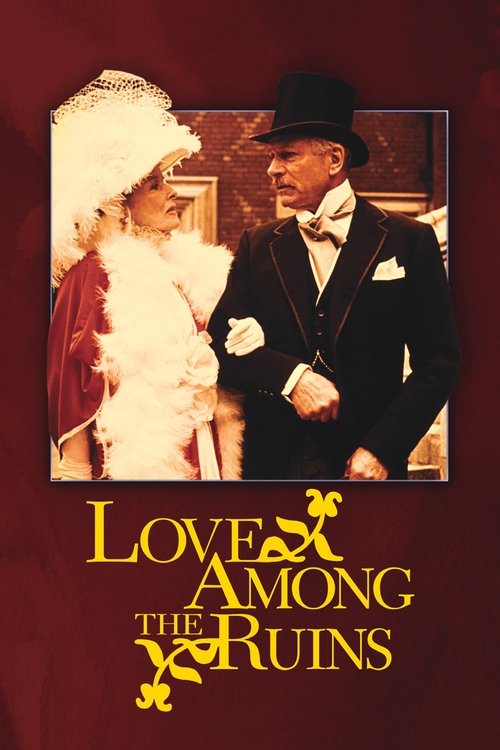
Love Among the Ruins(1975)
Director
Film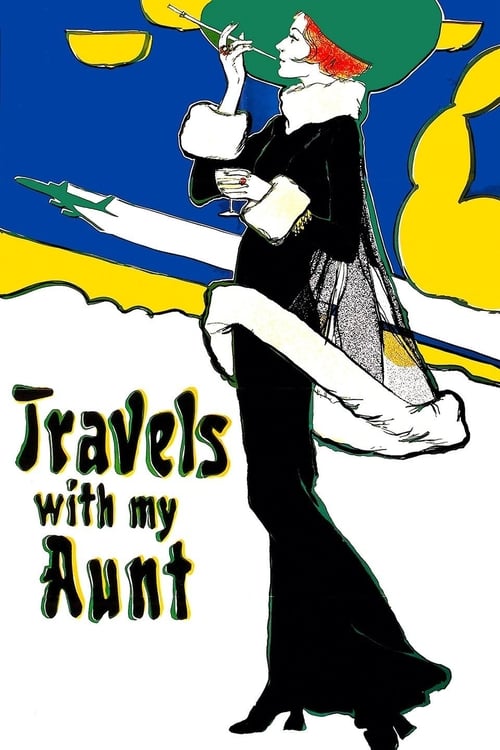
Travels with My Aunt(1972)
Director
Film
Justine(1969)
Director
Film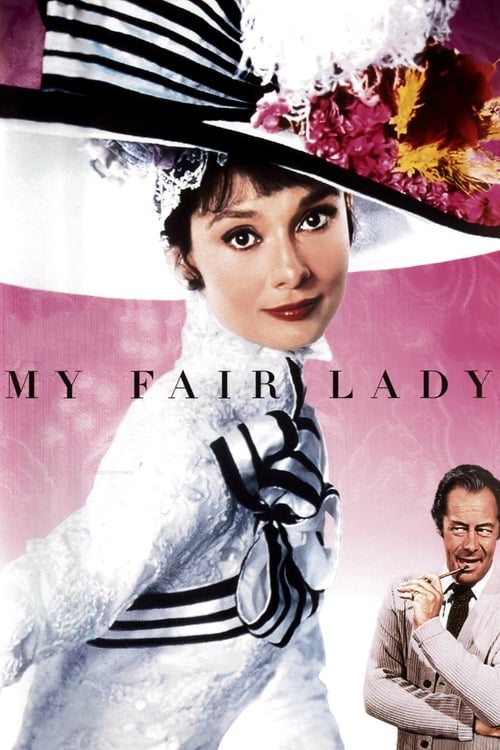
My Fair Lady(1964)
Director
Film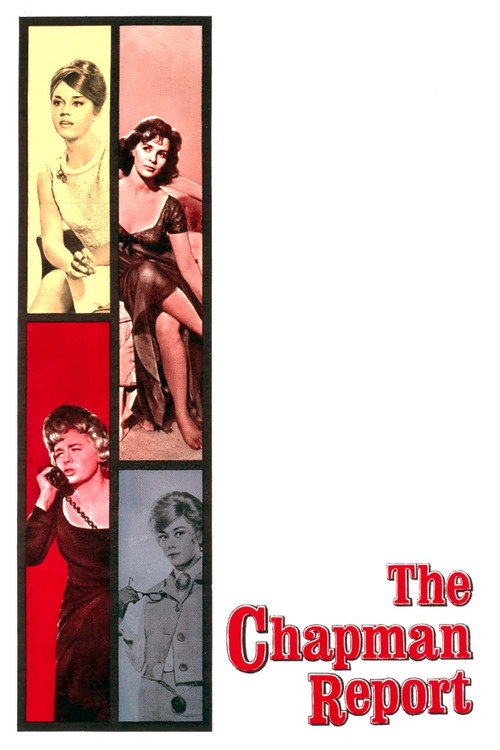
The Chapman Report(1962)
Director
Film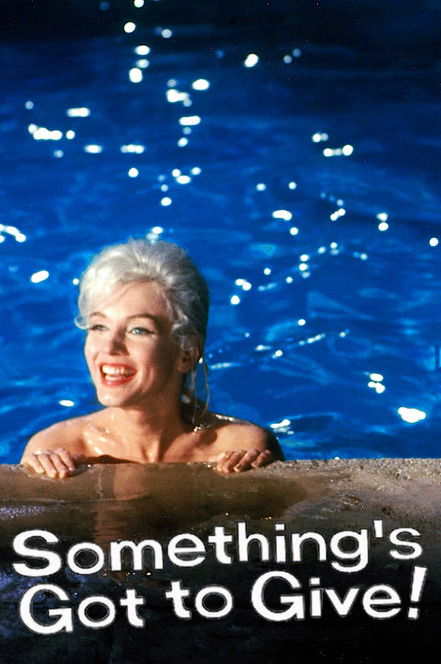
Something's Got to Give(1962)
Director
Film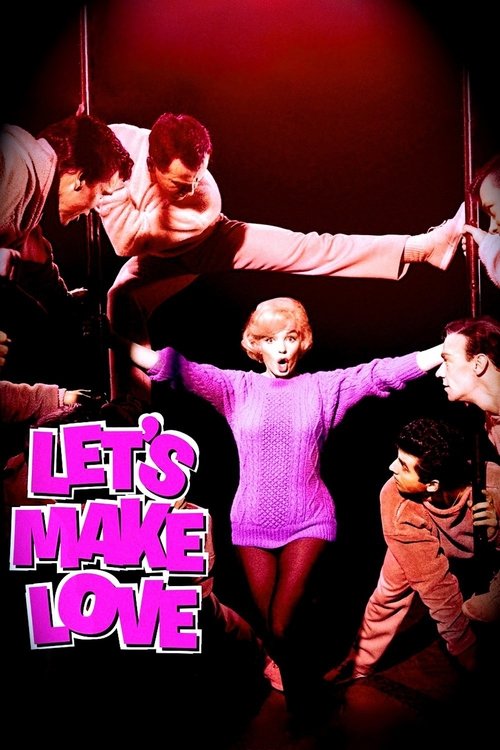
Let's Make Love(1960)
Director
Film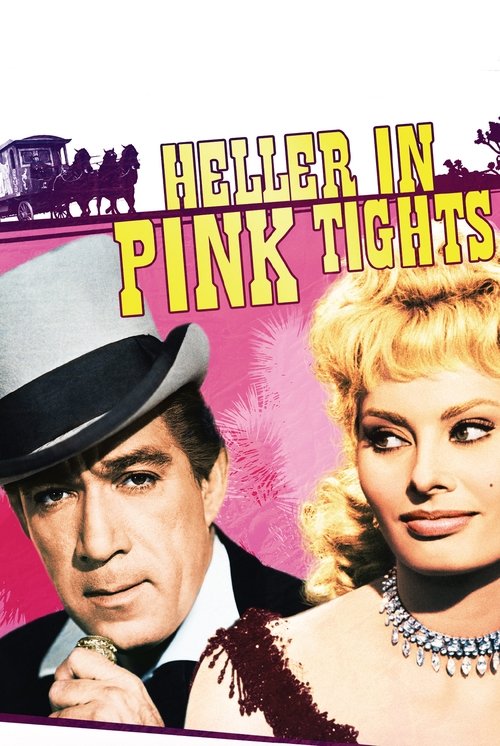
Heller in Pink Tights(1960)
Director
Film
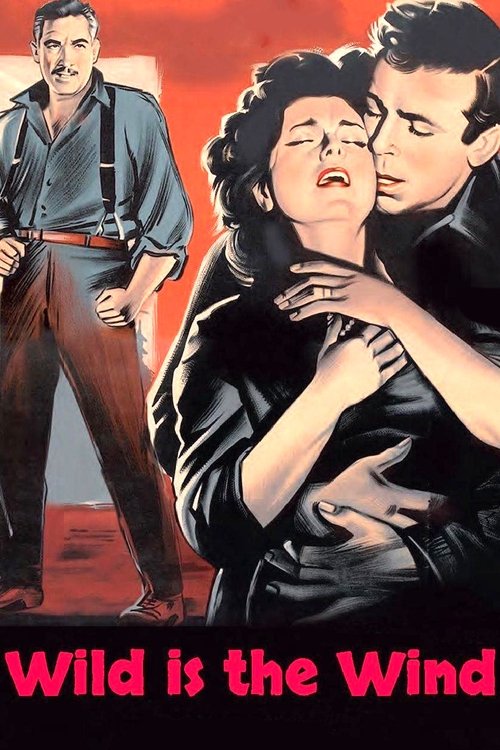
Wild Is the Wind(1957)
Director
Film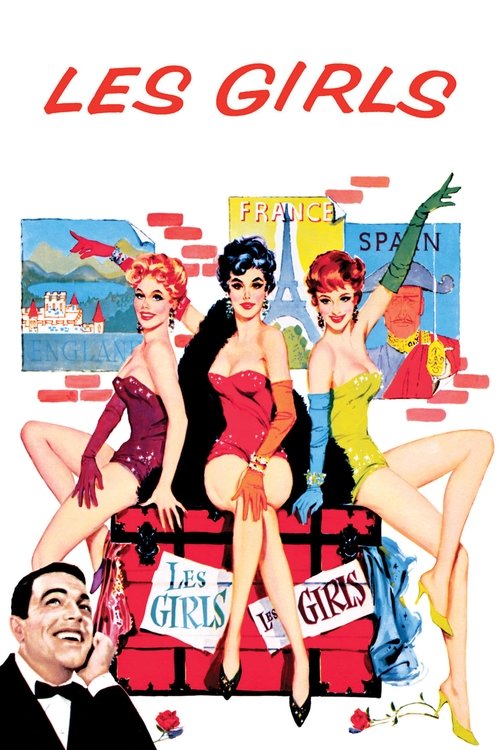
Les Girls(1957)
Director
Film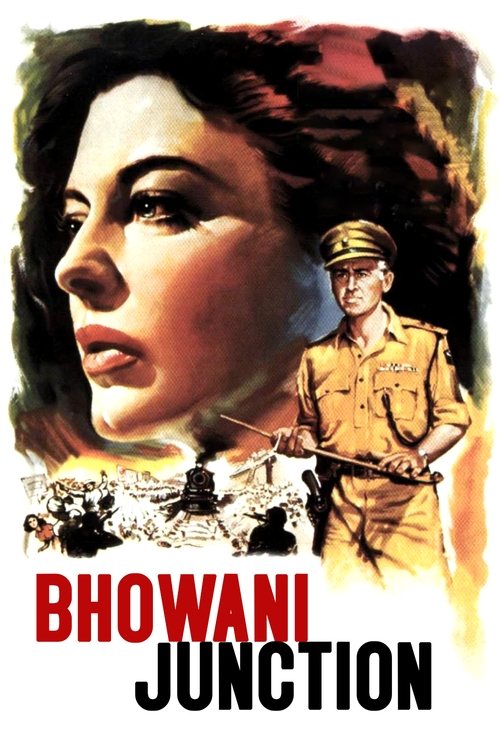
Bhowani Junction(1956)
Director
Film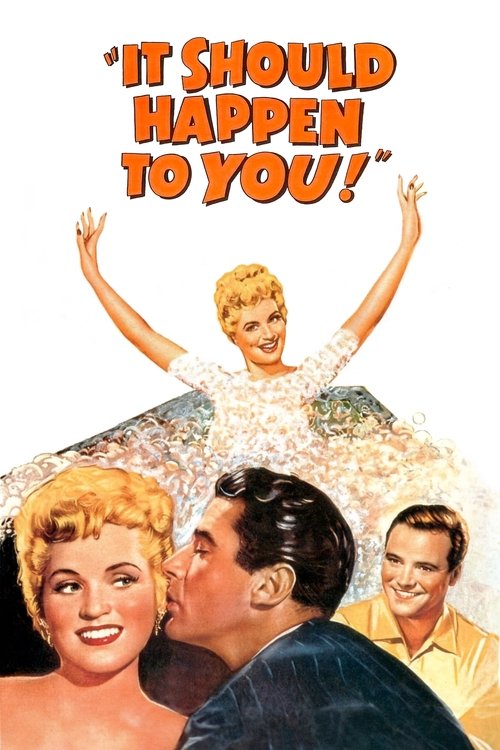
It Should Happen to You(1954)
Director
Film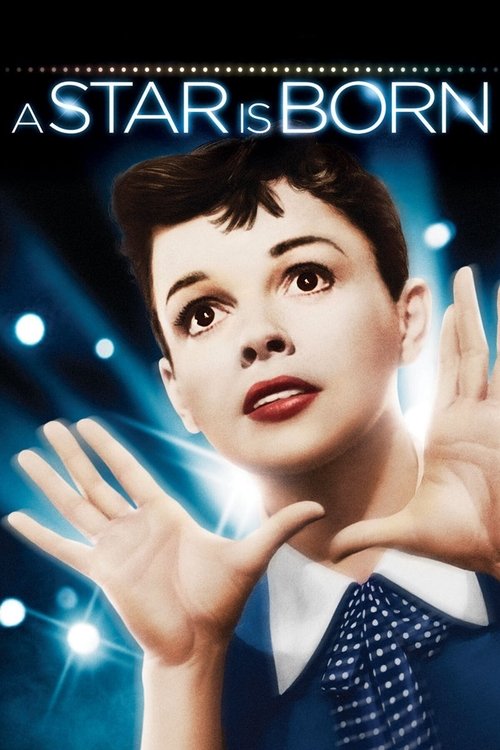
A Star Is Born(1954)
Director
Film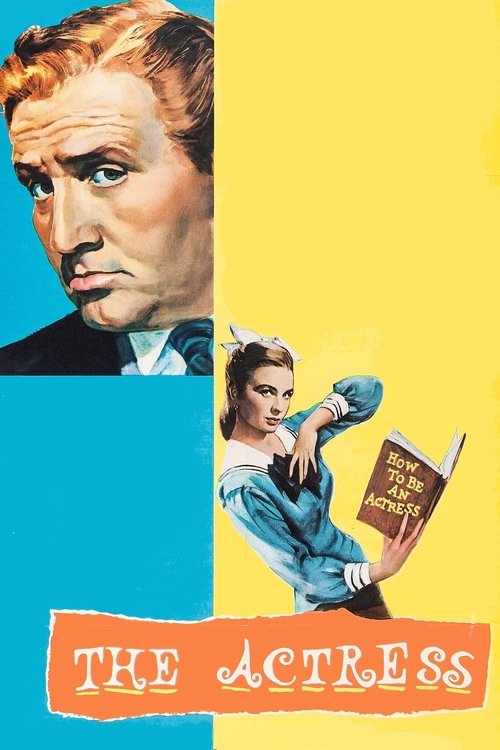
The Actress(1953)
Director
Film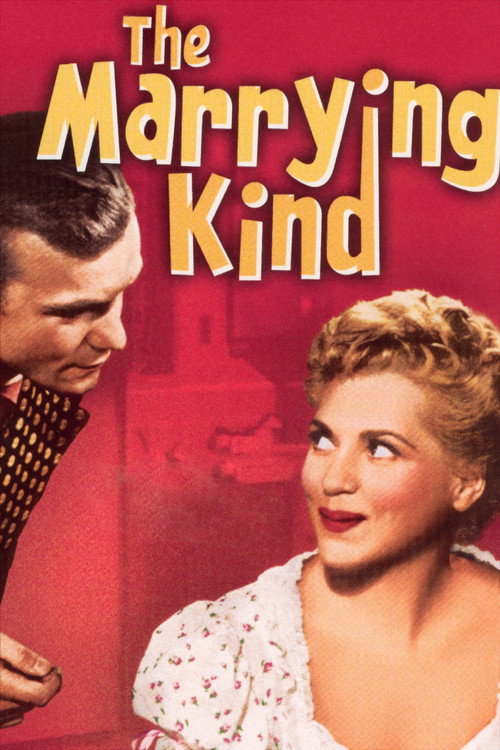
The Marrying Kind(1952)
Director
Film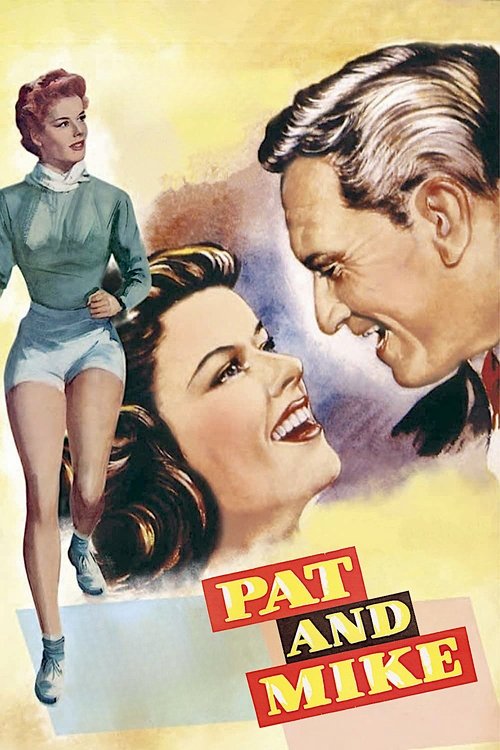
Pat and Mike(1952)
Director
Film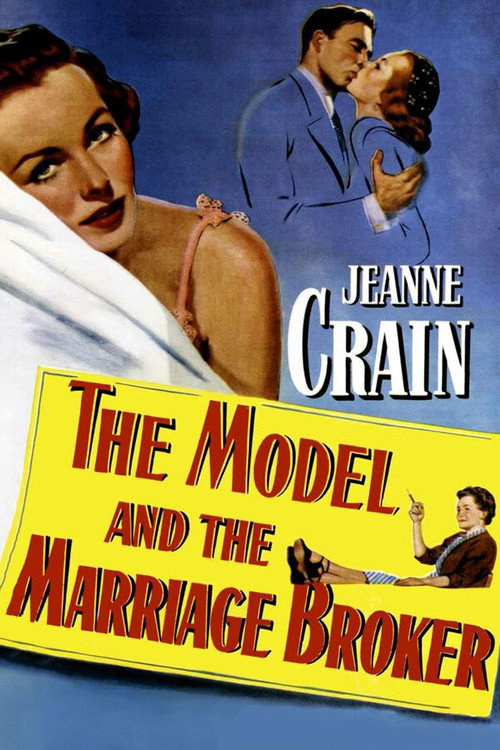
The Model and the Marriage Broker(1951)
Director
Film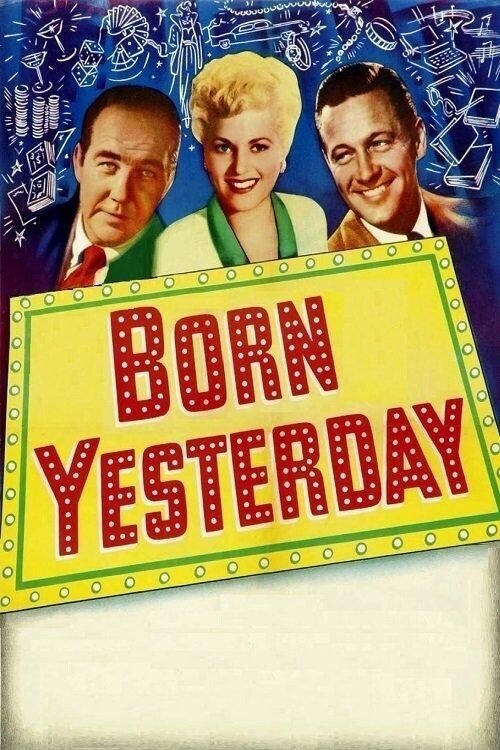
Born Yesterday(1950)
Director
Film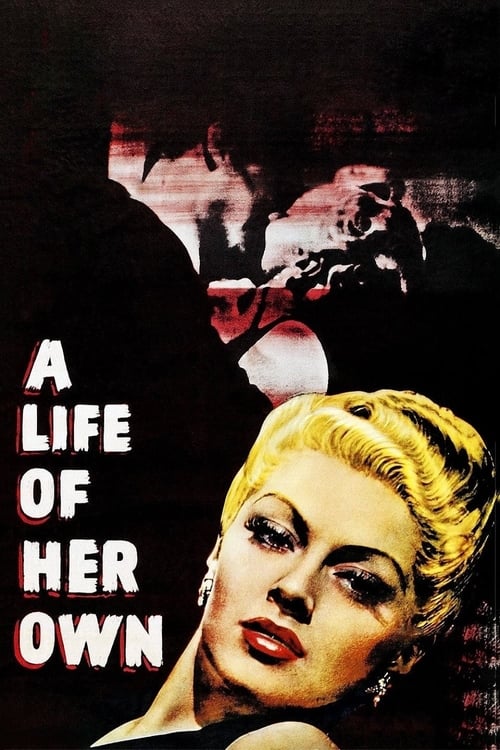
A Life of Her Own(1950)
Director
Film
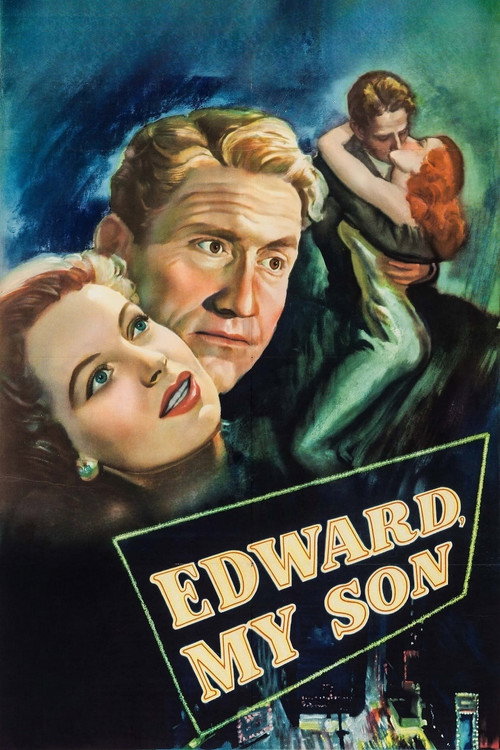
Edward, My Son(1949)
Director
Film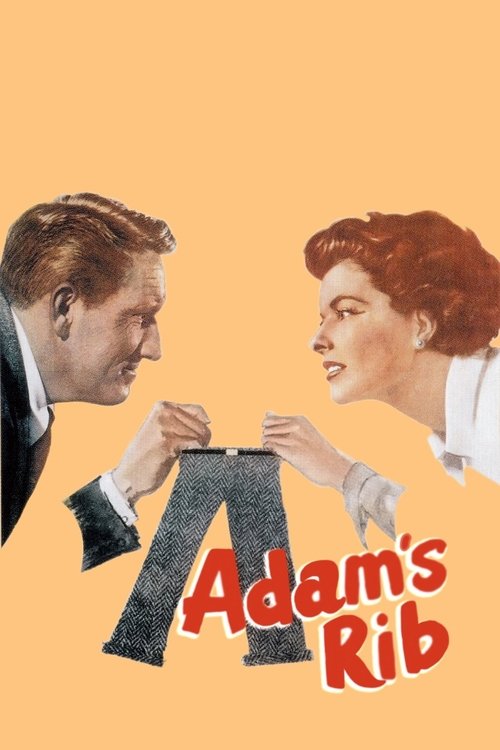
Adam's Rib(1949)
Director
Film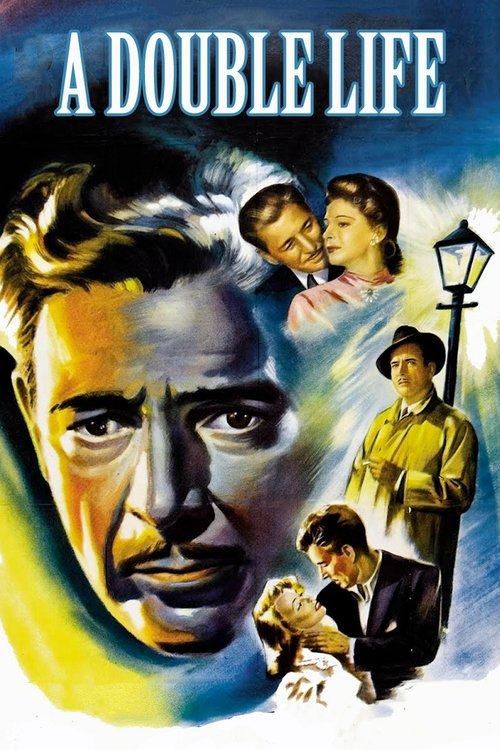
A Double Life(1947)
Director
Film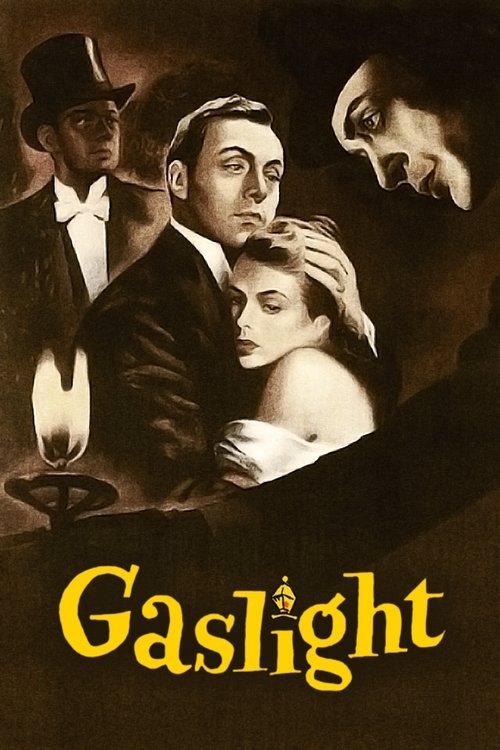
Gaslight(1944)
Director
Film
Winged Victory(1944)
Director
Film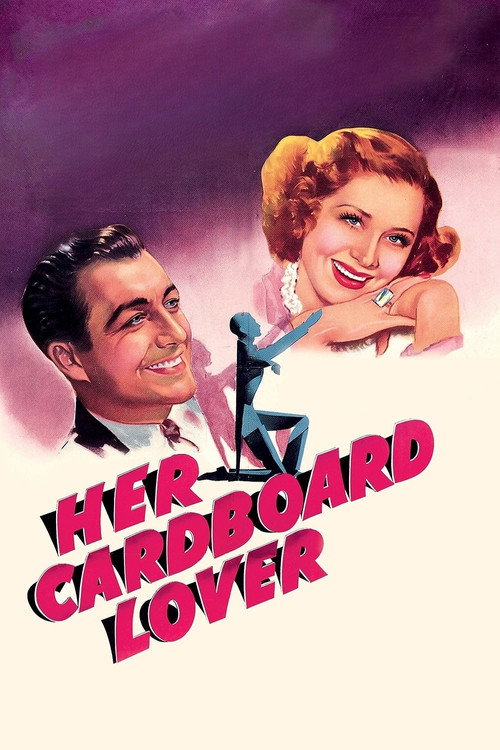
Her Cardboard Lover(1942)
Director
Film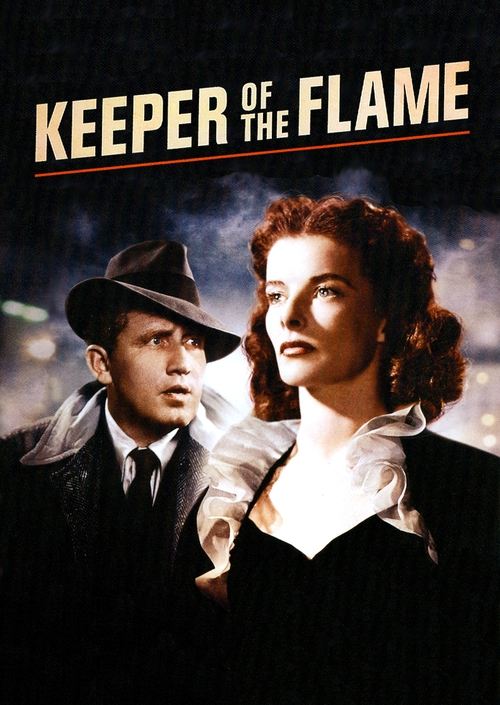
Keeper of the Flame(1942)
Director
Film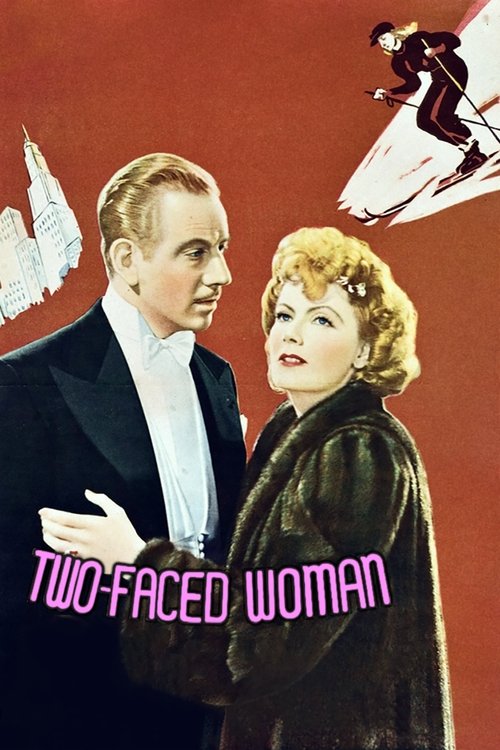
Two-Faced Woman(1941)
Director
Film
Editor
10 credits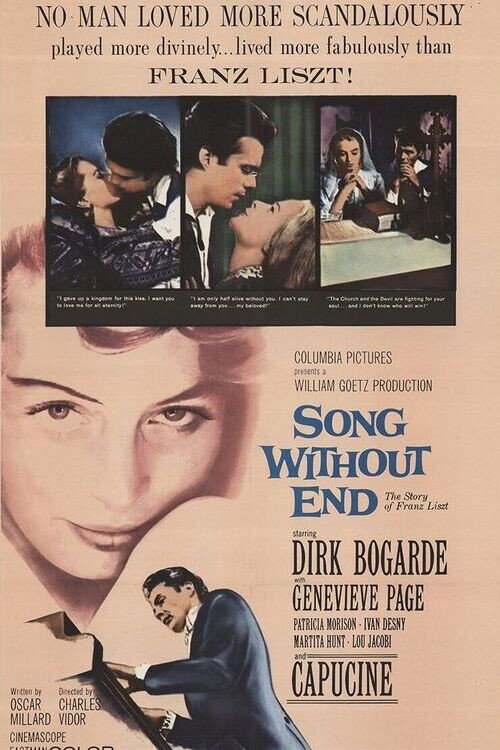
Song Without End(1960)
Credits
Film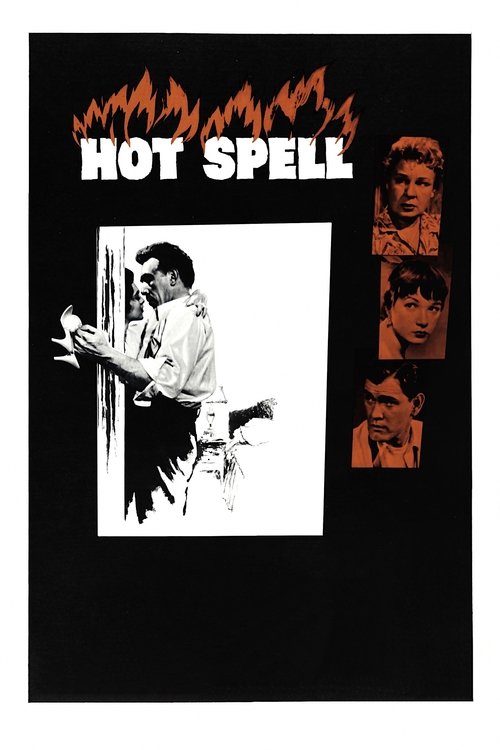
Hot Spell(1958)
Credits
Film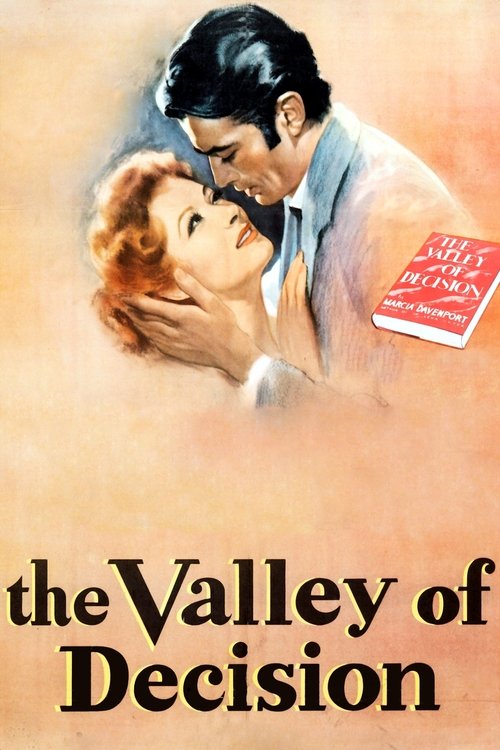
The Valley of Decision(1945)
Credits
Film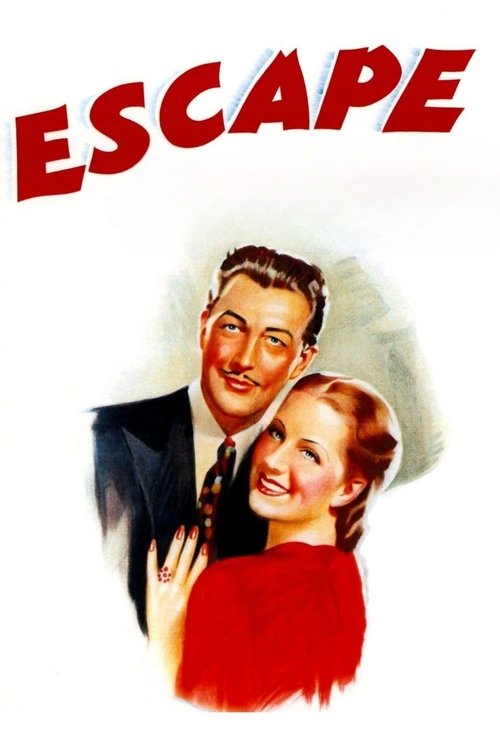
Escape(1940)
Credits
Film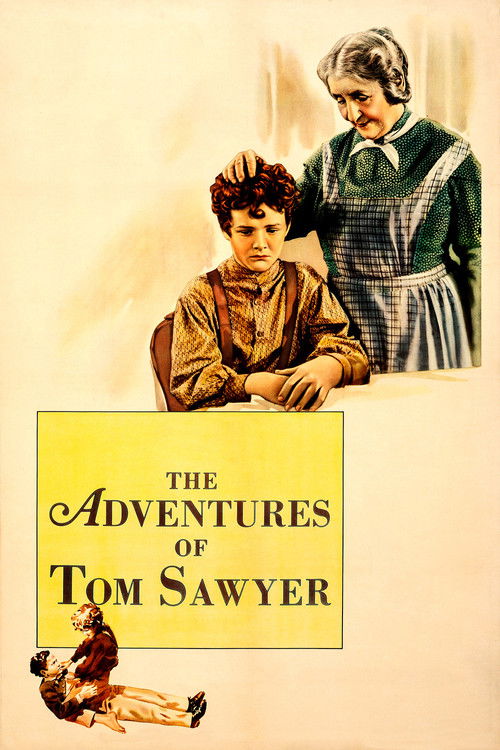
The Adventures of Tom Sawyer(1938)
Credits
Film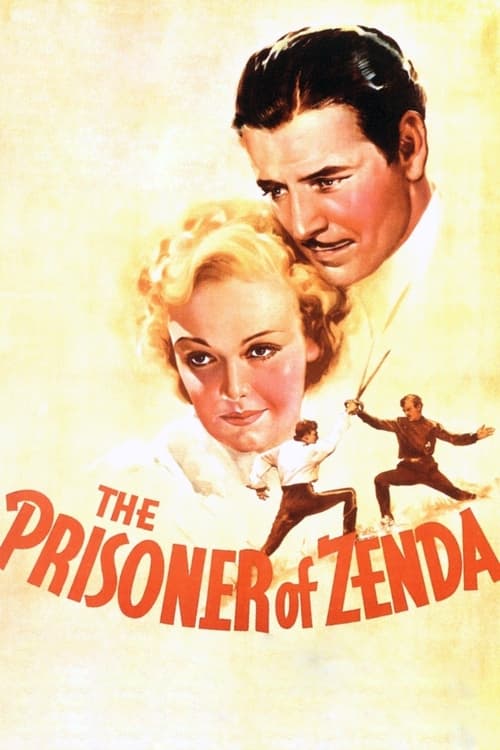
The Prisoner of Zenda(1937)
Credits
Film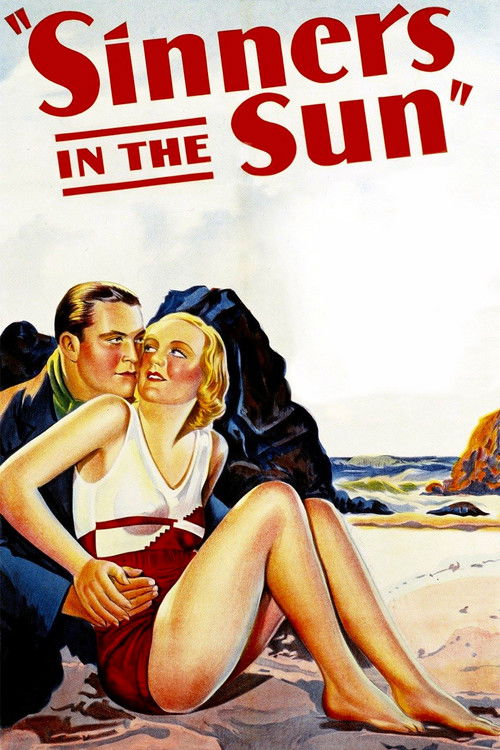
Sinners in the Sun(1932)
Credits
Film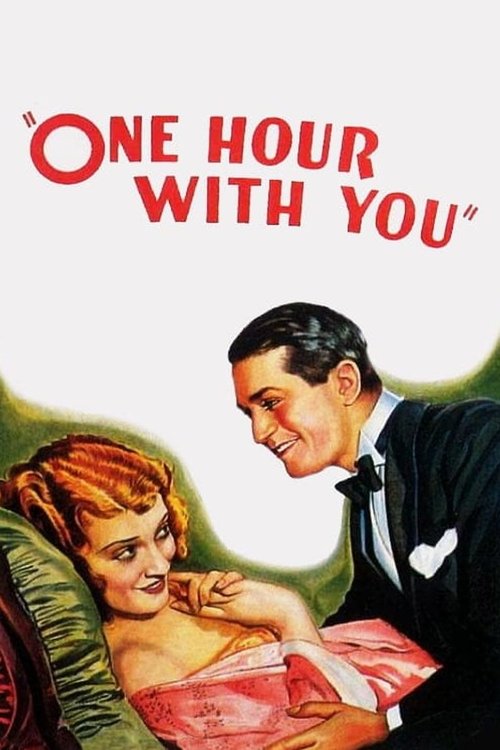
One Hour with You(1932)
Credits
Film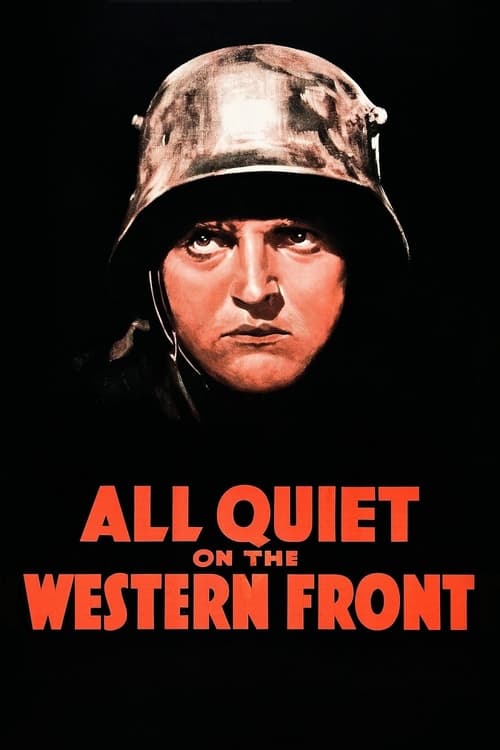
All Quiet on the Western Front(1930)
Credits
Film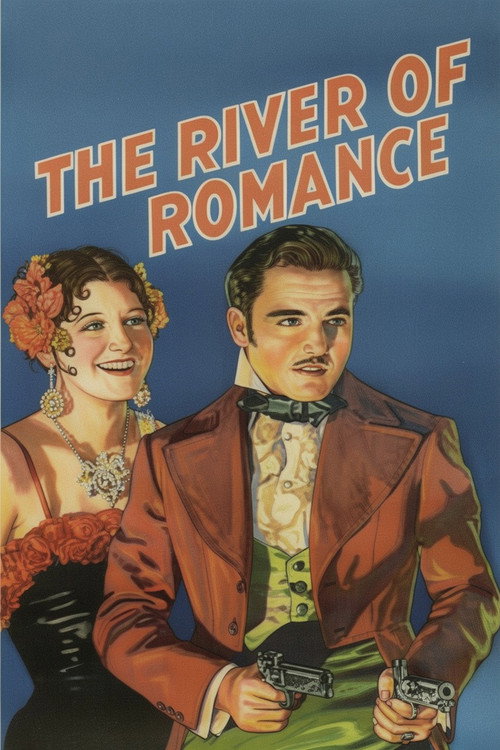
The River of Romance(1929)
Credits
Film
Other crew
15 creditsCharmed Lives: A Family Romance(2028)
Crew
Film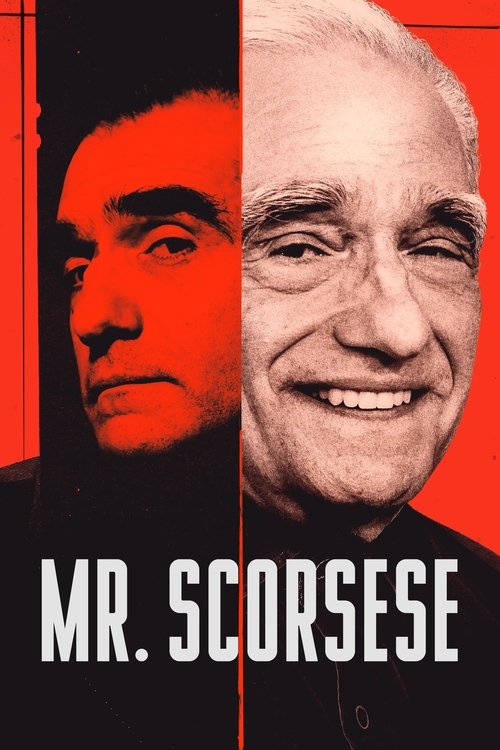
Mr. Scorsese(2025)
Crew
TV
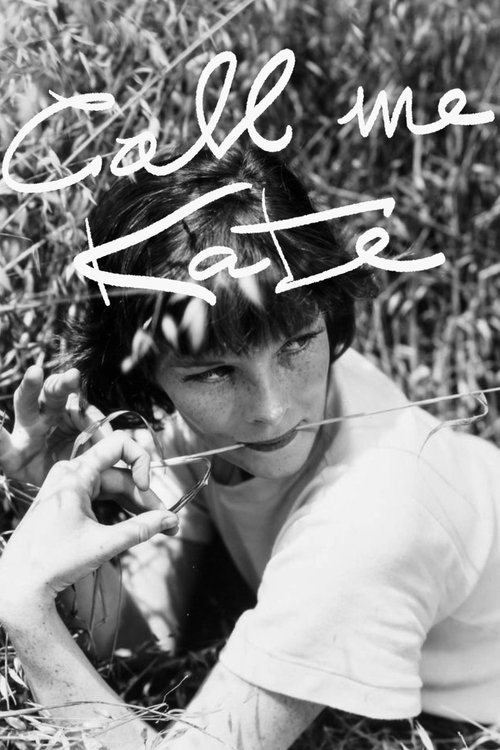
Call Me Kate(2023)
Crew
Film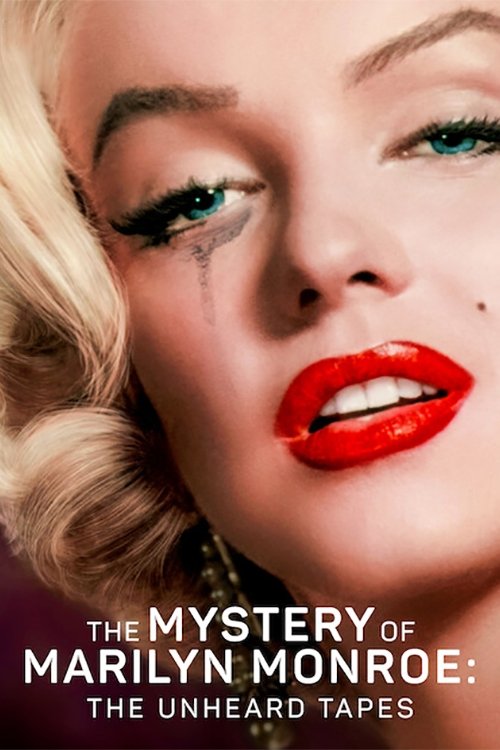
The Mystery of Marilyn Monroe: The Unheard Tapes(2022)
Crew
FilmHollywood maudit(2020)
Crew
TV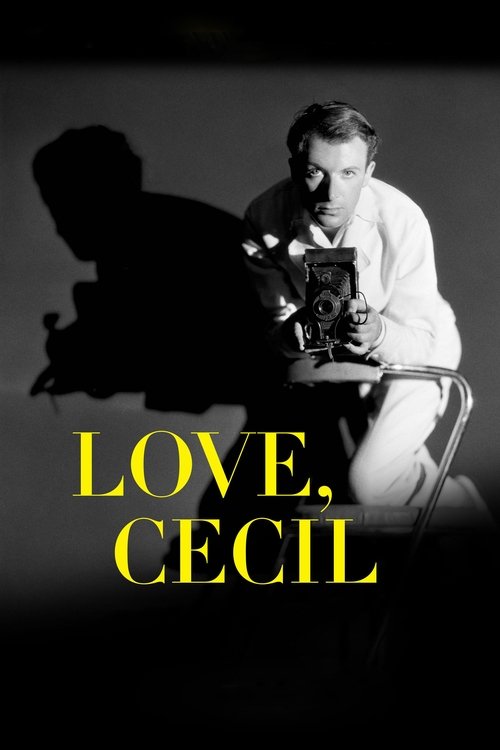
Love, Cecil(2017)
Crew
Film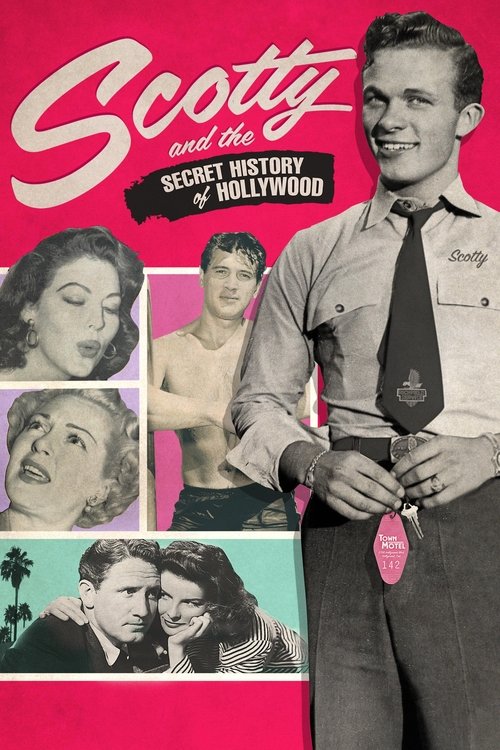
Scotty and the Secret History of Hollywood(2017)
Crew
Film
Talking Pictures(2013)
Crew
TV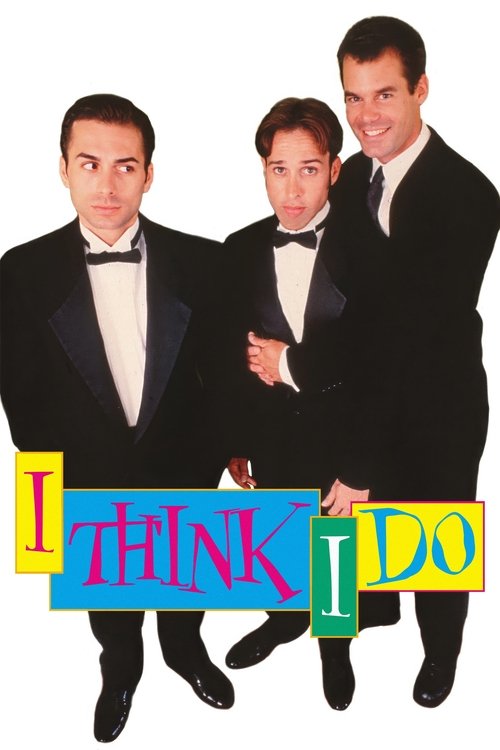
I Think I Do(1997)
Crew
FilmCinéma cinémas(1982)
Crew
TV
Hollywood(1980)
Crew
TVHour Magazine(1980)
Crew
TV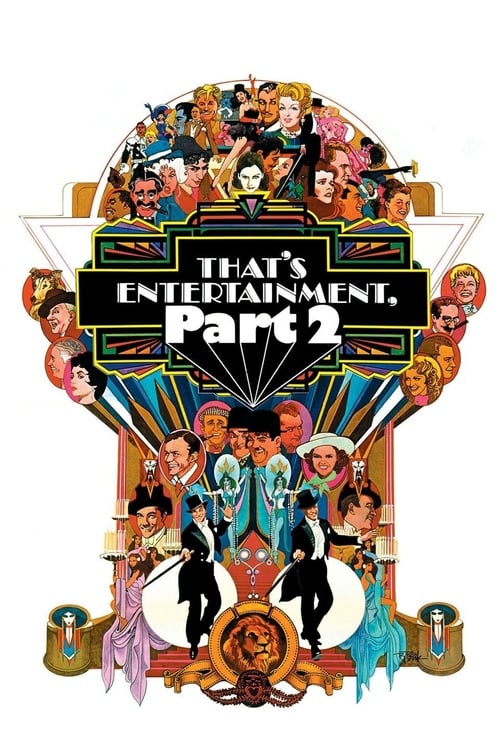
That's Entertainment, Part II(1976)
Crew
Film
Arena(1975)
Crew
TV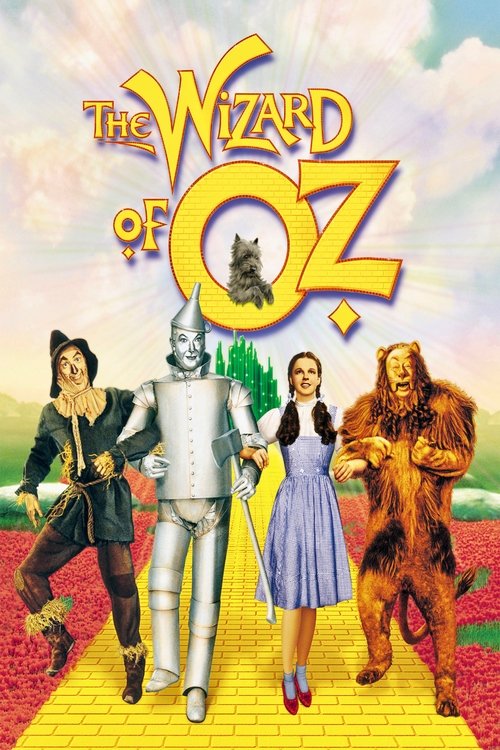
The Wizard of Oz(1939)
Crew
Film
Awards & Nominations
4 wins · 8 nominationsPrimetime Emmy Award
- Won1975Outstanding Directing for a Limited Series, Movie, or Dramatic Special
Academy Award
- Won1965Best Director
- Nom1951Best Director
- Nom1948Best Director
- Nom1941Best Director
- Nom1934Best Director
More awards & festivals (6) — regional academies & film-festival prizes
Golden Plate Award
- Won1970Golden Plate Award
Academy Awards
- Won1964Oscar — Directing
- Nom1950Oscar — Directing
- Nom1947Oscar — Directing
- Nom1940Oscar — Directing
- Nom1932Oscar — Directing
Originals
Streaming originals this person worked on.
Memorable quotes
Browse all →No quotes logged for George Cukor yet — add the first memorable line below.
Got a quote we’re missing?
Submit a line from any film, show, or game.
Additional credits9Show
Non-headline appearances — talk-show, awards-show, panel, and archive-footage credits, kept separate from the main filmography.
- Garbo: Where Did You Go?Self · 2024
- The Rebellious Olivia de HavillandSelf · 2021
- Sid & JudySelf · 2019
- Audrey Hepburn, le choix de l'éléganceSelf · 2017
- Anna Karina, souviens-toiSelf · 2017
- 1939: Hollywood's Greatest YearSelf · 2009
- Katharine Hepburn: All About MeSelf · 1993
- Marilyn: Something's Got to GiveSelf · 1990
- The Making of a Legend: Gone with the WindSelf · 1988
Edit history
Loading edit history…
Comments (0)
on George CukorNo comments yet. Be the first to share what you think.