
Person · Actor
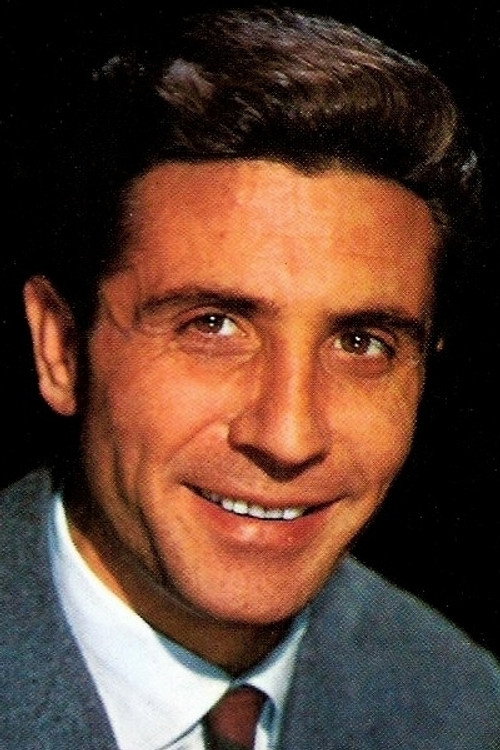
Gilbert Bécaud
- Also:
- Composer
- Music Department
In short · Acted for eight decades — 18 credits.
Remembered for
Ranked by community engagement + sustained interest across this person's credits in our database.

Help complete this page
We’re missing one-line descriptor. Sign in to add what you know.
Biography
Gilbert Bécaud (24 October 1927 – 18 December 2001) was a French singer, composer, pianist and actor who was nicknamed “Monsieur 100,000 Volts” because of his energetic performances. His best‑known songs include “Nathalie” and the 1961 hit “Et maintenant”, which achieved English‑language success as “What Now My Love”. He remained a popular artist for nearly fifty years and was recognisable in dark blue suits with a white shirt and a “lucky tie” featuring blue fabric with white polka dots. When asked about his talent he replied, “A flower doesn’t understand botany.” His favourite venue was the Paris Olympia under manager Bruno Coquatrix; he debuted there in 1954, headlined in 1955, and attracted 6,000 attendees on his first night, three times the hall’s capacity. He attended the venue’s reopening after reconstruction on 13 November 1997.
Born François Gilbert Léopold Silly in Toulon, France, Bécaud learned piano early and later studied at the Conservatoire de Nice. In 1942 he left school to join the French Resistance during World War II. He began songwriting in 1948 after meeting Maurice Vidalin, who inspired his early compositions. Together with Marie Bizet, Bécaud and Vidalin formed a successful trio whose partnership lasted until 1950.
In 1952 Bécaud married Monique Nicholas; the couple had three children.
While touring as a pianist with Jacques Pills, Bécaud met Édith Piaf, Pills’ wife at the time. At her suggestion he began singing in 1953, recording “Mes Mains” and “Les Croix”. His first public performance occurred the following year. Late‑decade hits included “La Corrida” (1956), “Le Jour où la Pluie Viendra” (1957) and “C’est Merveilleux L’amour” (1958).
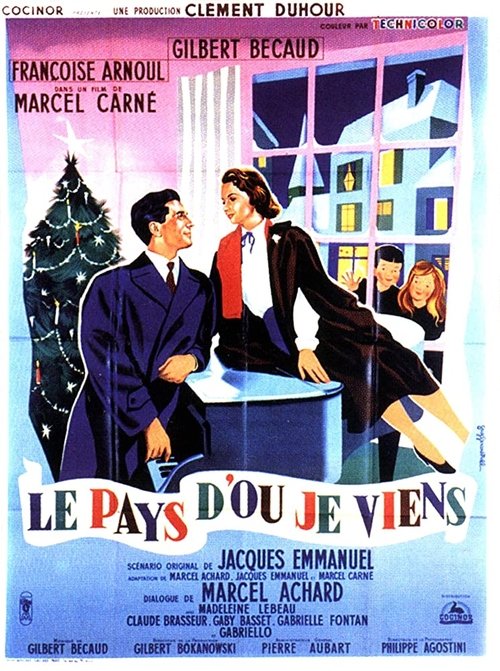
His first English‑language success was Jane Morgan’s 1958 cover of “Le jour où la pluie viendra”, released as “The Day the Rains Came” with lyrics by Carl Sigman. He began acting in the same period, debuting in “Le Pays D’où Je Viens” (1956). In 1960 he received a Grand Prix du Disque and composed the Christmas cantata “L’enfant à l’étoile”. That year the Everly Brothers had a hit with “Let It Be Me”, an English version of his “Je t’appartiens”; the song was later recorded by Bob Dylan, Nina Simone, Elvis Presley, Willie Nelson, Jerry Butler, Sam & Dave and James Brown.
In 1973 Bécaud married Kitty Saint‑John, with whom he had two children. He died of cancer at age 74.
In 1961 Bécaud wrote and recorded “Et Maintenant”, one of the best‑selling French singles ever; its English translation “What Now My Love” became a hit for Shirley Bassey, Sonny & Cher, Elvis Presley, Judy Garland, Andy Williams, Herb Alpert and Frank Sinatra.
In 1962 he completed his largest composition, the two‑act opera L’Opéra d’Aran, which premiered at the Théâtre des Champs‑Élysées on 25 October 1962 under conductor Georges Prêtre. The opera’s plot is set on the Aran Islands off Ireland’s west coast, although Bécaud had never visited Ireland.
Filmography · 9 of 9
A platform appears here when one of these titles streams on it. Click to filter — pick several to combine.
Actor
4 credits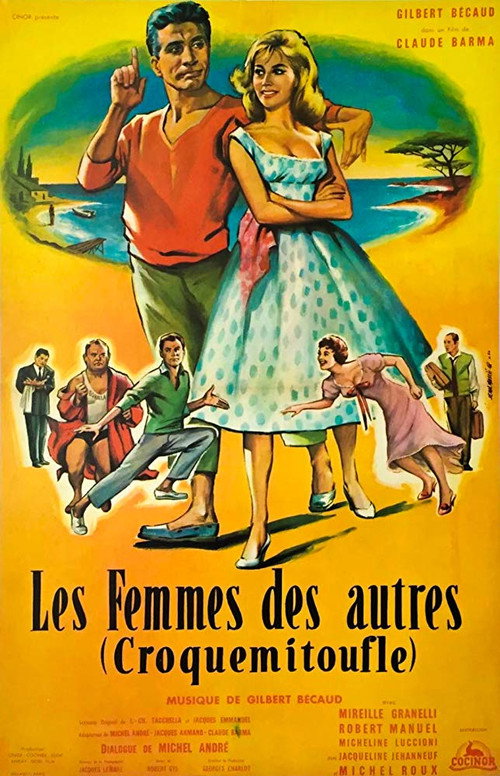
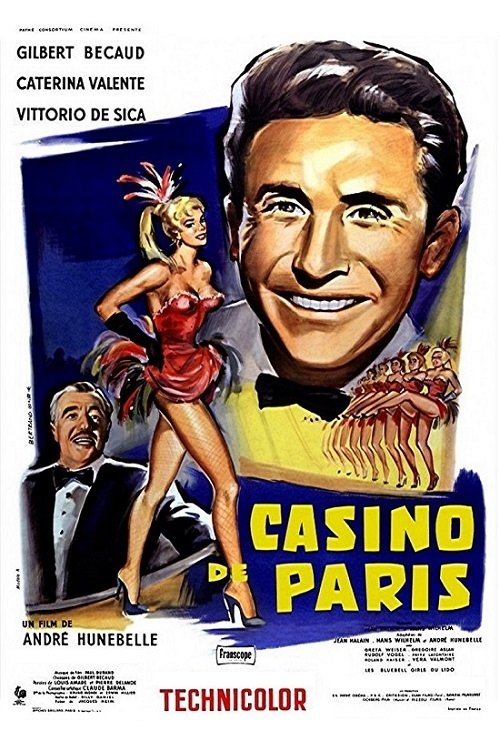
Composer
5 credits
Memorable quotes
Browse all →No quotes logged for Gilbert Bécaud yet — add the first memorable line below.
Got a quote we’re missing?
Submit a line from any film, show, or game.
Additional credits9Show
Non-headline appearances — talk-show, awards-show, panel, and archive-footage credits, kept separate from the main filmography.
- L'Âge d'or de la pubSelf (archive footage) · 2023
- Le monde est à vousSelf · 1987
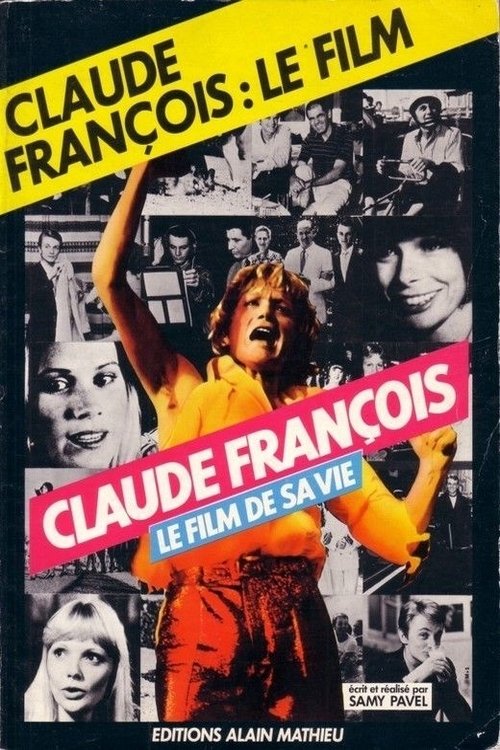
- Claude Francois: The Film of His LifeSelf · 1979
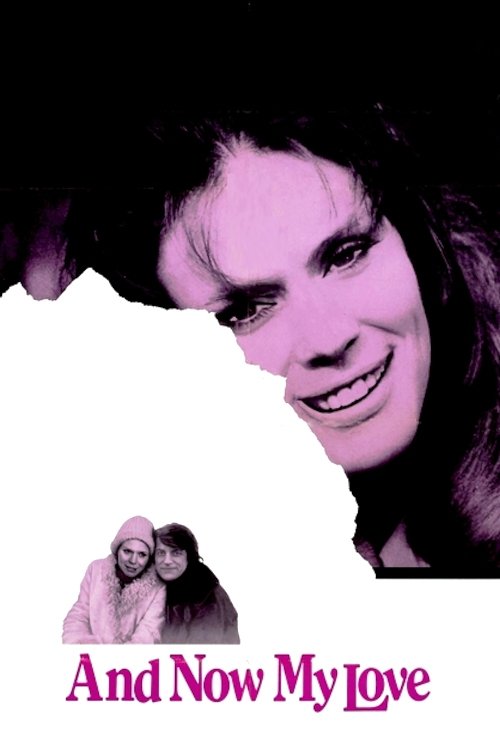
- And Now My LoveSelf · 1974
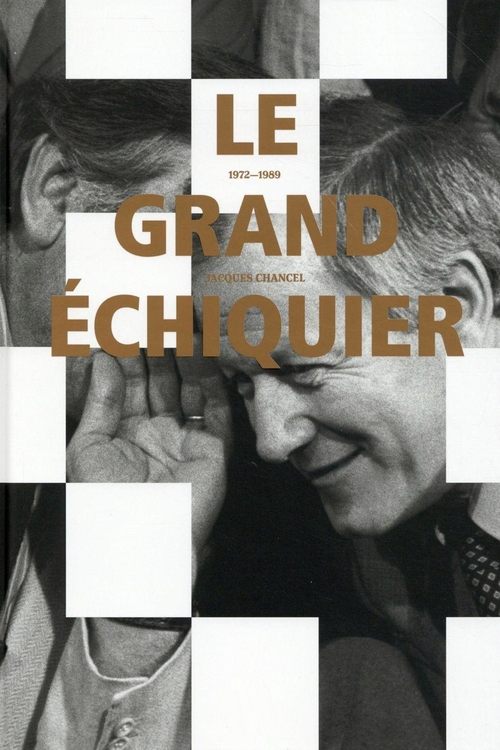
- Le Grand échiquierSelf · 1972
- Les beaux dimanchesSelf · 1966
- Continental ShowcaseSelf · 1966
- 38-24-36Self · 1963
- Lieben Sie Show ?Self - Singer · 1962
Edit history
Loading edit history…
Comments (0)
on Gilbert BécaudNo comments yet. Be the first to share what you think.