
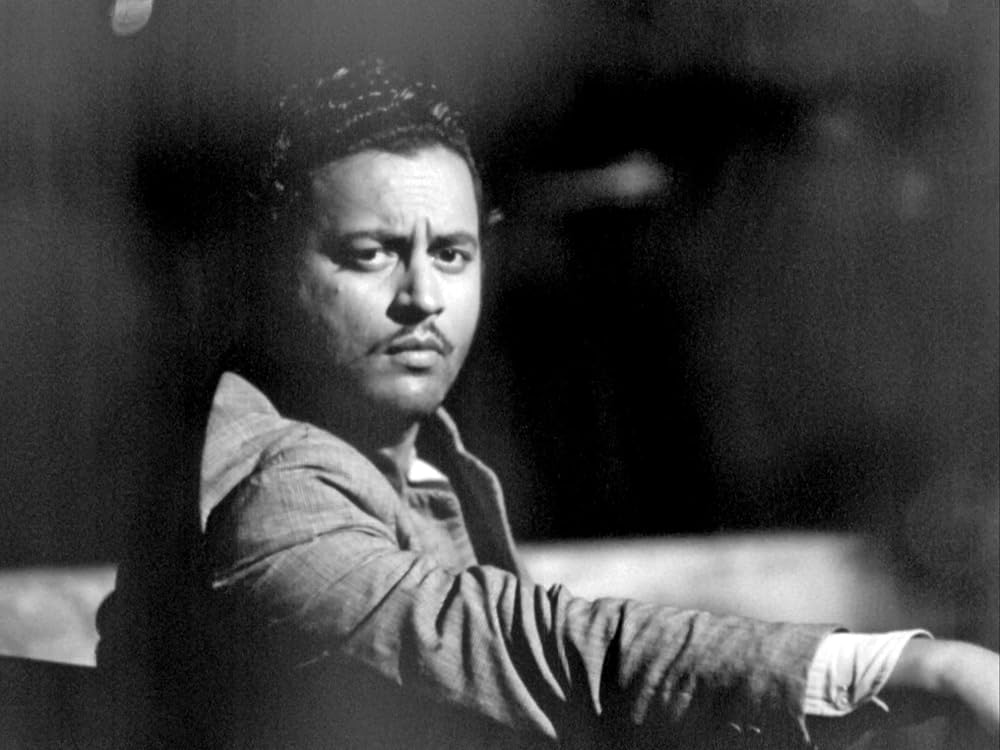
Person · Actor
Guru Dutt
A visionary ahead of his time, Guru Dutt redefined Indian cinema with his lyrical storytelling and artistic brilliance, but personal turmoil and unrelenting tragedy shadowed his rise, fall, and enduring legacy.
- Also:
- Director
- Producer
In short · Acted for nine decades — 28 credits.
Remembered for
Ranked by community engagement + sustained interest across this person's credits in our database.
Help complete this page
We’re missing birth date. Sign in to add what you know.
Biography
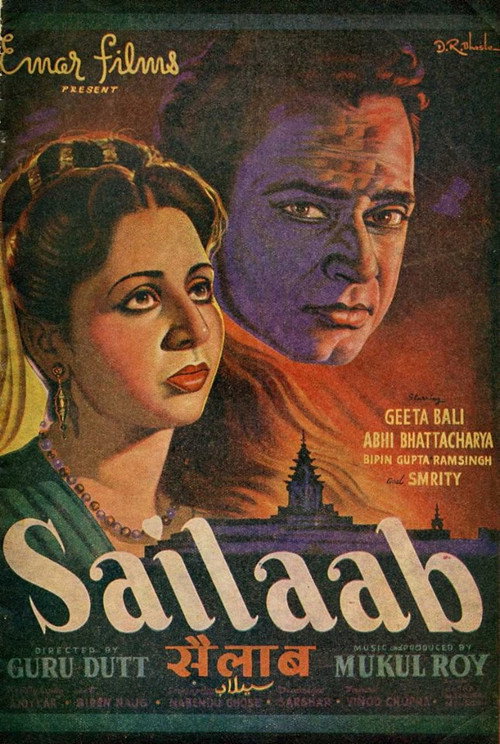
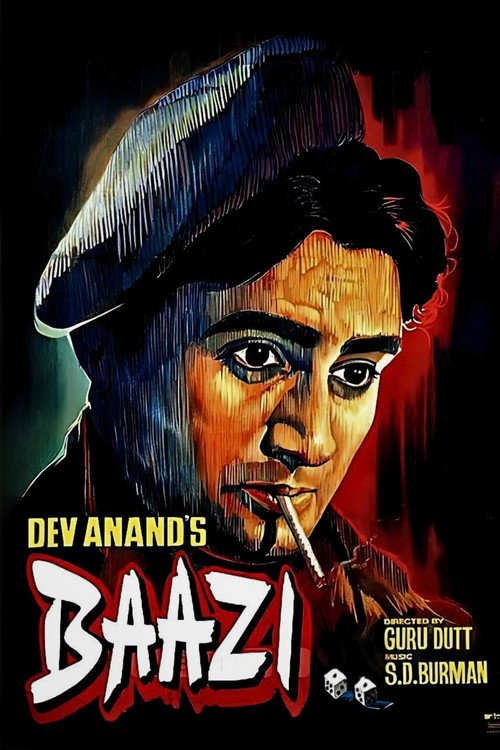
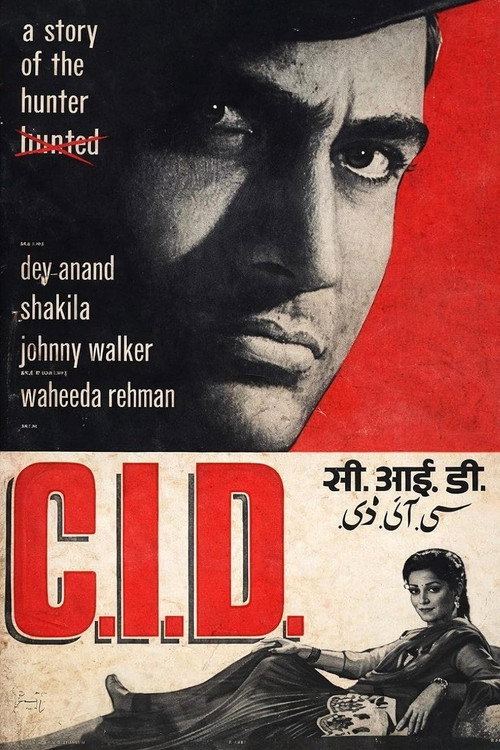
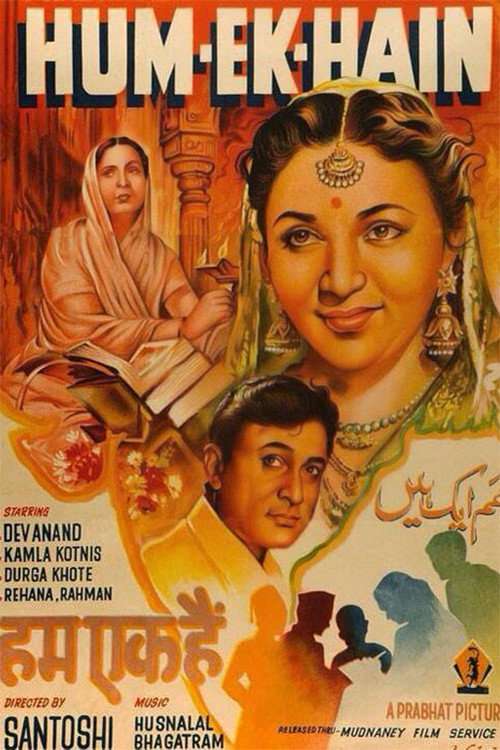
Guru Dutt is widely regarded as one of the most significant figures in Indian commercial cinema. Despite directing fewer than ten films, his work is considered among the finest of Bollywood's Golden Age, noted for their accessibility to the general audience and their artistic and lyrical depth. These films have had a lasting influence on the industry. Dutt was born on July 9, 1925, in Mysore, the eldest son of a headmaster and a housewife who also wrote part-time. His early years were marked by a difficult family dynamic, including a strained relationship between his parents, hostility from his mother's family, and the death of a close relative. He received his early education in Calcutta and in 1941 joined the Uday Shankar India Culture Center, where he trained in the performing arts under Uday Shankar. In 1944, he briefly worked as a telephone operator before entering the Indian film industry the same year as a choreographer at Prabhat Studios. There, he formed friendships with Dev Anand and Rehman Khan, which helped him establish a foothold in Bollywood. After Prabhat Studios closed in 1947, Dutt moved to Mumbai and worked with directors such as Amiya Chakrabarty on *Girls' School* (1949) and Gyan Mukherjee on *Sangram* (1946). He received a major opportunity when Dev Anand invited him to direct a film for his new company, Navketan Films. Dutt made his directorial debut with *Gamble* (1951), starring Dev Anand. The film was an urban crime thriller that drew inspiration from classic film noir but incorporated unique elements such as songs that advanced the narrative and frequent use of close-up shots. It was a commercial success and set a trend for future crime films. During the recording sessions for *Gamble*, Dutt met playback singer Geeta Dutt (née Roy), and they married on May 26, 1953. His subsequent films included *The Trap* (1952) and *Falcon* (1953), the latter of which also marked his acting debut. While these films were moderate successes, Dutt achieved greater recognition with *This or That* (1954), a more refined crime thriller. He then directed *Mr. & Mrs. '55* (1955), a romantic comedy about women's rights, and *C.I.D.* (1956), another crime thriller that marked Waheeda Rehman's debut. His later films, *Thirst* (1957) and *Paper Flowers* (1959), are considered his most accomplished. *Thirst* (1957), a story of a poet's struggle in a cold, indifferent world, was a box-office hit and is often cited as his masterpiece. In contrast, *Paper Flowers* (1959), a semi-autobiographical tale of a tragic love affair in the film industry, was a commercial failure. Though it later gained critical acclaim for its cinematography and developed a cult following, Dutt was deeply affected by its reception and did not direct another film. Despite this, he continued to act and produce, including the period dramas *Chaudhvin Ka Chand* (1960) and *Sahib Bibi Aur Ghulam* (1962), the latter of which is sometimes debated as to whether he ghost-directed it. Dutt's personal life became increasingly complex, as he developed a romantic relationship with his protégé Waheeda Rehman, leading to a separation from his wife, Geeta Dutt, who also distanced herself from him. Dutt, who had achieved significant success early in his career, felt a sense of emptiness and turned to heavy drinking. He was found dead in his bed on October 10, 1964. The cause of death was attributed to a combination of alcohol and sleeping pills, though the exact nature of his death remains a subject of debate. Geeta Dutt suffered a nervous breakdown following his death and also turned to alcohol, eventually dying in 1972 from cirrhosis of the liver. Dutt's death was a profound loss to Indian cinema, and it was ironic that most of his films, which were largely undervalued during his lifetime, would later be recognized as cult classics. He remains known, even posthumously, as a key figure of Bollywood's Golden Age and one of the most important international auteurs in film history.
Family & relationships
- Spouse
- Children
- Other
Filmography · 28 of 28
A platform appears here when one of these titles streams on it. Click to filter — pick several to combine.
Director
3 creditsActor
15 creditsRamachaari(2022)
Actor
TV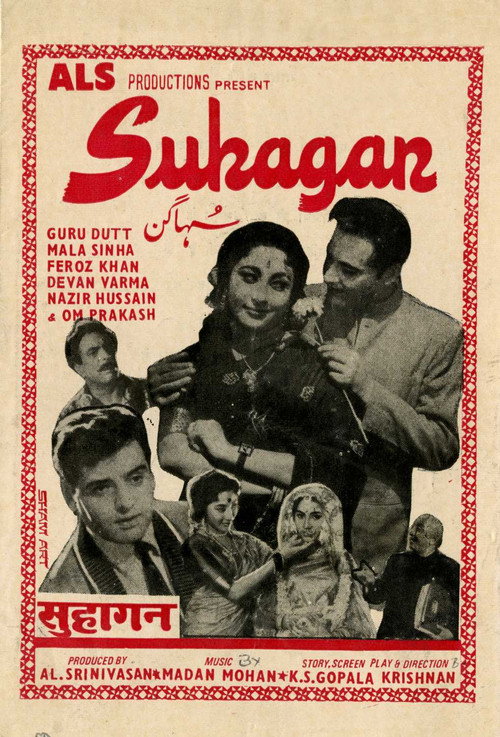
Suhagan(1964)
Vijay Kumar
Film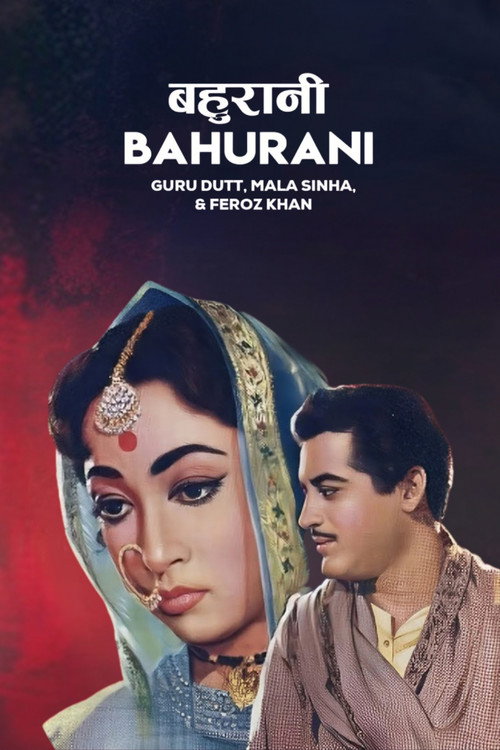
Bahurani(1964)
Raghu Singh
Film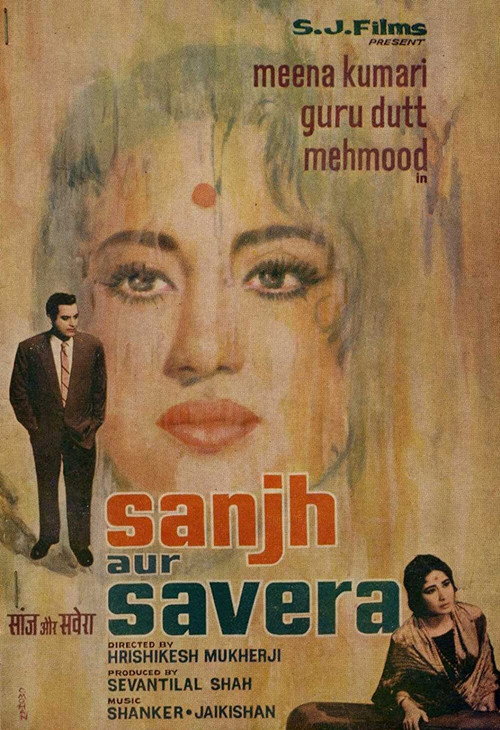
Sanjh Aur Savera(1964)
Dr. Shankar Chaudhry
Film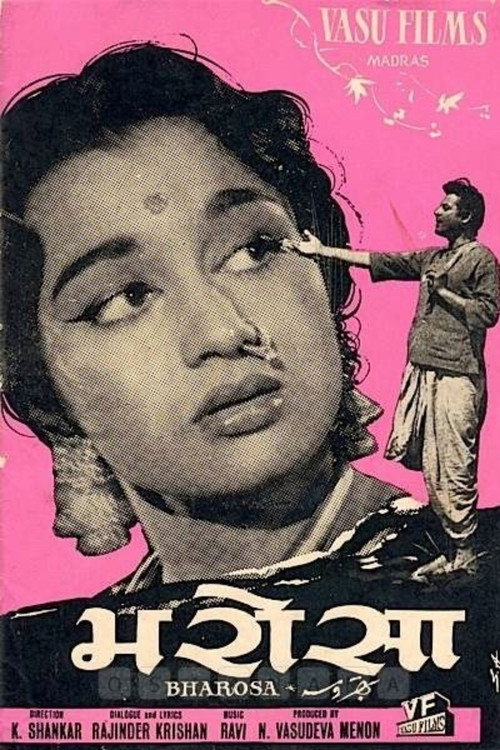
Bharosa(1963)
Bansi Das
Film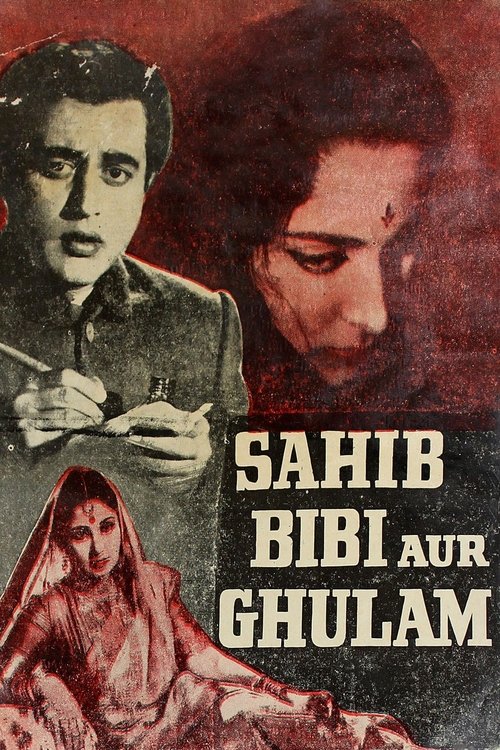
Sahib Bibi Aur Ghulam(1962)
Atulya Chakraborty 'Bhootnath'
Film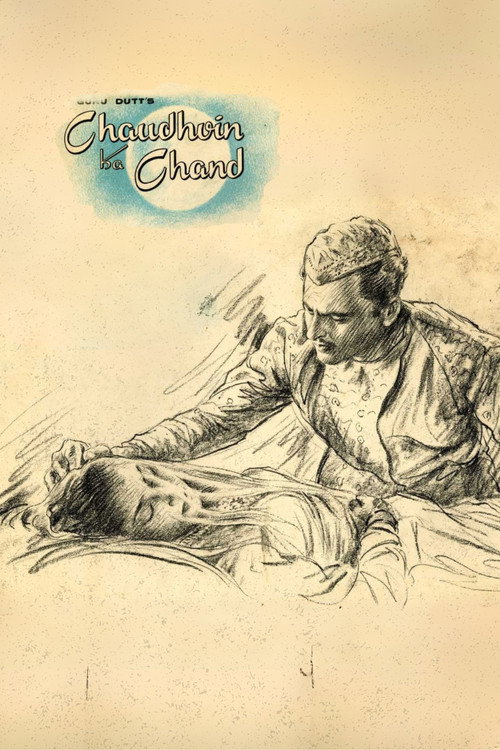
Chaudhvin Ka Chand(1960)
Aslam
Film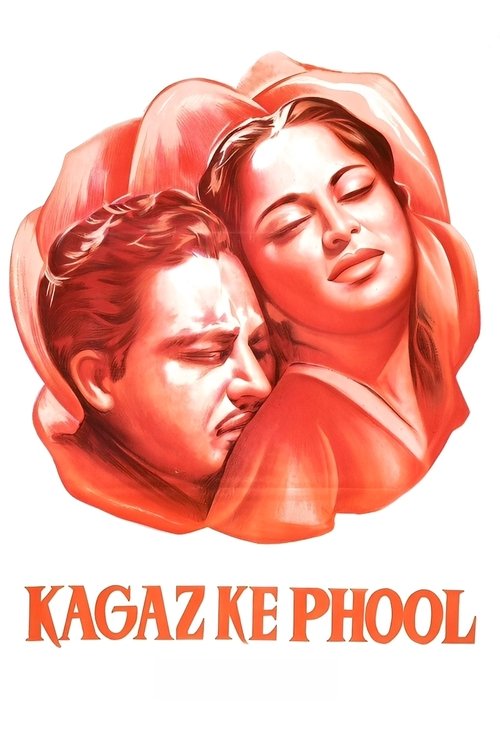
Paper Flowers(1959)
Suresh Sinha
Film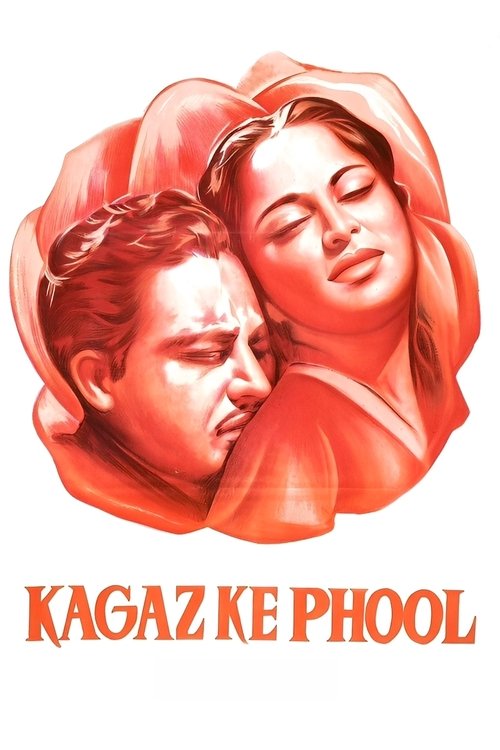
Kaagaz Ke Phool(1959)
Suresh Sinha
Film
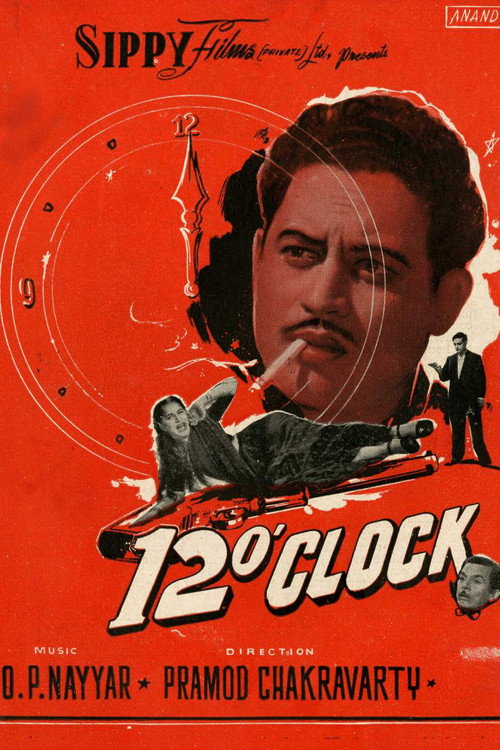
12 O'Clock(1958)
Ajoye Kumar
Film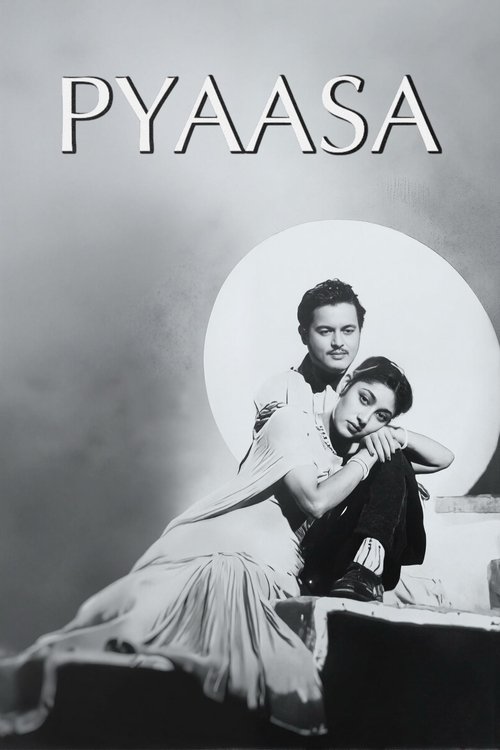
Thirst(1957)
Vijay
Film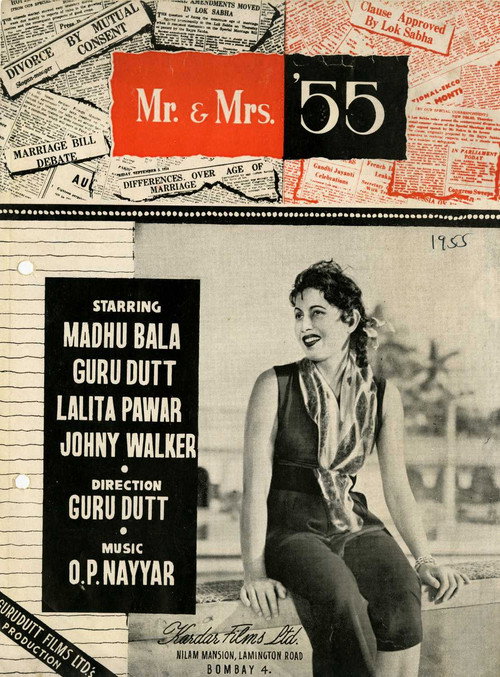
Mr. & Mrs. '55(1955)
Preetam Kumar
Film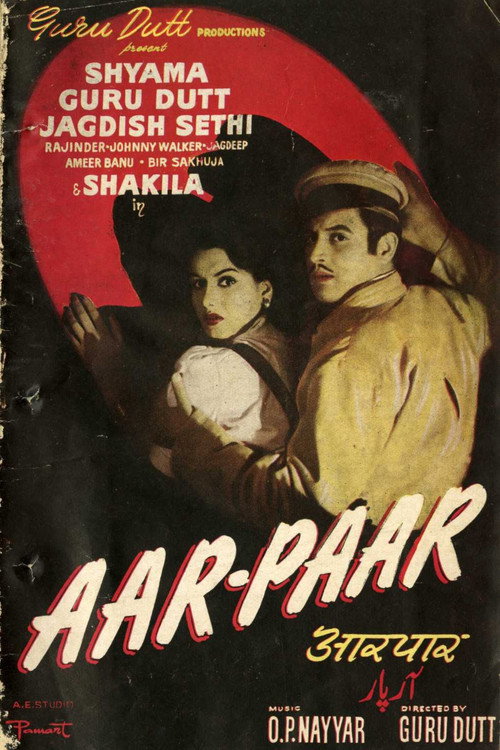
This or That(1954)
Kalu
Film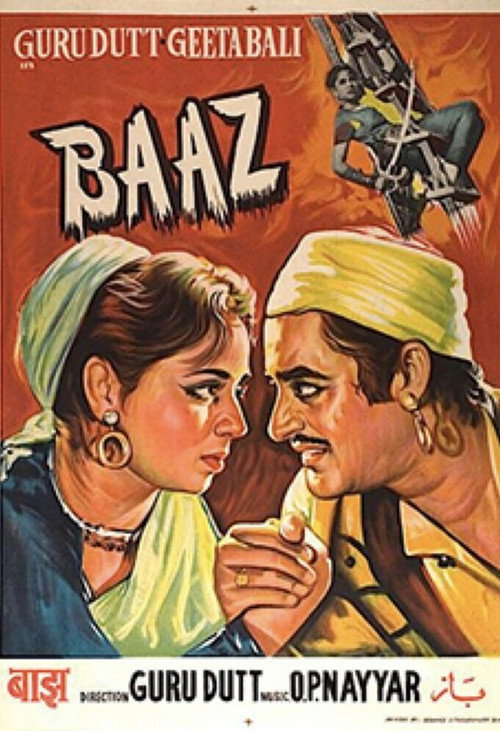
Falcon(1953)
Raj Kumar Ravi
Film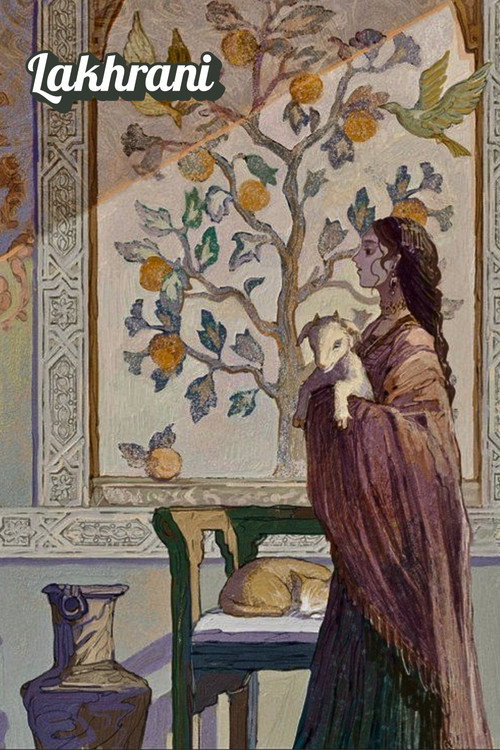
Lakharani(1945)
Lachhman
Film
Producer
2 creditsEditor
1 credit
Other crew
7 credits
Memorable quotes
Browse all →No quotes logged for Guru Dutt yet — add the first memorable line below.
Got a quote we’re missing?
Submit a line from any film, show, or game.
Edit history
Loading edit history…
Comments (0)
on Guru DuttNo comments yet. Be the first to share what you think.