
Person · Cinematographer
Hal Mohr
The self-taught San Francisco tinkerer who shot the first talkie and remains the only person ever to win an Oscar as a write-in candidate. (1894-1974)
- Also:
- Director
- Camera Department
In short · Shot for six decades — 117 credits, 2 Academy Award wins.
Remembered for
Ranked by community engagement + sustained interest across this person's credits in our database.
Recent & in release
- Award win
Academy Awards — Oscar — Cinematography (color)
- Award win
Academy Awards — Oscar — Cinematography
Help complete this page
We’re missing birthplace, birth date. Sign in to add what you know.
Biography
Hal Mohr was a born experimenter. Raised in San Francisco, he built his own cameras as a teenager and shot newsreel footage of the aftermath of the great 1906 earthquake, teaching himself the craft with no formal training. That hands-on, engineer's temperament stayed with him for a career of more than half a century, and he was forever devising new rigs, cranes, and lighting tricks to solve problems others thought insoluble.
He earned a permanent place in film history early, photographing "The Jazz Singer," the part-talking sensation that helped push the entire industry into sound. But his most famous moment came in 1936. His inventive, gauzy, forest-dappled photography for the Warner Bros. "A Midsummer Night's Dream" had not been nominated for the Academy Award, yet a write-in campaign carried him to victory anyway. He remains the only person ever to win a competitive Oscar without being nominated, an event so startling the Academy promptly changed its rules to make it impossible again.
Mohr won a second Academy Award for the 1943 Technicolor "Phantom of the Opera," becoming one of the first cinematographers to take the prize in both black-and-white and color categories, a testament to his fluency in every technology the medium threw at him. Along the way he shot swashbucklers like "Captain Blood," the noir-tinged "Rancho Notorious," and dozens of other films across genres and decades.
A committed union man, he served as a leader among Hollywood's cinematographers and championed the professional standing of his craft. Colleagues admired his ingenuity and his blunt, plainspoken manner, and younger cameramen sought his counsel. He kept shooting into the 1960s, then moved into television before retiring. Mohr died in 1974, an authentic Hollywood original whose fingerprints are on the birth of sound, the triumph of color, and one of the strangest footnotes in Oscar history.
Filmography · 117 of 117
A platform appears here when one of these titles streams on it. Click to filter — pick several to combine.
Director
2 creditsCinematographer
115 credits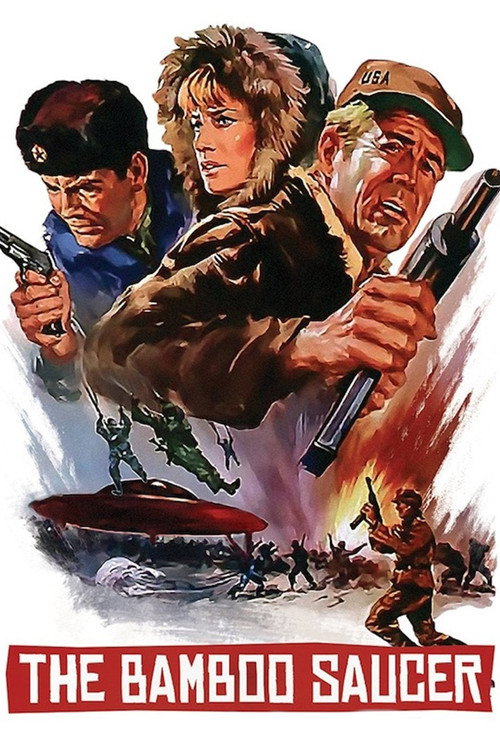
The Bamboo Saucer(1968)
Cinematographer
Film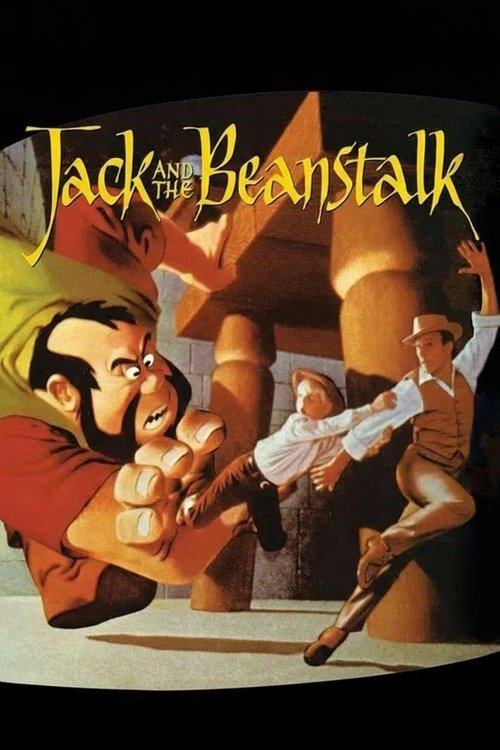
Jack and the Beanstalk(1967)
Cinematographer
Film
The Man from the Diners' Club(1963)
Cinematographer
Film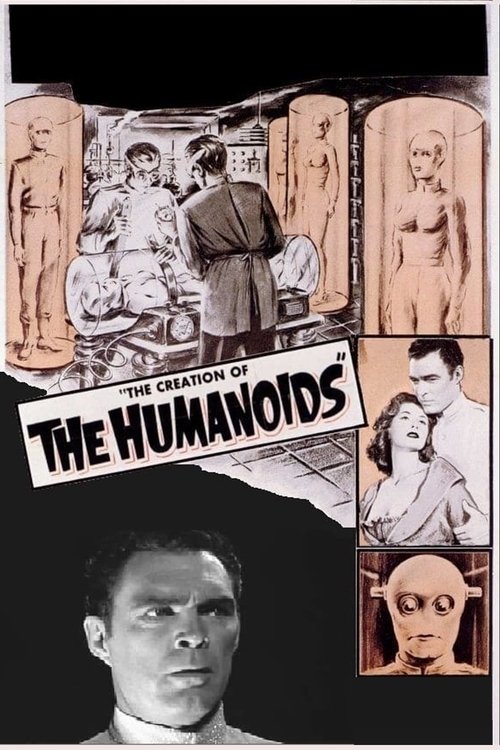
The Creation of the Humanoids(1962)
Cinematographer
Film
Underworld U.S.A.(1961)
Cinematographer
Film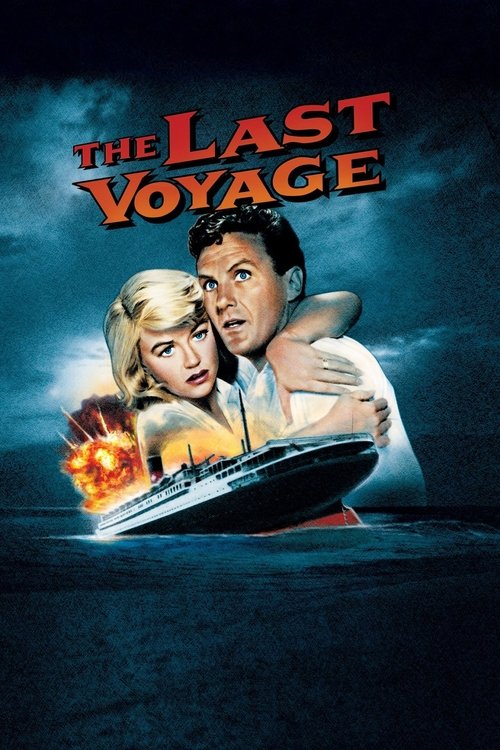
The Last Voyage(1960)
Cinematographer
Film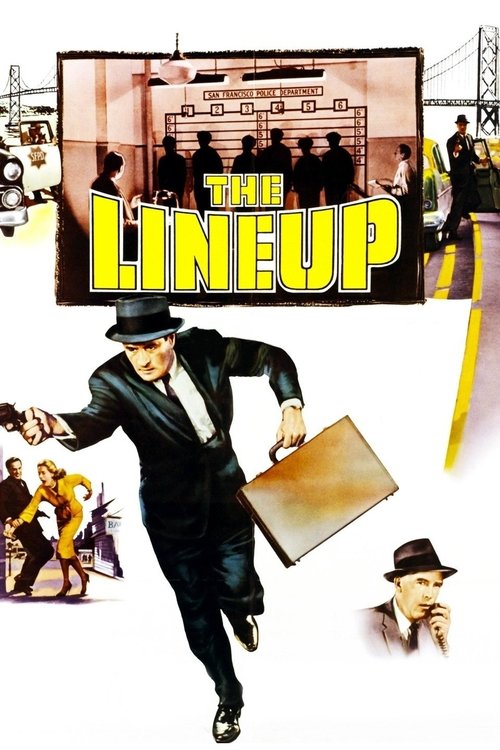
The Lineup(1958)
Cinematographer
Film
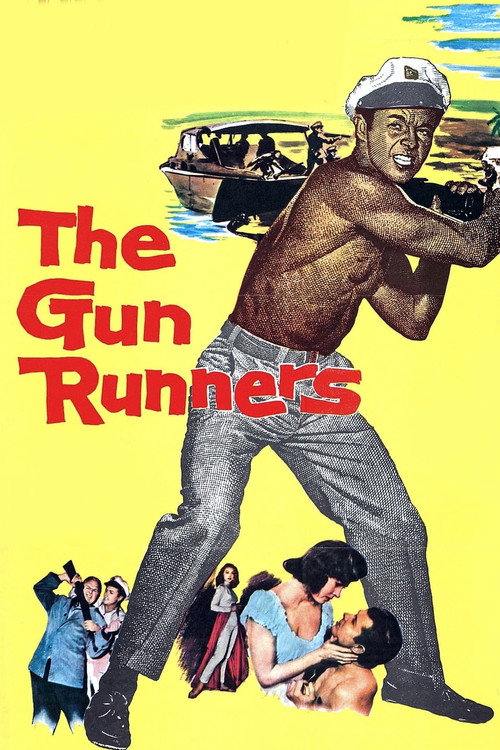
The Gun Runners(1958)
Cinematographer
Film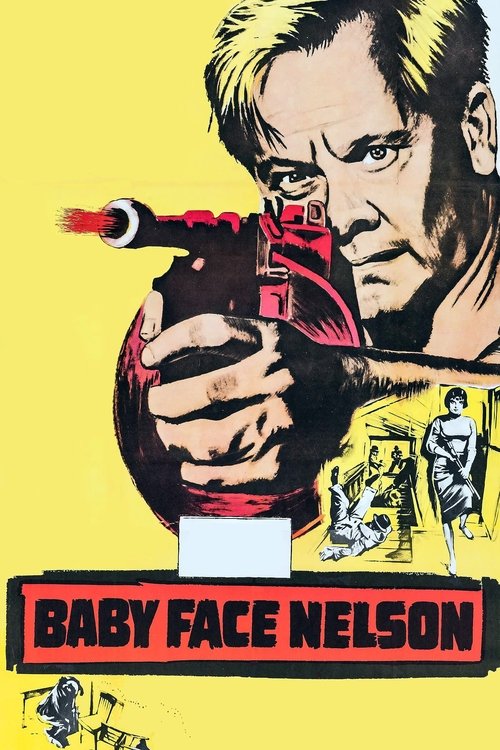
Baby Face Nelson(1957)
Cinematographer
Film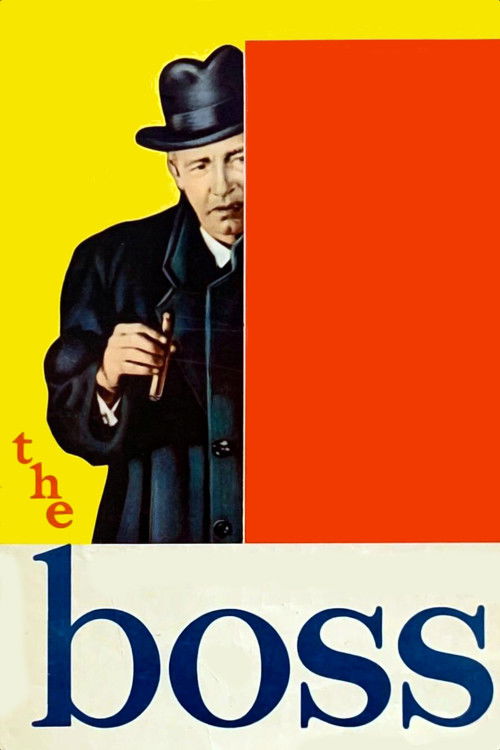
The Boss(1956)
Cinematographer
Film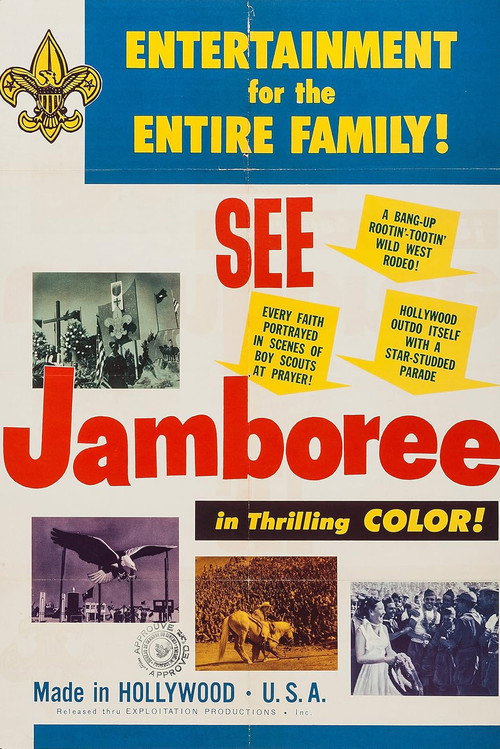
Jamboree(1954)
Cinematographer
Film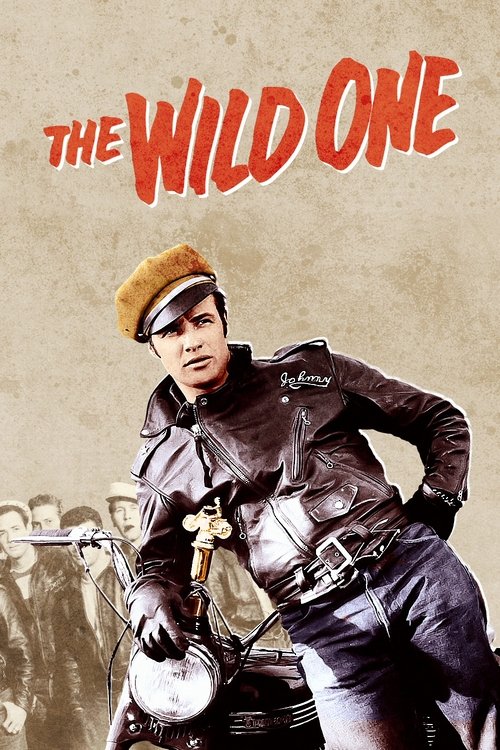
The Wild One(1953)
Cinematographer
Film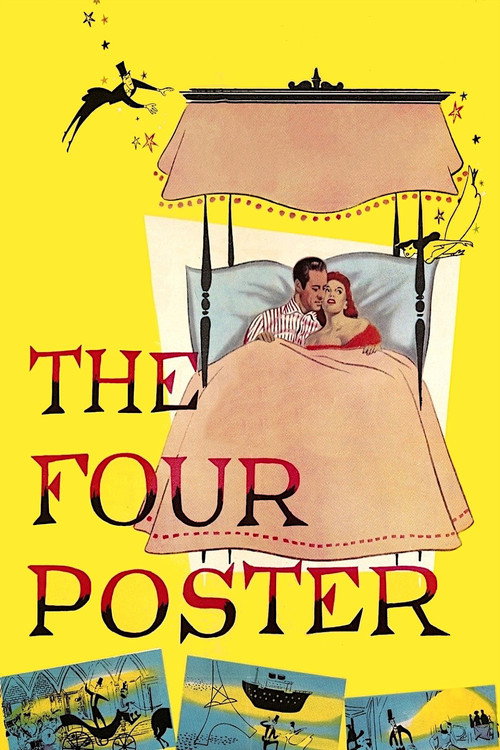
The Four Poster(1952)
Cinematographer
Film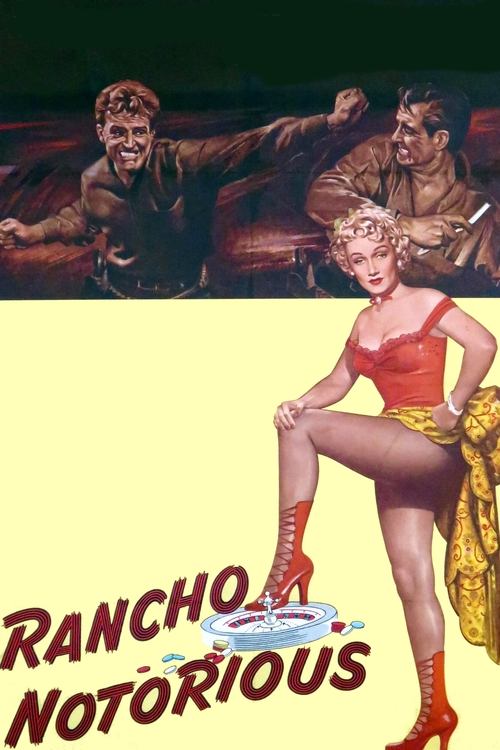
Rancho Notorious(1952)
Cinematographer
Film
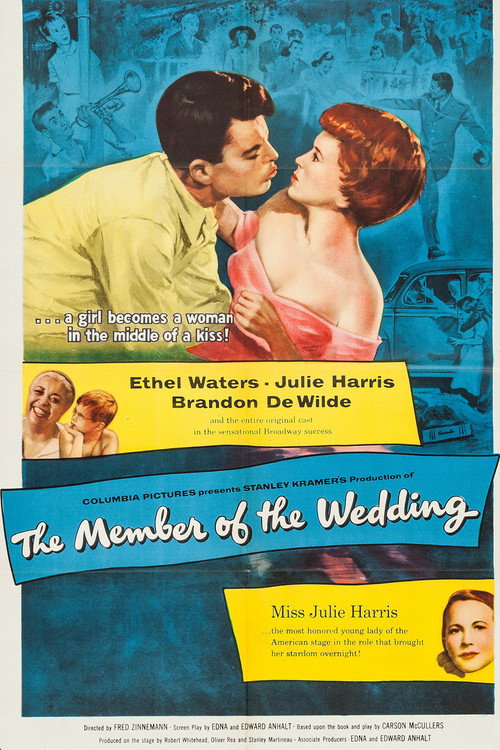
The Member of the Wedding(1952)
Cinematographer
Film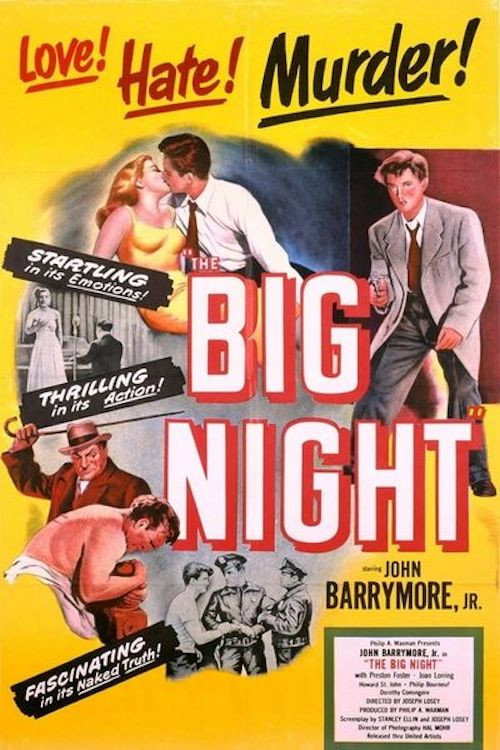
The Big Night(1951)
Cinematographer
Film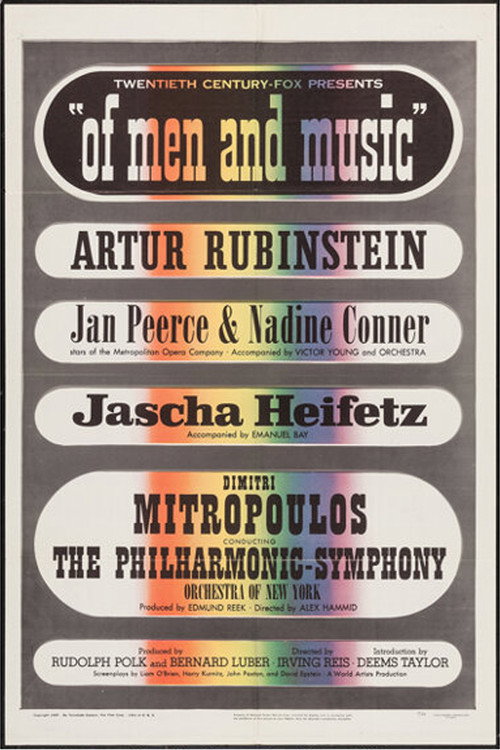
Of Men and Music(1951)
Cinematographer
Film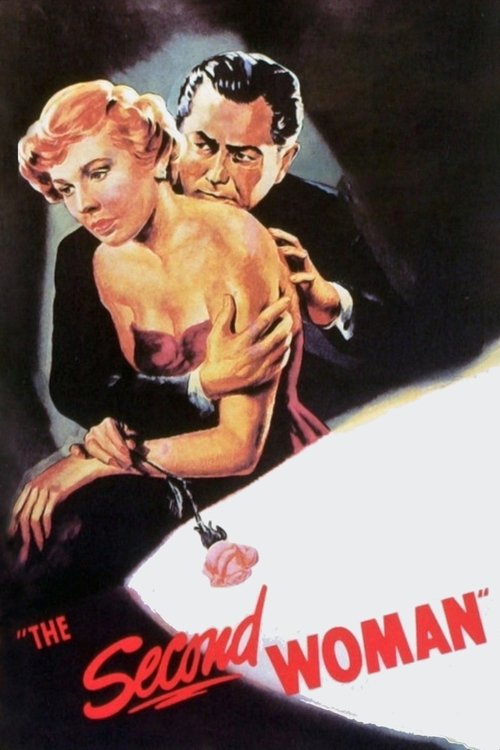
The Second Woman(1950)
Cinematographer
Film
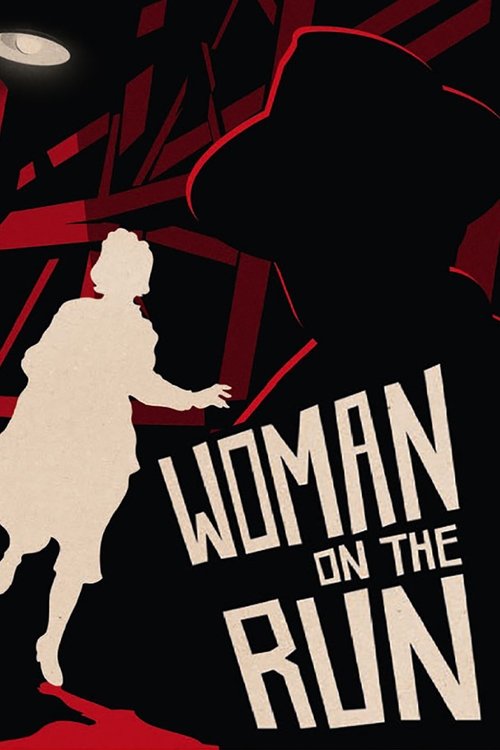
Woman on the Run(1950)
Cinematographer
Film
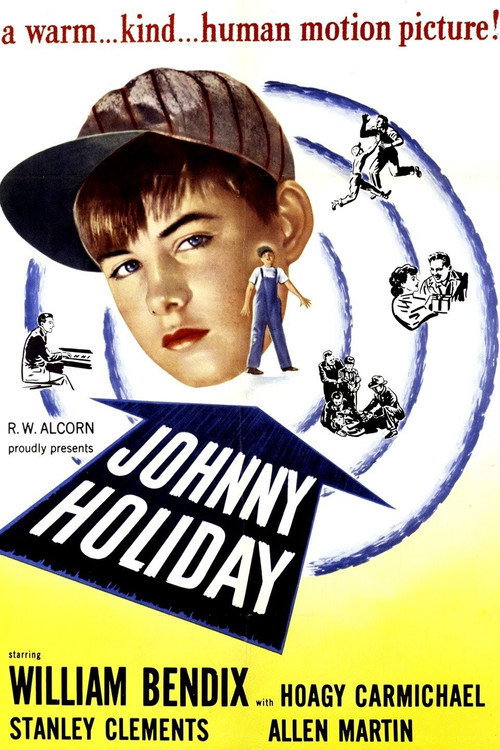
Johnny Holiday(1949)
Cinematographer
Film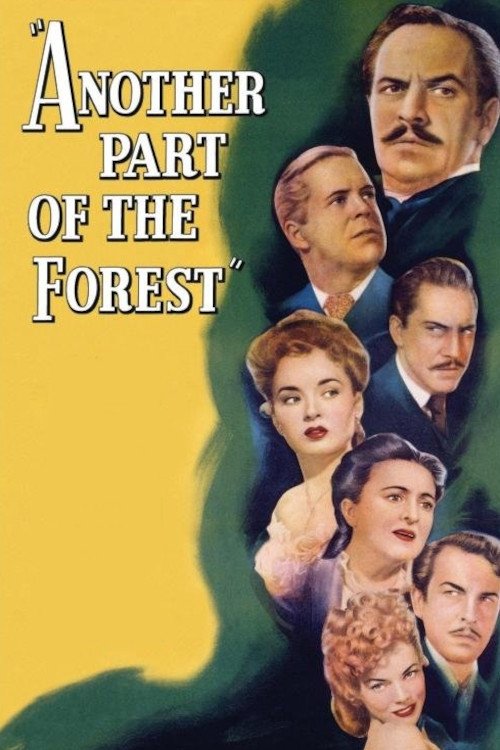
Another Part of the Forest(1948)
Cinematographer
Film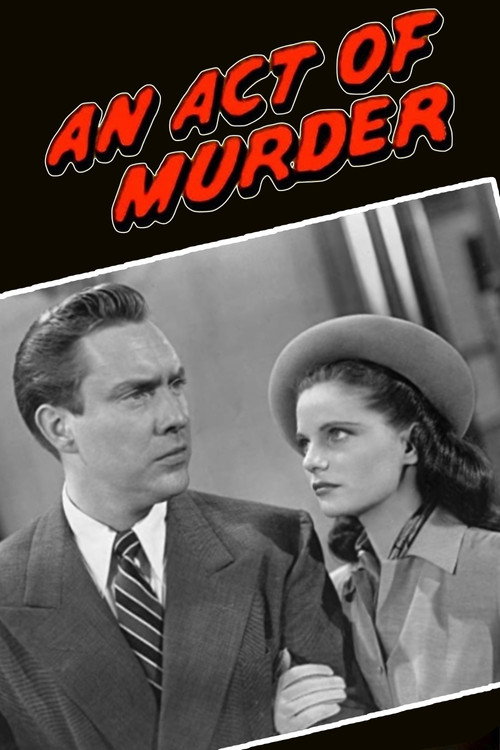
An Act of Murder(1948)
Cinematographer
Film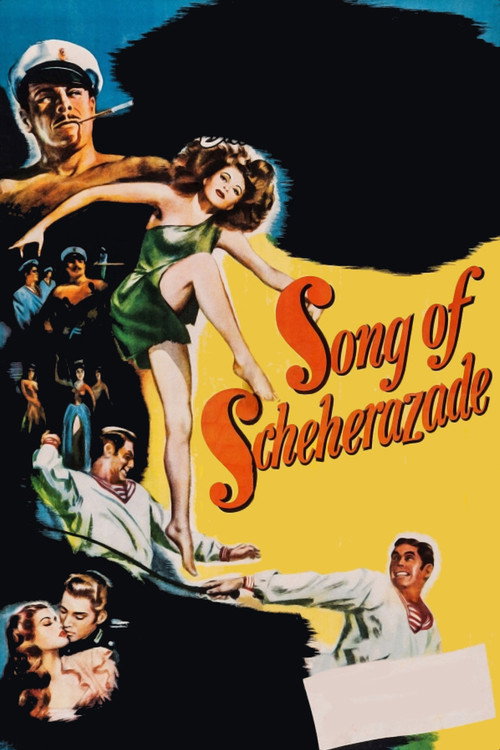
Song of Scheherazade(1947)
Cinematographer
Film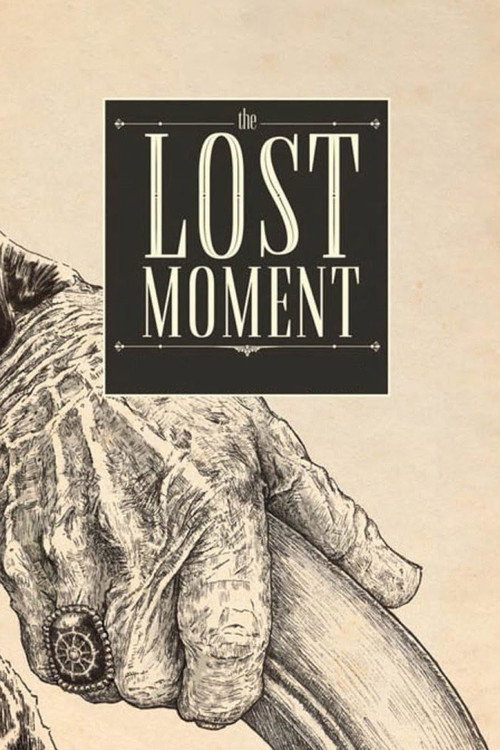
The Lost Moment(1947)
Cinematographer
Film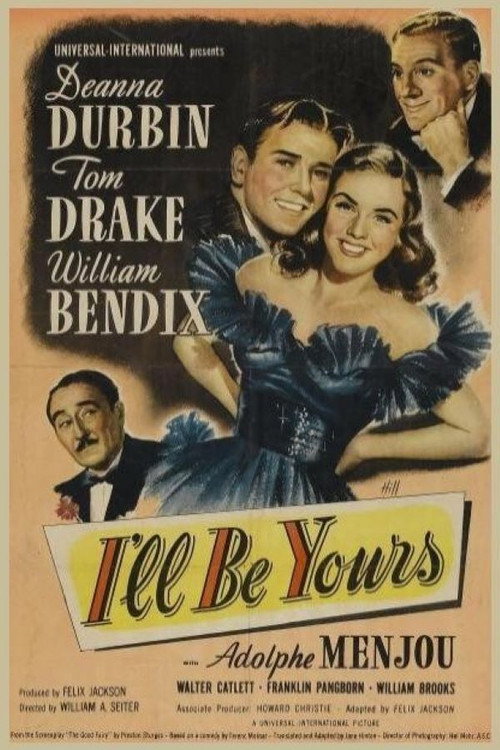
I'll Be Yours(1947)
Cinematographer
Film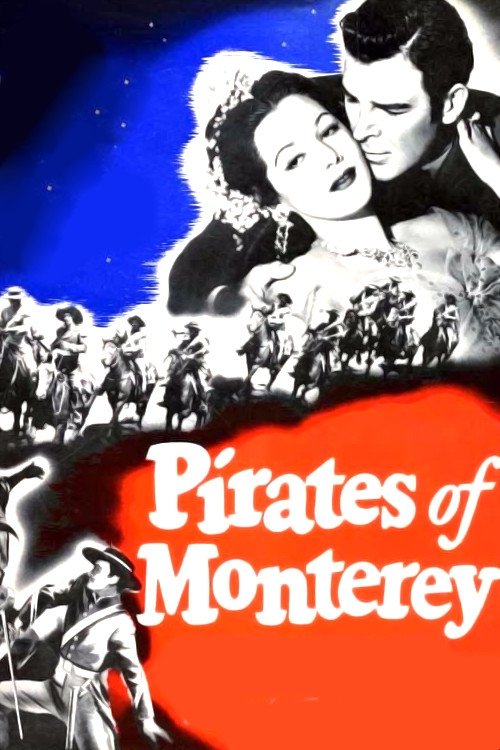
Pirates of Monterey(1947)
Cinematographer
Film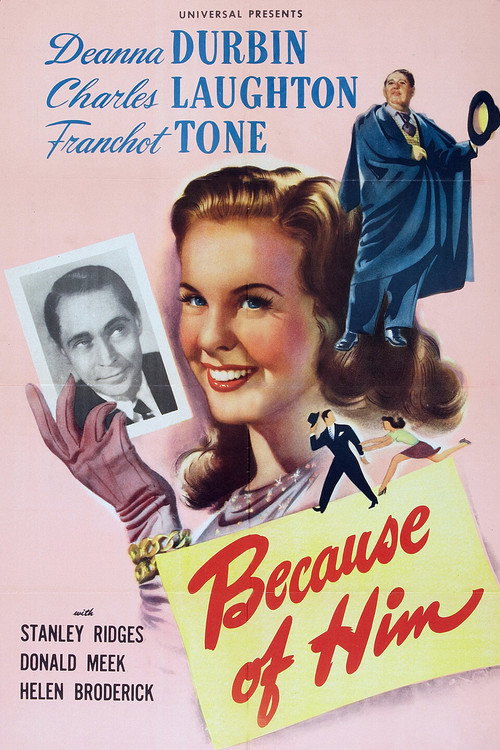
Because of Him(1946)
Cinematographer
Film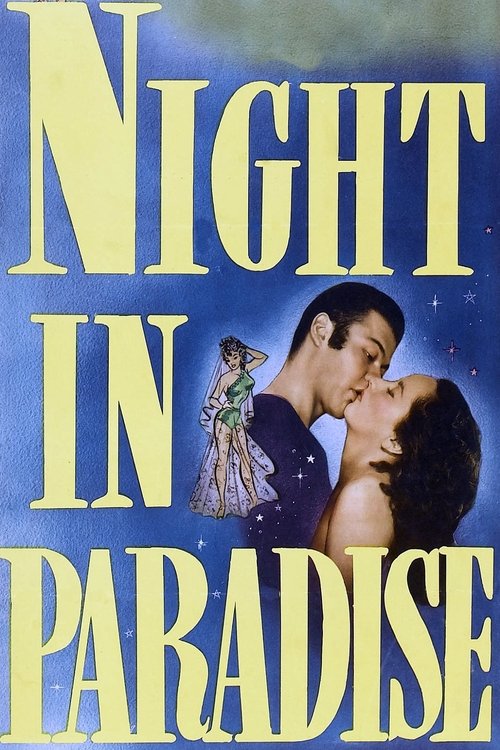
Night in Paradise(1946)
Cinematographer
Film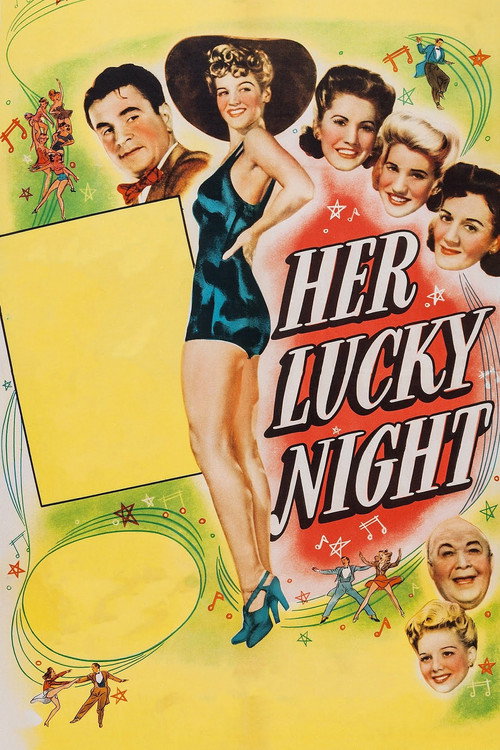
Her Lucky Night(1945)
Cinematographer
Film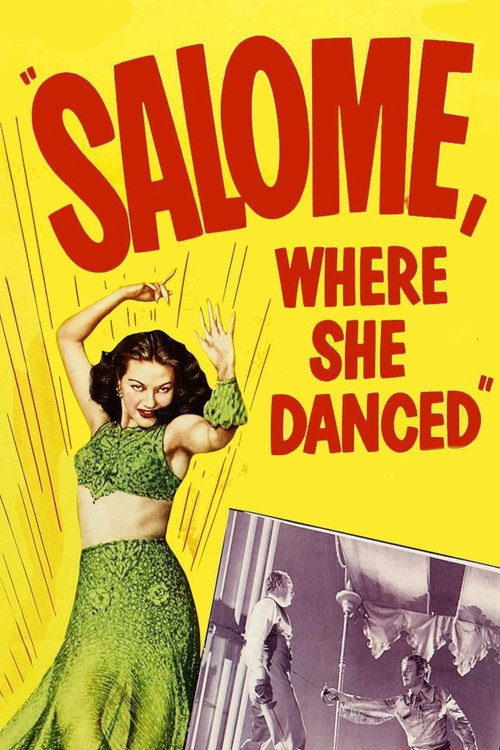
Salome, Where She Danced(1945)
Cinematographer
Film
Awards & Nominations
2 wins · 1 nominationAcademy Awards
- Nom1953Oscar — Cinematography (black-and-white)
- Won1943Oscar — Cinematography (color)
- Won1935Oscar — Cinematography
Memorable quotes
Browse all →No quotes logged for Hal Mohr yet — add the first memorable line below.
Got a quote we’re missing?
Submit a line from any film, show, or game.
Edit history
Loading edit history…
Comments (0)
on Hal MohrNo comments yet. Be the first to share what you think.