
Person · Producer
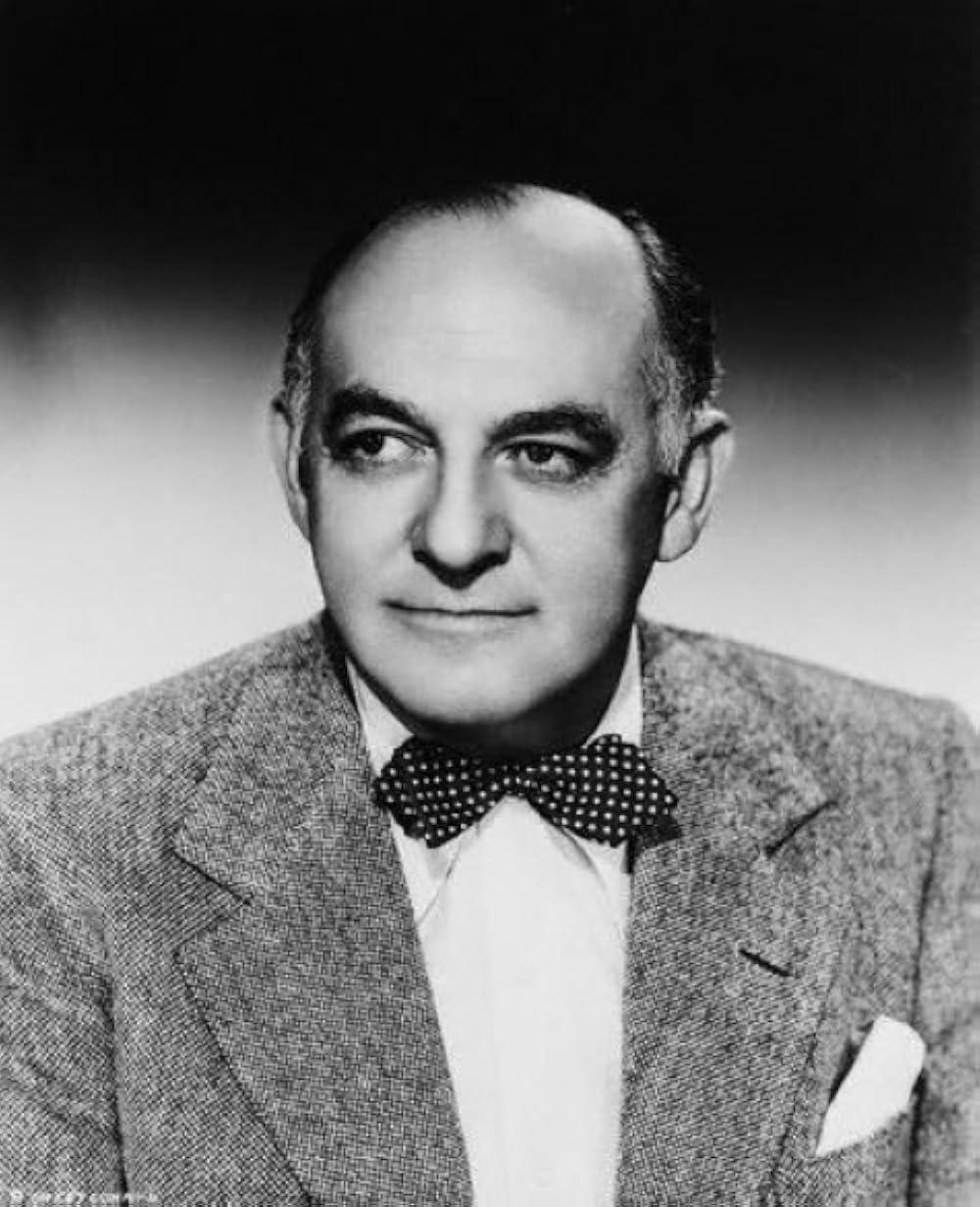
Harry Cohn
A ruthless, self-made studio chief rises from the slums of New York to build Columbia Pictures into a Hollywood powerhouse, but his cutthroat ambition and toxic legacy threaten to destroy everything he built.
- Also:
- Production Manager
In short · Produced for 11 decades — 146 credits.
Remembered for
Ranked by community engagement + sustained interest across this person's credits in our database.
Help complete this page
We’re missing birth date. Sign in to add what you know.
Biography
He was crude, uneducated, foul and, even on his best behavior, abrasive. No major studio executive of the so‑called “Golden Age” was more loathed (although at times the dictatorial Samuel Goldwyn and the hard‑nosed Jack L. Warner came close) than Harry Cohn. Born in the middle of five children to Joseph Cohn, a Jewish tailor, and Bella, a Polish émigré, Harry was raised on New York’s rough lower‑class East 88th Street, where he followed his older brother Jack Cohn into show business. Harry’s life and the origins of Columbia Pictures are closely associated with Jack, whose early career paved the way for Harry’s own ambitions, despite the fact that the two brothers fought bitterly and each harbored deep resentment over the other’s success. By 19 Jack had left a job with an advertising agency to work for Carl Laemmle’s newly formed Independent Motion Picture Company (IMP), rapidly working his way from an entry‑level job in the processing lab through various positions where he founded Universal Weekly, one of the first newsreel outfits, for Laemmle. Jack soon found himself in charge of IMP’s shorts as an uncredited producer. He was involved in Laemmle’s first stab at feature production, *Traffic in Souls* (1913), which returned a then‑whopping $450,000 on a $57,000 negative cost, convincing Uncle Carl to head west and invest in his own studio, Universal City. During this period Jack had convinced Laemmle to hire Joe Brandt, an attorney he’d worked for in advertising; Brandt would become the head of Universal’s East Coast operations and later a key factor in the brothers’ success. Harry grew up in his brother’s shadow, working for much of the first decade of the 20th century as a lowly shipping clerk for a music‑publishing company. In 1912 he teamed with Harry Ruby at a local nickelodeon, singing duo for $28 per week, with Ruby receiving the biggest slice of the pie. The act split up within a year and, after a brief stint as a trolley‑car fare collector, Harry hit on the idea of applying song plugging to motion pictures. He produced a handful of silent shorts in which popular songs were mimed by actors, inviting audiences to join in. His relatively modest success greased the skids for his brother to recommend him for a job at Universal. At age 27 Harry was working for Laemmle. By 1919 Jack was itching for a change and wanted to become an independent film producer—he produced a series of shorts called *Screen Snapshots*, which purported to show stars’ lives off‑screen. Their popularity encouraged Jack to jump ship and Harry, sensing an opportunity, went with him. With them went Joe Brandt. The three formed CBC Film Sales, which released shorts, mostly terrible—so terrible, in fact, they earned the studio the nickname “Corned Beef and Cabbage Productions” (Harry would explode into a rage whenever he heard this). Desperate to put distance between him and his brother, Harry headed for Hollywood to oversee CBC productions there. By design or opportunity he ended up working out of the old Balshofer Studio on Hollywood Boulevard and gradually created his own studio, renting out the Independent Studios lot on Sunset and Gower. This was the heart of “Poverty Row”—so‑called because it was an area filled with offices of low‑budget production companies and fly‑by‑night producers, who ground out ultra‑cheap programmers (mostly westerns) hoping to make a few bucks. Harry began producing two‑reelers cheaply and nearly everything he sent east made money for CBC. It soon dawned on him that the big money wasn’t in shorts but features, and the company scraped $20,000 together and produced *More to Be Pitied Than Scorned* (1922). Through the then‑complex system of exchange releasing and so‑called states‑rights sales, CBC netted $130,000 on the picture and, more importantly, scored a deal for five additional features. By the end of 1923 CBC had released ten features, none of which lost money—a remarkable event along Gower Gulch. Harry was extremely conscious of his place in Hollywood and took offense at the derision CBC films received. He finally had enough, and on January 10, 1924 the company’s name became Columbia Pictures Corporation. The next year the company paid $150,000 for a property at 6070 Sunset Boulevard. The partners made a fateful decision about the same time: unlike most of the other major studios (and this definition certainly didn’t include Columbia at the time), they opted to forego theater ownership. This decision proved extremely wise over the next three decades. Under Harry, Columbia rose from the Gower Gulch ash heap. Its releases rarely featured A‑list stars but consistently made money. Columbia took its first tentative stab at A‑list feature production with *The Blood Ship* (1927) (its first featuring the now‑familiar torch lady logo), and even that was made using a faded star, Hobart Bosworth, who agreed to appear in the melodrama for free. Fate smiled on Harry when former Mack Sennett writer/director Frank Capra became available, and he was able to initially secure Capra’s services for $1,000 per picture. Capra’s importance to the fortunes of Columbia Pictures cannot be overstated and, to be fair to Cohn, he recognized it. With rare exceptions the studio utilized competent journeymen directors like Erle C. Kenton, Malcolm St. Clair or Edward LeSaint, usually assigned to projects starring capable B‑level actors hired on a
Family & relationships
- Spouse
Filmography · 145 of 145
A platform appears here when one of these titles streams on it. Click to filter — pick several to combine.
Actor
4 credits
Producer
104 credits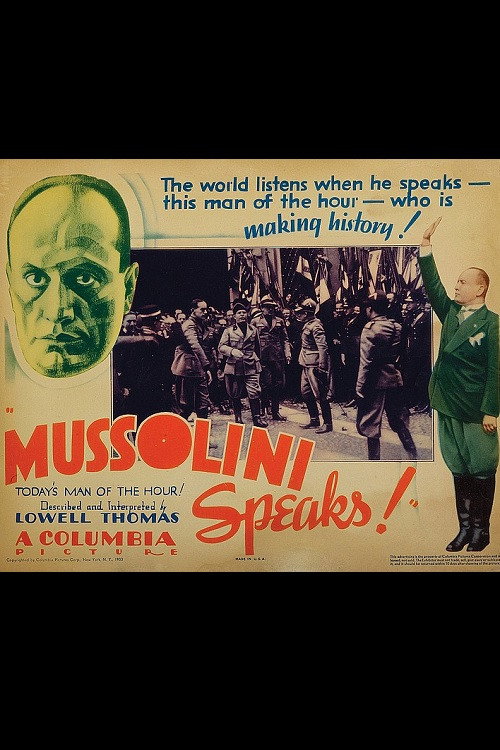
Mussolini Speaks(1933)
Producer
Film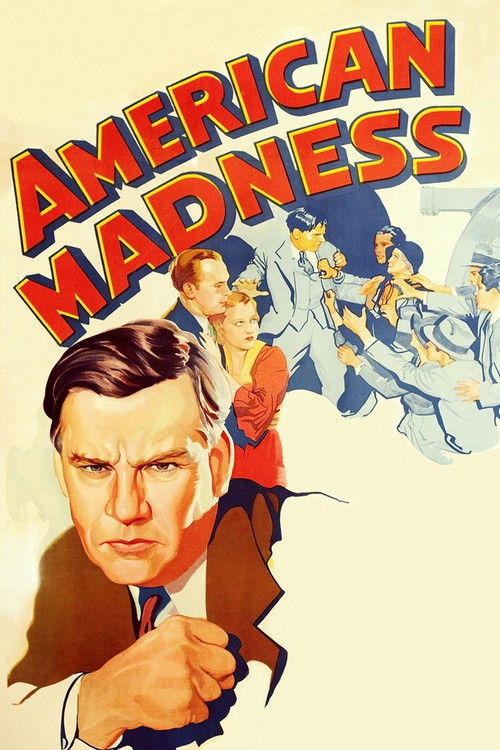
American Madness(1932)
Producer
Film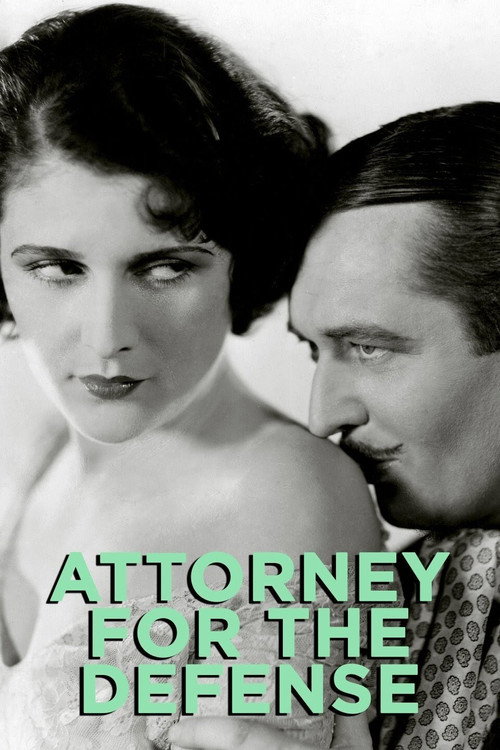
Attorney for the Defense(1932)
Producer
Film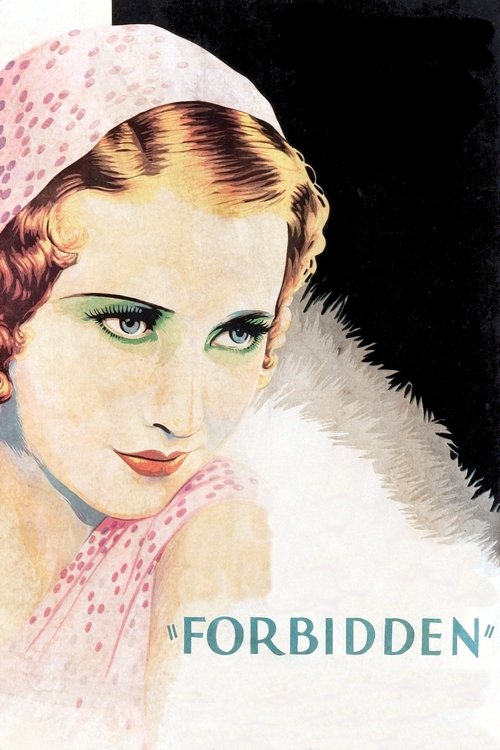
Forbidden(1932)
Producer
Film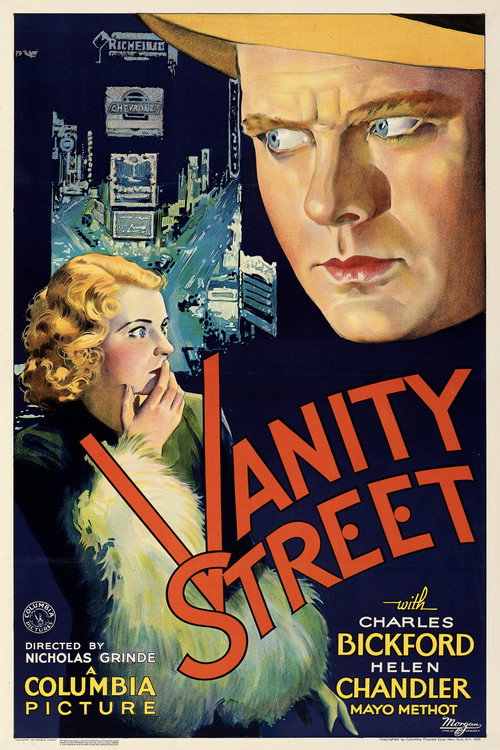
Vanity Street(1932)
Producer
Film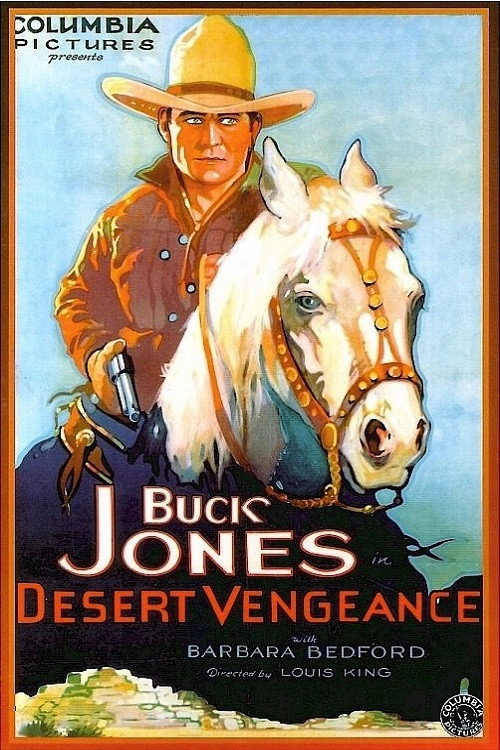
Desert Vengeance(1931)
Producer
Film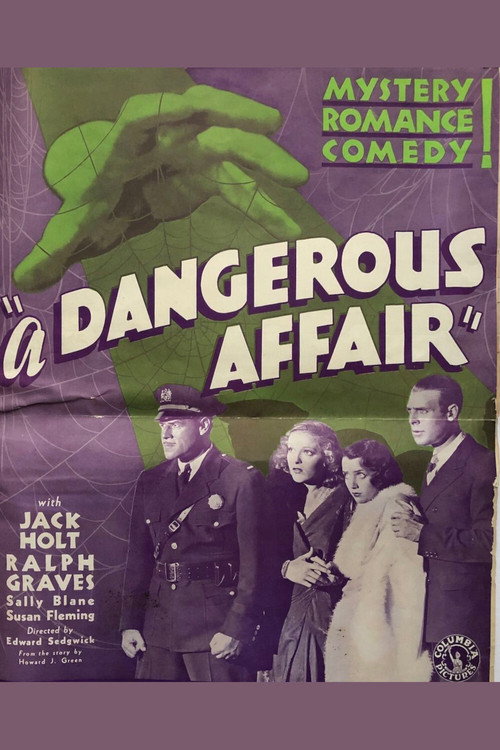
A Dangerous Affair(1931)
Producer
Film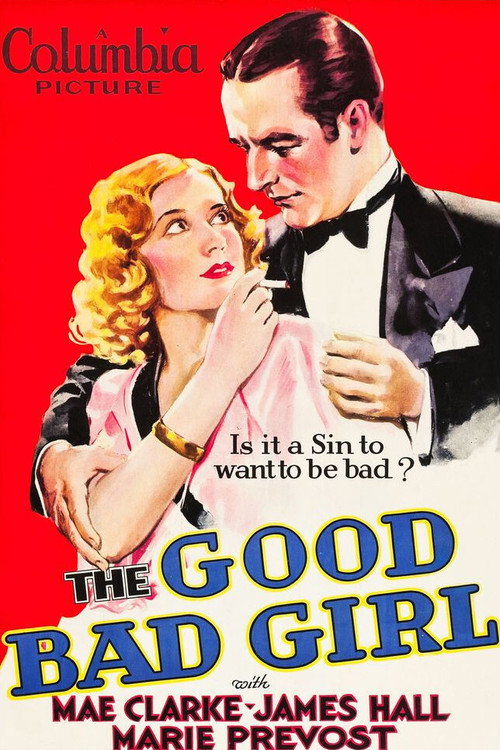
The Good Bad Girl(1931)
Producer
Film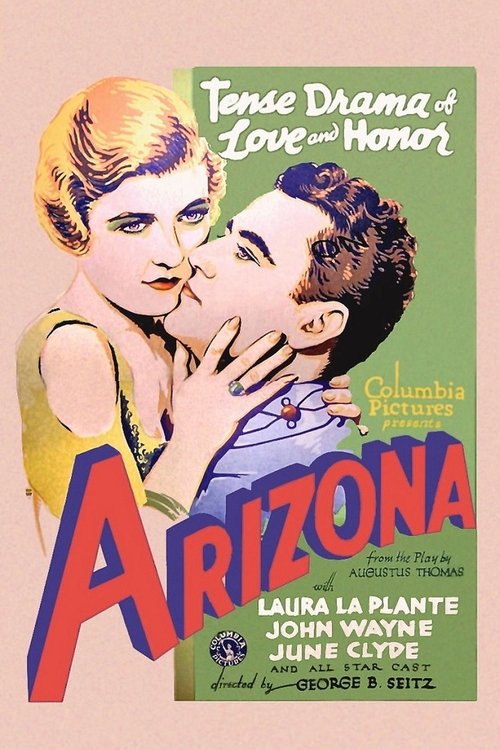
Arizona(1931)
Producer
Film
The Guilty Generation(1931)
Producer
Film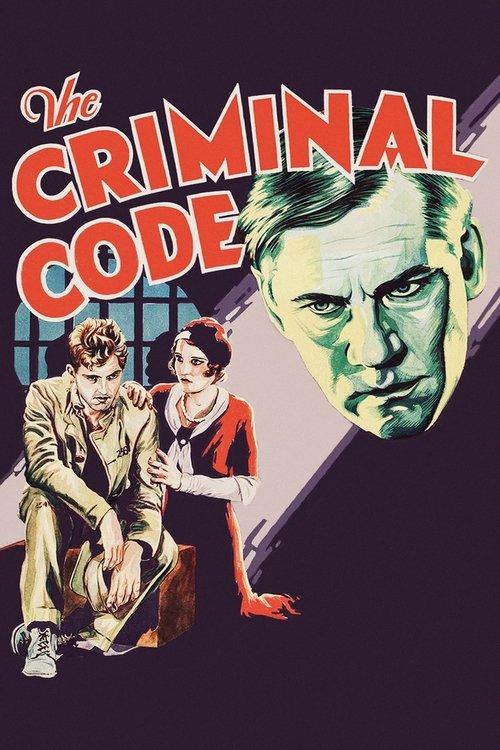
The Criminal Code(1931)
Producer
Film
The Miracle Woman(1931)
Producer
Film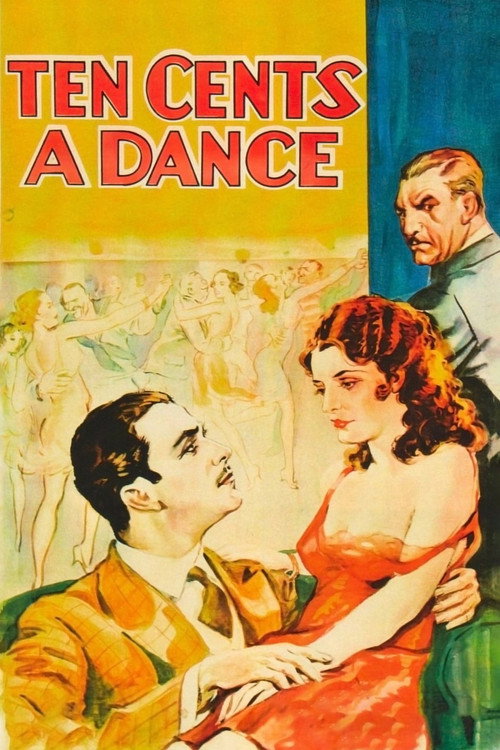
Ten Cents a Dance(1931)
Producer
Film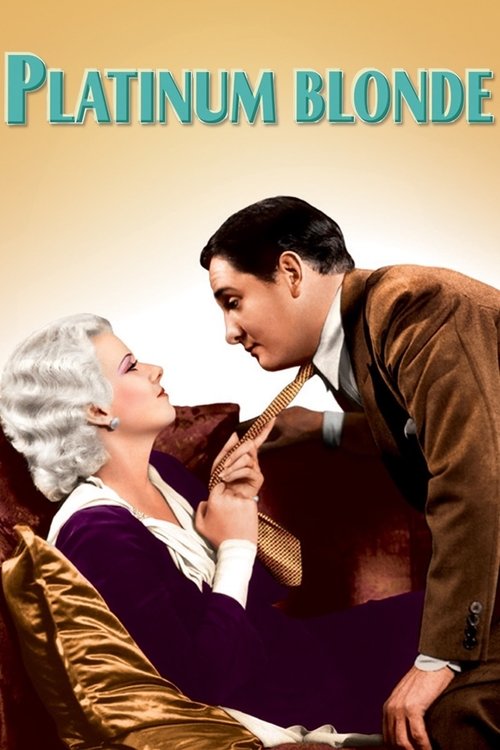
Platinum Blonde(1931)
Producer
Film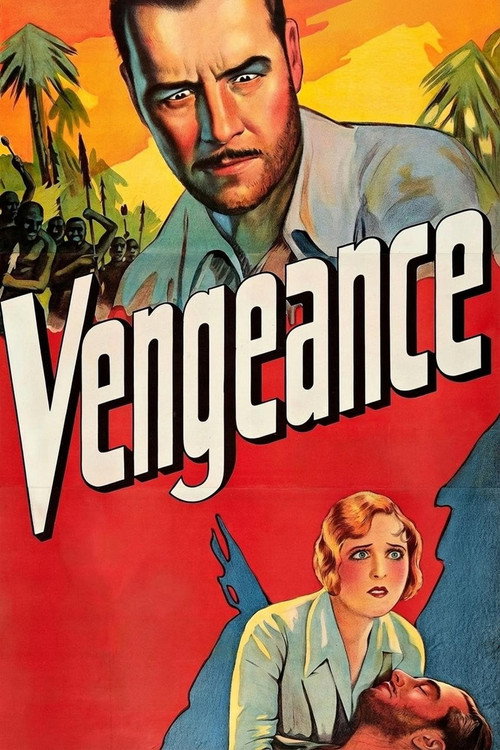
Vengeance(1930)
Producer
Film
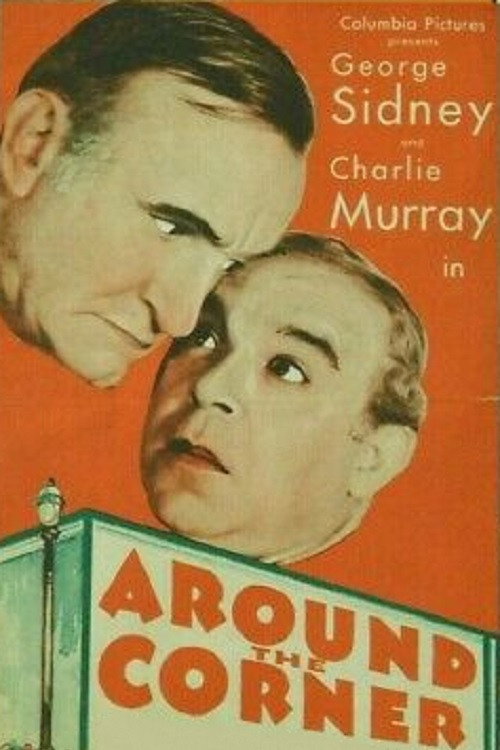
Around the Corner(1930)
Producer
Film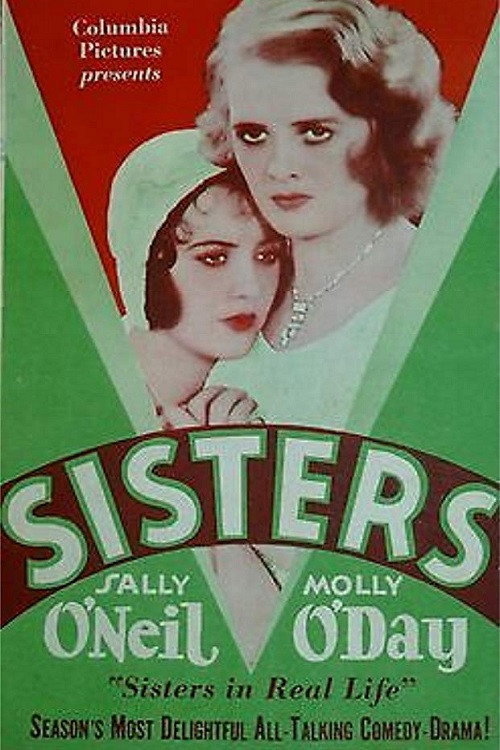
Sisters(1930)
Producer
Film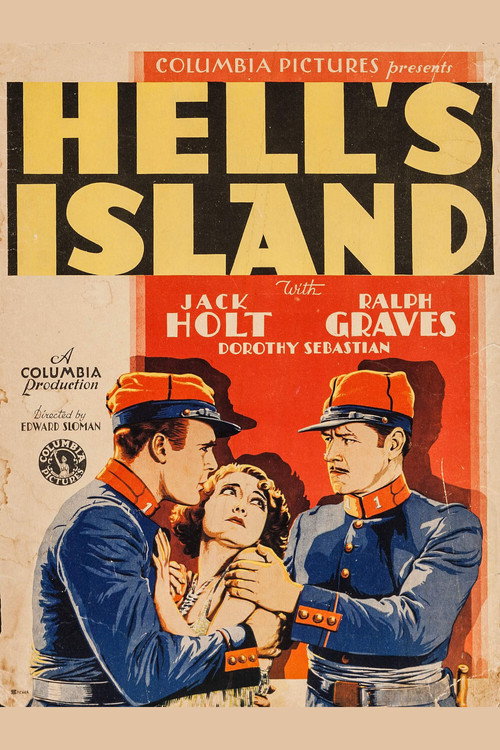
Hell's Island(1930)
Producer
Film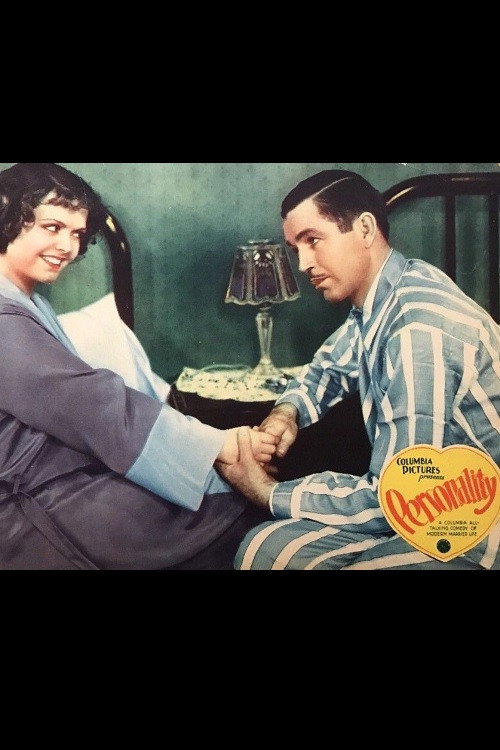
Personality(1930)
Producer
Film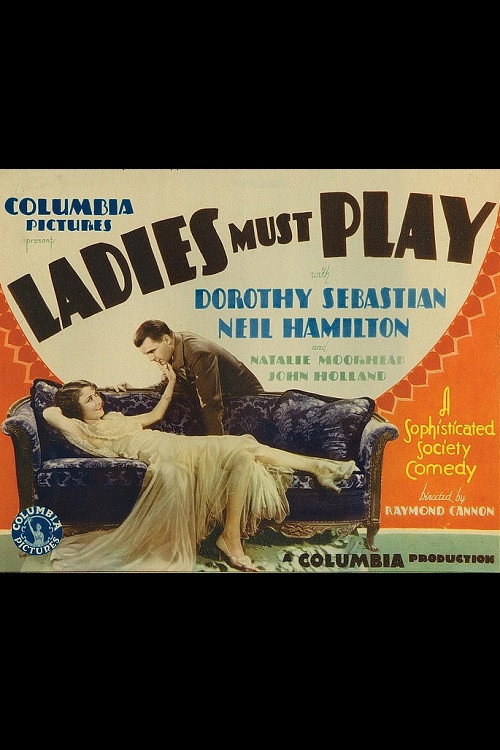
Ladies Must Play(1930)
Producer
Film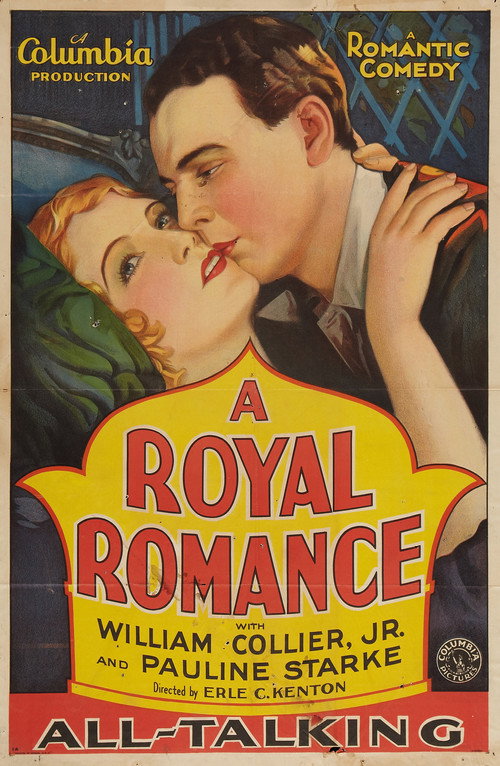
A Royal Romance(1930)
Producer
Film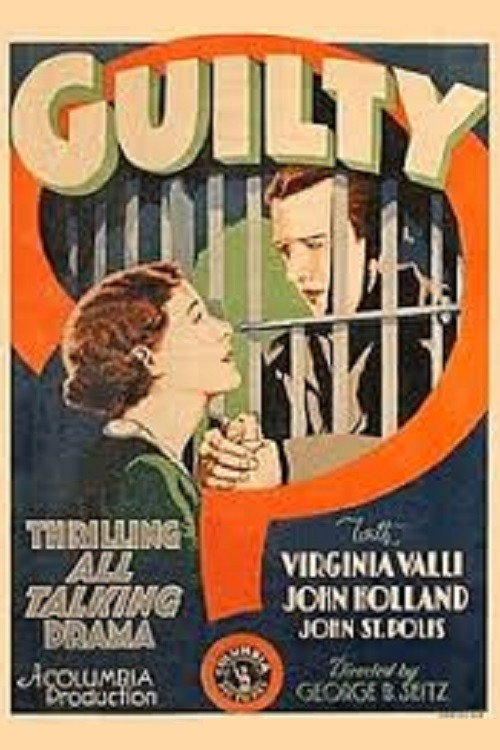
Guilty?(1930)
Producer
Film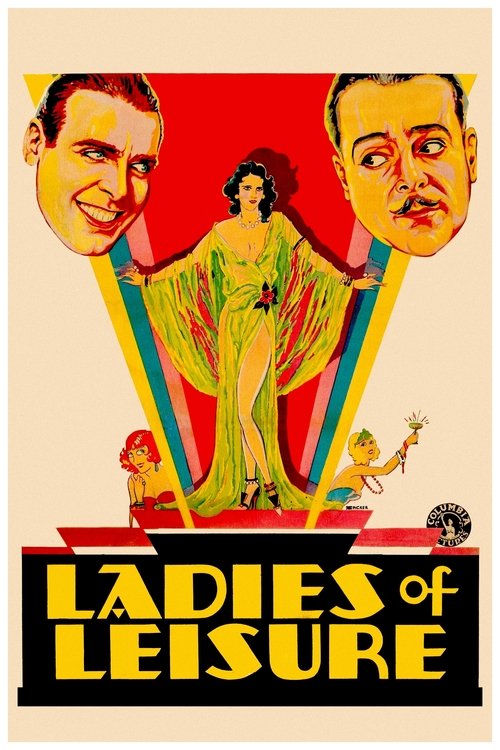
Ladies of Leisure(1930)
Producer
Film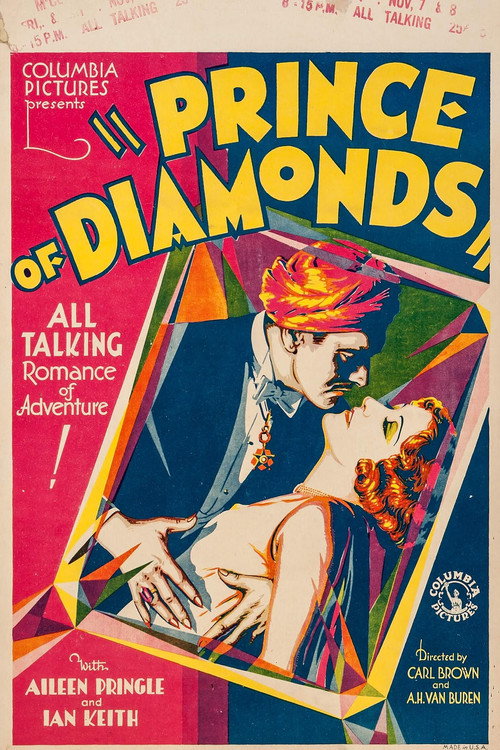
Prince of Diamonds(1930)
Producer
Film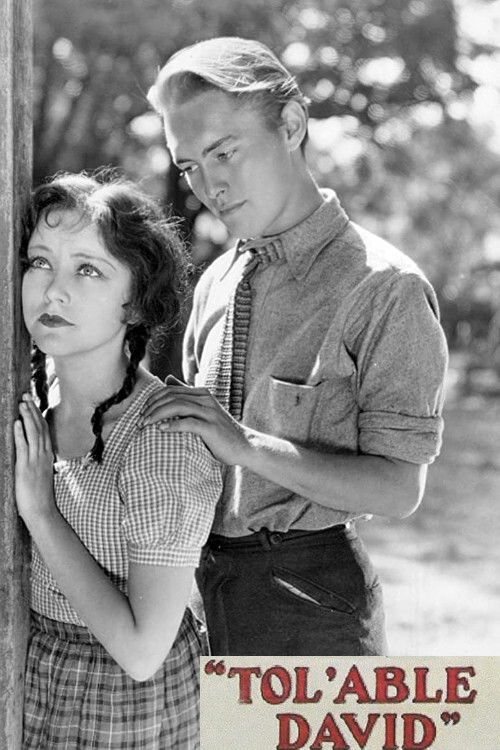
Tol'able David(1930)
Producer
Film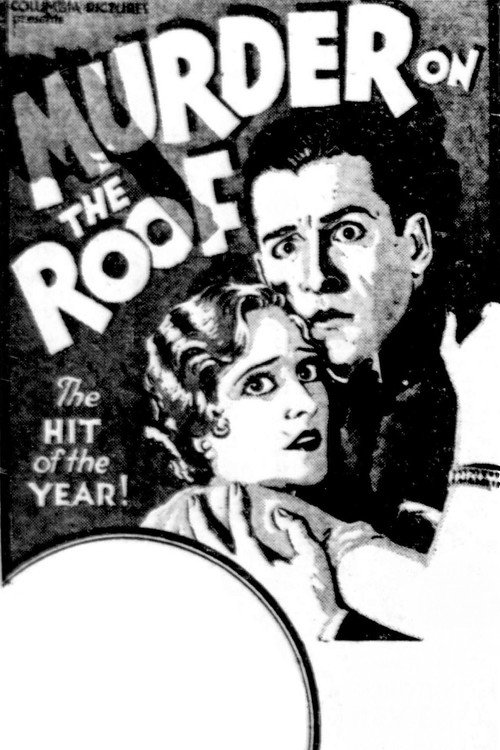
Murder on the Roof(1930)
Producer
Film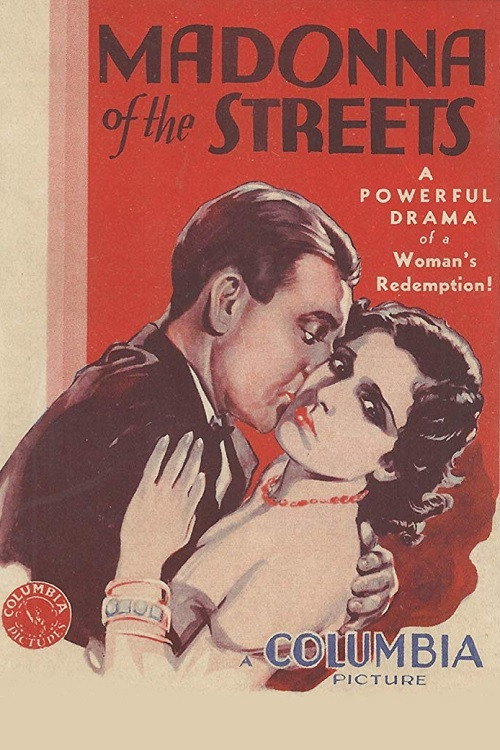
Madonna of the Streets(1930)
Producer
Film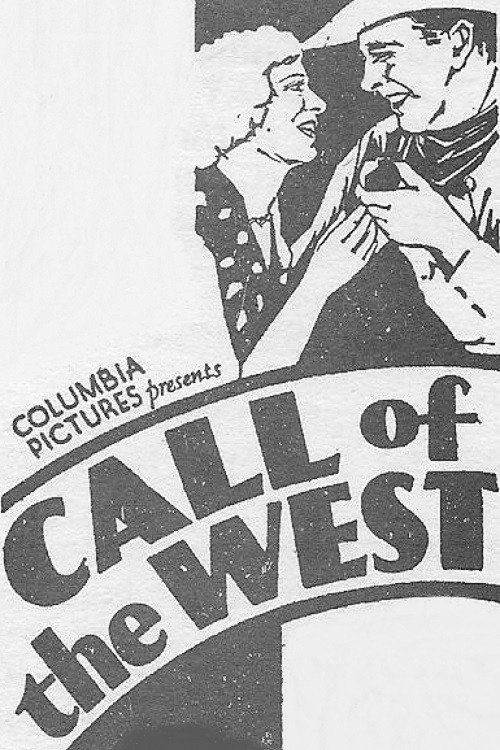
Call of the West(1930)
Producer
Film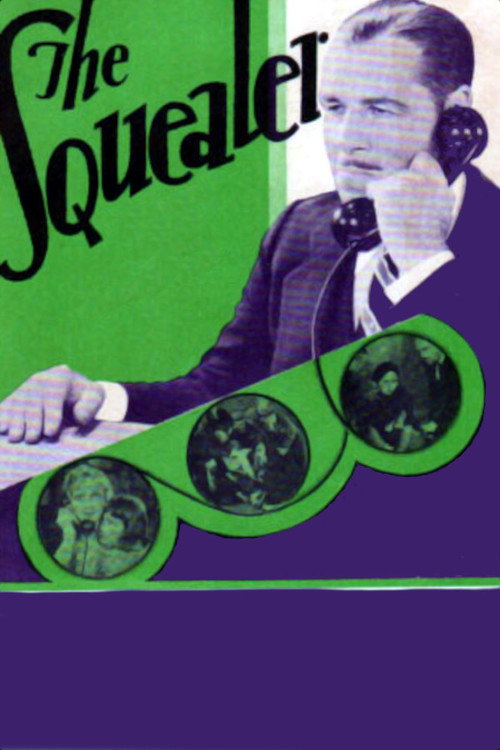
The Squealer(1930)
Producer
Film
Soldiers and Women(1930)
Producer
Film
Editor
29 credits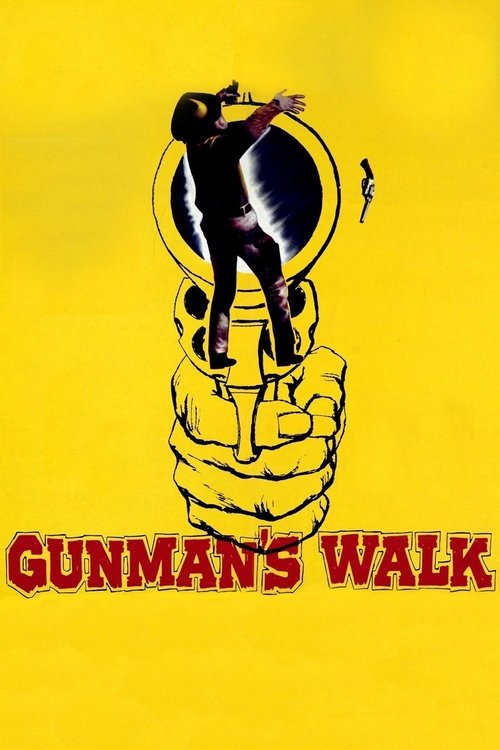
Gunman's Walk(1958)
Credits
Film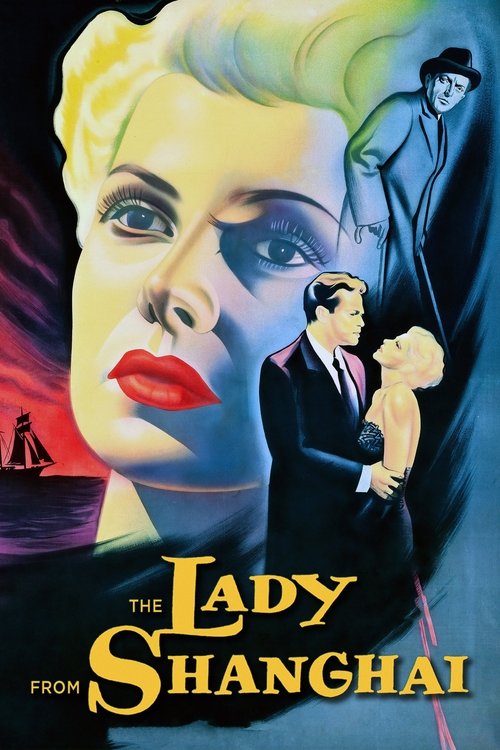
The Lady from Shanghai(1947)
Credits
Film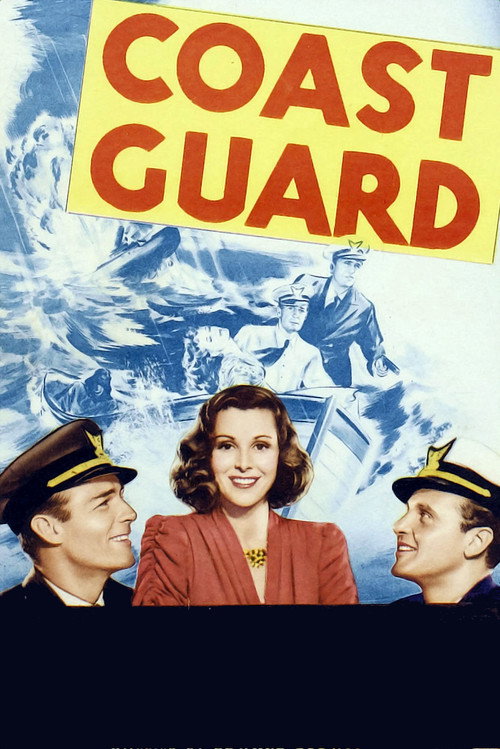
Coast Guard(1939)
Credits
Film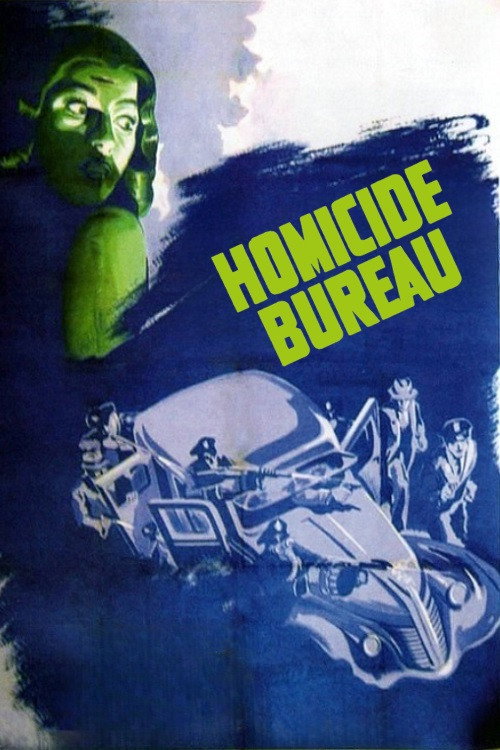
Homicide Bureau(1939)
Credits
Film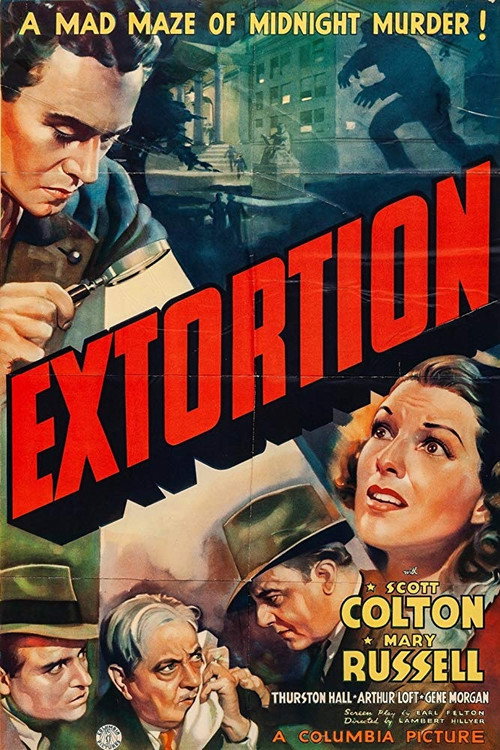
Extortion(1938)
Credits
Film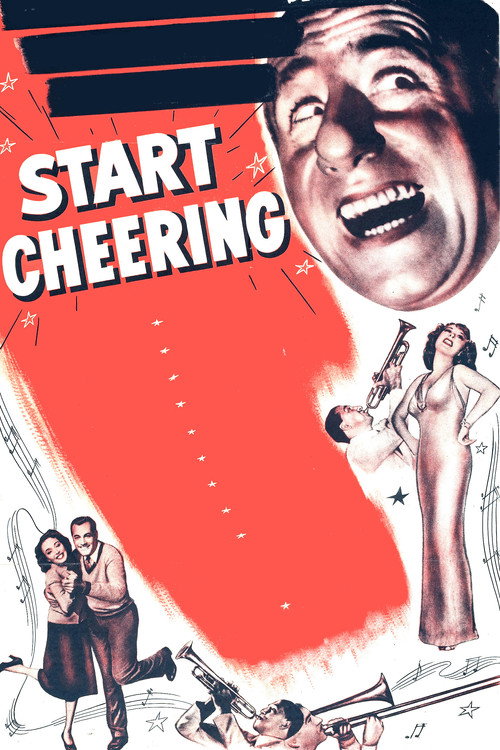
Start Cheering(1938)
Credits
Film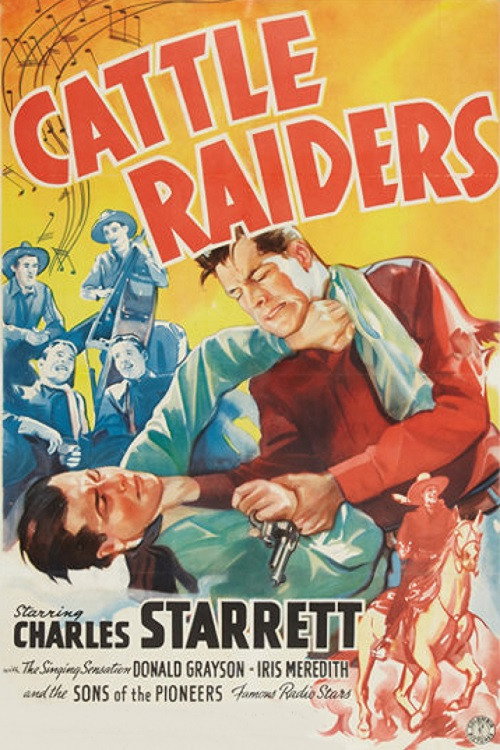
Cattle Raiders(1938)
Credits
Film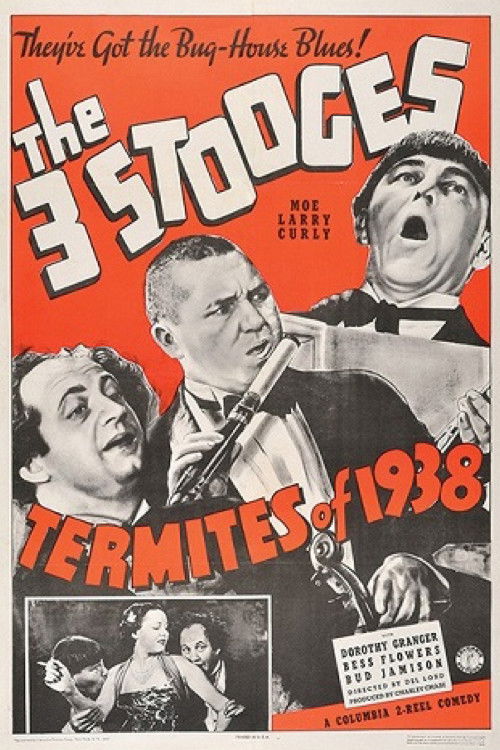
Termites of 1938(1938)
Credits
Film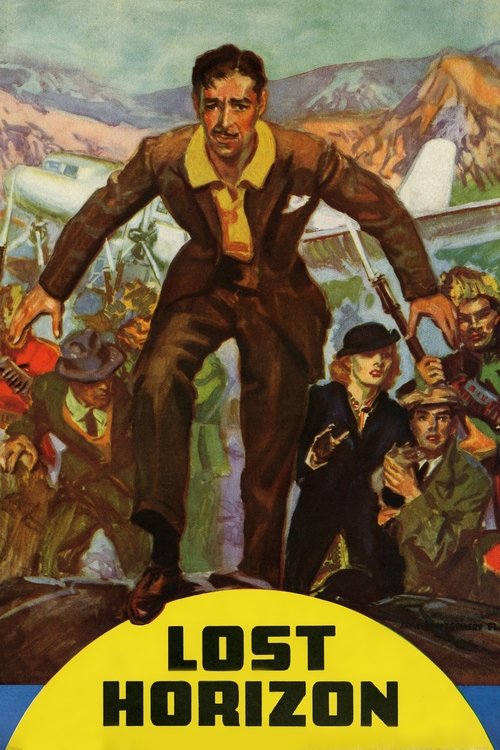
Lost Horizon(1937)
Credits
Film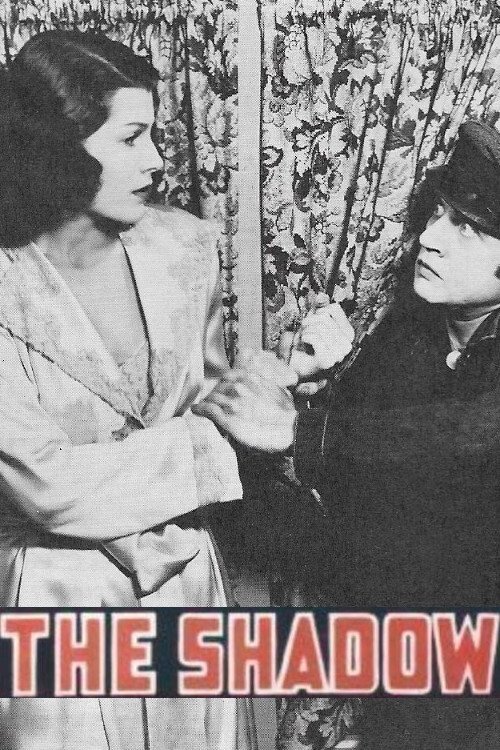
The Shadow(1937)
Credits
Film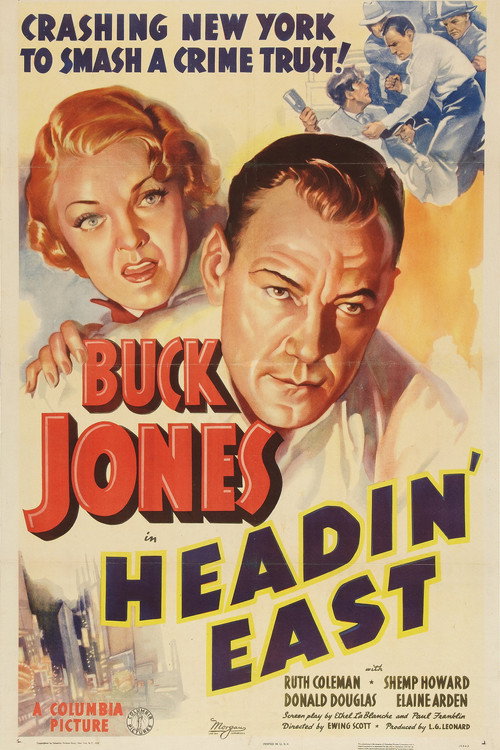
Headin' East(1937)
Credits
Film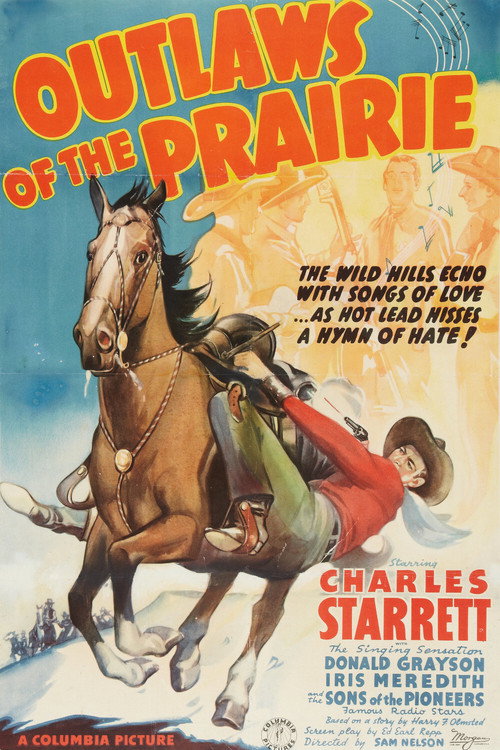
Outlaws of the Prairie(1937)
Credits
Film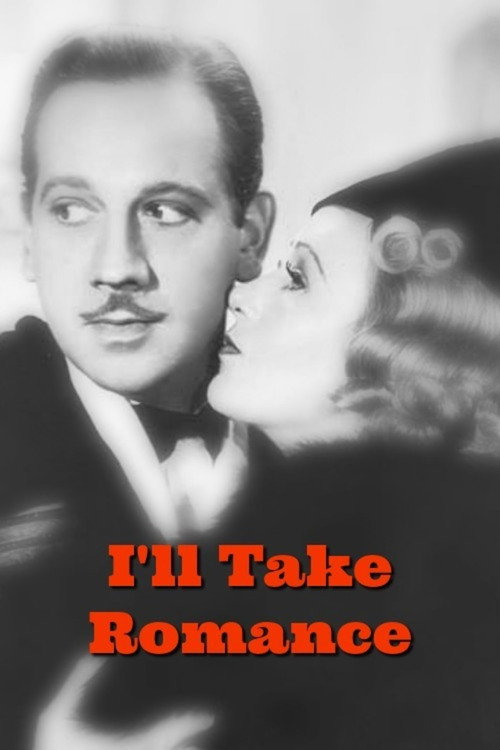
I'll Take Romance(1937)
Credits
Film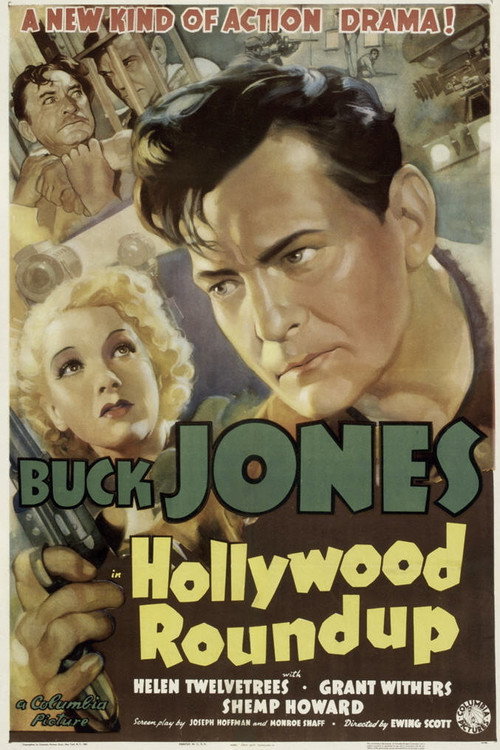
Hollywood Round-Up(1937)
Credits
Film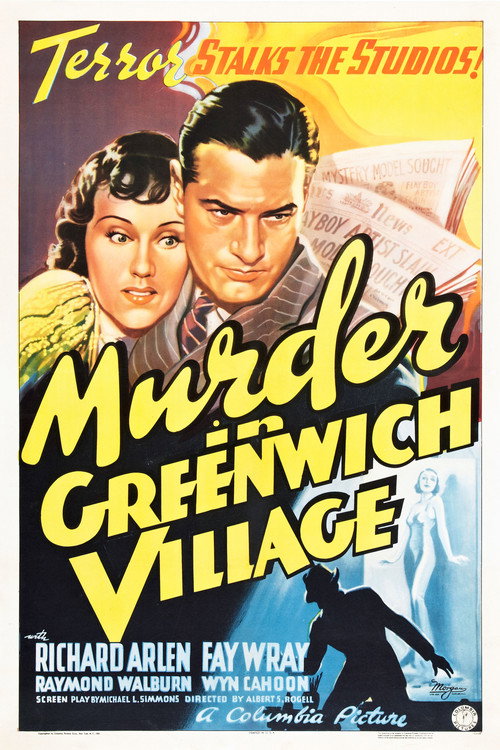
Murder in Greenwich Village(1937)
Credits
Film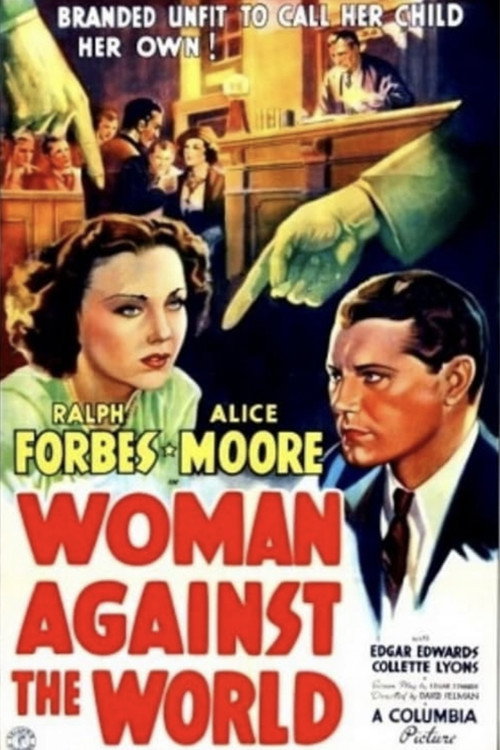
Woman Against the World(1937)
Credits
Film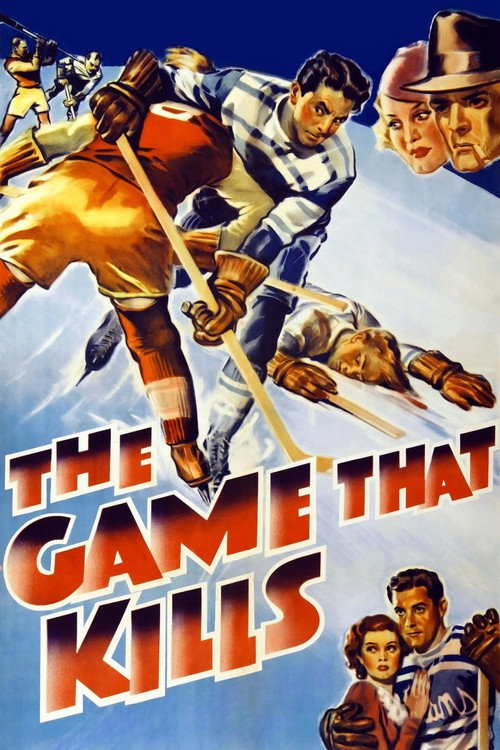
The Game That Kills(1937)
Credits
Film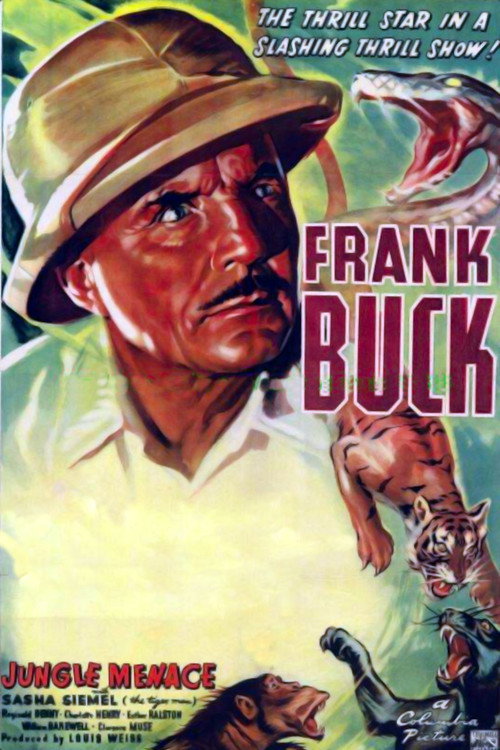
Jungle Menace(1937)
Credits
Film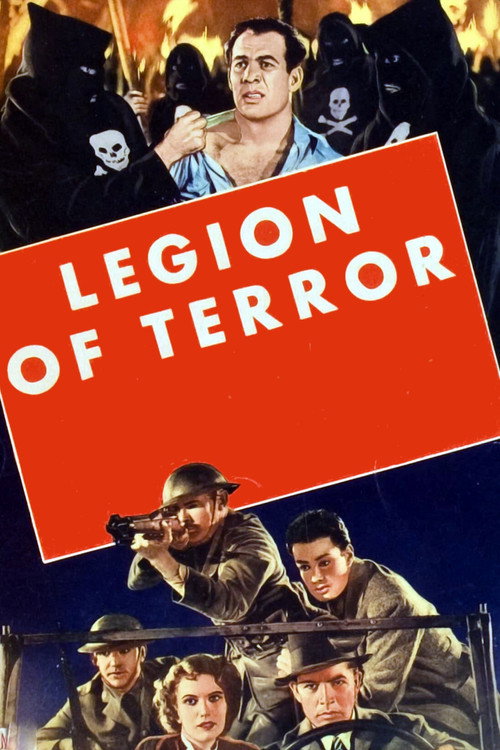
Legion of Terror(1936)
Credits
Film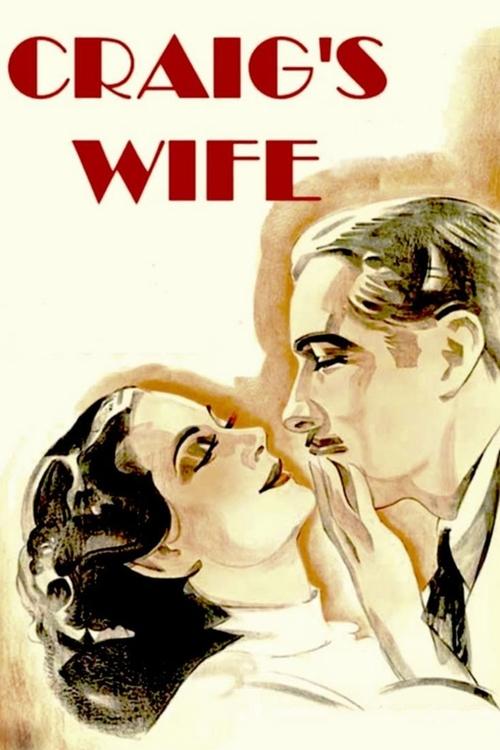
Craig's Wife(1936)
Credits
Film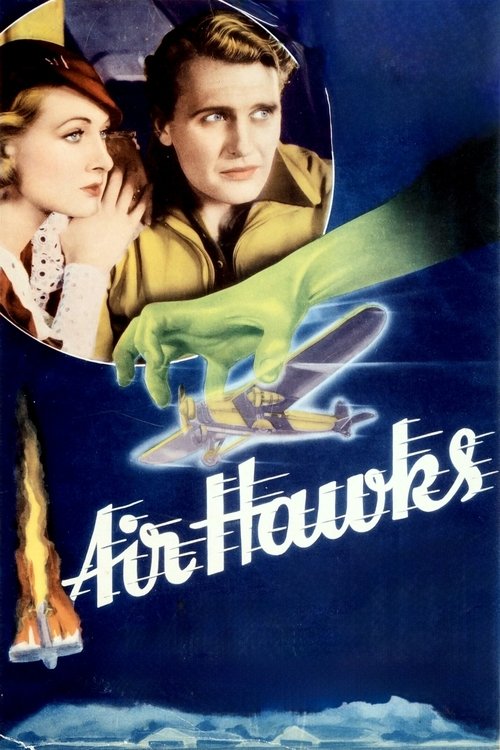
Air Hawks(1935)
Credits
Film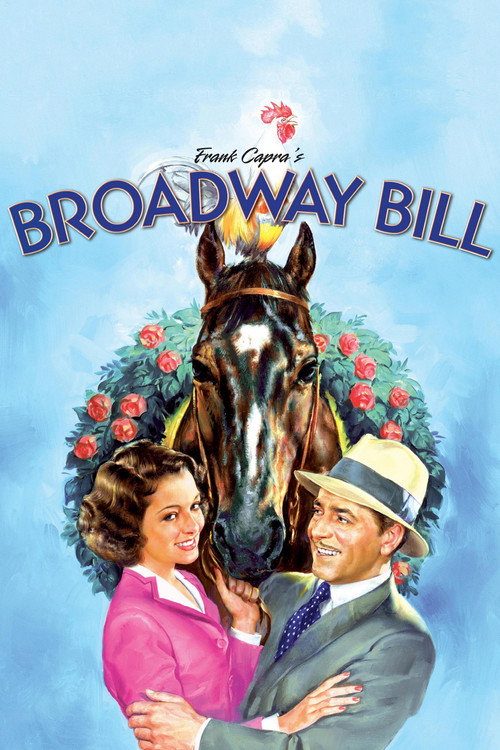
Broadway Bill(1934)
Credits
Film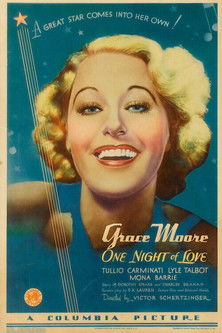
One Night of Love(1934)
Credits
Film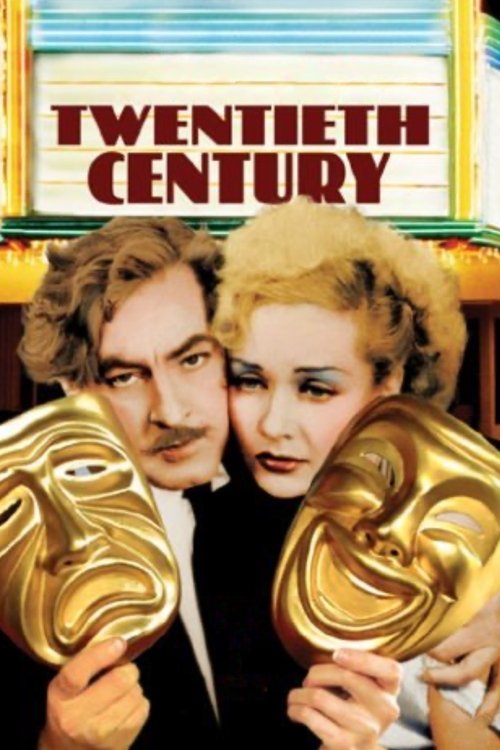
Twentieth Century(1934)
Credits
Film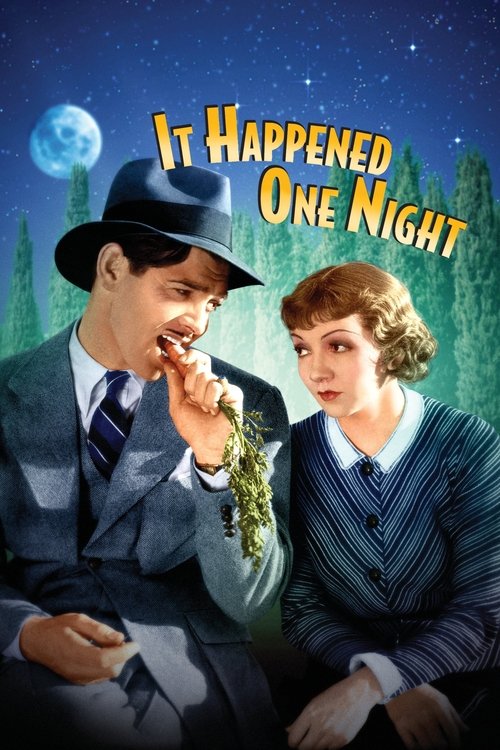
It Happened One Night(1934)
Credits
Film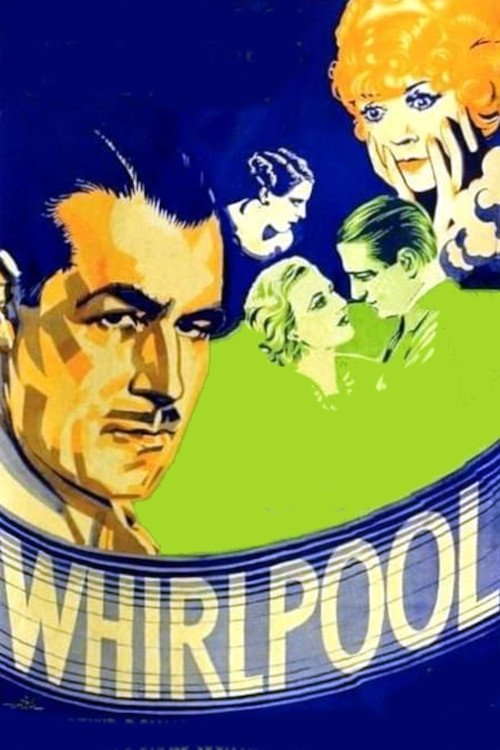
Whirlpool(1934)
Credits
Film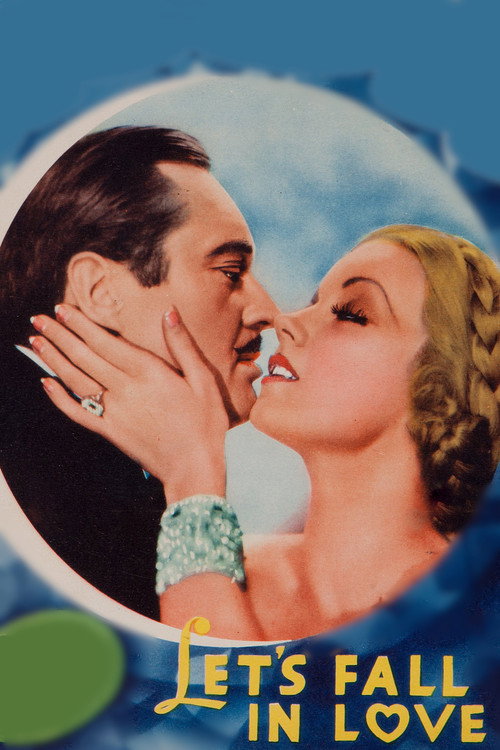
Let's Fall in Love(1933)
Credits
Film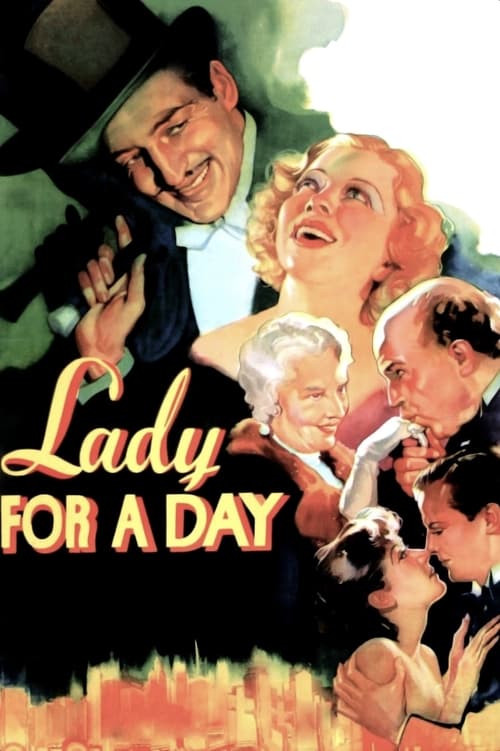
Lady for a Day(1933)
Credits
Film
Speed Mad(1925)
Credits
Film
Other crew
8 creditsMarilyn and the Mob(2025)
Crew
TV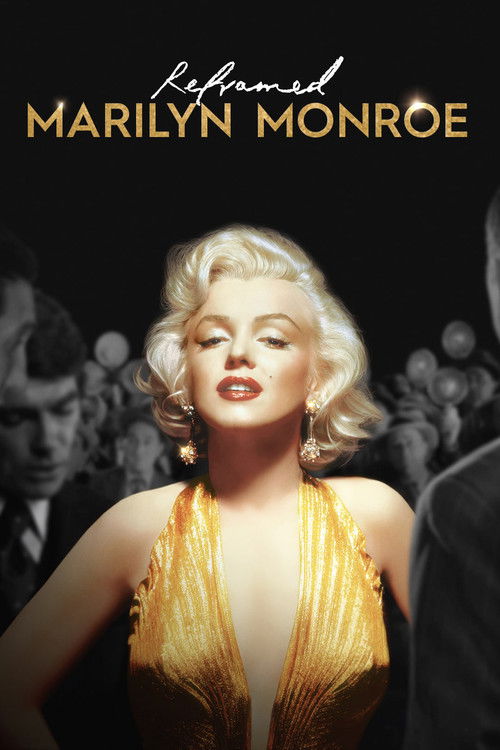
Reframed: Marilyn Monroe(2022)
Crew
TVDream Girl: The Making of Marilyn Monroe(2022)
Crew
TV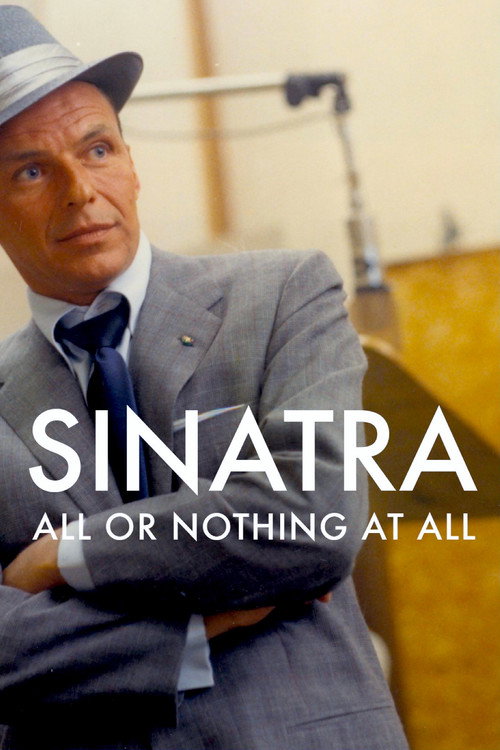
Sinatra: All or Nothing at All(2015)
Crew
TV
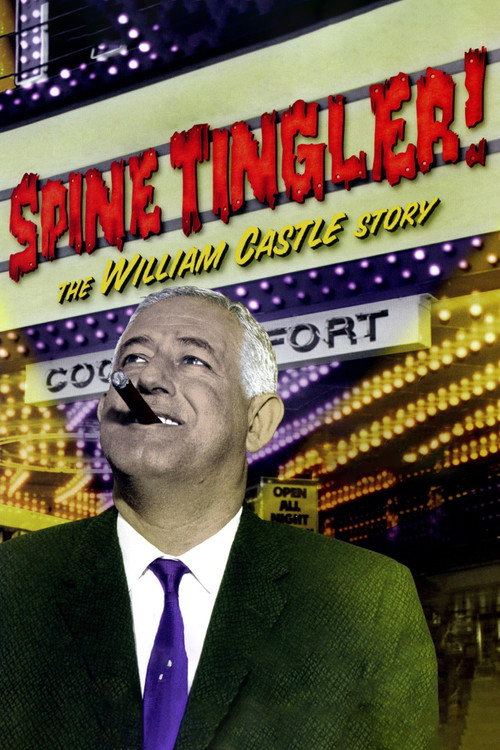
Spine Tingler! The William Castle Story(2007)
Crew
Film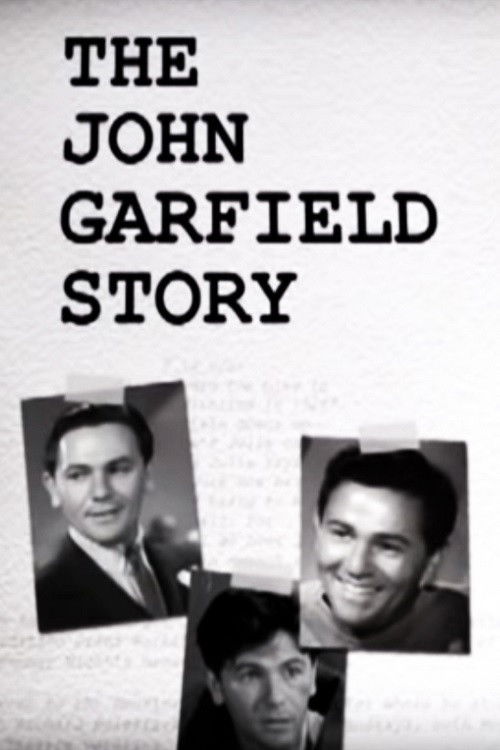
The John Garfield Story(2003)
Crew
Film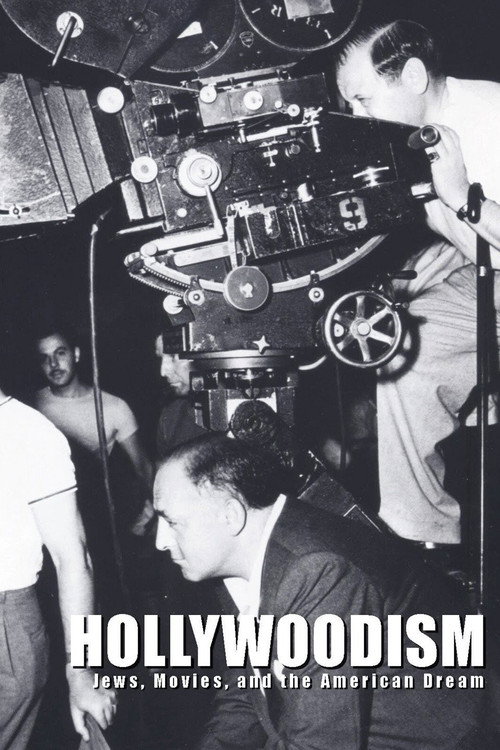
Hollywoodism: Jews, Movies and the American Dream(1998)
Crew
Film
Biography(1987)
Crew
TV
Memorable quotes
Browse all →No quotes logged for Harry Cohn yet — add the first memorable line below.
Got a quote we’re missing?
Submit a line from any film, show, or game.
Additional credits1Show
Non-headline appearances — talk-show, awards-show, panel, and archive-footage credits, kept separate from the main filmography.
- Kim Novak: The Golden Age RebelSelf · 2023
Edit history
Loading edit history…
Comments (0)
on Harry CohnNo comments yet. Be the first to share what you think.