
Person · Producer
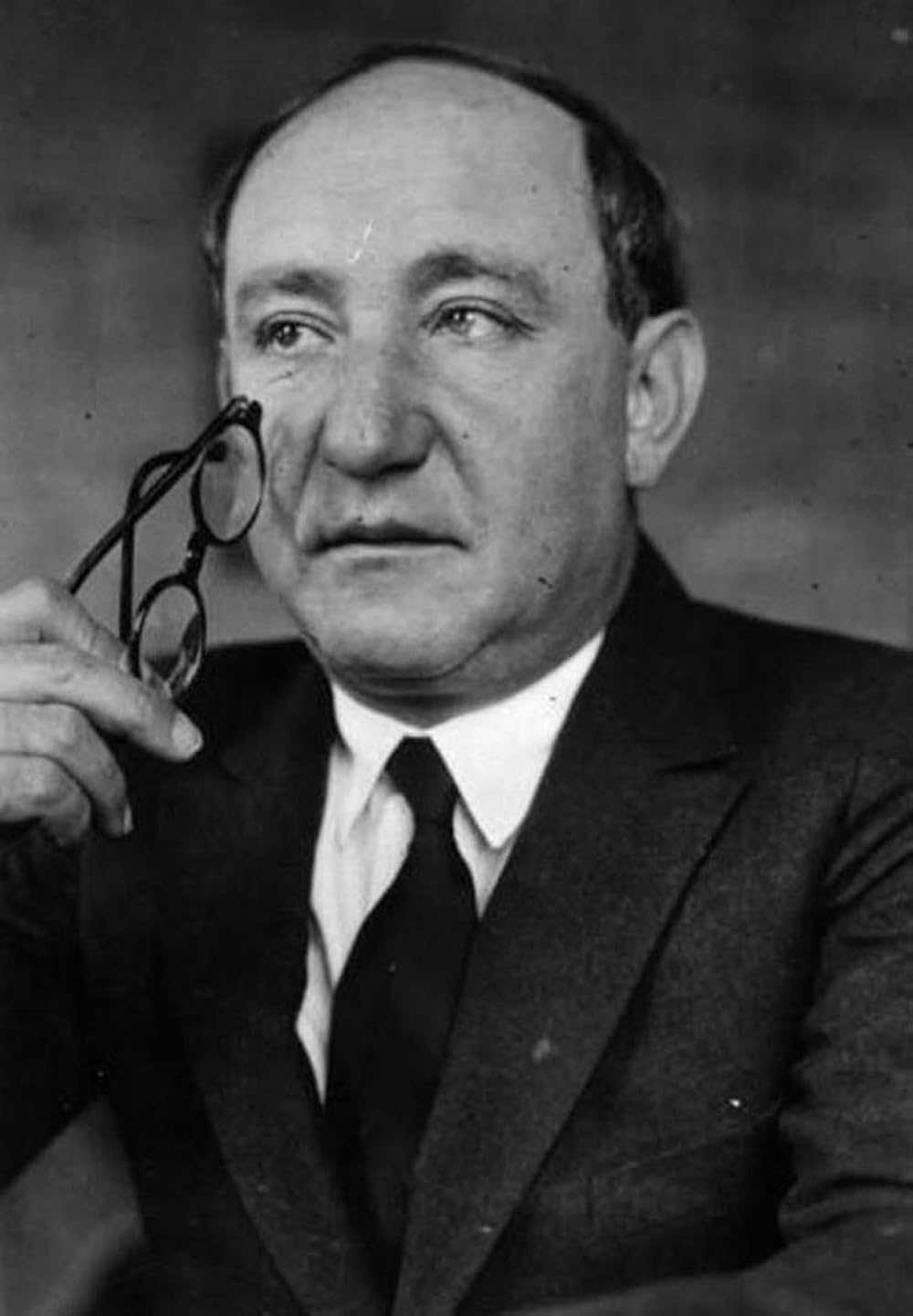
Joseph M. Schenck
- Also:
- Actor
In short · Produced for 12 decades — 74 credits, 2 Academy Honorary Award wins.
Remembered for
Ranked by community engagement + sustained interest across this person's credits in our database.
Recent & in release
- Award win
Academy Honorary Award — Academy Honorary Award
- Award win
Academy Awards — Oscar — Honorary Award
Help complete this page
We’re missing one-line descriptor, birth date. Sign in to add what you know.
Biography
Joseph M. Schenck was well-liked by many, and those who knew him and his brother Nicholas Schenck often remarked on their contrasting personalities. He arrived in New York in 1893 and, together with his younger brother, established a drugstore business. They later invested some profits into amusement parks, which proved more lucrative. Marcus Loew acquired one of their parks in 1907 and, in 1912, made the Schencks partners in Consolidated Enterprises, Loew's theater and movie house chain. The brothers differed greatly in temperament; Joe was affable and adept at maintaining business relationships by finding common ground between often-conflicting associates. In contrast, Nick was a cold, driven, and hard-nosed businessman who enjoyed keeping people under tight control. As a result, people were drawn to Joe and feared Nick. Joe was responsible for booking films, which allowed him to meet movie stars, including Norma Talmadge, whom he married in 1916. He was fascinated by Hollywood and wanted to be involved in film production, while Nick quietly managed Loew's expanding theatrical empire. Joe was more enamored with the Hollywood lifestyle and wished to take a more active role in production than in high finance. He found an opportunity in 1917 to produce films by Roscoe "Fatty" Arbuckle, Buster Keaton, and later D.W. Griffith. From this point, the brothers' lives diverged; Joe left Consolidated while Nick stayed and soon became Marcus Loew's second-in-command, helping him pursue the merger of Metro Pictures and Goldwyn Pictures to supply the theater chain with a steady stream of quality films. This merger would later evolve into Metro-Goldwyn-Mayer (MGM) after the addition of Louis B. Mayer and Irving Thalberg in 1924. Nick eventually became president of Loew's Incorporated, MGM's parent company, after Marcus Loew's sudden death in late 1926, quietly becoming one of the most powerful figures in the motion picture industry. Joe became chairman of United Artists in 1924 and its president in 1927. In 1933, he helped Darryl F. Zanuck establish 20th Century Pictures, which merged with the struggling Fox Film Corp. in 1935, with Schenck serving as chairman of the newly named 20th Century-Fox. Organized crime had long sought influence in Hollywood but was kept at bay by the Los Angeles Police Department's "hat squad," which effectively prevented Mafia infiltration. The studios' vulnerability came through the unions, whose memberships spanned multiple states. In 1936, Willie Morris Bioff, a Chicago mobster from the remnants of the Al Capone gang who controlled the International Alliance of Theatrical Stage Employees & Moving Picture Machine Operators, offered the studios $2 million to avoid strikes, work slowdowns, and theater fires. All studios agreed to pay, but Schenck used a personal check for one of the payments, which caught the attention of U.S. Internal Revenue Service agents. The resulting paper trail led to Schenck's indictment for income tax evasion. After some pressure and introspection, he testified against Bioff and the union's president, George E. Browne, in 1941 as part of a plea bargain. In 1946, he began a one-year prison sentence for tax irregularities and bribery of union officials but was pardoned by President Harry Truman after serving just four months. Upon his release, he immediately returned to Fox as head of production. Marilyn Monroe became close to him in 1947 and referred to him as one of her "girlfriends," though she described the relationship as platonic. Regardless, he supported her career, securing her a small role in Fox's *Scudda Hoo! Scudda Hay!* (1948) and persuading Harry Cohn at Columbia to offer her a contract after Fox released her. In 1952, the Academy of Motion Picture Arts and Sciences awarded Schenck a special Oscar for his contributions to the film industry. In 1953, he co-founded Magna Corp. with Mike Todd to market the Todd-AO wide-screen system, which proved highly profitable and remains influential in the movie industry. Shortly after retiring in 1957, Schenck suffered a stroke and never fully recovered.
Family & relationships
- Spouse
- Other
- Nicholas M. Schenck
Filmography · 74 of 74
A platform appears here when one of these titles streams on it. Click to filter — pick several to combine.
Actor
1 credit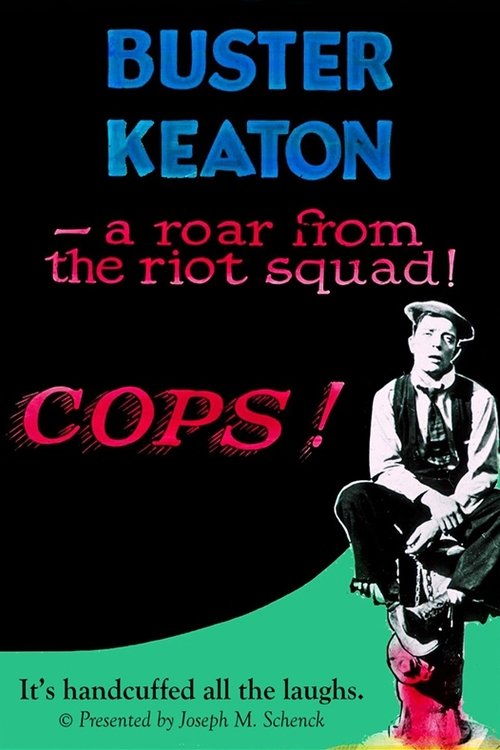
Producer
39 credits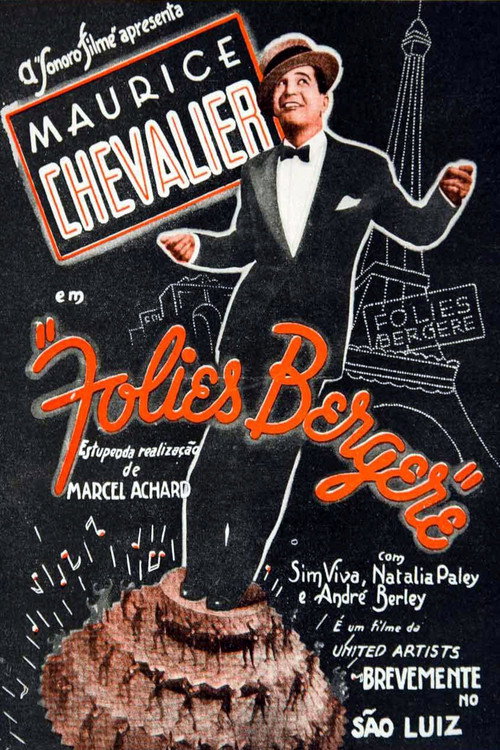
L'homme des Folies Bergère(1935)
Producer
Film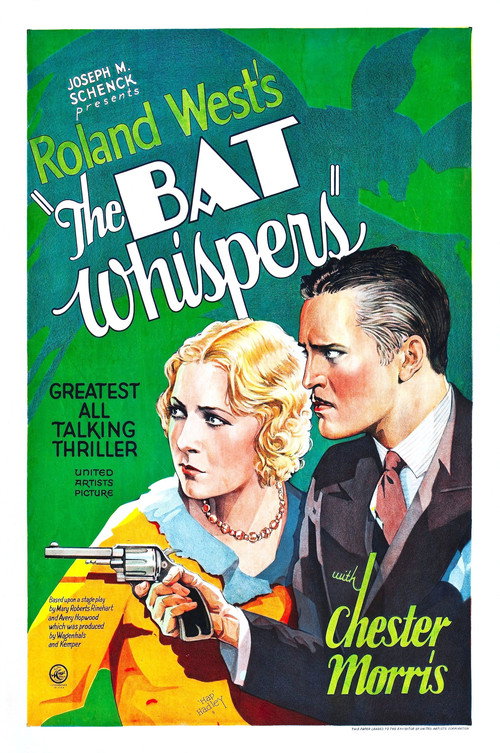
The Bat Whispers(1930)
Producer
Film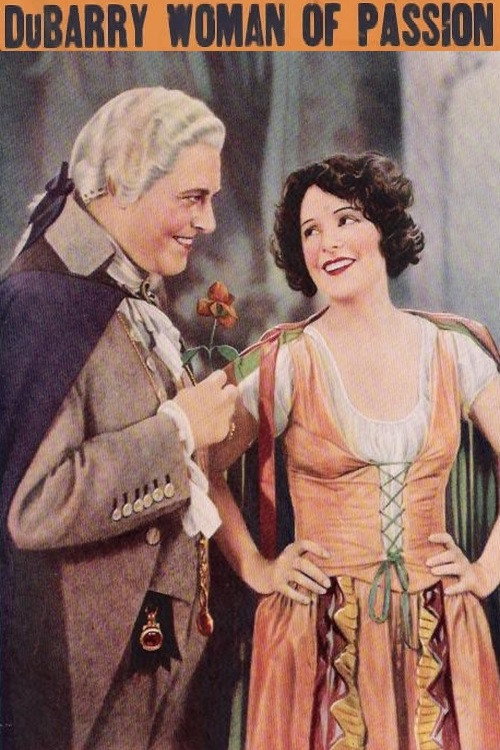
Du Barry, Woman of Passion(1930)
Producer
Film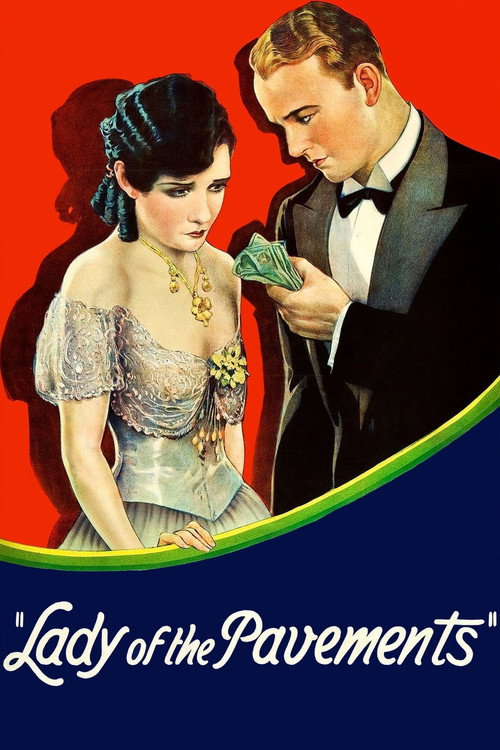
Lady of the Pavements(1929)
Producer
Film
Eternal Love(1929)
Producer
Film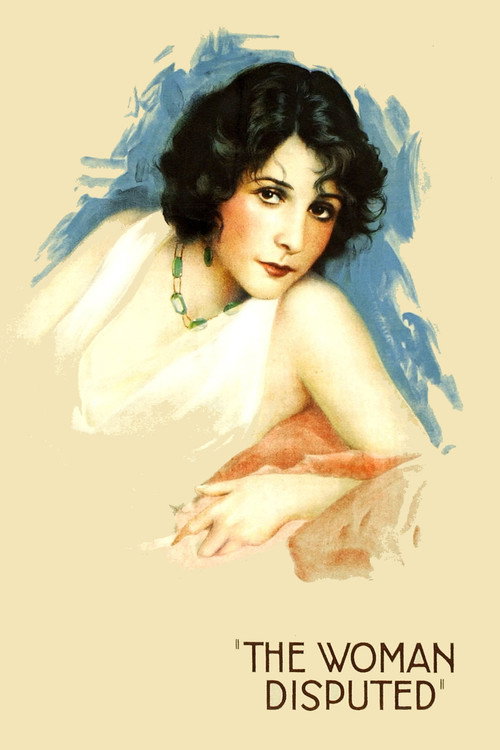
The Woman Disputed(1928)
Producer
Film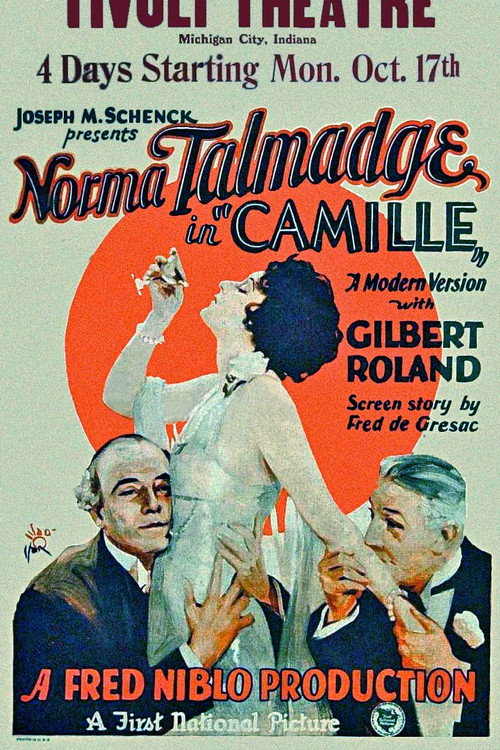
Camille(1926)
Producer
Film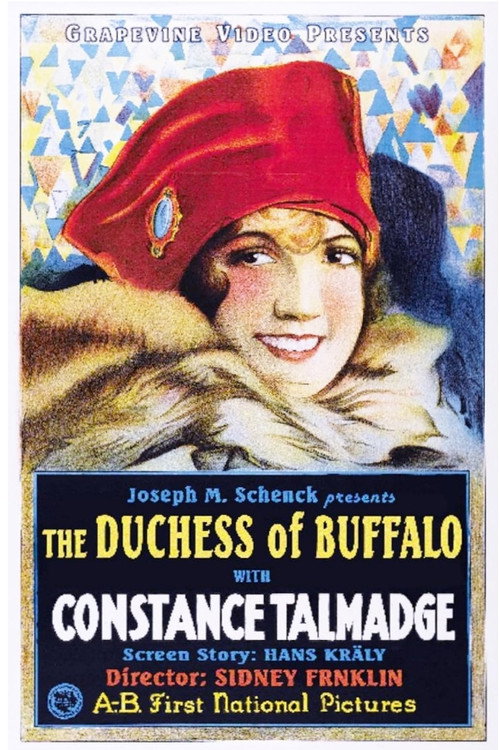
The Duchess of Buffalo(1926)
Producer
Film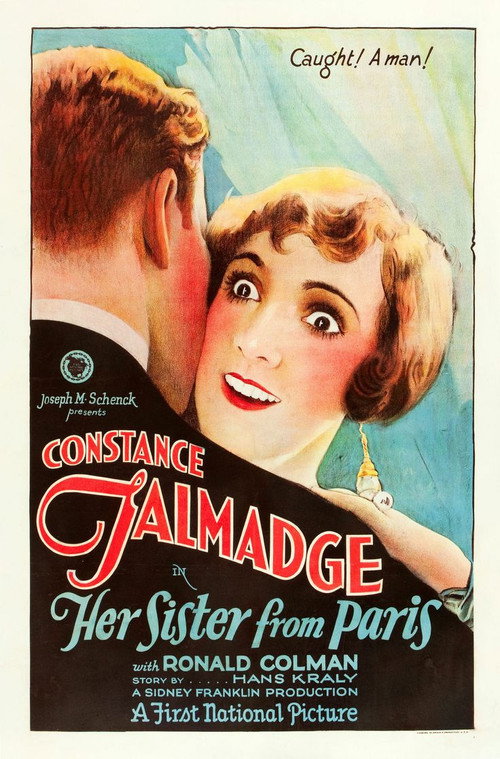
Her Sister from Paris(1925)
Producer
Film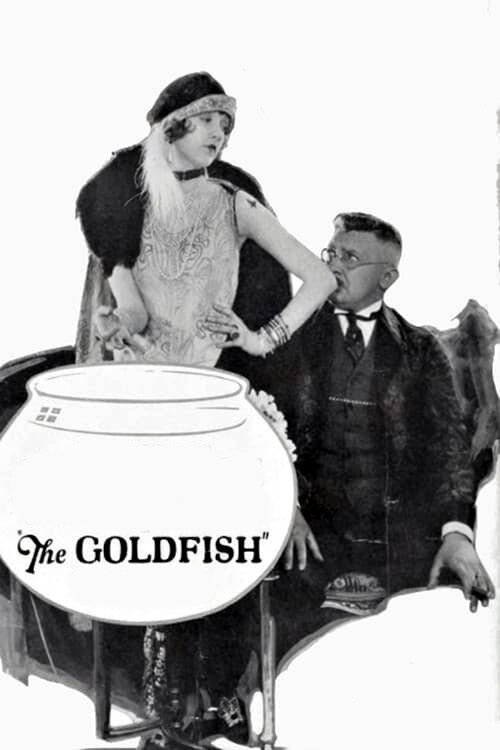
The Goldfish(1924)
Producer
Film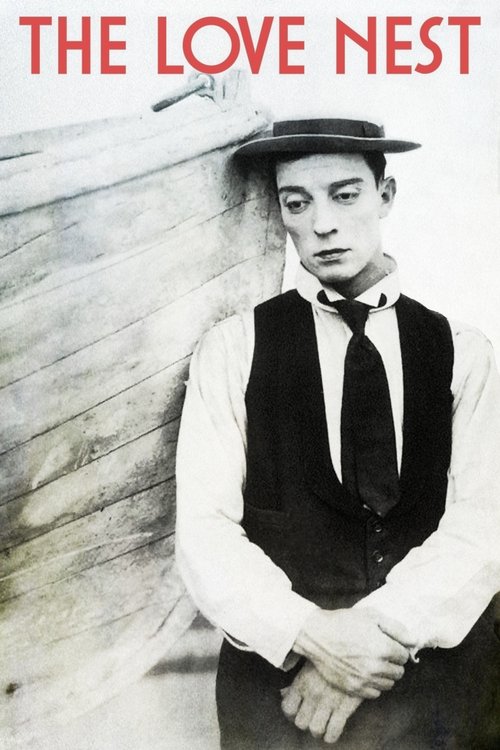
The Love Nest(1923)
Producer
Film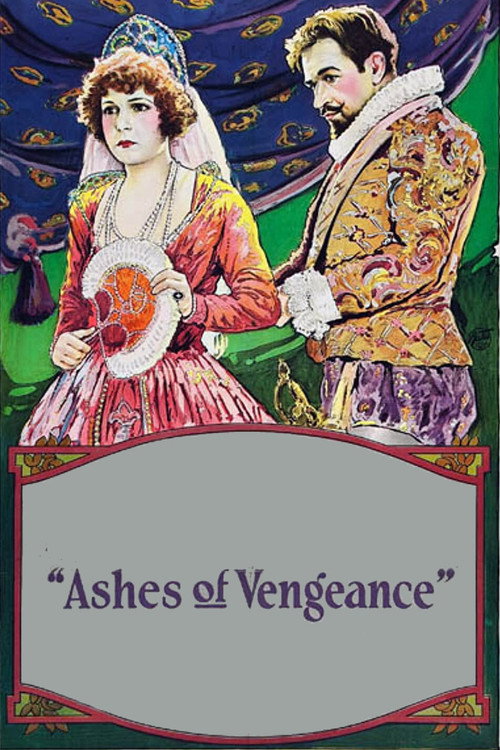
Ashes of Vengeance(1923)
Producer
Film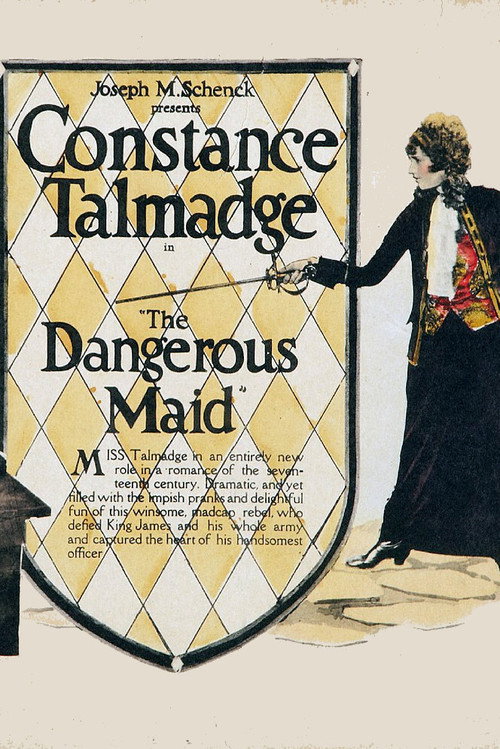
The Dangerous Maid(1923)
Producer
Film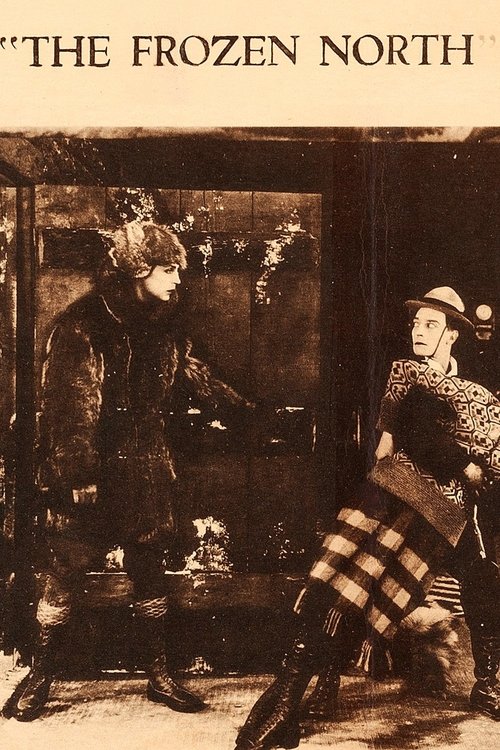
The Frozen North(1922)
Producer
Film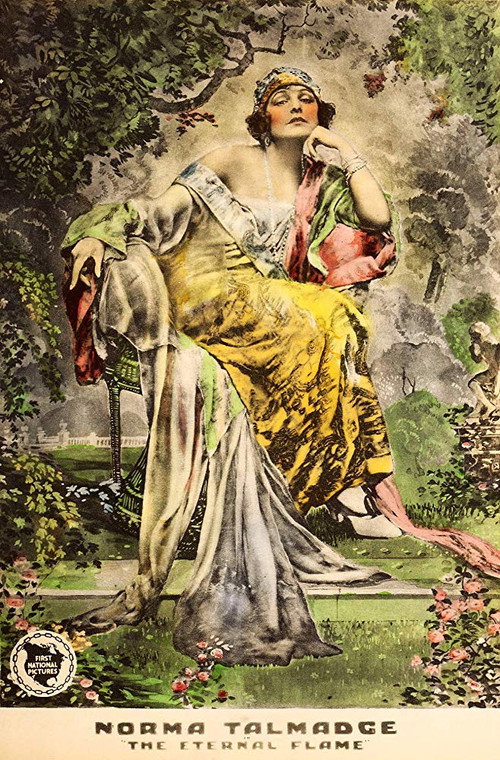
The Eternal Flame(1922)
Producer
Film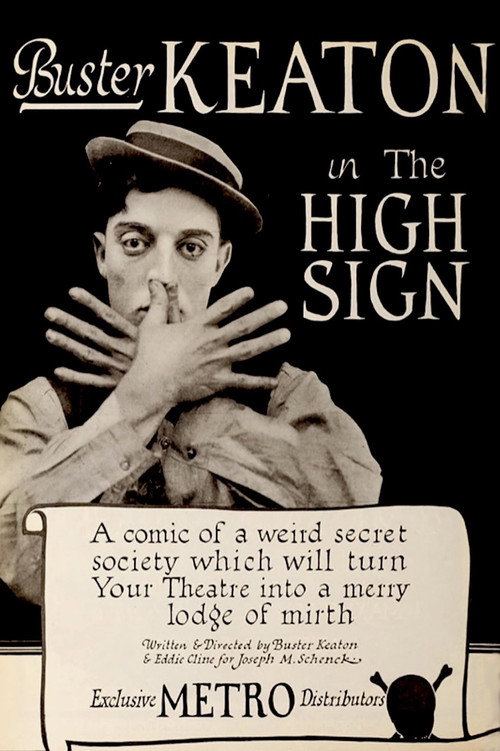
The 'High Sign'(1921)
Producer
Film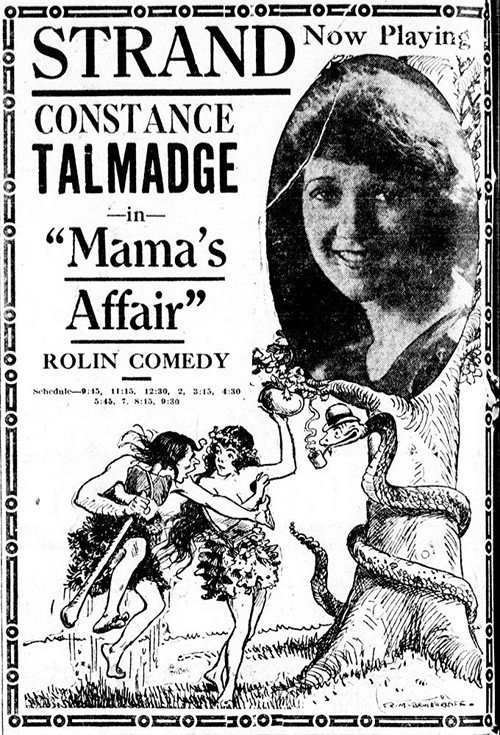
Mama's Affair(1921)
Producer
Film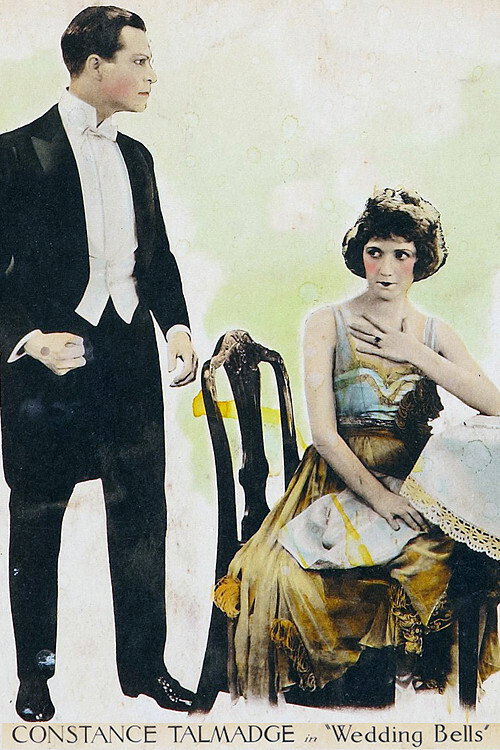
Wedding Bells(1921)
Producer
Film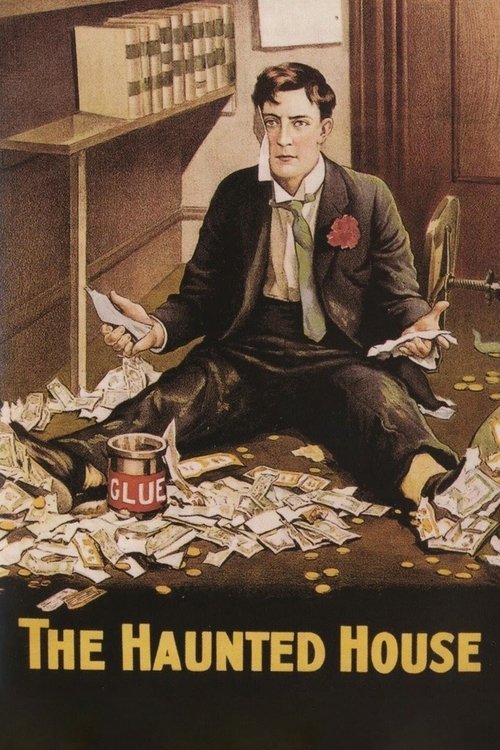
The Haunted House(1921)
Producer
Film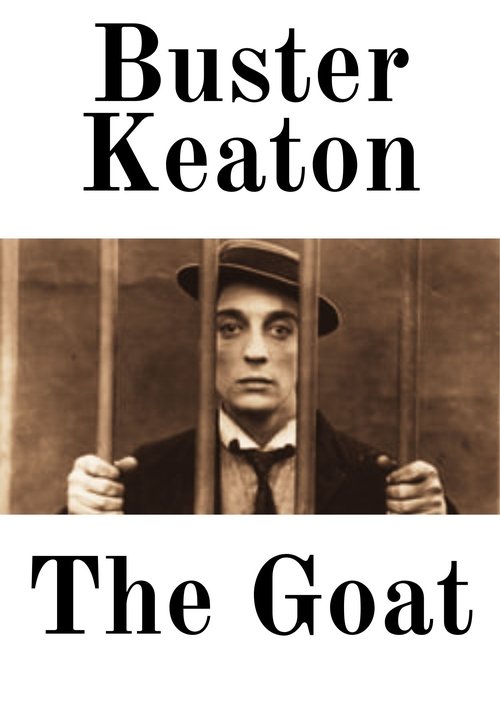
The Goat(1921)
Producer
Film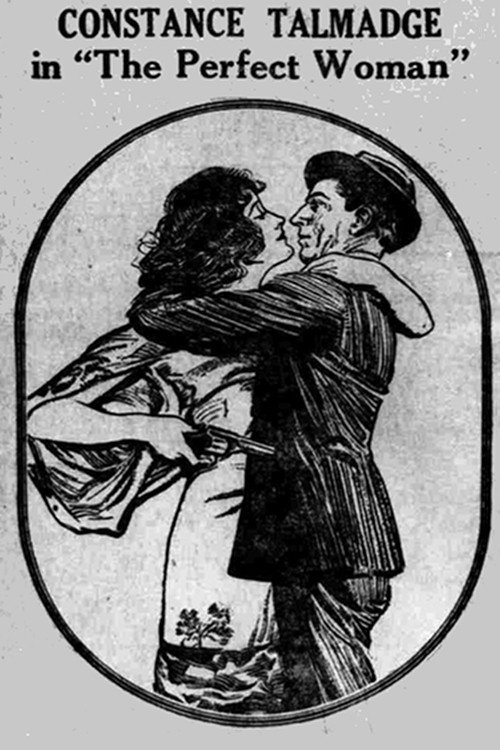
The Perfect Woman(1920)
Producer
Film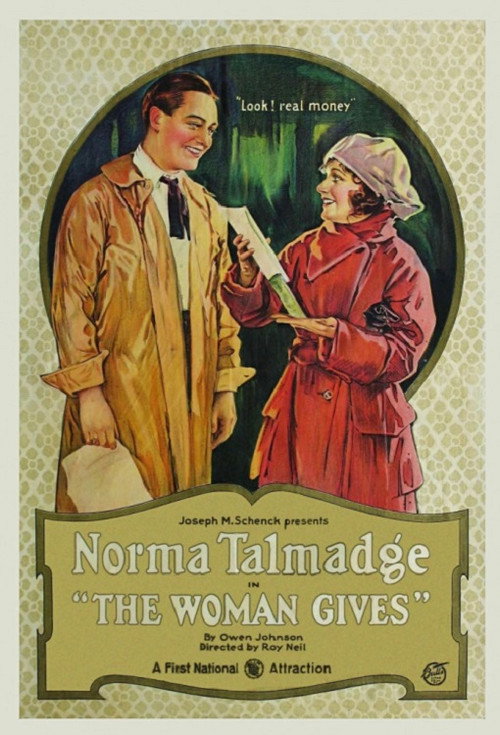
The Woman Gives(1920)
Producer
Film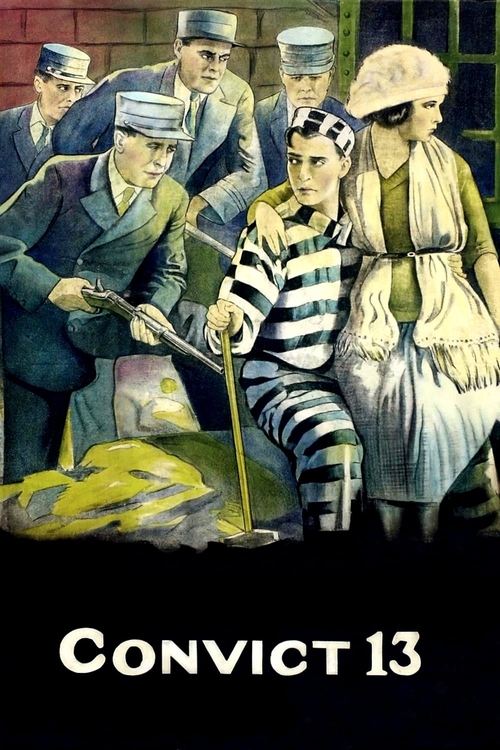
Convict 13(1920)
Producer
Film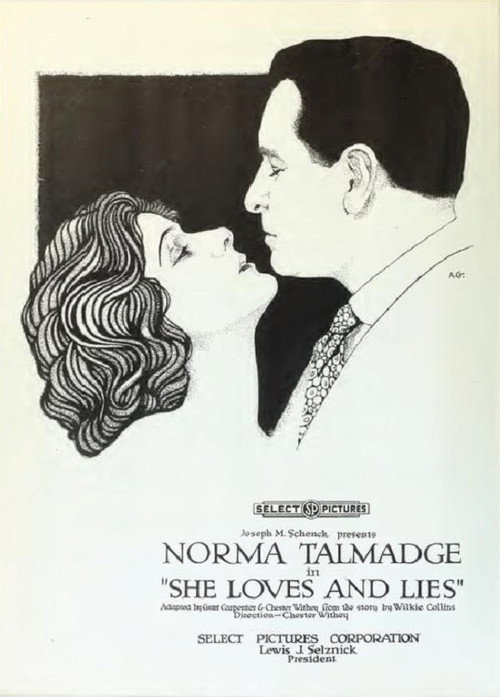
She Loves and Lies(1920)
Producer
Film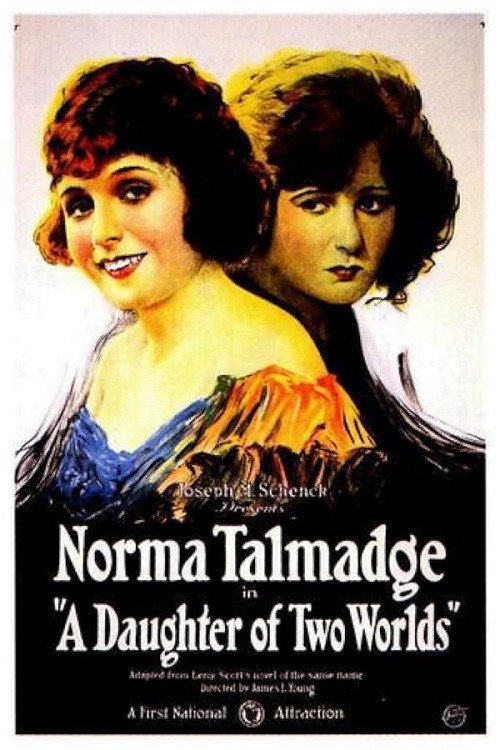
A Daughter of Two Worlds(1920)
Producer
Film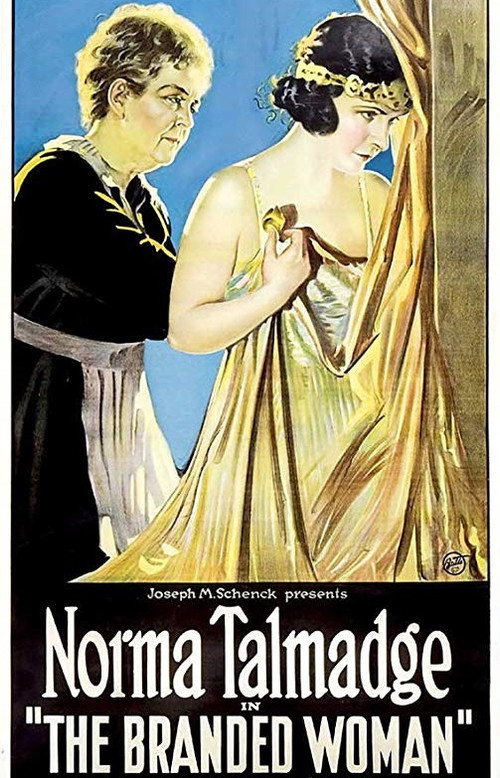
The Branded Woman(1920)
Producer
Film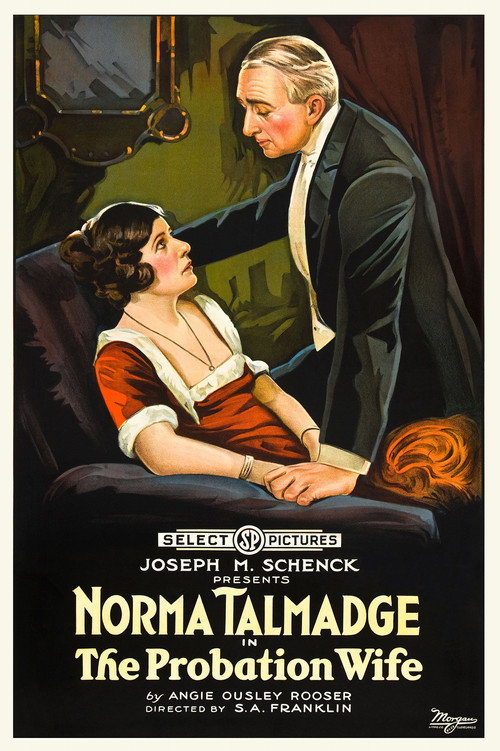
The Probation Wife(1919)
Producer
Film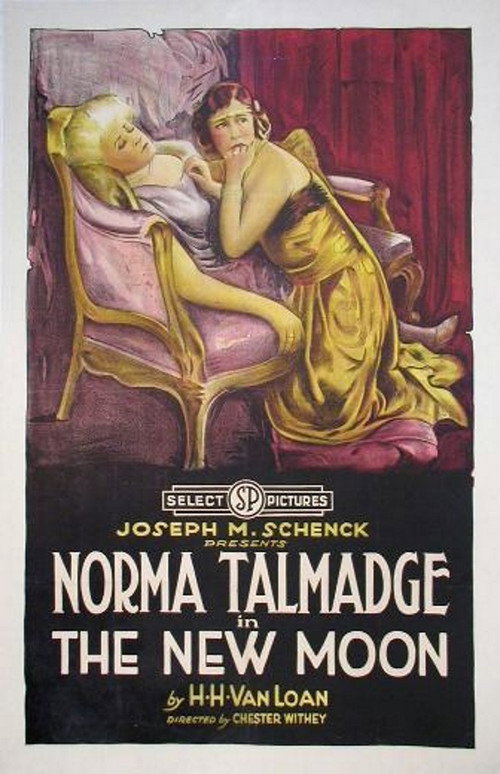
The New Moon(1919)
Producer
Film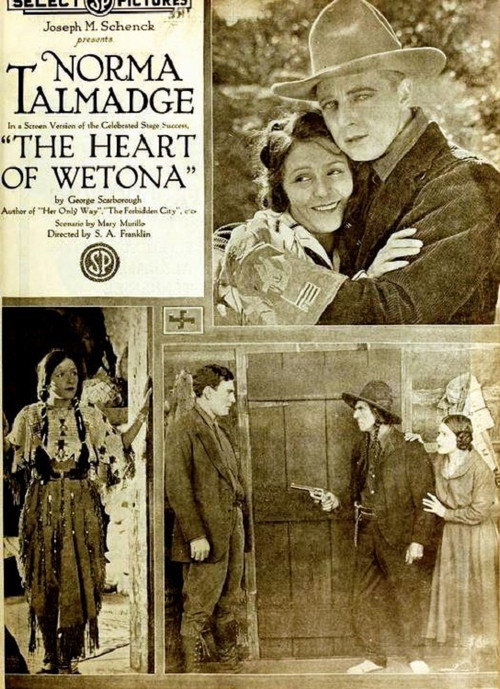
The Heart of Wetona(1919)
Producer
Film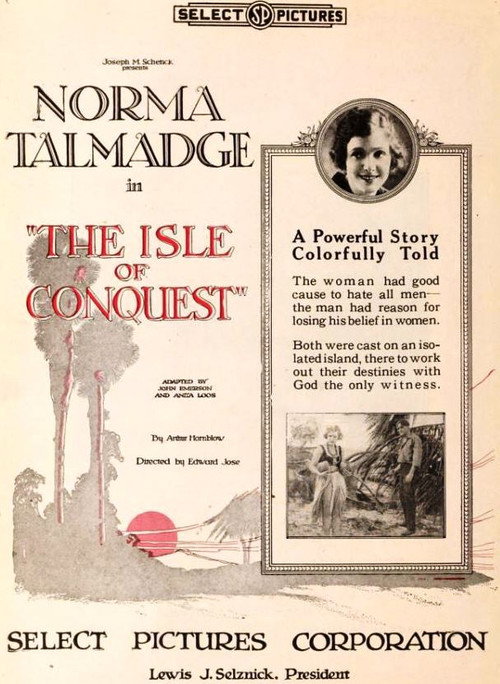
The Isle of Conquest(1919)
Producer
Film
Editor
25 credits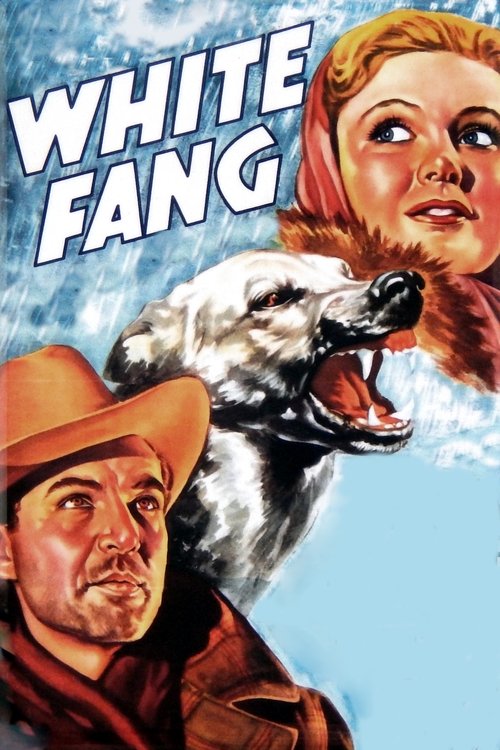
White Fang(1936)
Credits
Film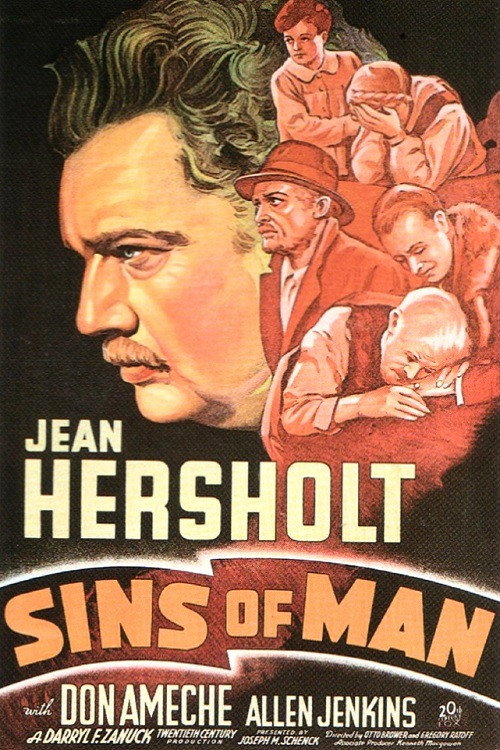
Sins of Man(1936)
Credits
Film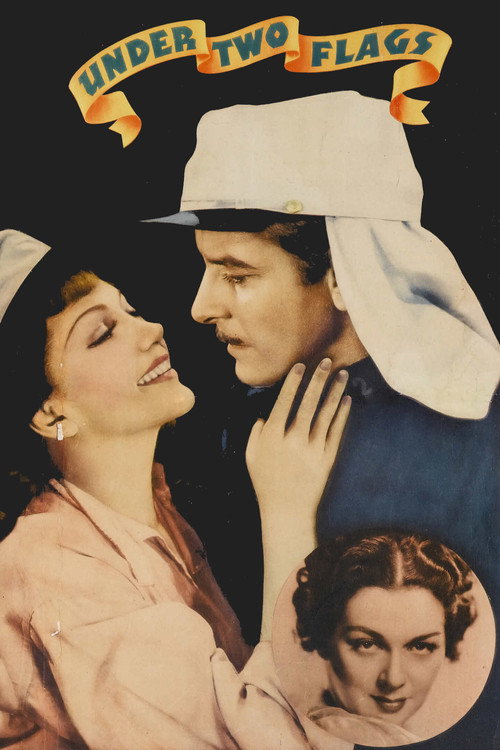
Under Two Flags(1936)
Credits
Film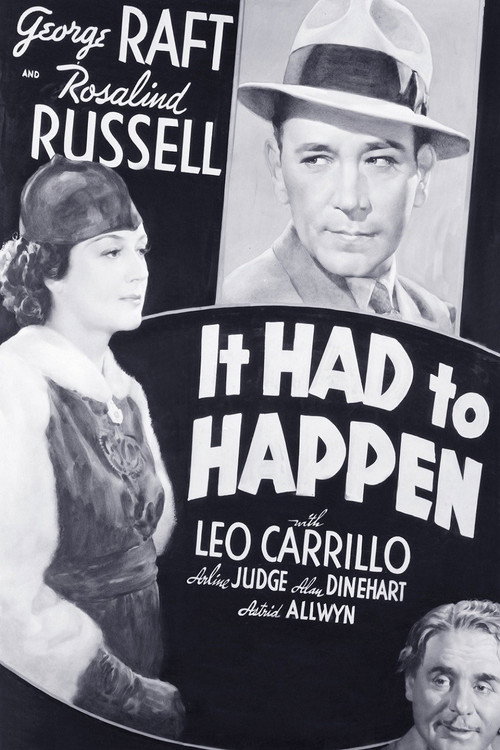
It Had to Happen(1936)
Credits
Film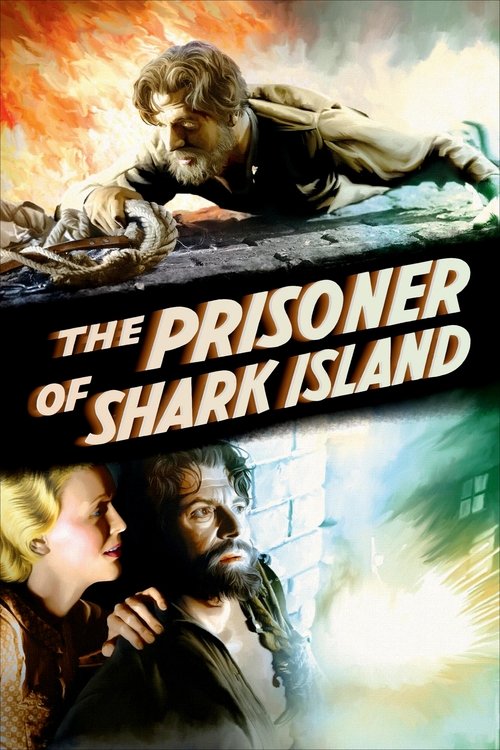
The Prisoner of Shark Island(1936)
Credits
Film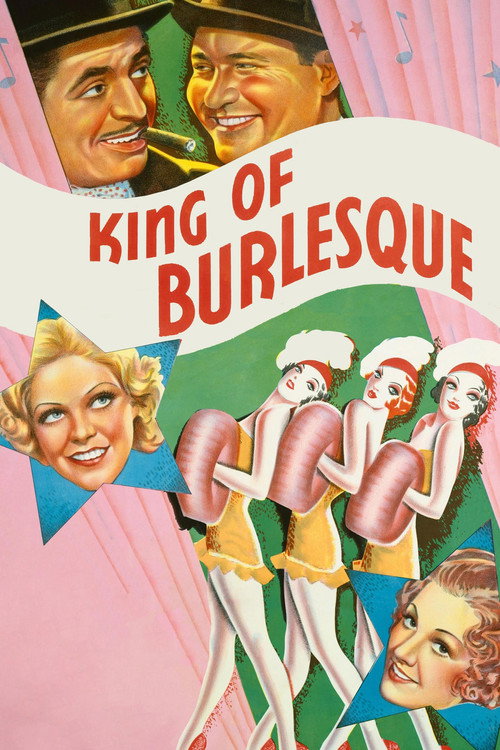
King of Burlesque(1936)
Credits
Film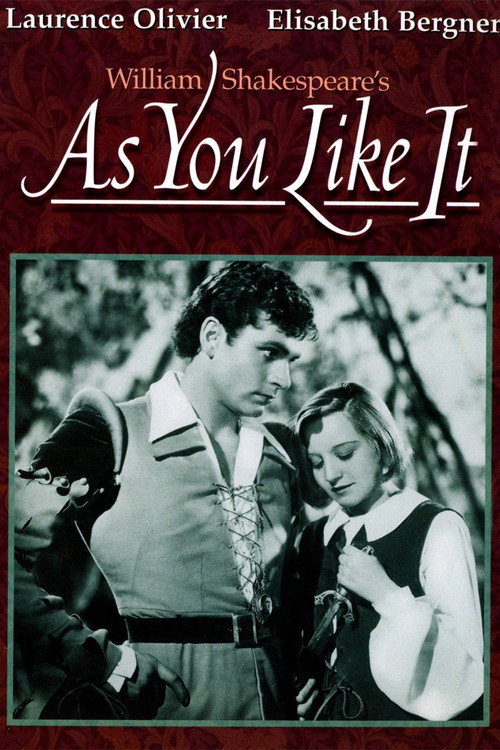
As You Like It(1936)
Credits
Film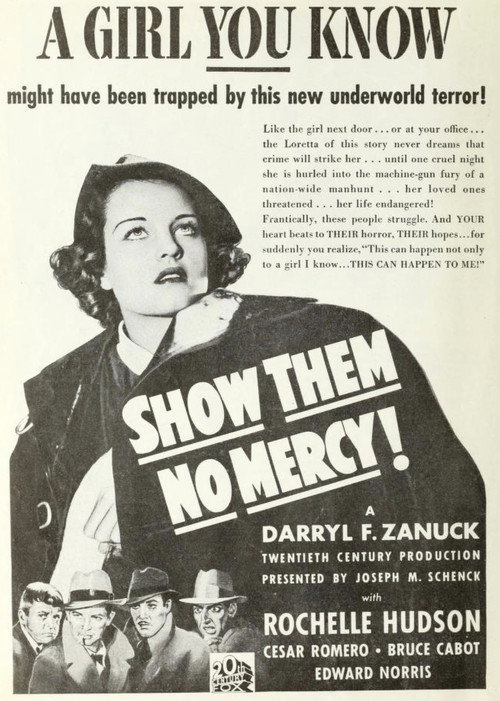
Show Them No Mercy!(1935)
Credits
Film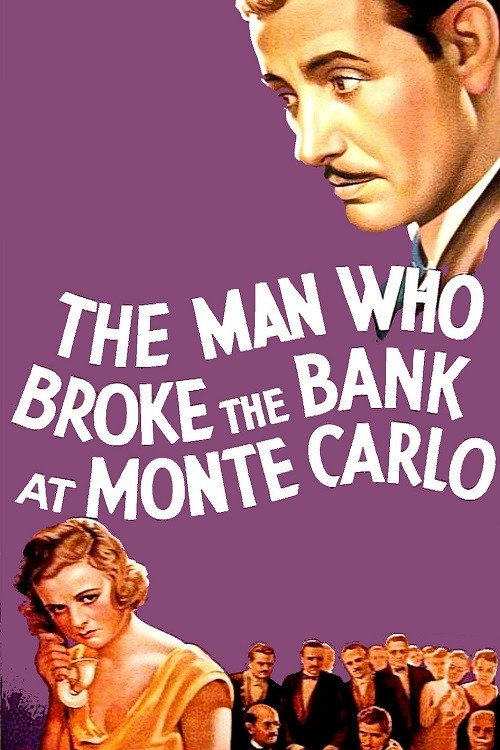
The Man Who Broke the Bank at Monte Carlo(1935)
Credits
Film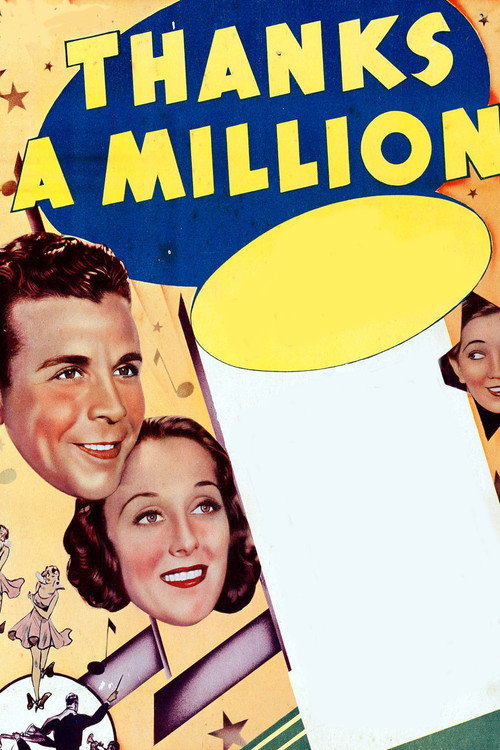
Thanks a Million(1935)
Credits
Film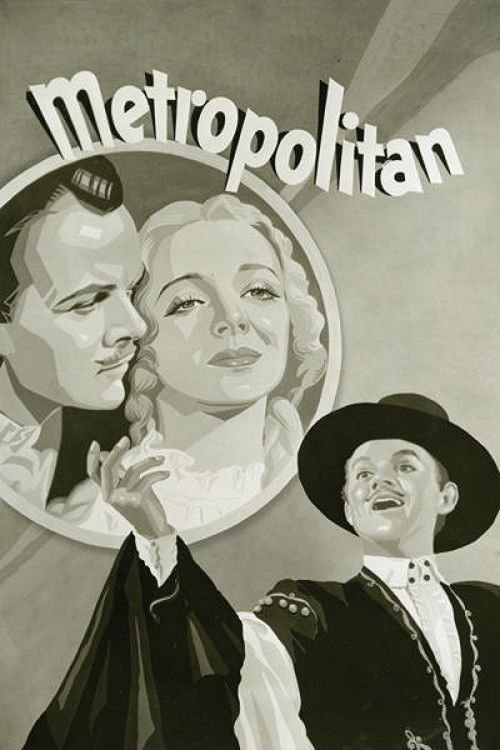
Metropolitan(1935)
Credits
Film
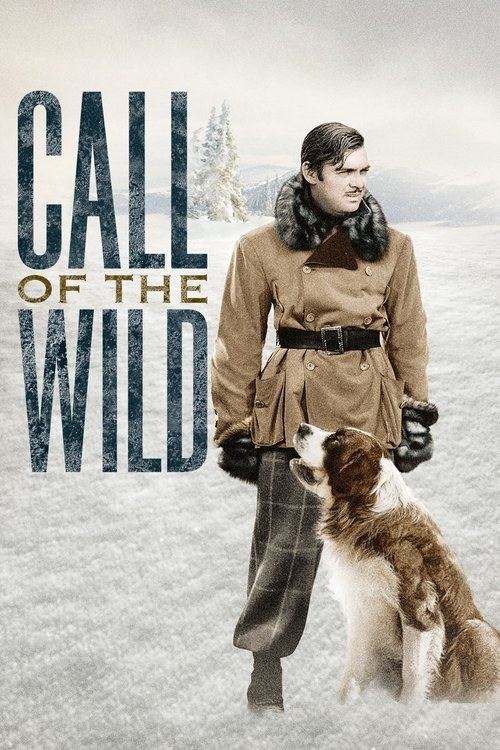
Call of the Wild(1935)
Credits
Film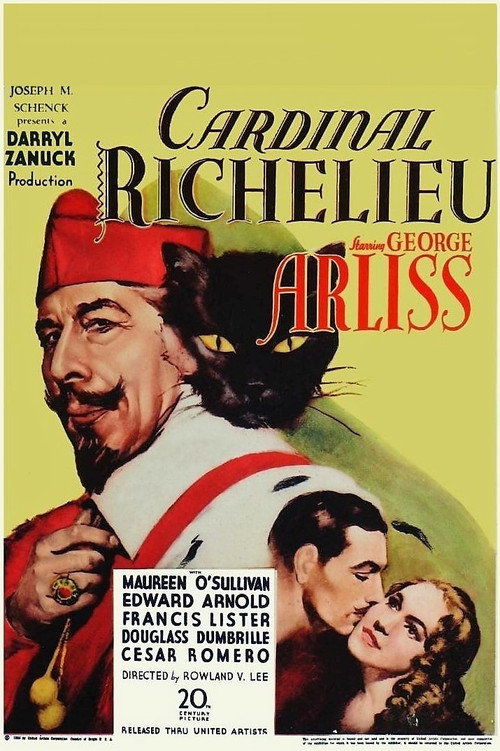
Cardinal Richelieu(1935)
Credits
Film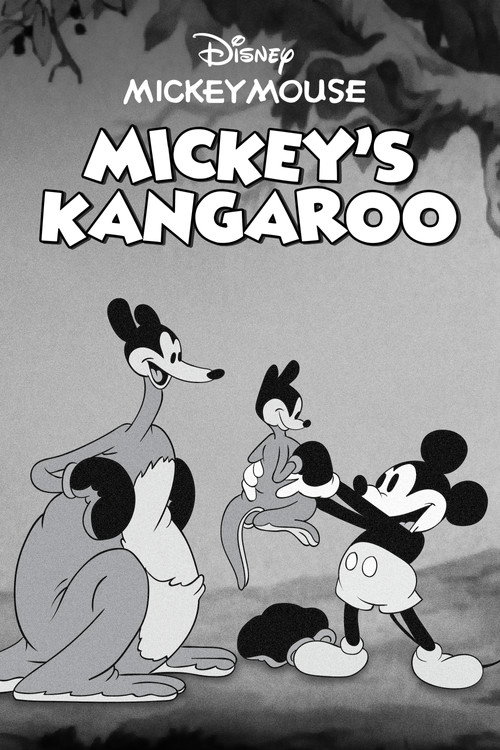
Mickey's Kangaroo(1935)
Credits
Film
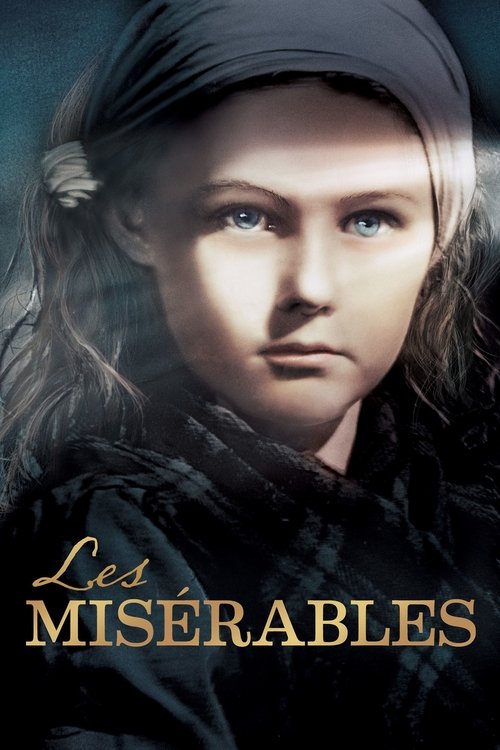
Les Misérables(1935)
Credits
Film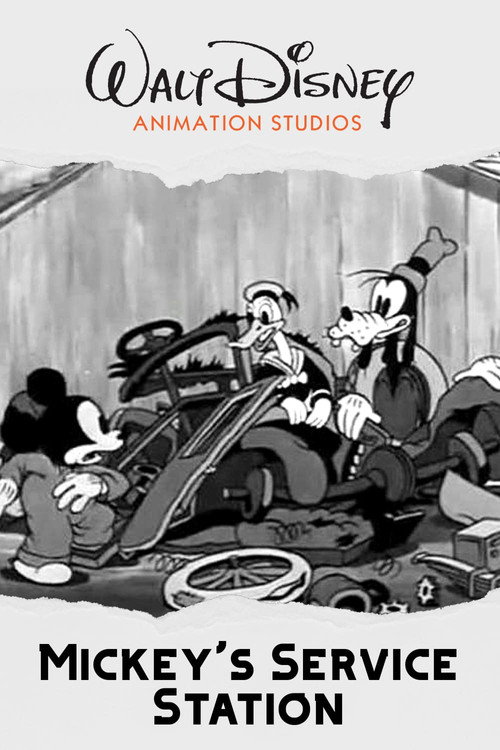
Mickey's Service Station(1935)
Credits
Film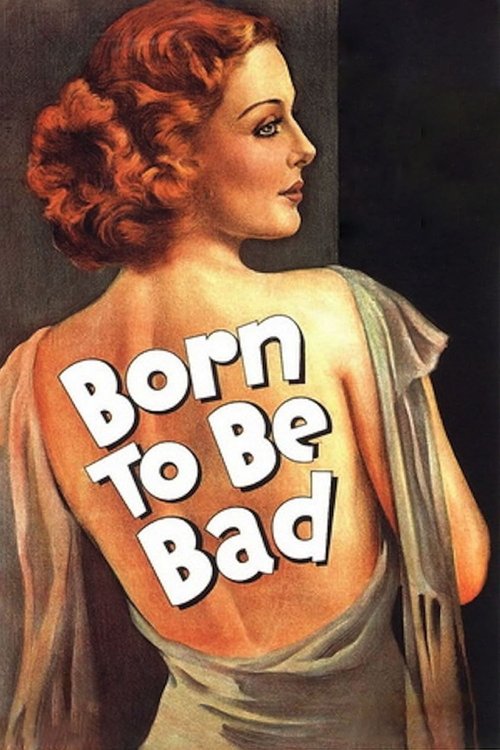
Born to Be Bad(1934)
Credits
Film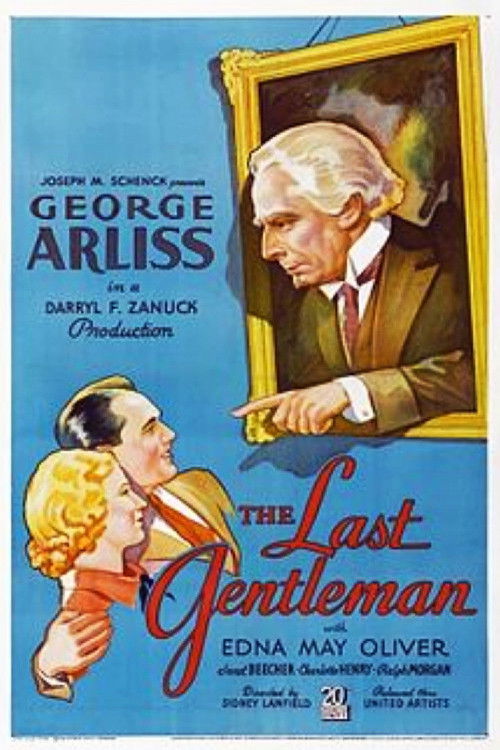
The Last Gentleman(1934)
Credits
Film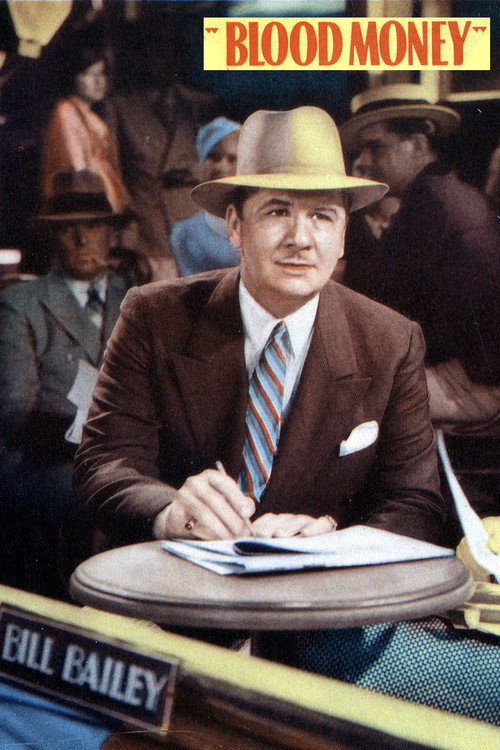
Blood Money(1933)
Credits
Film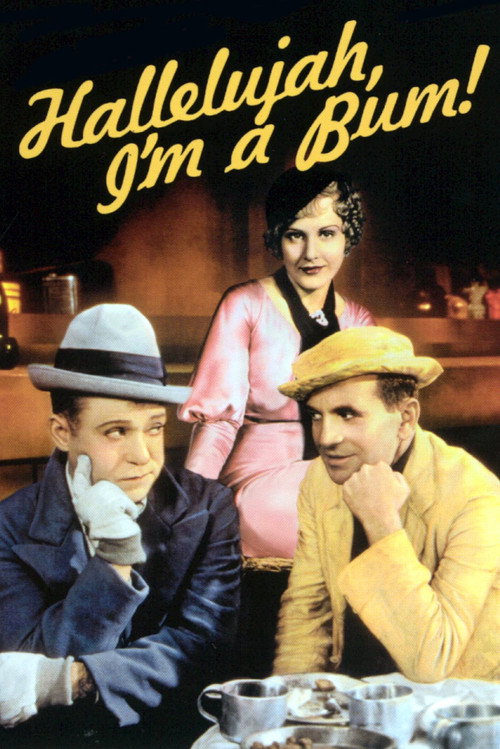
Hallelujah, I'm a Bum(1933)
Credits
Film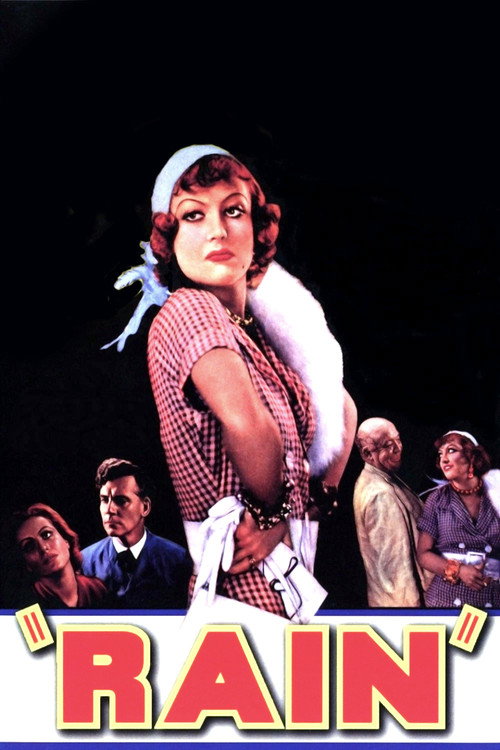
Rain(1932)
Credits
Film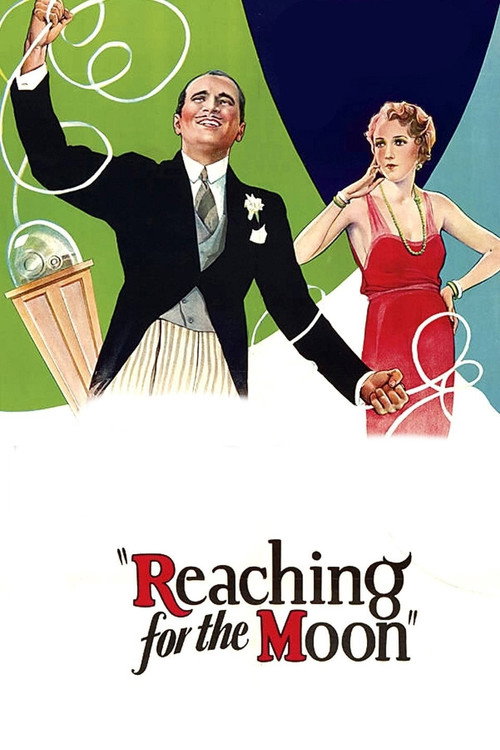
Reaching for the Moon(1930)
Credits
Film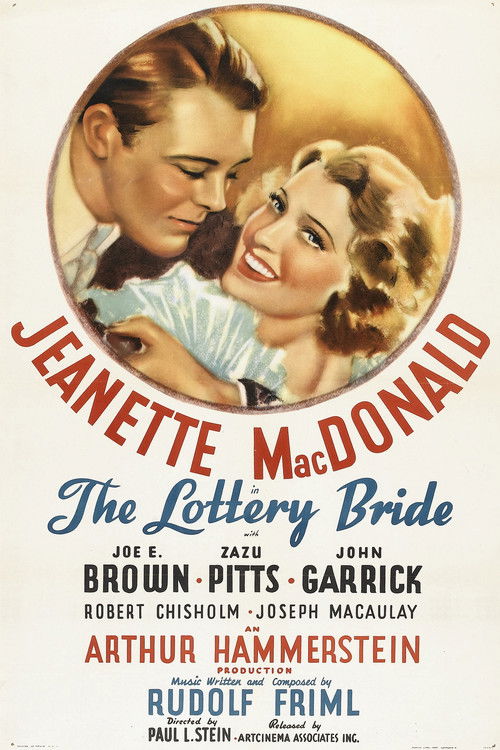
The Lottery Bride(1930)
Credits
Film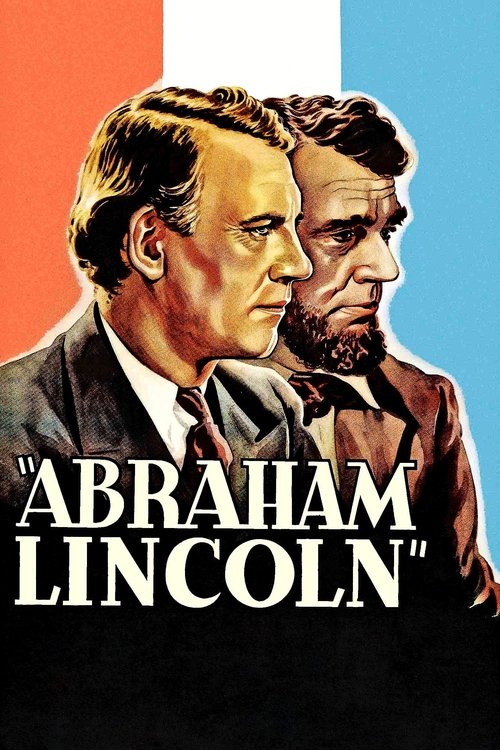
Abraham Lincoln(1930)
Credits
Film
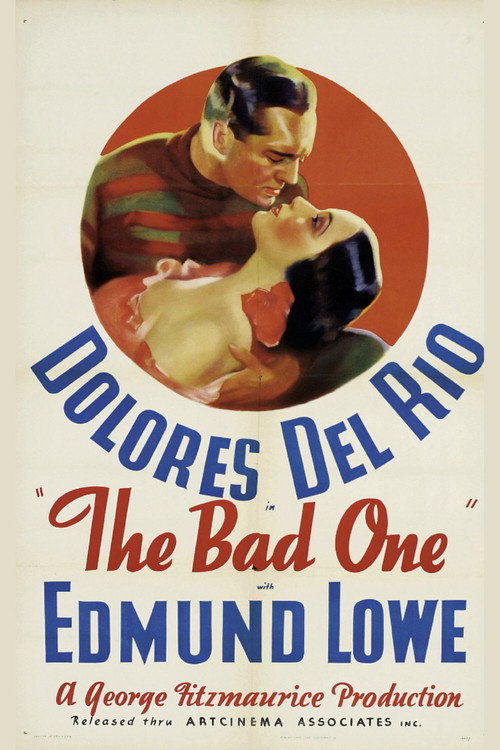
The Bad One(1930)
Credits
Film
Other crew
9 creditsMarilyn and the Mob(2025)
Crew
TV
Reframed: Marilyn Monroe(2022)
Crew
TV
The Mystery of Marilyn Monroe: The Unheard Tapes(2022)
Crew
FilmDream Girl: The Making of Marilyn Monroe(2022)
Crew
TV
Mary Pickford: A Life on Film(1997)
Crew
Film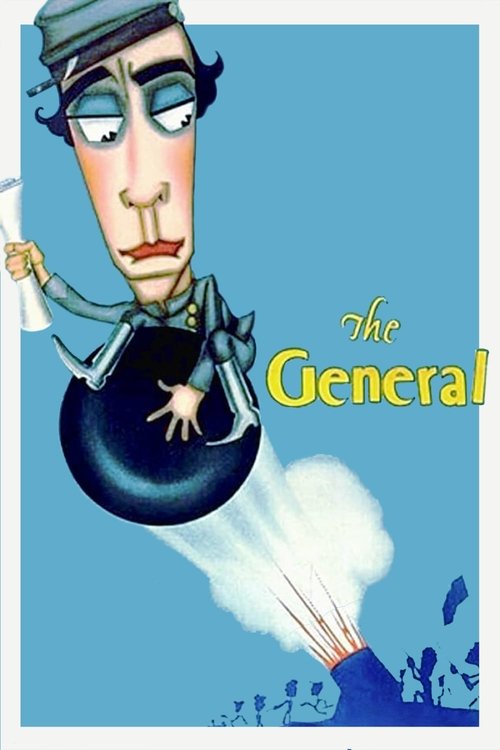
The General(1926)
Crew
Film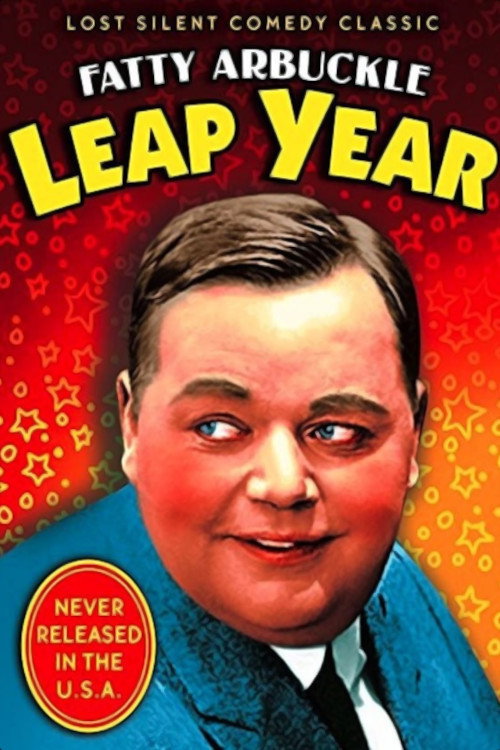
Leap Year(1924)
Crew
Film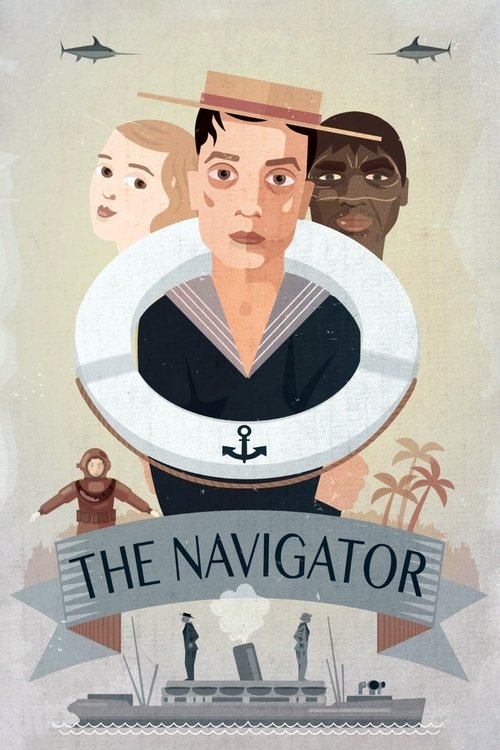
The Navigator(1924)
Crew
Film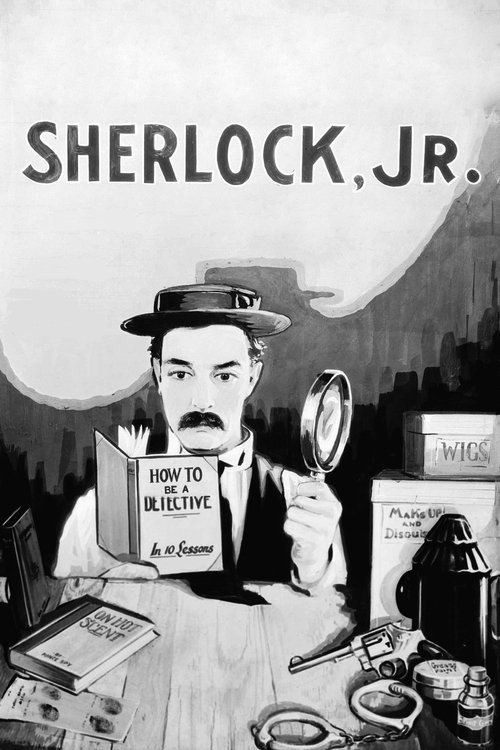
Sherlock Jr.(1924)
Crew
Film
Awards & Nominations
2 winsAcademy Honorary Award
- Won1953Academy Honorary Award
Academy Awards
- Won1952Oscar — Honorary Award
Originals
Streaming originals this person worked on.
Memorable quotes
Browse all →No quotes logged for Joseph M. Schenck yet — add the first memorable line below.
Got a quote we’re missing?
Submit a line from any film, show, or game.
Edit history
Loading edit history…
Comments (0)
on Joseph M. SchenckNo comments yet. Be the first to share what you think.