
Person · Screenwriter
Jules Furthman
The reclusive craftsman behind von Sternberg's exotic melodramas and Hawks's tough-guy classics, and the finest writer of insolent screen women (1888-1966).
- Also:
- Writer
- Director
In short · Wrote for five decades — 96 credits.
Remembered for
Ranked by community engagement + sustained interest across this person's credits in our database.
Help complete this page
We’re missing birthplace, birth date. Sign in to add what you know.
Biography
Furthman is the great invisible man of the golden age, a writer beloved by directors and unknown to the public. A Chicago-bred college man, he entered pictures in the 1910s and, briefly changing his byline during the anti-German feeling of the First World War, spent decades quietly building one of the most impressive bodies of work in Hollywood.
His specialty was the exotic and the erotic rendered with hard-boiled economy. In partnership with Josef von Sternberg he wrote the smoky, fatalistic vehicles that made Marlene Dietrich a legend, including Morocco, with its unforgettable final image of a woman kicking off her heels to follow a soldier into the desert, and the fever dream Shanghai Express. Furthman understood the woman who has seen everything and expects nothing, and he gave her lines that curled off the tongue.
For Howard Hawks he became indispensable. He shaped the camaraderie and stoic banter of Only Angels Have Wings, co-wrote To Have and Have Not and The Big Sleep alongside William Faulkner, taming Hemingway and Chandler into brisk Hawksian dialogue, and returned decades later to help build the leisurely masterpiece Rio Bravo. In between he adapted the seafaring epic Mutiny on the Bounty, earning an Academy Award nomination, and wrote the pitiless carnival noir Nightmare Alley.
Furthman had no interest in fame. He was famously difficult, ferociously well paid, and happiest tending his celebrated collection of orchids on his ranch, growing rare flowers with the same patience he brought to a scene. He worked steadily into the 1950s and died in 1966. Directors knew exactly what he was worth. The public never learned his name, which is precisely why he deserves rediscovery as one of the supreme technicians of the American screenplay.
Filmography · 96 of 96
A platform appears here when one of these titles streams on it. Click to filter — pick several to combine.
Director
1 credit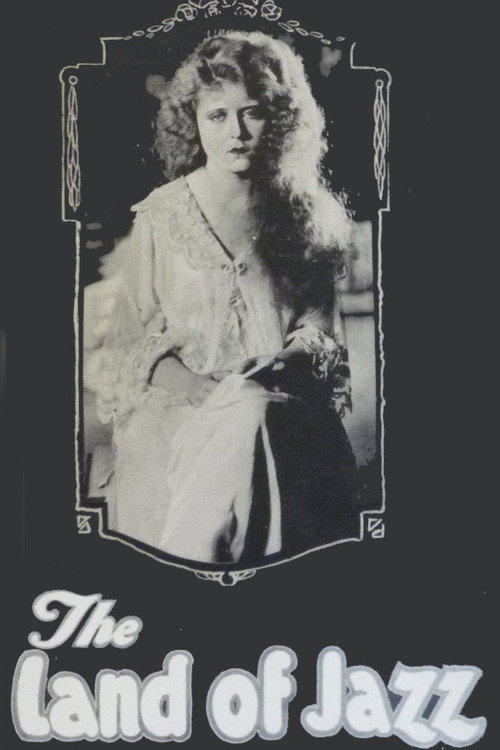
Writer
95 credits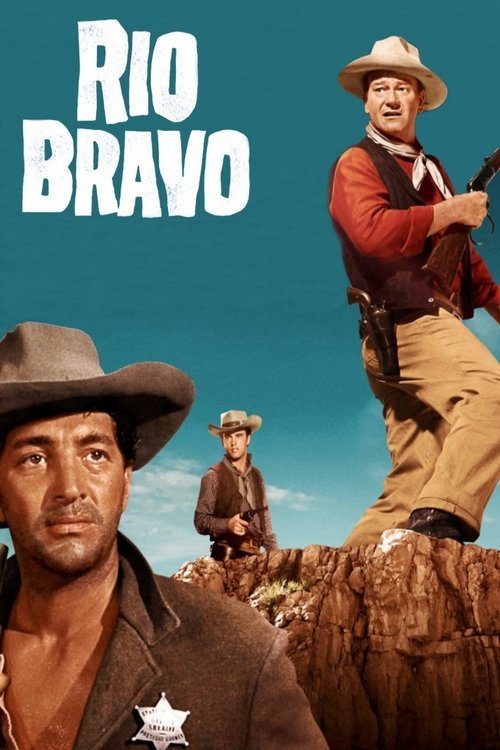
Rio Bravo(1959)
Writer
Film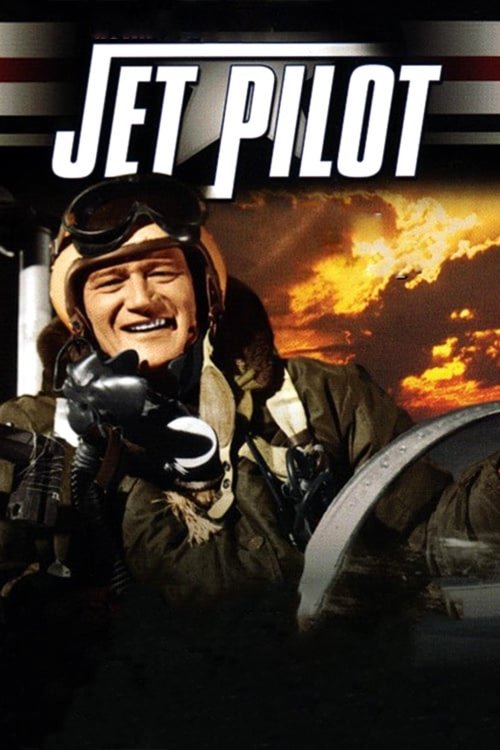
Jet Pilot(1957)
Writer
Film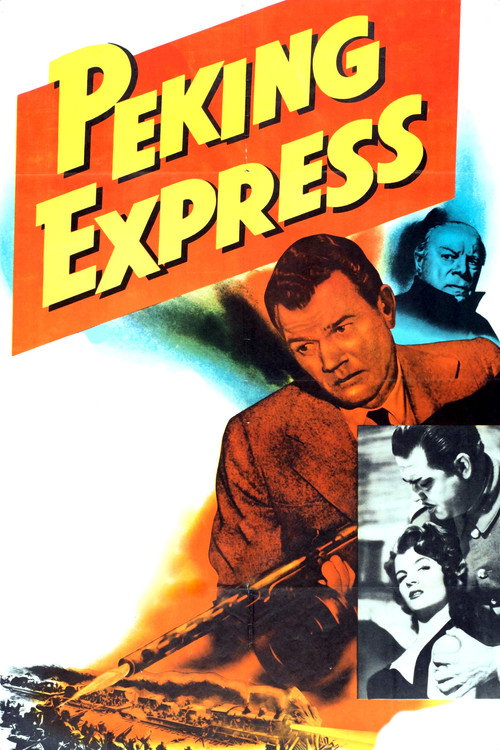
Peking Express(1951)
Writer
Film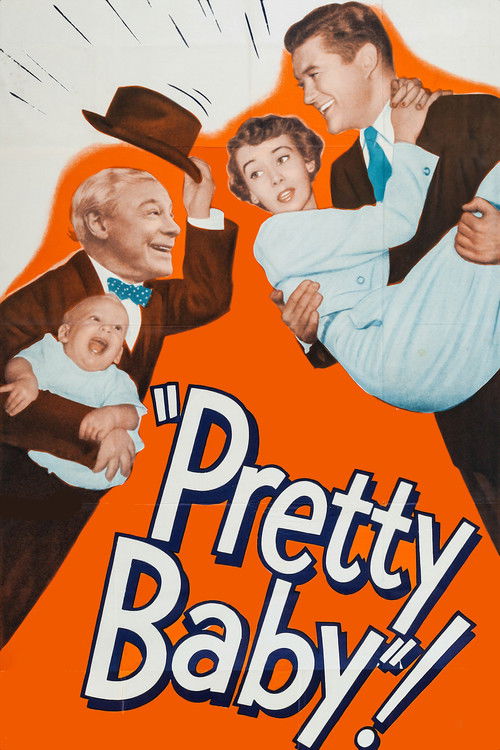
Pretty Baby(1950)
Writer
Film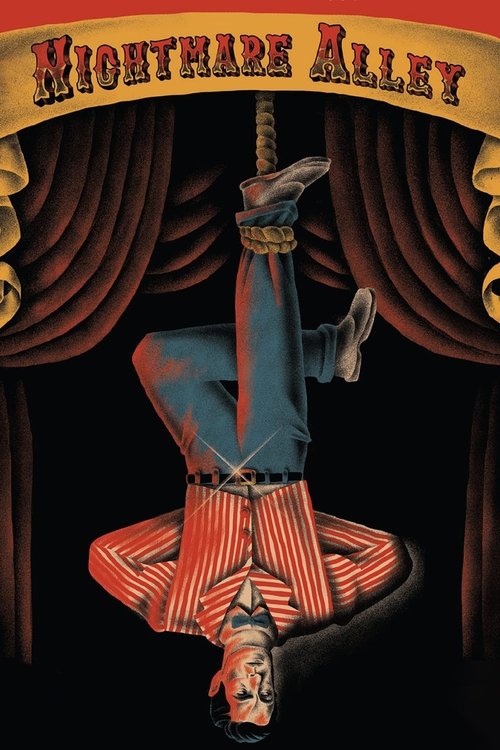
Nightmare Alley(1947)
Writer
Film
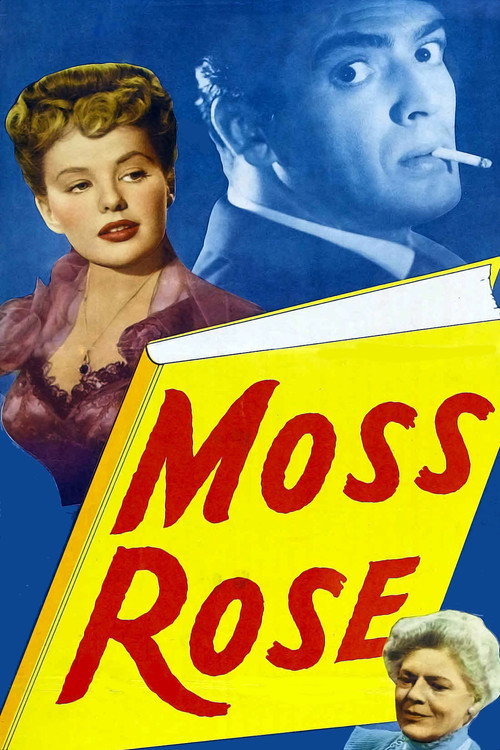
Moss Rose(1947)
Writer
Film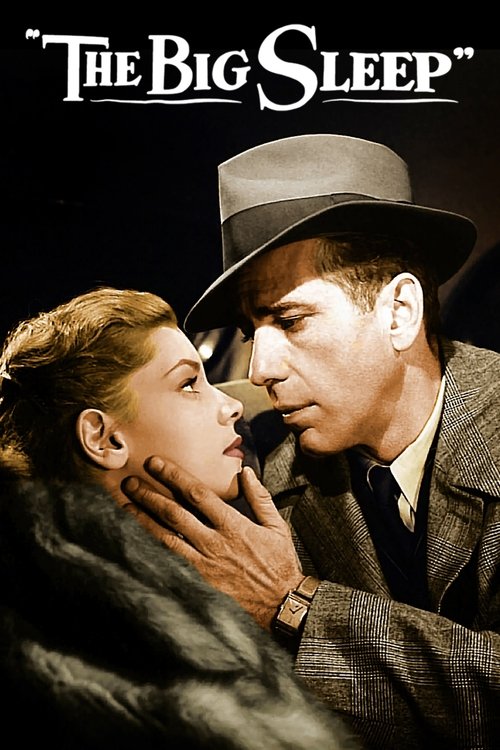
The Big Sleep(1946)
Writer
Film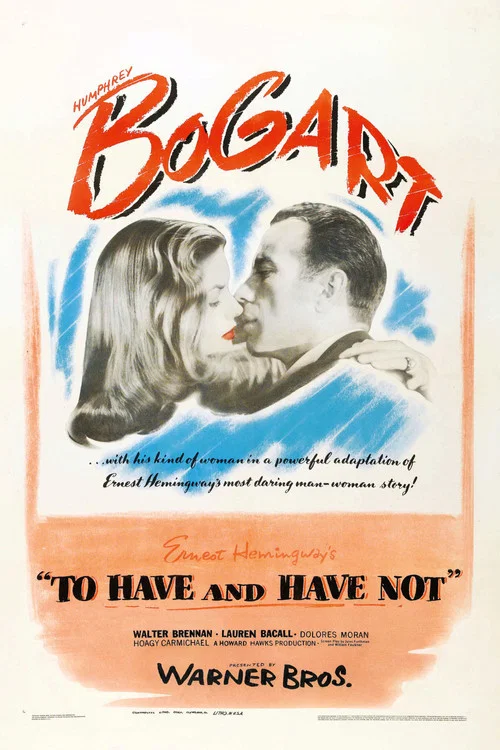
To Have and Have Not(1944)
Writer
Film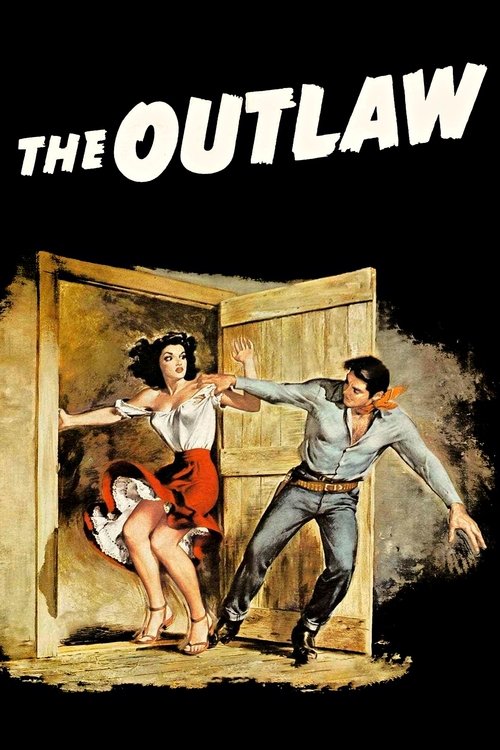
The Outlaw(1943)
Writer
Film
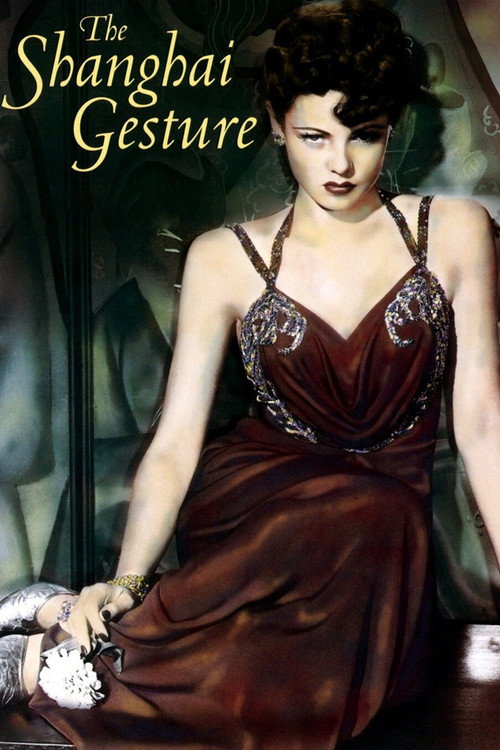
The Shanghai Gesture(1941)
Writer
Film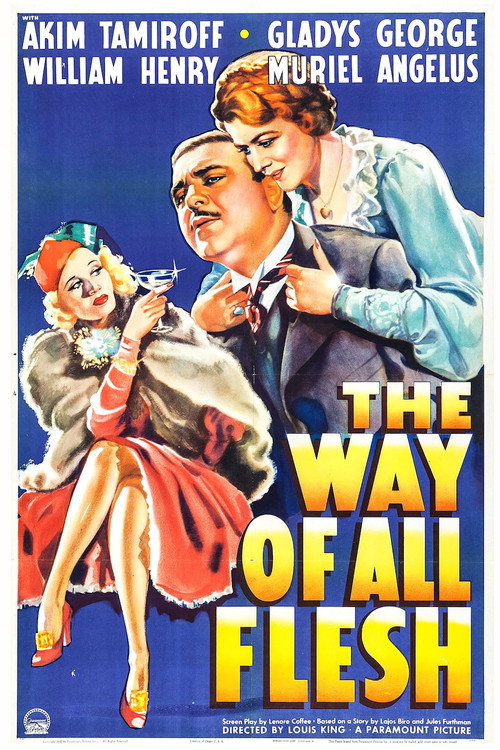
The Way of All Flesh(1940)
Writer
Film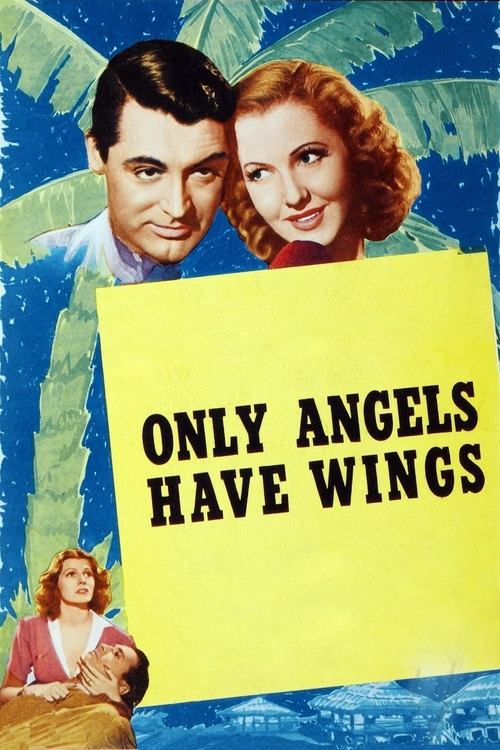
Only Angels Have Wings(1939)
Writer
Film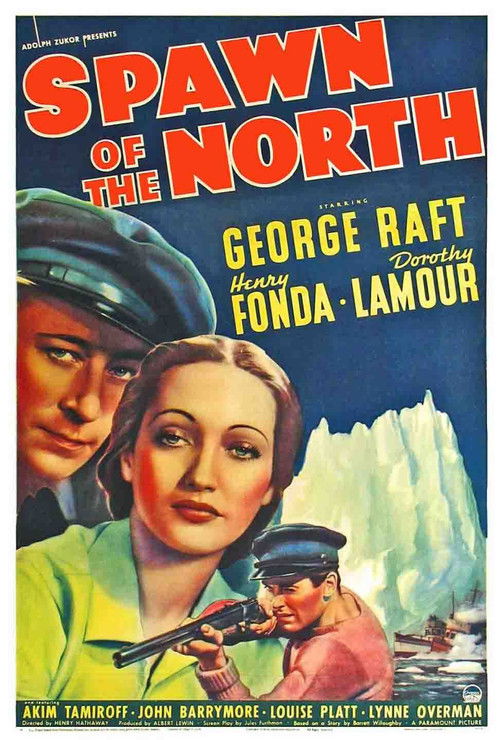
Spawn of the North(1938)
Writer
Film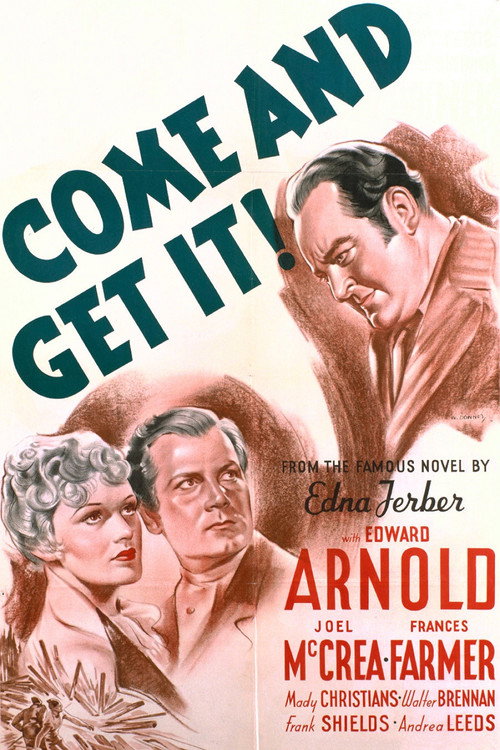
Come and Get It(1936)
Writer
Film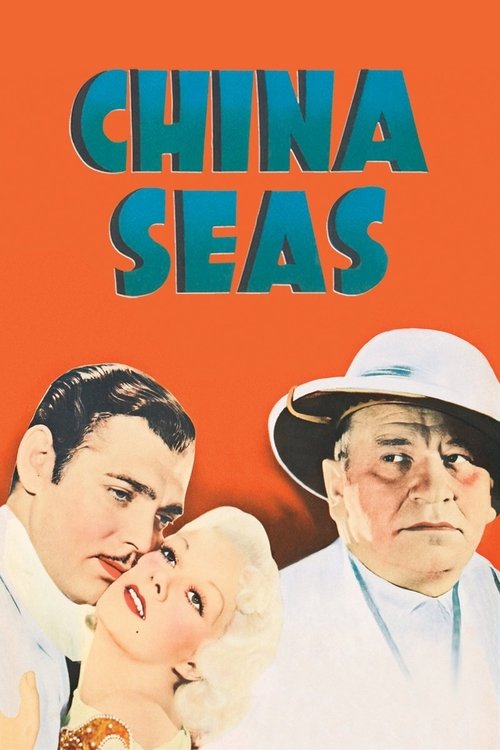
China Seas(1935)
Writer
Film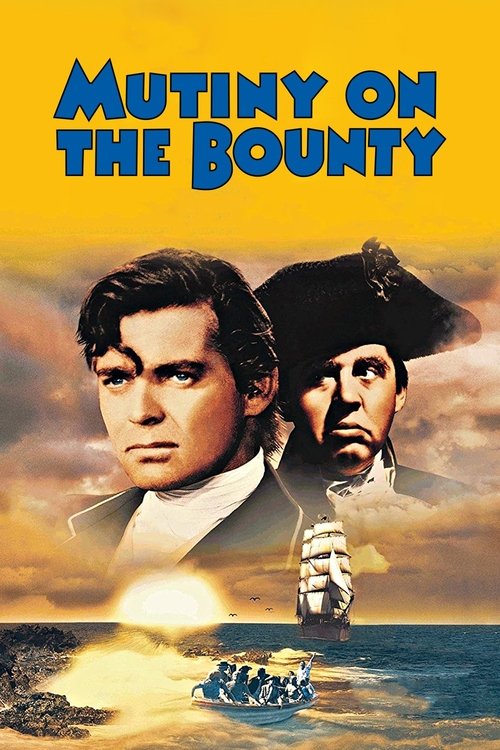
Mutiny on the Bounty(1935)
Writer
Film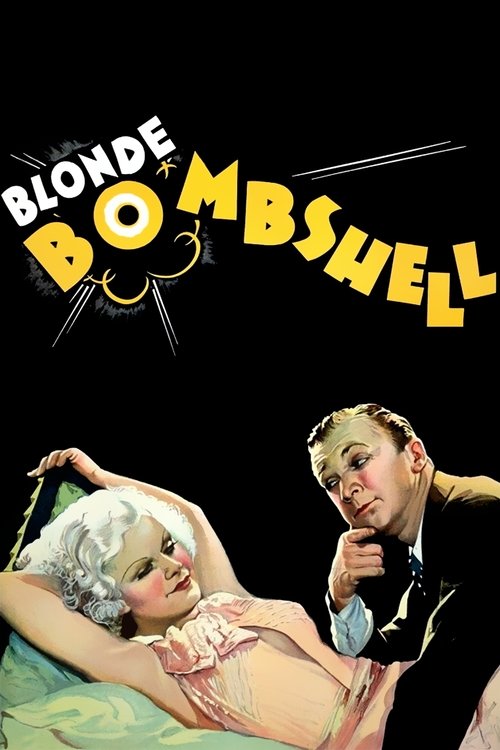
Bombshell(1933)
Writer
FilmThe Girl in 419(1933)
Writer
Film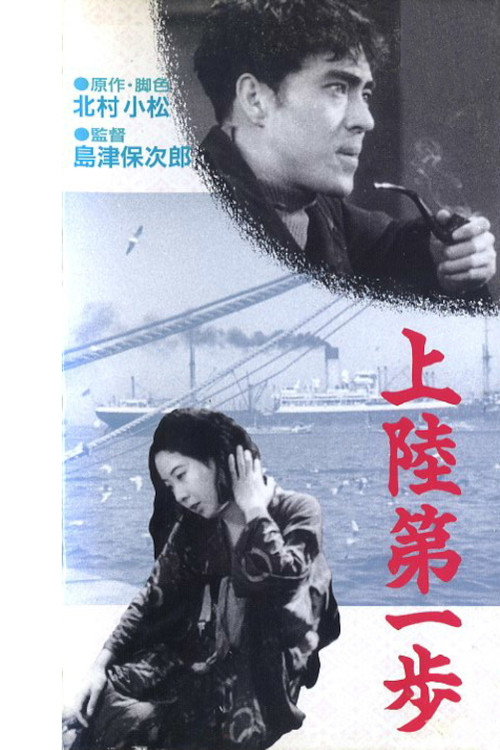
Jôriku daiippo(1932)
Writer
Film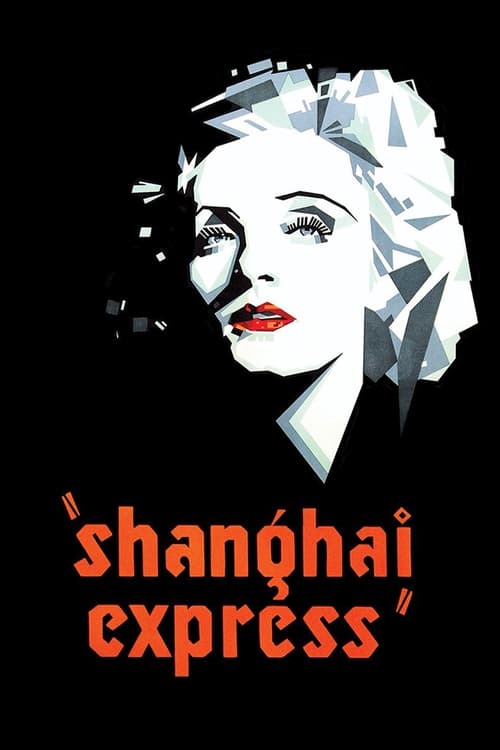
Shanghai Express(1932)
Writer
Film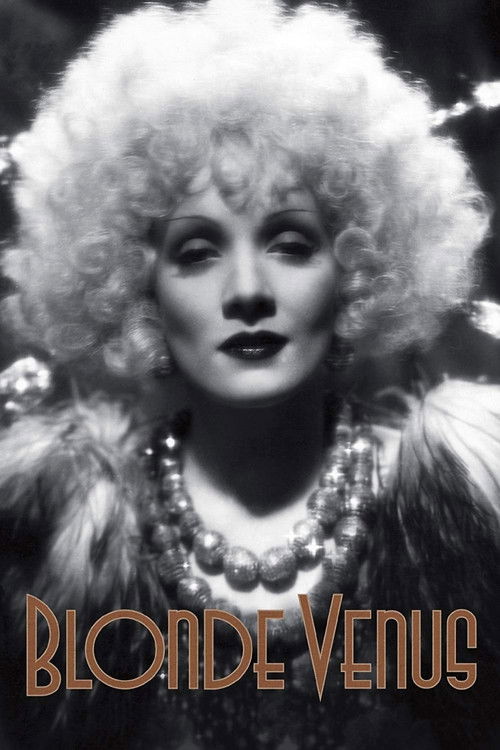
Blonde Venus(1932)
Writer
Film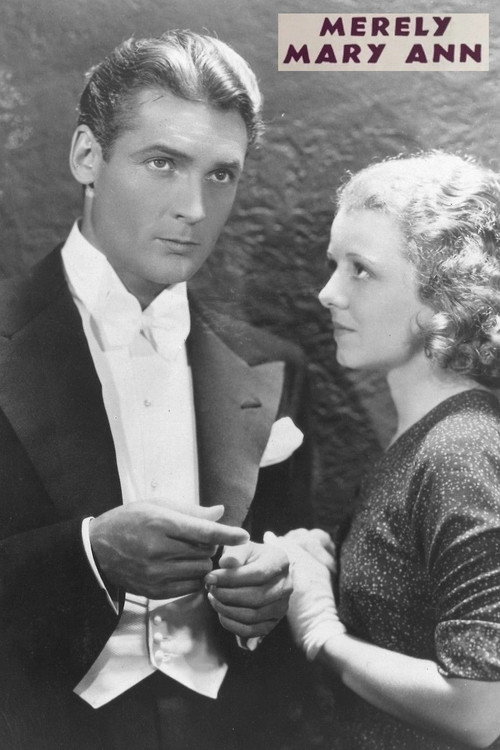
Merely Mary Ann(1931)
Writer
Film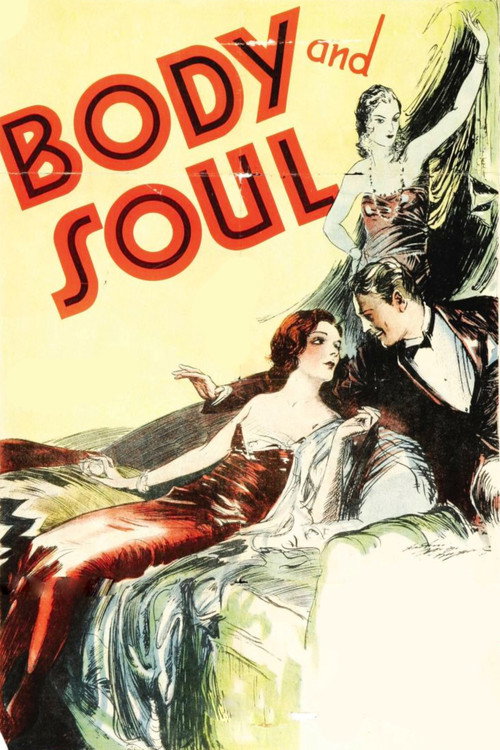
Body and Soul(1931)
Writer
Film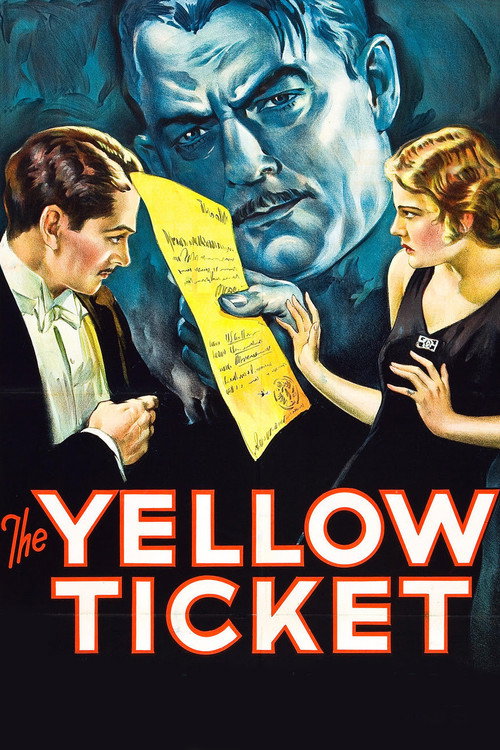
The Yellow Ticket(1931)
Writer
Film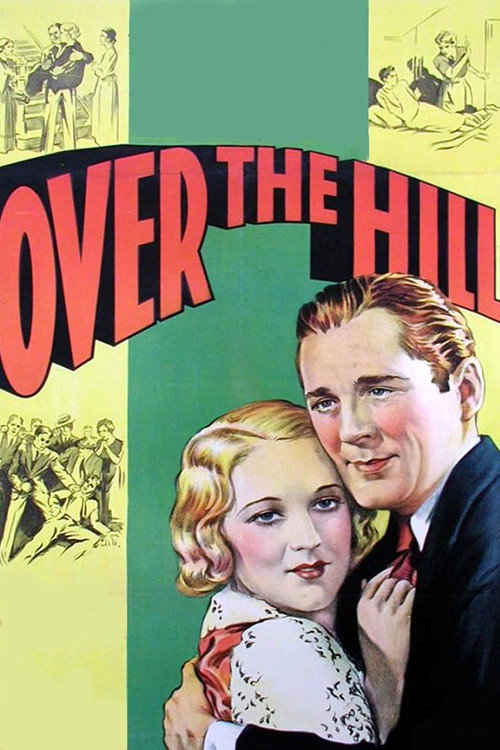
Over the Hill(1931)
Writer
Film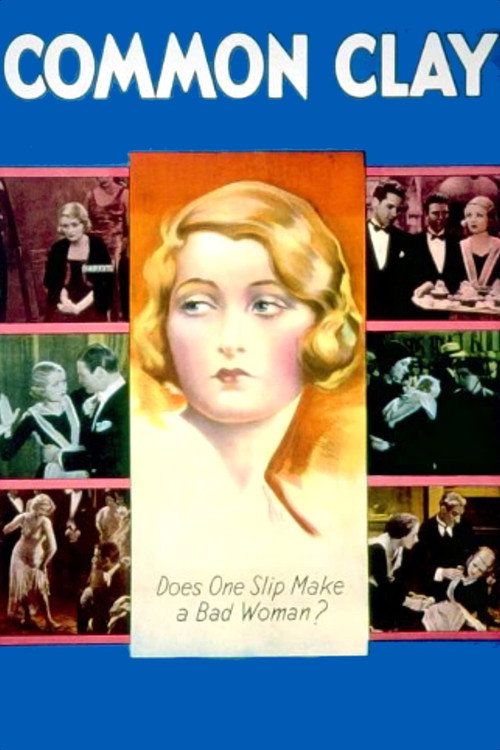
Common Clay(1930)
Writer
Film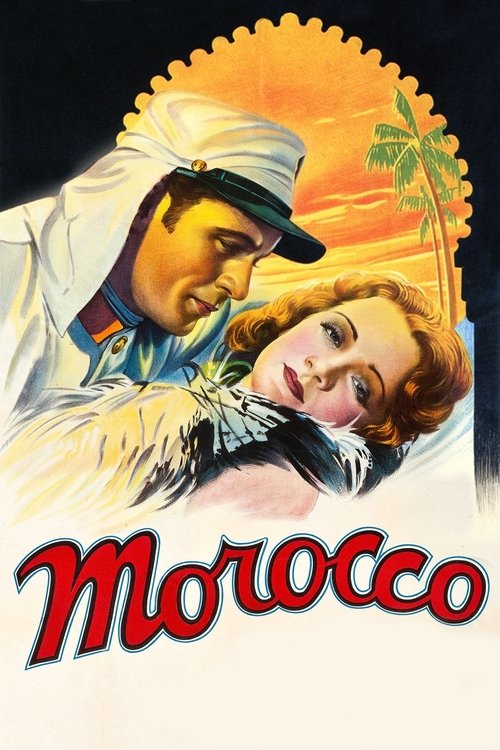
Morocco(1930)
Writer
Film
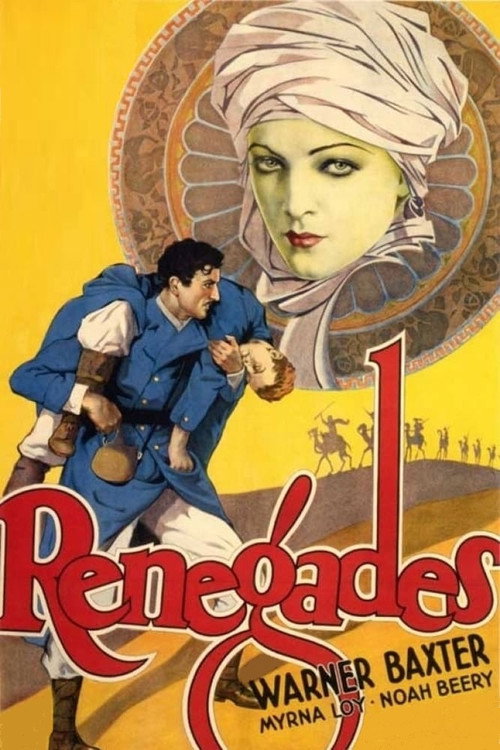
Renegades(1930)
Writer
Film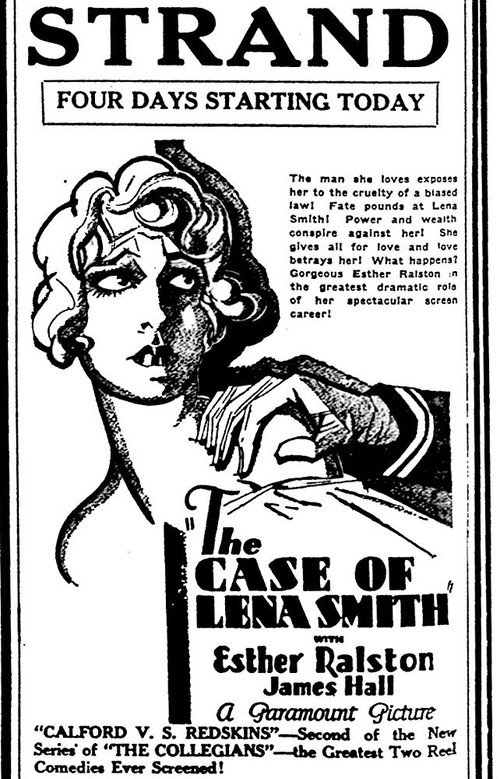
The Case of Lena Smith(1929)
Writer
Film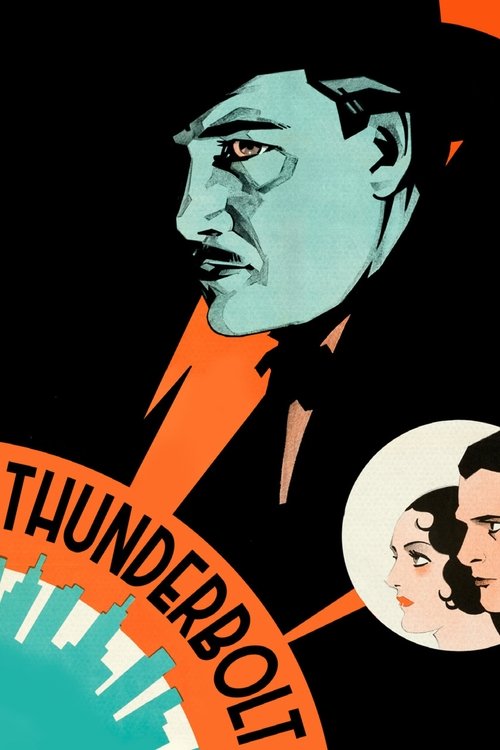
Thunderbolt(1929)
Writer
Film
Awards & Nominations
1 nominationAcademy Awards
- Nom1935Oscar — Writing (adapted Screenplay)
Memorable quotes
Browse all →No quotes logged for Jules Furthman yet — add the first memorable line below.
Got a quote we’re missing?
Submit a line from any film, show, or game.
Edit history
Loading edit history…
Comments (0)
on Jules FurthmanNo comments yet. Be the first to share what you think.