
Person · Director
King Vidor
The Texas boy who survived a hurricane and went on to a sixty-year career of ambitious, humane epics about ordinary Americans (1894-1982).
- Also:
- Writer
- Producer
In short · Directed for nine decades — 63 credits, 1 Academy Award win.
Remembered for
Ranked by community engagement + sustained interest across this person's credits in our database.
Help complete this page
We’re missing birthplace, birth date. Sign in to add what you know.
Biography
King Wallis Vidor grew up in Galveston, Texas, and survived the catastrophic 1900 hurricane as a child — an early brush with elemental force that marked his sense of scale. A teenage cameraman and cinema owner, he made his way to Hollywood and clawed up through low-budget pictures, driven by an earnest belief in film as a force for human betterment.
His breakthrough was The Big Parade (1925), a World War I story told from the mud-level view of an ordinary doughboy — unsentimental, enormous, and one of the biggest hits of the silent era. He followed it with The Crowd (1928), a startlingly modern, almost documentary portrait of an anonymous office worker swallowed by the modern city, its famous crane shot climbing a skyscraper and diving into a sea of identical desks. Then came Hallelujah (1929), an all-Black-cast musical drama of rare ambition for its day.
Vidor was one of the few silent masters to thrive in sound, and he did it by staying restless. He ranged across intimate dramas and swollen epics: the boxing tearjerker The Champ (1931), the collectivist Our Daily Bread (1934), the definitive Stella Dallas (1937), the Kansas sequences of The Wizard of Oz (1939), the delirious Western Duel in the Sun (1946), the Ayn Rand adaptation The Fountainhead (1949), and a mammoth War and Peace (1956). Nominated five times for the directing Oscar, he never won a competitive one — a striking omission finally corrected by an honorary award in 1979. He kept experimenting into old age and died in 1982, having spanned the medium from hand-cranked cameras to the wide screen, always chasing the same subject: the individual's struggle against the mass.
Filmography · 61 of 61
A platform appears here when one of these titles streams on it. Click to filter — pick several to combine.
Director
55 credits
Solomon and Sheba(1959)
Director
Film
War and Peace(1956)
Director
Film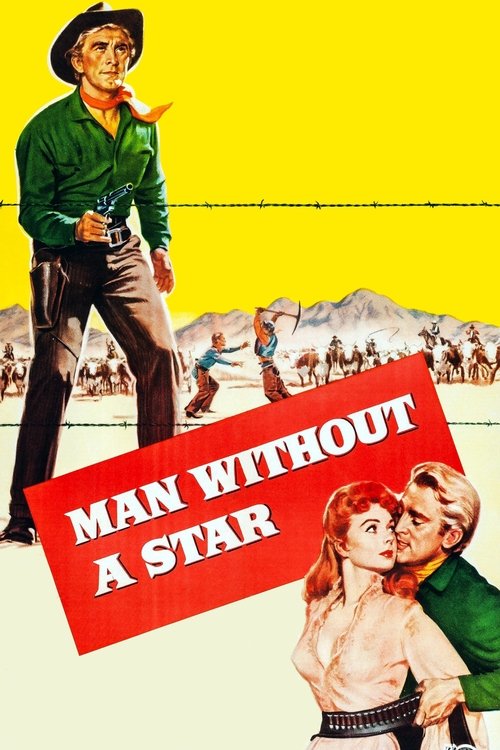
Man Without a Star(1955)
Director
Film
Japanese War Bride(1952)
Director
Film
Ruby Gentry(1952)
Director
Film
Lightning Strikes Twice(1951)
Director
Film

Beyond the Forest(1949)
Director
Film

The Fountainhead(1949)
Director
Film
On Our Merry Way(1948)
Director
Film

Duel in the Sun(1946)
Director
Film
An American Romance(1944)
Director
Film
H.M. Pulham, Esq.(1941)
Director
Film
Comrade X(1940)
Director
Film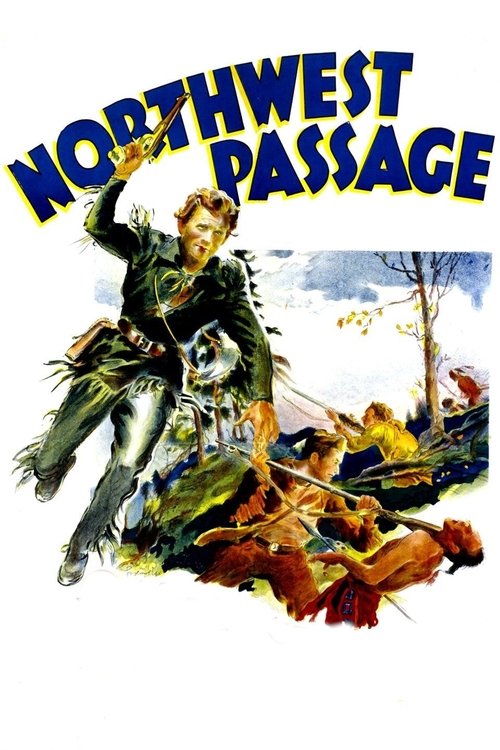
Northwest Passage(1940)
Director
Film
The Citadel(1938)
Director
Film
Stella Dallas(1937)
Director
Film
The Texas Rangers(1936)
Director
Film
So Red the Rose(1935)
Director
Film
The Wedding Night(1935)
Director
Film
Our Daily Bread(1934)
Director
Film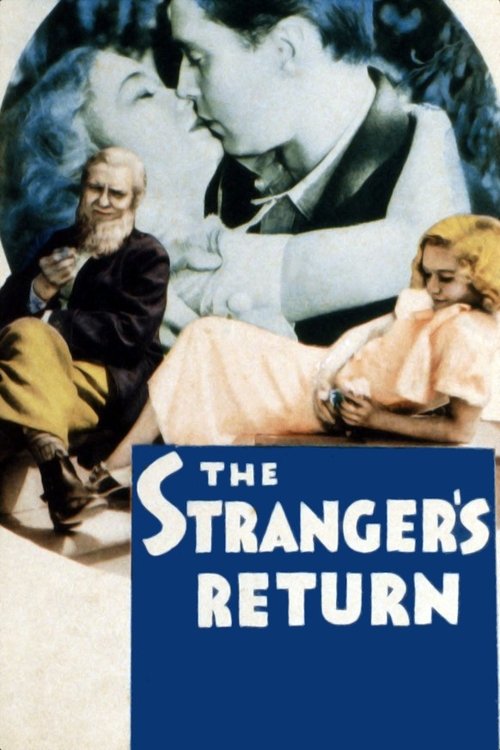
The Stranger's Return(1933)
Director
Film
Bird of Paradise(1932)
Director
Film
Cynara(1932)
Director
Film
The Champ(1931)
Director
Film
Street Scene(1931)
Director
Film
Billy the Kid(1930)
Director
Film
Not So Dumb(1930)
Director
Film
Hallelujah(1929)
Director
Film
The Patsy(1928)
Director
Film
The Crowd(1928)
Director
Film
Actor
5 credits




Producer
1 credit
Awards & Nominations
1 win · 5 nominationsAcademy Awards
- Won1978Oscar — Honorary Award
- Nom1956Oscar — Directing
- Nom1938Oscar — Directing
- Nom1931Oscar — Directing
- Nom1929Oscar — Directing
- Nom1927Oscar — Directing (dramatic Picture)
Memorable quotes
Browse all →No quotes logged for King Vidor yet — add the first memorable line below.
Got a quote we’re missing?
Submit a line from any film, show, or game.
Additional credits2Show
Non-headline appearances — talk-show, awards-show, panel, and archive-footage credits, kept separate from the main filmography.
- Hollywood MavericksSelf · 1990
- The MetaphorSelf · 1980
Edit history
Loading edit history…
Comments (0)
on King VidorNo comments yet. Be the first to share what you think.