
Person · Actor
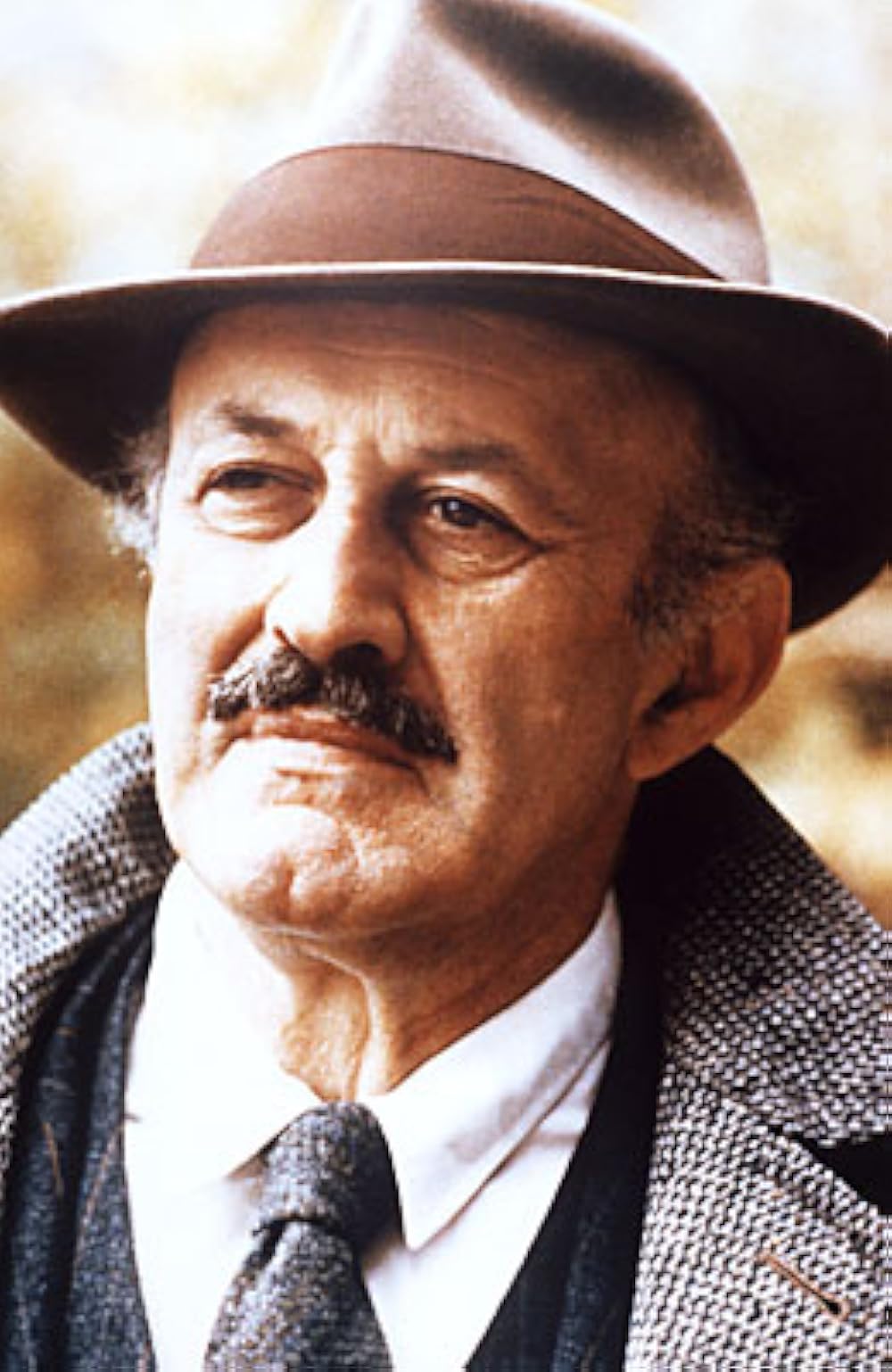
Lee J. Cobb
- Also:
- Director
In short · Acted for 10 decades — 85 credits, 1 Golden Plate Award win.
Remembered for
Ranked by community engagement + sustained interest across this person's credits in our database.
Help complete this page
We’re missing one-line descriptor, birth date. Sign in to add what you know.
Biography
Lee J. Cobb was one of the leading character actors in American film for three decades following World War II. He was born Leo Jacoby in New York City's Lower East Side on December 8, 1911, the son of a Jewish newspaper editor. As a child, he demonstrated prodigious talent in music, mastering the violin and the harmonica. His aspirations for a career as a violin virtuoso were cut short when he broke his wrist, but his skill on the harmonica may have led to his first professional success. At the age of 16 or 17, he ran away from home to Hollywood to pursue a career in acting. He reportedly made his film debut as a member of Borrah Minevitch and His Harmonica Rascals, though this cannot be confirmed. After failing to find work, he returned to New York City, where he studied accounting at New York University at night while acting in radio dramas during the day. In 1931, he tried his luck in California again and made his debut as a professional stage actor at the Pasadena Playhouse. After returning to New York, he made his Broadway debut as a saloonkeeper in a dramatization of Fyodor Dostoevsky's *Crime and Punishment*, which closed after 15 performances. Later in his career, Dostoevsky would prove more significant, as his role as Father Karamazov in *The Brothers Karamazov* (1958) earned him his second Oscar nomination. In 1935, Cobb joined the politically progressive Group Theater and gained recognition in Clifford Odets' politically liberal dramas *Waiting for Lefty* and *Till the Day I Die*, appearing in both plays that year in casts that included Elia Kazan, who later became a renowned film director. Cobb also appeared in the 1937 Group Theater production of Odets' *Golden Boy*, playing the role of Mr. Carp, alongside Kazan, Julius Garfinkle (later known as John Garfield), and Martin Ritt, all of whom would later be investigated by the House Un-American Activities Committee during the McCarthy era. Cobb took over the role of Mr. Bonaparte, the protagonist's father, in the 1939 film version of the play, despite being under 30 years old. The role of a patriarch suited him, and he would play many more in his film career. He achieved lasting recognition for his portrayal of Willy Loman in the original 1949 Broadway production of Arthur Miller's *Death of a Salesman*. His performance was a major achievement in American theater. Cobb later received an Emmy nomination for his portrayal of Willy in a made-for-TV movie adaptation of the play in 1966. Miller reportedly wrote the role with Cobb in mind. Before his success as Miller's Salesman, Cobb had appeared on Broadway only a few times in the 1940s, including in Ernest Hemingway's *The Fifth Column* (1940), Odets' *Clash by Night* (1942), and the US Army Air Force's *Winged Victory* (1943–44). Later, he reprised the role of Joe Bonaparte's father in the 1952 revival of *Golden Boy* opposite Garfield as his son, and appeared the following year in *The Emperor's Clothes*. His final Broadway appearance was as King Lear in the Repertory Theatre of Lincoln Center's 1968 production of Shakespeare's play. Aside from his possible late 1920s movie debut and his 1934 appearance in the western *The Vanishing Shadow*, Cobb's film career began in 1937 with the westerns *North of the Rio Grande* (1937) (in which he was billed as Lee Colt) and *Rustlers' Valley* (1937), and continued for nearly 40 years until his death. After a hiatus during his service in the Army Air Force in World War II, Cobb's movie career resumed in 1946. He continued to play major supporting roles in prestigious A-list pictures. His career reached its artistic peak in the 1950s, when he was twice nominated for Best Supporting Actor Academy Awards, for his role as Johnny Friendly in *On the Waterfront* (1954) and as the father in *The Brothers Karamazov* (1958). Other memorable supporting roles in the 1950s included the sagacious Judge Bernstein in *The Man in the Gray Flannel Suit* (1956), the probing psychiatrist Dr. Luther in *The Three Faces of Eve* (1957), and the volatile Juror #3 in *12 Angry Men* (1957). It was in the 1950s that Cobb faced the sort of fame that many artists feared: he was called before the House Un-American Activities Committee on charges related to his past association with the Group Theater in the 1930s. Other Group Theater members investigated by HUAC included Clifford Odets and Elia Kazan, who both provided testimony for the committee, and John Garfield, who did not. Cobb's persecution by HUAC had already caused a nervous breakdown in his wife, and he decided to appear as a friendly witness to protect her and his career. Appearing before the committee in 1953, he named names and thus saved his career. Ironically, he would win his first Oscar nomination in *On the Waterfront* (1954), directed and written by fellow HUAC informers Kazan and Budd Schul
Family & relationships
- Parents
- Benjamin Jacob
- Children
- Other
- Rosemary Morgan
Filmography · 85 of 85
A platform appears here when one of these titles streams on it. Click to filter — pick several to combine.
Actor
77 credits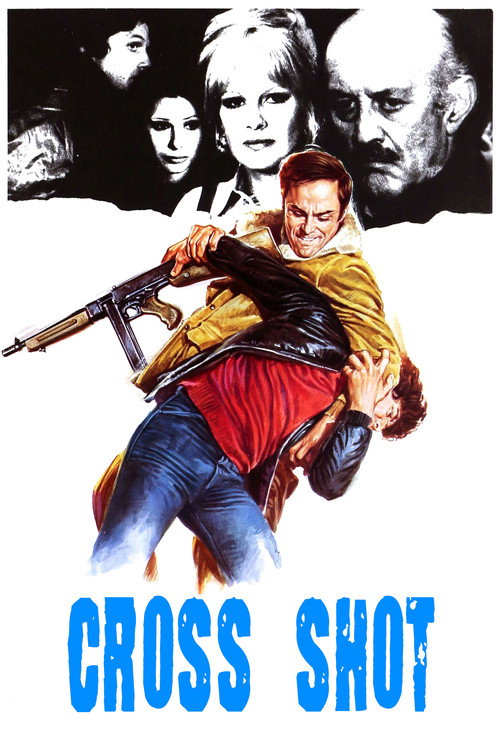
Cross Shot(1976)
Dante Ragusa
Film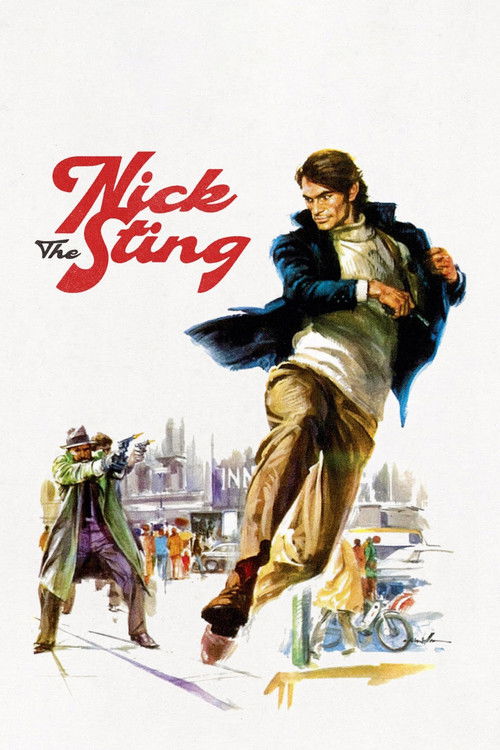
Nick the Sting(1976)
Robert Clark
Film
Origins of the Mafia(1976)
Bartolomeo Gramignano
TV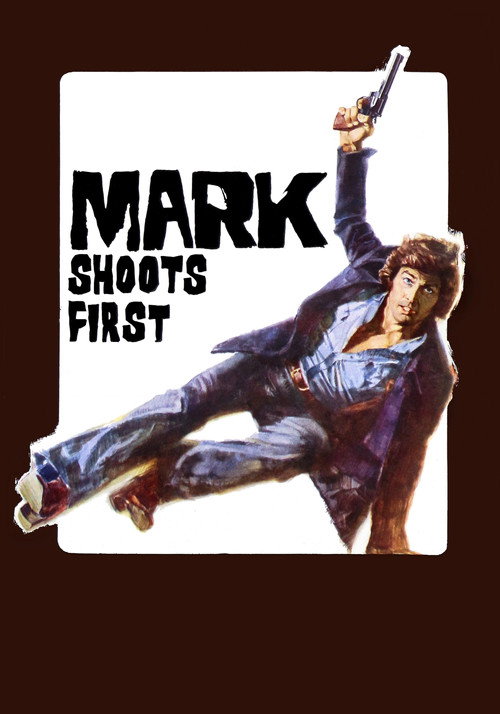
Mark Shoots First(1975)
Il commedator Benzi
Film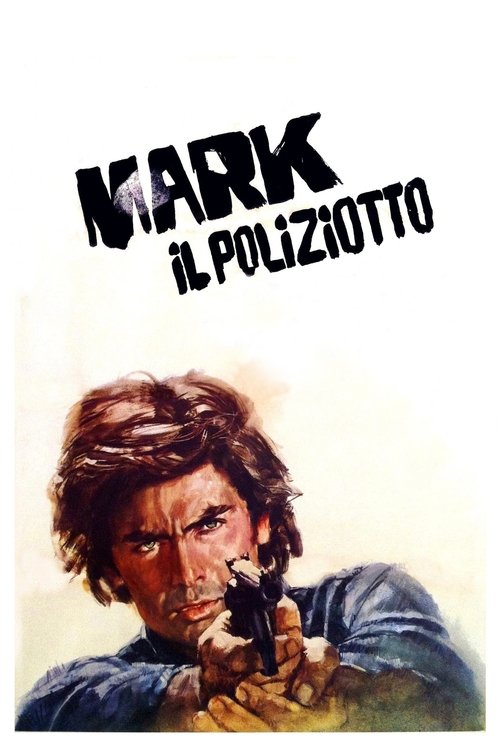
Blood, Sweat and Fear(1975)
Benzi
Film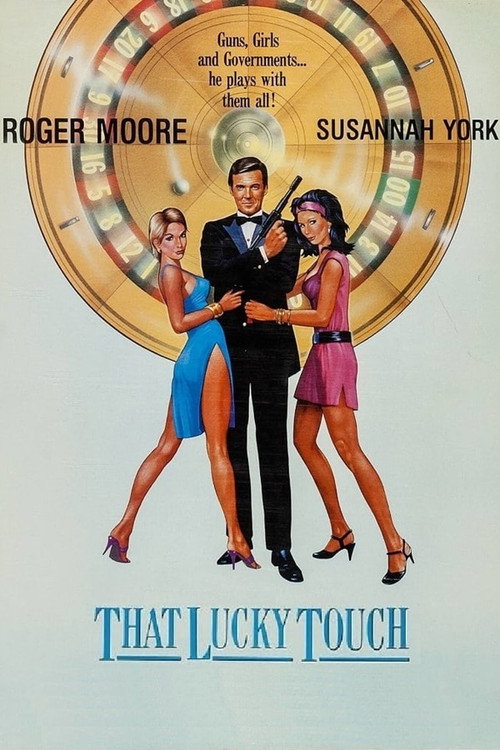
That Lucky Touch(1975)
Lt. Gen. Henry Steedman
Film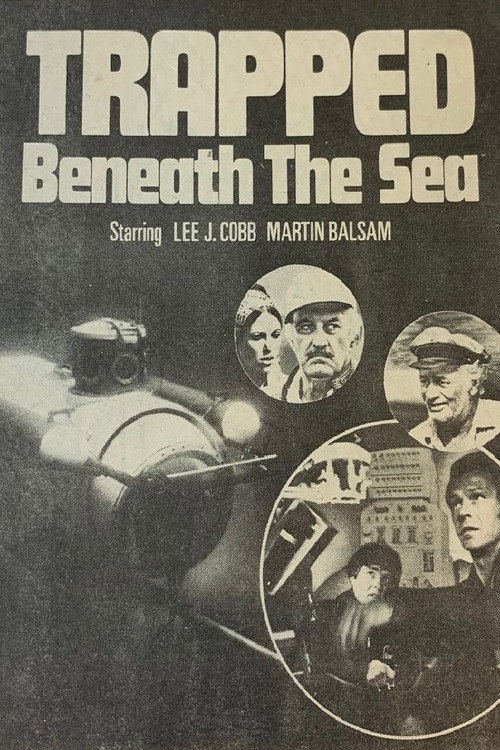
Trapped Beneath the Sea(1974)
Victor Bateman
Film
Last Moments(1974)
Twenty Years
Film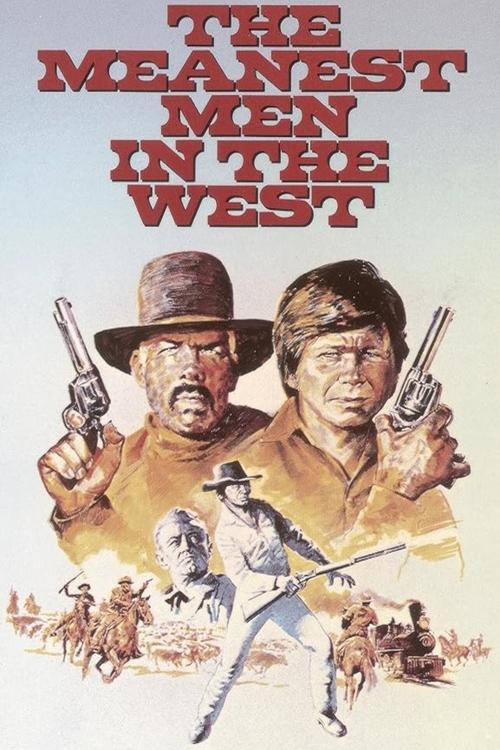
Bad Men of the West(1974)
Judge Henry Garth
Film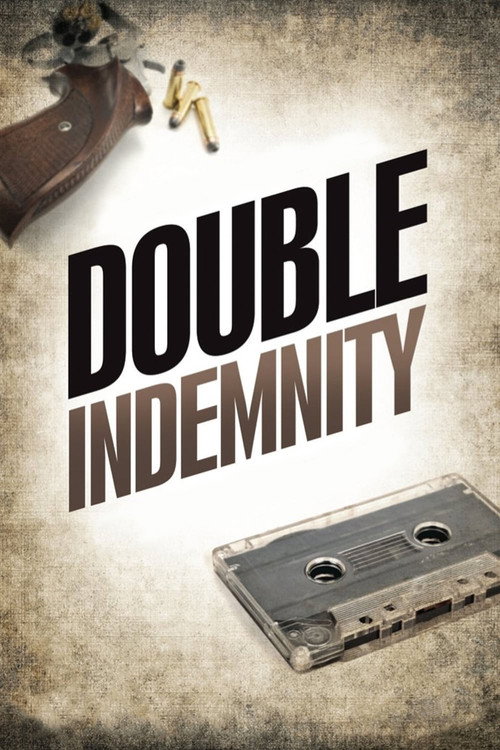
Double Indemnity(1973)
Barton Keyes
Film
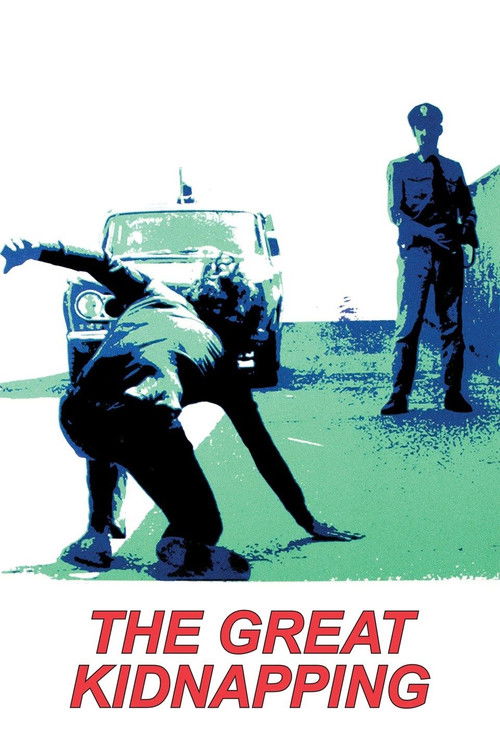
La polizia sta a guardare(1973)
Jovine
Film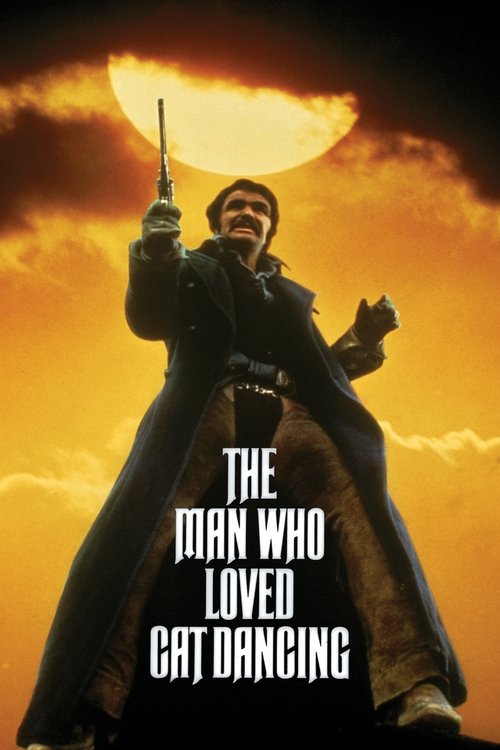
The Man Who Loved Cat Dancing(1973)
Harvey Lapchance
Film
Ultimatum(1973)
Actor
Film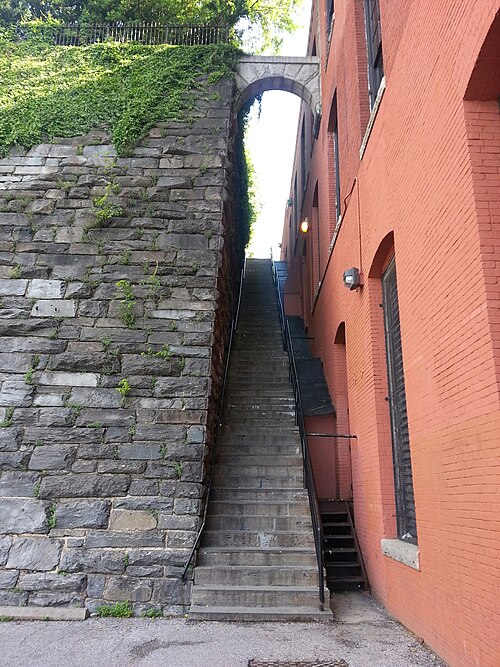
The Exorcist(1973)
Lt. Kinderman
Film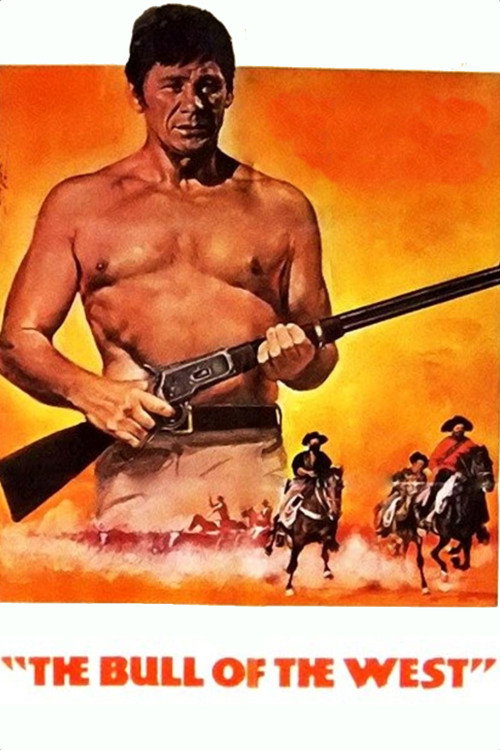
The Bull of the West(1972)
Judge Garth
Film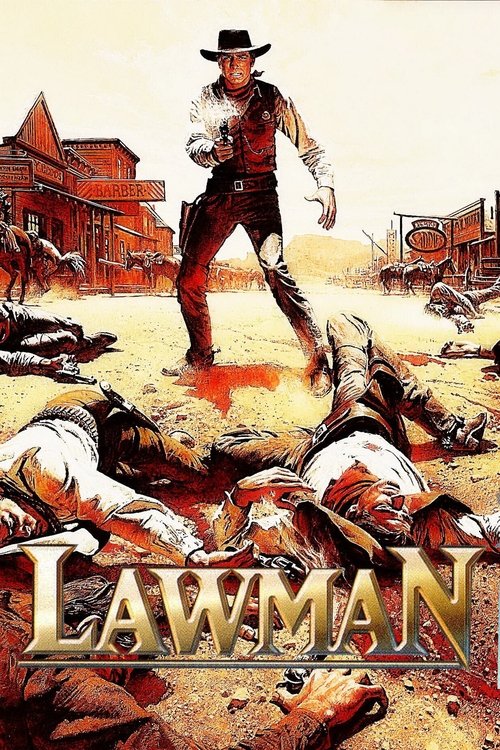
Lawman(1971)
Vincent Bronson
Film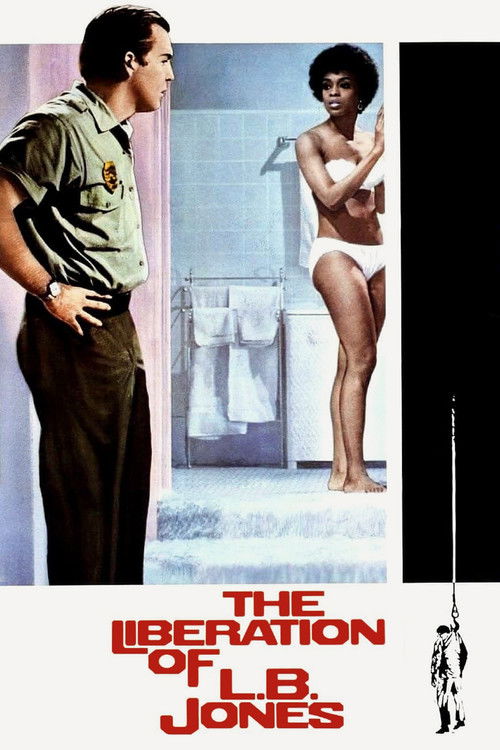
The Liberation of L.B. Jones(1970)
Oman Hedgepath
Film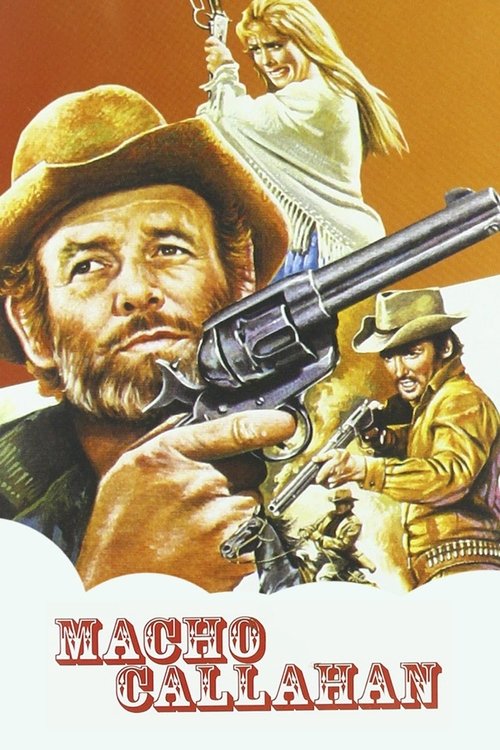
Macho Callahan(1970)
Duffy
Film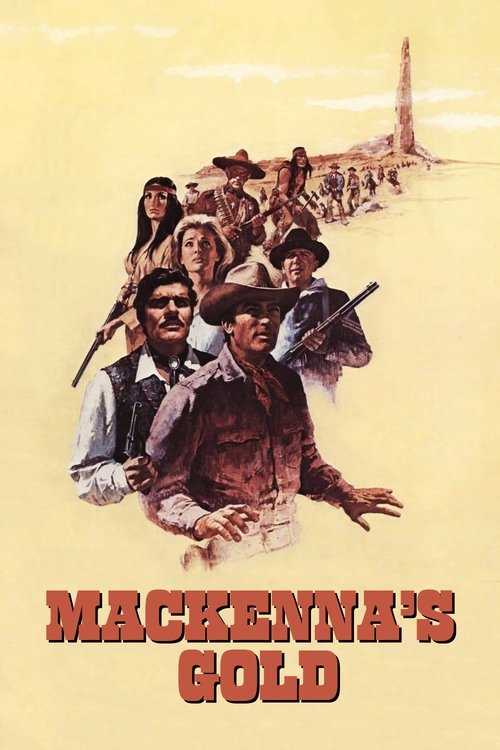
Mackenna's Gold(1969)
The Editor
Film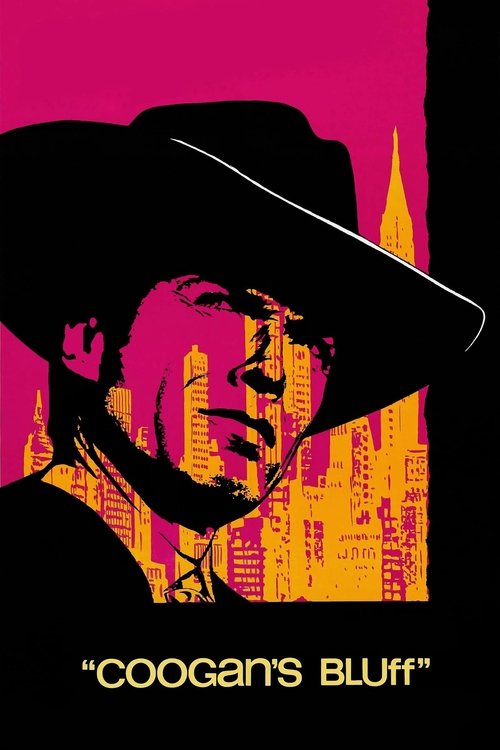
Coogan's Bluff(1968)
Lt. McElroy
Film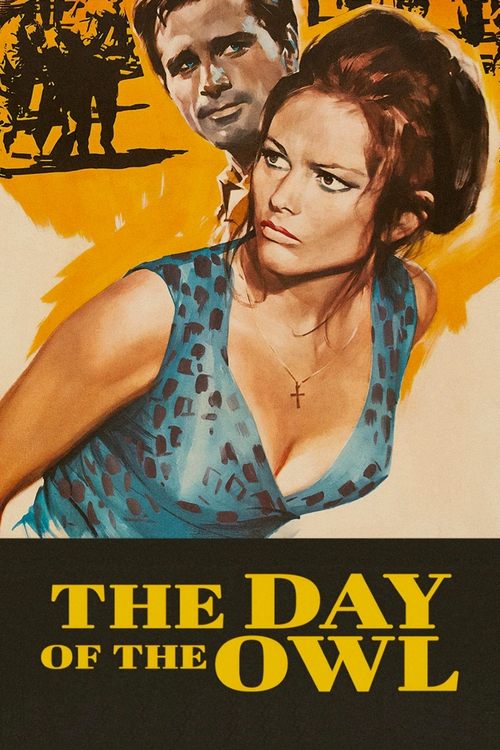
Mafia(1968)
Don Mariano Arena
Film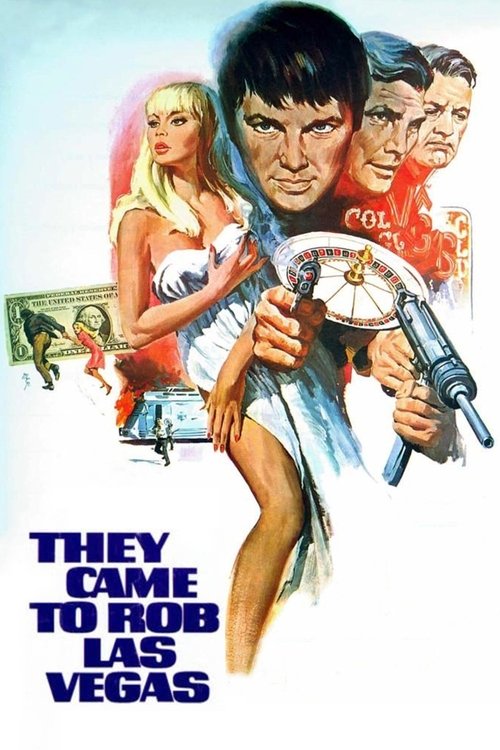
They Came to Rob Las Vegas(1968)
Steve Skorsky
Film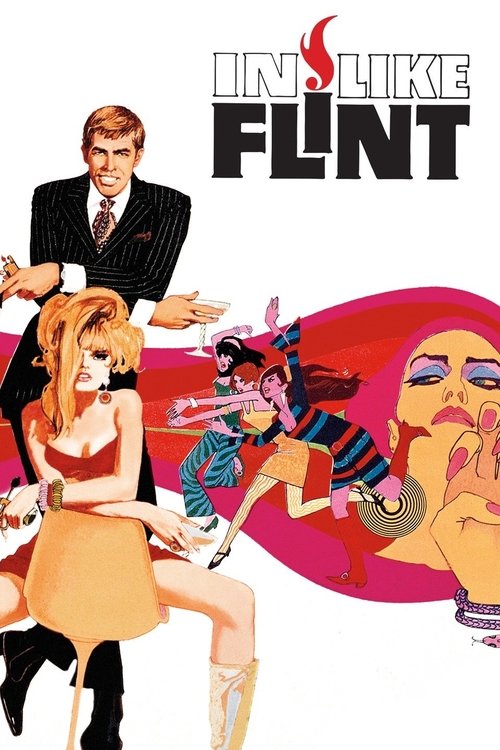
In Like Flint(1967)
Cramden
Film
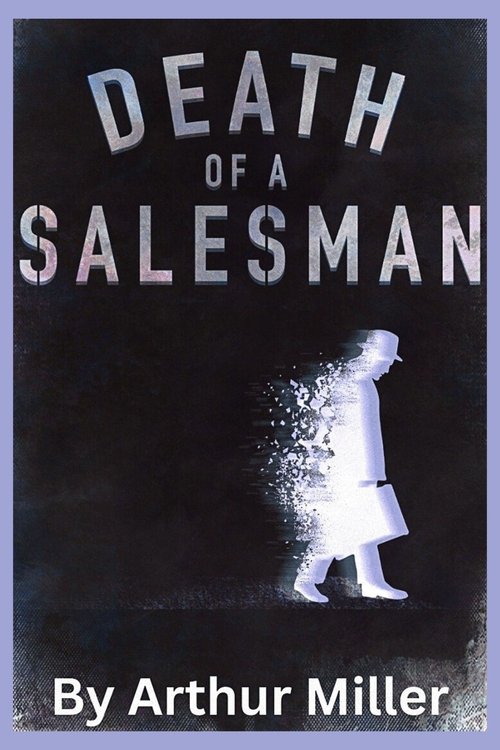
Death of a Salesman(1966)
Willy Loman
Film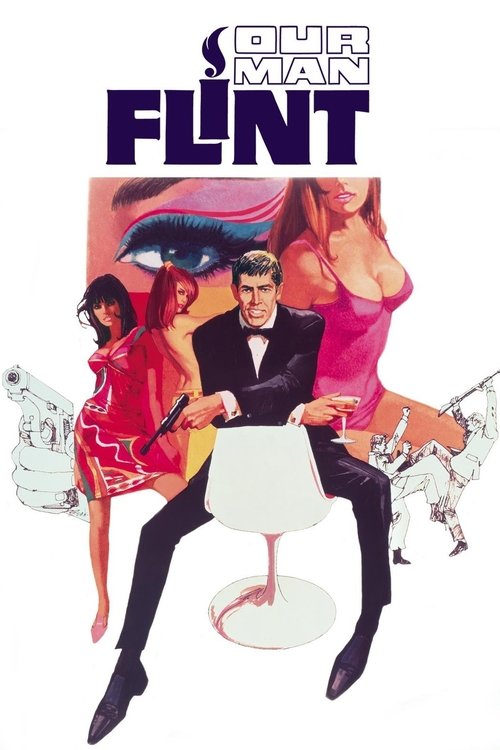
Our Man Flint(1966)
Cramden
Film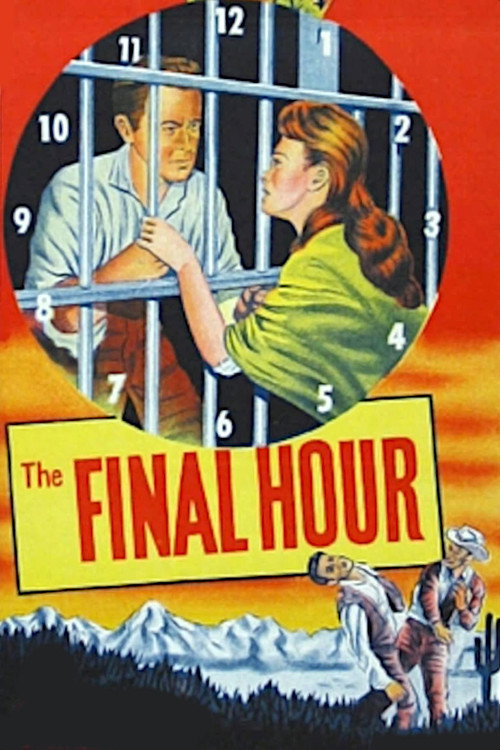
The Final Hour(1965)
Judge Garth
Film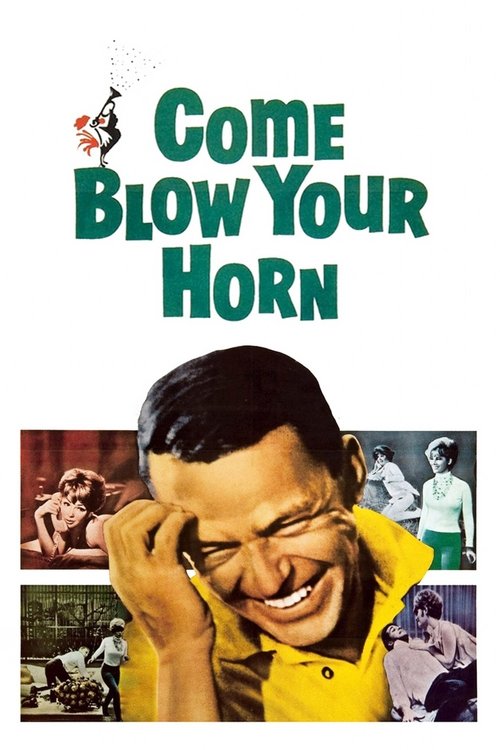
Come Blow Your Horn(1963)
Harry Baker
Film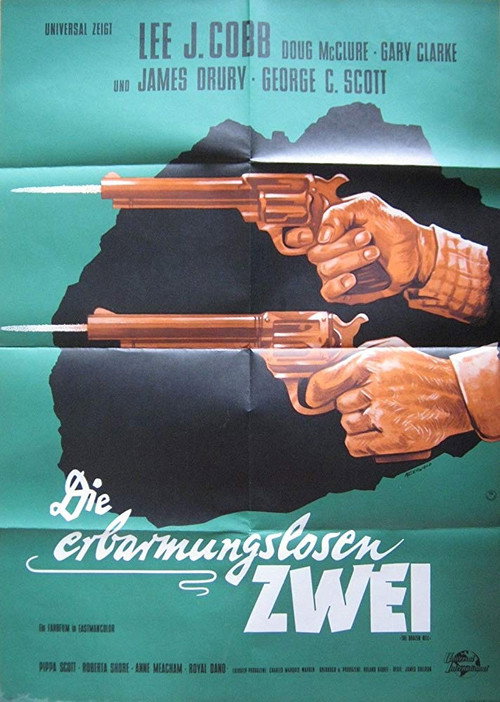
The Brazen Bell(1962)
Judge Garth
Film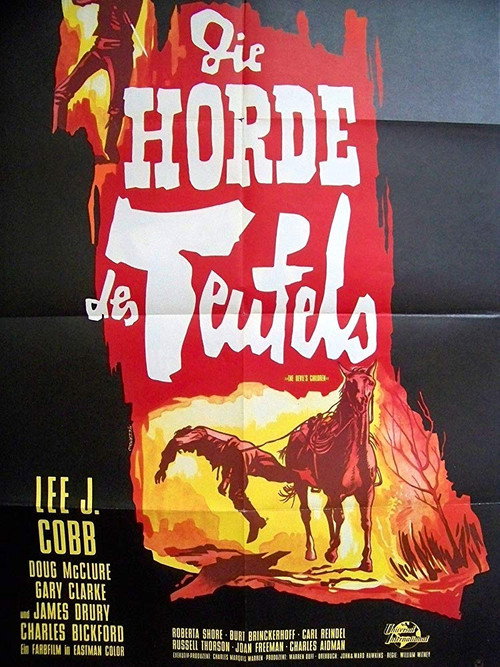
The Devil's Children(1962)
Judge Henry Garth
Film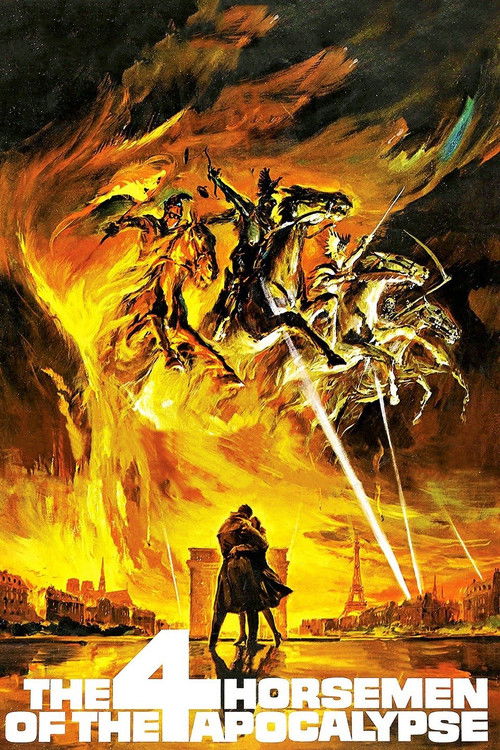
The Four Horsemen of the Apocalypse(1962)
Julio Madariaga
Film
Editor
1 credit
Other crew
7 credits
Awards & Nominations
1 win · 8 nominationsGolden Globe Award
- Nom1963Best Supporting Actor – Motion Picture
- Nom1957Best Supporting Actor – Motion Picture
Academy Award
- Nom1959Best Supporting Actor
- Nom1955Best Supporting Actor
More awards & festivals (5) — regional academies & film-festival prizes
Golden Plate Award
- Won1960Golden Plate Award
Golden Globe Awards
- Nom1963Golden Globe — Best Supporting Actor – Motion Picture
- Nom1957Golden Globe — Best Supporting Actor – Motion Picture
Academy Awards
- Nom1958Oscar — Actor in a Supporting Role
- Nom1954Oscar — Actor in a Supporting Role
Memorable quotes
Browse all →No quotes logged for Lee J. Cobb yet — add the first memorable line below.
Got a quote we’re missing?
Submit a line from any film, show, or game.
Edit history
Loading edit history…
Comments (0)
on Lee J. CobbNo comments yet. Be the first to share what you think.