
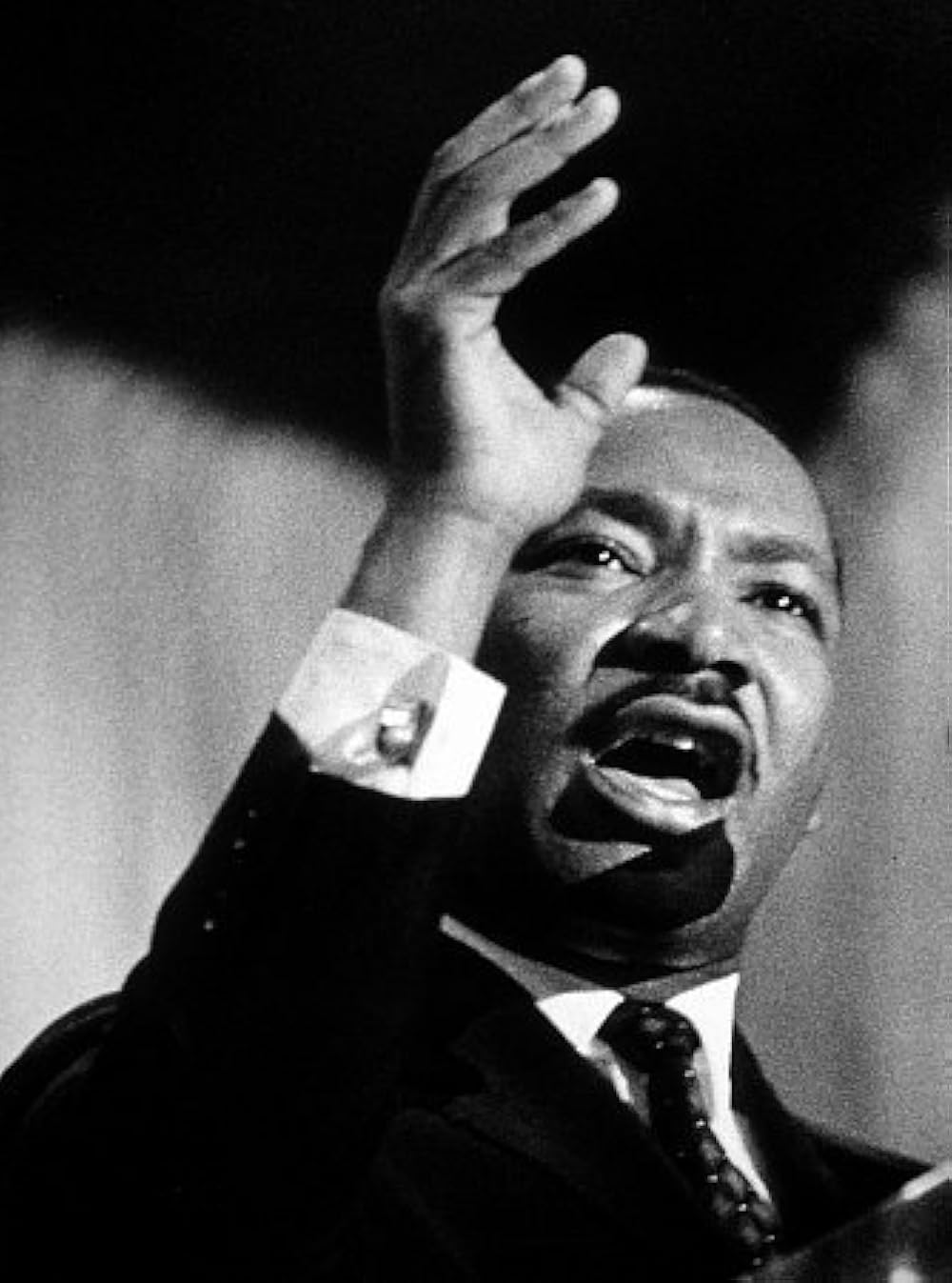
Person · Screenwriter
Martin Luther King
- Also:
- Writer
- Director
- Music Department
In short · Wrote for nine decades — 74 credits, 12 Congressional Gold Medal wins.
Remembered for
Ranked by community engagement + sustained interest across this person's credits in our database.
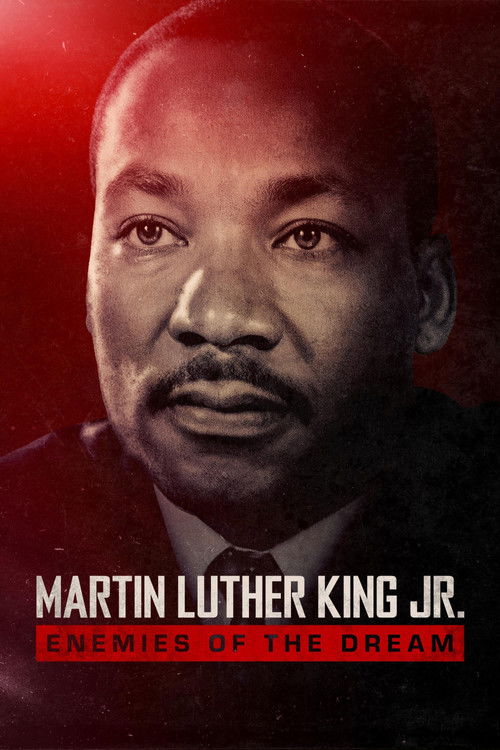
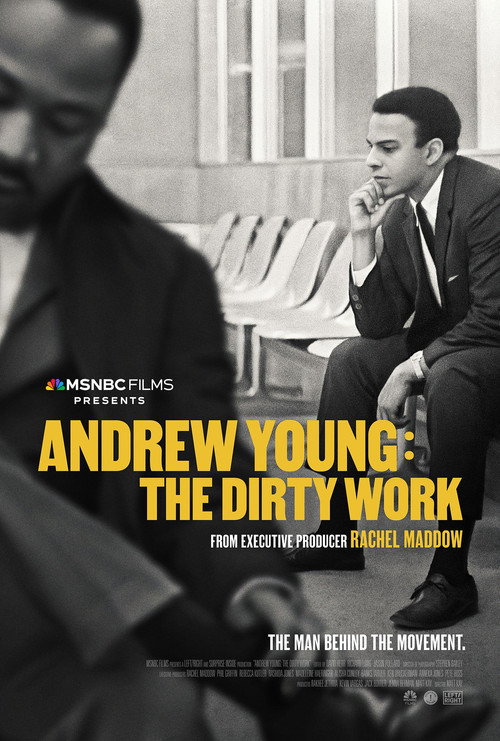
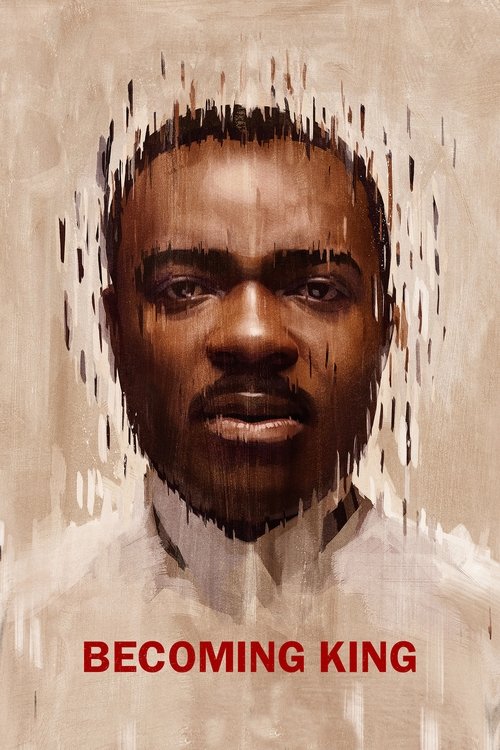
Recent & in release
- Award win
Congressional Gold Medal — Congressional Gold Medal
- Award win
Humanitarian Of The Year — Humanitarian of the Year
- Award win
United Nations Prize In The Field Of Human Rights — United Nations Prize in the Field of Human Rights
- Award win
Presidential Medal Of Freedom — Presidential Medal of Freedom
Help complete this page
We’re missing one-line descriptor, birth date. Sign in to add what you know.
Biography
Martin Luther King Jr. was born on January 15, 1929, in Atlanta, Georgia. He was the son of Alberta Christine (Williams), a schoolteacher, and Martin Luther King Sr., a pastor of the Ebenezer Baptist Church in Atlanta. For Martin, the civil rights movement began one summer in 1935 when he was six years old. Two of his friends did not show up to play ball with him, and Martin decided to go looking for them. When he went to one of the boys' house, their mother met him at the front door and told him in a rude tone that her son would not be coming out to play with him that day or any other day because they were white and he was black. Years later, Martin admitted that those cruel words altered the direction of his life. As a teenager, Martin went through school with great distinction. He skipped ninth and 12th grades and excelled on the violin and as a public speaker. One evening after taking top prize in a debate tournament, he and his teacher were riding home on the bus discussing the event when the driver ordered them to give up their seats for two white passengers who had just boarded. Martin was infuriated as he recalled, "I intended to stay right in my seat and protest," but his teacher convinced him to obey the law, and they stood for the remainder of the 90-mile trip. "That night will never leave my memory as long as I live. It was the angriest I had ever been in my life. Never before, or afterward, can I remember myself being so angry," he later recalled. Martin entered Morehouse College, his father's alma mater, when he was 15 with the intention of becoming a doctor or lawyer. After graduating from Morehouse at the age of 19, he decided to enter Crozer Theological Seminary in Chester, Pennsylvania. This private nondenominational college had only 100 students at the time, and Martin was one of six black students. This was the first time that he had lived in a community that was mostly white. He won the highest class ranking and a $1,200 fellowship for graduate school. In 1951 he entered Boston University School of Theology to pursue his Ph.D. While at Crozer, Martin had attended a lecture by Howard University President Mordecai Johnson, who spoke about Mohandas K. Gandhi, India's spiritual leader whose nonviolent protests helped to free his country from British rule, and that gave Martin the basis for positive change. It was here that he met and married his wife Coretta Scott King, who was a soprano studying at the New England Conservatory of Music. In 1954 Martin accepted a call to the Dexter Avenue Baptist Church in Montgomery, Alabama, to be its pastor. Despite Coretta's warning that it would not be safe for them in Alabama, the poorest and most racist state in the US, Martin insisted that they move there. Many local black ministers attended Martin's first sermon at the church, among them the Rev. Ralph Abernathy, who congratulated him on his speech. The two became fast friends and often discussed life in general and the challenges of desegregation in particular. Then an incident changed Martin's life forever. On the cold winter night of December 1, 1955, Rosa Parks, a 42-year-old black seamstress who worked in a downtown Montgomery department store, boarded a bus for home and sat in the back with the other black passengers. A few stops later, she was ordered to give up her seat to a white passenger who just boarded. She repeatedly refused, prompting the driver to call the police, who arrested her. In response to Mrs. Parks' courage, the town's black leaders formed the Montgomery Improvement Association and elected Martin as its leader. The first goal of the MIA was to boycott the city's bus system until public transportation laws were changed. The strike was long, bitter, and violent, but eventually the city's white merchants began to complain that their businesses were suffering because of the strike, and the city responded by filing charges against Martin. While in court to appeal the charges, he learned that the U.S. Supreme Court had affirmed the decision by the Alabama Supreme Court that the local laws requiring segregation on buses were unconstitutional. The first civil rights battle was won, but for Martin it was the first of many more difficult ones. On November 29, 1959, he offered his resignation to the members of the Dexter Avenue Baptist Church, as several months earlier he had been elected leader of a new organization called the Southern Christian Leadership Conference (SCLC). He moved his family to Atlanta and began to establish a regional network of nonviolent organizations. In April 1961 he coordinated the SCLC and other civil-rights organizations to take two busloads of white and black passengers through the South on a "freedom ride" for publicity reasons. In Virginia and North and South Carolina there were no incidents, but in Anniston, Alabama, the ride became a rolling horror when one bus was burned and its passengers beaten by an angry racist white mob. In Birmingham, angry mobs—with some policemen joining them—greeted the bus with more violence, which was broken up when state police intervened and stopped the chaos. The violence shook Martin, and he decided to abandon the freedom rides before someone was killed, but the riders insisted they complete the ride to Montgomery, where they were greeted with more violence. In January 1963 Martin arrived in Birmingham with Ralph Abernathy to organize a freedom march aimed at ending segregation. Despite an injunction issued by city authorities against the gathering, the protesters marched and were attacked by the police. Three months later another march was planned with the intent to "turn
Family & relationships
- Spouse
- Parents
- Children
- Other
Filmography · 17 of 17
A platform appears here when one of these titles streams on it. Click to filter — pick several to combine.
Actor
2 credits
Other crew
15 credits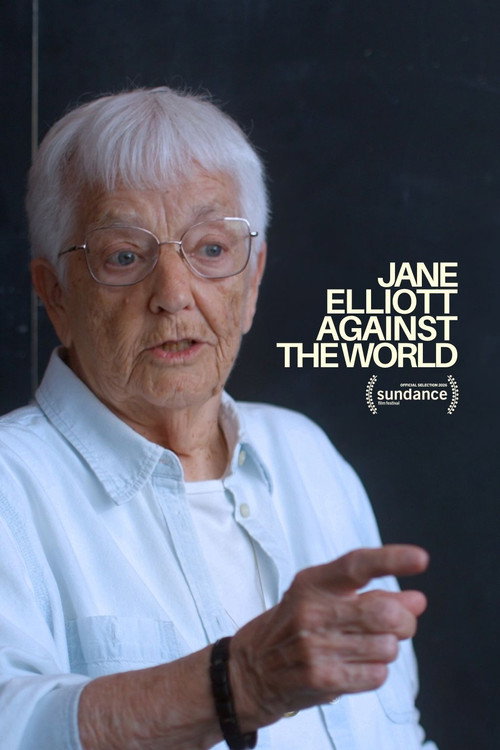
Jane Elliott Against the World(2026)
Crew
FilmStandoff: The FBI, Power and Paranoia(2026)
Crew
TV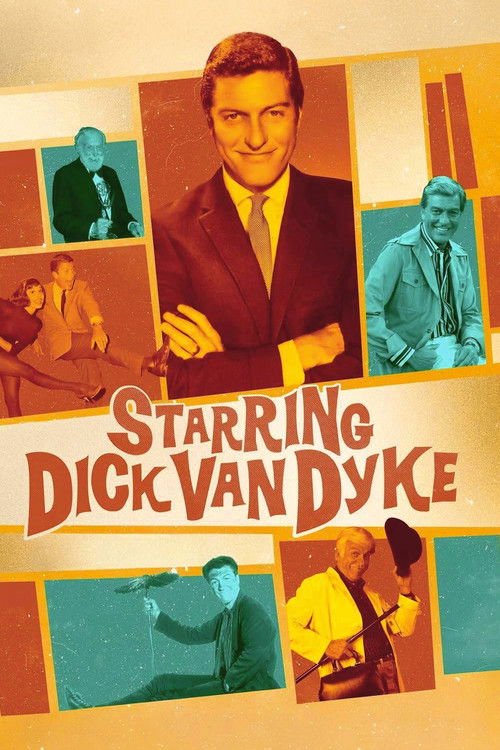
Starring Dick Van Dyke(2025)
Crew
FilmOops I Changed the World(2022)
Crew
TVCNN 10(2019)
Crew
TVGuten Morgen Österreich(2016)
Crew
TV
Morning Joe(2007)
Crew
TV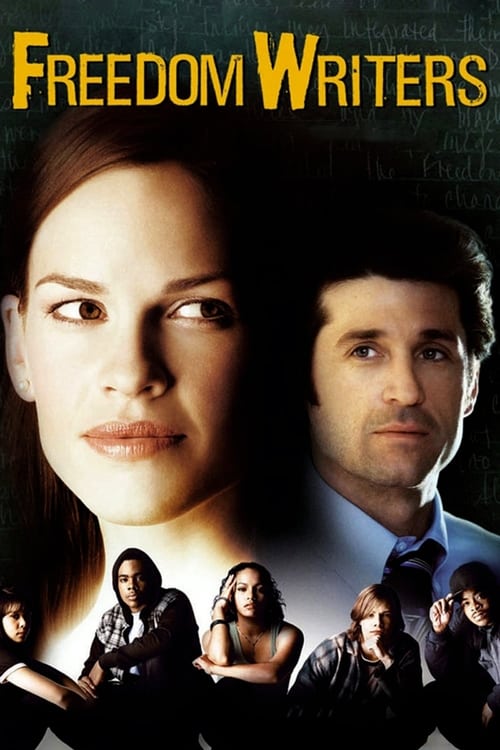
Freedom Writers(2007)
Crew
Film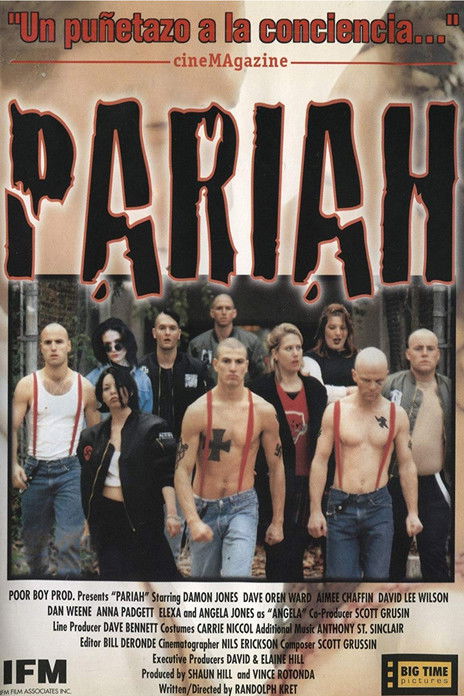
Pariah(1998)
Crew
Film
Biography(1987)
Crew
TV
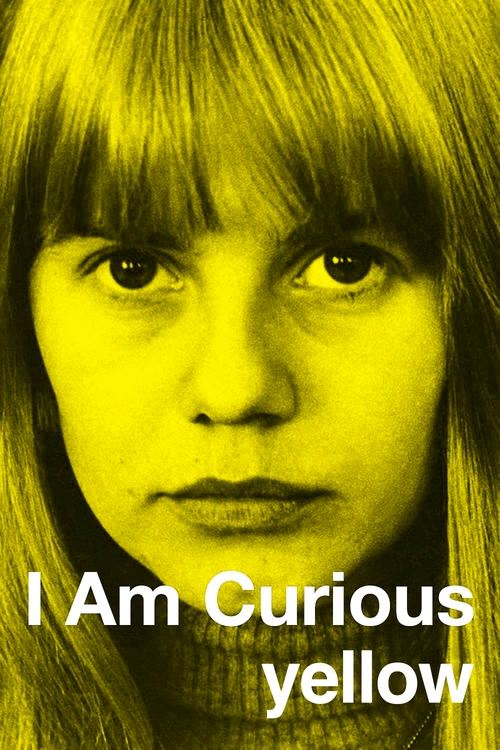
I Am Curious (Yellow)(1967)
Crew
Film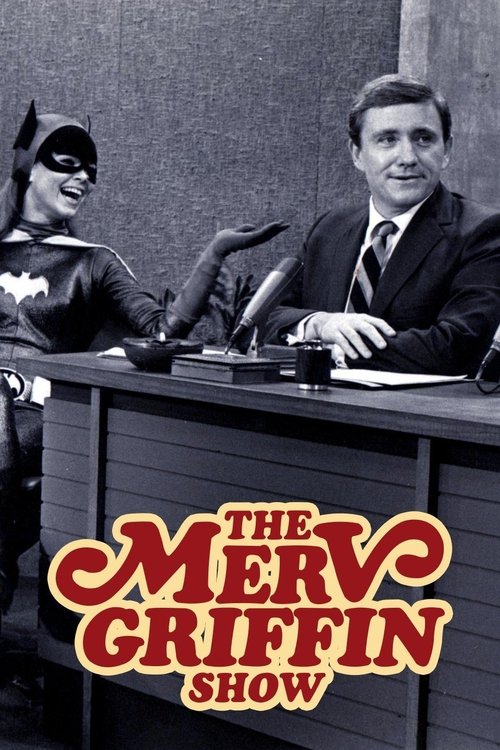
The Merv Griffin Show(1962)
Crew
TV
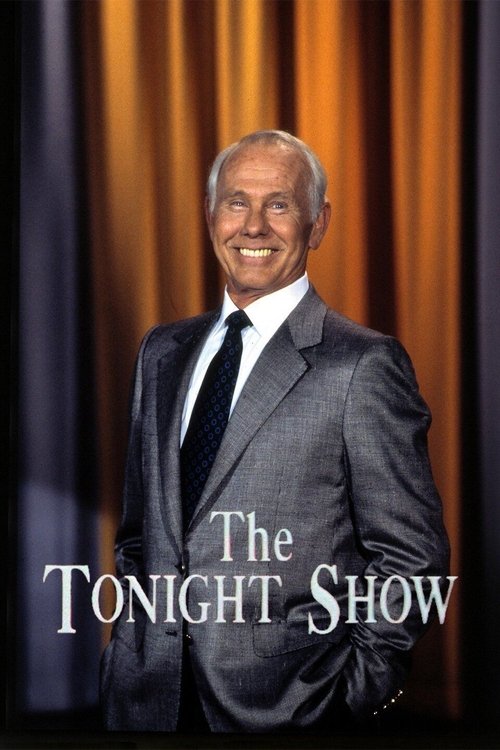
The Tonight Show Starring Johnny Carson(1962)
Crew
TV
The Mike Douglas Show(1961)
Crew
TV
Meet the Press(1947)
Crew
TV
Awards & Nominations
12 winsCongressional Gold Medal
- Won2004Congressional Gold Medal
Humanitarian Of The Year
- Won1984Humanitarian of the Year
United Nations Prize In The Field Of Human Rights
- Won1978United Nations Prize in the Field of Human Rights
Presidential Medal Of Freedom
- Won1977Presidential Medal of Freedom
Jawaharlal Nehru Award
- Won1966International Understanding
Margaret Sanger Awards
- Won1966Margaret Sanger Awards
Pacem In Terris Award
- Won1965Pacem in Terris Award
Nobel Peace Prize
- Won1964Nobel Peace Prize
Gandhi Peace Award
- Won1964Gandhi Peace Award
Time Person Of The Year
- Won1963Time Person of the Year
Anisfield Wolf Book Awards
- Won1959Anisfield-Wolf Book Awards
Spingarn Medal
- Won1957Spingarn Medal
Memorable quotes
Browse all →No quotes logged for Martin Luther King yet — add the first memorable line below.
Got a quote we’re missing?
Submit a line from any film, show, or game.
Additional credits57Show
Non-headline appearances — talk-show, awards-show, panel, and archive-footage credits, kept separate from the main filmography.
- Martin Luther King Jr.: Enemies of the DreamSelf · 2026
- Andrew Young: The Dirty WorkSelf · 2025
- Becoming KingSelf · 2024
- TransGender NationSelf · 2024
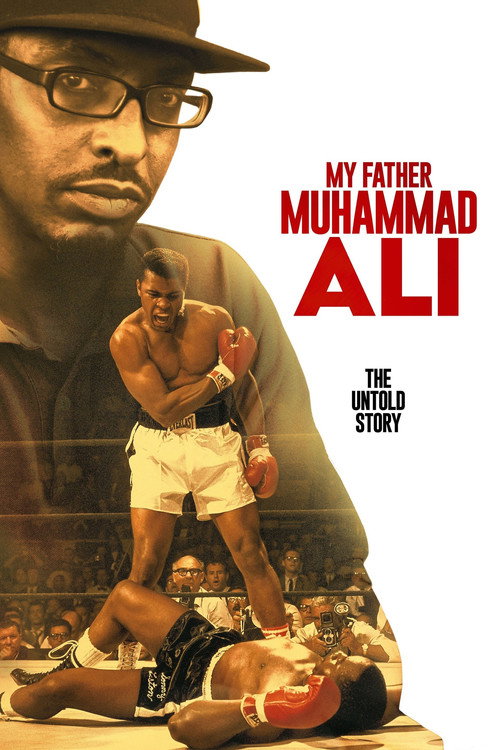
- My Father Muhammad AliSelf · 2023
- Stamped from the BeginningSelf · 2023
- Sammy by Sammy: My Tale of the 60'sSelf · 2022
- Harry Belafonte - Zwischen Calypso und GerechtigkeitSelf · 2022
- Denzel Washington: An American ModelSelf · 2022
- MLK: The ConspiraciesSelf · 2021
- Black Power: A British Story of ResistanceSelf · 2021
- Killing Martin Luther King Jr.Self · 2021
- JFK Revisited: Through the Looking GlassSelf - Civil Rights Activist · 2021
- MLK/FBISelf · 2020
- PridelandSelf - Civil Rights Leader · 2020
- Killing John F. KennedySelf · 2020
- Be WaterSelf · 2020
- The Soul of AmericaSelf · 2020
- Da 5 BloodsSelf · 2020
- The Trial of the Chicago 7Self · 2020
- Geek, and You Shall FindSelf · 2019
- Stevie Wonder: Visionnaire et prophèteSelf · 2019
- True Justice: Bryan Stevenson's Fight for EqualitySelf · 2019
- London 79Self - Civil Rights Activist · 2019
- I Am MLK Jr.Self · 2018
- Teddy Pendergrass: If You Don't Know MeSelf · 2018
- Josephine Baker: The Story of an AwakeningSelf · 2018
- DoloresSelf · 2017
- Love Is the Message, the Message Is DeathSelf · 2016
- I Am Not Your NegroSelf · 2016
- Hidden FiguresSelf · 2016
- The InvadersSelf · 2015
- The ButlerSelf · 2013
- MLK: The Assassination TapesSelf - Civil Rights Leader · 2012
- Brothers on the LineSelf · 2012
- The Black Power Mixtape 1967-1975Self · 2011
- J. EdgarSelf · 2011
- Sole JourneySelf · 2009
- Capitalism: A Love StorySelf · 2009
- PreciousSelf · 2009
- Scarred Lands and Wounded Lives (60)Self · 2008
- Pete Seeger: The Power of SongSelf · 2007
- BobbySelf · 2006
- Mighty Times: The Legacy of Rosa ParksSelf · 2002
- A Force More PowerfulSelf · 1999
- The Last Days of Kennedy and KingSelf · 1998
- ContactSelf - Voice Through Space · 1997
- Dr. Martin Luther King, Jr.: A Historical PerspectiveSelf · 1994
- Nina Simone: La légendeSelf · 1992
- The DoorsSelf · 1991
- JFKSelf · 1991
- In Remembrance of MartinSelf · 1986
- Music Is the WeaponSelf (English-language version) · 1982
- ArenaSelf · 1975
- King: A Filmed Record... Montgomery to MemphisSelf · 1969
- Anarchy U.S.A.Self · 1966
- The MarchSelf · 1964
Edit history
Loading edit history…
Comments (0)
on Martin Luther KingNo comments yet. Be the first to share what you think.