
Person · Composer
Maurice Jaubert
- Also:
- Music Department
- Actor
In short · Composed for eight decades — 26 credits.
Remembered for
Ranked by community engagement + sustained interest across this person's credits in our database.
Help complete this page
We’re missing one-line descriptor. Sign in to add what you know.
Biography
Maurice Jaubert (3 January 1900 – 19 June 1940) was a French composer known for his work on some of the most significant films of the early sound era in France, including Jean Vigo’s *Zero for Conduct* and *L'Atalante*, and René Clair’s *Quatorze Juillet* and *Le Dernier Milliardaire*. He served in both world wars and died in action during World War II at the age of 40.
Born in Nice on 3 January 1900, he was the second son of François Jaubert, a lawyer who later became president of the Nice bar.
Jaubert grew up in a musical household and began playing the piano at the age of five. After earning his baccalaureate from the Lycée Masséna in Nice in 1916, he enrolled at the Nice Conservatory of Music, where he studied harmony, counterpoint, and piano. He was awarded the first piano prize in 1916.
Jaubert moved to Paris and studied law and literature at the Sorbonne. Upon returning to Nice in 1919, he became the youngest lawyer in France. His first compositions date from this period, but soon after he entered military service and became an officer in engineering. Demobilized in 1922, Jaubert decided to abandon the law and devote himself fully to music. The following year, he continued his musical education in Paris with Albert Groz, while working in various music-related roles, including proof correction and checking Pleyela rolls.
Jaubert's compositions from the early 1920s include songs, piano pieces, chamber music, and divertissements. He wrote his first stage music in 1925 for a play by Calderón, *Le Magicien prodigieux*, using the Pleyela, a pioneering player piano. He was then hired by Pleyel to record rolls on the Pleyela. Jaubert was consistently drawn to technical innovations that could support his artistic goals. While working on this play, he met soprano Marthe Bréga, who performed in most of his vocal compositions. They married in 1926, with Maurice Ravel as Jaubert's best man. They had a daughter, Françoise, in 1927. His *poème chorégraphique* *Le Jour* was premiered by the Orchestre Symphonique de Paris under Pierre Monteux in 1931, while a *Suite française* was premiered by Vladimir Golschmann in St. Louis the following year.
His music was characterized by clarity, frankness, and freedom, in which he avoided novelty for its own sake and where his spontaneity was not constrained by rigid formulas.
Jaubert's writings include articles, lectures, and a large number of letters that reflect his political views, his perception of his era, and his musical preferences (for example, he was a strong advocate for Kurt Weill at a time when the composer was not widely understood).
In 1929, while continuing his work for the concert hall and stage, Maurice Jaubert began composing and conducting for cinema. He collaborated with notable directors such as Alberto Cavalcanti (*Le Petit Chaperon Rouge*), Jean Vigo (*Zero for Conduct* and *L'Atalante*), René Clair (*Quatorze Juillet* and *Le Dernier Milliardaire*), Julien Duvivier (*Carnet de bal* and *La Fin du Jour*), Marcel Carné (*Drôle de drame*, *Hôtel du Nord*, *Quai des brumes* (*Port of Shadows*), and *Le Jour se lève* (*Daybreak*)), and Henri Storck’s Belgian documentaries.
Filmography · 26 of 26
A platform appears here when one of these titles streams on it. Click to filter — pick several to combine.
Composer
26 credits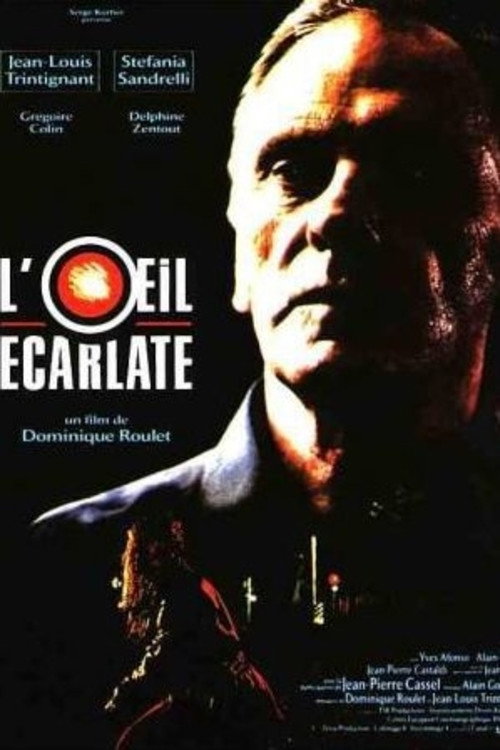
L'oeil écarlate(1993)
Composer
FilmLe temps détruit(1985)
Composer
Film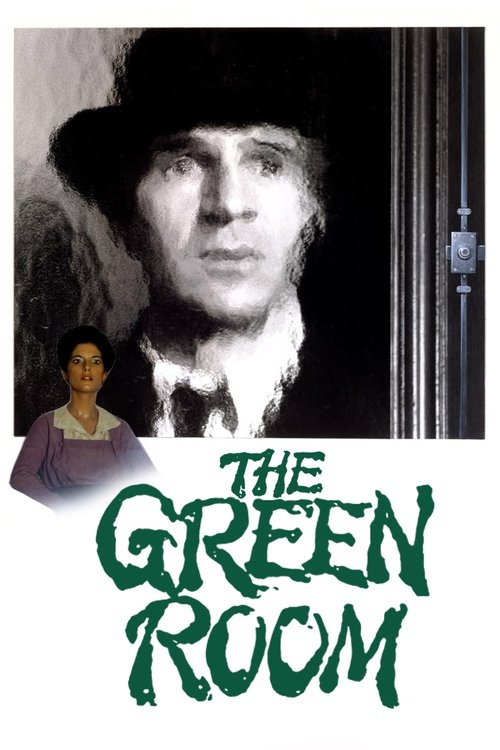
The Green Room(1978)
Composer
Film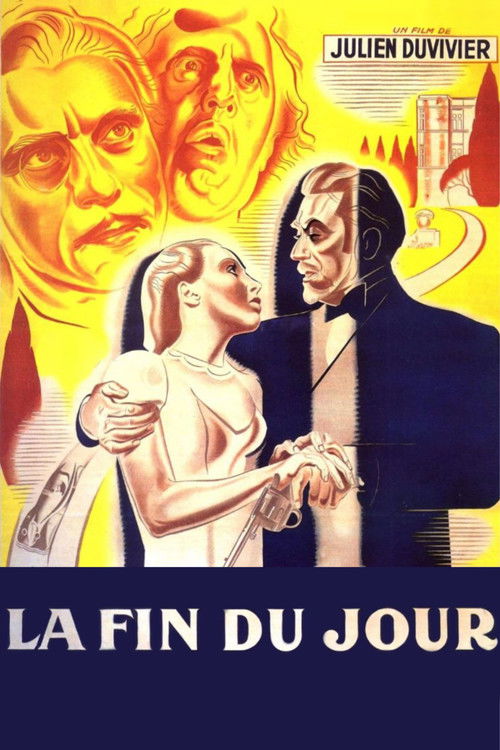
The End of the Day(1939)
Composer
Film
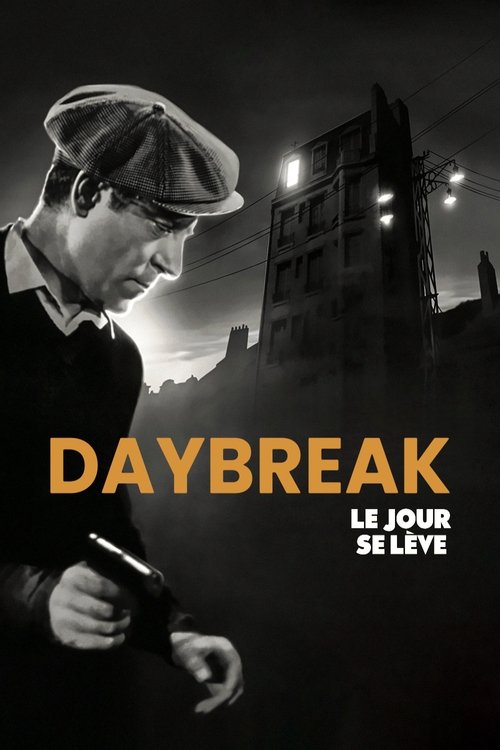
Daybreak(1939)
Composer
FilmPasha's Wives(1939)
Composer
Film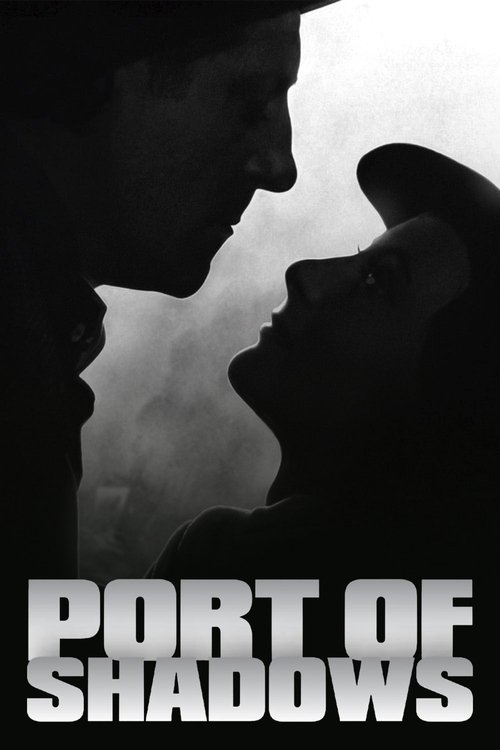
Port of Shadows(1938)
Composer
Film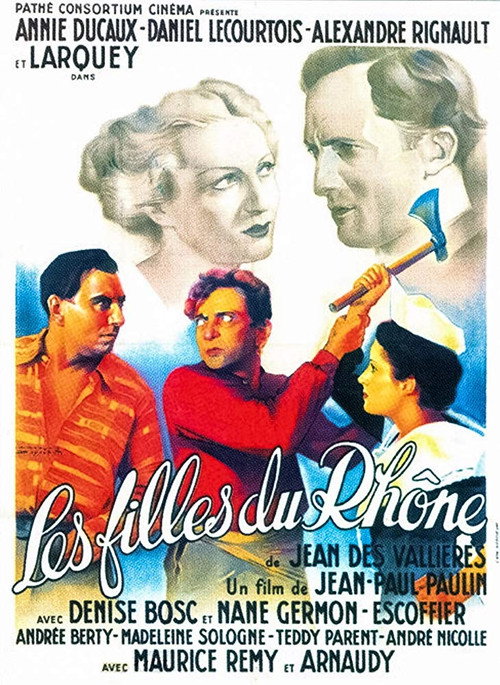
Les filles du Rhône(1938)
Composer
Film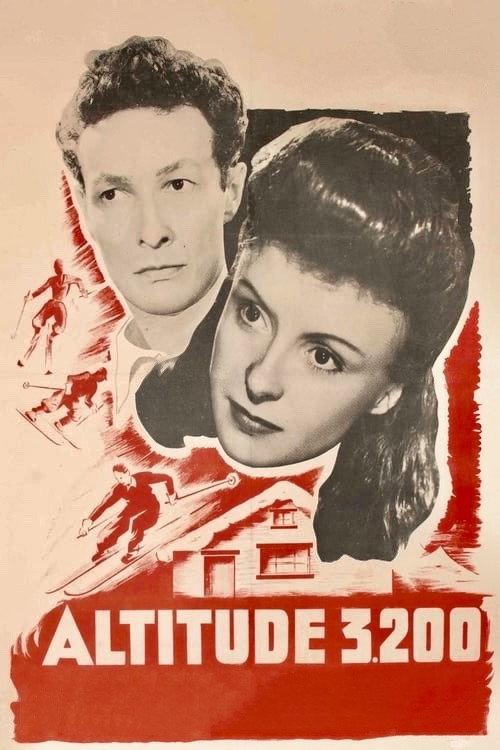
Youth in Revolt(1938)
Composer
Film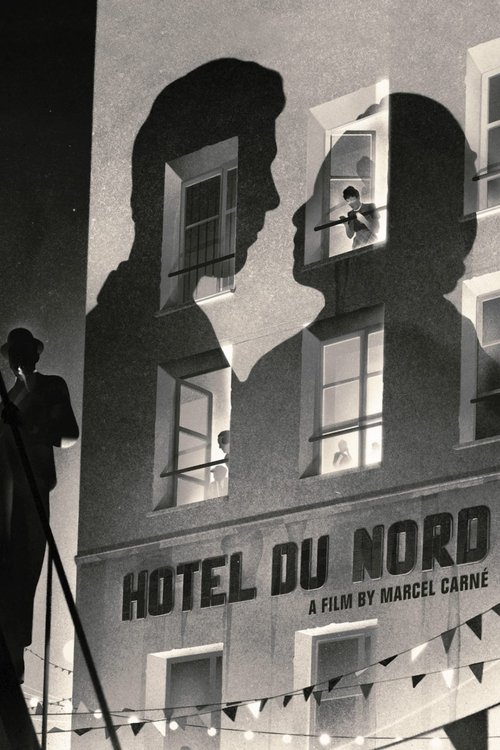
Hotel du Nord(1938)
Composer
Film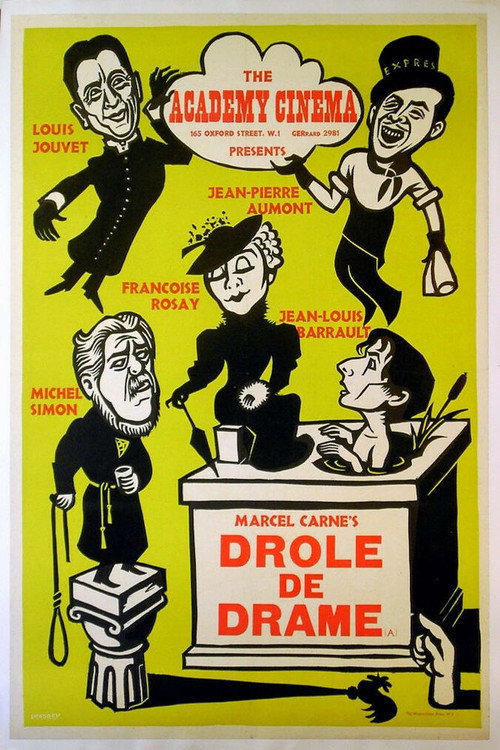
Bizarre, Bizarre(1937)
Composer
Film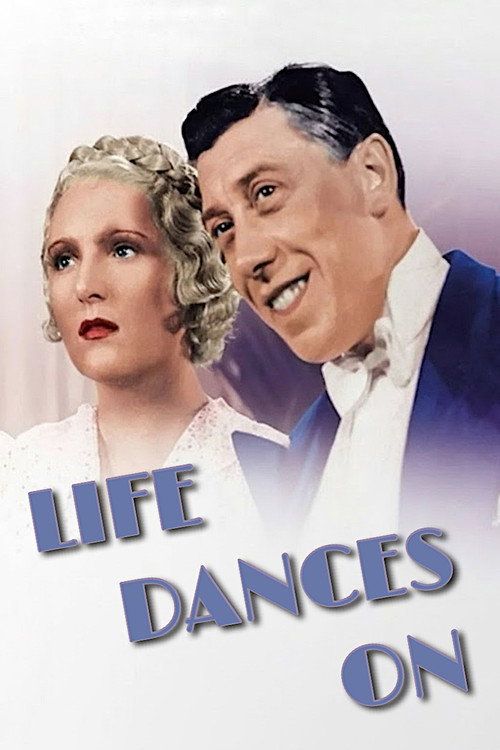
Un Carnet de bal(1937)
Composer
Film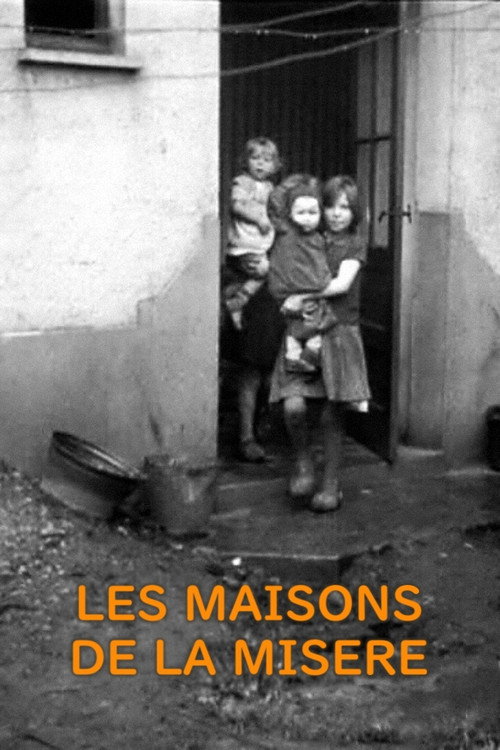
Les maisons de la misère(1936)
Composer
Film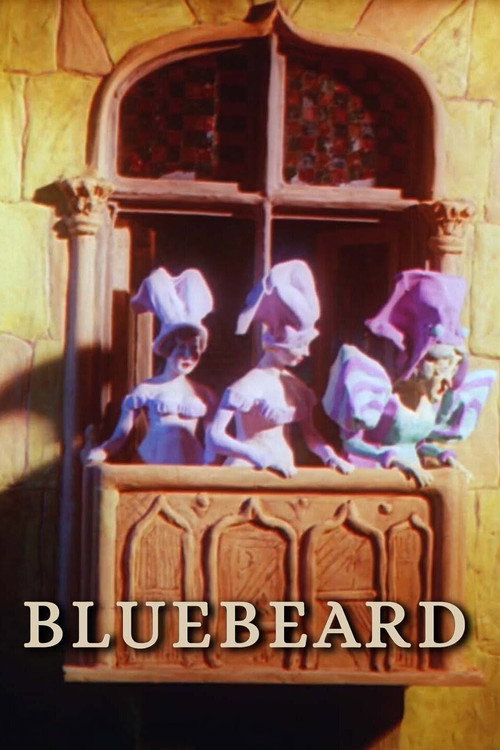
Bluebeard(1936)
Composer
Film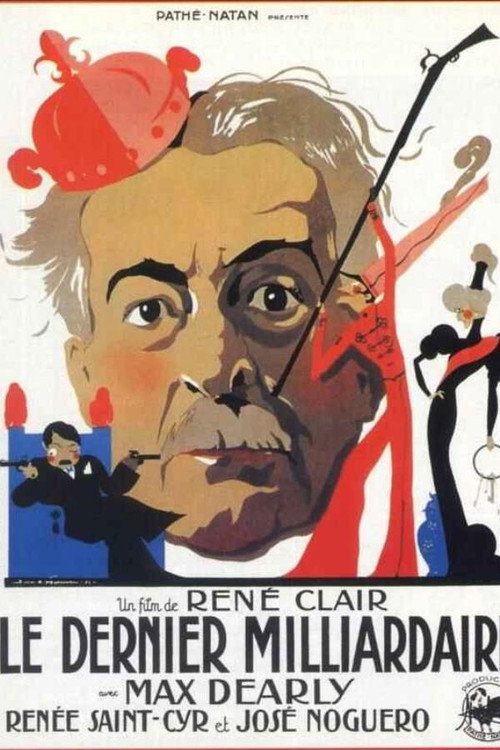
The Last Millionaire(1934)
Composer
Film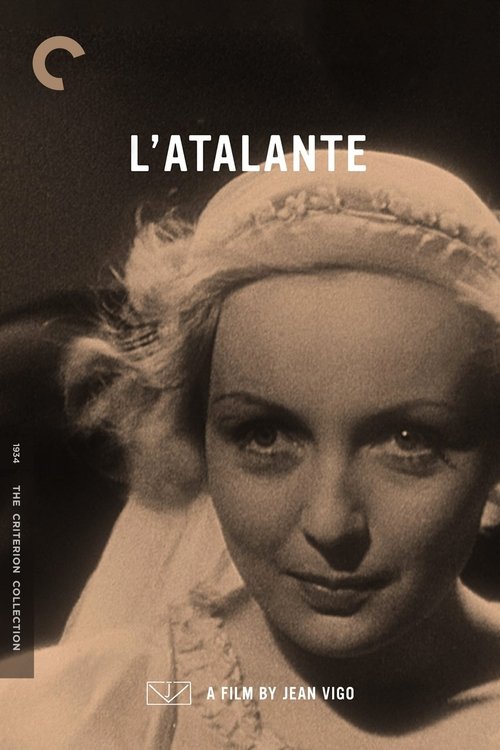
L'Atalante(1934)
Composer
Film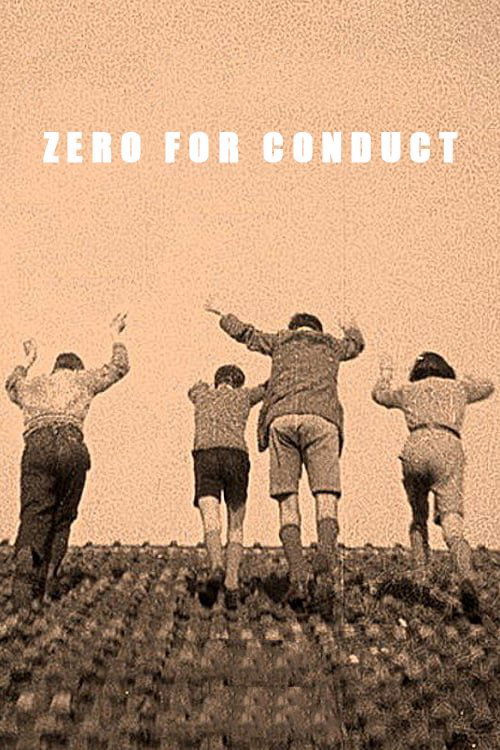
Zero de Conduite(1933)
Composer
Film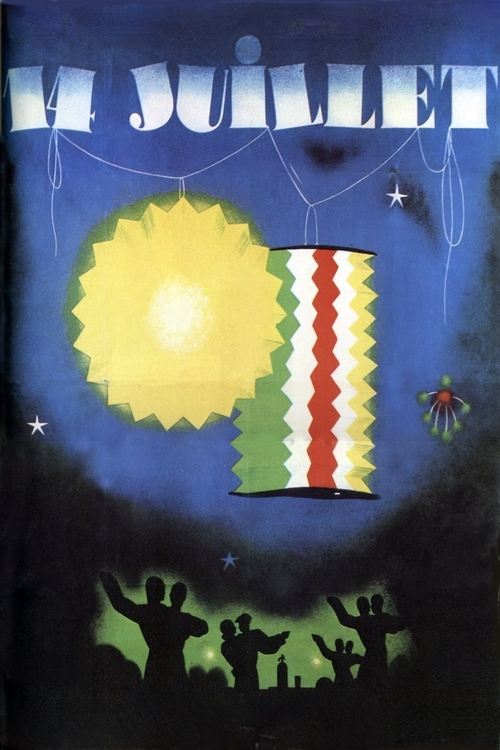
July 14(1933)
Composer
Film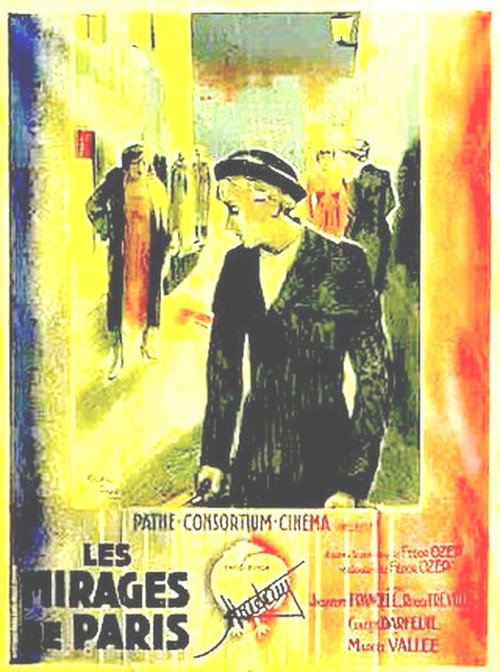
Mirages de Paris(1933)
Composer
Film
The Amazon Head Hunters(1932)
Composer
Film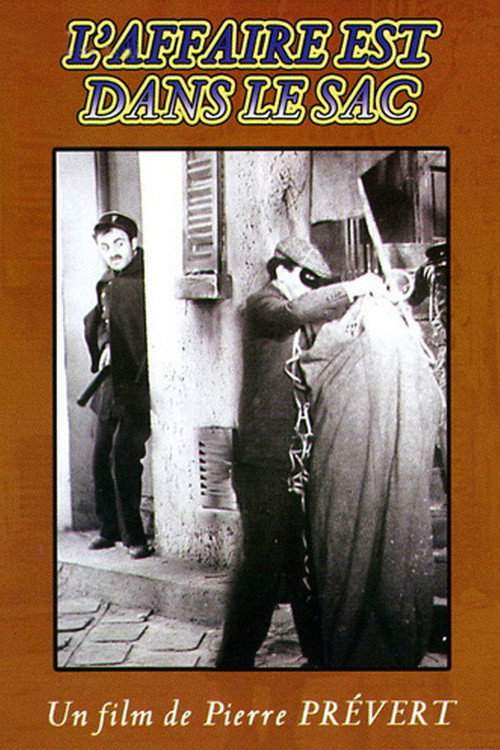
It's in the Bag(1932)
Composer
Film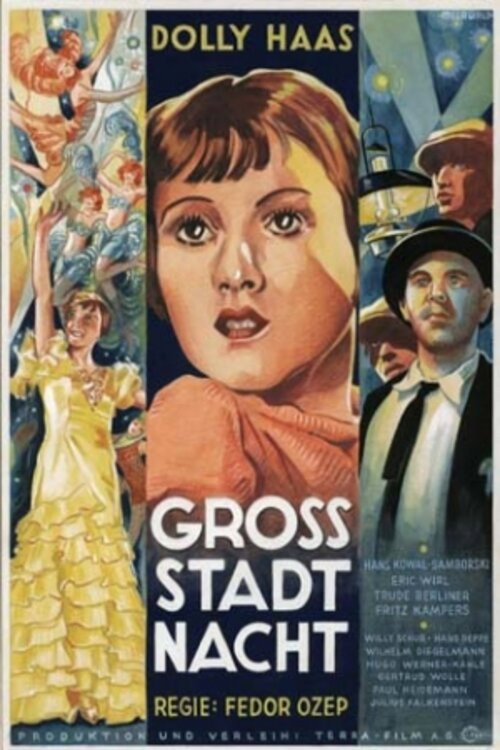
Großstadtnacht(1932)
Composer
Film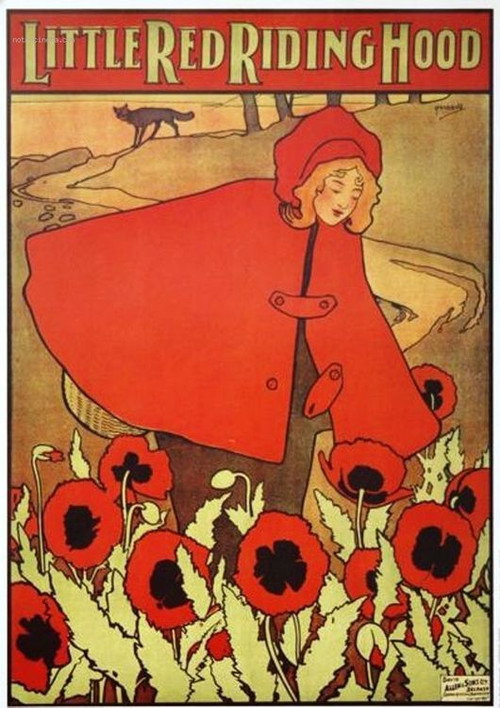
Little Red Riding Hood(1930)
Composer
Film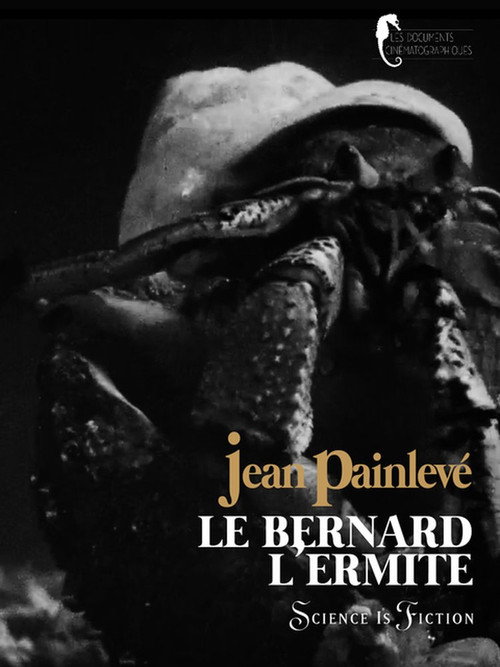
Le Bernard l'ermite(1929)
Composer
Film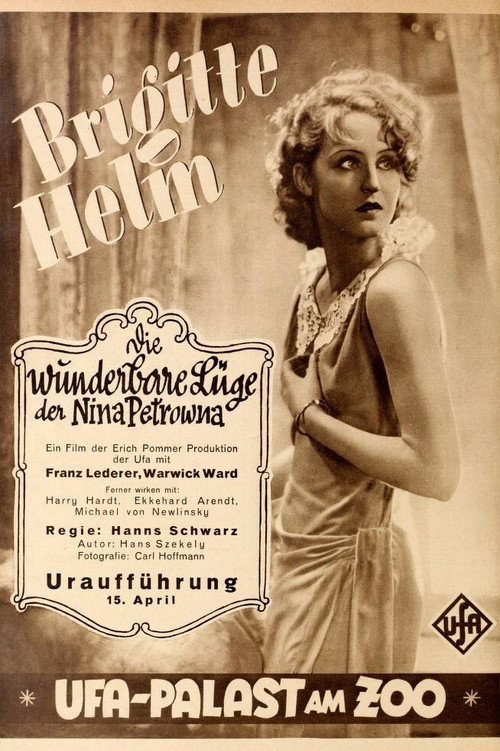
The Wonderful Lies of Nina Petrovna(1929)
Composer
Film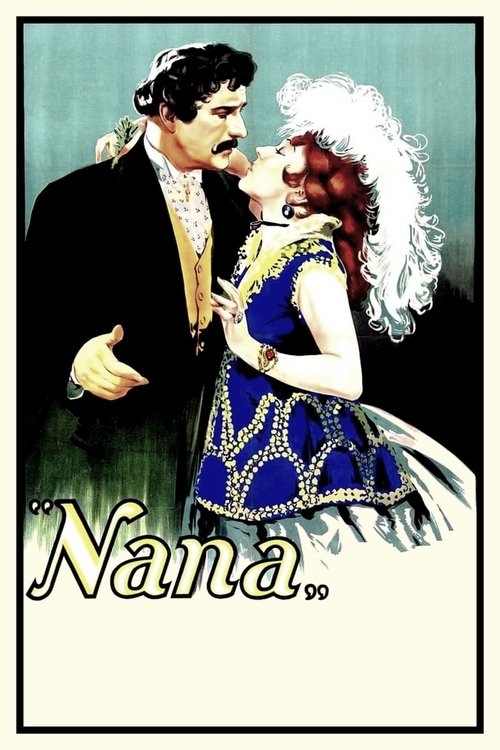
Nana(1926)
Composer
Film
Memorable quotes
Browse all →No quotes logged for Maurice Jaubert yet — add the first memorable line below.
Got a quote we’re missing?
Submit a line from any film, show, or game.
Edit history
Loading edit history…
Comments (0)
on Maurice JaubertNo comments yet. Be the first to share what you think.