
Person · Director
Maurice Tourneur
The Paris-trained painter who brought fine-art composition to the American screen, making silent films of ravishing pictorial beauty before Hollywood squeezed him out (1876-1961).
- Also:
- Writer
- Producer
In short · Directed for four decades — 81 credits.
Remembered for
Ranked by community engagement + sustained interest across this person's credits in our database.
Help complete this page
We’re missing birthplace, birth date. Sign in to add what you know.
Biography
Maurice Félix Thomas was born in Paris and came to film by way of the arts: he apprenticed as an illustrator and worked in the studios of the sculptor Rodin and the muralist Puvis de Chavannes before turning to the stage. That training in composition, light, and design never left him, and when he crossed to America in 1914 to make pictures he arrived with an eye no one in the young industry could match.
Tourneur was cinema's great pictorialist. He and his gifted cameraman John van den Broek and art director Ben Carré built films around silhouette, framing, and the expressive use of darkness — theatrical yet painterly compositions that treated the screen as a moving canvas. The Wishing Ring, The Blue Bird (1918), the delicate fantasy Prunella, and a handsome Last of the Mohicans (1920) showed a restraint and visual sophistication rare for the period. He believed in mood and suggestion over spectacle, and rival directors and cameramen studied his work to learn what the frame could do.
He was also, by temperament, an artist ill-suited to the factory the movies were becoming. In 1926, on location for MGM's The Mysterious Island, he walked off rather than submit to a supervising producer looking over his shoulder — a stand on creative independence that effectively ended his American career. He returned to France, where he worked steadily and well through the sound era for decades more. A 1949 car crash cost him a leg and ended his directing, and he died in Paris in 1961. His name faded in the country where he did his most influential work, but his sense of the beautiful passed directly to his son Jacques Tourneur, the poet of shadow behind Cat People and Out of the Past.
Filmography · 81 of 81
A platform appears here when one of these titles streams on it. Click to filter — pick several to combine.
Director
78 credits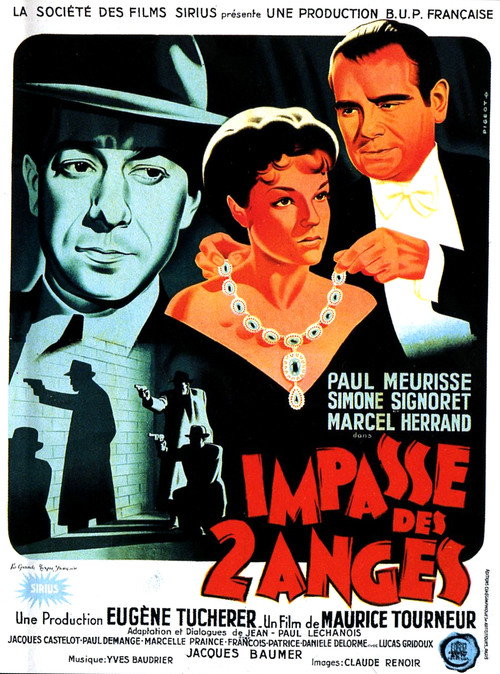
Impasse des deux anges(1948)
Director
Film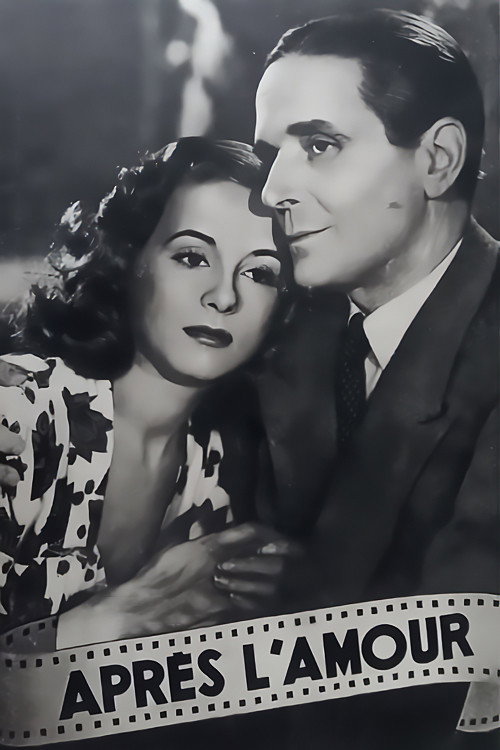
Après l'amour(1947)
Director
Film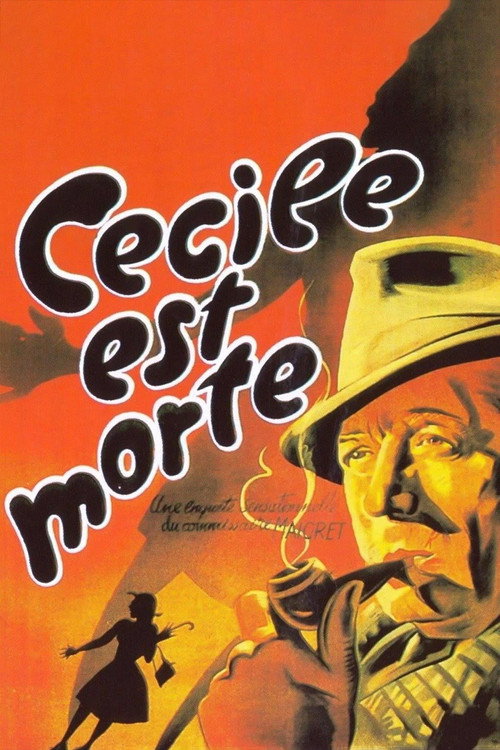
Cecile Is Dead(1944)
Director
Film
Carnival of Sinners(1943)
Director
Film
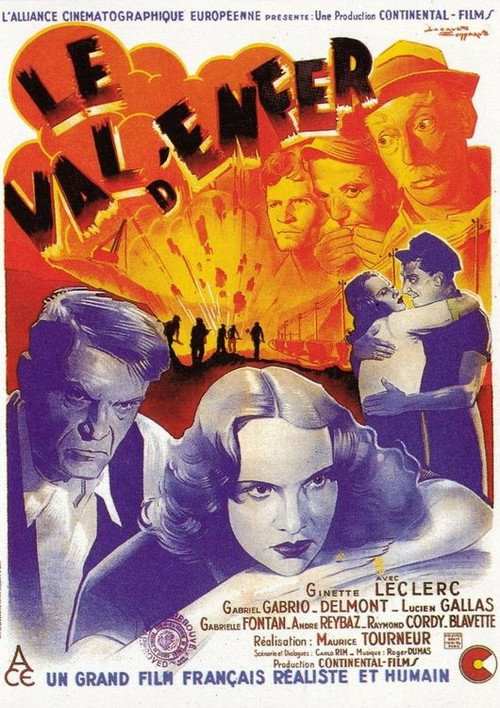
Valley of Hell(1943)
Director
Film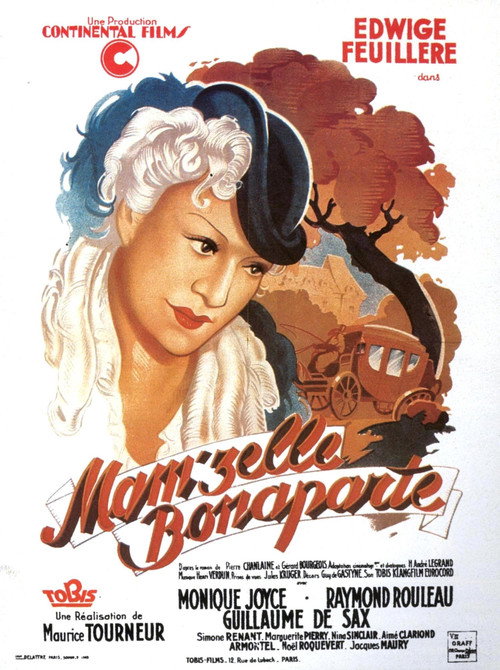
Miss Bonaparte(1942)
Director
Film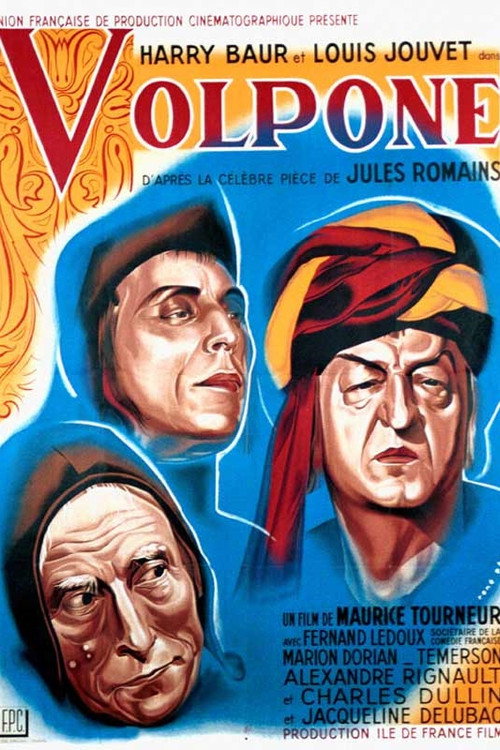
Volpone(1941)
Director
Film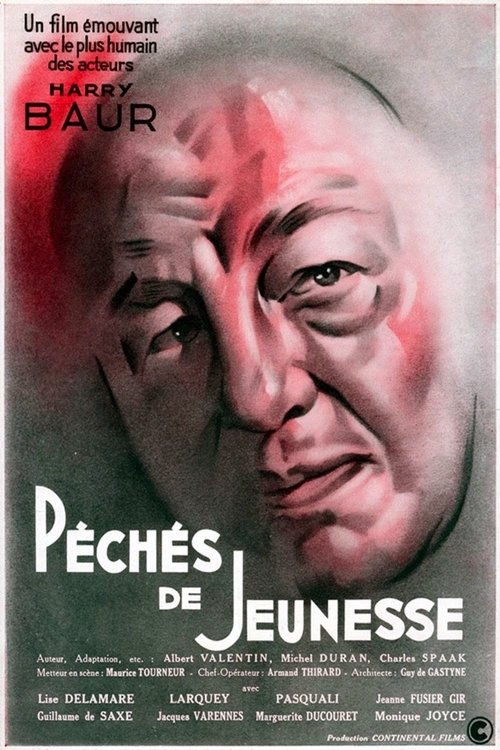
Sins of Youth(1941)
Director
Film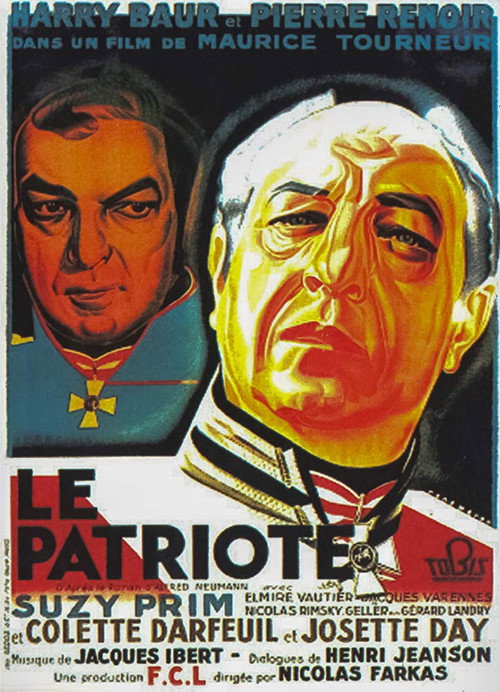
Le patriote(1938)
Director
Film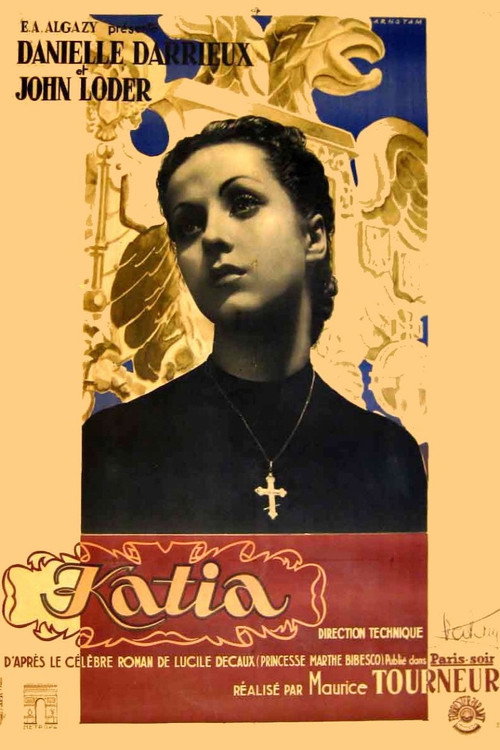
Katia(1938)
Director
Film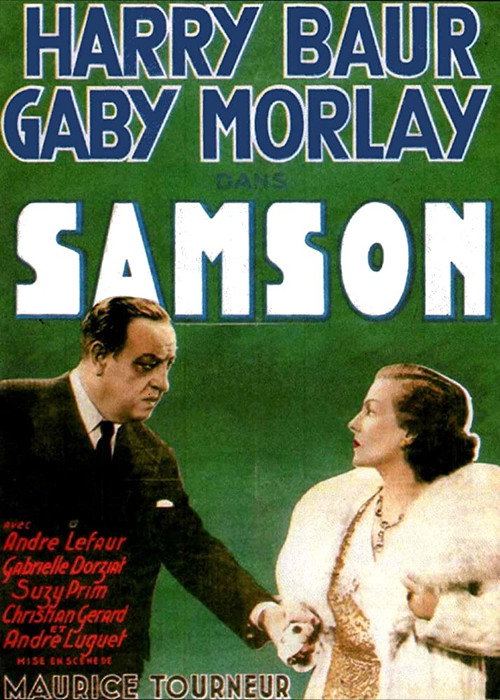
Samson(1936)
Director
Film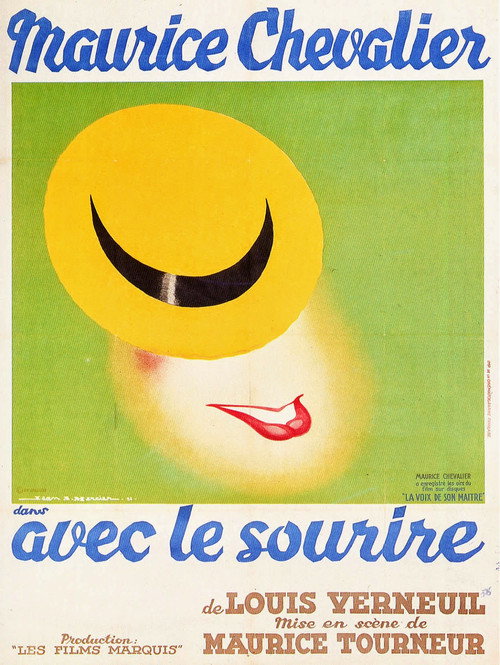
With a Smile(1936)
Director
Film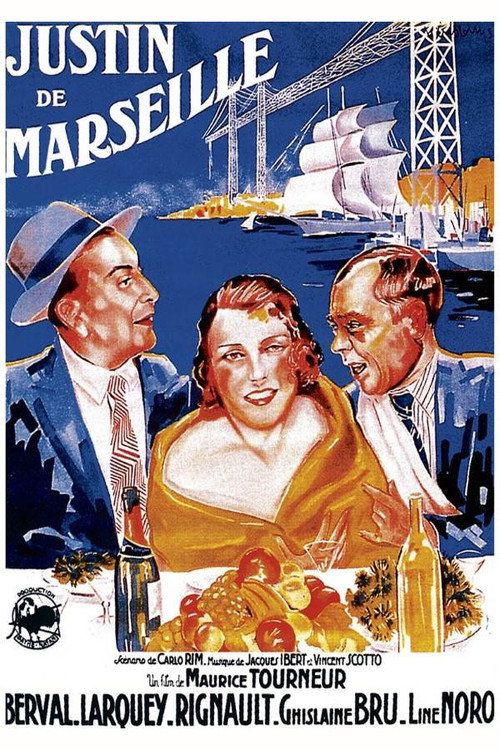
Justin de Marseille(1935)
Director
Film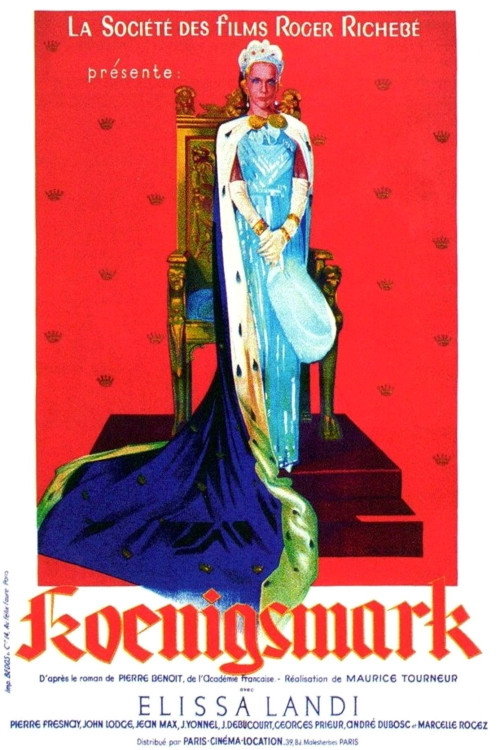
Crimson Dynasty(1935)
Director
FilmLe voleur(1933)
Director
Film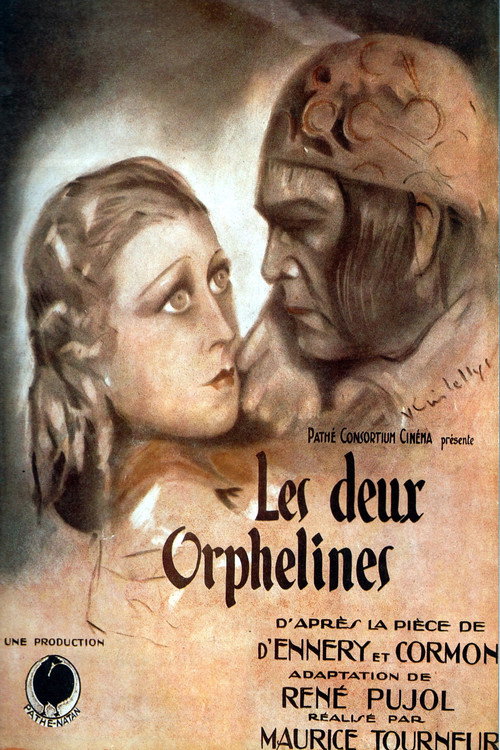
The Two Orphans(1933)
Director
Film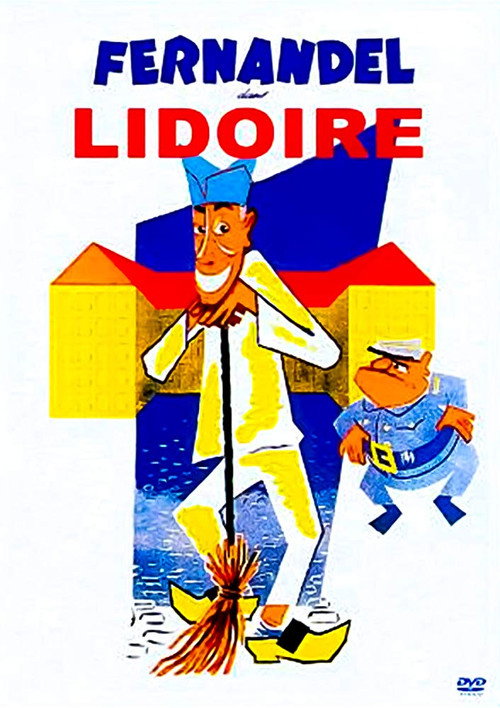
Lidoire(1933)
Director
Film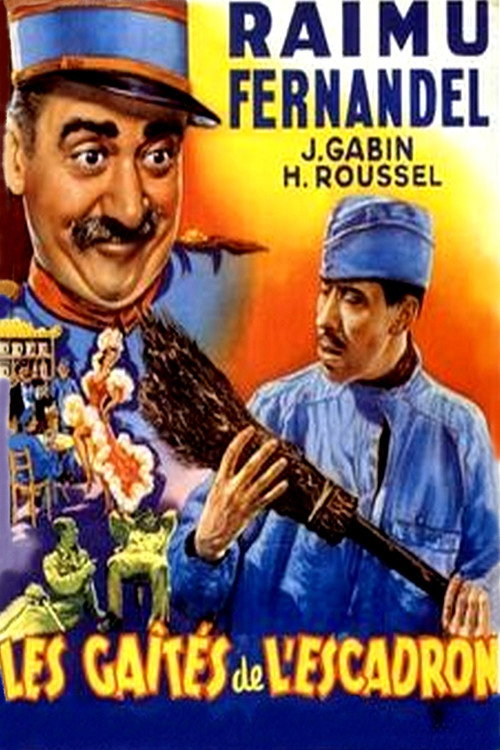
Fun in the Barracks(1932)
Director
Film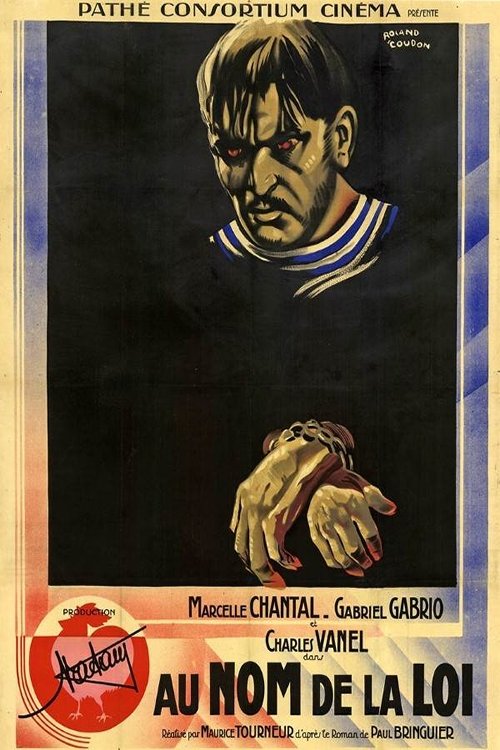
In the Name of the Law(1932)
Director
Film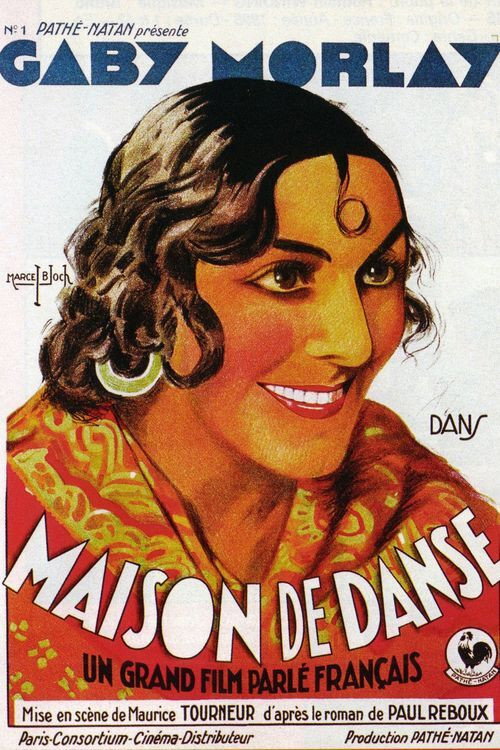
Maison de danses(1931)
Director
Film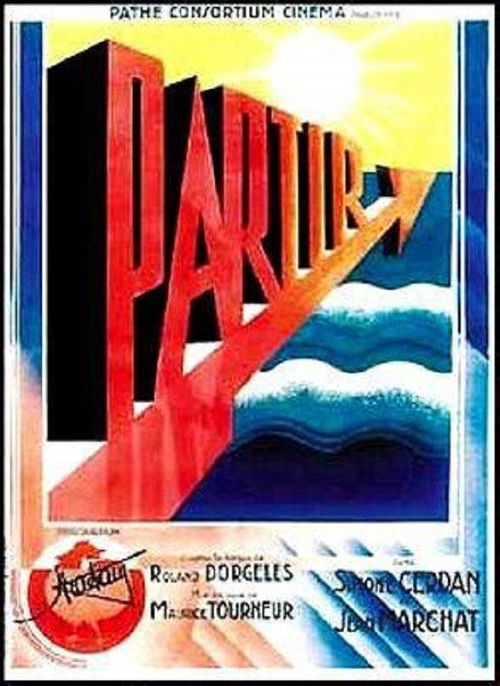
Partir(1931)
Director
Film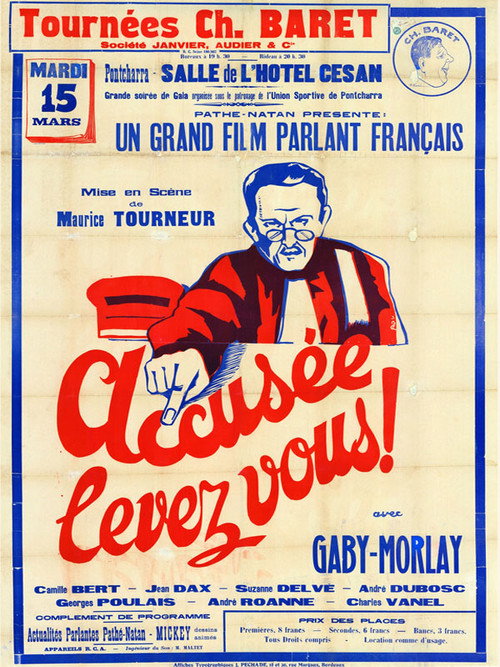
Accused, Stand Up!(1930)
Director
Film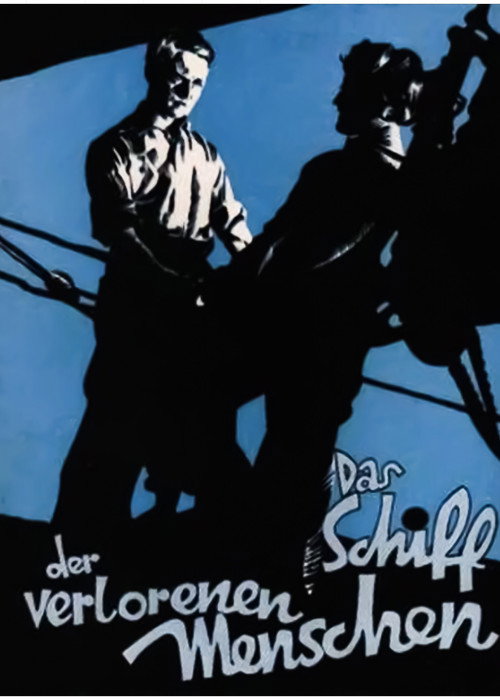
The Ship of Lost Men(1929)
Director
Film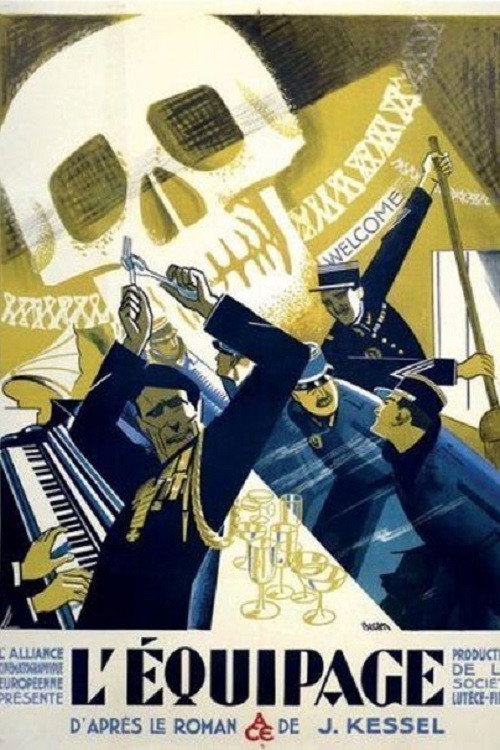
Last Flight(1928)
Director
Film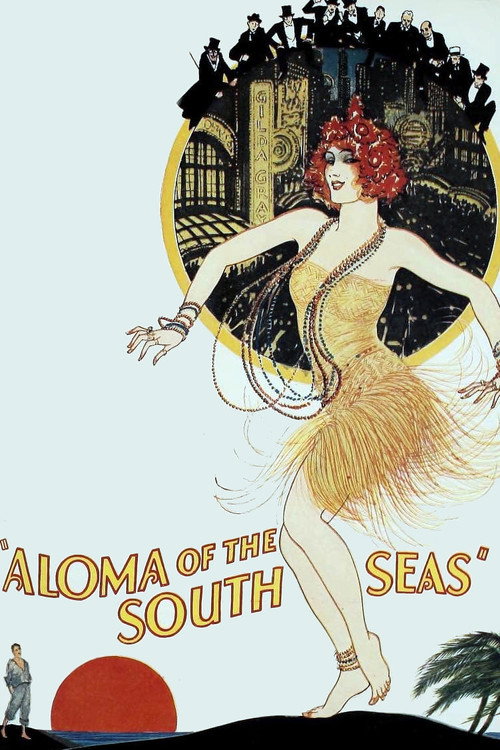
Aloma of the South Seas(1926)
Director
Film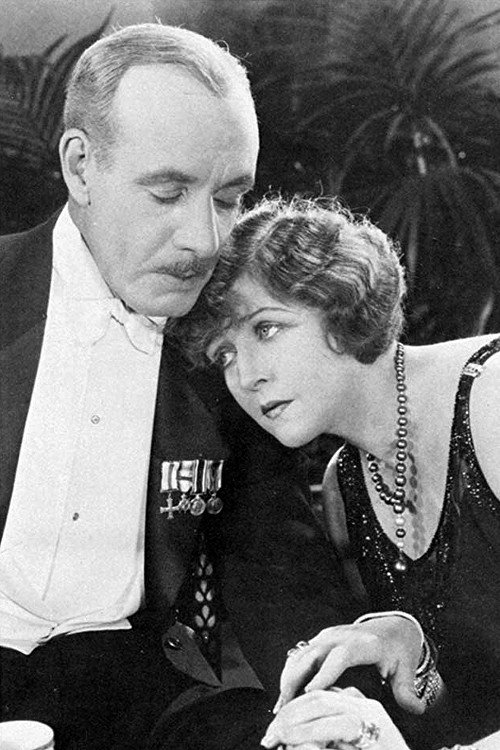
Old Loves and New(1926)
Director
Film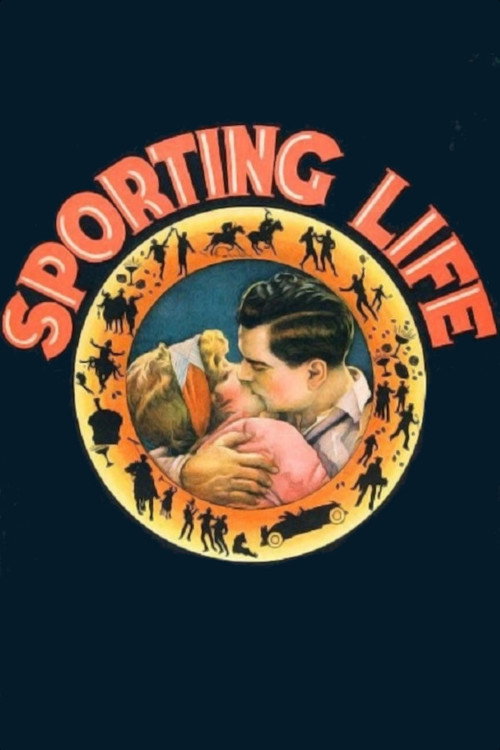
Sporting Life(1925)
Director
Film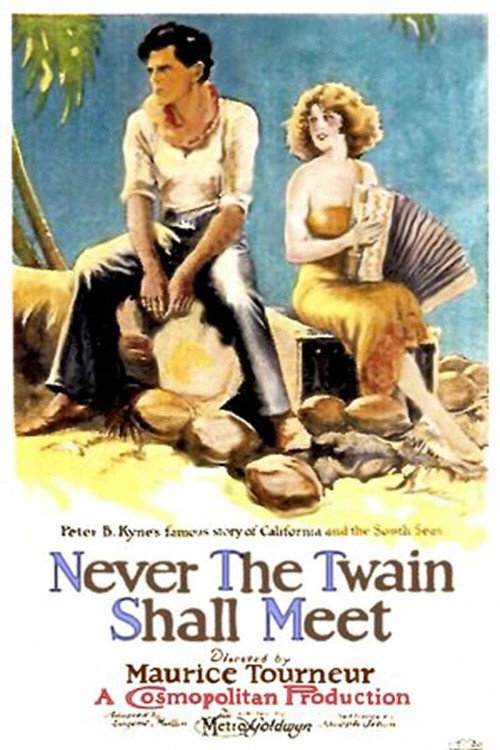
Never the Twain Shall Meet(1925)
Director
Film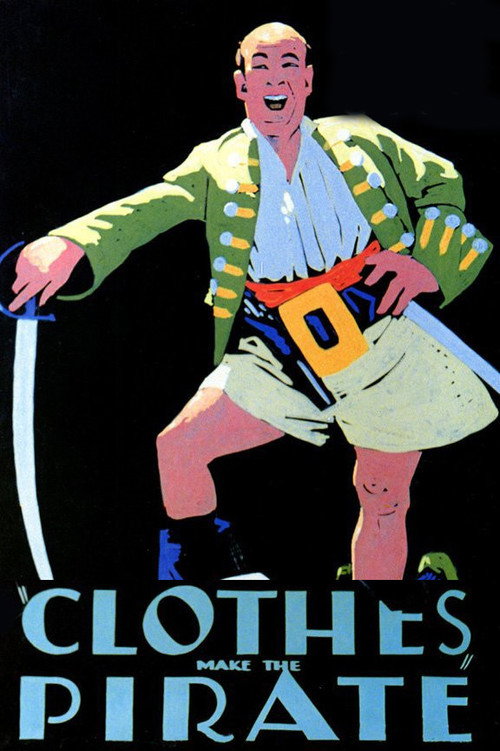
Clothes Make the Pirate(1925)
Director
Film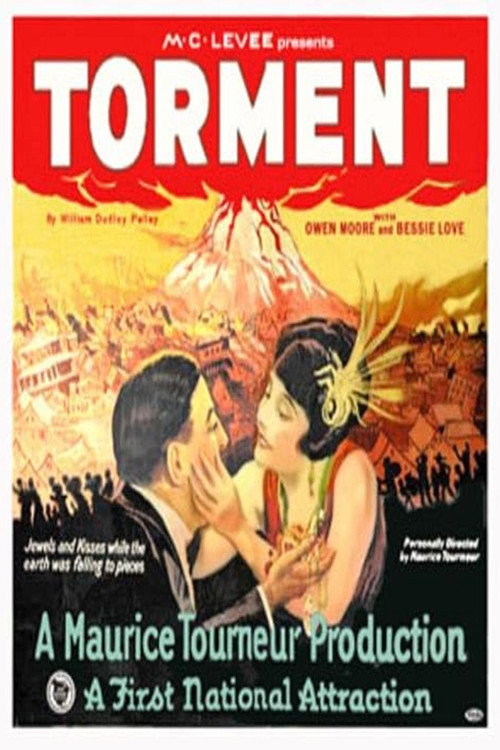
Torment(1924)
Director
Film
Actor
2 credits
Producer
1 credit
Memorable quotes
Browse all →No quotes logged for Maurice Tourneur yet — add the first memorable line below.
Got a quote we’re missing?
Submit a line from any film, show, or game.
Edit history
Loading edit history…
Comments (0)
on Maurice TourneurNo comments yet. Be the first to share what you think.