
Person · Composer
Miklós Rózsa
The Hungarian who led a 'double life' between concert hall and studio, scoring both the paranoid shadows of film noir and the marble grandeur of the Roman epic (1907-1995).
- Also:
- Music Department
- Actor
In short · Composed for 10 decades — 94 credits, 3 Academy Award wins.
Remembered for
Ranked by community engagement + sustained interest across this person's credits in our database.
Recent & in release
- In release
Charmed Lives: A Family Romance
- Award win
Academy Awards — Oscar — Music (original Score)
- Award win
Academy Awards — Oscar — Music (original Score)
- Award win
Academy Awards — Oscar — Music (original Score)
Help complete this page
We’re missing birthplace, birth date. Sign in to add what you know.
Biography
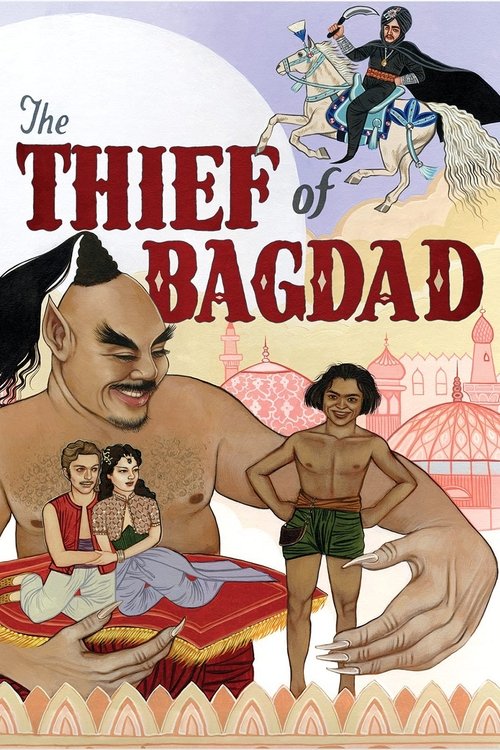
Born in Budapest to a well-to-do family, Miklos Rozsa absorbed Hungarian folk music from the peasants on his father's country estate and trained rigorously in Leipzig, launching a respected European concert career before he was thirty. Drawn into film through the Hungarian-born producer Alexander Korda in London, he followed Korda's production of The Thief of Bagdad to Hollywood in 1940 and stayed for the rest of his life.
Rozsa possessed a rare double gift, and he insisted on exercising both halves of it - writing symphonies, concertos, and chamber works for the concert platform while scoring films for the studios, a double life he made the title of his autobiography. In the 1940s he practically defined the sound of psychological tension: his brooding, dissonant, theremin-tinged scores for Double Indemnity, The Lost Weekend, and Spellbound became the sonic vocabulary of noir and neurosis, winning him the Academy Award for Spellbound and again for A Double Life.
In the 1950s MGM turned him to antiquity, and Rozsa reinvented himself once more, researching ancient Greek and Roman modes to lend authenticity to a run of grand historical epics - Quo Vadis, Ivanhoe, Julius Caesar, El Cid, King of Kings. The summit was Ben-Hur in 1959, a monumental score of more than three hours that won his third Oscar and stands as one of the most influential epic scores ever written. He continued composing concert works throughout, and late in life enjoyed a lovely coda when younger directors revived his noir manner. He died in Los Angeles in 1995, one of the few film composers to earn genuine, lasting respect on both sides of a divide that Hollywood had long treated as unbridgeable.
Filmography · 93 of 93
A platform appears here when one of these titles streams on it. Click to filter — pick several to combine.
Writer
1 credit
Composer
92 creditsCharmed Lives: A Family Romance(2028)
Composer
FilmSwan Song: The Story of Billy Wilder's Fedora(2014)
Composer
Film
Gesucht: Monika Ertl(1989)
Composer
Film
Dead Men Don't Wear Plaid(1982)
Composer
Film
Eye of the Needle(1981)
Composer
Film
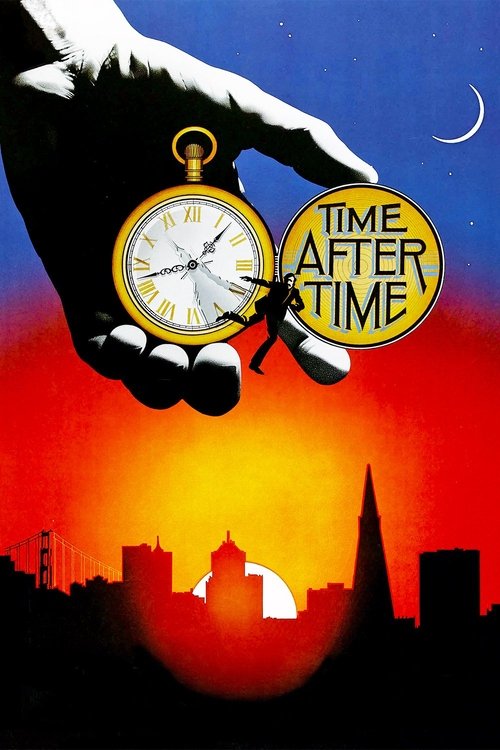
Time After Time(1979)
Composer
Film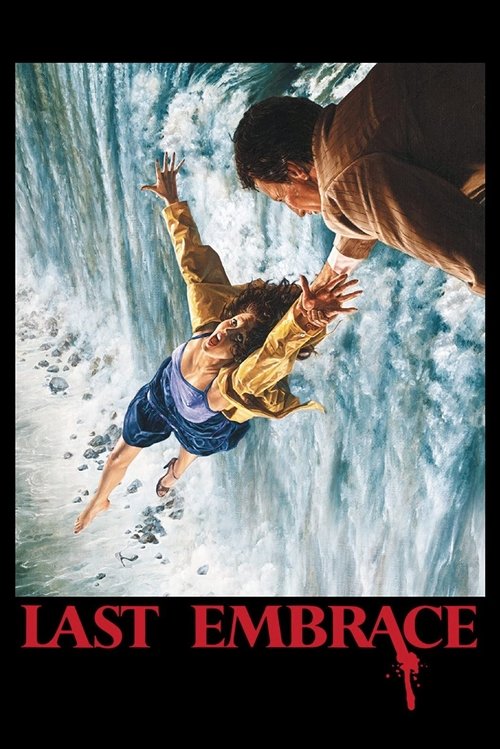
Last Embrace(1979)
Composer
Film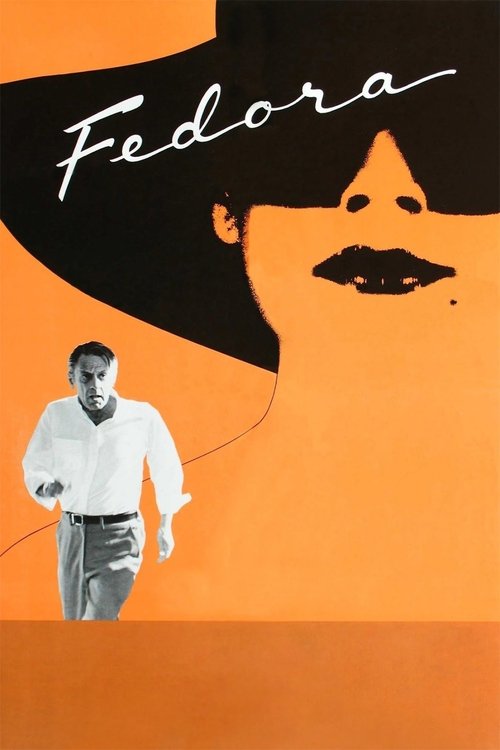
Fedora(1978)
Composer
Film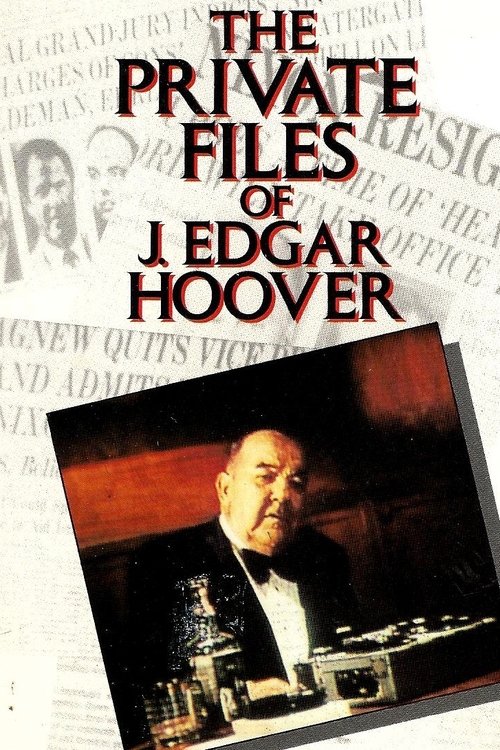
The Private Files of J. Edgar Hoover(1977)
Composer
Film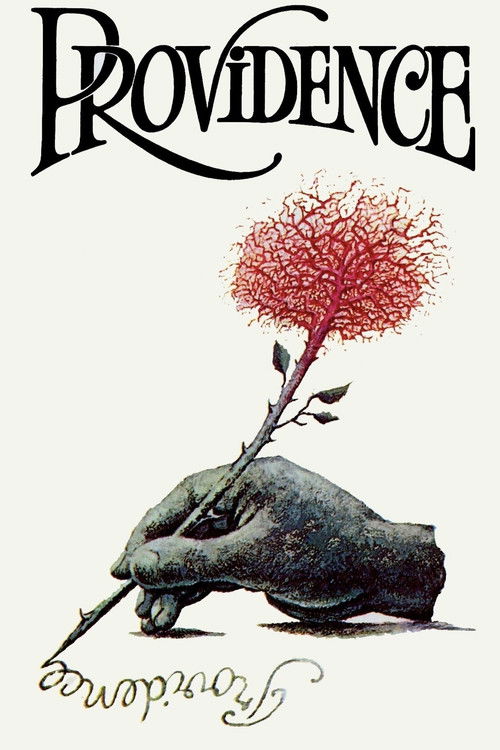
Providence(1977)
Composer
Film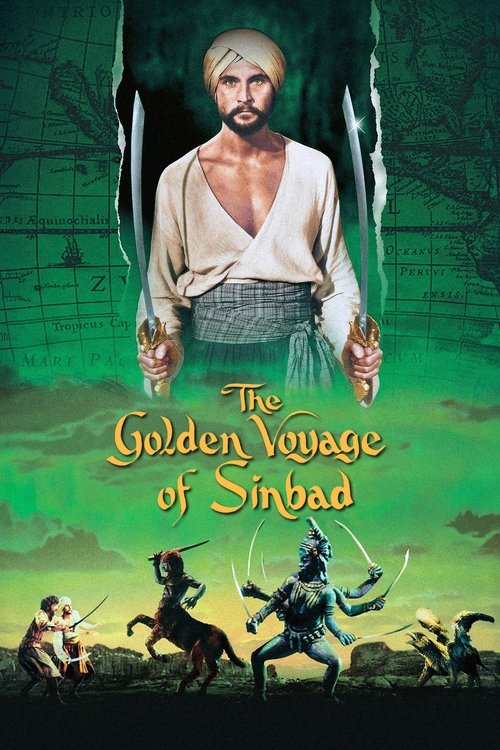
The Golden Voyage of Sinbad(1973)
Composer
Film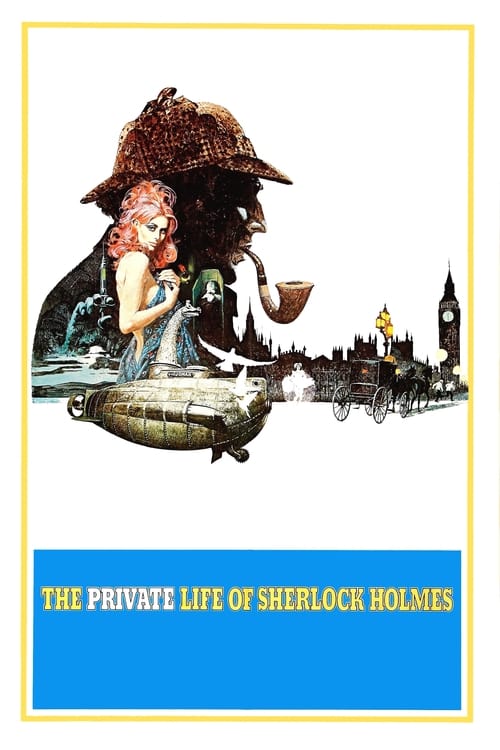
The Private Life of Sherlock Holmes(1970)
Composer
Film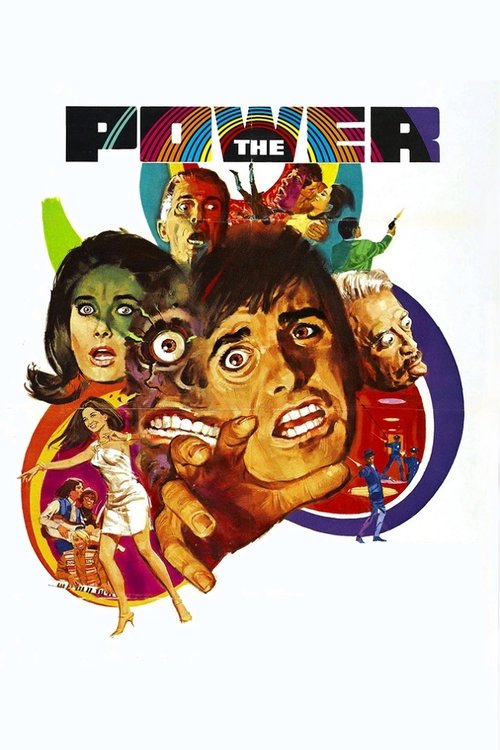
The Power(1968)
Composer
Film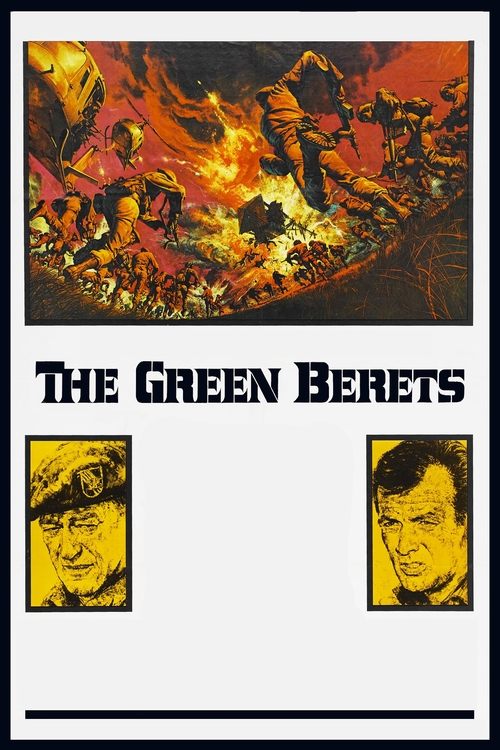
The Green Berets(1968)
Composer
Film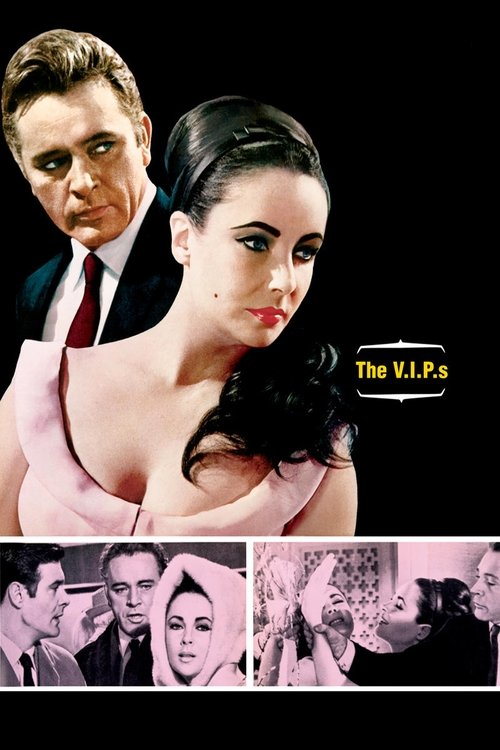
The V.I.P.s(1963)
Composer
Film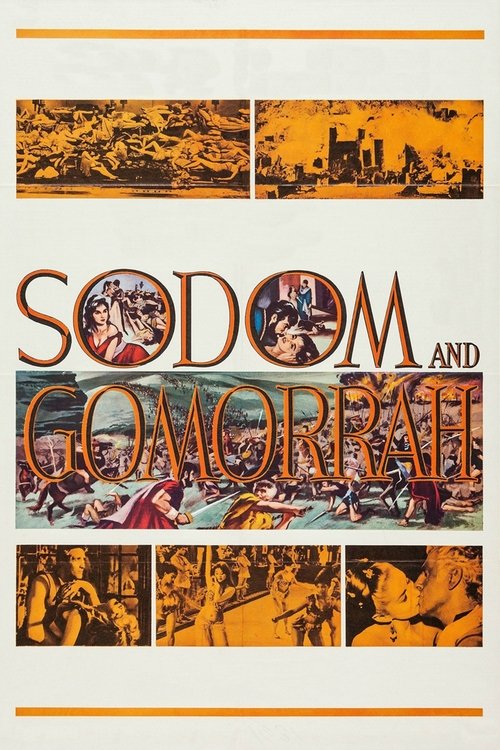
Sodom and Gomorrah(1962)
Composer
Film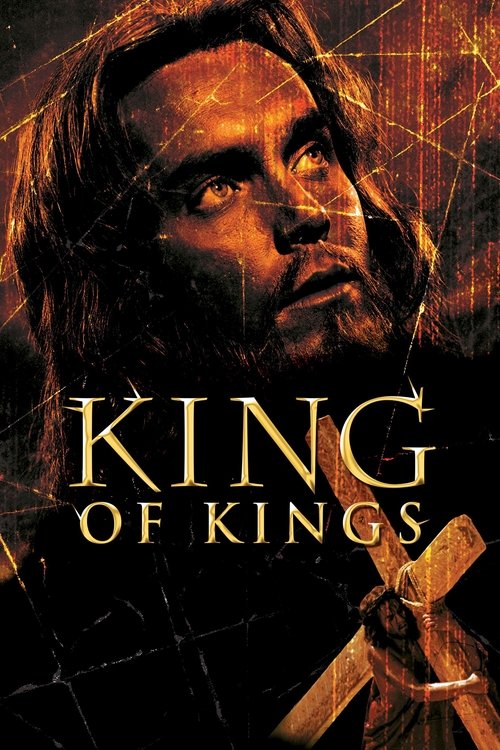
King of Kings(1961)
Composer
Film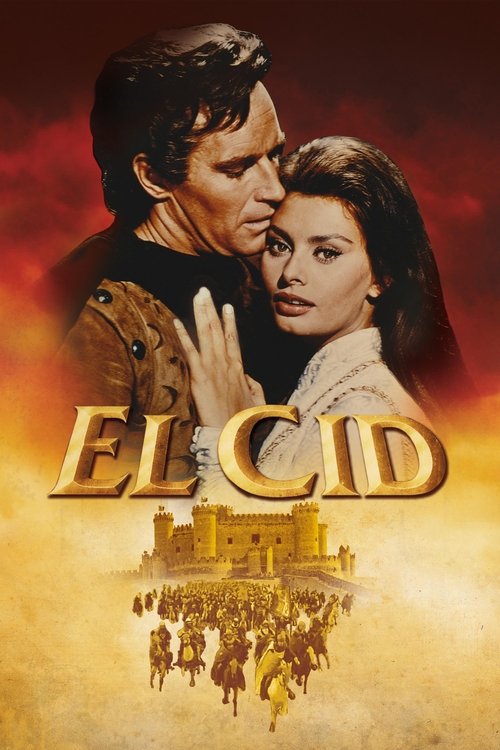
El Cid(1961)
Composer
Film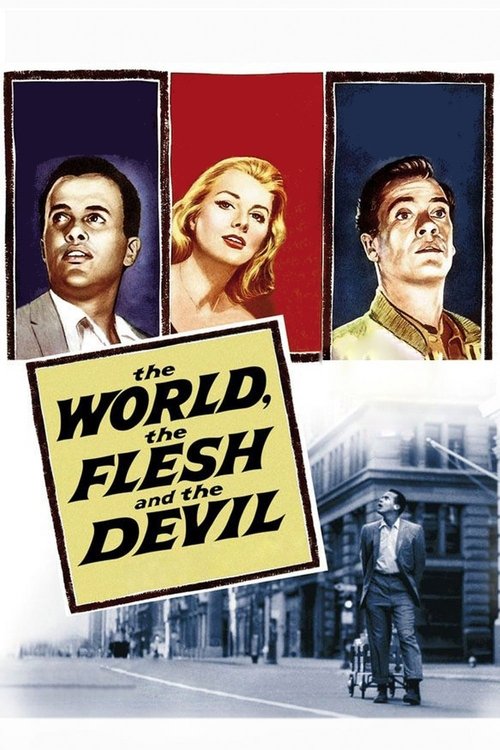
The World, the Flesh and the Devil(1959)
Composer
Film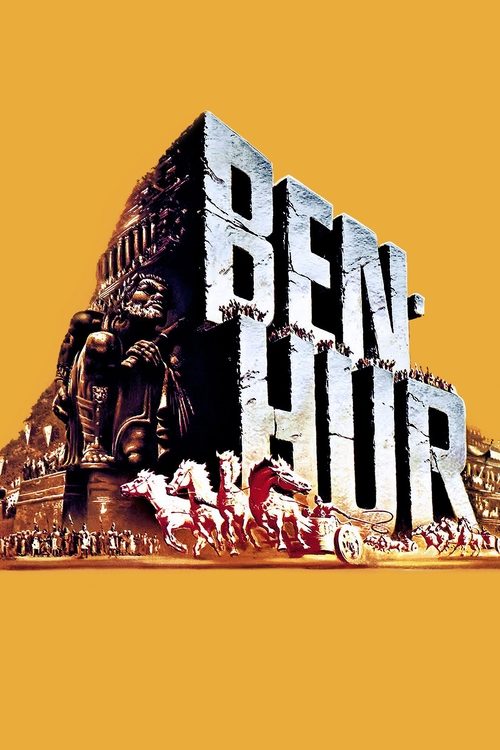
Ben-Hur(1959)
Composer
Film
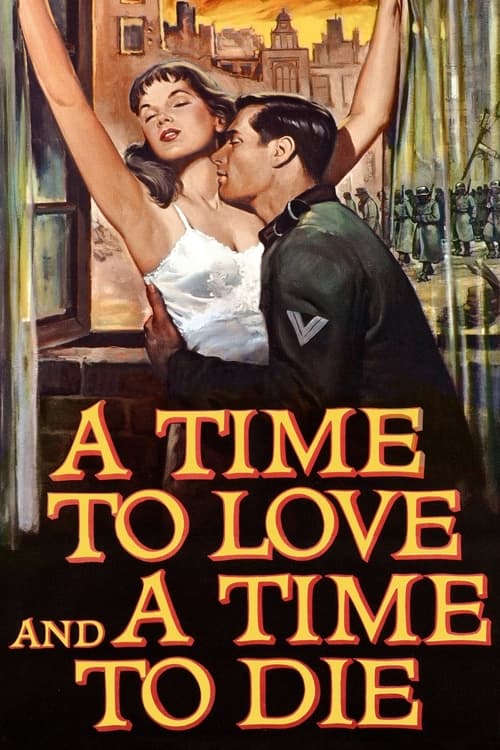
A Time to Love and a Time to Die(1958)
Composer
Film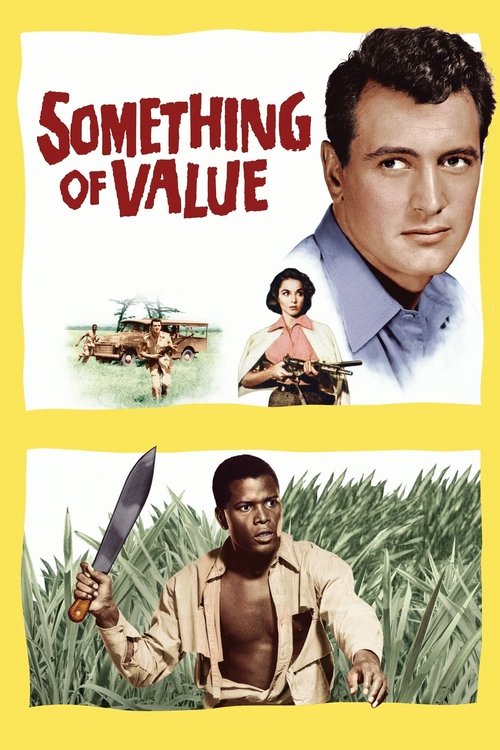
Something of Value(1957)
Composer
Film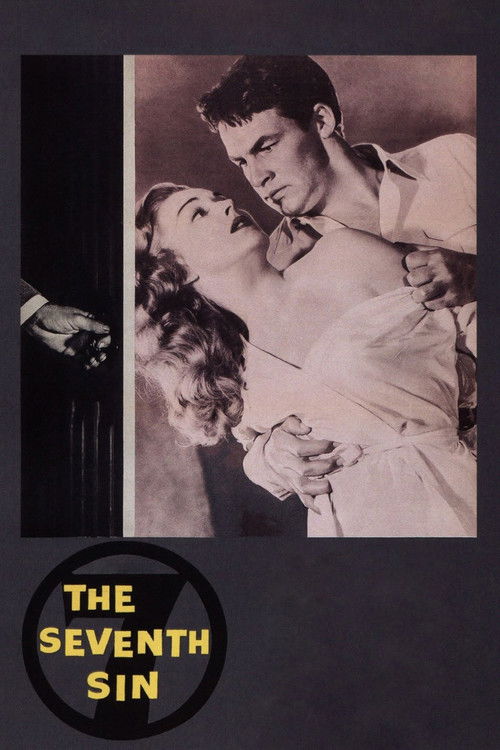
The Seventh Sin(1957)
Composer
Film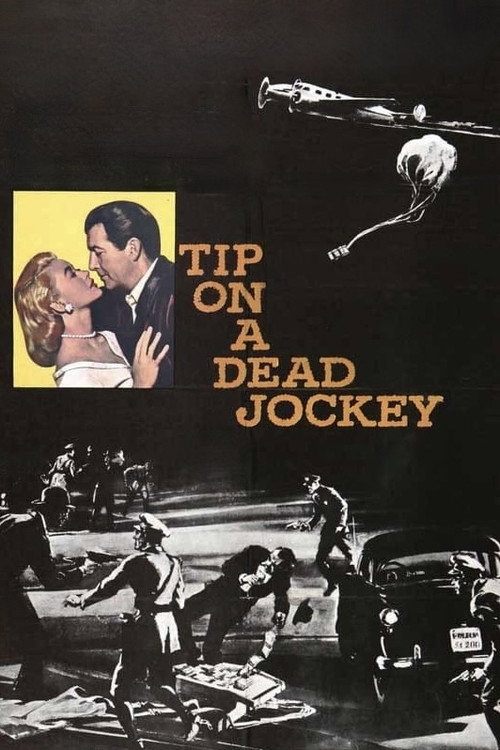
Tip on a Dead Jockey(1957)
Composer
Film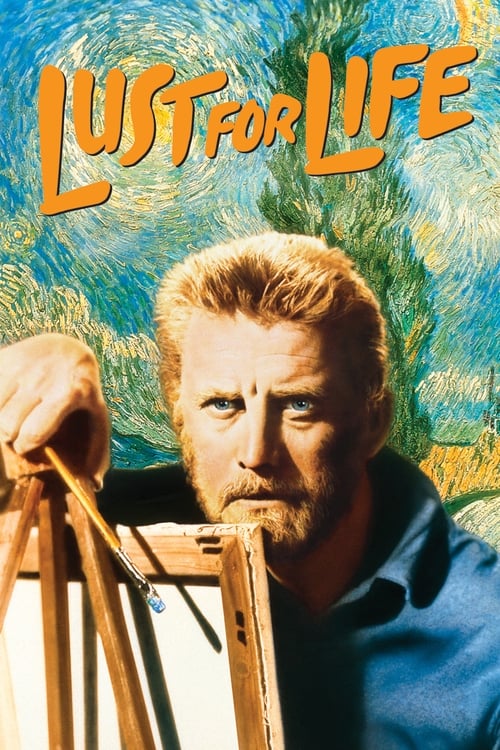
Lust for Life(1956)
Composer
Film
Diane(1956)
Composer
Film
Tribute to a Bad Man(1956)
Composer
Film
The King's Thief(1955)
Composer
Film
Moonfleet(1955)
Composer
Film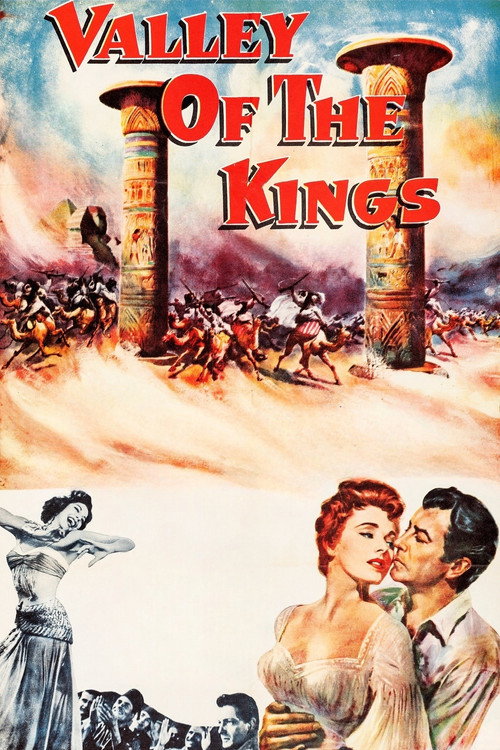
Valley of the Kings(1954)
Composer
Film
Awards & Nominations
3 wins · 10 nominationsAcademy Awards
- Nom1961Oscar — Music (original Score)
- Nom1961Oscar — Music (original Song)
- Won1959Oscar — Music (original Score)
- Nom1953Oscar — Music (original Score)
- Nom1952Oscar — Music (original Score)
- Nom1951Oscar — Music (original Score)
- Won1947Oscar — Music (original Score)
- Nom1946Oscar — Music (original Score)
- Won1945Oscar — Music (original Score)
- Nom1944Oscar — Music (original Score)
- Nom1942Oscar — Music (original Score)
- Nom1941Oscar — Music (original Score)
- Nom1940Oscar — Music (original Score)
Memorable quotes
Browse all →No quotes logged for Miklós Rózsa yet — add the first memorable line below.
Got a quote we’re missing?
Submit a line from any film, show, or game.
Additional credits1Show
Non-headline appearances — talk-show, awards-show, panel, and archive-footage credits, kept separate from the main filmography.
- Hollywood's Musical MoodsSelf · 1972
Edit history
Loading edit history…
Comments (0)
on Miklós RózsaNo comments yet. Be the first to share what you think.