
Person · Screenwriter
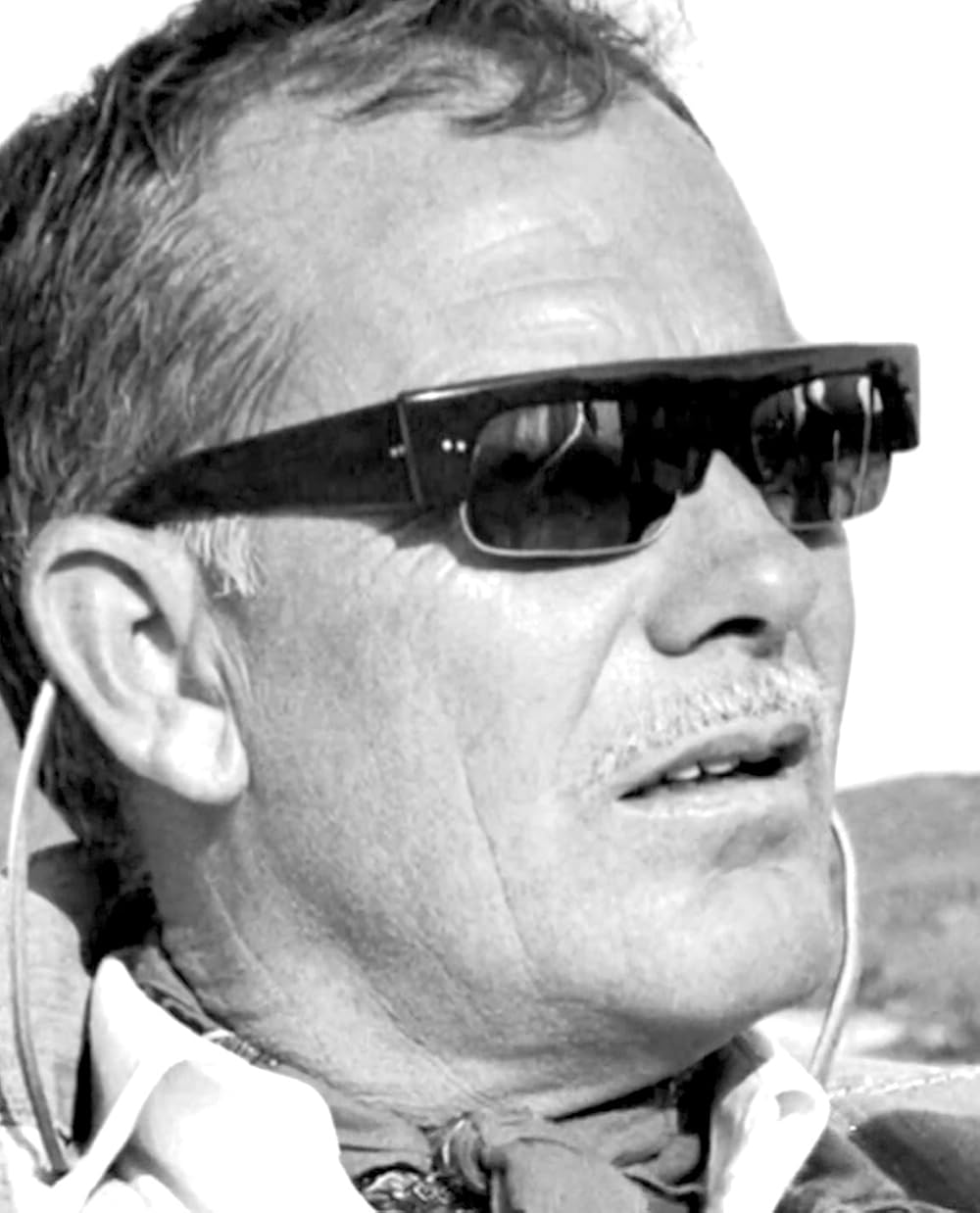
Sam Peckinpah
A visionary director with a passion for the Western genre, Sam Peckinpah challenges Hollywood norms by infusing raw violence and emotional depth into his films, forever changing the way audiences see the American West.
- Also:
- Writer
- Director
- Producer
In short · Wrote for eight decades — 61 credits.
Remembered for
Ranked by community engagement + sustained interest across this person's credits in our database.
Biography
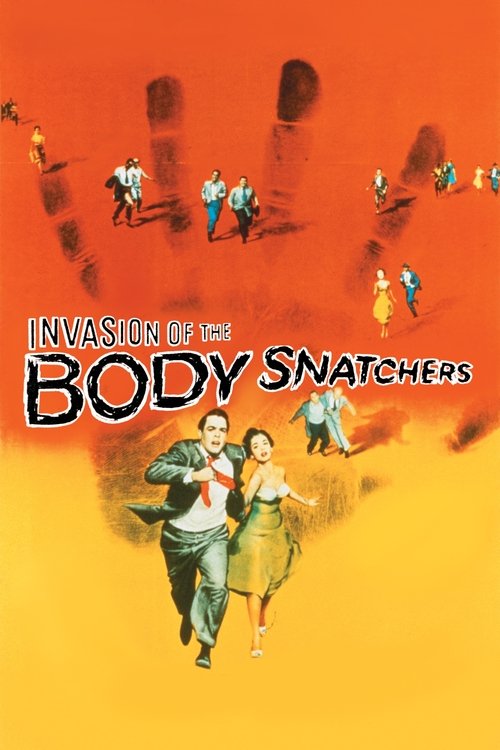
If they move", commands stern-eyed William Holden, "kill 'em". So begins The Wild Bunch (1969), Sam Peckinpah's bloody, high-body-count eulogy to the mythologized Old West. "Pouring new wine into the bottle of the Western, Peckinpah explodes the bottle", observed critic Pauline Kael. That exploding bottle also christened the director with the nickname that would forever define his films and reputation: "Bloody Sam". David Samuel Peckinpah was born and grew up in Fresno, California, when it was still a sleepy town. Young Sam was a loner. The child's greatest influence was grandfather Denver Church, a judge, congressman and one of the best shots in the Sierra Nevadas. Sam served in the US Marine Corps during World War II but - to his disappointment - did not see combat. Upon returning to the US he enrolled in Fresno State College, graduating in 1948 with a B.A. in Drama. He married Marie Selland in Las Vegas in 1947 and they moved to Los Angeles, where he enrolled in the graduate Theater Department of the University of Southern California the next year. He eventually took his Masters in 1952. After drifting through several jobs -- including a stint as a floor-sweeper on The Liberace Show (1952) -- Sam got a job as Dialogue Director on Riot in Cell Block 11 (1954) for director Don Siegel. He worked for Siegel on several films, including Invasion of the Body Snatchers (1956), in which Sam played Charlie Buckholtz, the town meter reader. Peckinpah eventually became a scriptwriter for such TV programs as Gunsmoke (1955) and The Rifleman (1958) (which he created as an episode of Dick Powell's Zane Grey Theatre (1956) titled "The Sharpshooter' in 1958). In 1961, as his marriage to Selland was coming to an end, he directed his first feature film, a western titled The Deadly Companions (1961) starring \Brian Keith and Maureen O'Hara. However, it was with his second feature, Ride the High Country (1962), that Peckinpah really began to establish his reputation. Featuring Joel McCrea and Randolph Scott (in his final screen performance), its story about two aging gunfighters anticipated several of the themes Peckinpah would explore in future films, including the controversial "The Wild Bunch". Following "Ride the High Country" he was hired by producer Jerry Bresler to direct Major Dundee (1965), a cavalry-vs.-Indians western starring Charlton Heston. It turned out to be a film that brought to light Peckinpah's volatile reputation. During hot, on-location work in Mexico, his abrasive manner, exacerbated by booze and marijuana, provoked usually even-keeled Heston to threaten to run him through with a cavalry saber. However, when the studio later considered replacing Peckinpah, it was Heston who came to Sam's defense, going so far as to offer to return his salary to help offset any overages. Ironically, the studio accepted and Heston wound up doing the film for free. Post-production conflicts led to Sam engaging in a bitter and ultimately losing battle with Bresler and Columbia Pictures over the final cut and, as a result, the disjointed effort fizzled at the box office. It was during this period that Peckinpah met and married his second wife, Mexican actress Begoña Palacios. However, the reputation he earned because of the conflicts on "Major Dundee" contributed to Peckinpah being replaced as director on his next film, the Steve McQueen film The Cincinnati Kid (1965), by Norman Jewison. His second marriage now failing, Peckinpah did not get another feature project for two years. However, he did direct a powerful adaptation of Katherine Anne Porter's 'Noon Wine" for Noon Wine (1966)). This, in turn, helped relaunch his feature career. He was hired by Warner Bros. to direct the film for which he is, justifiably, best remembered. The success of "The Wild Bunch" rejuvenated his career and propelled him through highs and lows in the 1970s. Between 1970-1978 he directed The Ballad of Cable Hogue (1970), Straw Dogs (1971), Junior Bonner (1972), The Getaway (1972), Pat Garrett & Billy the Kid (1973), Bring Me the Head of Alfredo Garcia (1974), The Killer Elite (1975), Cross of Iron (1977) and Convoy (1978). Throughout this period controversy followed him. He provoked more rancor over his use of violence in "Straw Dogs", introduced Ali MacGraw to Steve McQueen in "The Getaway", fought with MGM's chief James T. Aubrey over his vision for "Pat Garrett & Billy the Kid" that included the casting of Bob Dylan in an unscripted role as a character called "Alias." His last solid effort was the WW II anti-war epic "Cross of Iron", about a German unit fighting on the Russian front, with Maximilian Schell and James Coburn, bringing the picture in successfully despite severe financial problems. Peckinpah lived life to its fullest. He drank hard and abused drugs, producers and collaborators. At the end of his life he was considering a number of projects including the Stephen King-scripted "The Shotgunners". He was returning from Mexico in December 1984 when he died from heart failure in a hospital in Inglewood, California, at age 59. At a standing-room-only gathering that held at the Directors Guild the following month, Coburn remembered the director as a man "who pushed me over the abyss and then jumped in after me. He took me on some great adventures". To which Robert Culp added that what is surprising is not that Sam only made fourteen pictures, but that given the way he went about it, he managed to make any at all.
Family & relationships
- Spouse
- Children
- Other
Filmography · 56 of 56
A platform appears here when one of these titles streams on it. Click to filter — pick several to combine.
Director
14 credits
The Osterman Weekend(1983)
Director
Film
Convoy(1978)
Director
Film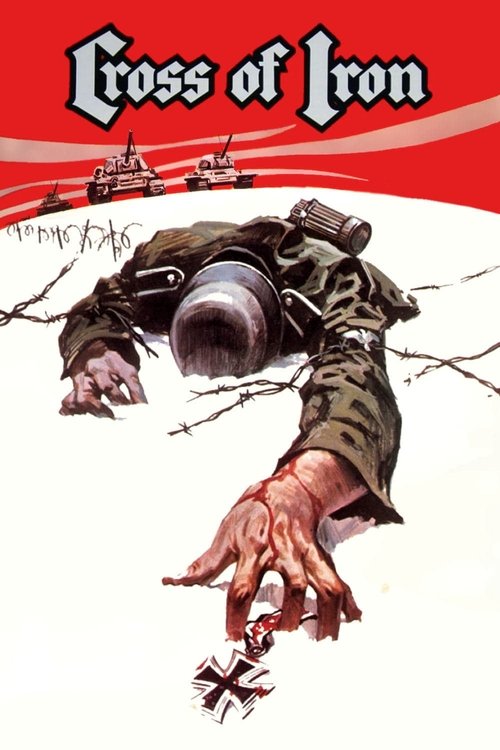
Cross of Iron(1977)
Director
Film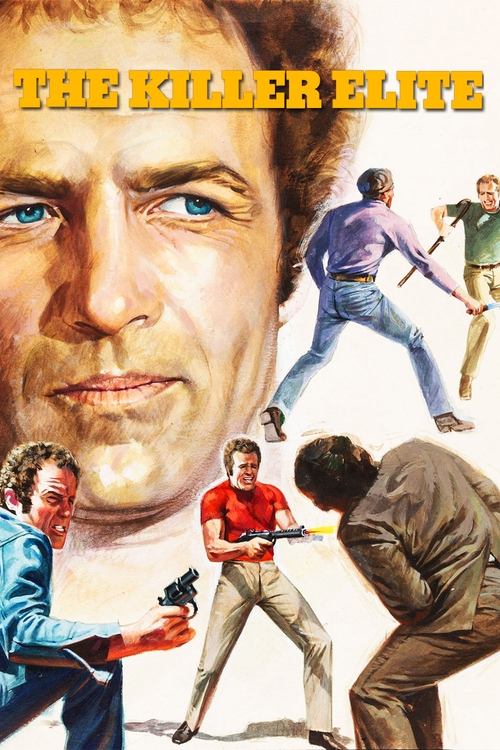
The Killer Elite(1975)
Director
Film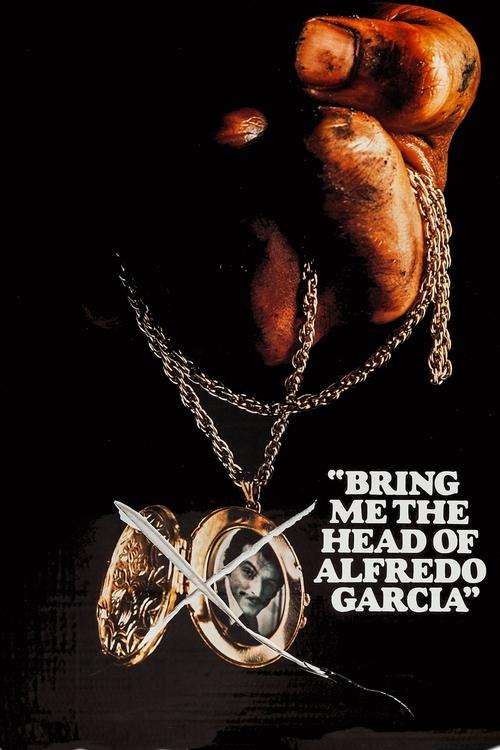
Bring Me the Head of Alfredo Garcia(1974)
Director
Film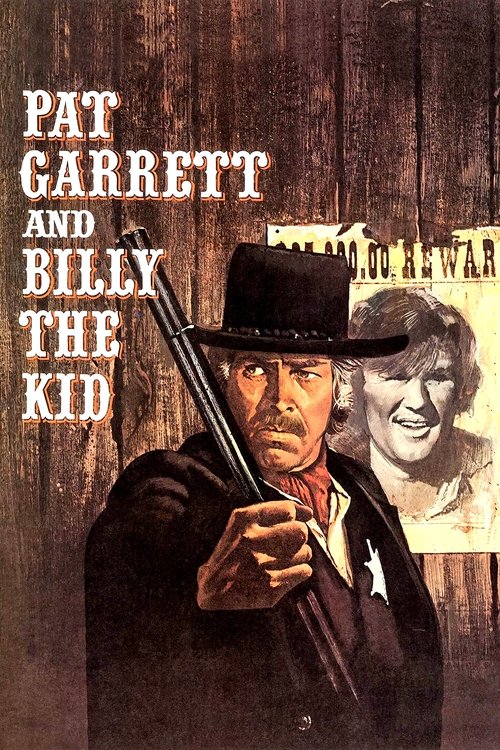
Pat Garrett & Billy the Kid(1973)
Director
Film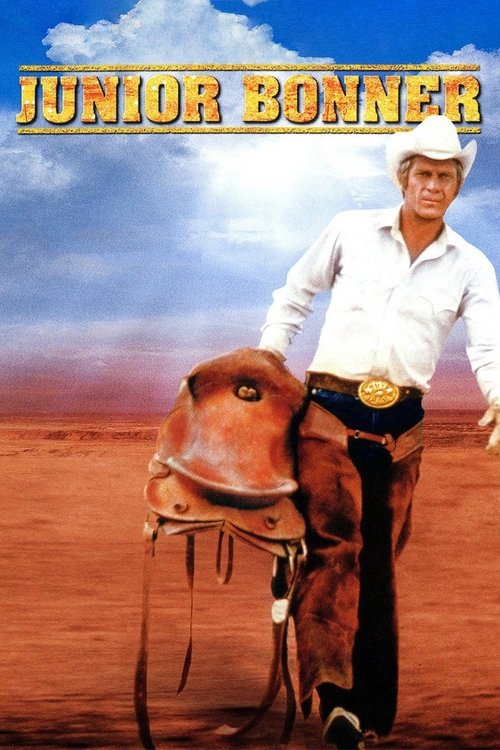
Junior Bonner(1972)
Director
Film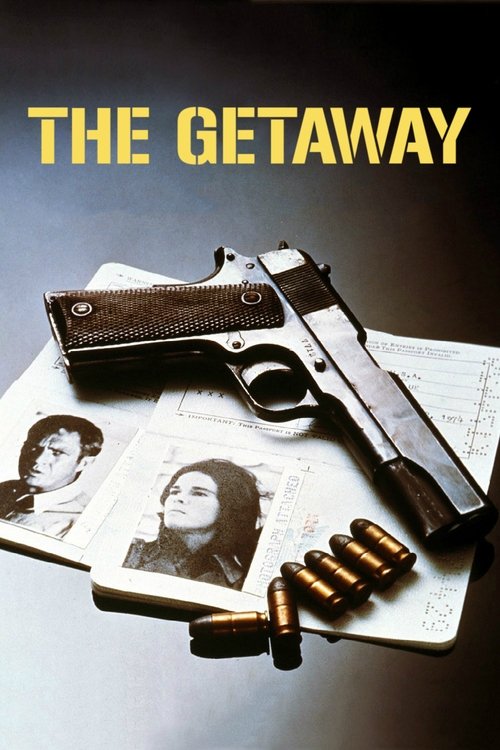
The Getaway(1972)
Director
Film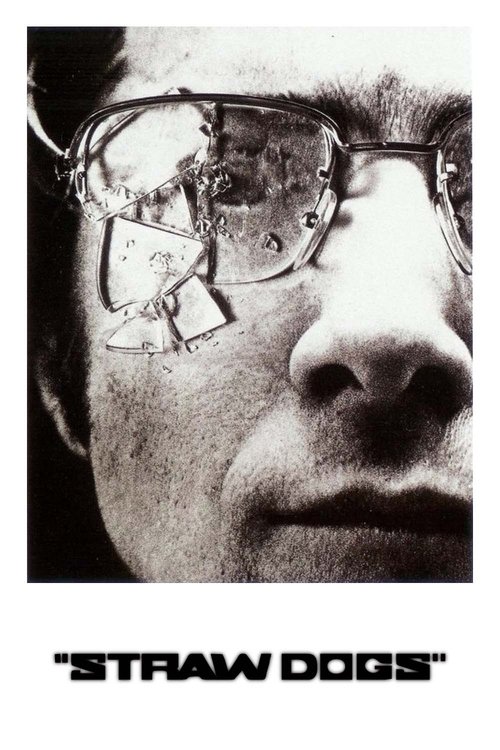
Straw Dogs(1971)
Director
Film
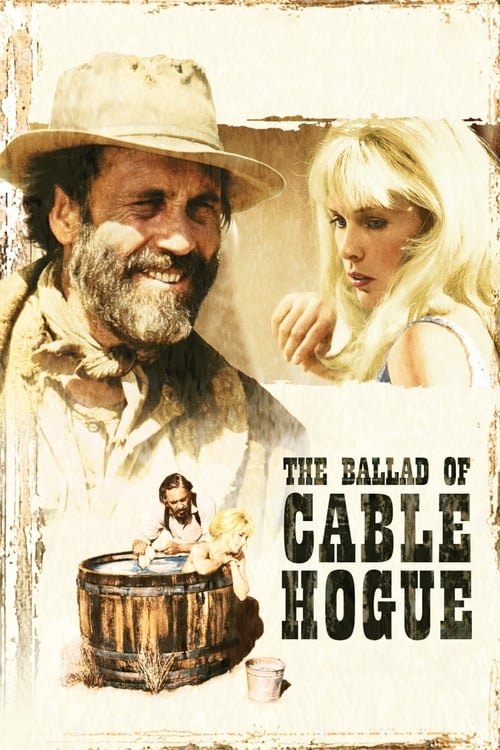
The Ballad of Cable Hogue(1970)
Director
Film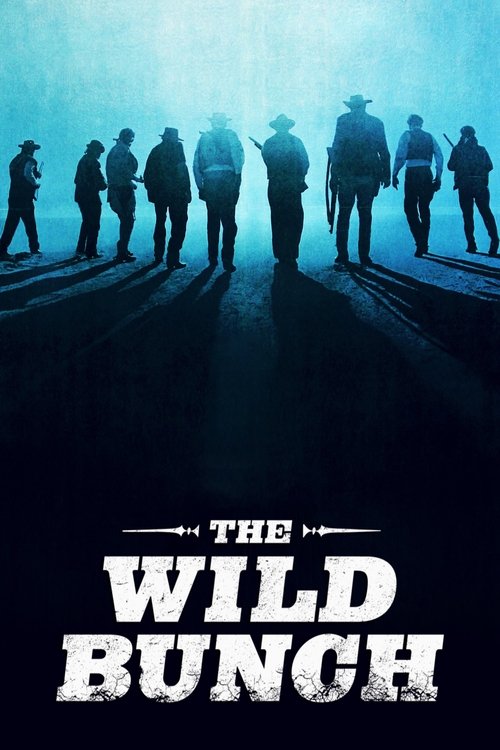
The Wild Bunch(1969)
Director
Film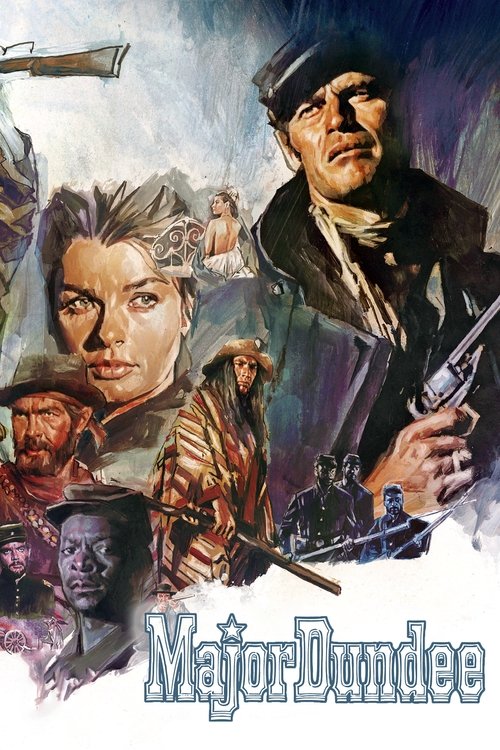
Major Dundee(1965)
Director
Film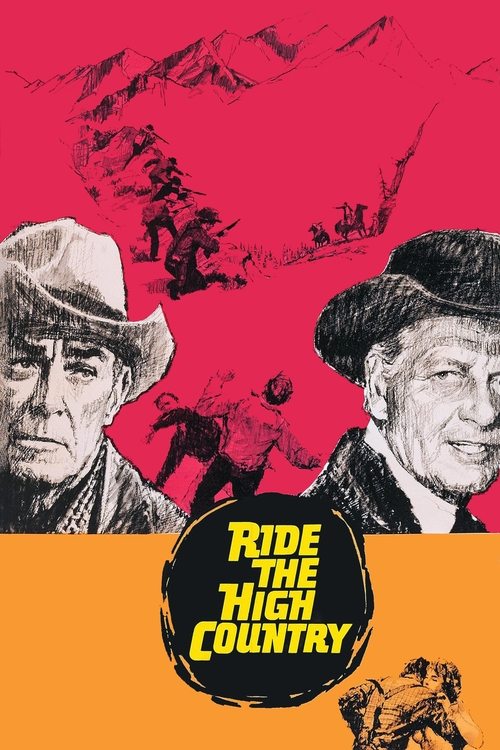
Ride the High Country(1962)
Director
Film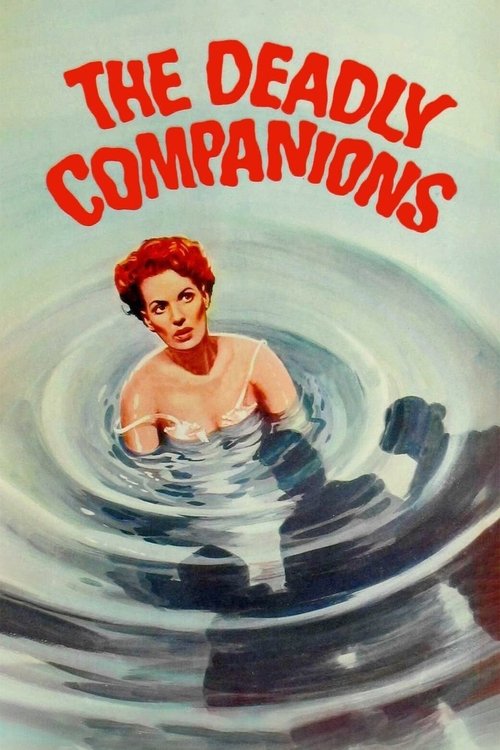
The Deadly Companions(1961)
Director
Film
Writer
4 credits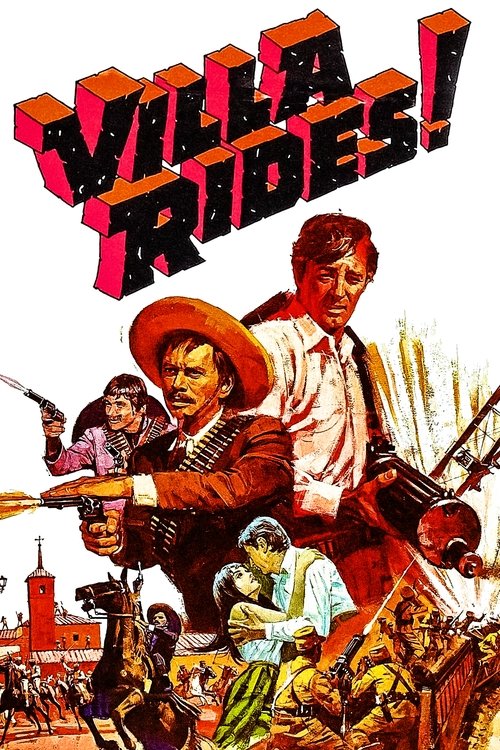
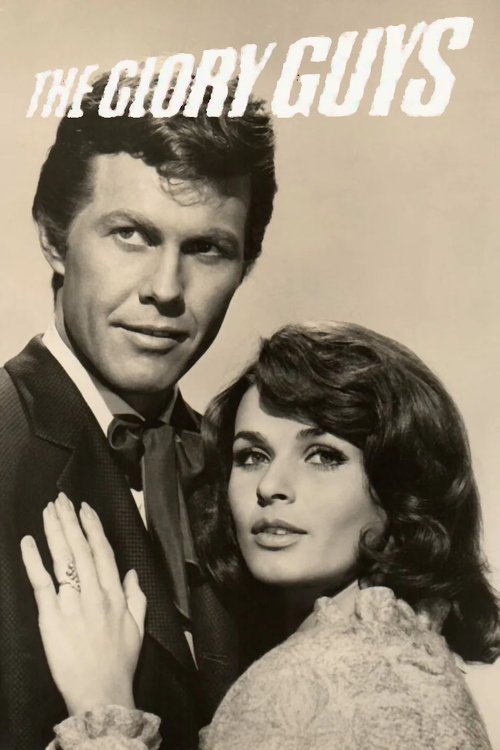
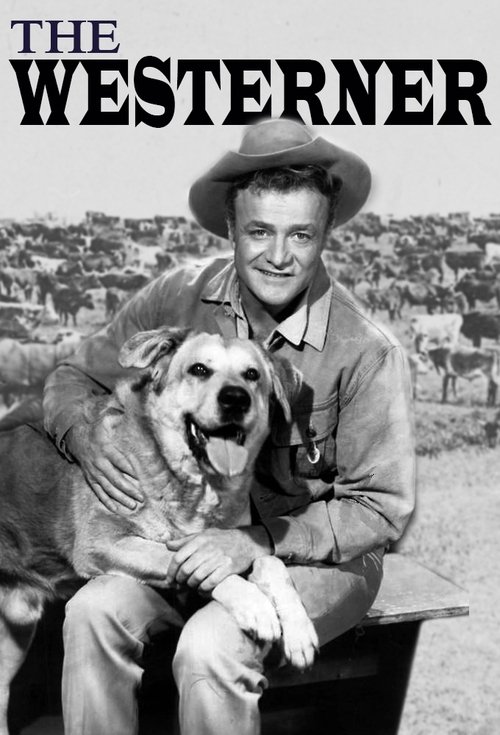
Actor
3 credits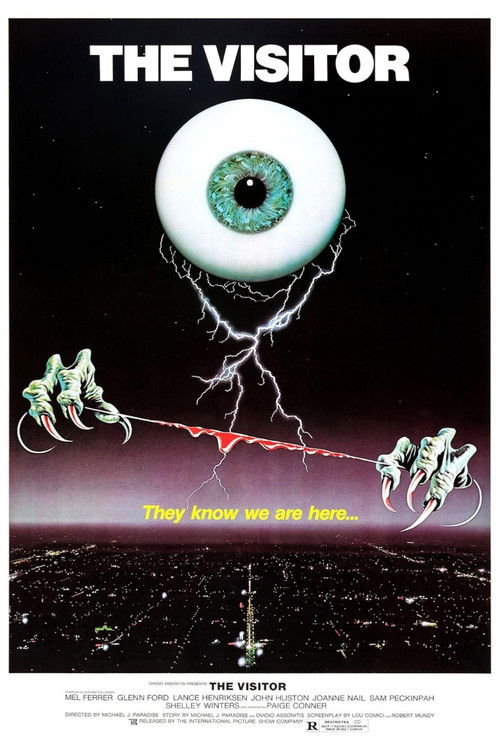
Editor
4 credits

Other crew
31 credits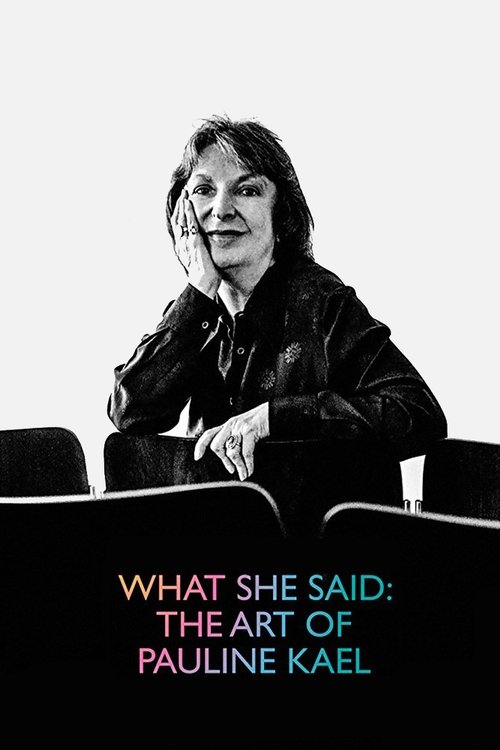
What She Said: The Art of Pauline Kael(2018)
Crew
Film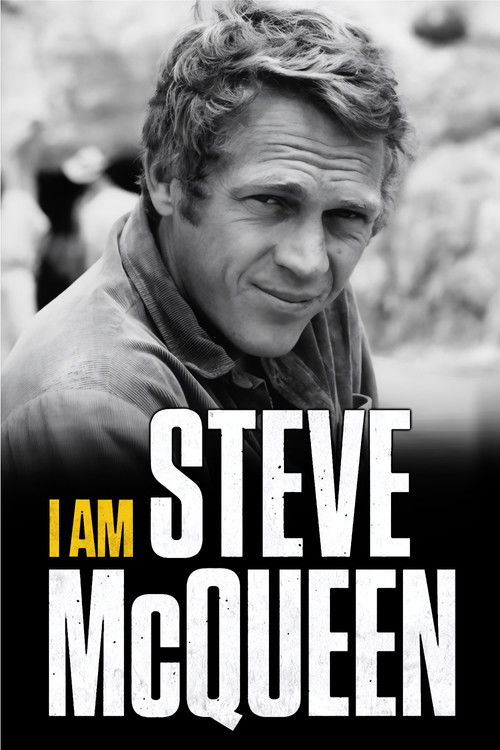
I Am Steve McQueen(2014)
Crew
Film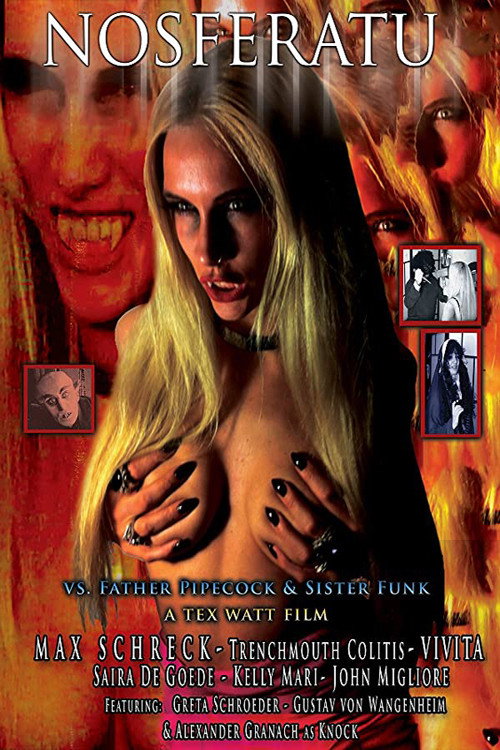
Nosferatu vs. Father Pipecock & Sister Funk(2014)
Crew
FilmSantiago Violenta(2014)
Crew
Film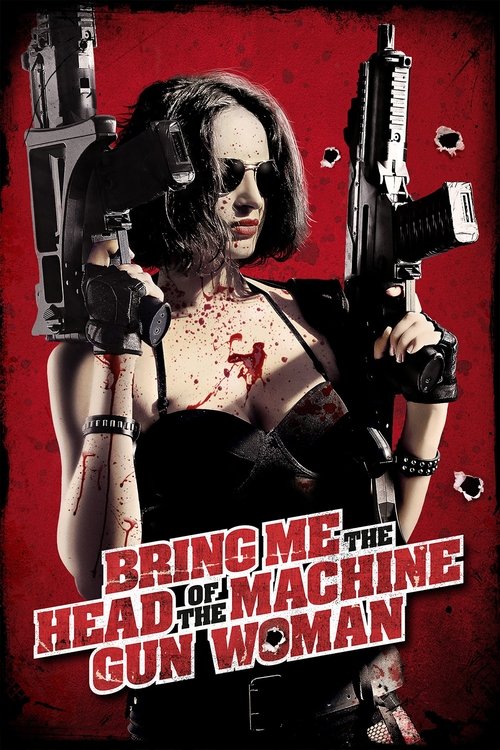
Bring Me the Head of the Machine Gun Woman(2012)
Crew
Film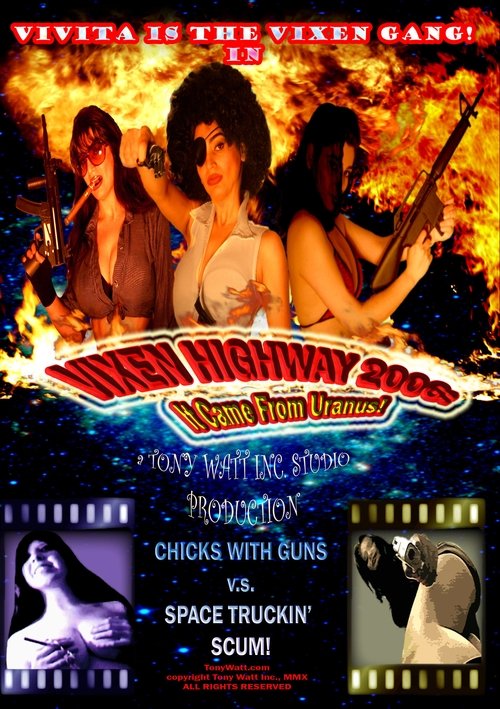
Vixen Highway 2006: It Came from Uranus!(2010)
Crew
Film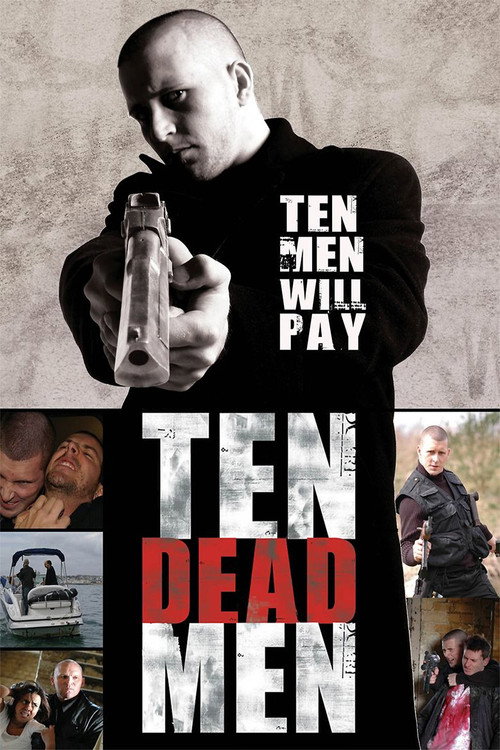
Ten Dead Men(2008)
Crew
Film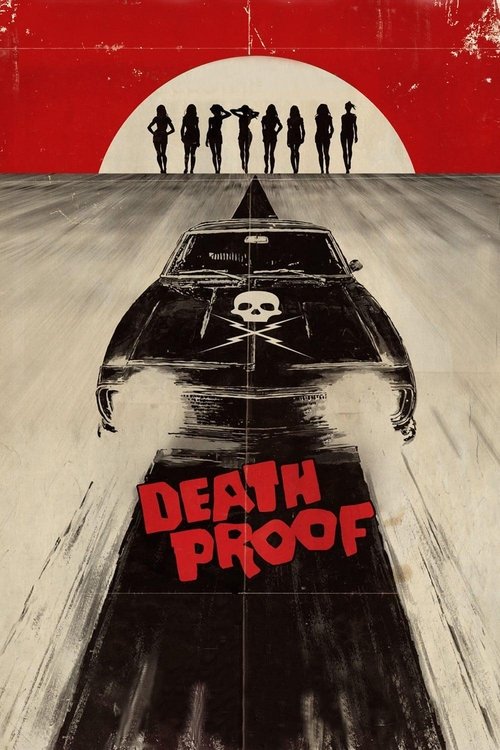
Death Proof(2007)
Crew
Film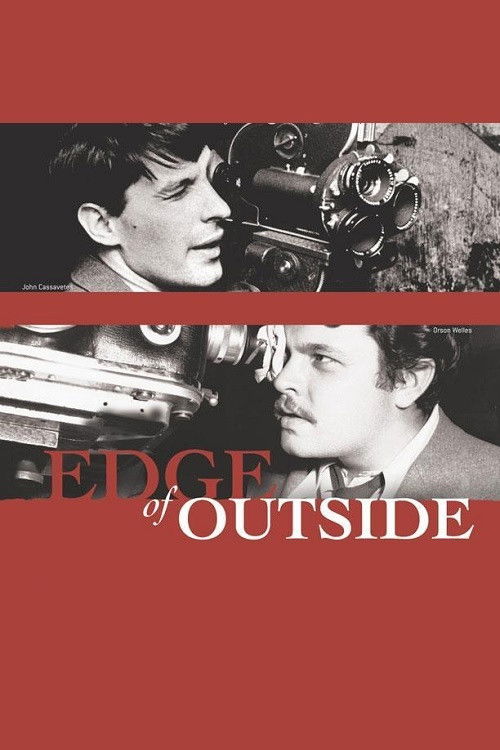
Edge of Outside(2006)
Crew
Film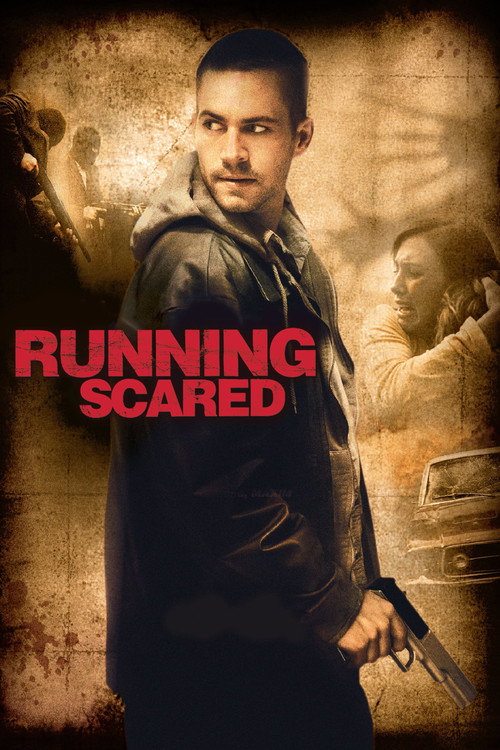
Running Scared(2006)
Crew
Film
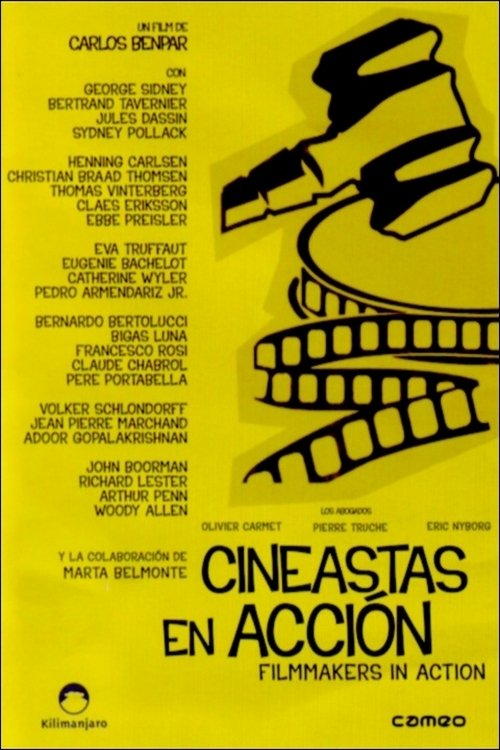
Filmmakers in Action(2005)
Crew
Film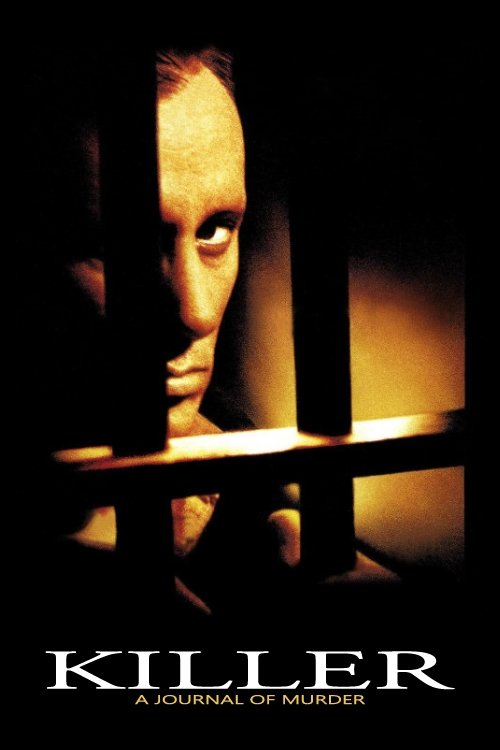
Killer: A Journal of Murder(1995)
Crew
Film
Días de cine(1991)
Crew
TV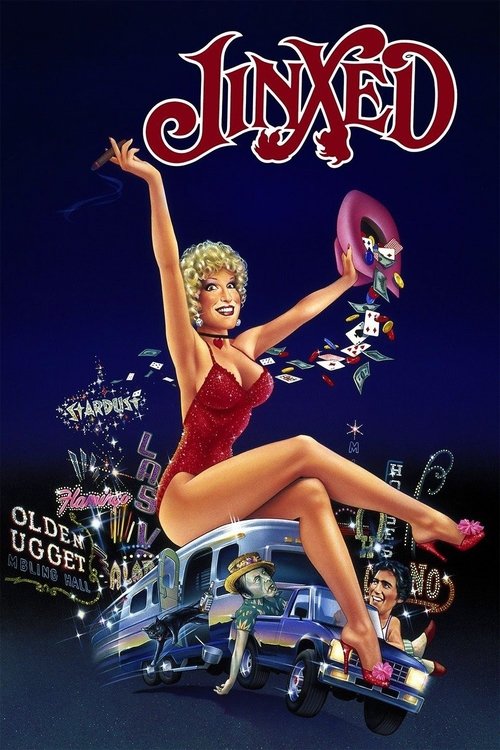
Jinxed!(1982)
Crew
Film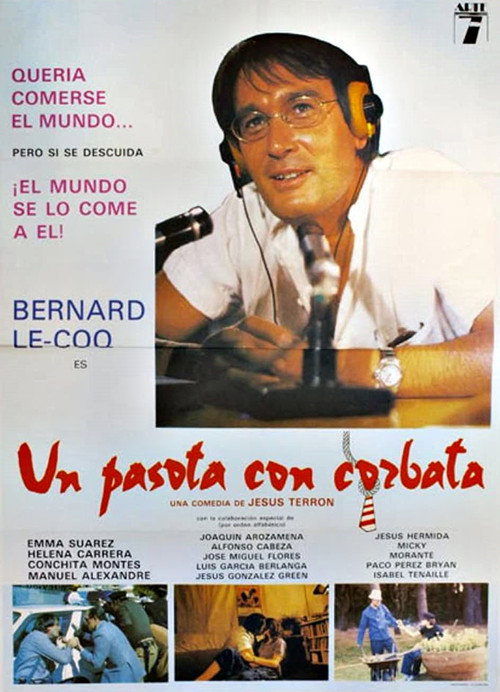
Un pasota con corbata(1982)
Crew
Film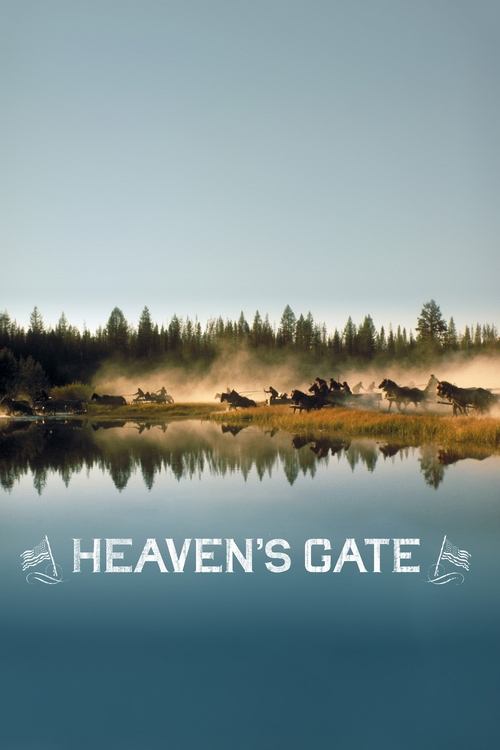
Heaven's Gate(1980)
Crew
Film
Dinah!(1974)
Crew
TV
Morbidness(1972)
Crew
FilmCinema(1964)
Crew
TV
The Tonight Show Starring Johnny Carson(1962)
Crew
TV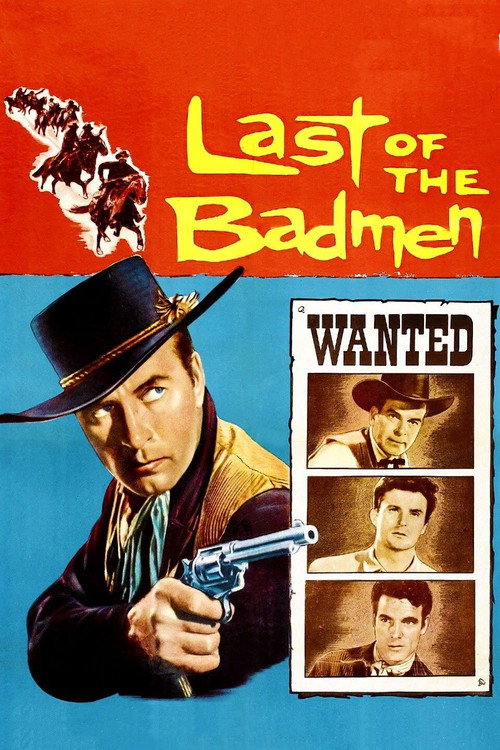
Last of the Badmen(1957)
Crew
Film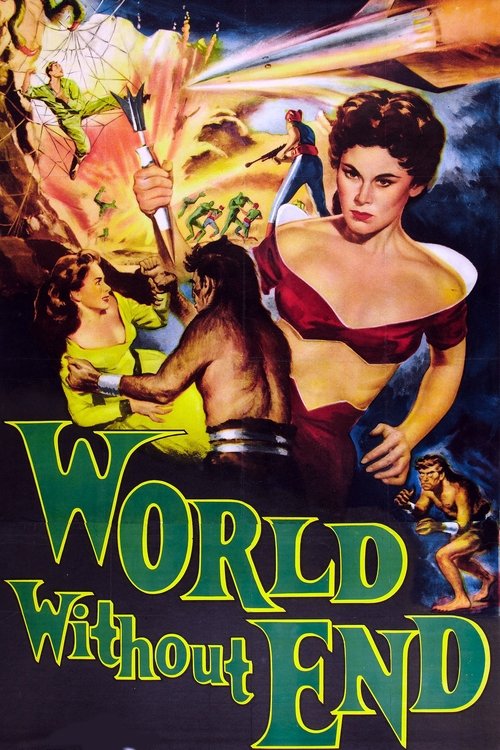
World Without End(1956)
Crew
Film
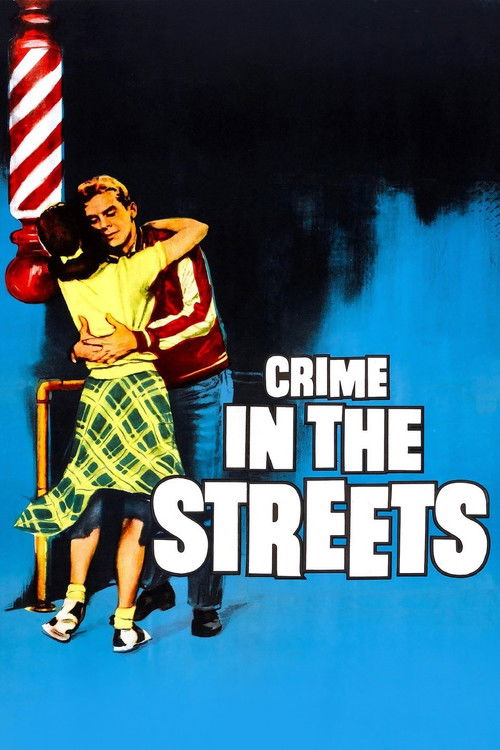
Crime in the Streets(1956)
Crew
Film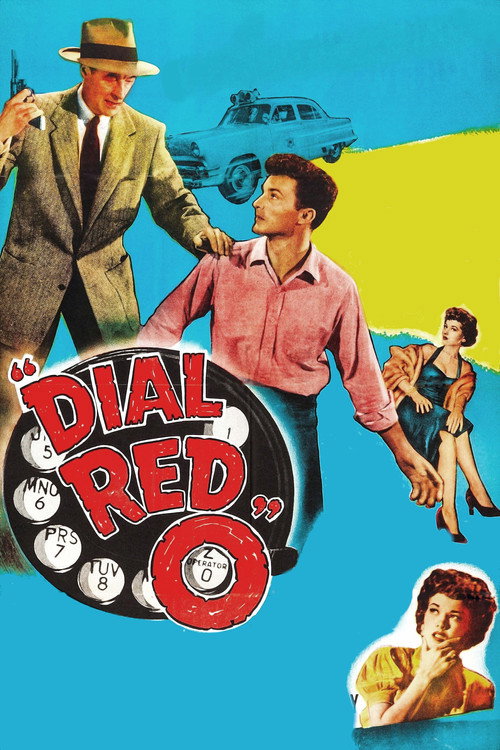
Dial Red O(1955)
Crew
Film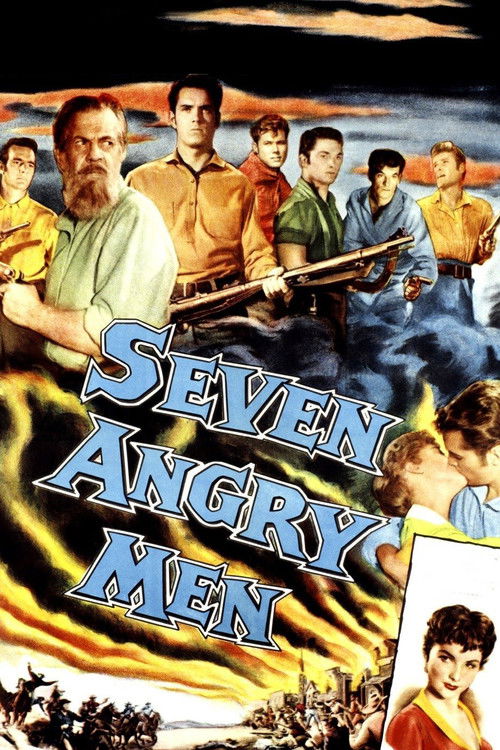
Seven Angry Men(1955)
Crew
Film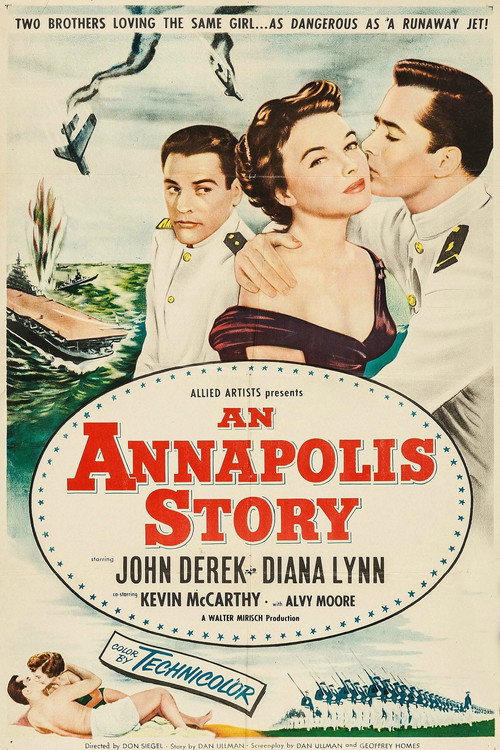
An Annapolis Story(1955)
Crew
Film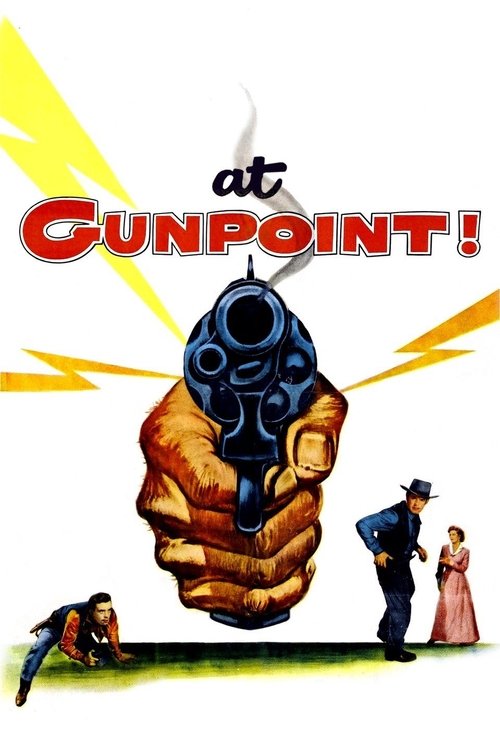
At Gunpoint(1955)
Crew
Film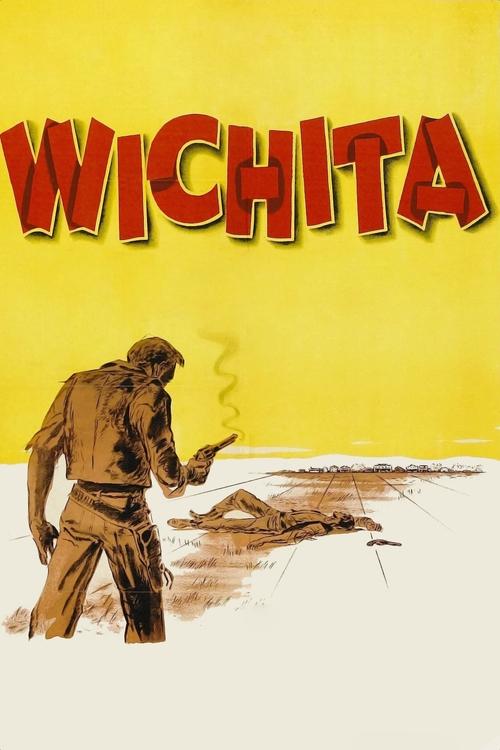
Wichita(1955)
Crew
Film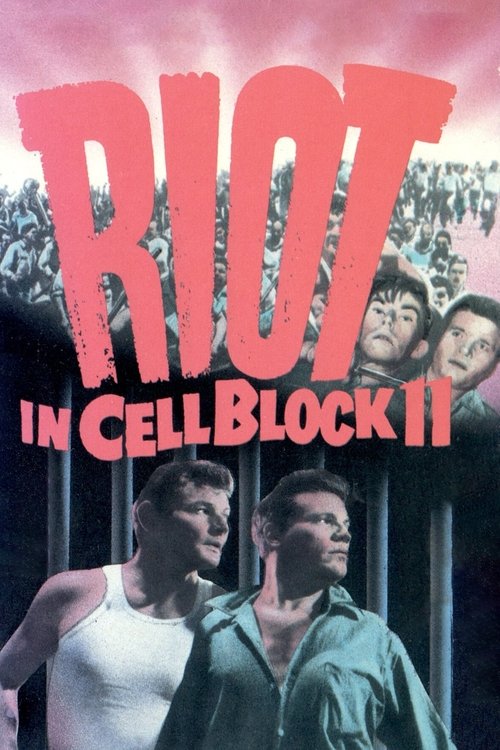
Riot in Cell Block 11(1954)
Crew
Film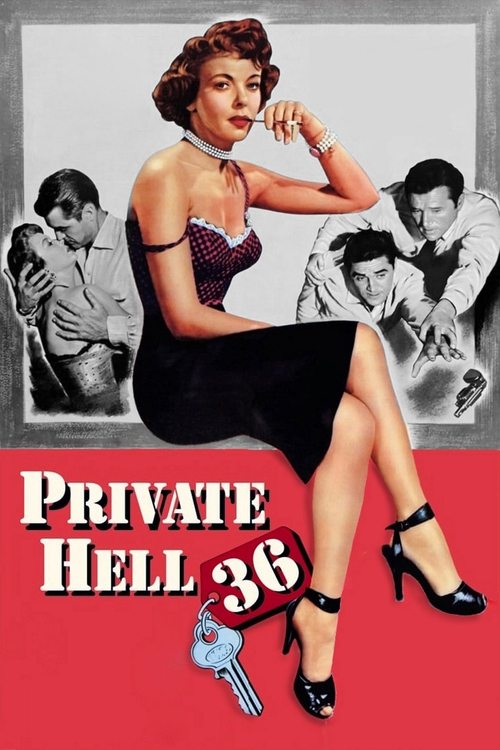
Private Hell 36(1954)
Crew
Film
Awards & Nominations
2 nominationsAcademy Award
- Nom1970Best Writing, Original Screenplay
More awards & festivals (1) — regional academies & film-festival prizes
Academy Awards
- Nom1969Oscar — Writing (original Screenplay)
Memorable quotes
Browse all →No quotes logged for Sam Peckinpah yet — add the first memorable line below.
Got a quote we’re missing?
Submit a line from any film, show, or game.
Additional credits5Show
Non-headline appearances — talk-show, awards-show, panel, and archive-footage credits, kept separate from the main filmography.
- Passion & Poetry - Getaway in TexasSelf - Interviewee · 2025
- Passion & Poetry: Sam's Trucker MovieSelf · 2013
- Sam Peckinpah's West: Legacy of a Hollywood RenegadeSelf · 2004
- Easy Riders, Raging Bulls: How the Sex, Drugs and Rock 'N' Roll Generation Saved HollywoodSelf · 2003
- Sam Peckinpah: Man of IronSelf · 1993
Edit history
Loading edit history…
Comments (0)
on Sam PeckinpahNo comments yet. Be the first to share what you think.