
Person · Director
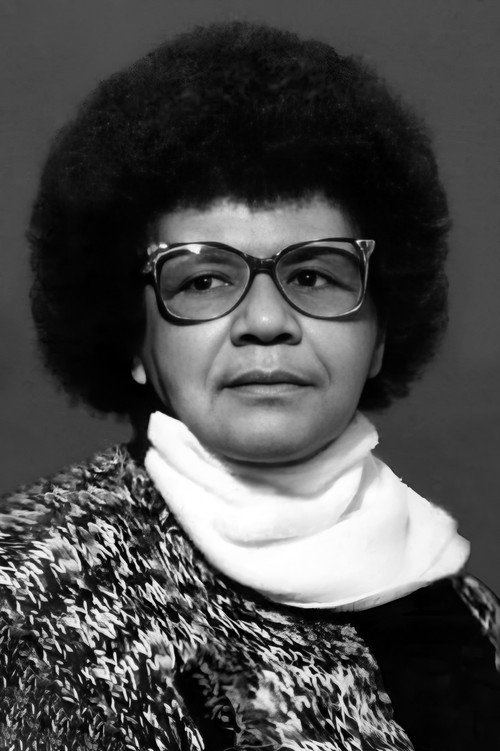
Sarah Maldoror
- Also:
- Writer
- Actress
In short · Directed for five decades — 8 credits.
Remembered for
Ranked by community engagement + sustained interest across this person's credits in our database.
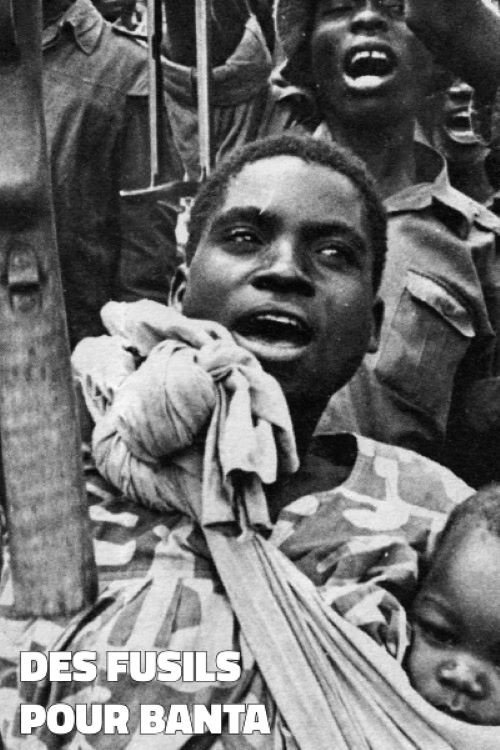
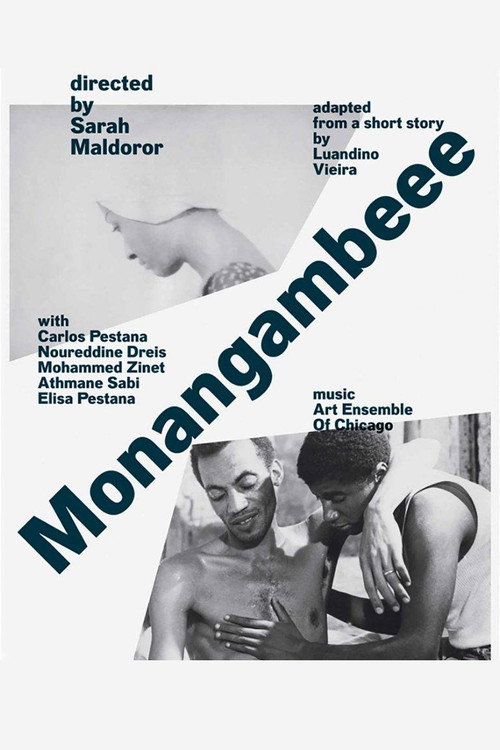
Help complete this page
We’re missing one-line descriptor. Sign in to add what you know.
Biography
Sarah Maldoror, born Marguerite Sarah Ducados on July 19, 1929, in Condom (Gers), France, was a filmmaker and director who died on April 13, 2020, in Fontenay-lès-Briis (Essonne). Her work is characterized by a poetic, political, and committed style. She is regarded as a leading figure in African cinema and the first female director on the continent.
Born to a Guadeloupean father from Marie-Galante and a mother from Gers, she adopted the name "Maldoror" in tribute to the poet Lautréamont. In 1958, she co-founded the first black theater group in Paris, "Les Griots," with Toto Bissainthe, Timoti Bassori, and Samb Abambacar. The group aimed to promote the works of Black authors and provide significant roles to actors of African descent. Maldoror spent two years in Moscow studying cinema at VGIK under Mark Donskoï, where she met the Senegalese filmmaker Ousmane Sembène.
She was the partner of Mário Pinto de Andrade, an Angolan poet and politician, and joined him in the African liberation movements. Together, they had two daughters, Annouchka de Andrade and Henda Ducados. Mário de Andrade, founder and first president of the MPLA (Movement for the Liberation of Angola), had previously worked as secretary to Alioune Diop, founder of *Présence africaine*, and organized the first Congress of Black Writers and Artists in Paris (Sorbonne, 1958). He was a close associate of poets Aimé Césaire, Léopold Sédar Senghor, Frantz Fanon, and Richard Wright.
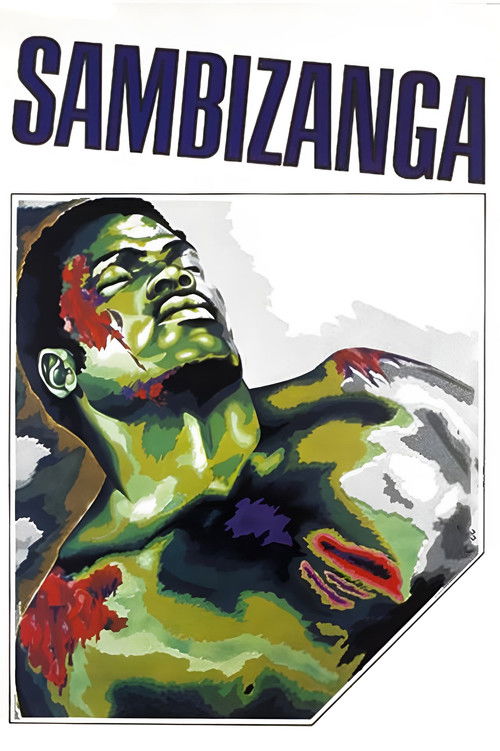
Maldoror moved to Algiers in 1966 and began working in cinema, initially as an assistant on *The Battle of Algiers* (1966) by Gillo Pontecorvo and *Pan-African Festival of Algiers 1969*, a documentary by William Klein. She soon directed her first film, followed by a lost film shot in Guinea-Bissau and her first fictional feature, *Sambizanga* (1972). Filmed in the Republic of Congo and based on an Angolan novel by José Luandino Vieira, adapted by her partner Pinto de Andrade and French writer Maurice Pons, the film is set in 1961 and follows Maria, the wife of a revolutionary imprisoned and tortured by the Portuguese army, as she searches for him across the country.
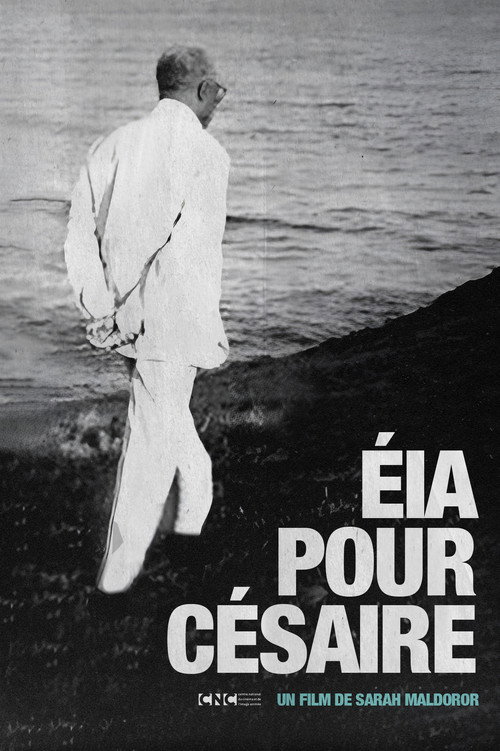
Throughout her career, Sarah Maldoror directed more than forty short and feature-length films, both fiction and documentary. Her work often focused on poets such as Aimé Césaire (five films), René Depestre, and Louis Aragon, as well as painters including Ana Mercedes Hoyos, Joan Miró, and Vlady.
Maldoror died in April 2020 from complications due to COVID-19. In November 2021, the Palais de Tokyo in Paris presented "Sarah Maldoror, Cinéma Tricontinental," a retrospective of her work, life, and political engagement. The exhibition also took place at the Musée de l'Homme, the Musée de l'Histoire de l'immigration, and the Musée d'Art et d'Histoire Paul Éluard in Saint-Denis.
Filmography · 6 of 6
A platform appears here when one of these titles streams on it. Click to filter — pick several to combine.

Memorable quotes
Browse all →No quotes logged for Sarah Maldoror yet — add the first memorable line below.
Got a quote we’re missing?
Submit a line from any film, show, or game.
Additional credits2Show
Non-headline appearances — talk-show, awards-show, panel, and archive-footage credits, kept separate from the main filmography.
- Sisters of the Screen - African Women in CinemaSelf · 2002
- Aimé Césaire - un homme une terreSelf · 1976
Edit history
Loading edit history…
Comments (0)
on Sarah MaldororNo comments yet. Be the first to share what you think.