
Company
Relativity Media
The finance-model studio that promised to compute the risk out of Hollywood, then collapsed into one of the industry's most litigious serial bankruptcies (2004–2018).
46 projects
About
Relativity Media was positioned to Hollywood as a company that could outperform traditional studios. Its founder, Ryan Kavanaugh, came not from the entertainment industry but from finance, proposing a Wall Street–style risk model that used data on a film’s genre, budget, cast, and release date to simulate potential returns before any footage was shot. For a period in the late 2000s and early 2010s, this approach made Kavanaugh one of the most prominent figures in the business, seen as a young executive who had seemingly removed the unpredictability from filmmaking. The company’s defining contradiction was that a studio built to eliminate risk ultimately collapsed under it.
The model and the money
Relativity was founded in 2004 by Kavanaugh and Lynwood Spinks, a former Carolco executive who Kavanaugh convinced to provide initial funding. The company initially operated as a film finance broker, structuring slate-financing deals that allowed outside investors to co-fund a studio’s entire annual output. Kavanaugh arranged co-financing for films at Universal and Sony, distributing investment across multiple releases so that successful films could offset the underperforming ones, as his models predicted. In 2008, Elliott Management acquired nearly half of the company, providing access to about a billion dollars in capital. With this backing, Relativity expanded into production and, eventually, its own distribution, positioning itself as a potential major studio alongside the traditional Hollywood players.
The company produced a number of notable films at its peak. Relativity had a role in David O. Russell's Oscar-winning *The Fighter* (2010), the Bradley Cooper thriller *Limitless* (2011), Tarsem Singh's visually rich *Immortals* (2011), the Navy SEAL action film *Act of Valor* (2012), and the Nicholas Sparks adaptation *Safe Haven* (2013). For a company less than a decade old, it was a rapid ascent to a position among the industry's major players.
The unraveling
The company's strategy, however, could not sustain itself without sufficient cash flow. Behind the confident financial modeling was a growing debt load, missed loan payments, and a distribution arm that failed to produce the consistent hits the models required. By the end of 2014, Relativity owed about $1.18 billion against approximately $560 million in assets, and on July 30, 2015, it filed for Chapter 11 bankruptcy protection — one of the largest insolvencies in the modern film industry, followed by lawsuits, disputes, and questions about whether the company's model had ever functioned as intended.
A studio designed to remove uncertainty from Hollywood became a cautionary example of the risks of over-leveraging. Kavanaugh managed to regain control of the company, and in March 2016, Relativity emerged from bankruptcy under his leadership, pledging a more streamlined second chapter. The respite was short-lived. Within two years, the company reportedly accumulated hundreds of millions more in debt and filed for Chapter 11 a second time in May 2018 — this time with a buyer already in place.
The end and the legacy
In 2018, a bankruptcy judge approved the sale of Relativity's assets to UltraV Holdings, an investor group backed by Sound Point Capital, which held about $73 million in secured debt and bid approximately $40 million to take control. The film library — including *The Fighter*, *Limitless*, *Act of Valor*, and other films from the Kavanaugh era, along with a lucrative Netflix output deal signed in 2010 — was transferred to the new owners, and the independent studio effectively ceased to exist.
Relativity remains significant because it represented the most direct test of a compelling idea: that data and financial engineering could manage an industry driven by taste, timing, and chance. The company demonstrated that a model could attract substantial investment and produce real hits — but also that none of it could replace financial stability. In an industry increasingly reliant on algorithms and analytics, Relativity serves as a reminder of the consequences of mistaking the spreadsheet for the story.
Projects (46)
A platform appears here when one of this studio's titles streams on it. Click to filter — pick several to combine.
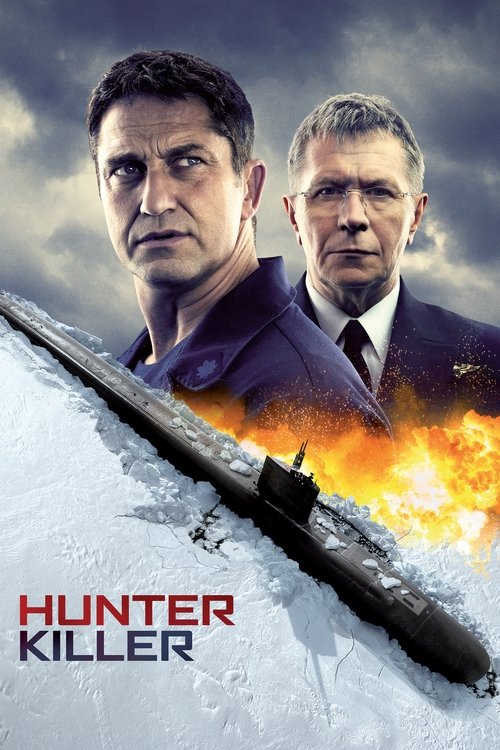
Hunter Killer
2018in_theaters


Ride Along
2014

The Best of Me
2014
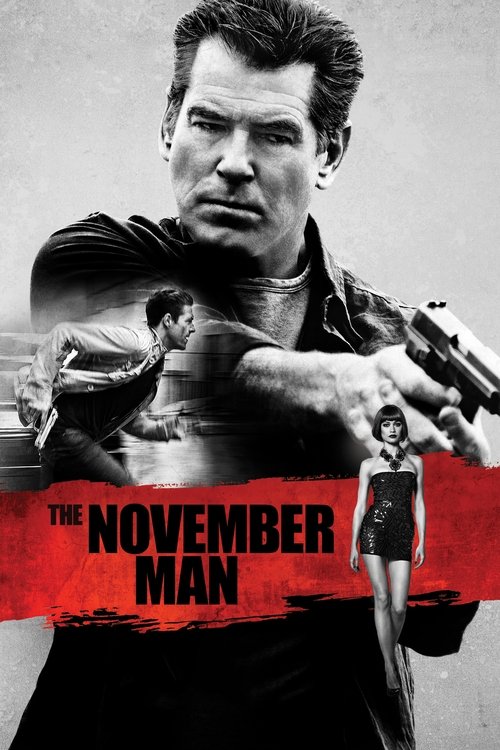
The November Man
2014

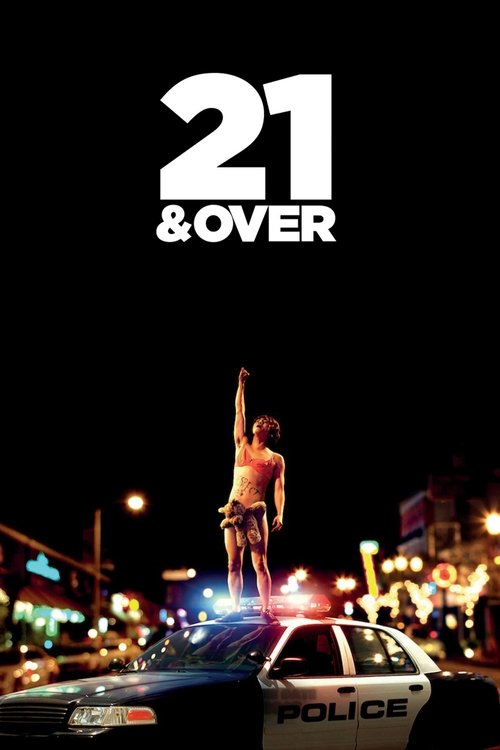
21 & Over
2013
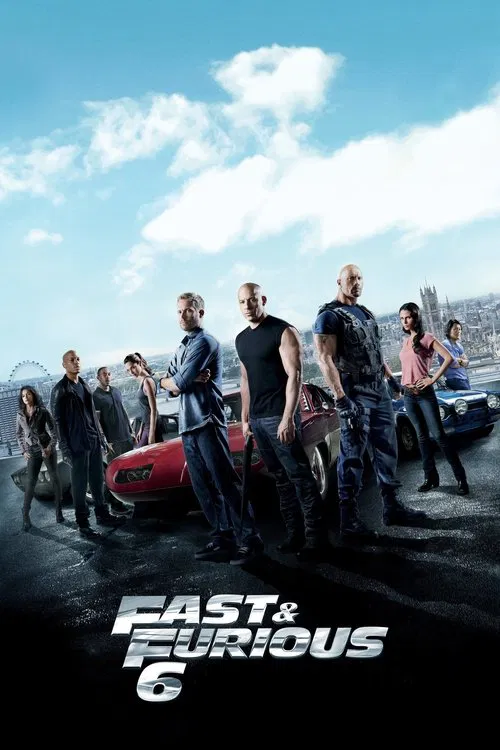
Fast & Furious 6
2013
Movie 43
2013
Oblivion
2013

Safe Haven
2013

21 Jump Street
2012

Savages
2012
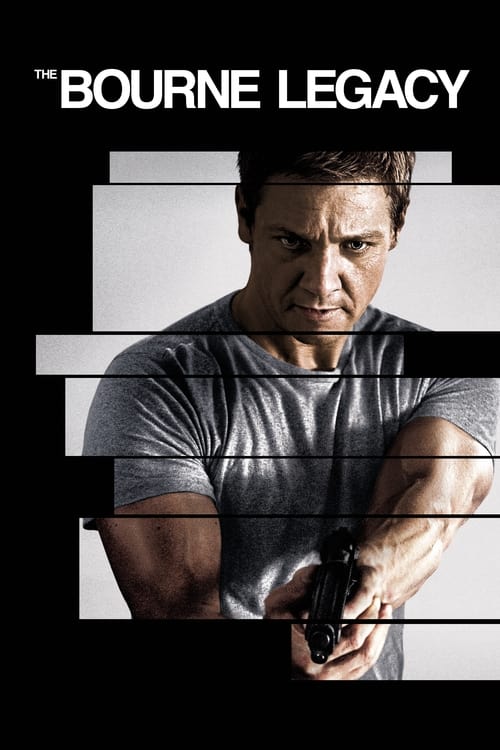
The Bourne Legacy
2012
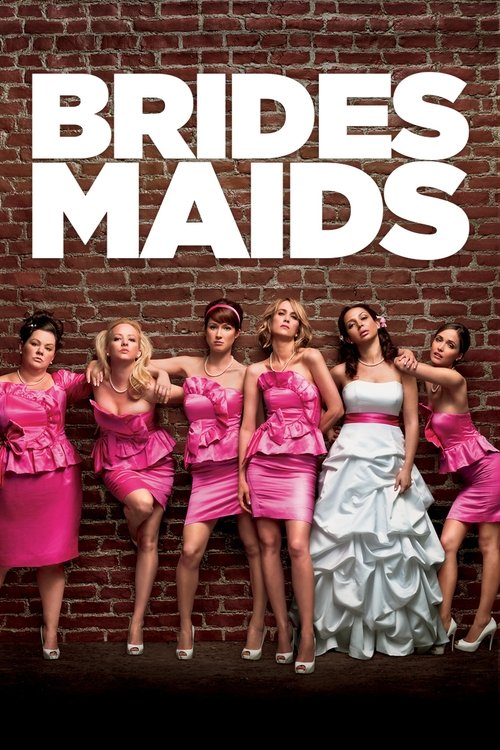
Bridesmaids
2011in_theaters
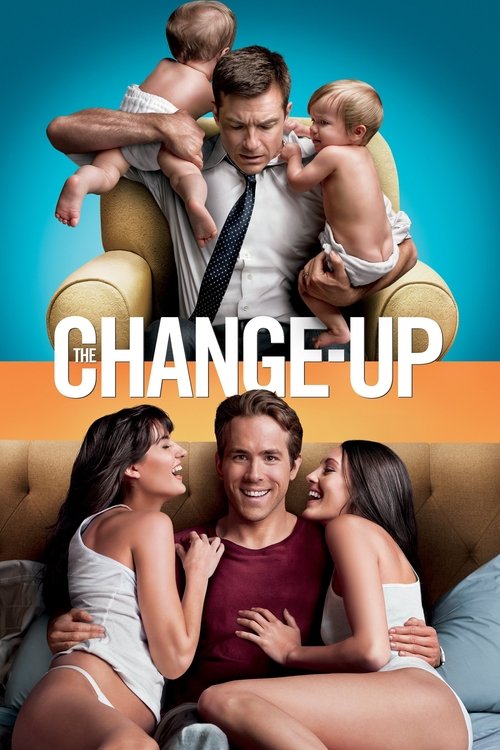
The Change-Up
2011

Charlie St. Cloud
2010

Dear John
2010

Get Him to the Greek
2010


Grown Ups
2010

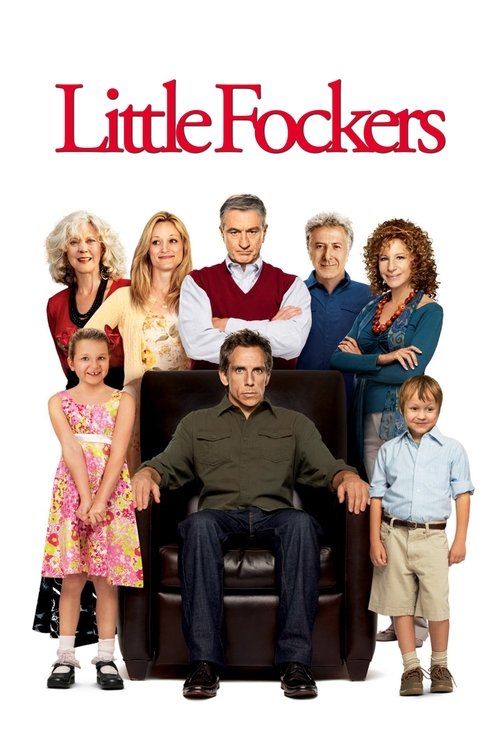
Little Fockers
2010
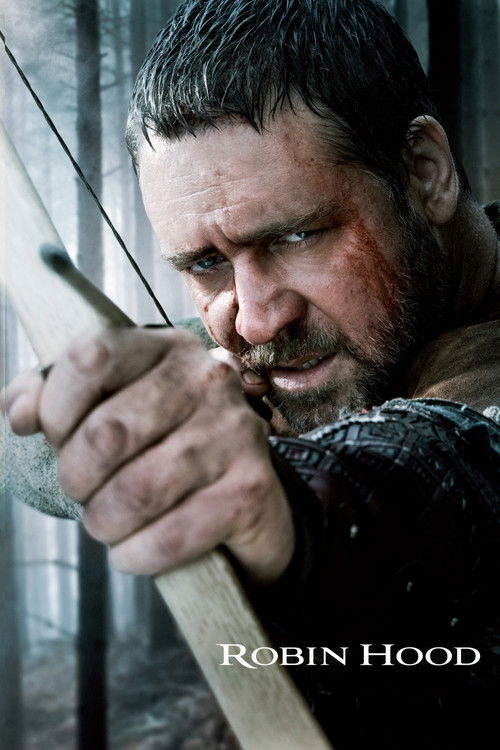
Robin Hood
2010Released

The Bounty Hunter
2010

The Social Network
2010

Brothers
2009

Brothers
2009
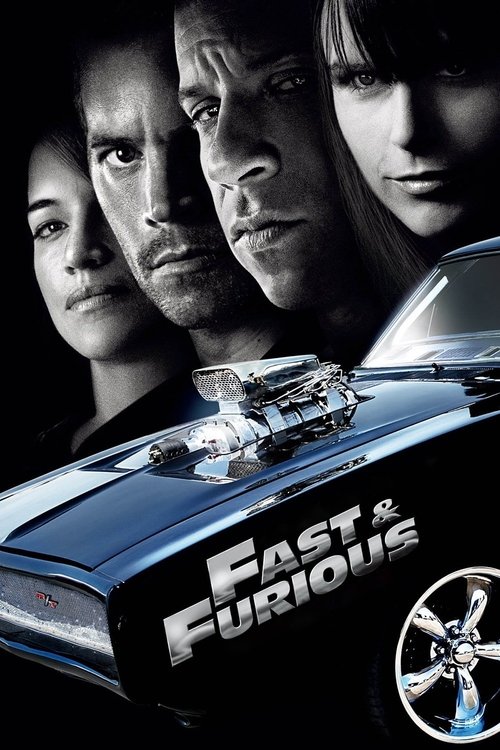
Fast & Furious
2009Released

Funny People
2009

Public Enemies
2009

Burn After Reading
2008

Changeling
2008
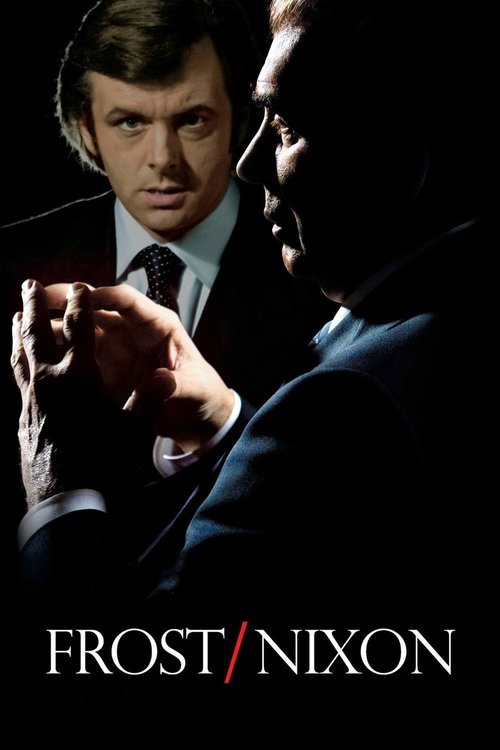
Frost/Nixon
2008
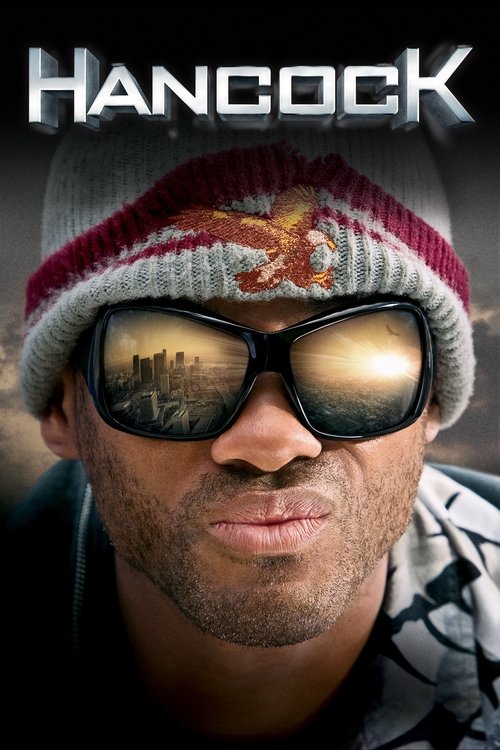
Hancock
2008
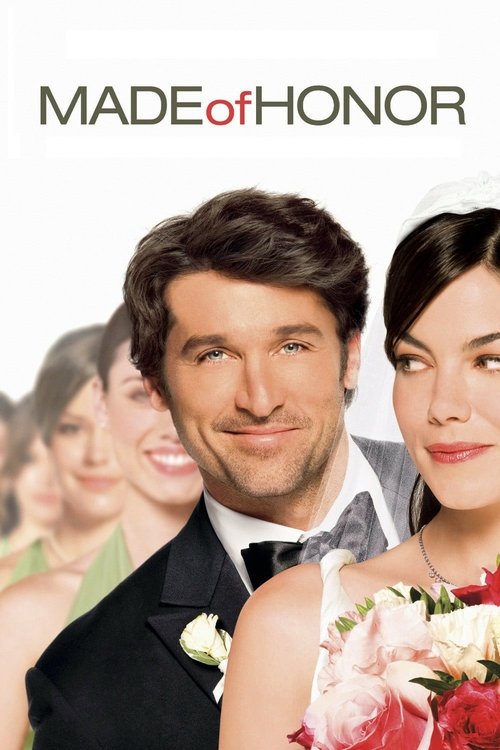
Made of Honor
2008
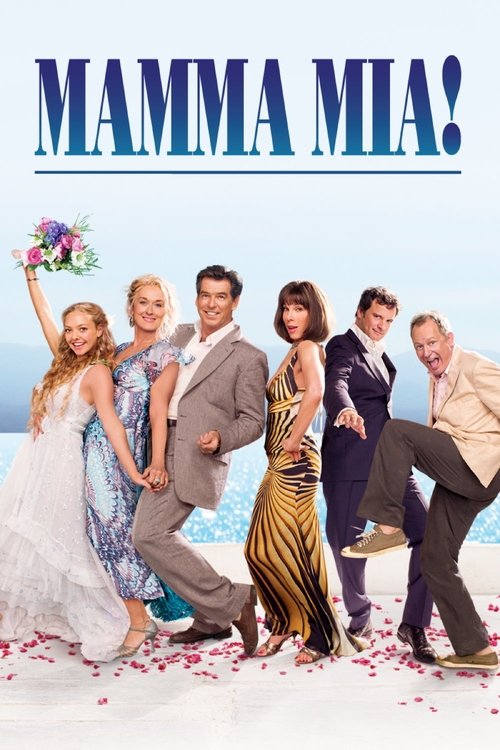
Mamma Mia!
2008in_theaters

Step Brothers
2008
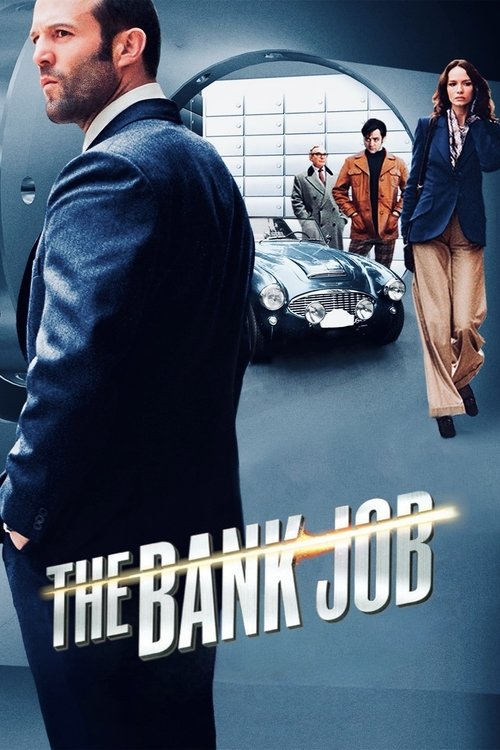
The Bank Job
2008
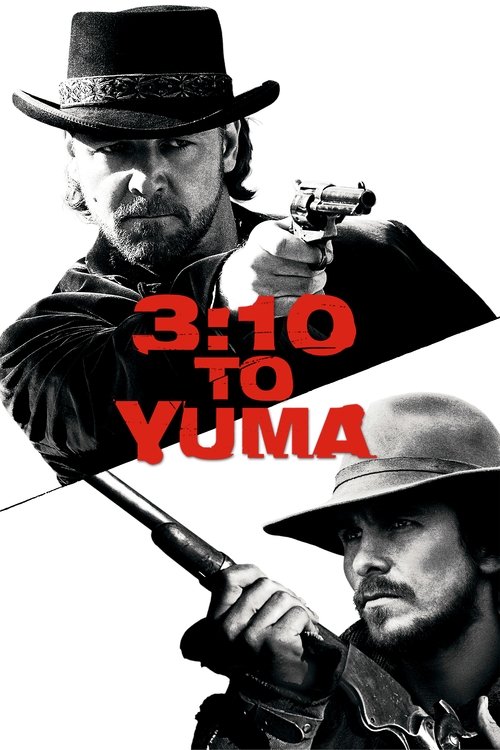
3:10 to Yuma
2007
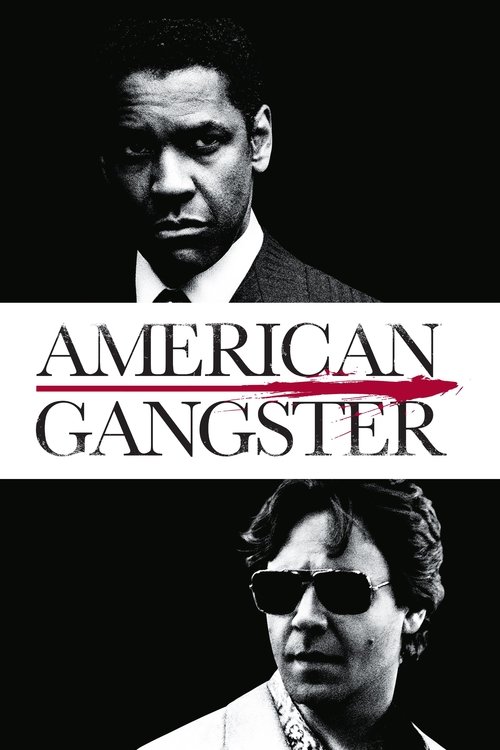
American Gangster
2007
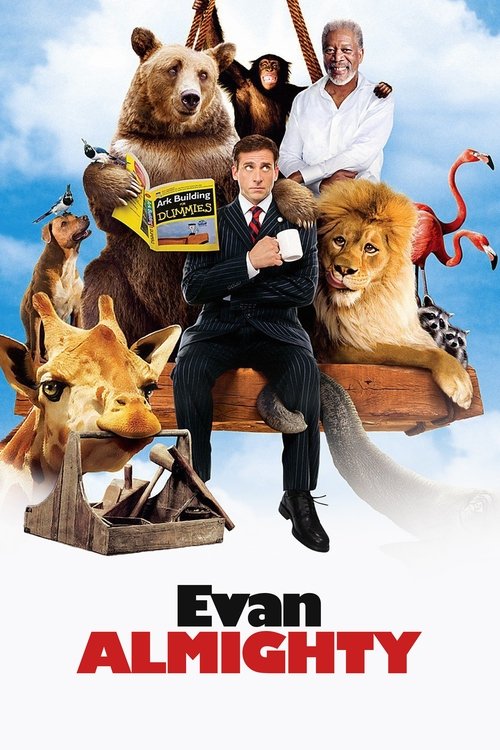
Evan Almighty
2007

Ghost Rider
2007

The Kingdom
2007

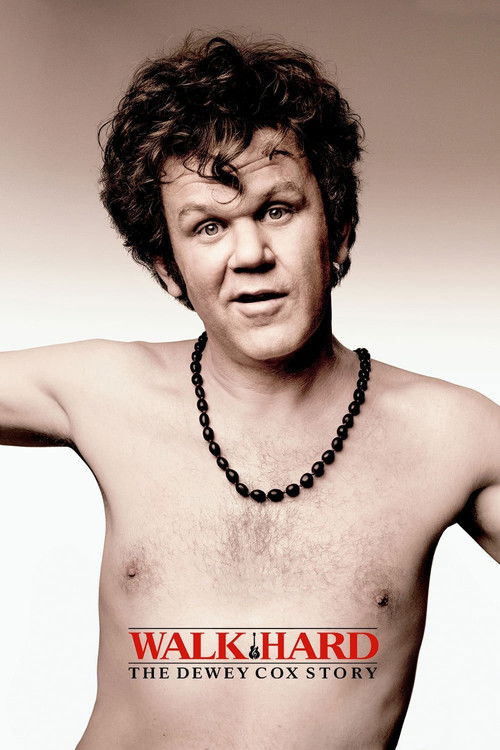
Walk Hard: The Dewey Cox Story
2007


Monster House
2006
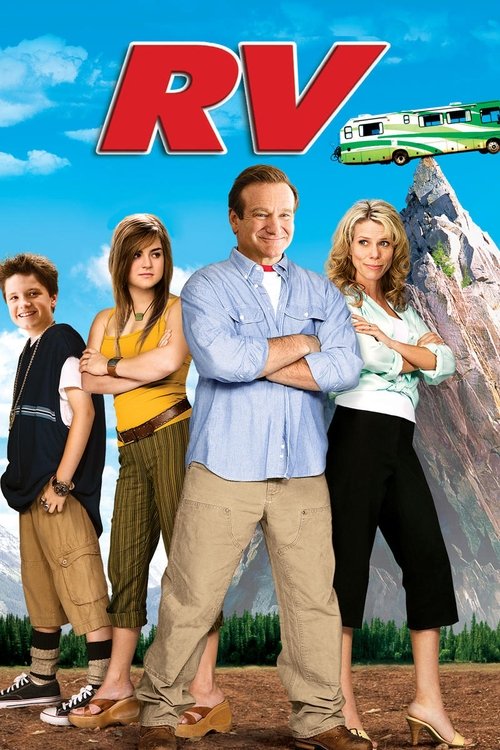
RV
2006
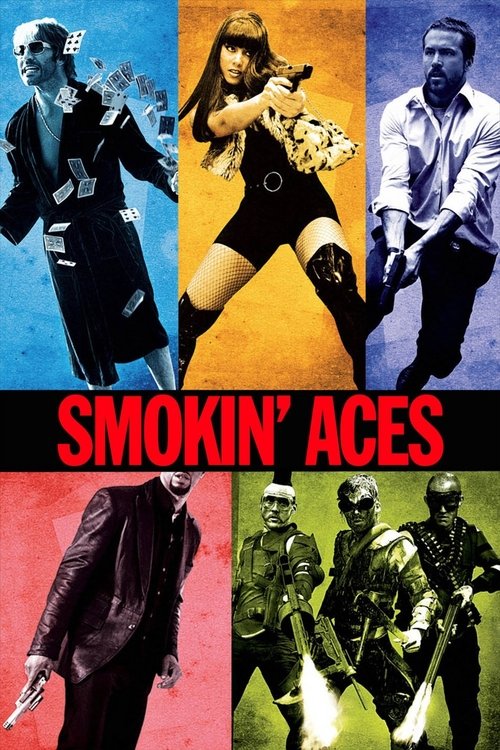
Smokin' Aces
2006

The Fast and the Furious: Tokyo Drift
2006

The Holiday
2006
Films distributed
Theatrical releases this company distributed, by U.S. box-office gross.
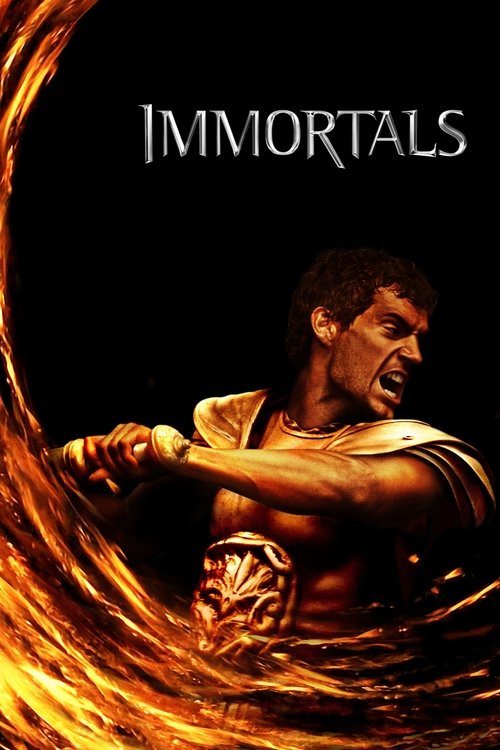
Immortals
2011
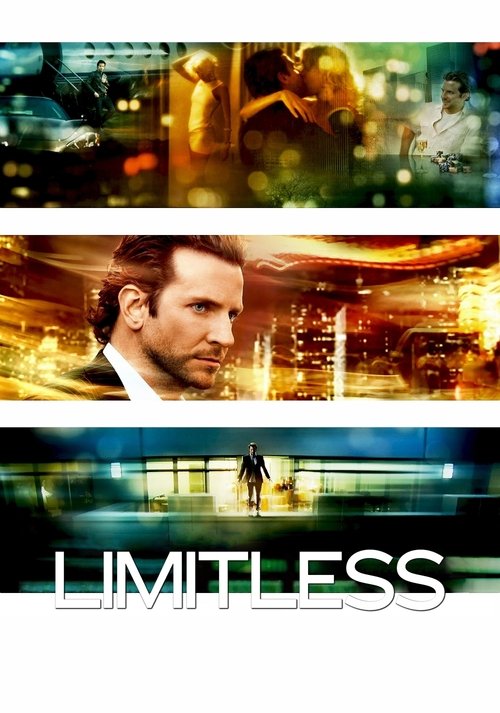
Limitless
2011
Safe Haven
2013
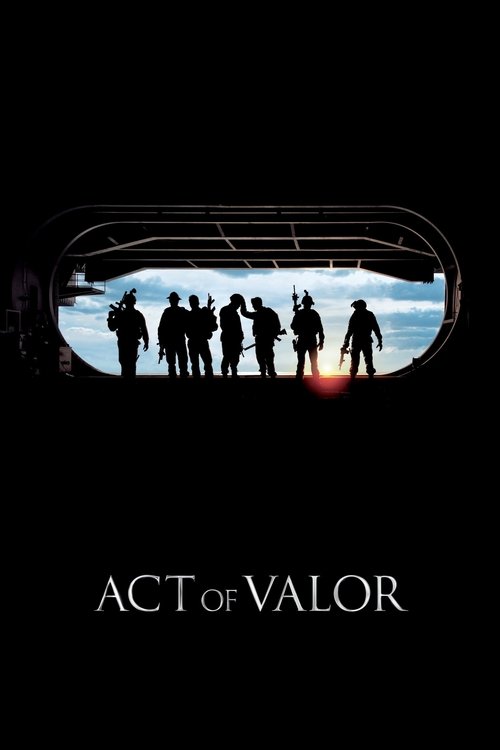
Act of Valor
2012
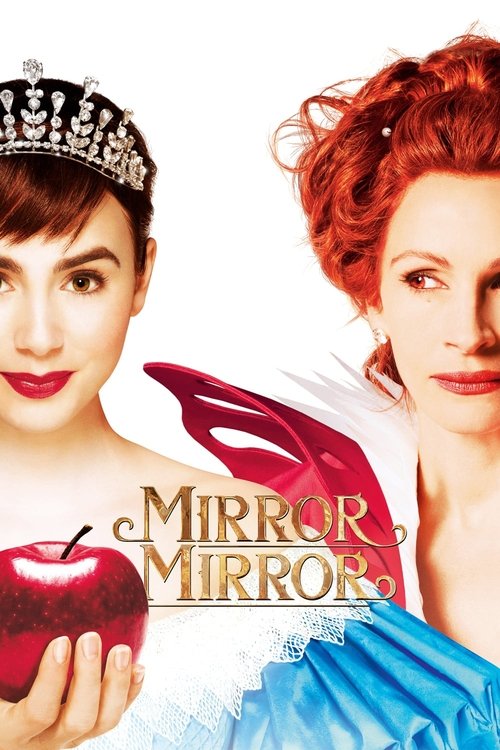
Mirror Mirror
2012
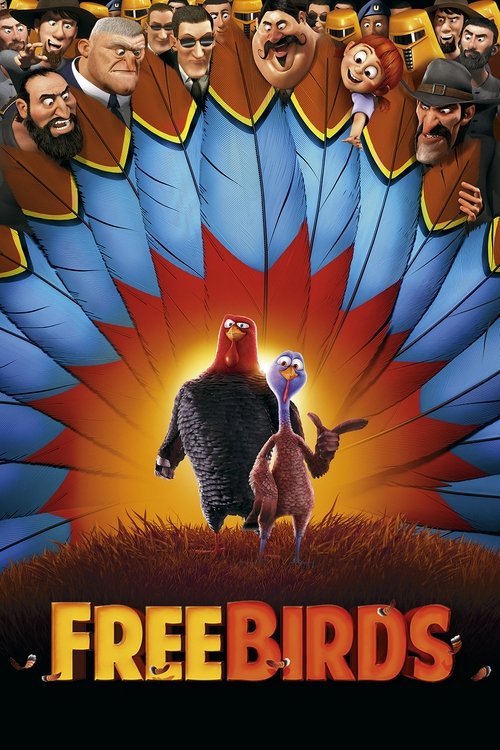
Free Birds
2013

Earth to Echo
2014

The Family
2013

House at the End of the Street
2012
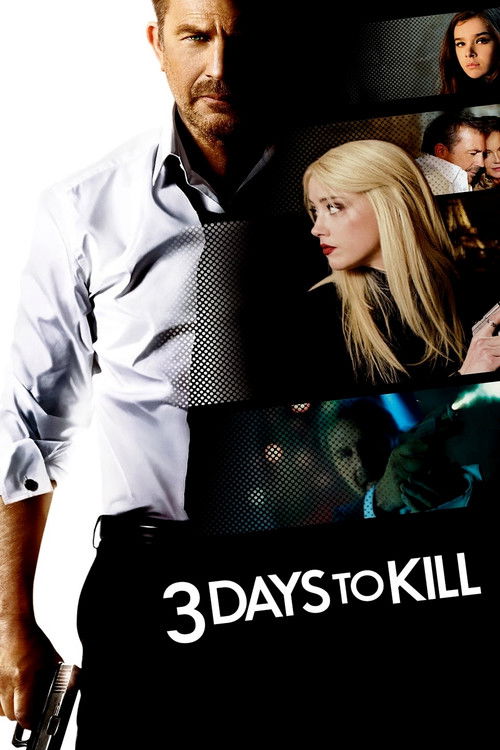
3 Days to Kill
2014

Oculus
2014
The Best of Me
2014

The Lazarus Effect
2015
21 & Over
2013
The November Man
2014
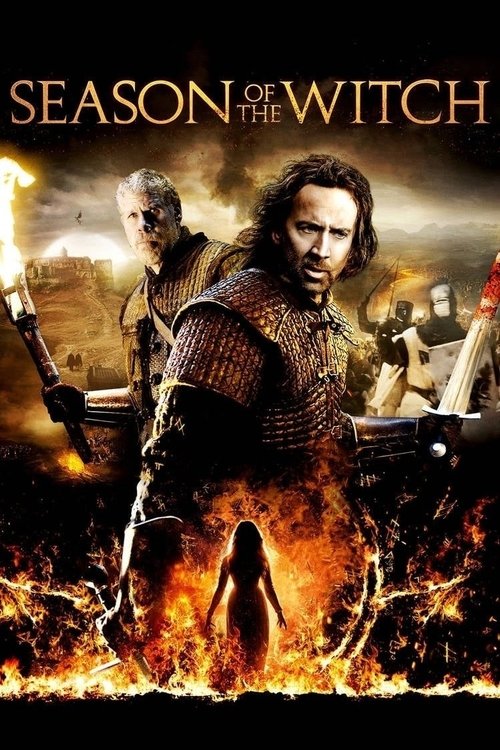
Season of the Witch
2011
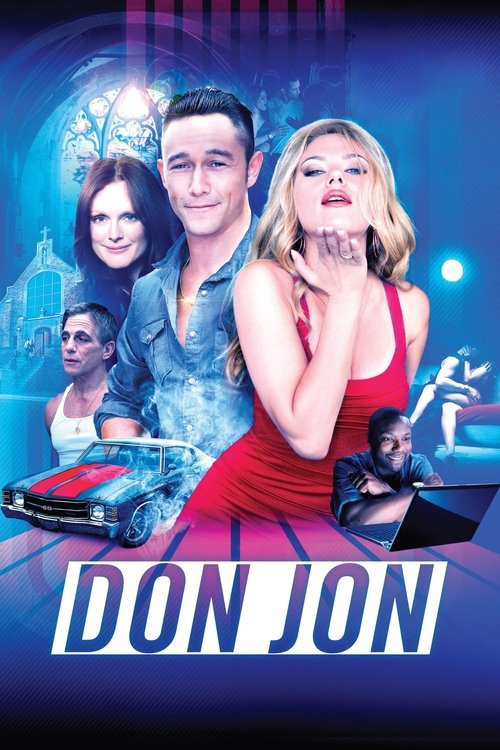
Don Jon
2013
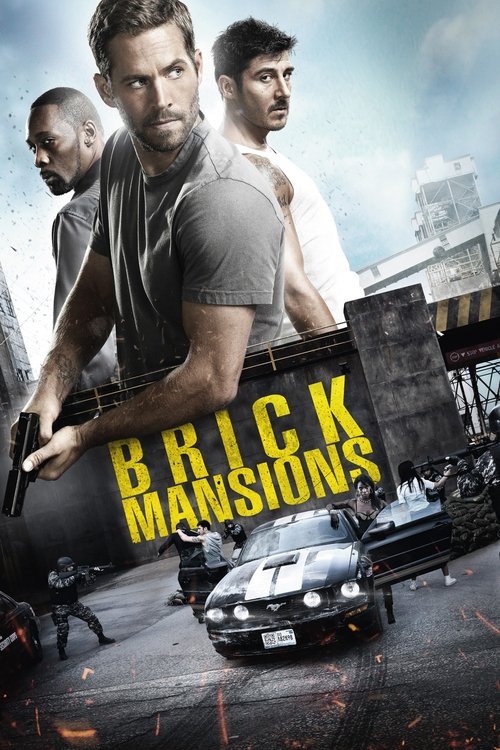
Brick Mansions
2014
People here
Work at Relativity Media? Add it to your profile →