Company
RKO Radio Pictures
The most artistically daring and financially cursed of Hollywood's majors — the house that gave the world King Kong and Citizen Kane, then was quietly dismantled by the richest man in America (1928–1957).
21 projects
About
A giant ape clings to the spire of the Empire State Building, swatting at biplanes. The image is nearly a century old and still instantly legible — and it belonged to the strangest of Hollywood's great studios. RKO Radio Pictures was the runt of the "Big Five," the one that never quite learned to keep itself solvent, and yet across three decades it released some of the most audacious films the studio system ever made. That was its defining paradox: no major was more creatively fearless, and none was more chronically unstable.
RKO was not founded by a mogul with a vision so much as assembled by a corporation with a technology to sell. In October 1928, RCA executive David Sarnoff engineered a merger — the Keith-Albee-Orpheum vaudeville theatre chain fused with Joseph P. Kennedy's Film Booking Offices — to create a fully integrated studio that would showcase RCA's Photophone sound-on-film system. Radio-Keith-Orpheum was, in other words, a hardware company's play for the movies, and its logo said as much: a radio tower perched atop a spinning globe, beeping out a signal. The model was the classic vertically integrated one of the era — own the studio, own the distribution, own the theatres — but RKO always carried the thinnest capitalization and the weakest theatre chain of its peers, and it slid into receivership as early as 1933.
The daring years
That same troubled year, King Kong — Merian C. Cooper and Ernest Schoedsack's stop-motion spectacle — became a sensation and a lifeline. What followed was a remarkable run built less on a house style than on a willingness to bet on talent. The Fred Astaire and Ginger Rogers musicals of the mid-1930s, Top Hat chief among them, gave the studio its glamour and its most reliable box office. In 1941, RKO handed the untested Orson Welles extraordinary creative latitude, and the result, Citizen Kane, is routinely called the greatest American film ever made. Producer Val Lewton's horror unit turned tiny budgets into art with Cat People and I Walked with a Zombie, proving suggestion could terrify more cheaply than any monster. RKO also distributed the films of Walt Disney and Samuel Goldwyn, and released Hitchcock's Notorious and Frank Capra's It's a Wonderful Life. For a studio perpetually short of cash, it was an astonishing concentration of nerve.
The Hughes years and the end
The turn came in 1948, when Howard Hughes bought a controlling interest. The aviator-industrialist ran RKO the way he ran everything — remotely, obsessively, erratically. He vetted employees for political reliability during the blacklist years, shelved and re-cut pictures on a whim, feuded with talent, and let the release schedule wither. Under his ownership the studio's value and morale drained away season by season; by the early 1950s RKO was a shell trading on its back catalogue.
The company built to sell a sound system ended its life as a real-estate deal and a stack of television rights.
Hughes finally sold RKO to the General Tire and Rubber Company in 1955. Its new owners were more interested in the film library as television content than in making movies, and production ground to a halt in 1957. That year the historic Hollywood lot was bought by Desilu, the television powerhouse of Lucille Ball and Desi Arnaz — the soundstages that had shaken to King Kong's roar now housed I Love Lucy. The film library was sold off and passed through many hands over the decades that followed.
RKO endures as proof that great films do not require a stable studio, only a studio willing to gamble. It never had the discipline of MGM or the identity of Warner Bros., and that very looseness let Welles, Lewton, Astaire and Cooper do things the tighter machines never would have allowed. The tower still beeps at the head of a Kane or a Kong — a signal from a company that burned brilliantly, briefly, and could not save itself.
Projects (21)
A platform appears here when one of this studio's titles streams on it. Click to filter — pick several to combine.
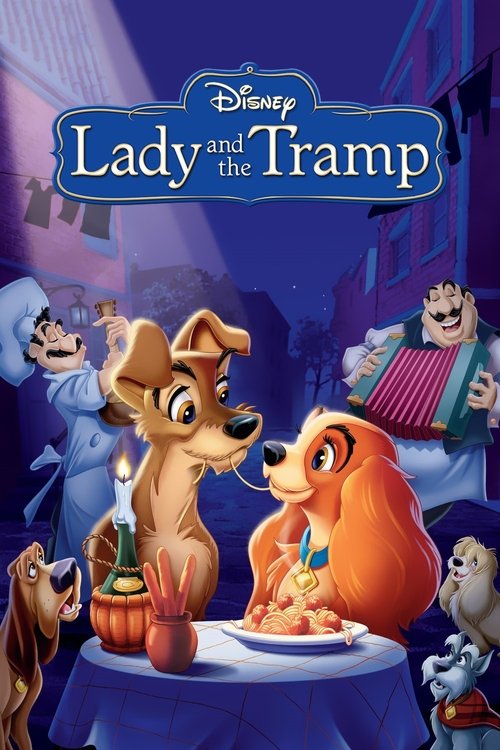
Lady and the Tramp
1955
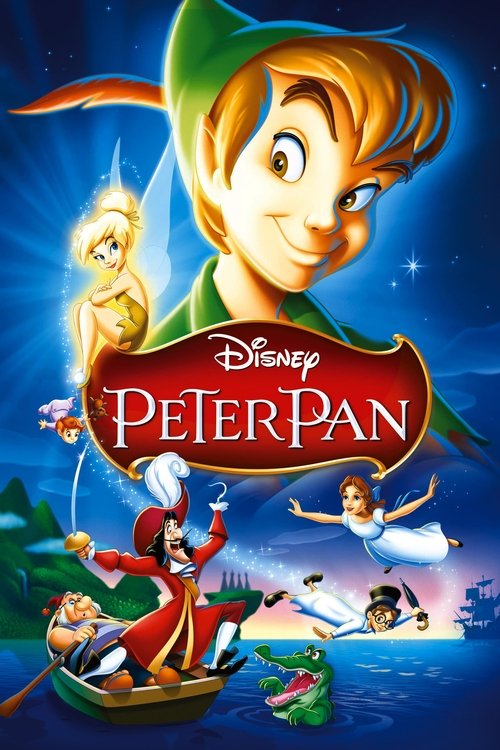
Peter Pan
1953
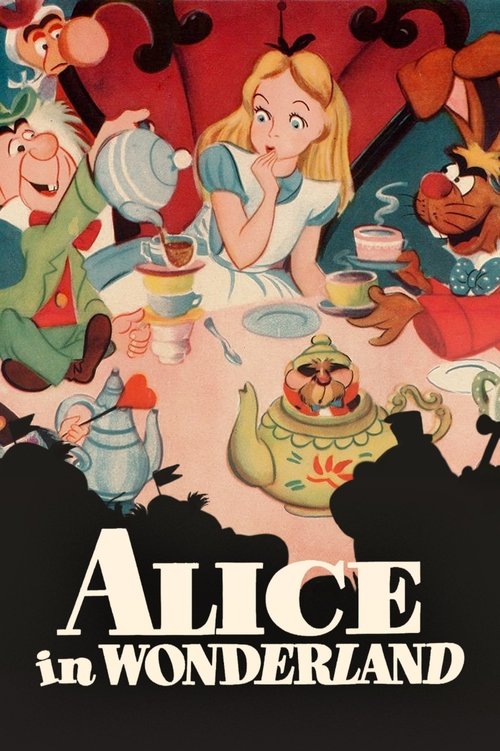
Alice in Wonderland
1951
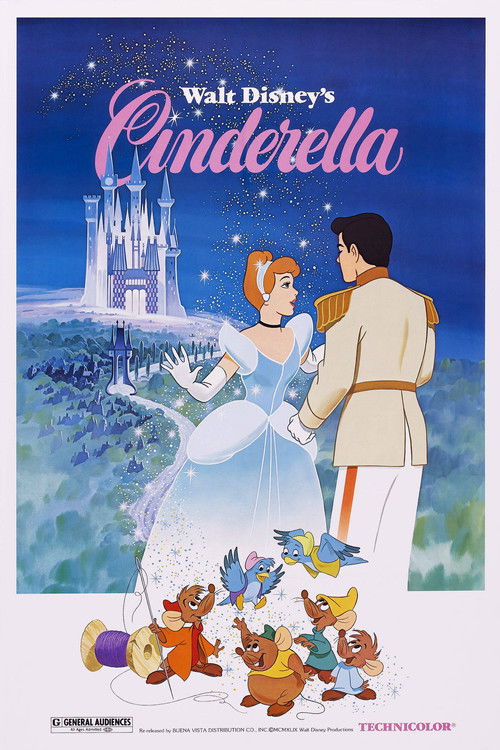
Cinderella
1950

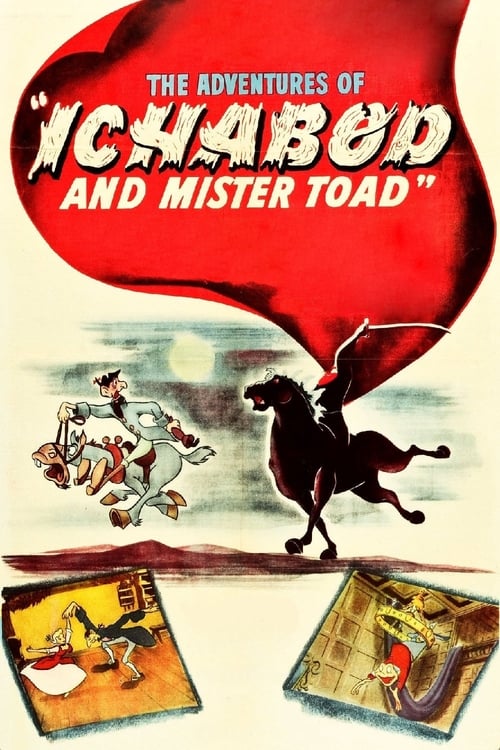
The Adventures of Ichabod and Mr. Toad
1949
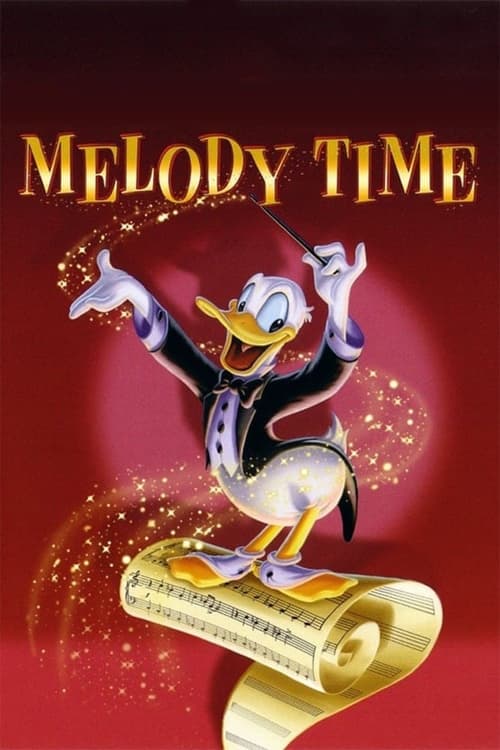
Melody Time
1948
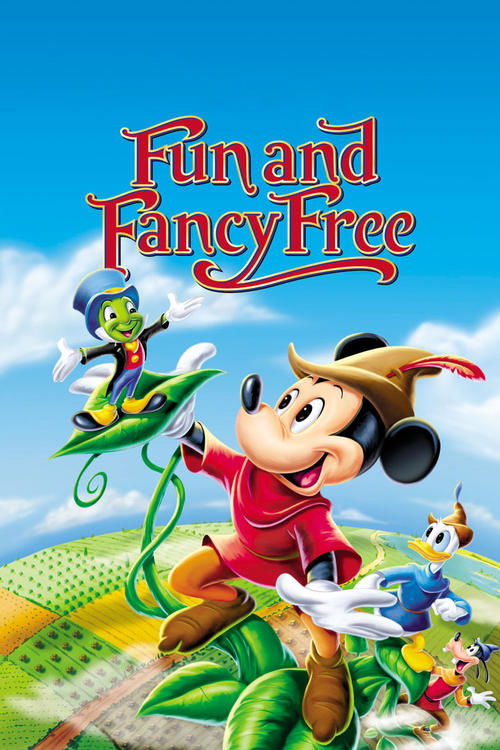
Fun and Fancy Free
1947
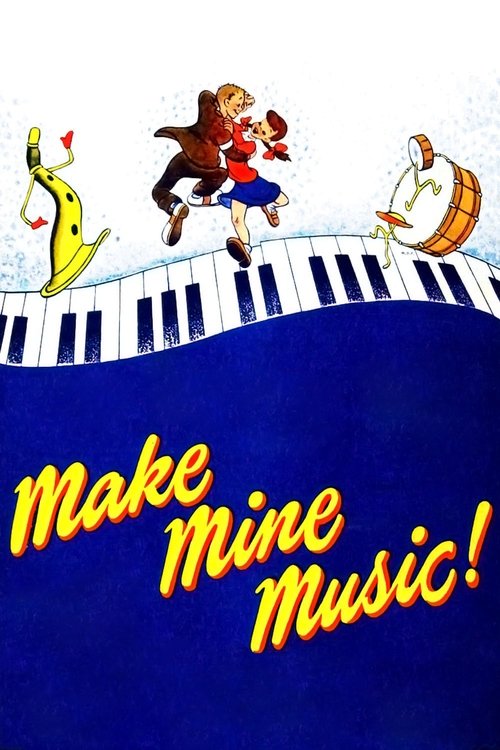
Make Mine Music
1946
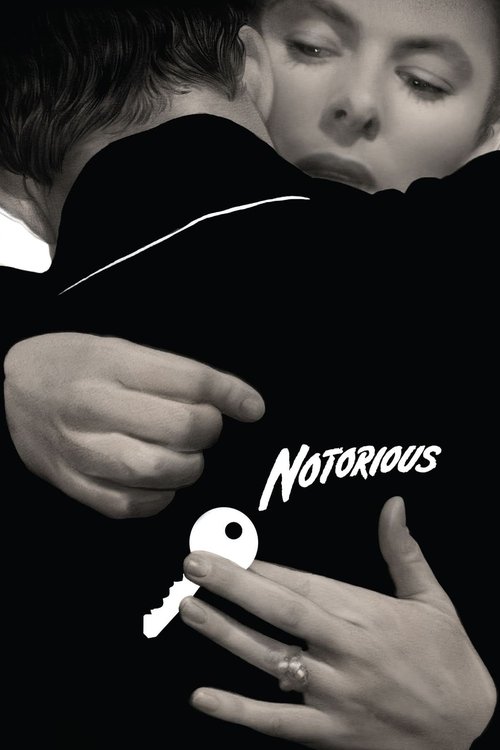
Notorious
1946
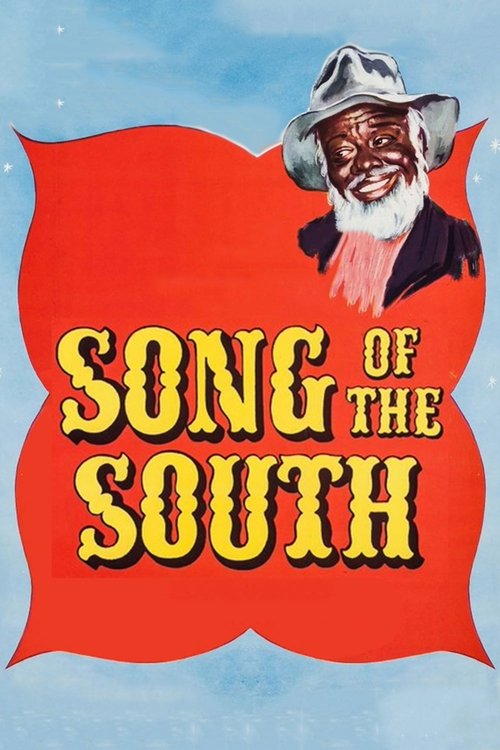
Song of the South
1946

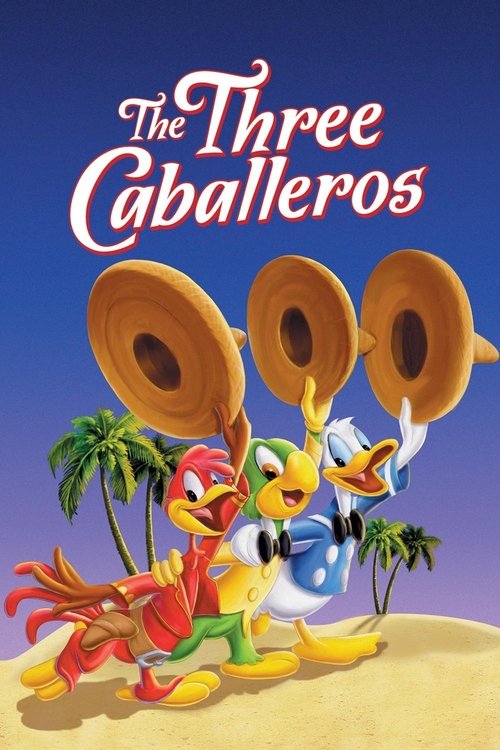
The Three Caballeros
1944
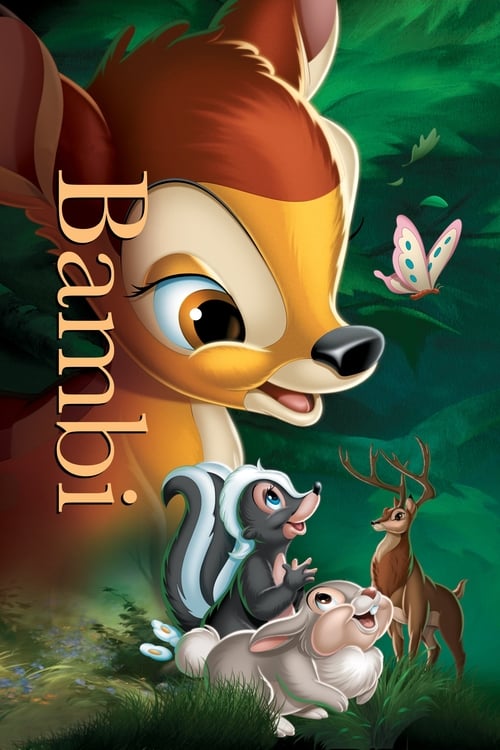
Bambi
1942
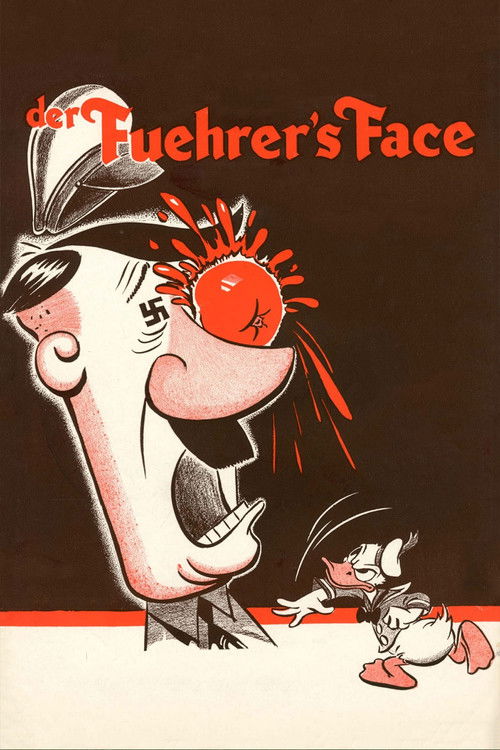
Der Fuehrer's Face
1942
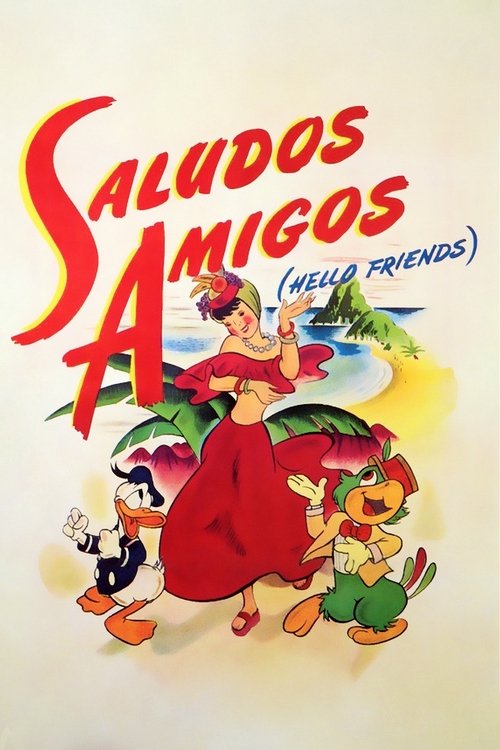
Saludos Amigos
1942
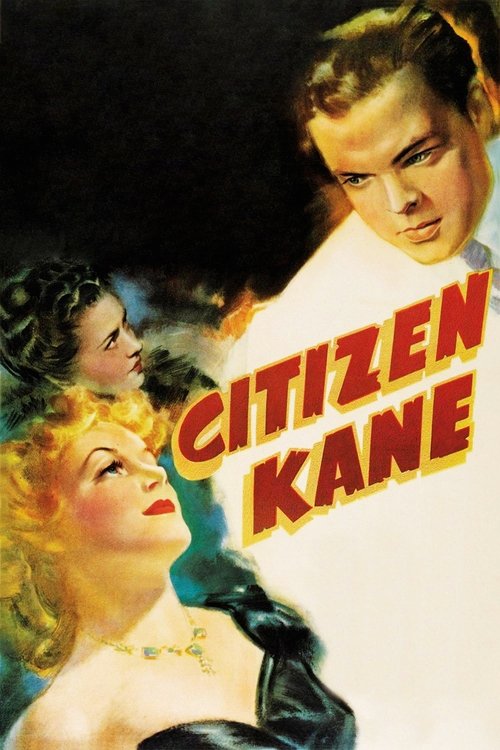
Citizen Kane
1941

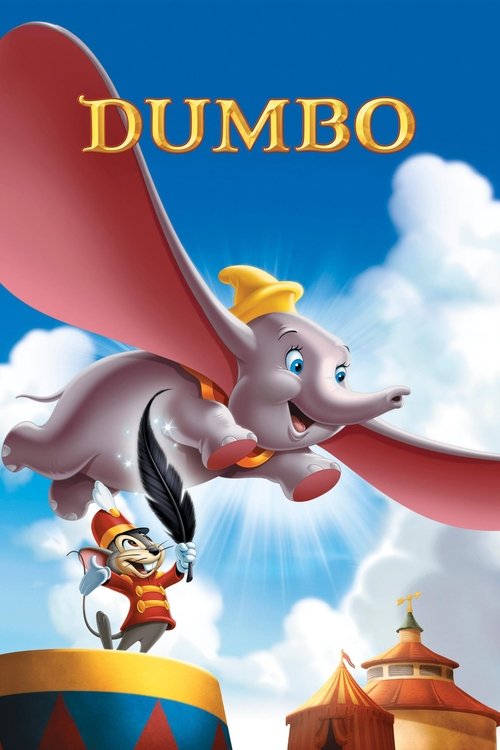
Dumbo
1941
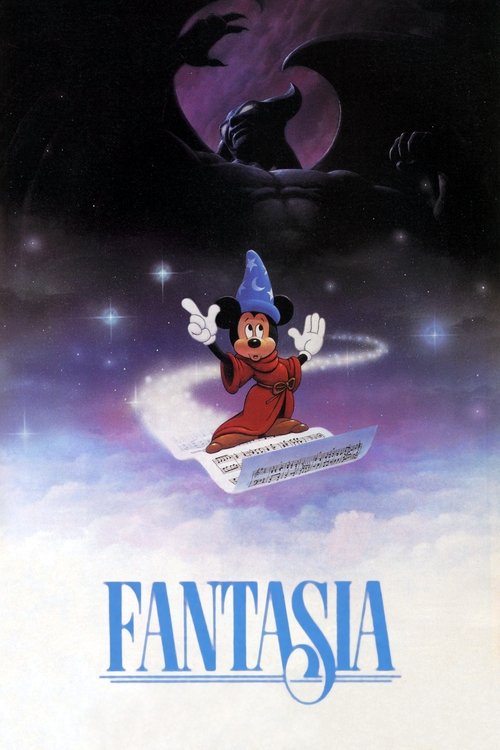
Fantasia
1940
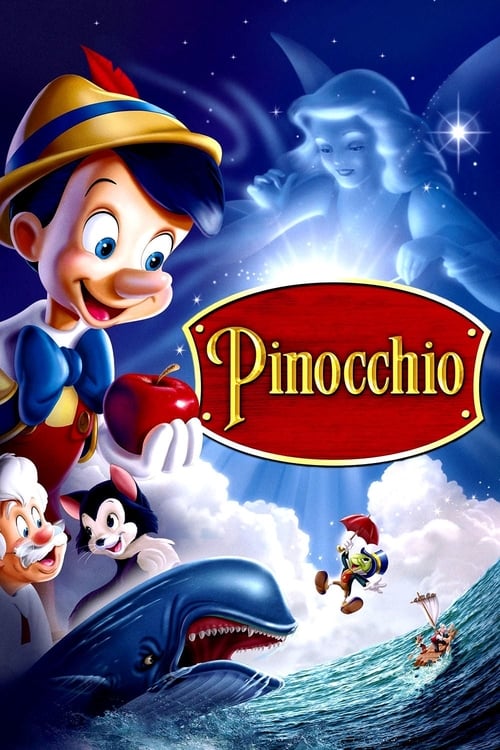
Pinocchio
1940
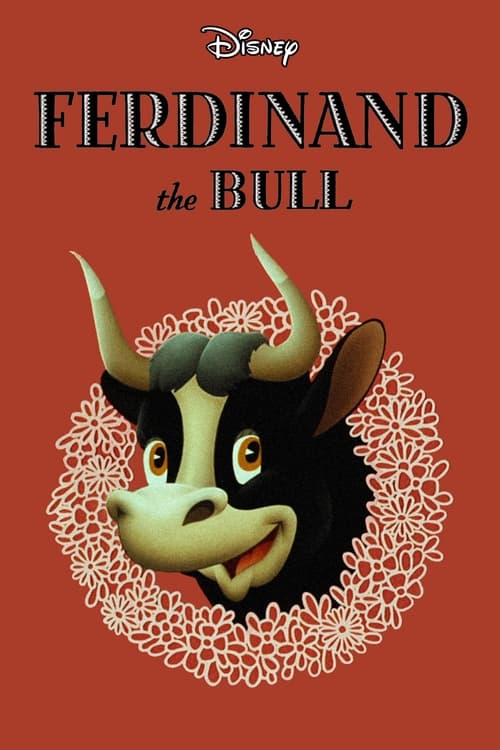
Ferdinand the Bull
1938
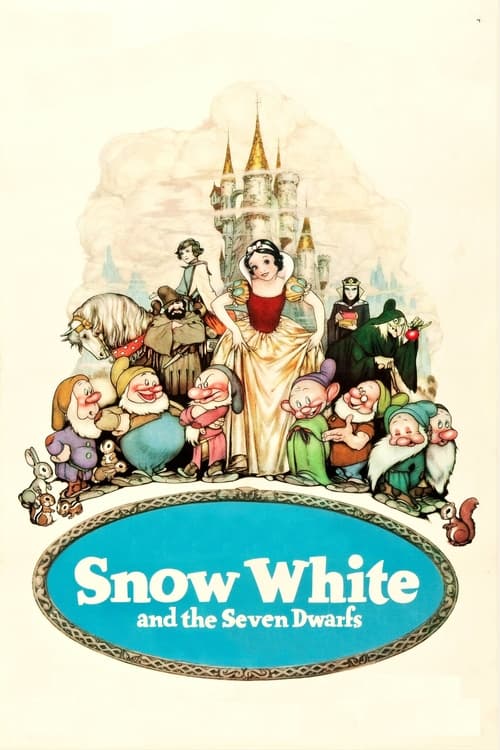
Snow White and the Seven Dwarfs
1937
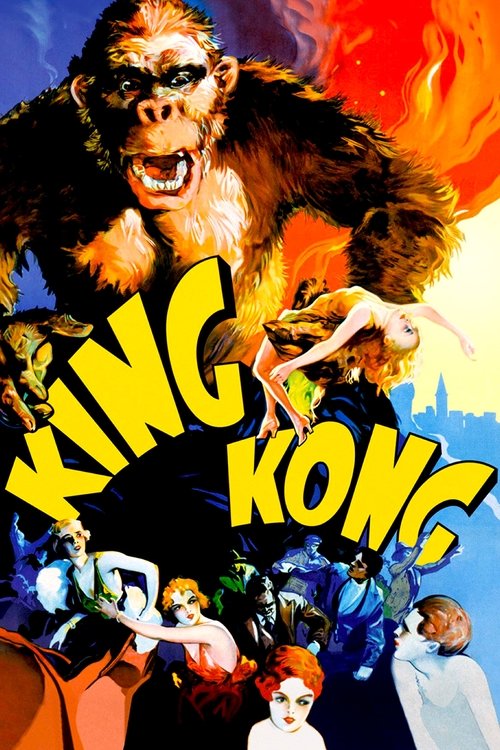
King Kong
1933
People here
Work at RKO Radio Pictures? Add it to your profile →
Reviews
Sign in to review RKO Radio Pictures.
No reviews yet.