
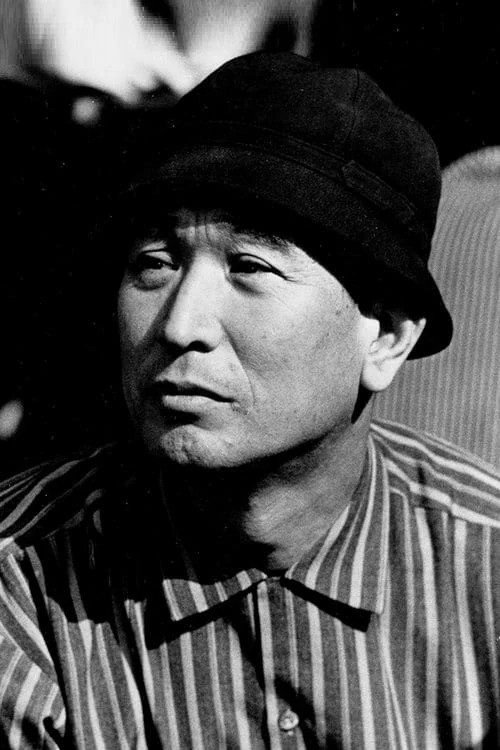
Person · Screenwriter
Akira Kurosawa
A visionary Japanese filmmaker blends Western cinematic influence with his own bold style, leaving an indelible mark on global cinema through decades of groundbreaking storytelling and artistic innovation.
- Also:
- Writer
- Director
- Assistant Director
In short · Wrote for nine decades — 82 credits, 1 Academy Award win.
Remembered for
Ranked by community engagement + sustained interest across this person's credits in our database.
Biography
Akira Kurosawa (黒澤 明) was a Japanese filmmaker and painter who directed thirty films over a career spanning more than five decades. He is widely considered one of the greatest and most influential filmmakers in cinematic history. Kurosawa's bold, dynamic style was strongly influenced by Western cinema yet remained distinct. He was deeply involved in all aspects of film production. He entered the Japanese film industry in 1936 after a short period as a painter. After working on many films as an assistant director and scriptwriter, he made his directorial debut during World War II with the action film *Sanshiro Sugata* (1943). Following the war, the critically acclaimed *Drunken Angel* (1948), in which Kurosawa cast the then-unknown actor Toshiro Mifune in a leading role, established him as one of Japan's most important young filmmakers. The two would collaborate on fifteen more films. *Rashomon* (1950), which premiered in Tokyo, won the Golden Lion at the 1951 Venice Film Festival. The film's commercial and critical success marked the first time Western audiences widely recognized Japanese cinema, leading to international attention for other Japanese filmmakers. Kurosawa directed roughly one film per year throughout the 1950s and early 1960s, including highly regarded films such as *Ikiru* (1952), *Seven Samurai* (1954), *Throne of Blood* (1957), *Yojimbo* (1961), and *High and Low* (1963). After the 1960s, he became significantly less prolific; however, his later work, including his final films *Kagemusha* (1980) and *Ran* (1985), continued to receive critical acclaim. In 1990, he received the Academy Award for Lifetime Achievement. Posthumously, he was named Asian of the Century in the Arts, Literature, and Culture category by *AsianWeek* magazine and CNN, recognized as one of the five individuals most influential in advancing Asia during the 20th century. His career has been the subject of numerous retrospectives, critical studies, biographies, and media releases.
Filmography · 74 of 74
A platform appears here when one of these titles streams on it. Click to filter — pick several to combine.
Director
32 credits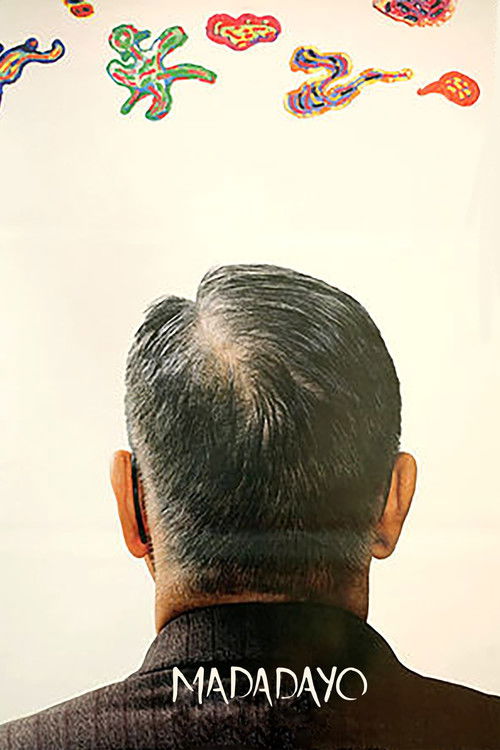
Madadayo(1993)
Director
Film
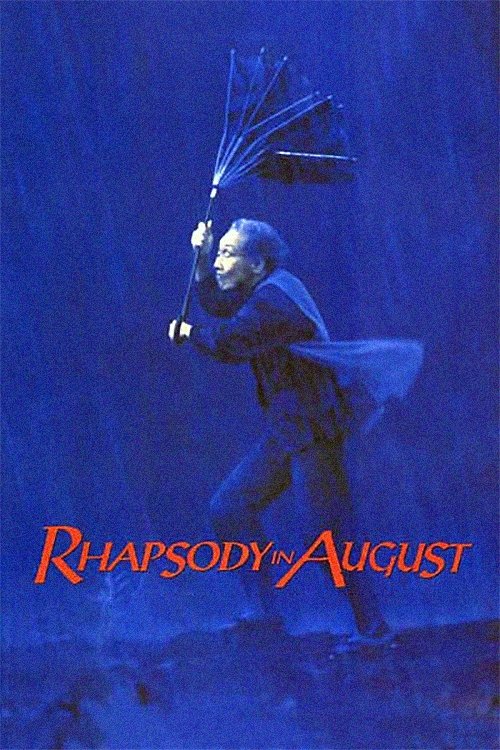
Rhapsody in August(1991)
Director
Film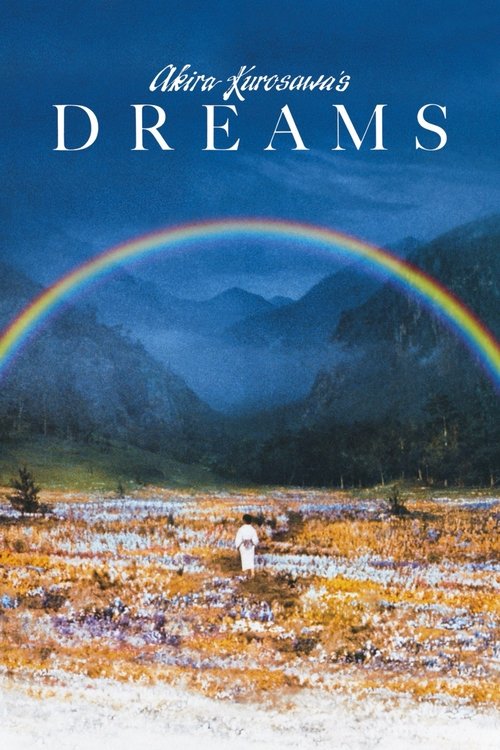
Dreams(1990)
Director
Film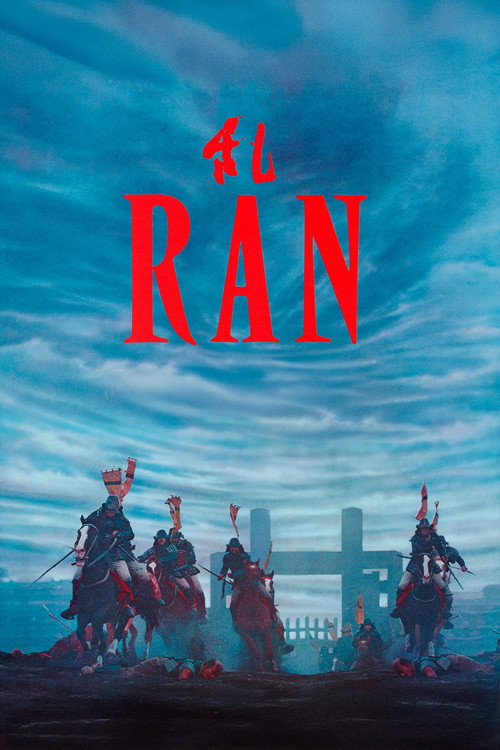
Ran(1985)
Director
Film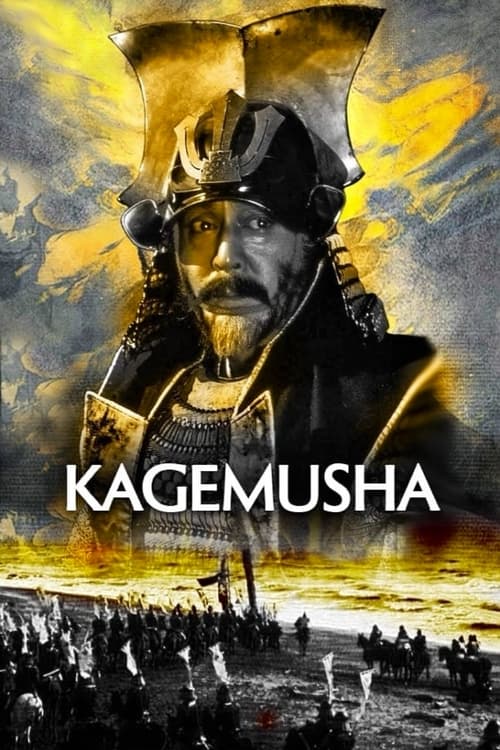
Kagemusha: The Shadow Warrior(1980)
Director
Film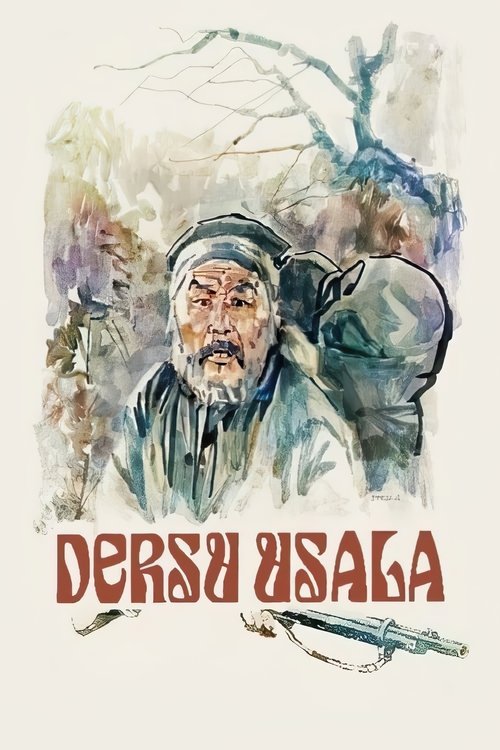
Dersu Uzala(1975)
Director
Film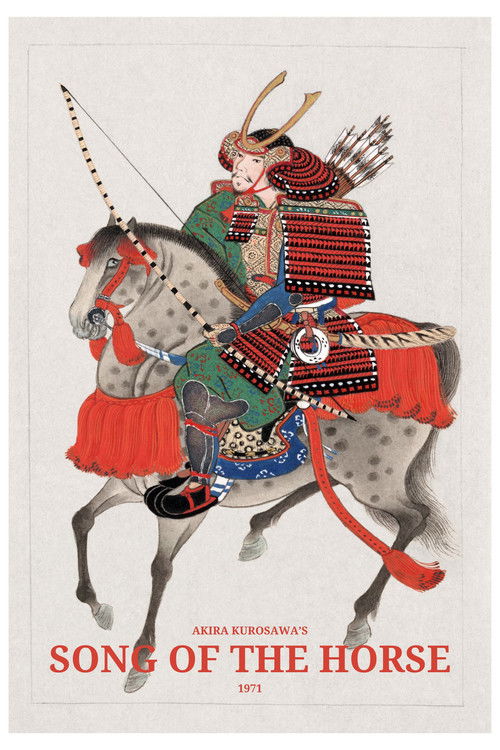
Song of the Horse(1970)
Director
Film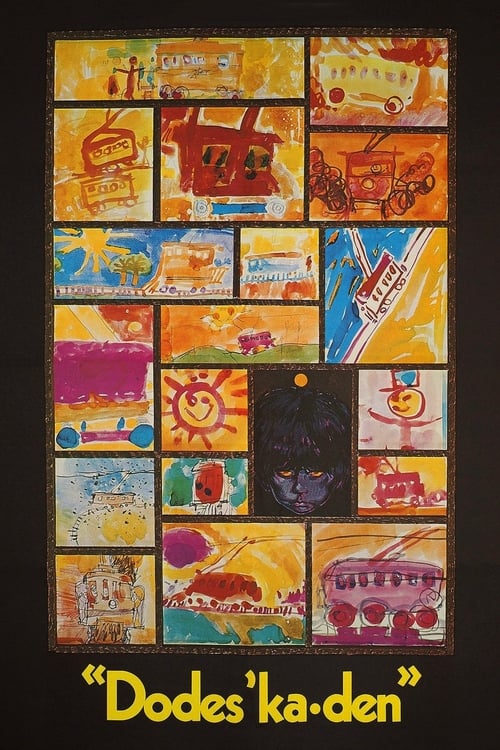
Dodes'ka-den(1970)
Director
Film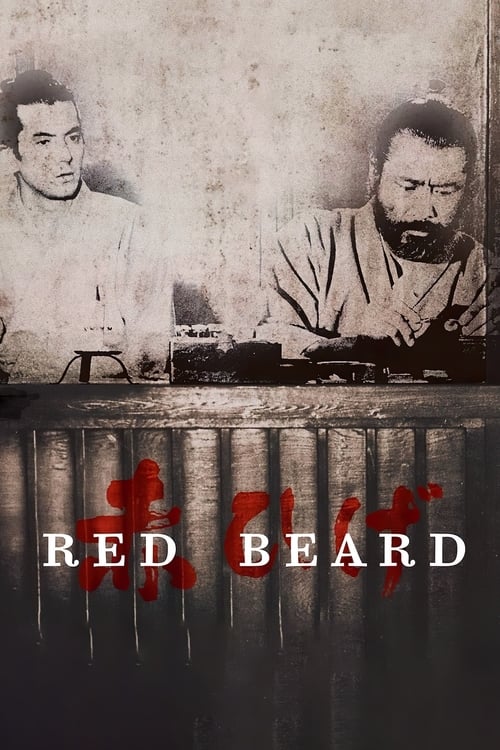
Red Beard(1965)
Director
Film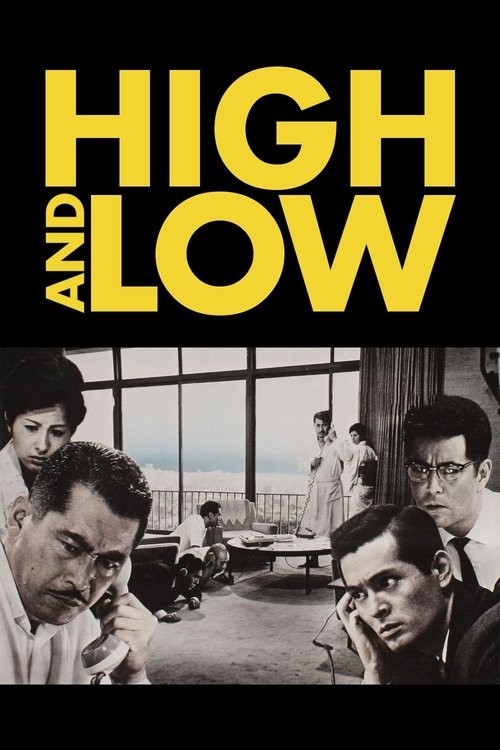
High and Low(1963)
Director
Film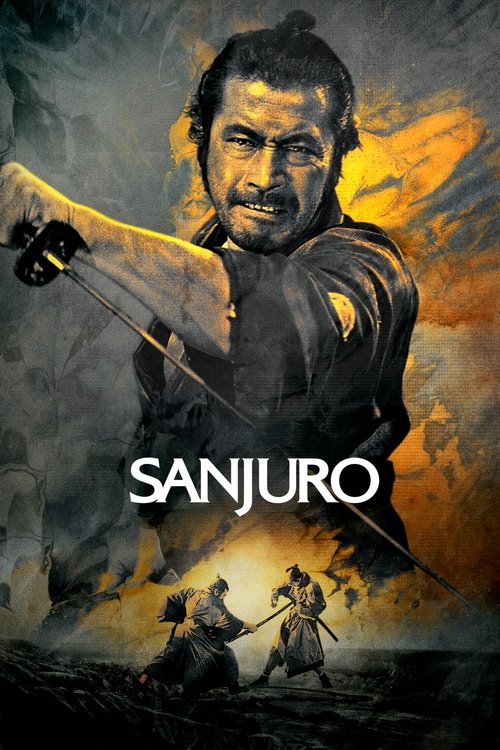
Sanjuro(1962)
Director
Film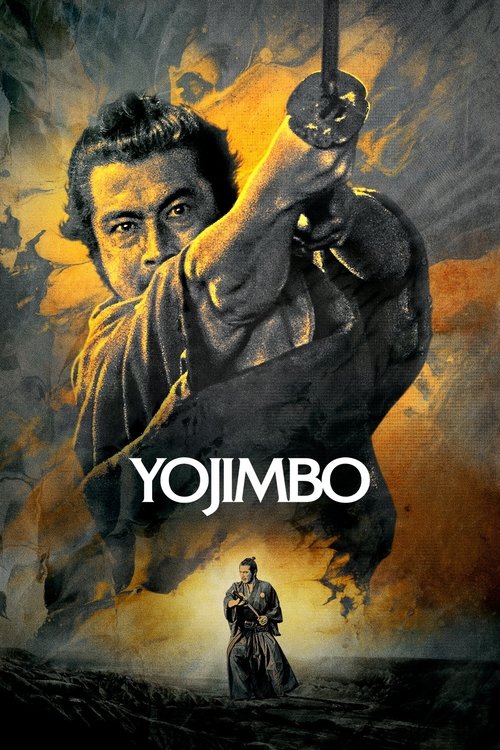
Yojimbo(1961)
Director
Film
The Bad Sleep Well(1960)
Director
Film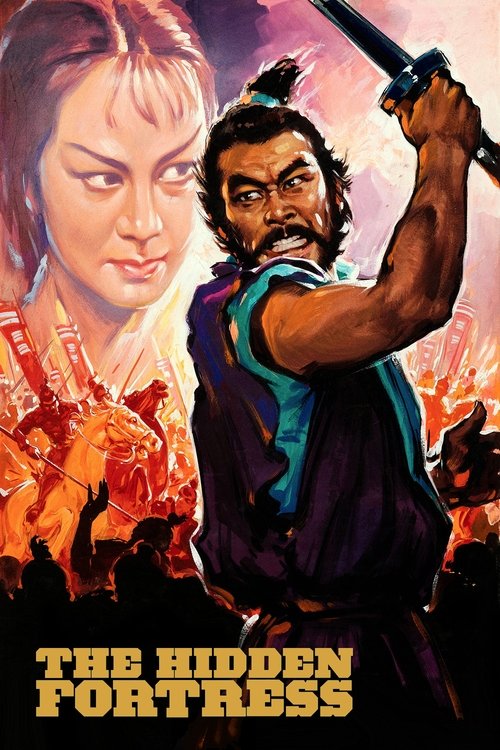
The Hidden Fortress(1958)
Director
Film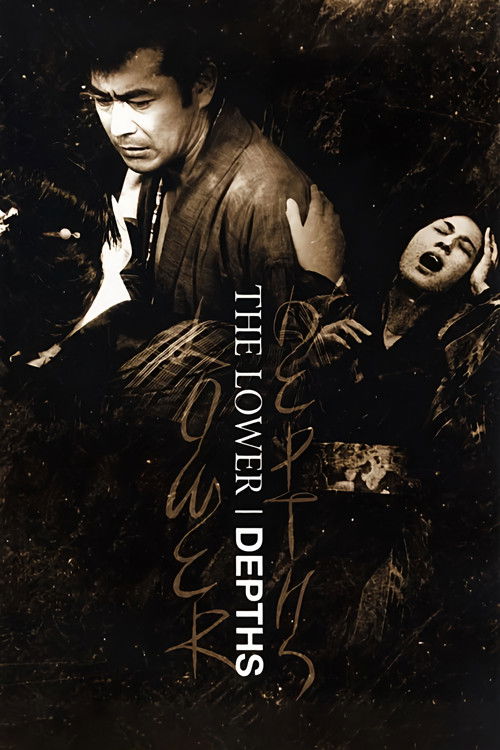
The Lower Depths(1957)
Director
Film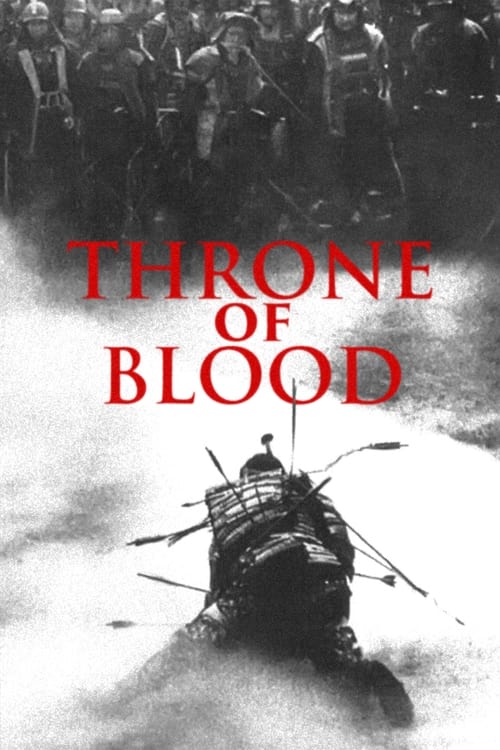
Throne of Blood(1957)
Director
Film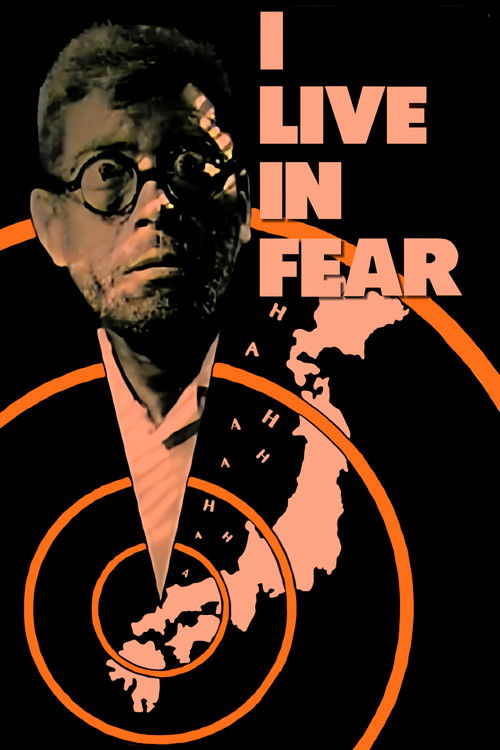
I Live in Fear(1955)
Director
Film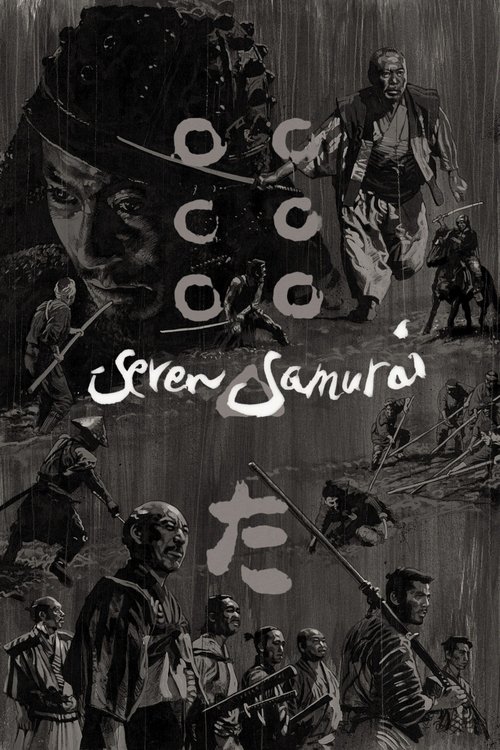
Seven Samurai(1954)
Director
Film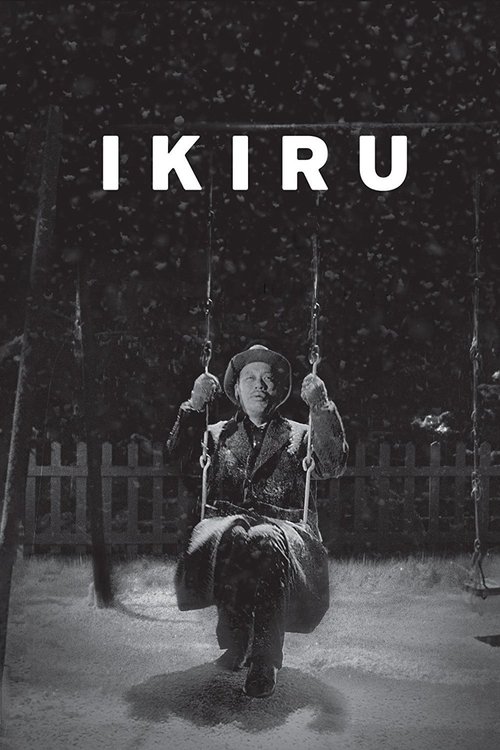
Ikiru(1952)
Director
Film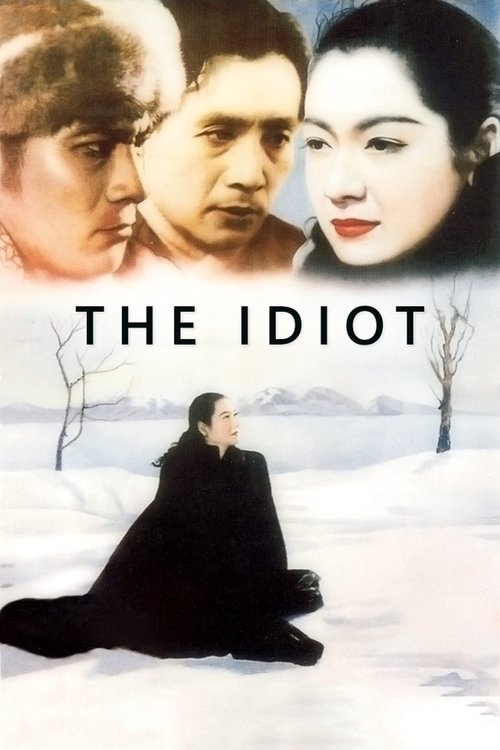
The Idiot(1951)
Director
Film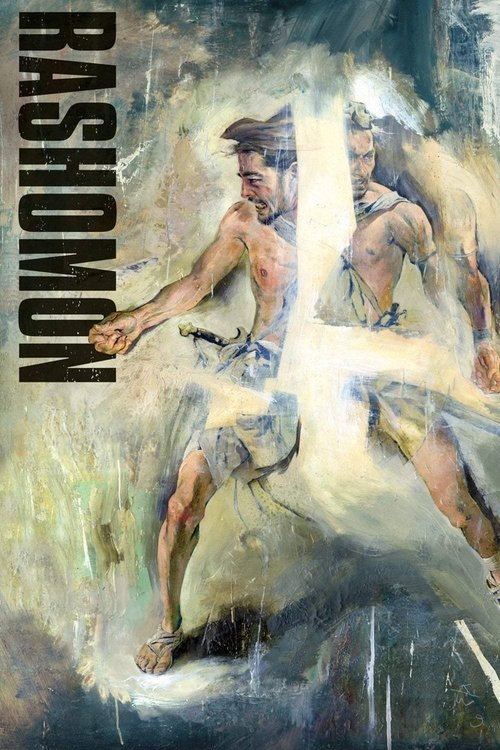
Rashomon(1950)
Director
Film
Scandal(1950)
Director
Film
The Quiet Duel(1949)
Director
Film
Stray Dog(1949)
Director
Film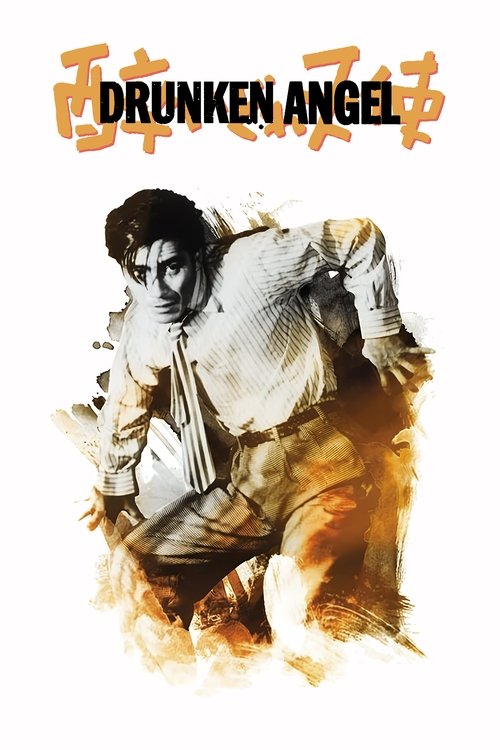
Drunken Angel(1948)
Director
Film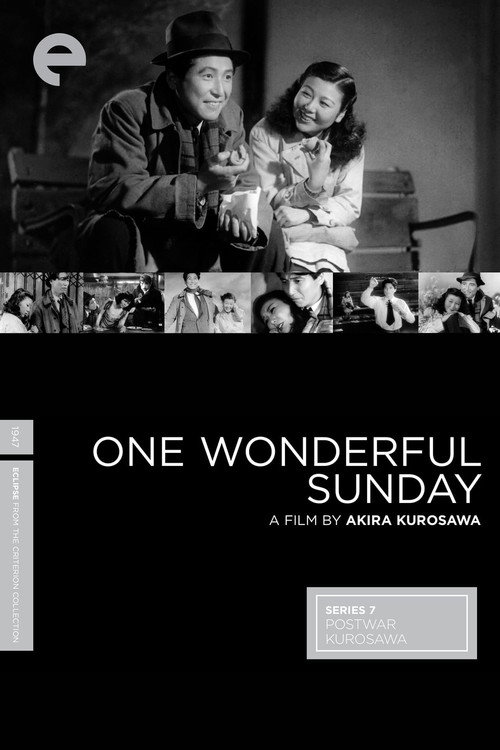
One Wonderful Sunday(1947)
Director
Film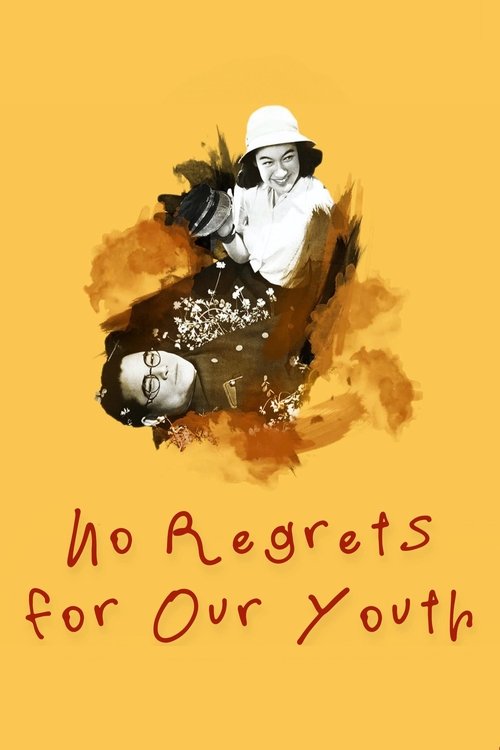
No Regrets for Our Youth(1946)
Director
Film
Those Who Make Tomorrow(1946)
Director
Film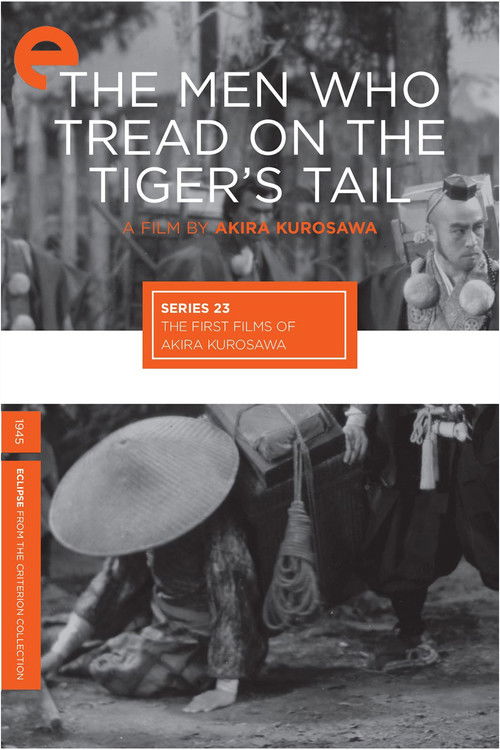
The Men Who Tread on the Tiger's Tail(1945)
Director
Film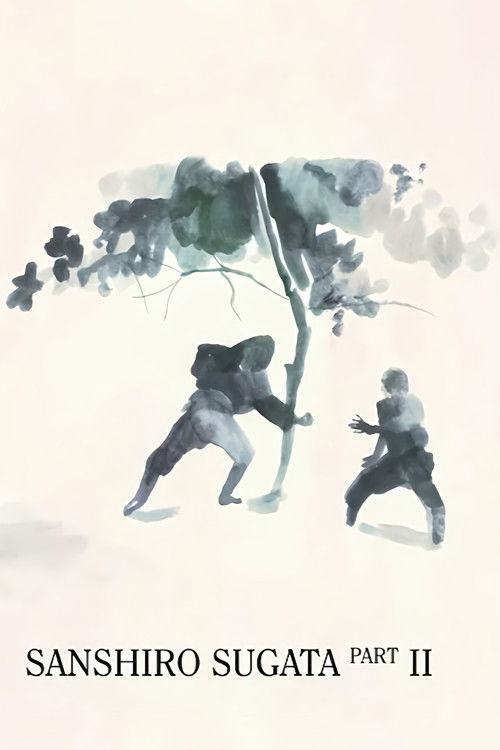
Sanshiro Sugata, Part Two(1945)
Director
Film
Writer
39 credits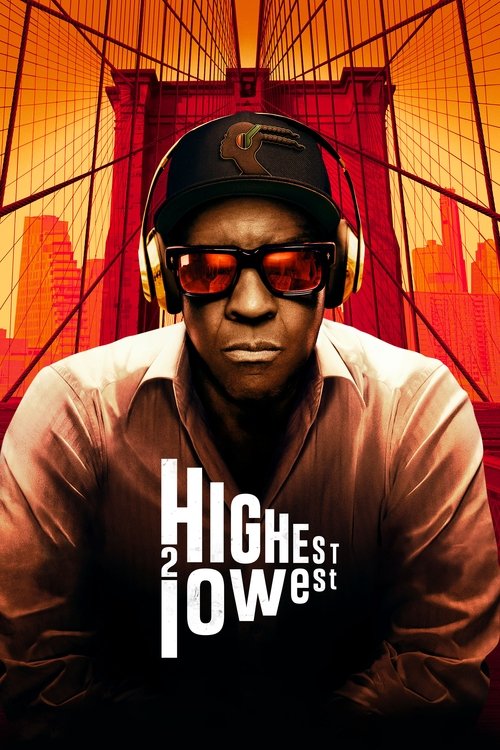
Highest 2 Lowest(2025)
Writer
Film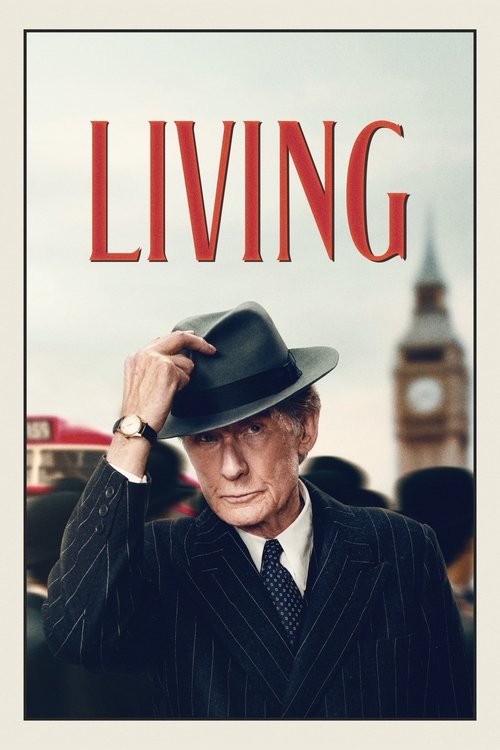
Living(2022)
Writer
Film
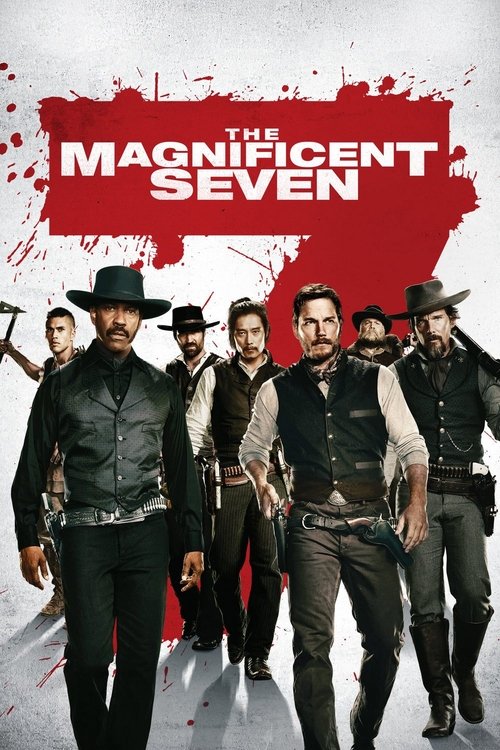
The Magnificent Seven(2016)
Writer
Film

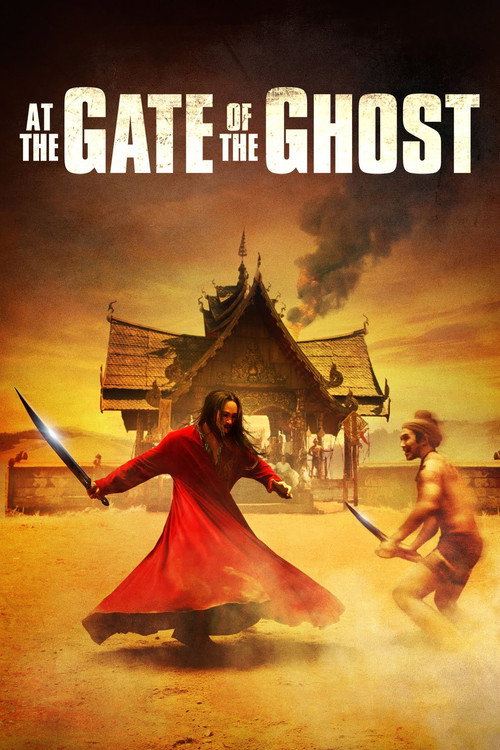
The Outrage(2011)
Writer
Film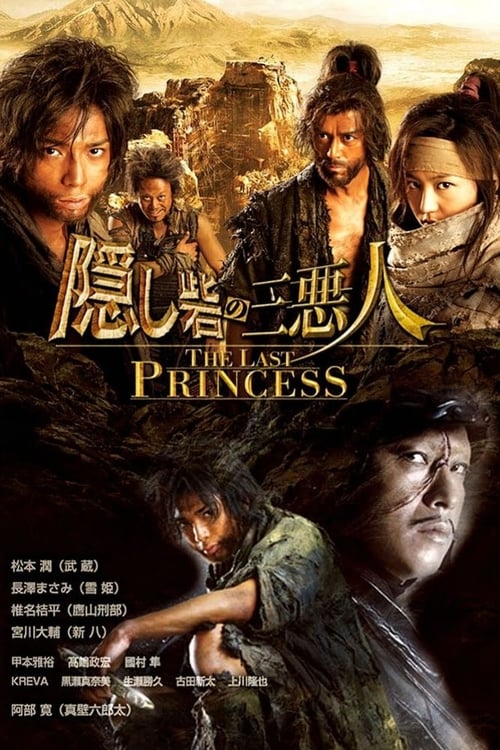
Hidden Fortress: The Last Princess(2008)
Writer
Film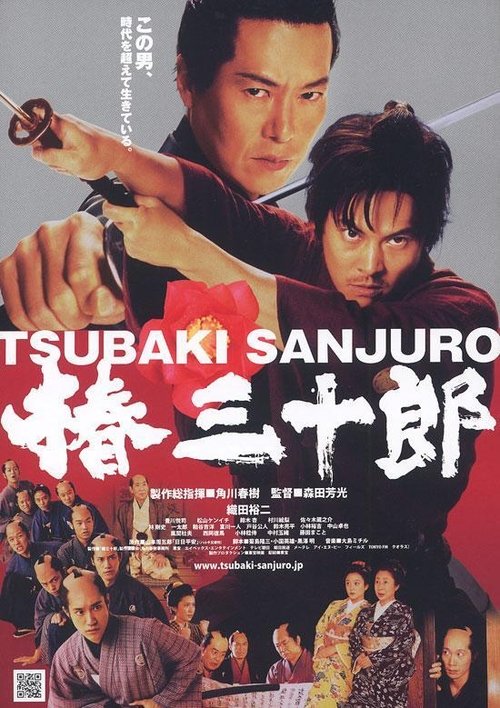
Tsubaki Sanjuro(2007)
Writer
Film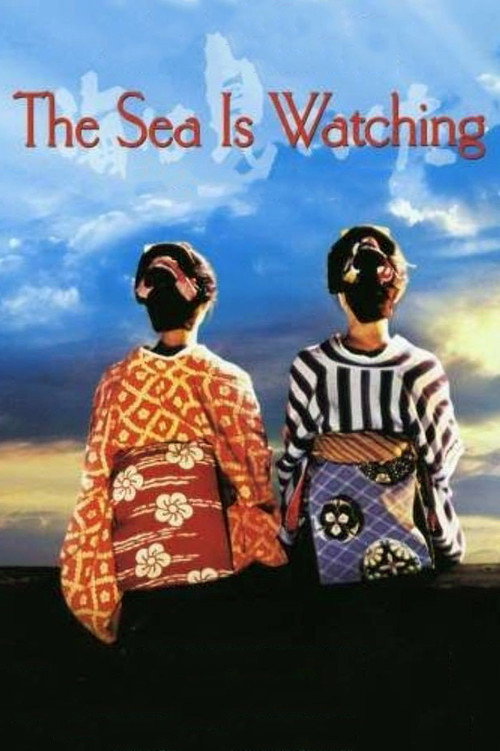
The Sea Is Watching(2002)
Writer
Film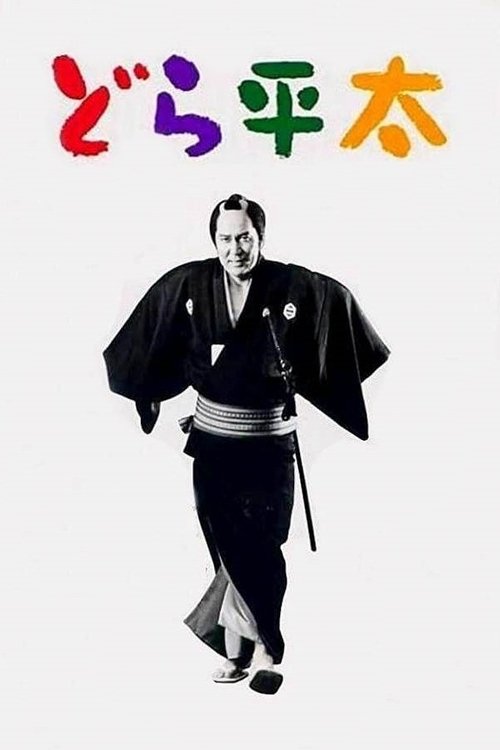
I Went To(2000)
Writer
Film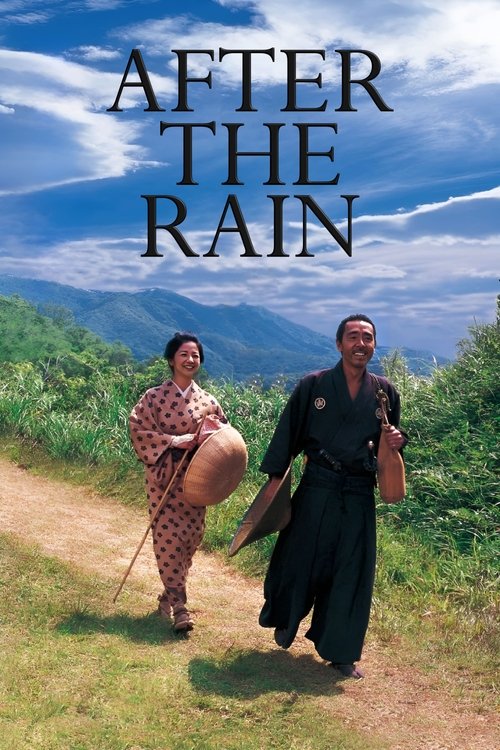
After the Rain(1999)
Writer
Film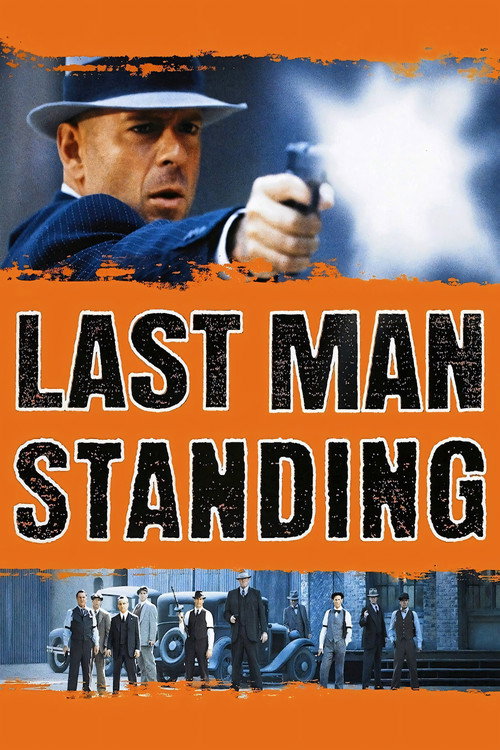
Last Man Standing(1996)
Writer
Film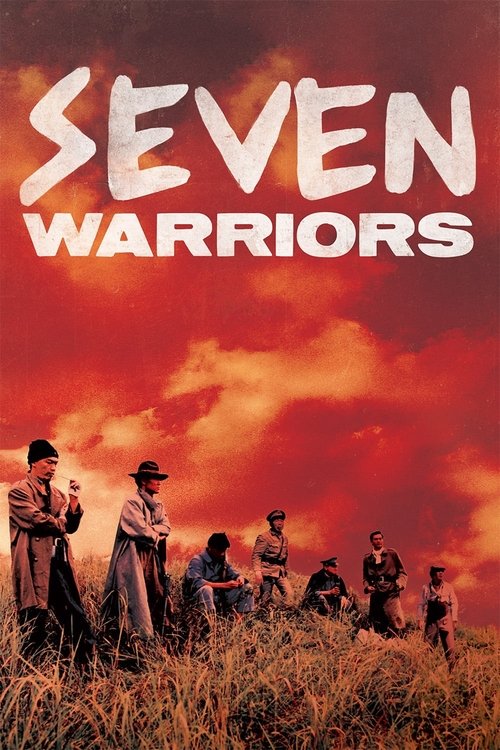
Seven Warriors(1989)
Writer
Film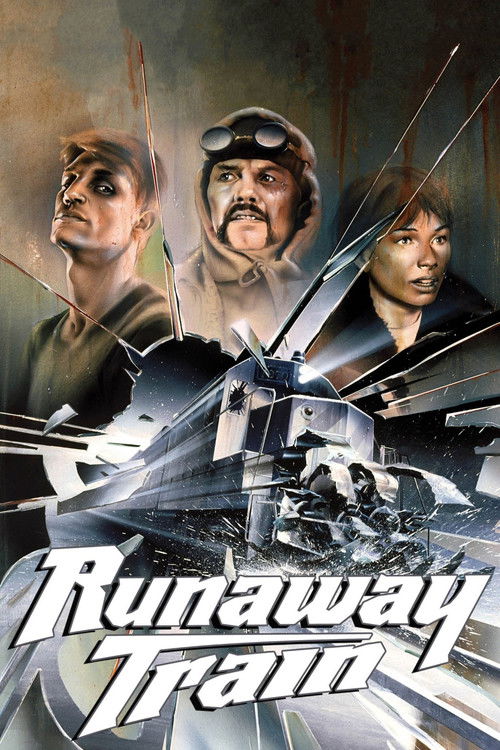
Runaway Train(1985)
Writer
Film
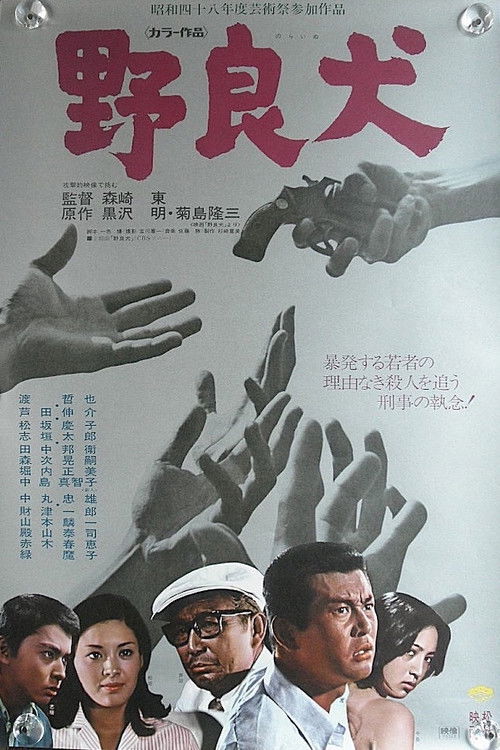
Stray Dog(1973)
Writer
Film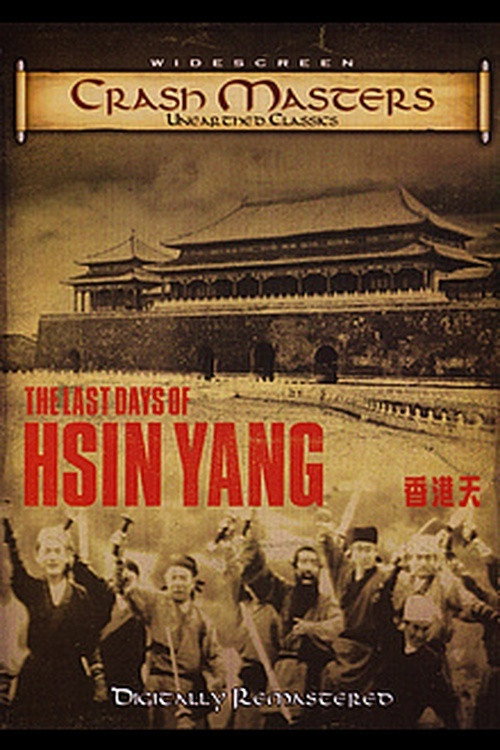
The Last Day of Hsianyang(1968)
Writer
Film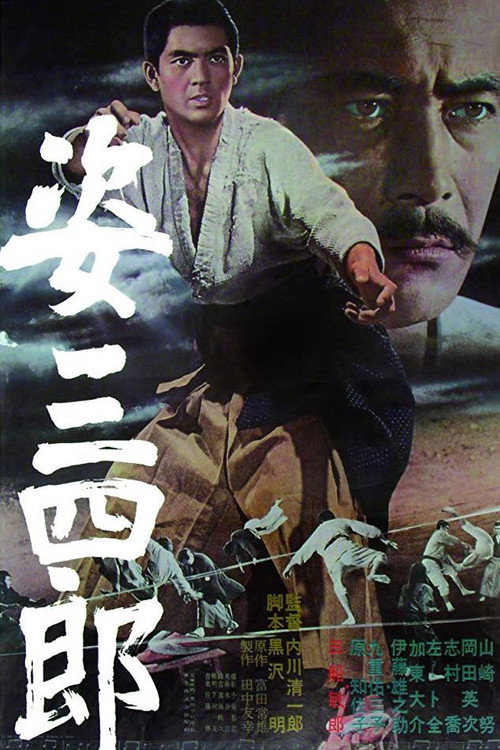
Sanshiro Sugata(1965)
Writer
Film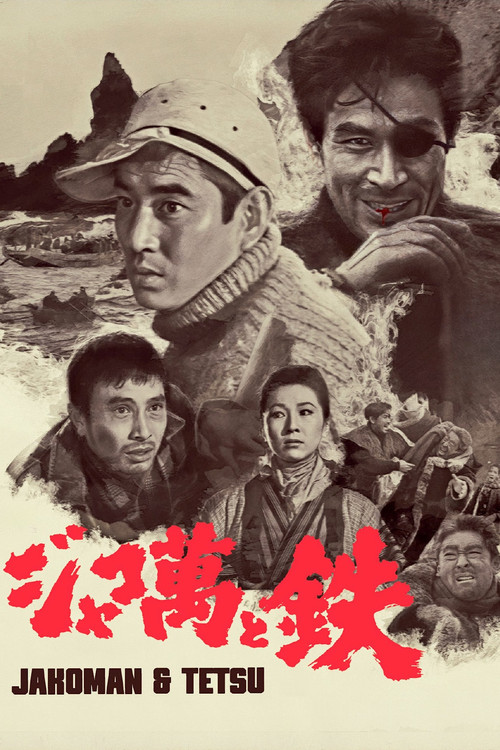
Jakoman and Tetsu(1964)
Writer
Film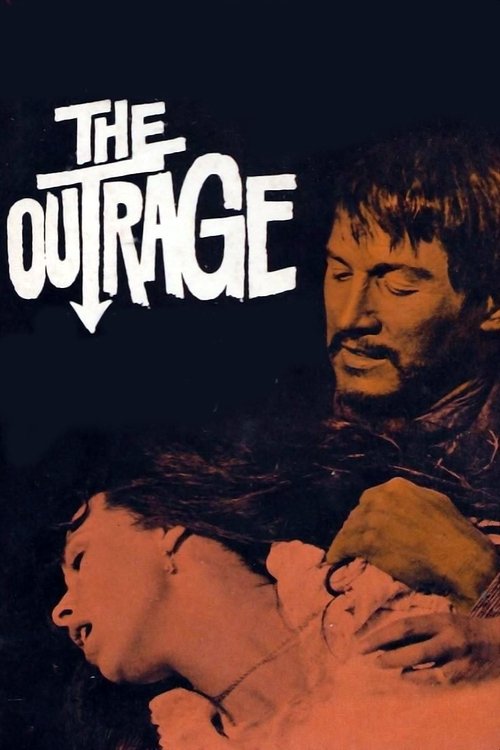
The Outrage(1964)
Writer
Film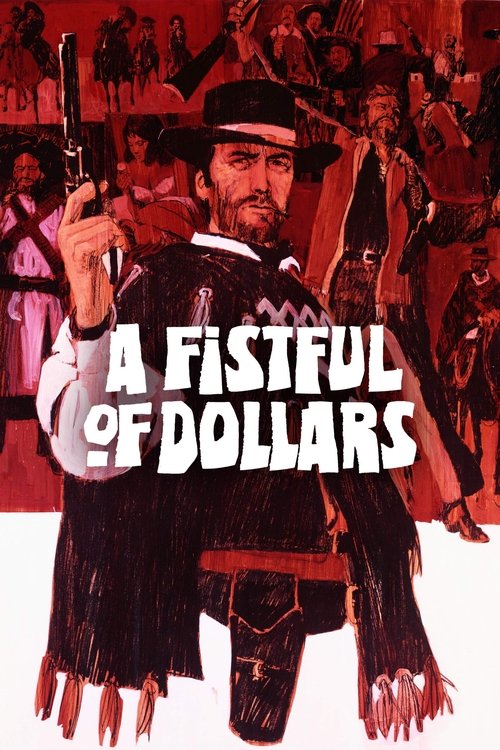
A Fistful of Dollars(1964)
screenplay "Yojimbo" (uncredited)
Film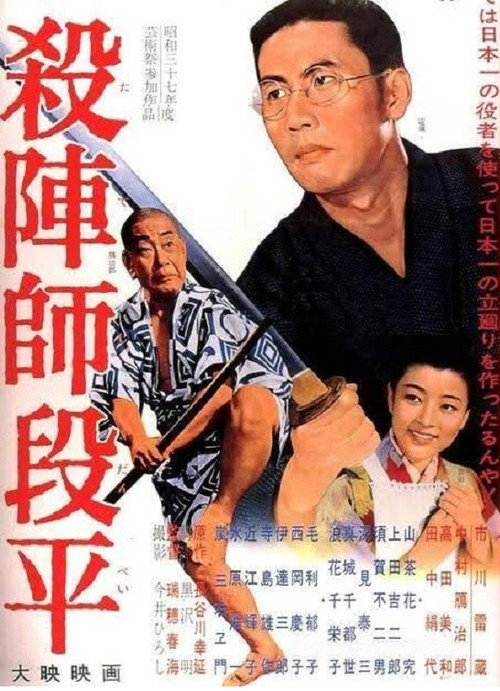
Fencing Master(1962)
Writer
Film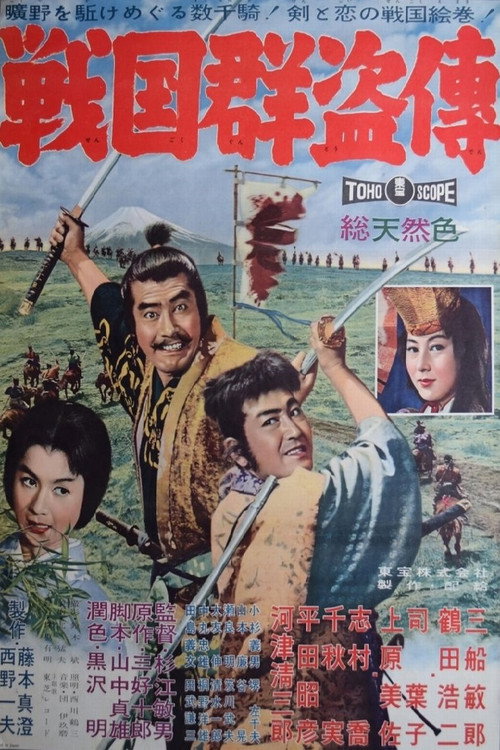
The Saga of the Vagabonds(1959)
Writer
Film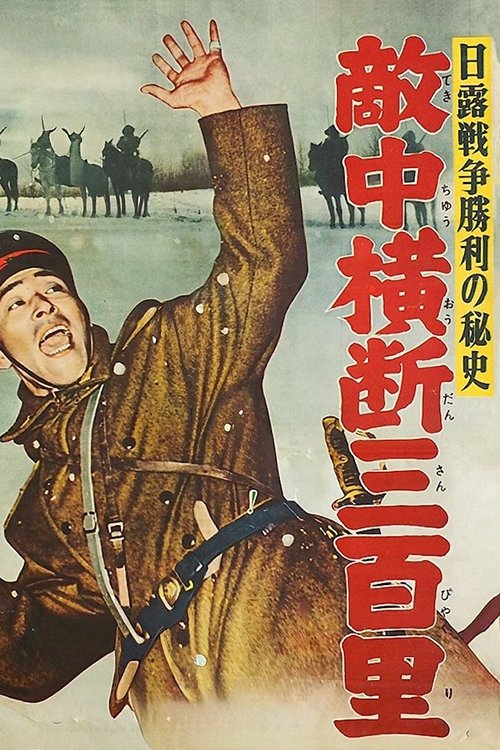
Nichiro senso shori no hishi: Tekichu odan sanbyaku-ri(1957)
Writer
Film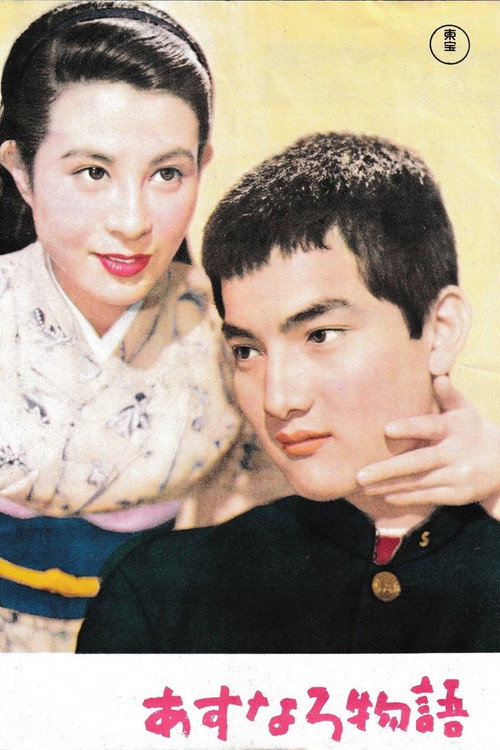
Asunaro monogatari(1955)
Writer
Film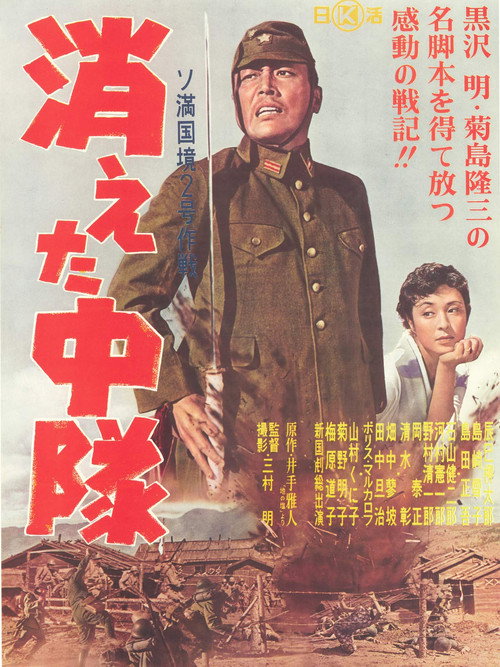
Soman kokkyô 2-gô sakusen: Kieta chûtai(1955)
Writer
Film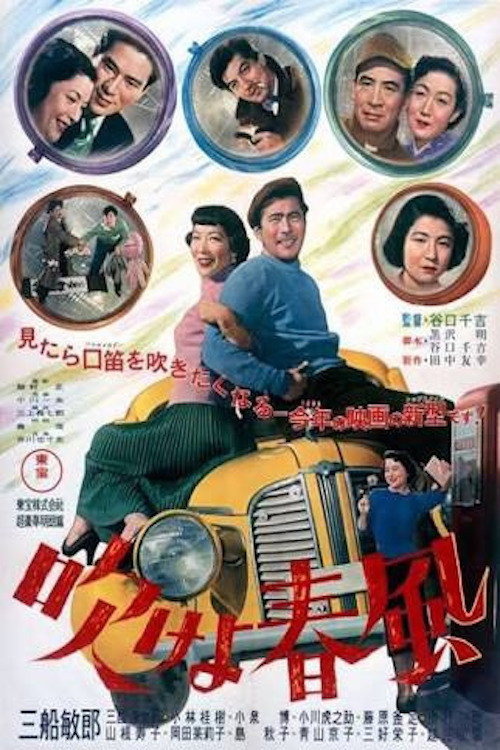
My Wonderful Yellow Car(1953)
Writer
Film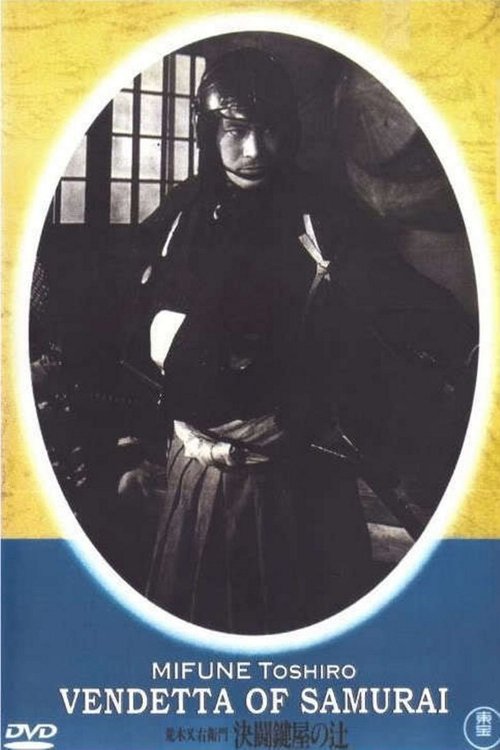
Vendetta of a Samurai(1952)
Writer
Film
Sword for Hire(1952)
Writer
Film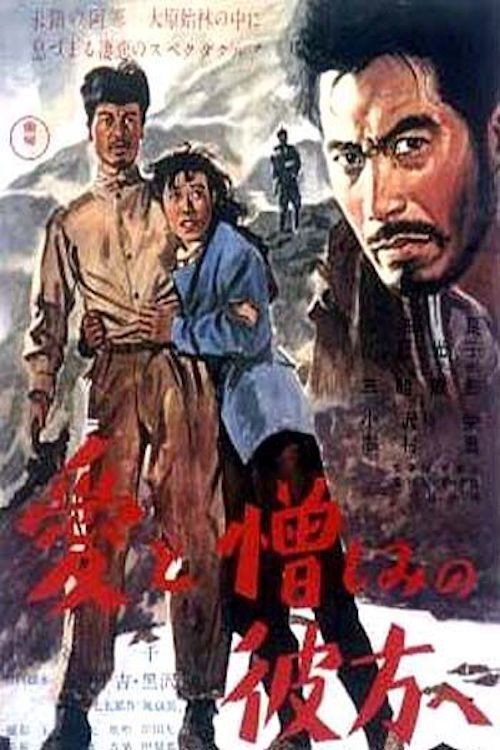
Beyond Love and Hate(1951)
Writer
Film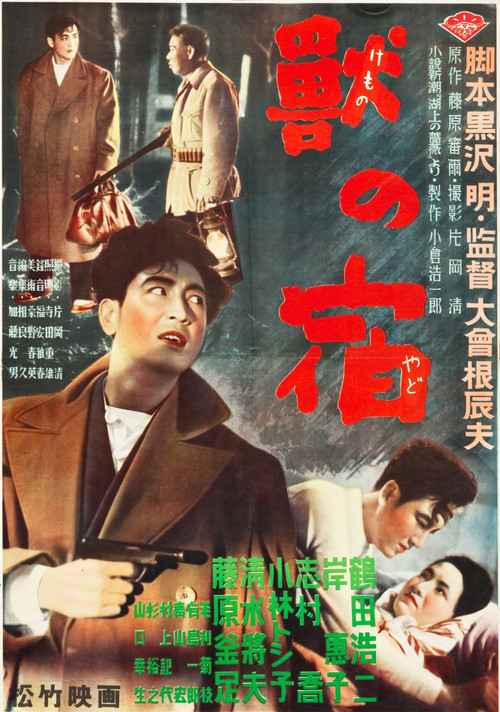
Kedamono no yado(1951)
Writer
Film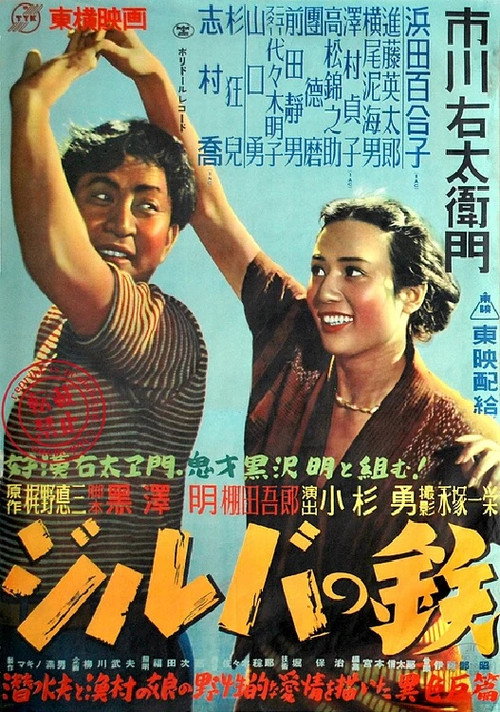
Jiruba Tetsu(1950)
Writer
Film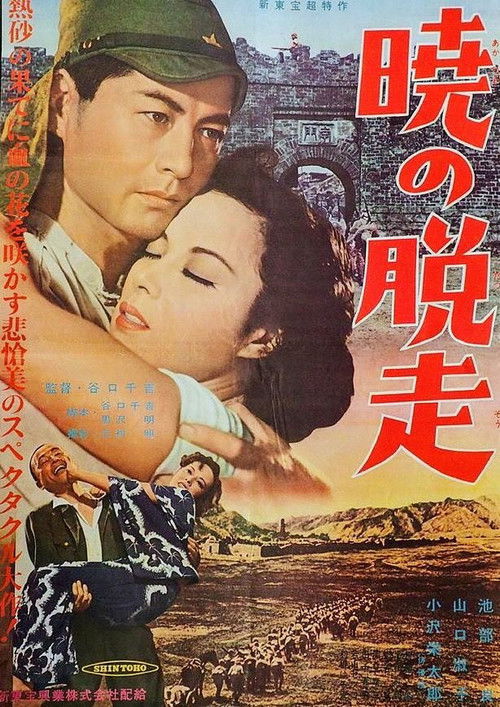
Desertion at Dawn(1950)
Writer
Film
Actor
1 credit
Editor
1 credit
Other crew
1 credit
Awards & Nominations
1 win · 1 nominationAcademy Awards
- Won1989Oscar — Honorary Award
- Nom1985Oscar — Directing
Originals
Streaming originals this person worked on.
Memorable quotes
Browse all →No quotes logged for Akira Kurosawa yet — add the first memorable line below.
Got a quote we’re missing?
Submit a line from any film, show, or game.
Additional credits8Show
Non-headline appearances — talk-show, awards-show, panel, and archive-footage credits, kept separate from the main filmography.
- Life Work of Akira KurosawaSelf · 2023
- Citizen KitanoSelf - Interviewee · 2020
- Babenco: Tell Me When I DieSelf (archive footage) · 2020
- KurosawaSelf · 2000
- A Message from Akira Kurosawa: For Beautiful MoviesSelf · 2000
- Akira Kurosawa: My Life in CinemaSelf · 1993
- A.K.Self · 1985
- ArenaSelf · 1975
Edit history
Loading edit history…
Comments (0)
on Akira KurosawaNo comments yet. Be the first to share what you think.