
Person · Screenwriter
Dore Schary
The liberal screenwriter who rose to run MGM on a diet of socially conscious "message pictures," displacing Louis B. Mayer before the changing times displaced him in turn (1905-1980).
- Also:
- Writer
- Producer
In short · Wrote for four decades — 51 credits, 1 Academy Award win.
Remembered for
Ranked by community engagement + sustained interest across this person's credits in our database.
Help complete this page
We’re missing birthplace. Sign in to add what you know.
Biography
Dore Schary grew up in Newark, New Jersey, working in his family's catering business and trying his hand at acting and playwriting before heading to Hollywood as a screenwriter in the early 1930s. He had a knack for warm, humane, socially engaged stories, and in 1938 he won an Academy Award for the original story of "Boys Town," the tale of Father Flanagan's home for wayward boys that became his calling card.
Schary's ambitions were as much moral as commercial. He believed movies should grapple with prejudice, poverty, and democracy, and as a production executive he pushed "message pictures" that the older moguls found preachy and unprofitable. At RKO he ran production and championed hard-hitting fare like the anti-racism drama "Crossfire," until Howard Hughes bought the studio and Schary, unwilling to serve the eccentric new owner, walked out in 1948.
He landed at MGM, where the New York chief Nicholas Schenck installed him as head of production, deliberately positioning the socially minded Schary against the aging, sentimental Louis B. Mayer. The two men embodied a clash of eras, Mayer's escapist glamour against Schary's earnest realism, and in 1951 Schenck sided with Schary, forcing Mayer out of the studio he had built. Schary then ran MGM through the early 1950s, mixing his beloved message pictures with the musicals and spectacles the studio still needed.
But the same commercial pressures that toppled Mayer eventually claimed Schary. As MGM's fortunes sagged against television and the collapsing studio system, his prestige projects underperformed, and in 1956 he too was pushed out. He reinvented himself as a Broadway playwright, winning acclaim for "Sunrise at Campobello," his drama about Franklin Roosevelt's battle with polio, and devoted his later years to civic causes and leadership of the Anti-Defamation League. He died in 1980, a rare mogul who cared more for the sermon than the sale.
Filmography · 48 of 48
A platform appears here when one of these titles streams on it. Click to filter — pick several to combine.
Director
1 creditWriter
29 credits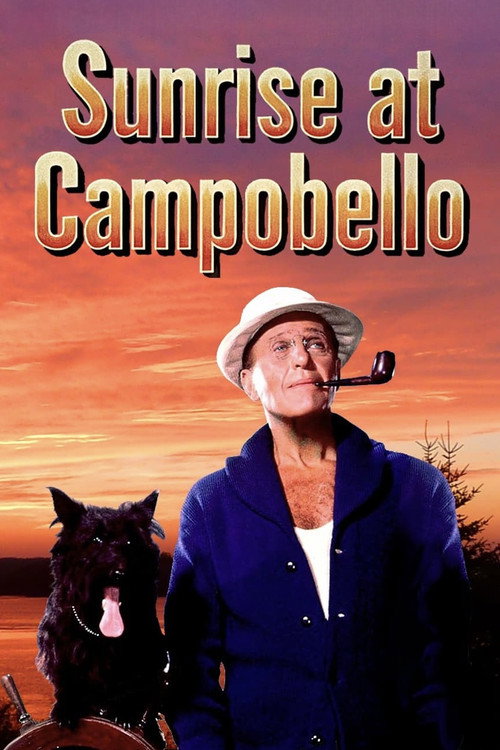
Sunrise at Campobello(1960)
Writer
Film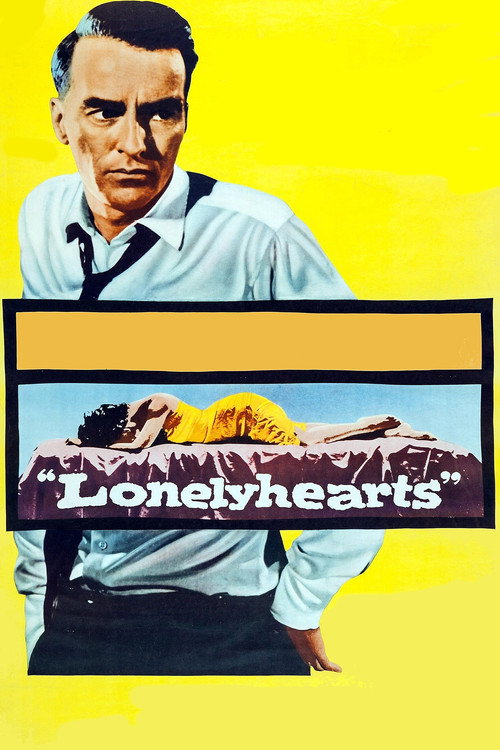
Lonelyhearts(1958)
Writer
Film
The Battle of Gettysburg(1955)
Writer
Film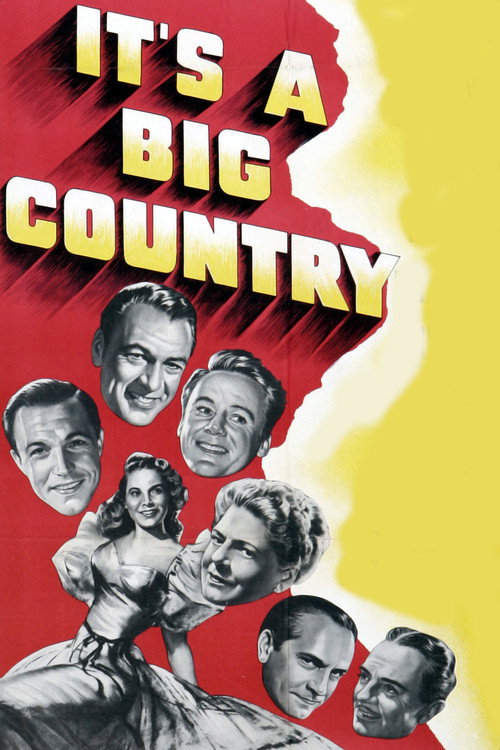
It's a Big Country: An American Anthology(1951)
Writer
Film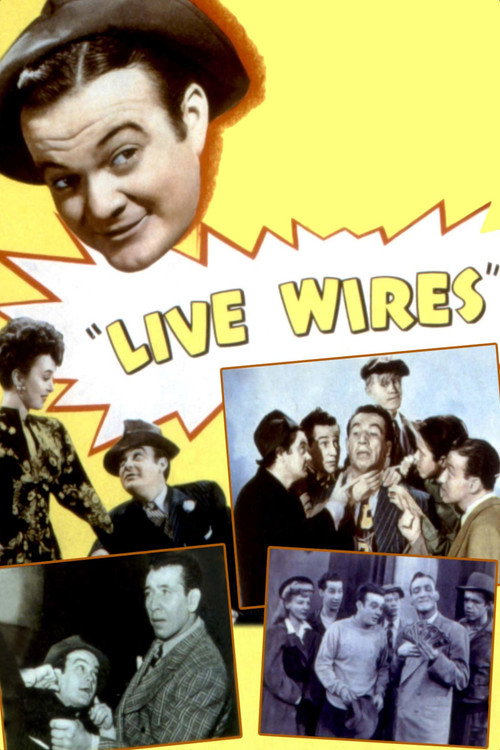
Live Wires(1946)
Writer
FilmHere Comes Kelly(1943)
Writer
Film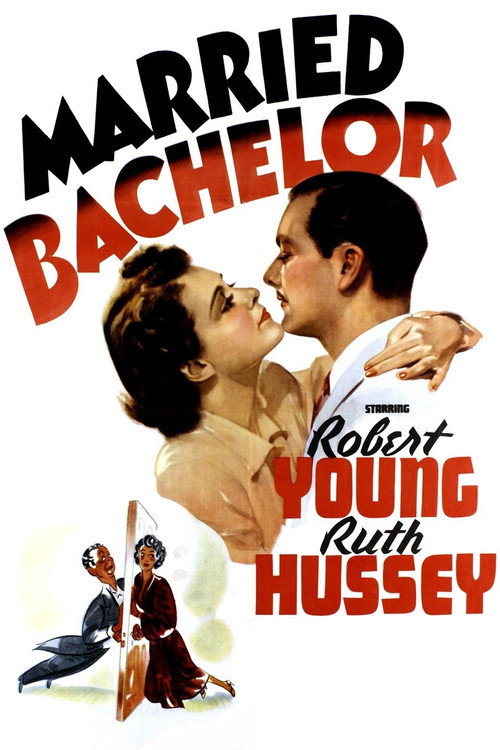
Married Bachelor(1941)
Writer
Film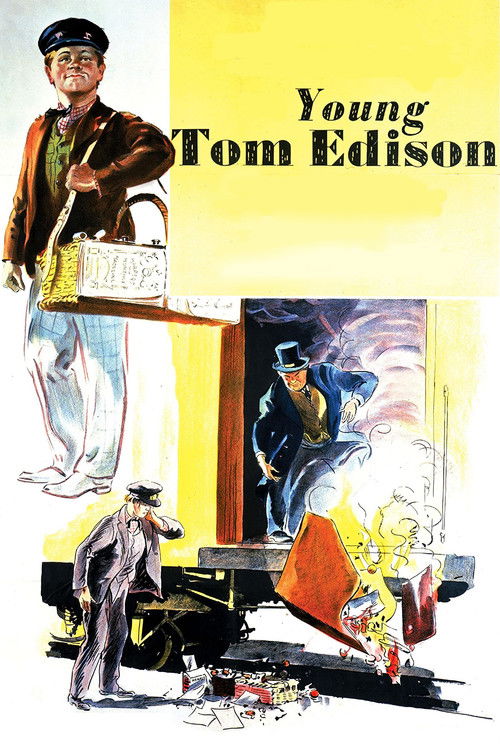
Young Tom Edison(1940)
Writer
Film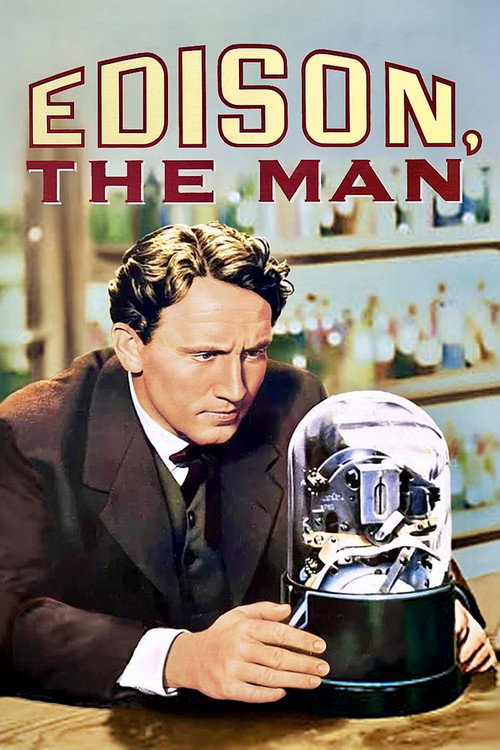
Edison, the Man(1940)
Writer
Film
Behind the News(1940)
Writer
Film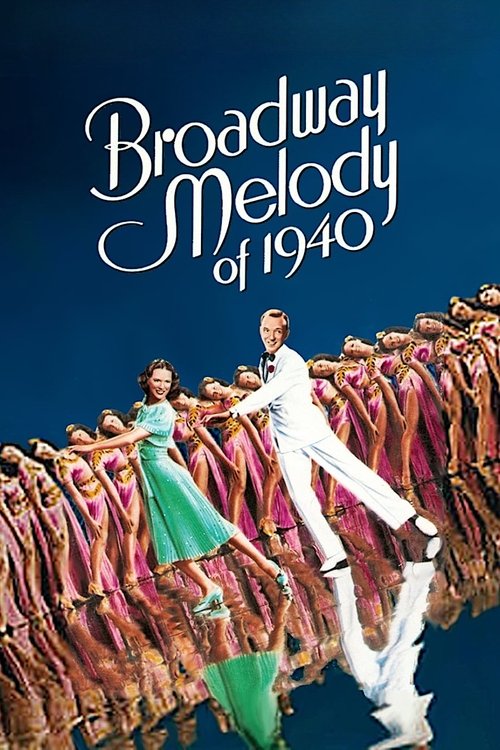
Broadway Melody of 1940(1940)
Writer
Film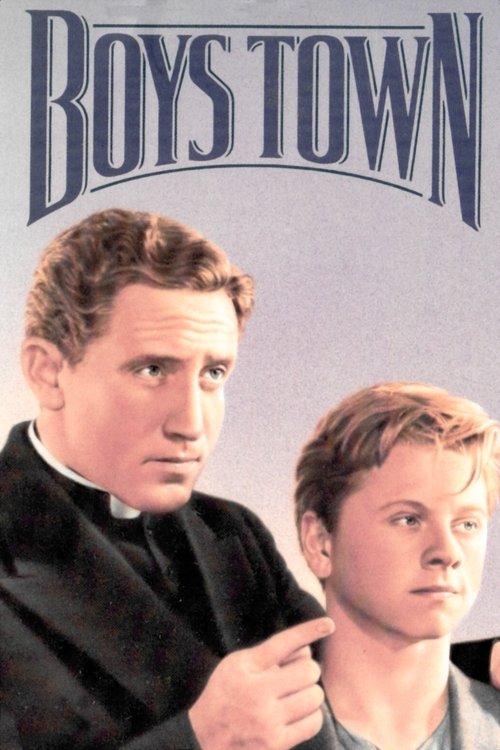
Boys Town(1938)
Writer
Film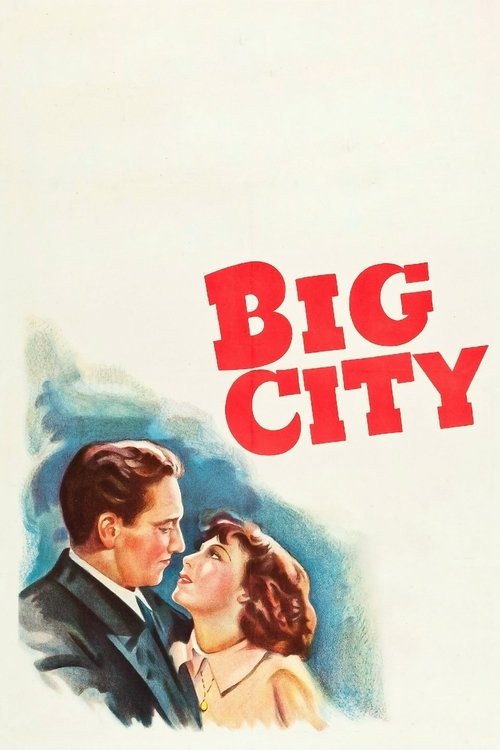
Big City(1937)
Writer
Film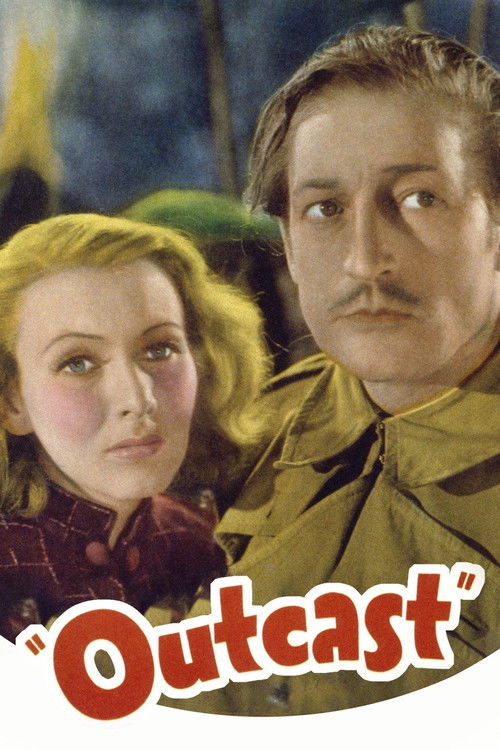
Outcast(1937)
Writer
Film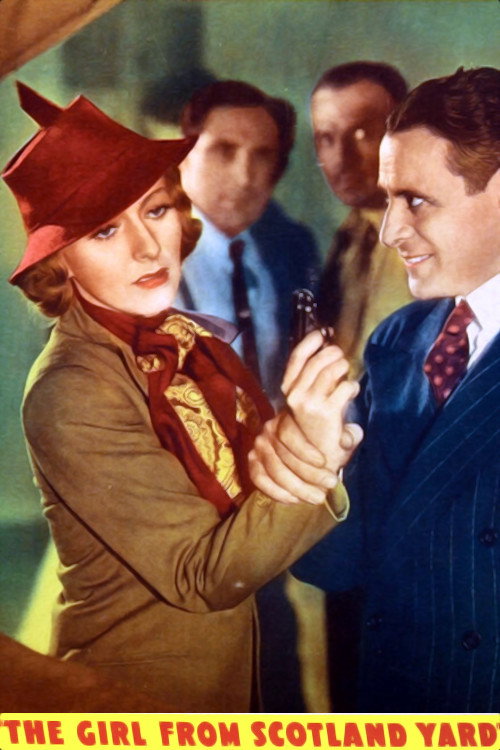
The Girl from Scotland Yard(1937)
Writer
Film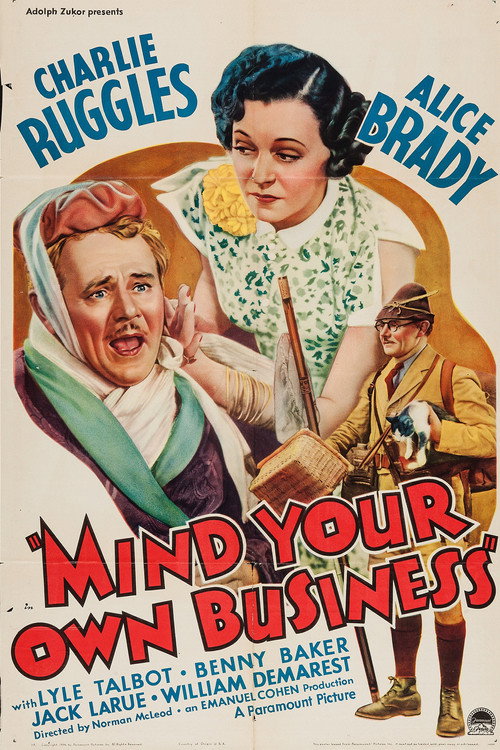
Mind Your Own Business(1936)
Writer
Film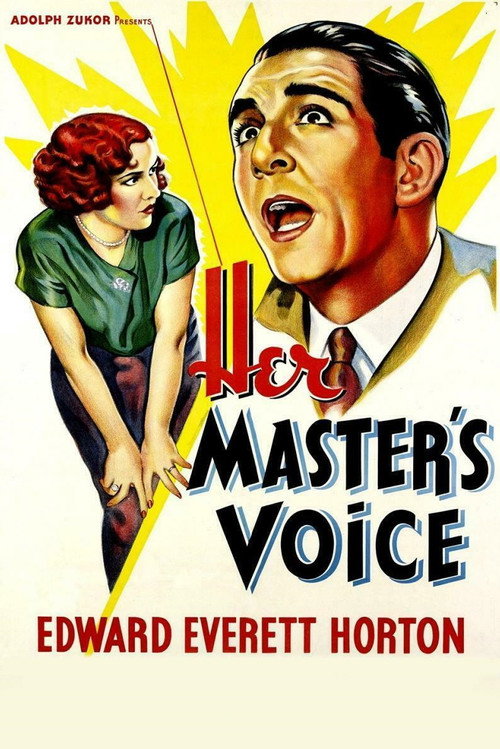
Her Master's Voice(1936)
Writer
Film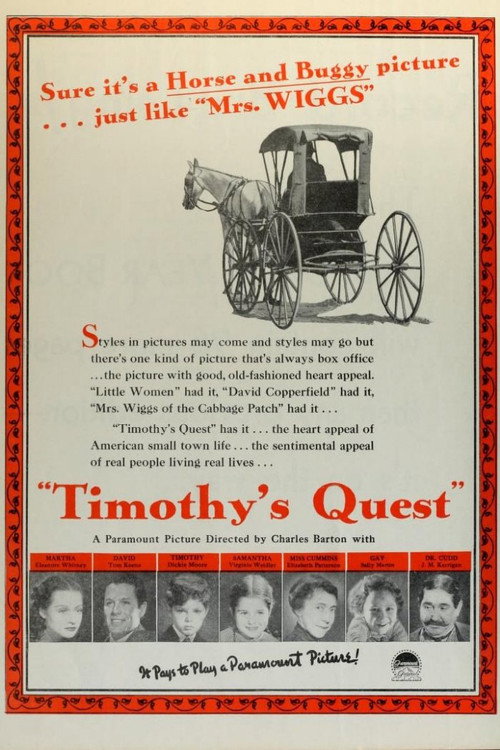
Timothy's Quest(1936)
Writer
Film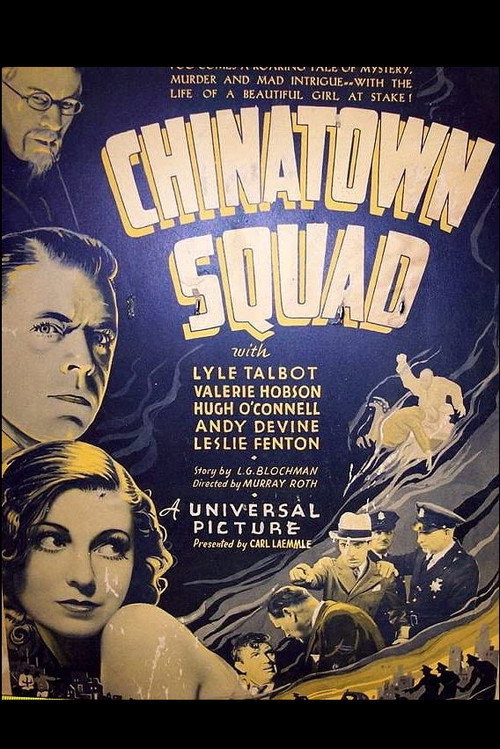
Chinatown Squad(1935)
Writer
Film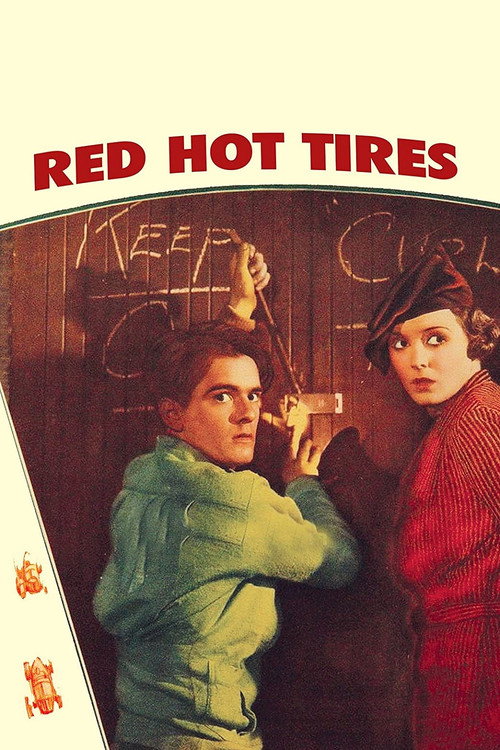
Red Hot Tires(1935)
Writer
Film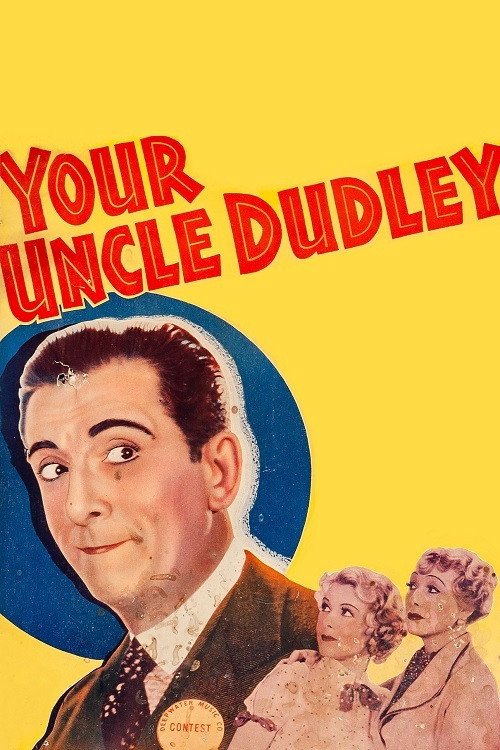
Your Uncle Dudley(1935)
Writer
Film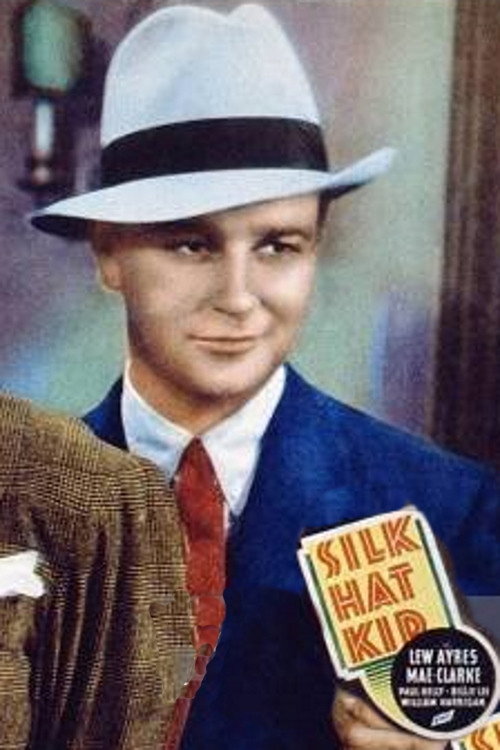
Silk Hat Kid(1935)
Writer
Film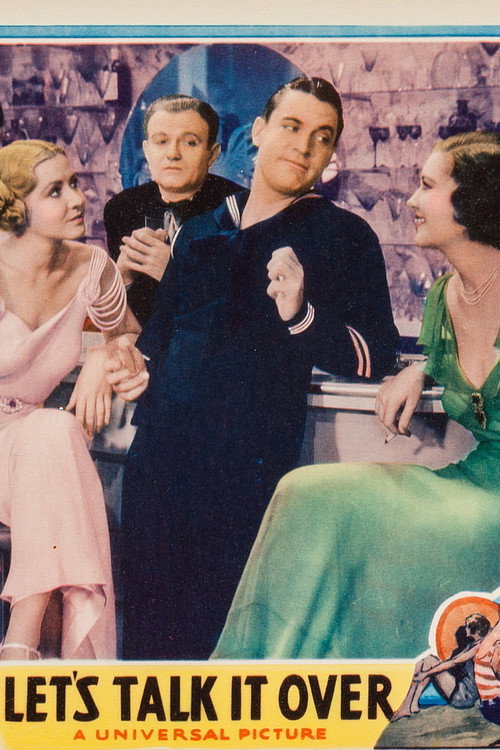
Let's Talk It Over(1934)
Writer
Film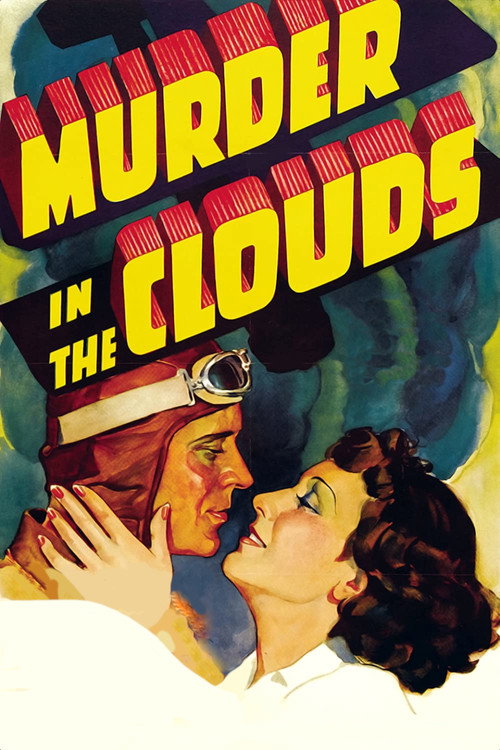
Murder in the Clouds(1934)
Writer
Film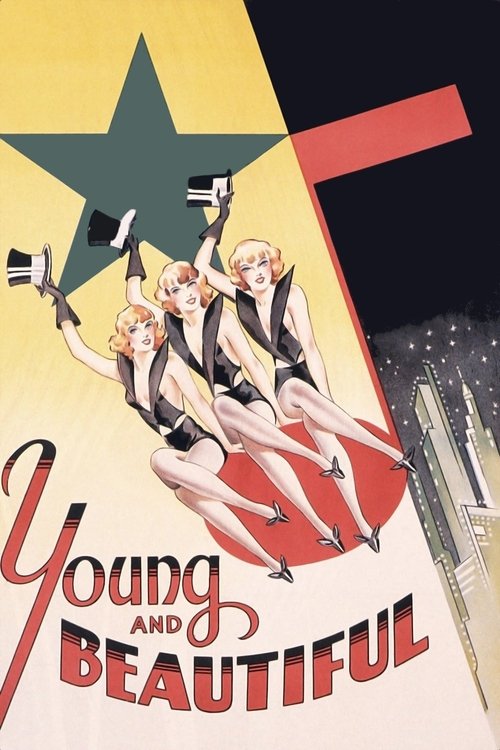
Young and Beautiful(1934)
Writer
Film
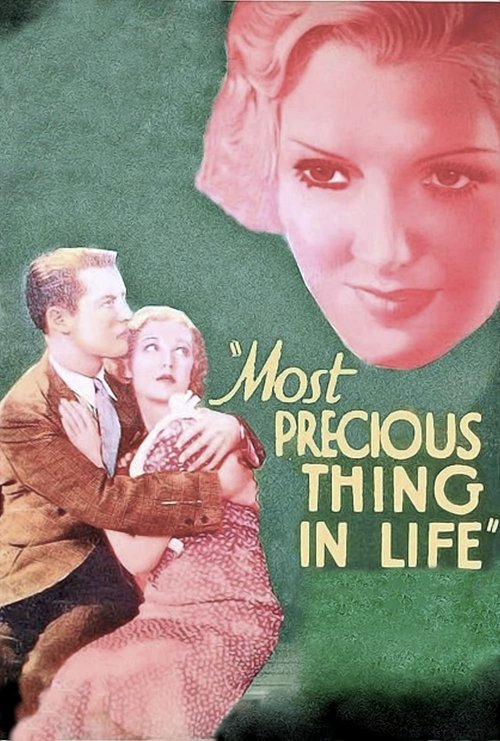
Most Precious Thing in Life(1934)
Writer
Film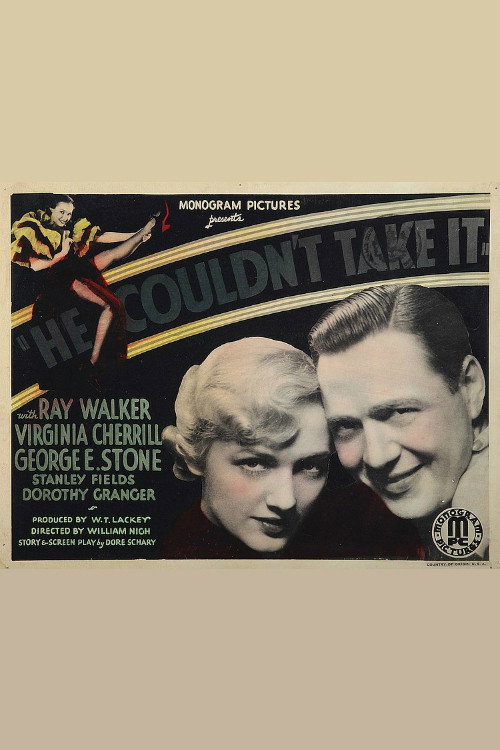
He Couldn't Take It(1933)
Writer
Film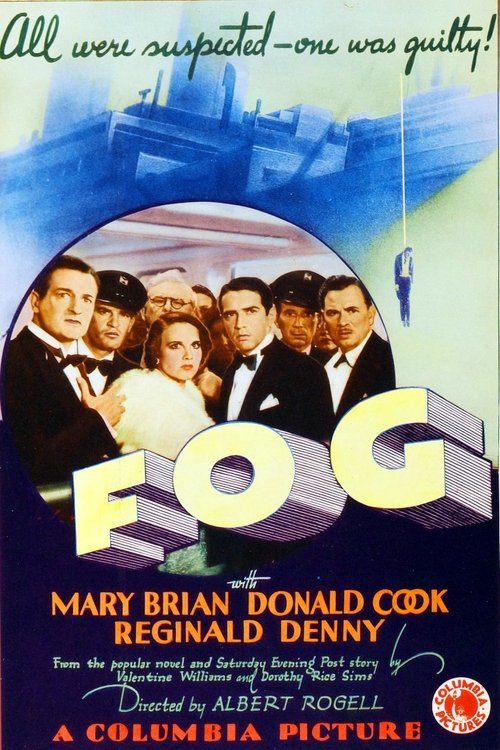
Fog(1933)
Writer
Film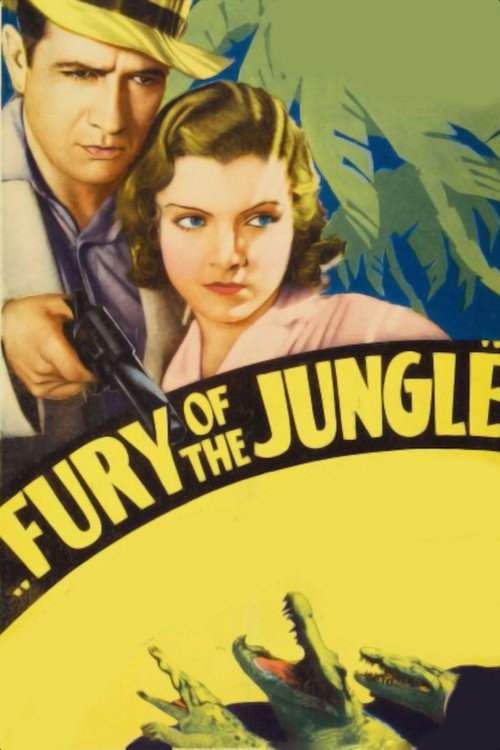
Fury of the Jungle(1933)
Writer
Film
Actor
1 creditProducer
17 credits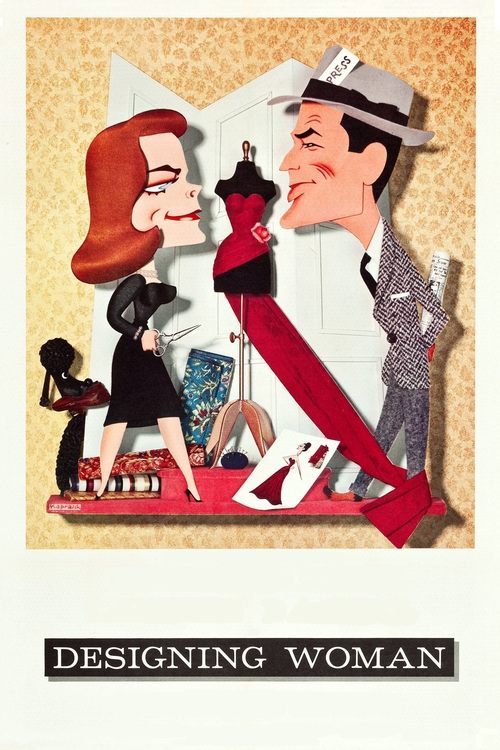
Designing Woman(1957)
Producer
Film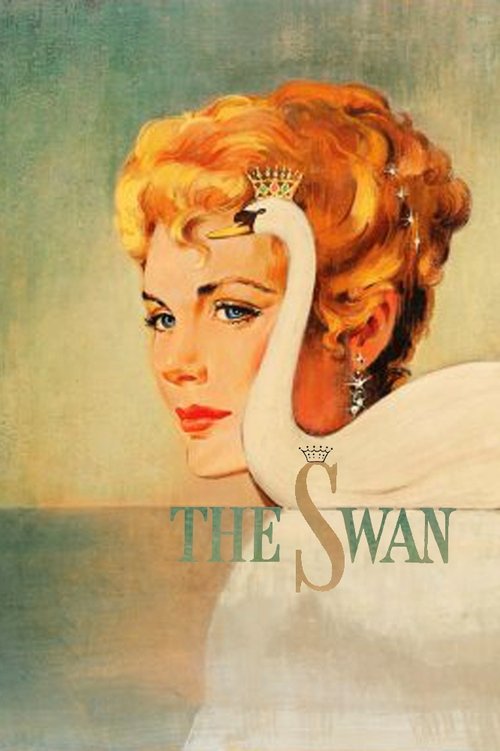
The Swan(1956)
Producer
Film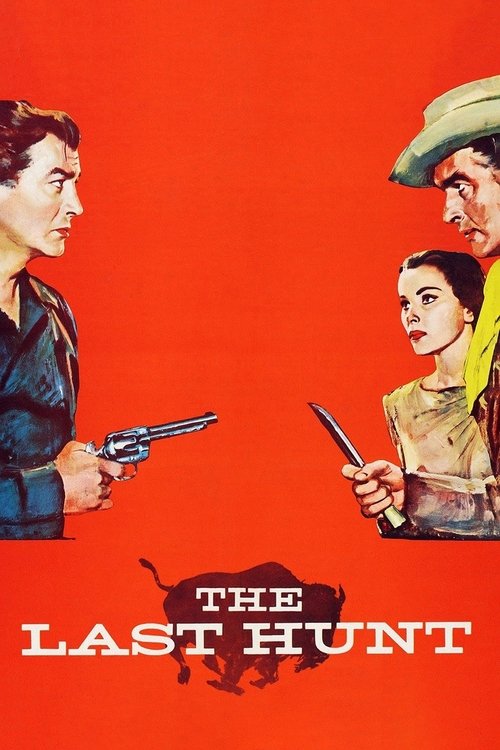
The Last Hunt(1956)
Producer
Film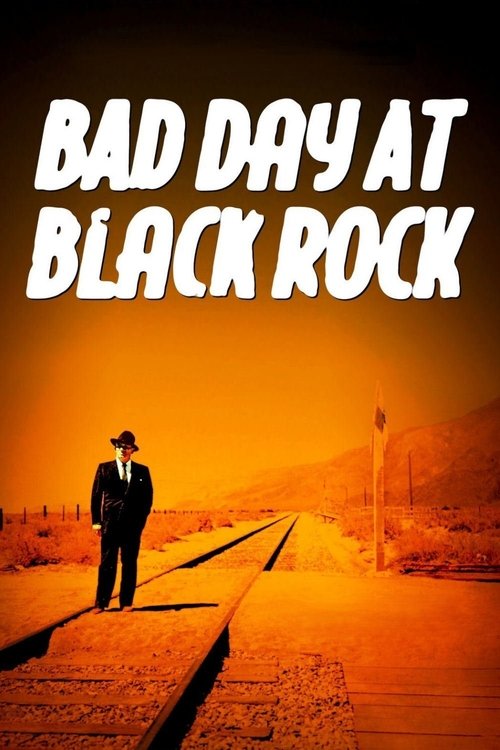
Bad Day at Black Rock(1955)
Producer
Film
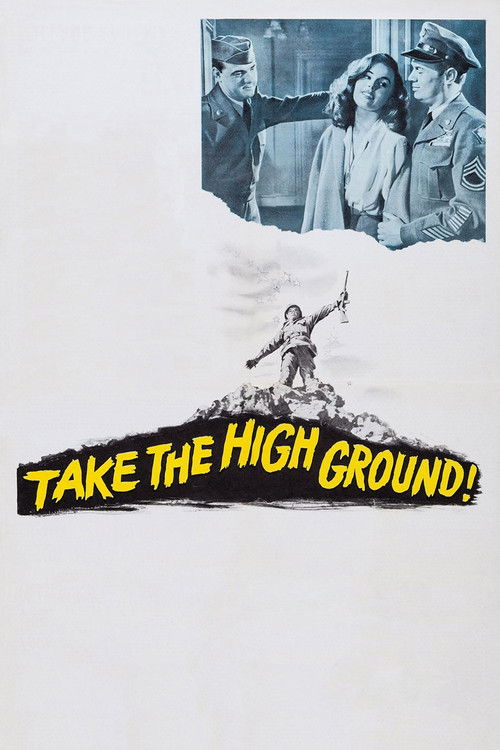
Take the High Ground!(1953)
Producer
Film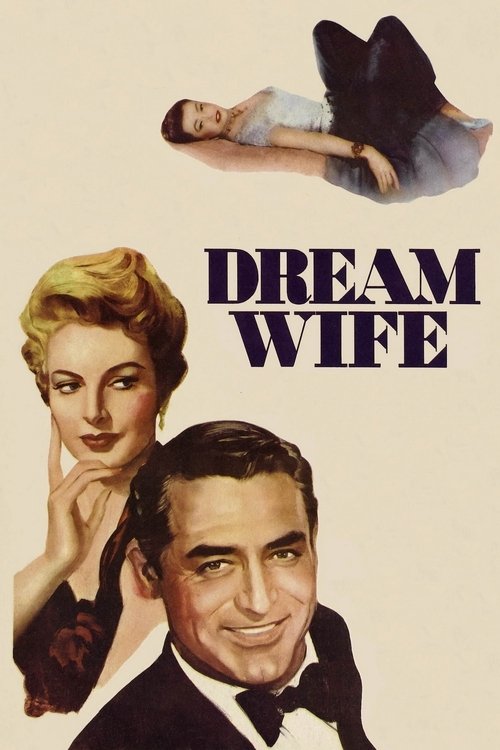
Dream Wife(1953)
Producer
Film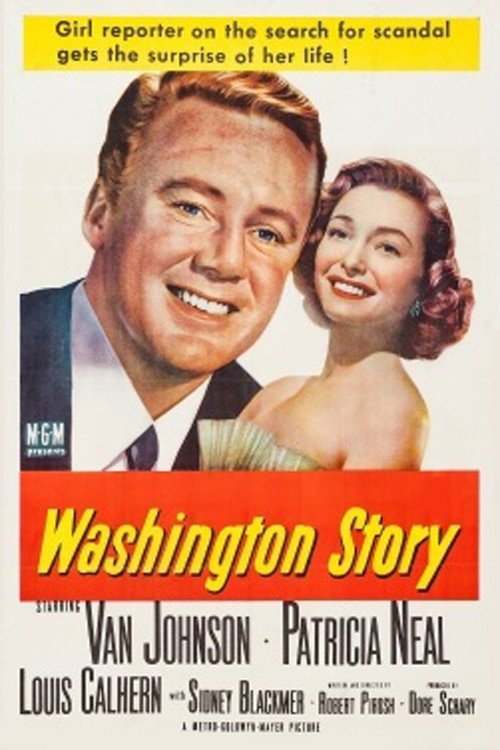
Washington Story(1952)
Producer
Film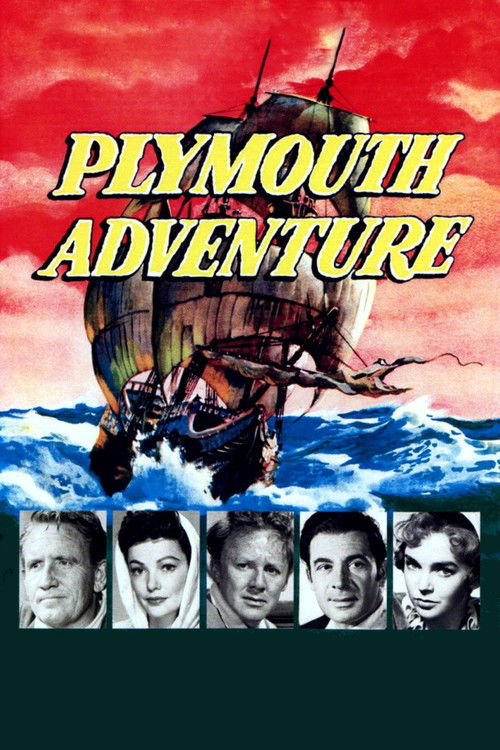
Plymouth Adventure(1952)
Producer
Film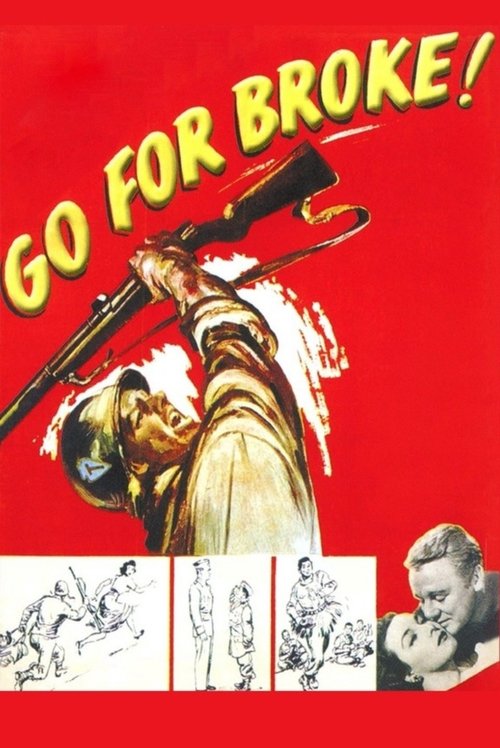
Go for Broke!(1951)
Producer
Film
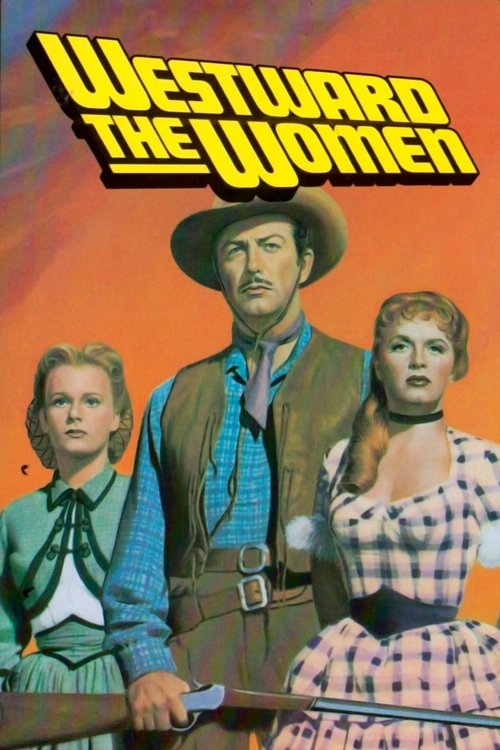
Westward the Women(1951)
Producer
Film
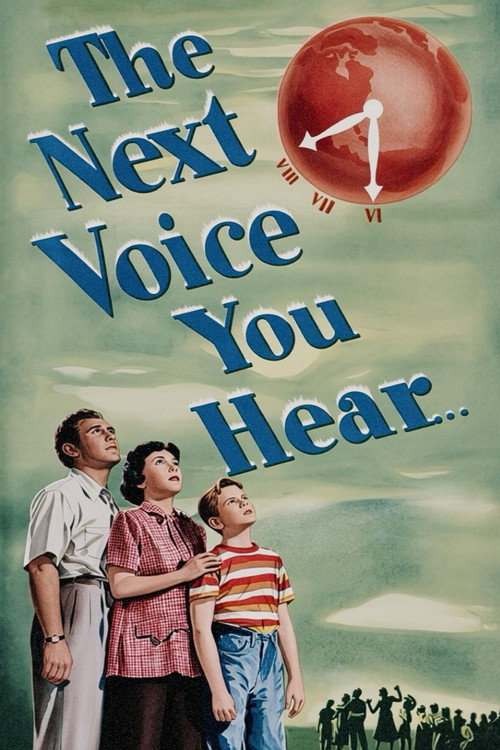
The Next Voice You Hear...(1950)
Producer
Film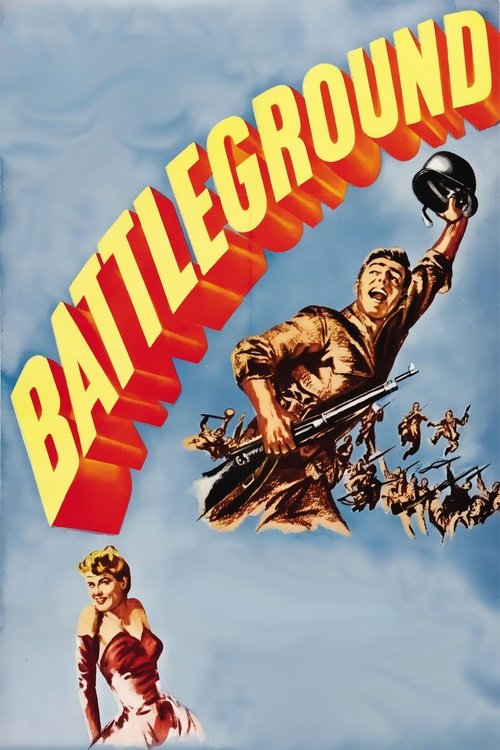
Battleground(1949)
Producer
Film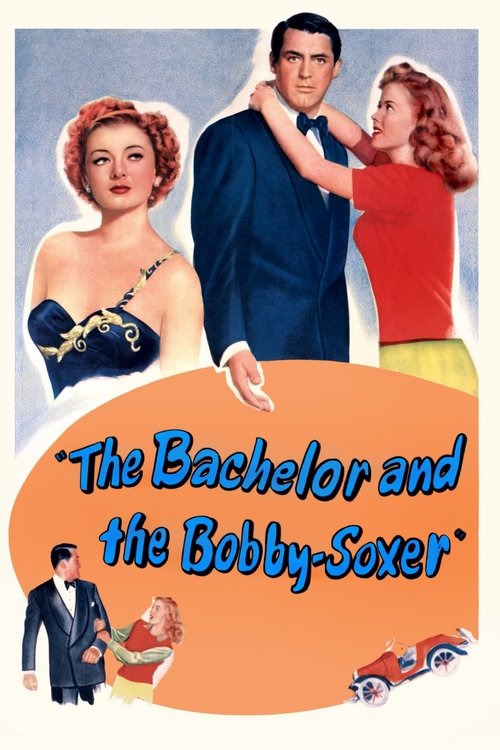
The Bachelor and the Bobby-Soxer(1947)
Producer
Film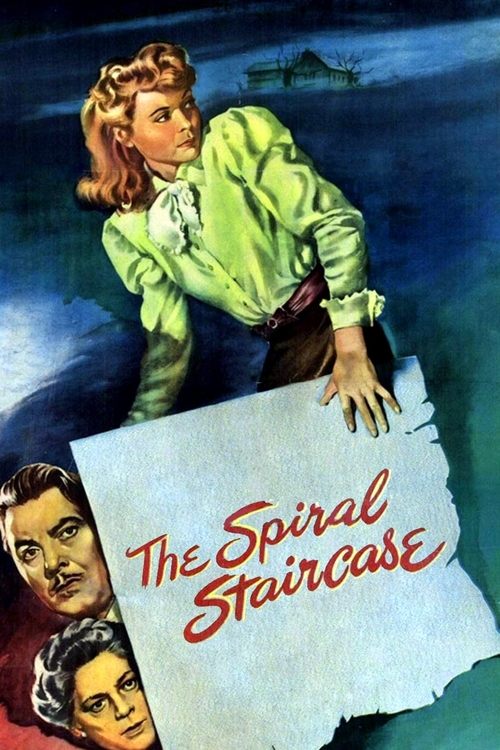
The Spiral Staircase(1946)
Producer
Film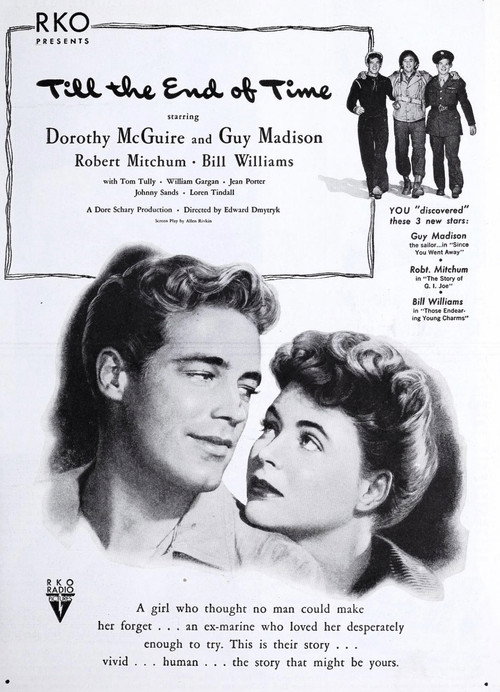
Till the End of Time(1946)
Producer
Film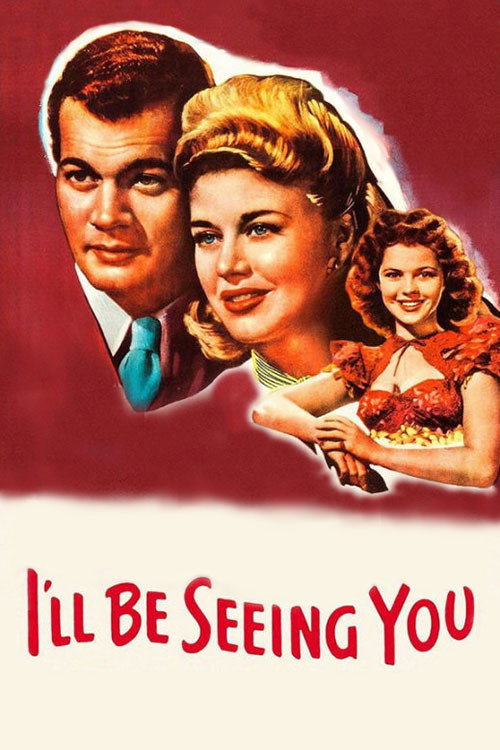
I'll Be Seeing You(1944)
Producer
Film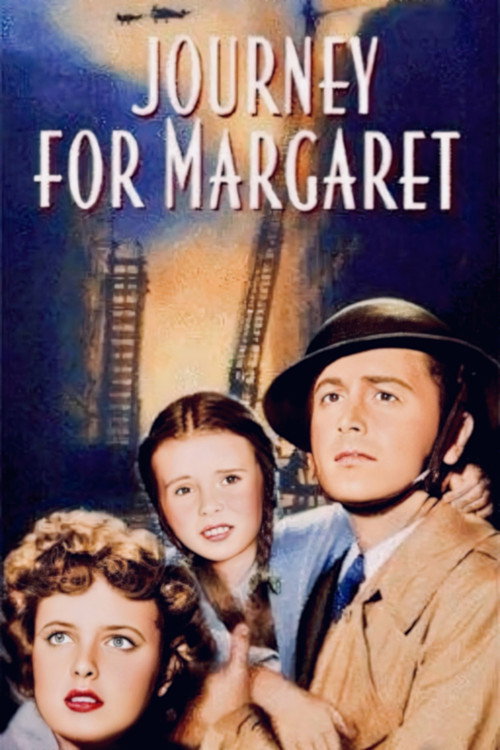
Journey for Margaret(1942)
Producer
Film
Awards & Nominations
1 win · 5 nominationsAcademy Awards
- Nom1955Oscar — Documentary (short Subject)
- Nom1955Oscar — Short Subject (two-reel)
- Nom1952Oscar — Documentary (feature)
- Nom1940Oscar — Writing (original Story)
- Won1938Oscar — Writing (original Story)
- Nom1938Oscar — Writing (adapted Screenplay)
Memorable quotes
Browse all →No quotes logged for Dore Schary yet — add the first memorable line below.
Got a quote we’re missing?
Submit a line from any film, show, or game.
Additional credits3Show
Non-headline appearances — talk-show, awards-show, panel, and archive-footage credits, kept separate from the main filmography.
- MGM ParadeSelf - Guest · 1955
- The Metro-Goldwyn-Mayer StorySelf - Host · 1951
- Youth Wants to KnowSelf - Interviewee · 1951
Edit history
Loading edit history…
Comments (0)
on Dore ScharyNo comments yet. Be the first to share what you think.