
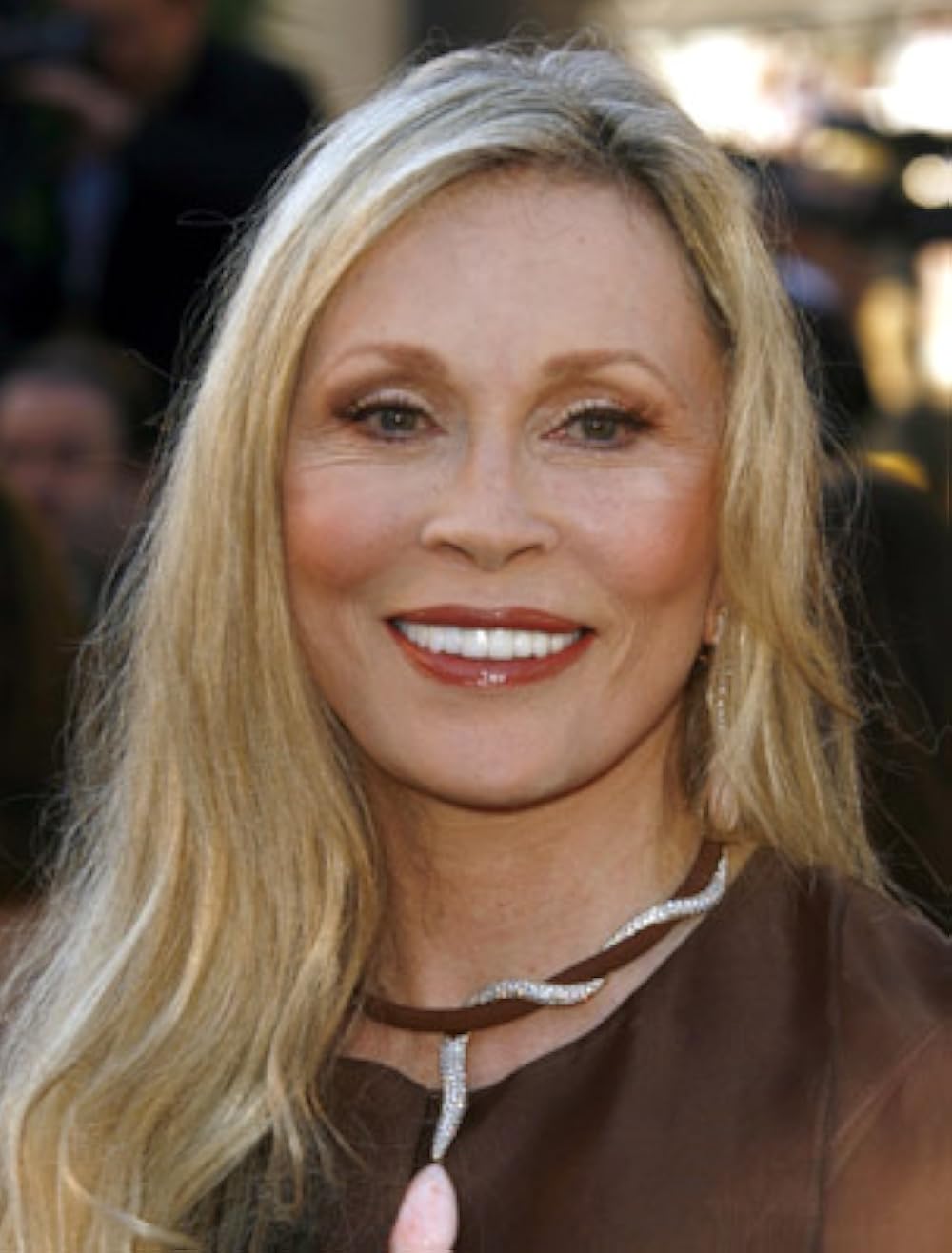
Person · Actor
Faye Dunaway
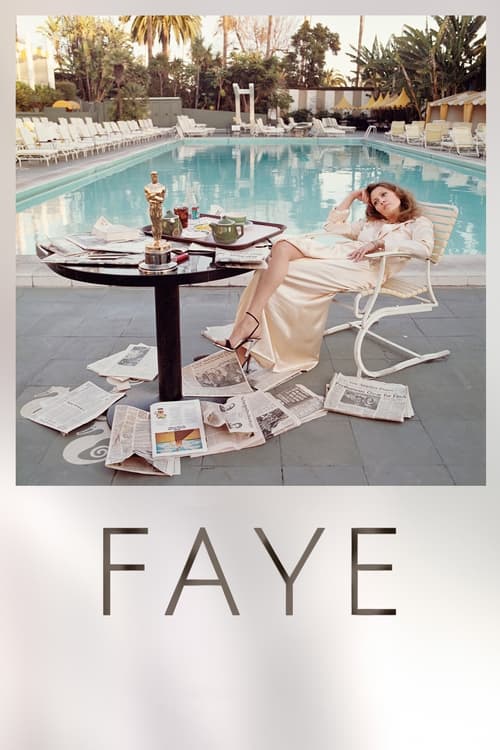
A trailblazing actress with a career spanning decades, Faye Dunaway confronts the relentless scrutiny of fame as she fights to reclaim her legacy in an industry that never stops watching.
- Also:
- Actress
- Producer
- Director
In short · Acting since 1952, 8 decades active, 121 credits, 4 Primetime Emmy Award wins.
Known for
Ranked by community engagement + sustained interest across this person's credits in our database.
Now & next
- Award win
Primetime Emmy Award — Outstanding Guest Actress in a Drama Series
- Award win
Academy Awards — Oscar — Actress in a Leading Role
- Award win
Hasty Pudding Woman Of The Year — Hasty Pudding Woman of the Year
- Award win
Theatre World Award — Theatre World Award
Help complete this page
We’re missing birth date. Sign in to add what you know.
Biography
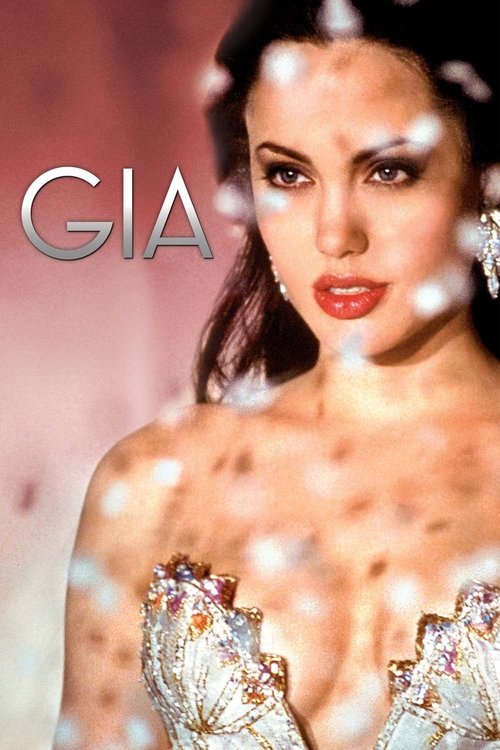
An icy, elegant blonde with a knack for playing complex and strong-willed female leads, enormously popular actress Faye Dunaway starred in several films which defined what many would come to call Hollywood's "second Golden Age." During her tenure at the top of the box office, she was a more than capable match for some of the biggest macho stars of the 1970s. Then an overwrought turn in the disastrous biopic Mommie Dearest (1981) effectively derailed her career - but, at the same time, made her a bit of a camp favorite in the gay community - though she's been afforded infrequent opportunities worthy of her talent since that unfortunate halt. Born prematurely on Jan. 14, 1941 in Bascom, FL, Dorothy Faye Dunaway was the daughter of MacDowell Dunaway, Jr., a career Army officer, and his wife, Grace April Smith. After a stint as a teenaged beauty queen in Florida, she intended to pursue education at the University of Florida, but switched to acting, earning her degree from Boston University in 1962. She was given the enviable task of choosing between a Fulbright Scholarship to the London Academy of Music and Dramatic Arts or a role in the Broadway production of "A Man For All Seasons" as a member of the American National Theatre and Academy. She picked the latter, enjoying a fruitful stage career for the next two years, which was capped by appearances in "After the Fall" and "Hogan's Goat." The latter - an off-Broadway production in 1967 - required Dunaway to tumble down a flight of steps in every performance, earning her a screen debut in the wan counterculture comedy The Happening (1967). Just five months after its release, however, she was wowing audiences across the country as Depression-era bank robber Bonnie Parker in Arthur Penn's controversial Bonnie and Clyde (1967). Her turn as the naïve but trigger-happy and sexually aggressive Parker earned her Academy Award and Golden Globe nominations, and provided a direct route to the front of the line for Hollywood leading ladies in an unbelievably short amount of time. Dunaway followed this success with another hit, The Thomas Crown Affair (1968), in which her coolly sensual insurance investigator generated considerable sparks with playboy and jewel thief Steve McQueen. She then bounced between arthouse efforts like Puzzle of a Downfall Child (1970), directed by her ex-boyfriend, photographer Jerry Schatzberg, and the revisionist Western Doc (1971), as well as big-budget efforts like Little Big Man (1970), which cast her as a predatory preacher's wife with designs on Dustin Hoffman's reluctant Native American hero. Dunaway also balanced these projects with several well-regarded theatrical productions, including a 1972-73 stint as Blanche Du Bois in "A Streetcar Named Desire," and notable TV movies like The Woman I Love (1972), which cast her as the Duchess of Windsor, and TV broadcasts of Hogan's Goat (1971) and After the Fall (1974). But her turn as the duplicitous Lady De Winter in Richard Lester's splashy, slapstick take on The Three Musketeers (1973) and its sequel The Four Musketeers (1974) preceded a long period of critical and box office hits, starting with her masterful performance in Chinatown (1974). Dunaway's turn as Evelyn Mulwray, the mysterious woman who draws detective Jake Gittes (Jack Nicholson) into a dark and complicated web of murder, incest, and catastrophic business deals, seemed the epitome of every femme fatale to ever stride across a chiaroscuro-lit scene in classic noir. But Dunaway also found the horribly wounded core of her character as well, and turned Evelyn from a pastiche to a full-blown and emotionally resonant human being. Critics and award groups rushed to nominate Dunaway for the role, and she netted her second Academy Award nod, as well as Golden Globe and BAFTA nominations. Dunaway had fought hard for her performance - her battles with director Roman Polanski were no secret - but sadly, she lost the Oscar to Ellen Burstyn for Alice Doesn't Live Here Anymore (1974). However, it would be Dunaway's performance which stood the test of time. High-gloss turns in The Towering Inferno (1974) and Sydney Pollack's political thriller Three Days of the Condor (1975) preceded one of her best television performances; that of Depression-era radio preacher Aimee Semple MacPherson in The Disappearance of Aimee (1976). Even more startling was her sterling role in Network (1976), Paddy Chayefsky's blistering take on the television industry. Dunaway pulled out all the stops as an executive on the rise who stops at nothing to advance her career - even bedding veteran producer William Holden. Critics again rose in unison to praise Dunaway, and she finally netted an Oscar for the role, as well as a Golden Globe. Surprisingly, Dunaway's career began to falter after her Oscar win. She was effective as a fashion photographer who experiences disturbing visions in Eyes of Laura Mars (1978), but was wasted in thankless roles as the dissatisfied ex of washed-up boxer Jon Voight in The Champ (1979) and wife to Frank Sinatra's detective in The First Deadly Sin (1980). And then came Mommie Dearest (1981), director Frank Perry's biopic of actress Joan Crawford based on the tell-all book by her daughter Christina Crawford. Crawford herself had praised Dunaway in the early stages of her career, and while some critics gave positive reviews to her performance - in particular, the extent to which she physically transformed herself into Crawford - most fixated on the hysterical dialogue and garish scenes of child abuse. Clips of Dunaway as Crawford bellowing "No wire hangers!" became immediate laugh-getters on late-night television, and a substantial gay following rose up in response to the film's high camp value. Dunaway, however, found none of the response amusing, and later admitted her regret in taking the role. Whether laughable or pure genius, no one could deny that Dunaway threw her everything into the role. The film's continued cult success proved she had succeeded in becoming Crawford. The fallout from "Mommie Dearest" obscured Dunaway's follow-up projects, which included the title role in the TV movie Evita Peron (1981) and a return to Broadway in 1982's "The Curse of an Aching Heart". Discouraged, she moved to London with her second husband, photographer Terry O'Neill, who had also served as a producer on "Mommie Dearest." For the next few years, Dunaway appeared sporadically in films, most of which underscored her newly minted status as a camp icon. The Wicked Lady (1983) was an absurd, near-softcore period drama by Michael Winner, with Dunaway as an 18th-century highway robber. Fans of her early dramatic work were similarly aghast by her turn as a shrieking witch battling Helen Slater's Girl of Steel in Supergirl (1984). Only a Golden Globe-winning appearance in the cumbersome miniseries Ellis Island (1984) offered any respite from the negative press which now continued to follow her. Dunaway returned to the United States in 1987 following her divorce from O'Neill, and attempted to rebuild her career and reputation by appearing in several independent dramas. She was widely praised for her performance as a once-glamorous woman felled by alcohol in Barbet Schroeder's Barfly (1987), and served as executive producer and star of Cold Sassy Tree (1989), a TV adaptation of the popular novel by Olive Ann Burns about an independent-minded woman who romances a recently widowed store owner (Richard Widmark). Dunaway was exceptionally busy for the remainder of the decade in both major Hollywood features and independent fare, though her strong women now occasionally sported an unfortunate shrill side. She was Robert Duvall's frosty wife in the dystopian thriller The Handmaid's Tale (1990) and contributed a vocal cameo as Evelyn Mulwray in The Two Jakes (1990), the ill-fated sequel to "Chinatown". Other notable performances came as the unhappy wife of psychiatrist Marlon Brando in Don Juan DeMarco (1994), as the daughter of imprisoned Klansman Gene Hackman in The Chamber (1996), and as a bartender caught in the middle of a hostage standoff in Kevin Spacey's Albino Alligator (1996). She later received Screen Actors Guild and Golden Globe nominations as the matron of a wealthy Jewish family in turmoil in The Twilight of the Golds (1996). Perhaps her best turn of the decade was as a seductive murderess who attempts to sway the unflappable Lt. Columbo (Peter Falk) in Columbo: It's All in the Game (1993), which earned her a 1994 Emmy. She won her third Golden Globe as modeling agency head Wilhelmina Cooper in the biopic Gia (1998), starring Angelina Jolie as doomed model Gia Carangi. The 1990s were also not without incident for Dunaway. She was embroiled in an ugly lawsuit against Andrew Lloyd Webber after he closed a Los Angeles production of his musical version of "Sunset Blvd." with claims that she was unable to sing to his standards. The suit was later settled out of court for an undisclosed sum. A national tour of Terrence McNally's "Master Class", about the legendary opera diva Maria Callas, ended with her involvement in a suit over legal rights to the play. The project was expected to become her next great film role but remained uncompleted more than a decade after the 1996 tour. Her attempt at sitcom stardom in It Had to Be You (1993), co-starring Robert Urich, was met with universal disinterest, and the project was announced as being retooled without Dunaway prior to its cancellation. Dunaway's schedule remained busy from 2000 onward, mostly in television and small independent features. She co-starred with Mark Wahlberg and Joaquin Phoenix as the wife of career criminal James Caan in The Yards (2000), then made her directorial debut with the short The Yellow Bird (2001), based on the play by Tennessee Williams. Younger audiences had their first taste of Dunaway's particular star power as Ian Somerhalder's mother in The Rules of Attraction (2002), Roger Avary's amped-up adaptation of the Bret Easton Ellis novel, before Dunaway turned up the heat as a merciless celebrity judge on the reality series The Starlet (2005). Dunaway penned her memoirs, Looking For Gatsby, in 1995, one year before receiving her star on the Hollywood Walk of Fame. Attached throughout her professional career to intriguing men ranging from Lenny Bruce to Marcello Mastroianni, she was twice married; her first husband was singer Peter Wolf of the popular seventies rock group, The J. Geils Band. Liam O'Neill, her son by second husband Terry, followed in her footsteps with minor acting roles beginning in 2004. His father later dropped a bombshell in 2003 by revealing that Liam was not their biological son, but was adopted - a claim that Dunaway had previously denied. A series of occasional roles in little-seen films followed, but Dunaway was unexpectedly thrust back into the public eye at the 2017 Academy Awards. Reunited with Warren Beatty on the occasion of the 50th anniversary of "Bonnie and Clyde," the pair were tapped to present the Best Picture award to close the night. Before proceeding onstage, Beatty was mistakenly handed a backup envelope for Best Actress in a Leading Role, which had already been won by Emma Stone for La La Land (2016). Unsure what to do when he opened the envelope and discovered the error, Beatty stalled for time and showed the card to Dunaway; misunderstanding his intent, the actress announced that the Best Picture Oscar went to "La La Land." During producer Jordan Horowitz's acceptance speech, he was informed that the actual Best Picture winner was Moonlight (2016). During the onstage chaos that ensued, Beatty delivered a heartfelt explanation and apology for the snafu while undergoing good-natured ribbing from host Jimmy Kimmel. After a break from her career and the memorable Oscars moment, Dunaway got back in the saddle as an actress working more frequently. Over the next year, she appeared in three films, starring in The Bye Bye Man (2017), The Case for Christ (2017) and Inconceivable (2017). She also fronted Gucci's summer 2018 ad campaign for their Sylvie handbag. Dunaway looked like she was going to return to Broadway with 2019's "Tea at Five," a one-woman show in which she portrayed Katharine Hepburn, but she was fired from the play due to backstage fights with production staff during its Boston run. What followed was a lawsuit brought by her former assistant and a wave of articles alleging decades of bad behavior, with many declaring the 78-year-old screen legend "canceled." Dunaway laid low for the next few years, save for a role alongside fellow cancel culture victim Kevin Spacey in Franco Nero's The Man Who Drew God (2022), for which she replaced Nero's wife Vanessa Redgrave. Then, after extensive persuasion, documentary filmmaker Laurent Bouzereau managed to gain her cooperation for Faye (2024), a somewhat exonerative biographical account in which Dunaway reveals she has bipolar disorder. The documentary premiered to rave reviews at Cannes in spring 2024 and airs on HBO this summer. Next up for Dunaway is Fate, a supernatural mystery from director Jonathan Baker co-starring Harvey Keitel, Mena Suvari, Andrew McCarthy and Brandon Routh.
Family & relationships
- Spouse
- Terry O'Neill
- Parents
- John MacDowell Dunaway Jr
- Children
- Other
- MacDowell Dunaway(Sibling)
Filmography · 109 of 109
A platform appears here when one of these titles streams on it. Click to filter — pick several to combine.
Actor
85 credits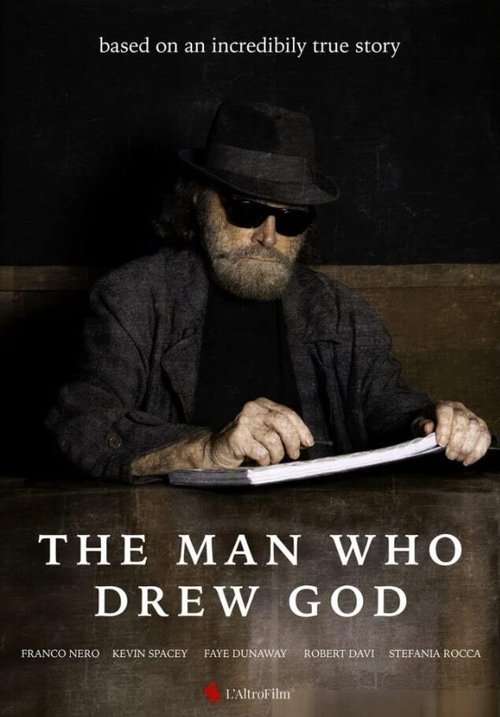
The Man Who Drew God(2022)
Tasha
Film
Valerie(2019)
Actor
Film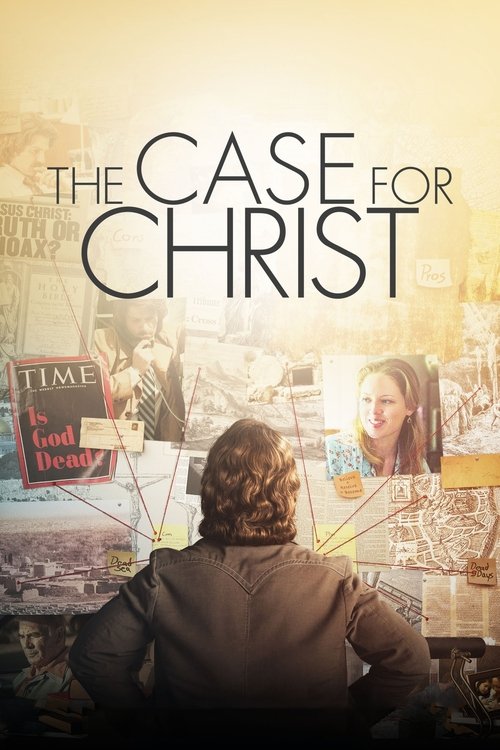
The Case for Christ(2017)
Dr. Roberta Waters
Film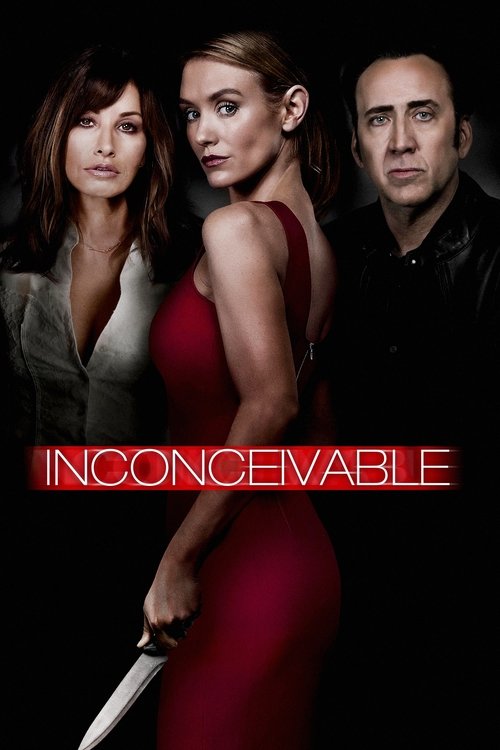
Inconceivable(2017)
Donna
Film
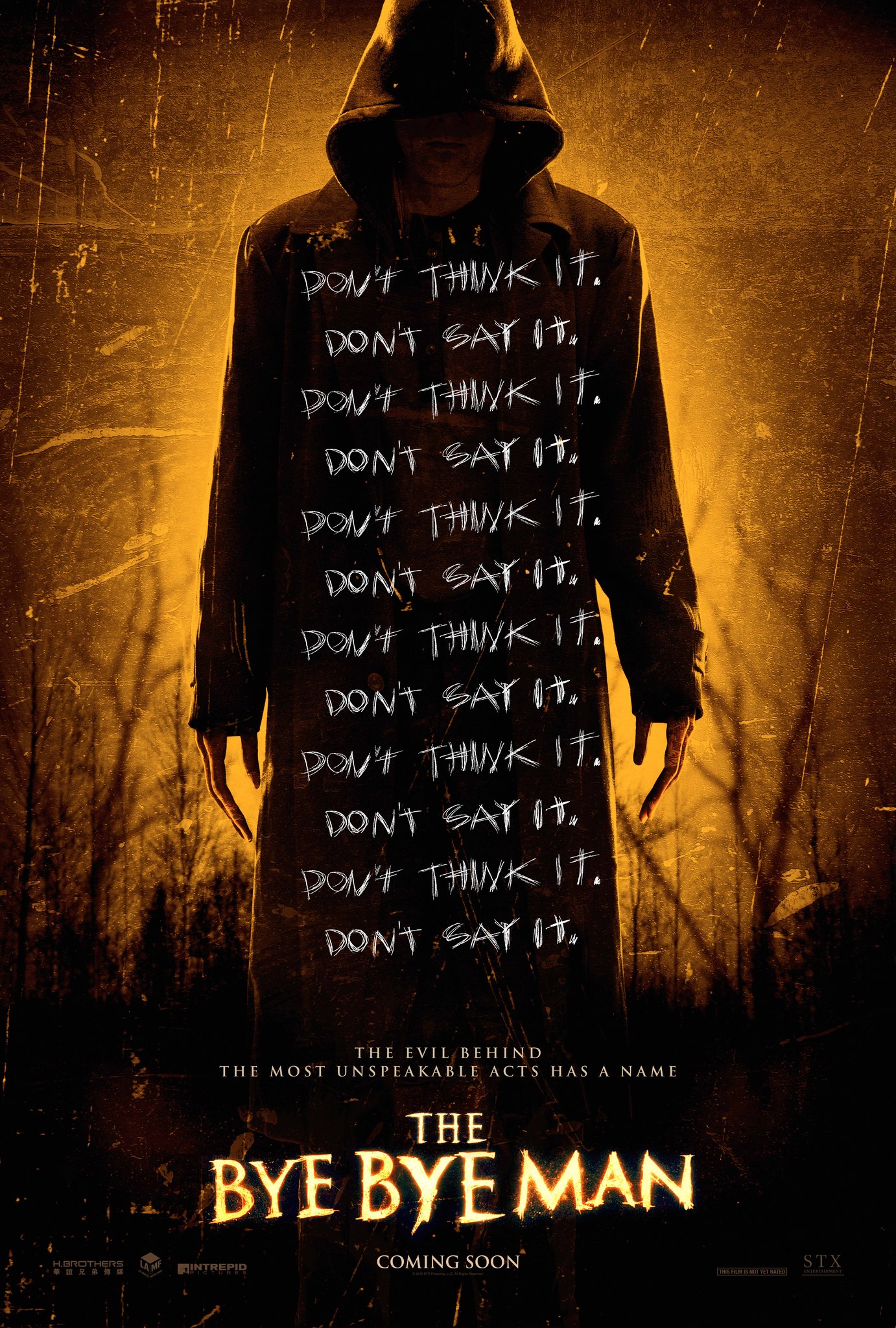
The Bye Bye Man(2017)
Widow Redmon
Film
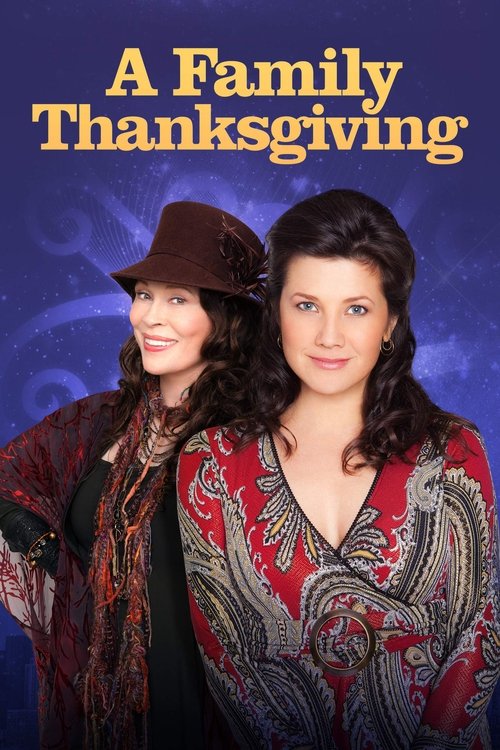
A Family Thanksgiving(2010)
Gina
Film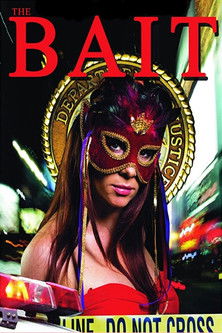
The Bait(2009)
Therapist
Film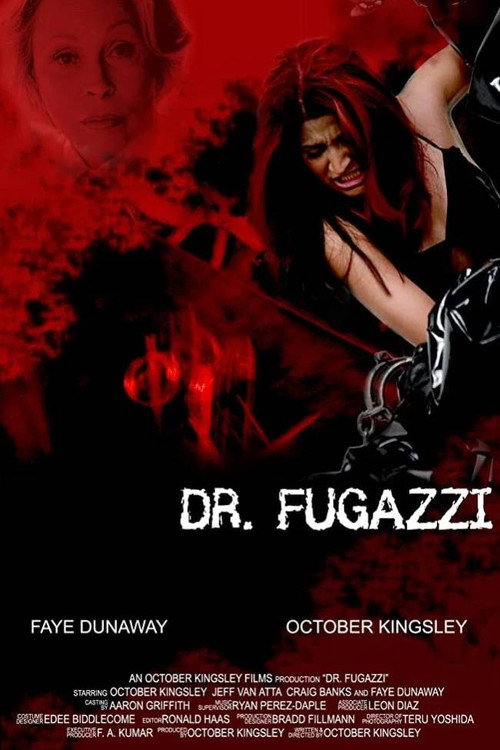
The Seduction of Dr. Fugazzi(2009)
Detective Rowland
Film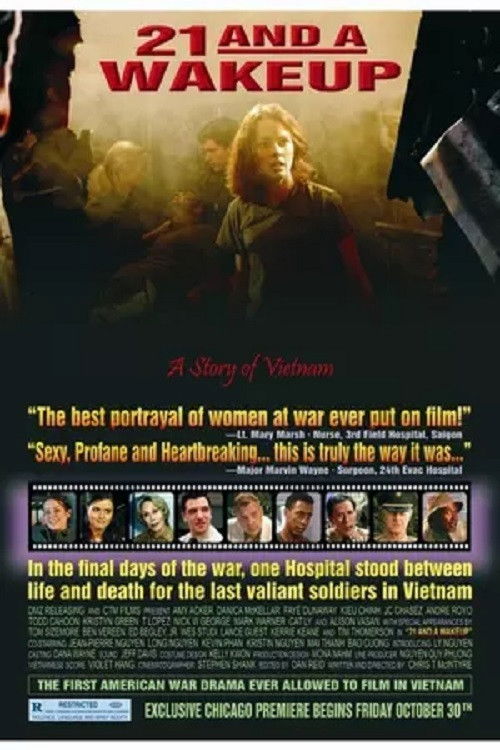
21 and a Wake-Up(2009)
Major Rose Thorn
Film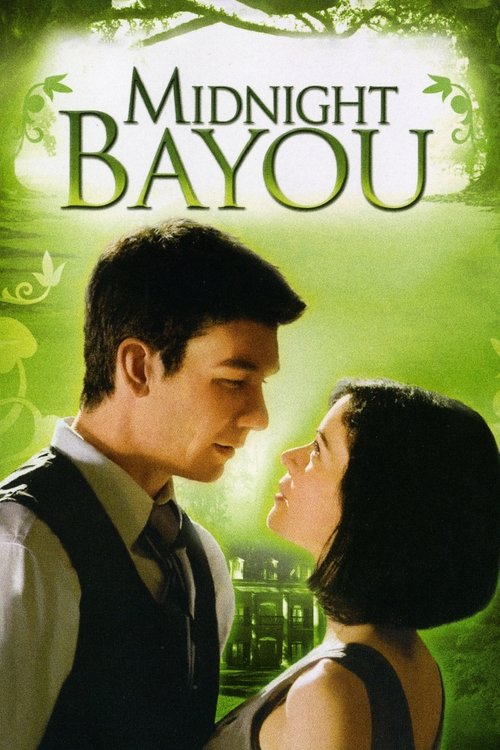
Midnight Bayou(2009)
Odette Simone
Film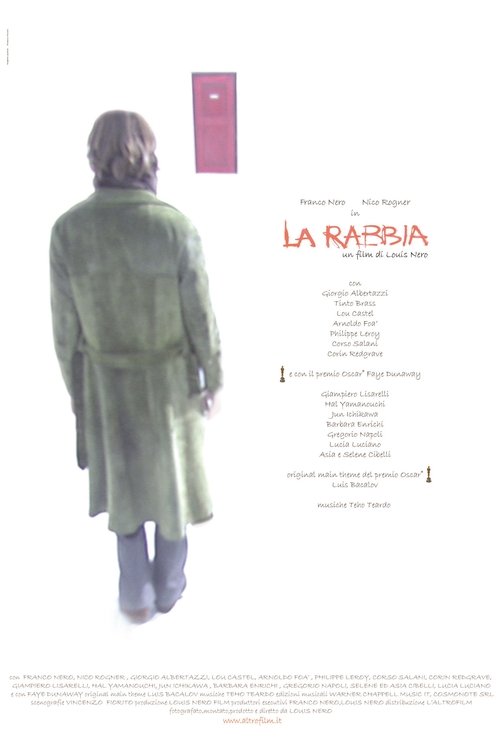
La rabbia(2008)
Madre
Film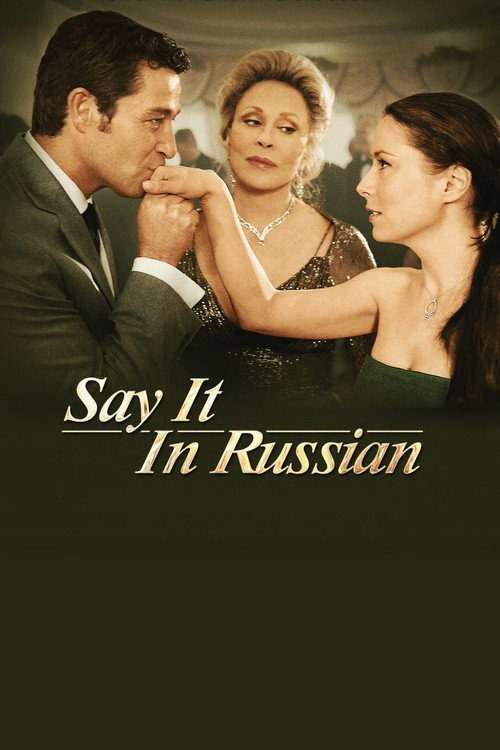
Say It in Russian(2007)
Jacqueline de Rossy
Film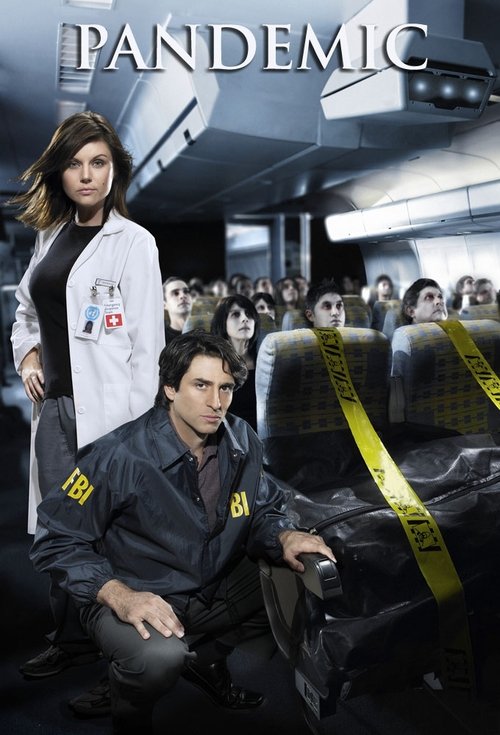
Pandemic(2007)
Governor Lillian Schaefer
TV
The Gene Generation(2007)
Josephine Hayden
Film
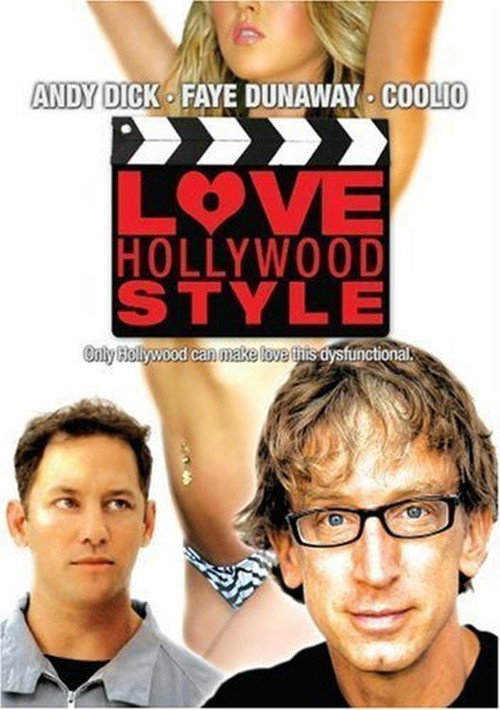
Love Hollywood Style(2006)
God
Film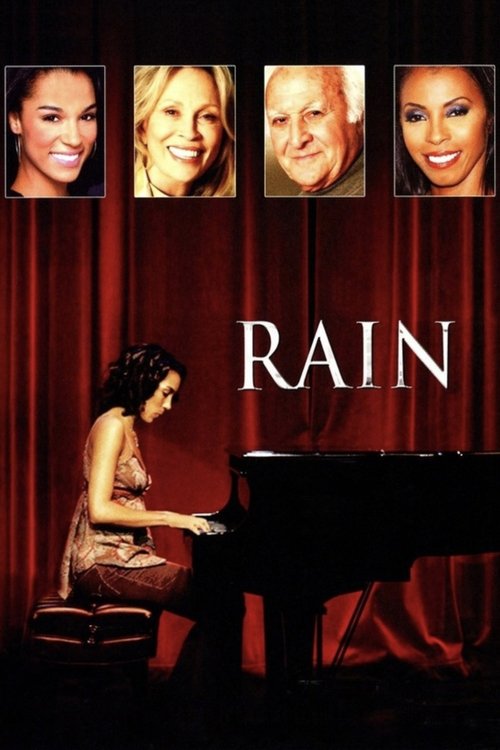
Rain(2006)
Isabel Hudson
Film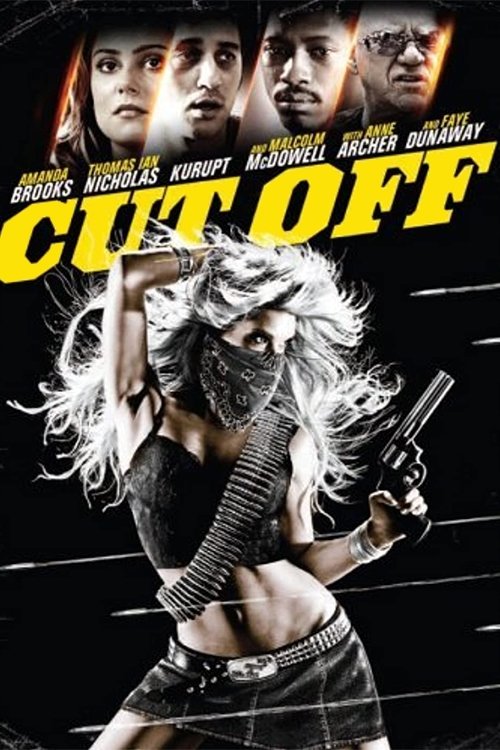
Cut Off(2006)
Marilyn Burton
Film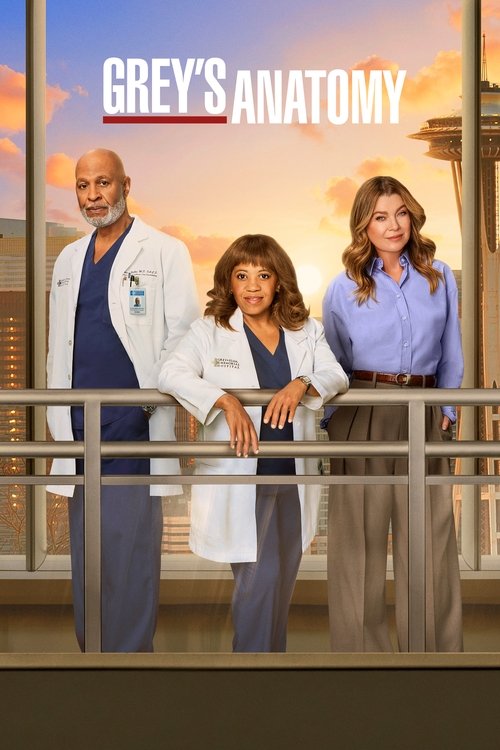
Grey's Anatomy(2005)
Dr. Margaret Campbell (1 Episode)
TV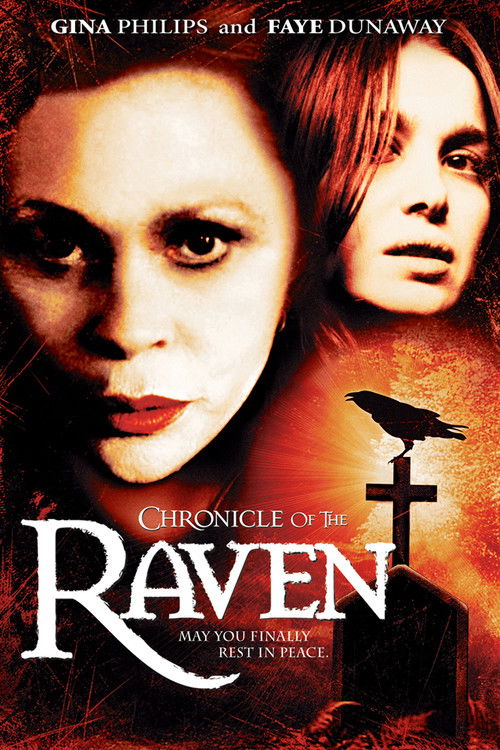
Jennifer's Shadow(2004)
Mary Ellen Cassi
Film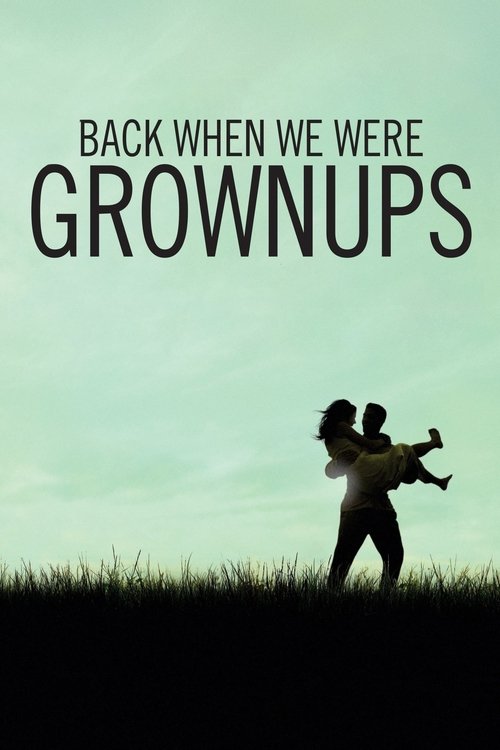
Back When We Were Grownups(2004)
Tina
Film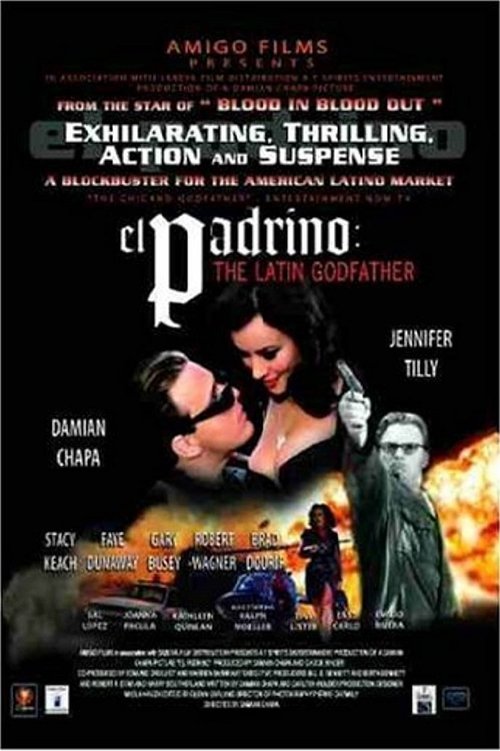
El padrino(2004)
Atty. Gen. Navarro
Film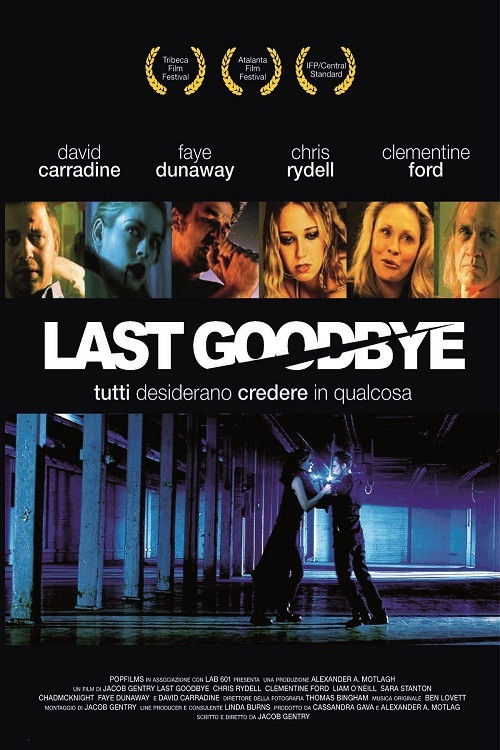
Last Goodbye(2004)
Sean Winston
Film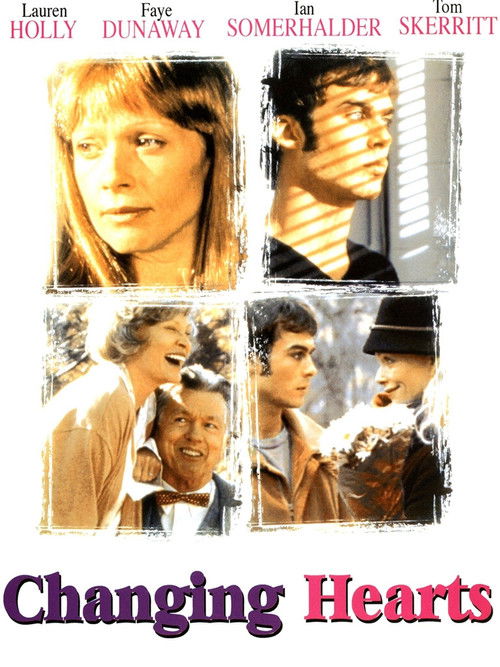
Changing Hearts(2002)
Betty Miller
Film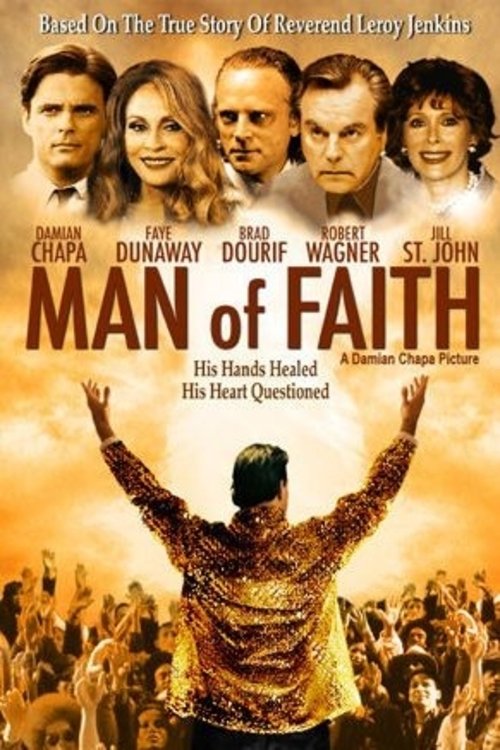
The Calling(2002)
Mae West
Film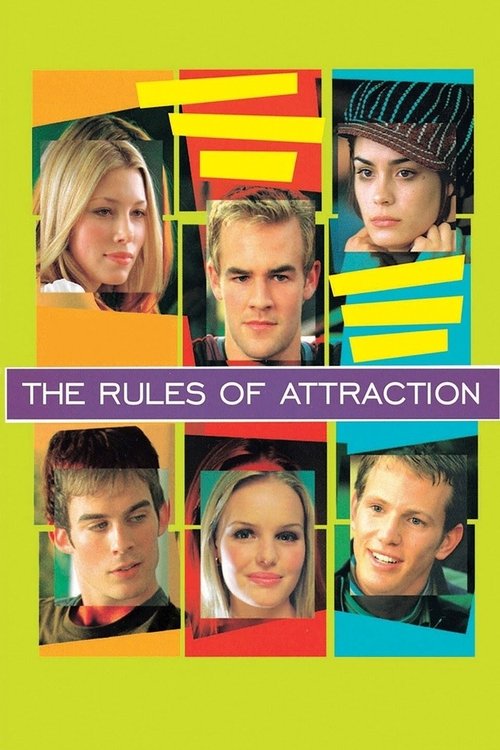
The Rules of Attraction(2002)
Mrs. Denton
Film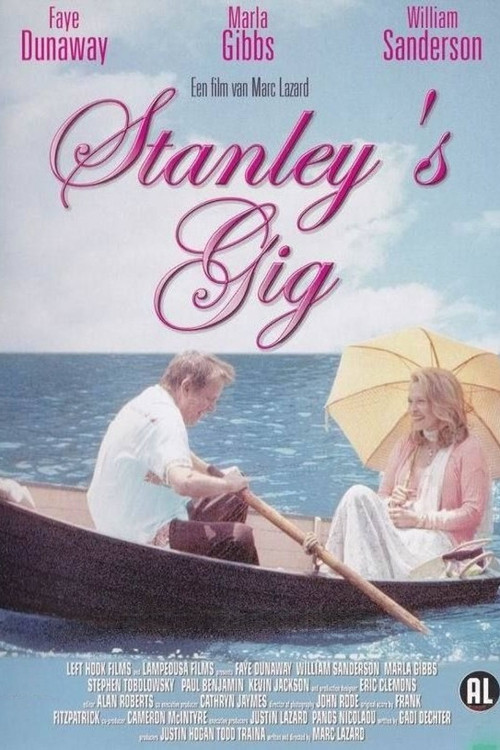
Stanley's Gig(2000)
Leila
Film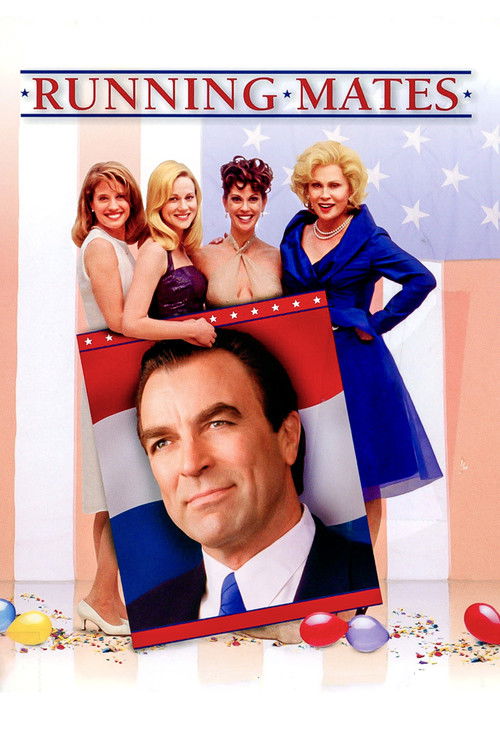
Running Mates(2000)
Meg Gable
Film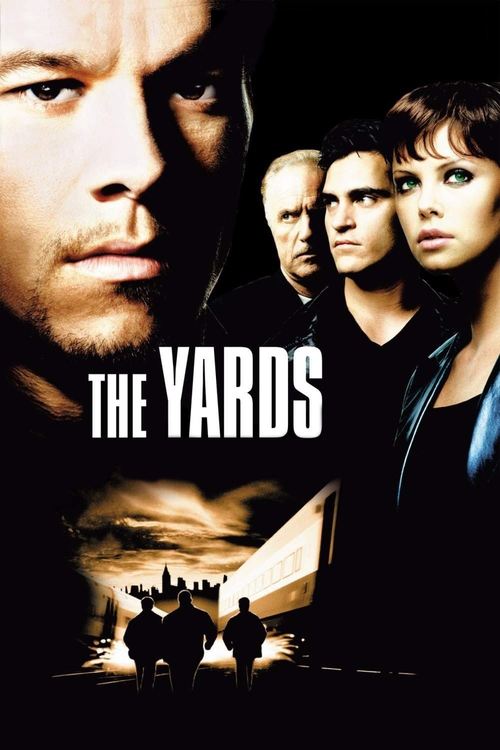
The Yards(2000)
Kitty Olchin
Film
CSI: Crime Scene Investigation(2000)
Lois O'Neill (1 Episode)
TV
Love Lies Bleeding(1999)
Josephine Butler
Film
Editor
1 credit
Other crew
23 credits
Sneaker Wars: Adidas V. Puma(2025)
Crew
TV
Breakdown: 1975(2025)
Crew
Film
Hollywood Black(2024)
Crew
TV
Commitment to Life(2023)
Crew
Film
Remembering Gene Wilder(2023)
Crew
Film
Beau geste(2023)
Crew
TV
The Andy Warhol Diaries(2022)
Crew
TV
Mr. Saturday Night(2021)
Crew
FilmHollywood maudit(2020)
Crew
TV
The Movies(2019)
Crew
TVJeff Lewis Live(2019)
Crew
TVHollywood Insider(2018)
Crew
TVGuten Morgen Österreich(2016)
Crew
TV
Good Morning Britain(2014)
Crew
TV
Talking Pictures(2013)
Crew
TV
The Costumes Are the Sets: The Design of Eiko Ishioka(2007)
Crew
Film
Friday Night with Jonathan Ross(2001)
Crew
TV
Breakfast(2000)
Crew
TV
Extra(1994)
Crew
TV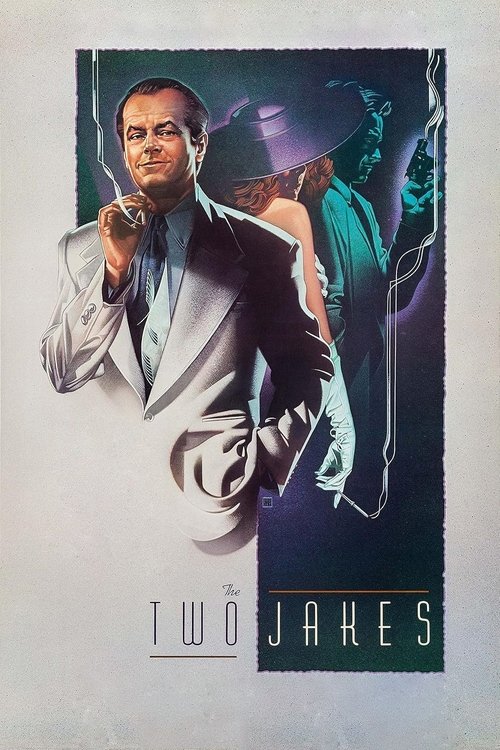
The Two Jakes(1990)
Crew
Film
LIVE with Kelly and Mark(1988)
Crew
TVCinema 3(1984)
Crew
TV
Today(1952)
Crew
TVP
Awards & Nominations
4 wins · 9 nominationsPrimetime Emmy Award
- Won1994Outstanding Guest Actress in a Drama Series
Golden Raspberry Award
- Nom1985Worst Actress
- Nom1984Worst Actress
- Nom1982Worst Actress
- Nom1981Worst Actress
Academy Award
- Nom1977Best Actress
- Nom1975Best Actress
- Nom1968Best Actress
More awards & festivals (5) — regional academies & film-festival prizes
Academy Awards
- Won1976Oscar — Actress in a Leading Role
- Nom1974Oscar — Actress in a Leading Role
- Nom1967Oscar — Actress in a Leading Role
Hasty Pudding Woman Of The Year
- Won1974Hasty Pudding Woman of the Year
Theatre World Award
- Won1966Theatre World Award
Originals
Streaming originals this person worked on.
Memorable quotes
Browse all →No quotes logged for Faye Dunaway yet — add the first memorable line below.
Got a quote we’re missing?
Submit a line from any film, show, or game.
Additional credits12Show
Non-headline appearances — talk-show, awards-show, panel, and archive-footage credits, kept separate from the main filmography.
- FayeSelf - Actor · 2024
- And the Winners Are!Self · 2019
- Robert Redford: The Golden LookSelf · 2019
- Becoming IconicSelf · 2018
- Warren Beatty - Mister HollywoodSelf · 2015
- Revolution! The Making of 'Bonnie and Clyde'Self · 2008
- The StarletSelf - Judge · 2005
- The Entertainment BizSelf (1 Episode) · 1998
- Helmut Newton: Frames from the EdgeSelf · 1989
- Supergirl: The Making of the MovieSelf · 1985
- Friday PeopleSelf · 1985
- Lionpower from MGMSelf - Jennifer Winslow (archive footage) (uncredited) · 1967
Edit history
Loading edit history…
Comments (0)
on Faye DunawayNo comments yet. Be the first to share what you think.