
Person · Composer
Franz Waxman
The German emigre who won back-to-back Oscars and gave the movies some of their most electric music, from the crackling laboratory of Frankenstein to the faded glamour of Sunset Boulevard (1906-1967).
- Also:
- Music Department
- Actor
In short · Composed for 10 decades — 152 credits, 2 Academy Award wins.
Remembered for
Ranked by community engagement + sustained interest across this person's credits in our database.
Recent & in release
- Award win
Academy Awards — Oscar — Music (original Score)
- Award win
Academy Awards — Oscar — Music (original Score)
Help complete this page
We’re missing birthplace, birth date. Sign in to add what you know.
Biography
Born Franz Wachsmann in Konigshutte, in Upper Silesia, he defied a father who wanted him in banking, working as a bank teller by day while studying music at night. In Weimar Berlin he arranged for jazz bands and orchestrated Friedrich Hollaender's score for The Blue Angel, launching a film career that a Nazi-era beating on a Berlin street abruptly ended; he fled, via Paris, to Hollywood in 1934.
At Universal he made an immediate mark with Bride of Frankenstein in 1935, whose jagged, feverish music helped define the sound of horror. Moving to MGM and then Warner Bros., he proved endlessly versatile, scoring Captains Courageous, Rebecca and Suspicion for Hitchcock, and the sardonic, unforgettable music for Sunset Boulevard. He achieved something no composer had done before: winning the Academy Award two years running, for Sunset Boulevard and A Place in the Sun, the latter's smoky, saxophone-laced score a landmark in dramatic film music.
His range was extraordinary - the swashbuckling Prince Valiant, the shimmering Rear Window, the tender Peyton Place, and the show-stopping Carmen Fantasie, a concert violin piece drawn from his score for Humoresque that became a virtuoso staple. Deeply serious about music beyond the studio, in 1947 he founded the Los Angeles Music Festival, which he conducted for two decades, championing new works and premiering pieces by Stravinsky, Schoenberg, and others. Late in his career he turned to weightier statements, including the song cycle The Song of Terezin, memorializing the children of the Holocaust. He died of cancer in Los Angeles in 1967, at sixty, respected as one of the most sophisticated and adventurous musicians the studio system ever employed.
Filmography · 151 of 151
A platform appears here when one of these titles streams on it. Click to filter — pick several to combine.
Composer
151 credits
Screenwriter John Michael Hayes on 'Rear Window'(2001)
Composer
Film
'Rear Window' Ethics: Remembering and Restoring a Hitchcock Classic(2001)
Composer
Film
The Longest Hundred Miles(1967)
Composer
Film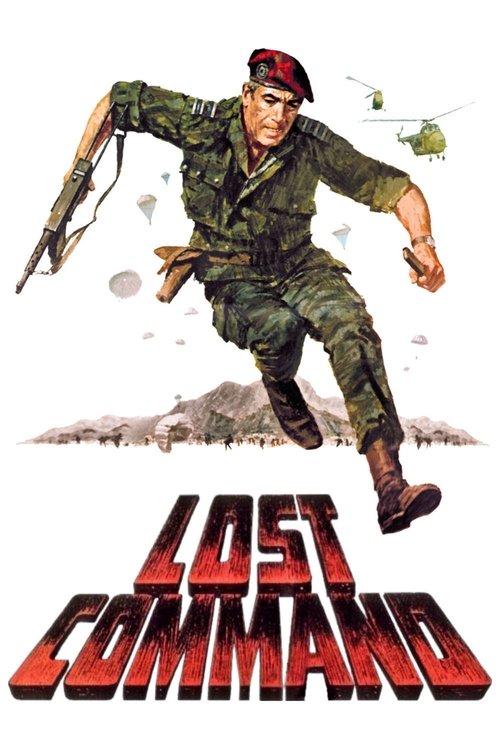
Lost Command(1966)
Composer
Film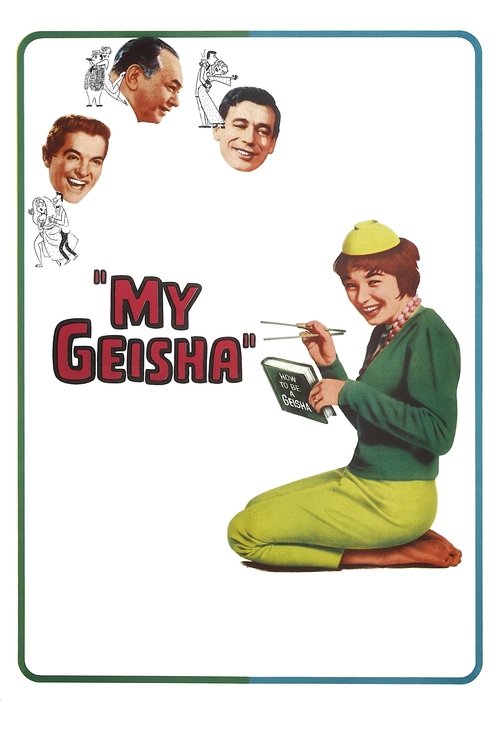
My Geisha(1962)
Composer
Film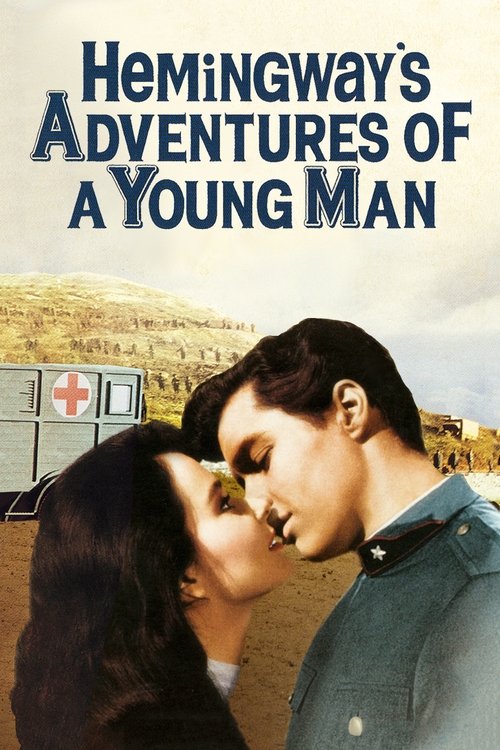
Hemingway's Adventures of a Young Man(1962)
Composer
Film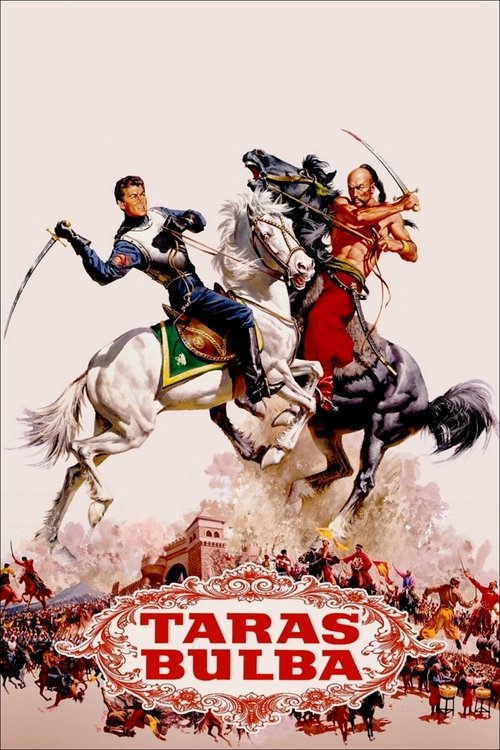
Taras Bulba(1962)
Composer
Film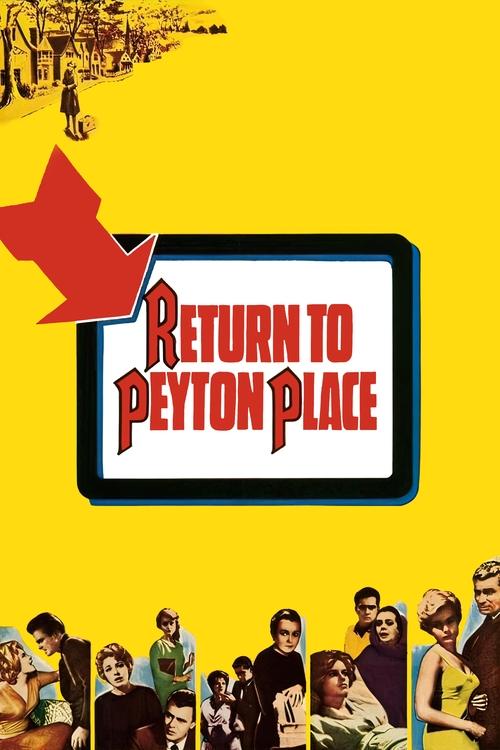
Return to Peyton Place(1961)
Composer
Film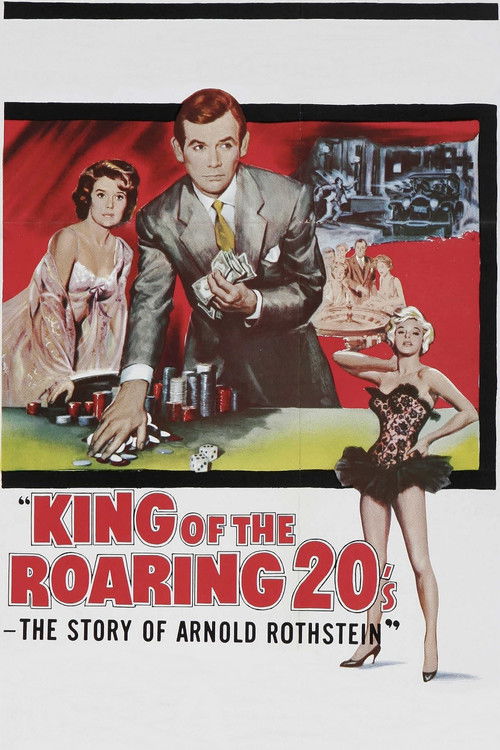
King of the Roaring 20's: The Story of Arnold Rothstein(1961)
Composer
Film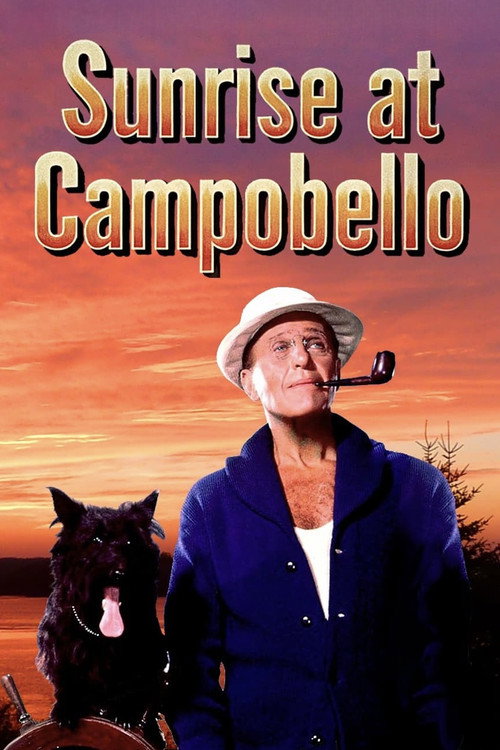
Sunrise at Campobello(1960)
Composer
Film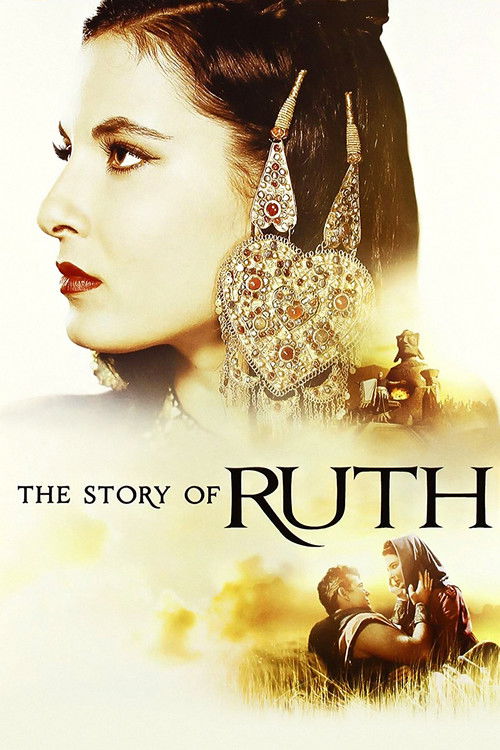
The Story of Ruth(1960)
Composer
Film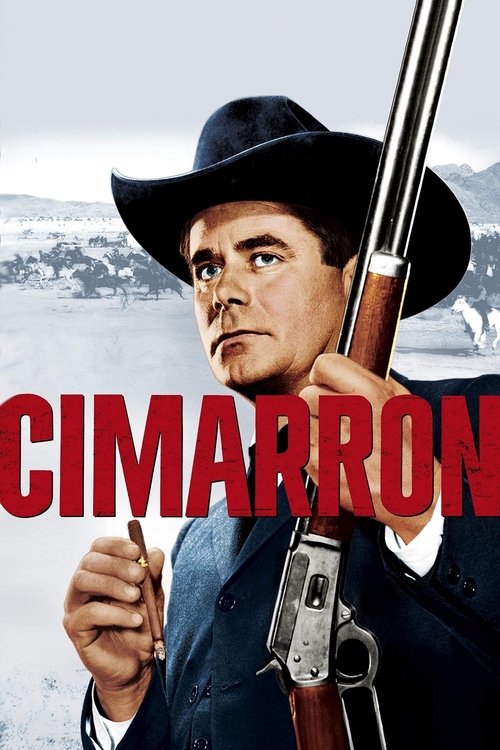
Cimarron(1960)
Composer
Film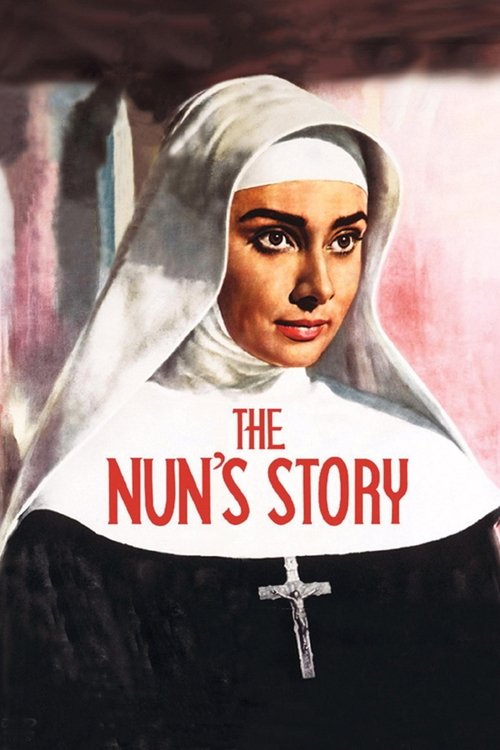
The Nun's Story(1959)
Composer
Film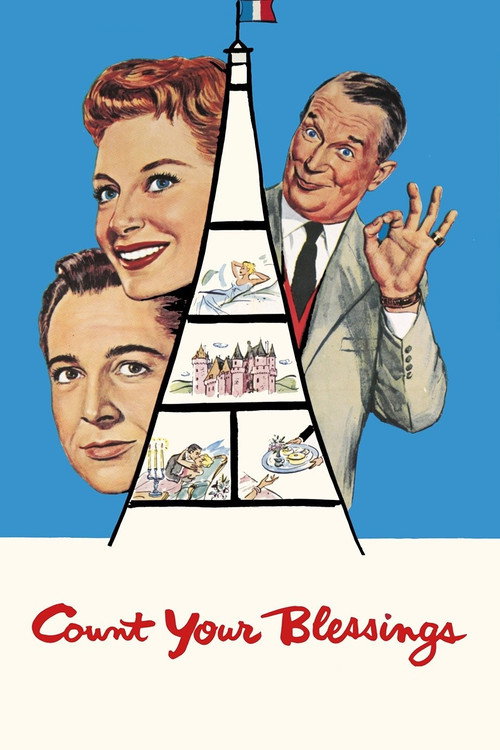
Count Your Blessings(1959)
Composer
Film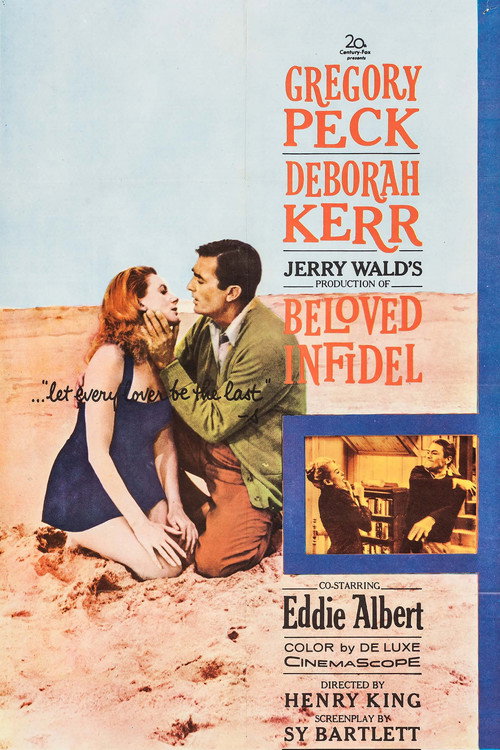
Beloved Infidel(1959)
Composer
Film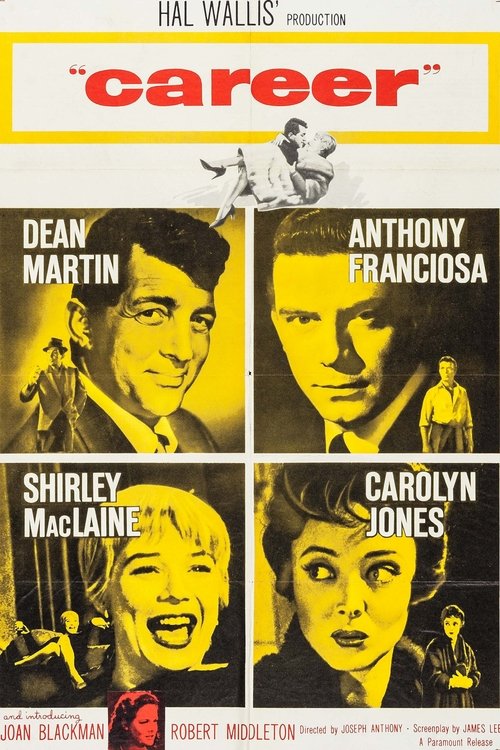
Career(1959)
Composer
Film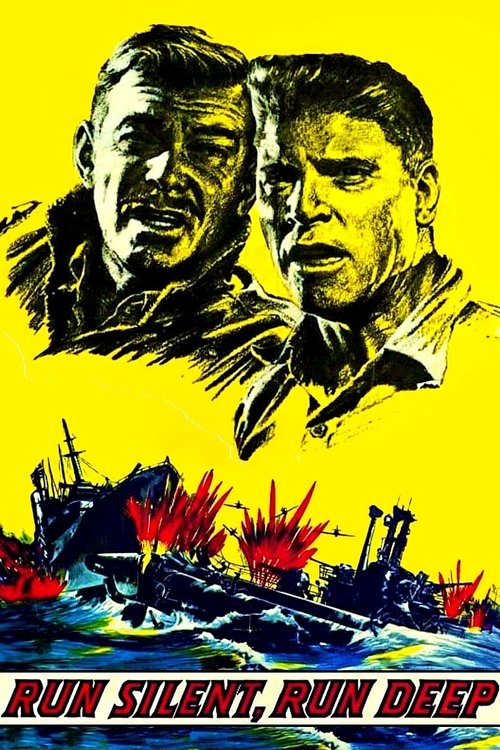
Run Silent Run Deep(1958)
Composer
Film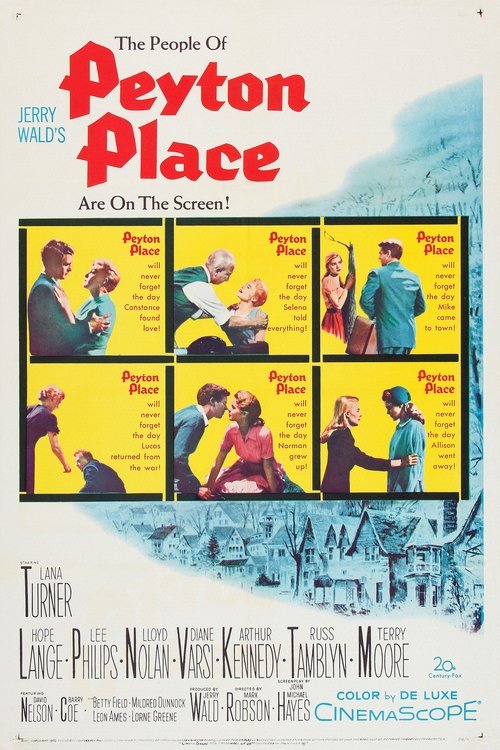
Peyton Place(1957)
Composer
Film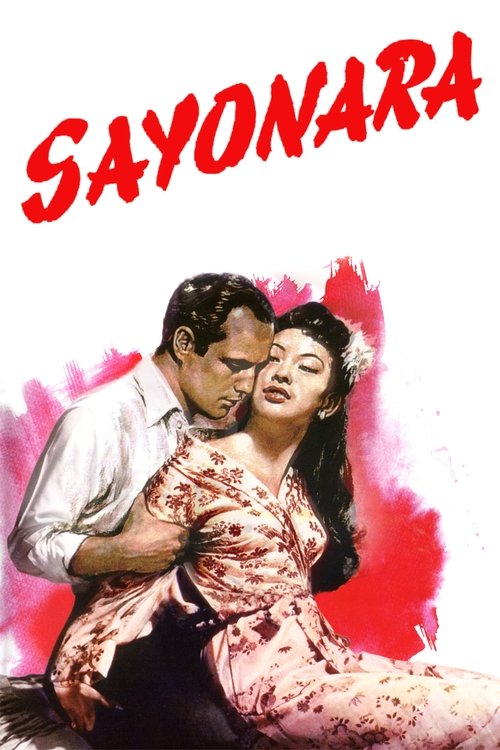
Sayonara(1957)
Composer
Film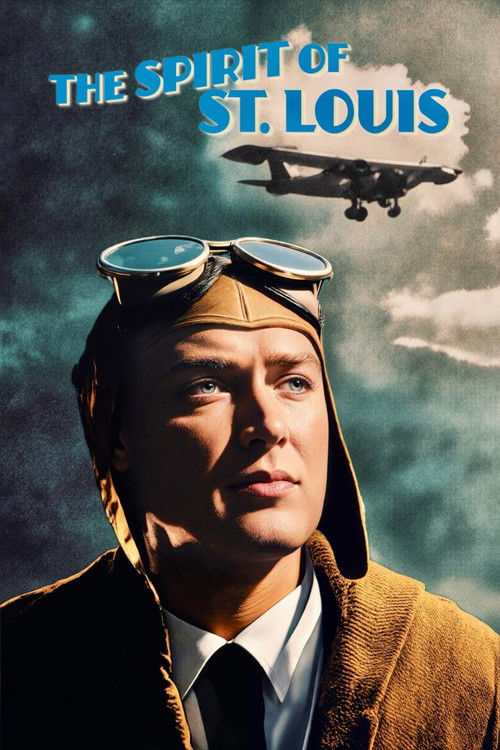
The Spirit of St. Louis(1957)
Composer
Film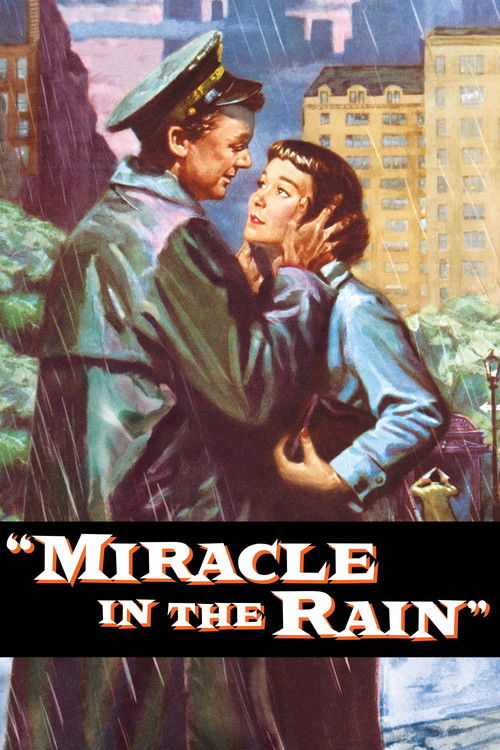
Miracle in the Rain(1956)
Composer
Film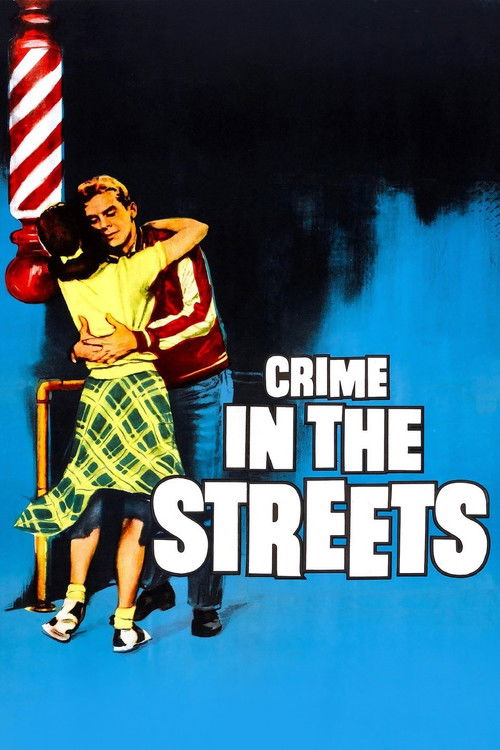
Crime in the Streets(1956)
Composer
Film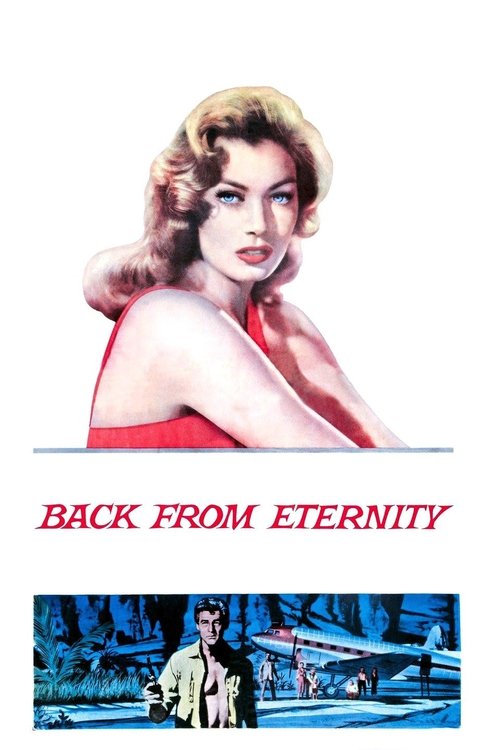
Back from Eternity(1956)
Composer
Film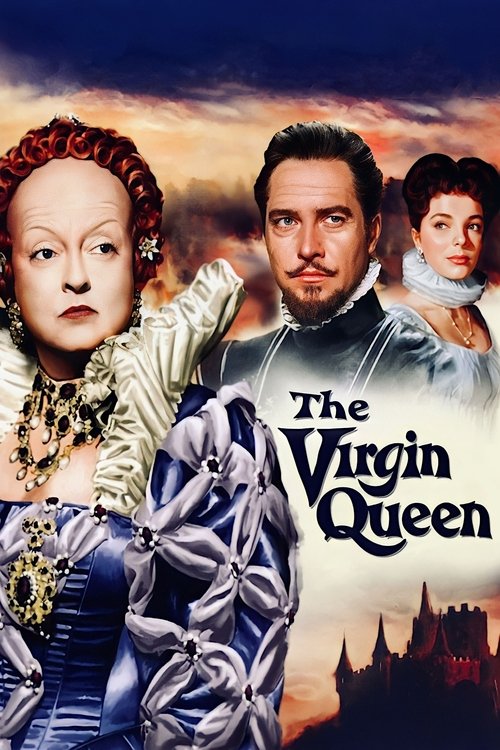
The Virgin Queen(1955)
Composer
Film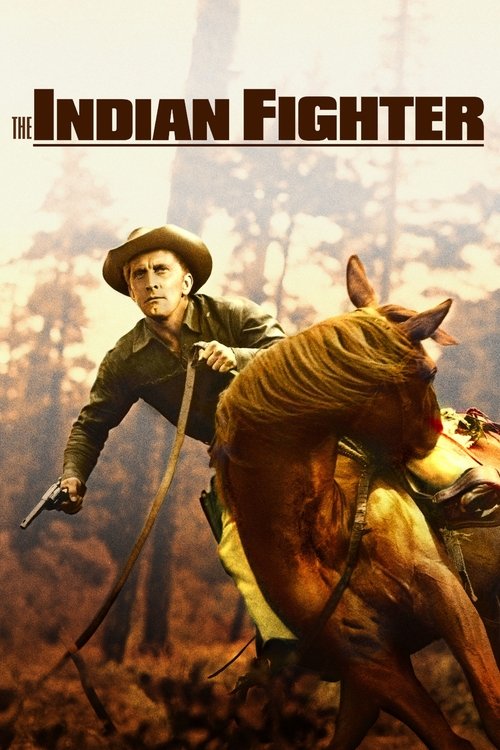
The Indian Fighter(1955)
Composer
Film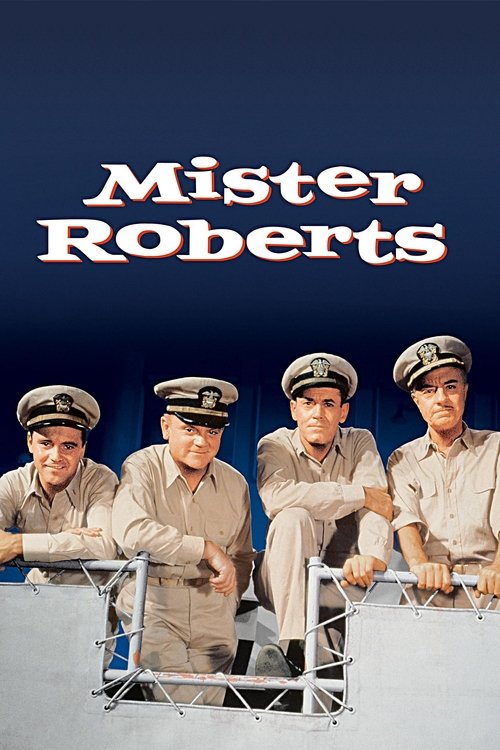
Mister Roberts(1955)
Composer
Film
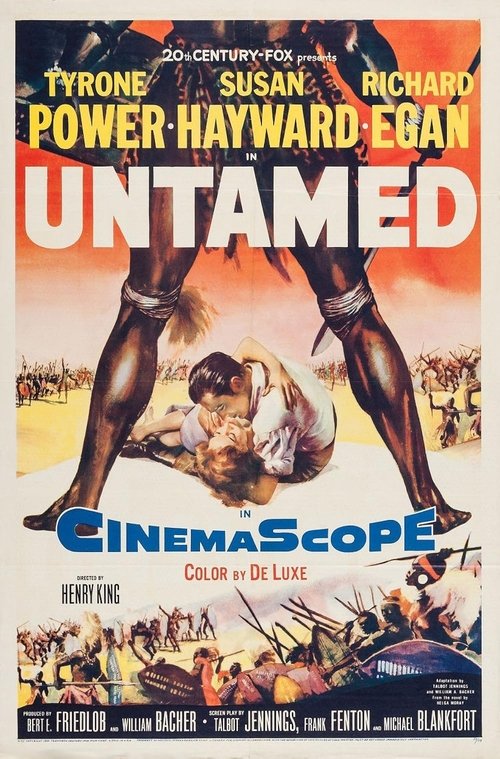
Untamed(1955)
Composer
Film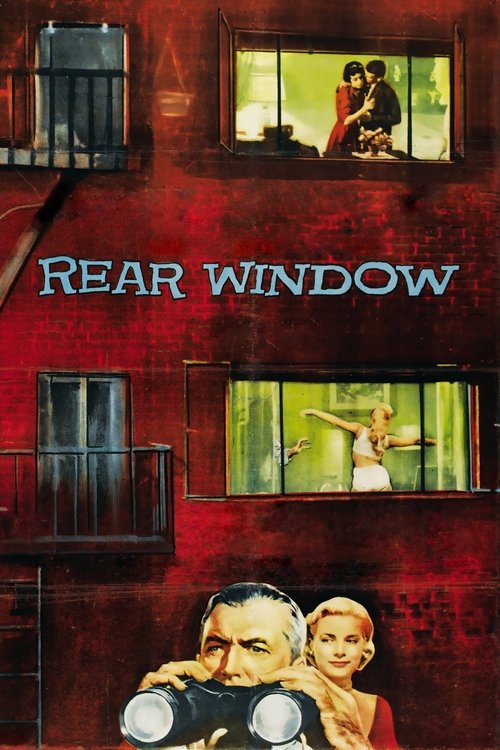
Rear Window(1954)
Composer
Film
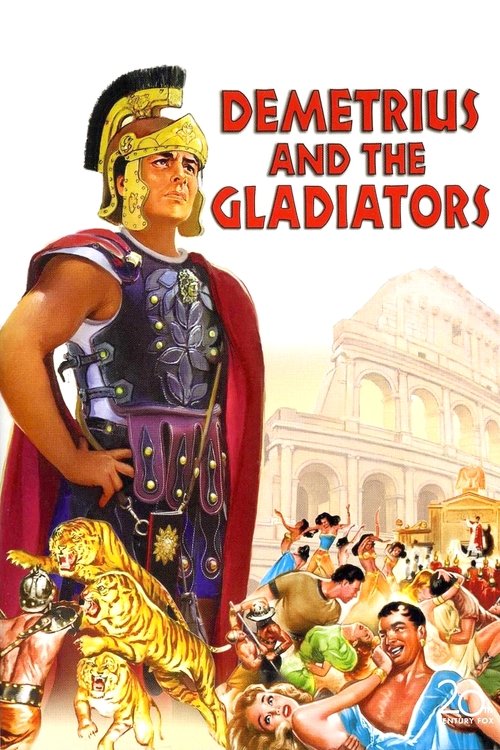
Demetrius and the Gladiators(1954)
Composer
Film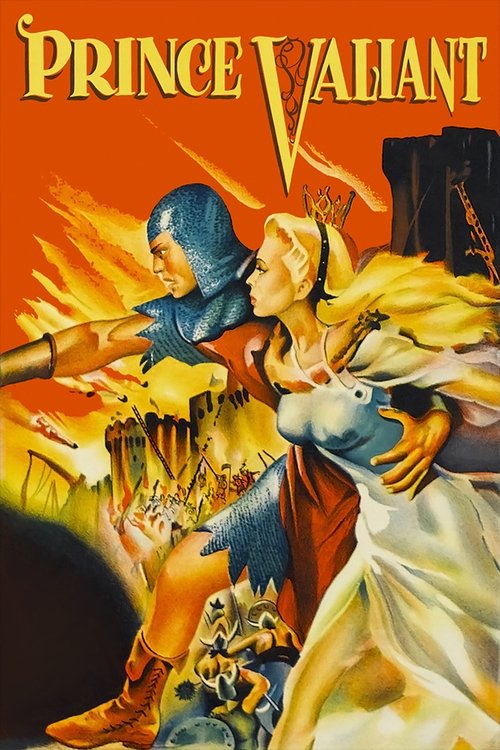
Prince Valiant(1954)
Composer
Film
Awards & Nominations
2 wins · 9 nominationsAcademy Awards
- Nom1962Oscar — Music (original Score)
- Nom1959Oscar — Music (original Score)
- Nom1954Oscar — Music (original Score)
- Won1951Oscar — Music (original Score)
- Won1950Oscar — Music (original Score)
- Nom1946Oscar — Music (original Score)
- Nom1945Oscar — Music (original Score)
- Nom1941Oscar — Music (original Score)
- Nom1940Oscar — Music (original Score)
- Nom1938Oscar — Music (original Score)
- Nom1938Oscar — Music (original Song Score or Adaptation Score)
Memorable quotes
Browse all →No quotes logged for Franz Waxman yet — add the first memorable line below.
Got a quote we’re missing?
Submit a line from any film, show, or game.
Additional credits1Show
Non-headline appearances — talk-show, awards-show, panel, and archive-footage credits, kept separate from the main filmography.
Edit history
Loading edit history…
Comments (0)
on Franz WaxmanNo comments yet. Be the first to share what you think.