
Person · Actor
Harpo Marx
The silent, harp-plucking imp of the Marx Brothers who spoke not a word on screen and became a wordless clown for the ages (1888-1964).
- Also:
- Writer
In short · Acted for eight decades — 18 credits.
Remembered for
Ranked by community engagement + sustained interest across this person's credits in our database.
Help complete this page
We’re missing birthplace, birth date. Sign in to add what you know.
Biography
Adolph Marx, later known as Arthur, was the second of the performing Marx brothers and, in many ways, the strangest and most magical. He left school young and largely educated himself, and while his brother Groucho became the great talker, Arthur, rechristened Harpo, went in the opposite direction entirely: on stage and screen he never spoke a single word.
The silence was born partly of accident and partly of genius. Early in the act he found that his pantomime got bigger laughs than his lines, and so his character became a mute, curly-wigged, trench-coated sprite who communicated through honking horns, whistles, mad chases, and a face capable of every emotion at once. He was pure anarchy given a body, a childlike creature forever chasing blondes, stealing silverware, and producing impossible objects from the depths of his coat. Where Groucho attacked with words, Harpo attacked with sheer physical chaos.
And then, at the center of nearly every film, the chaos would suddenly stop. Harpo would sit down at a harp, an instrument he taught himself to play unconventionally and beautifully, and for a few minutes the clown became a tender, soulful musician. Those interludes gave the Marx pictures an unexpected sweetness and revealed the gentle artist beneath the wild-man mask. In films like "A Night at the Opera" and "Duck Soup," his wordless routines, most famously a mirror sequence in which he mimics Groucho's every move, remain small marvels of physical comedy.
Off screen he was, by all accounts, the warmest and best-loved of the brothers, a beloved figure among the writers and wits of New York's Algonquin Round Table despite, or because of, his professional silence. He built a happy family life far from the tabloid turmoil that engulfed so many of his peers. When he retired he did so contentedly, and he died in 1964 after heart surgery. His mute, harp-playing clown remains one of the most original comic creations the movies ever produced.
Filmography · 16 of 16
A platform appears here when one of these titles streams on it. Click to filter — pick several to combine.
Actor
16 credits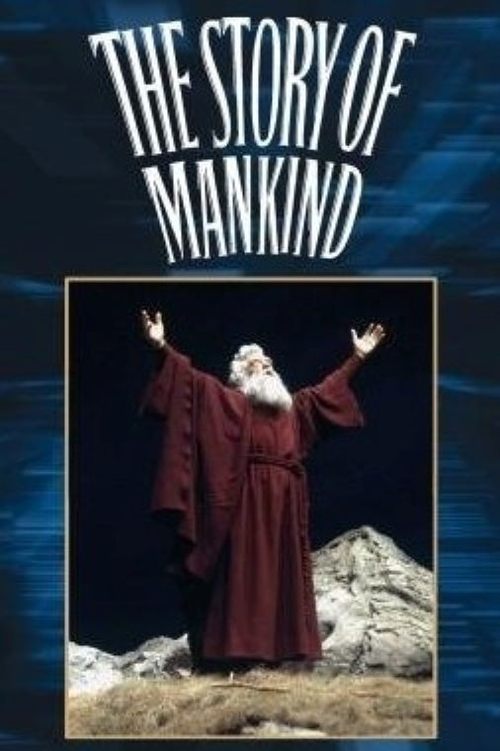
The Story of Mankind(1957)
Sir Isaac Newton
Film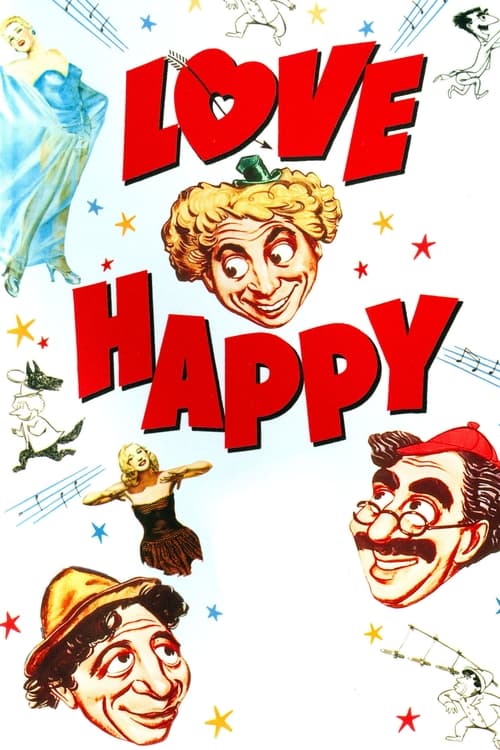
Love Happy(1949)
Harpo
Film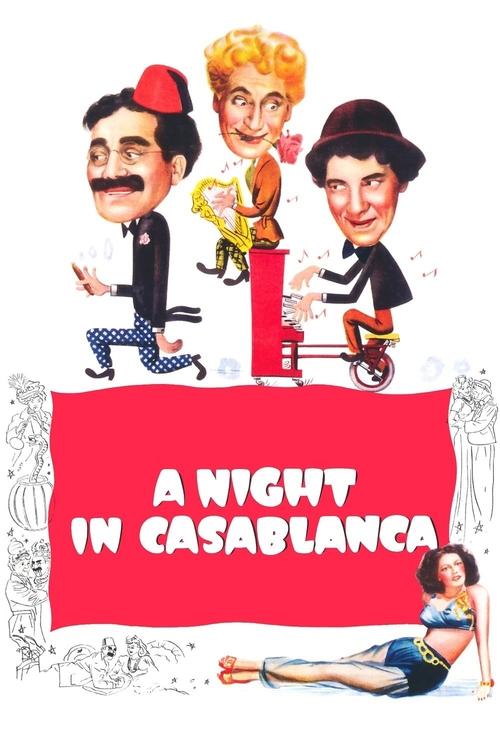
A Night in Casablanca(1946)
Rusty
Film
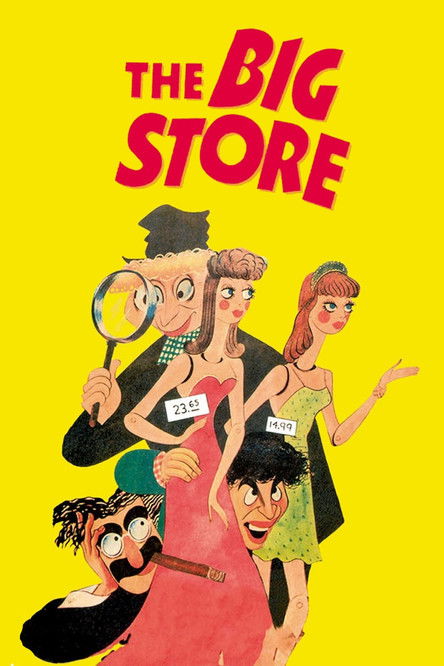
The Big Store(1941)
Wacky
Film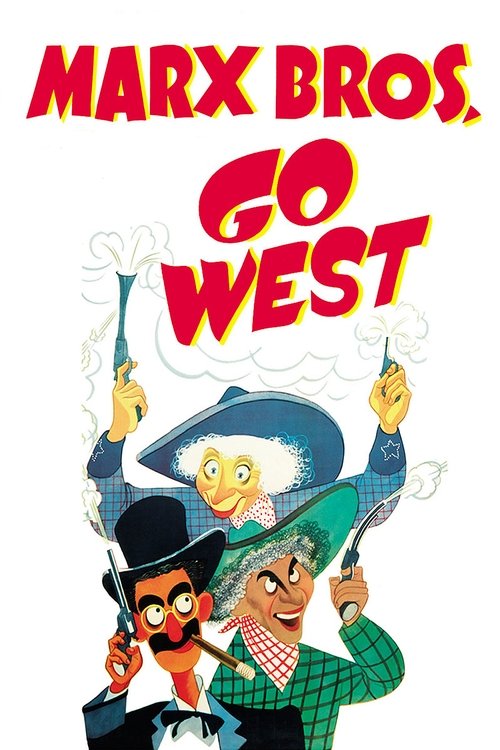
Go West(1940)
'Rusty' Panello
Film
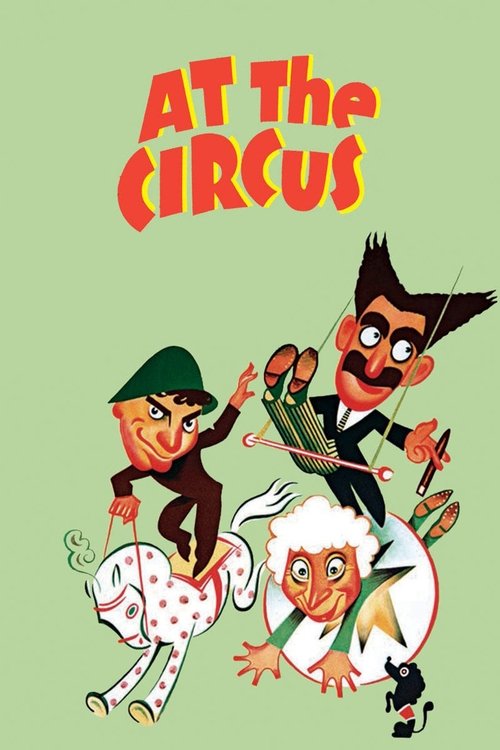
At the Circus(1939)
"Punchy"
Film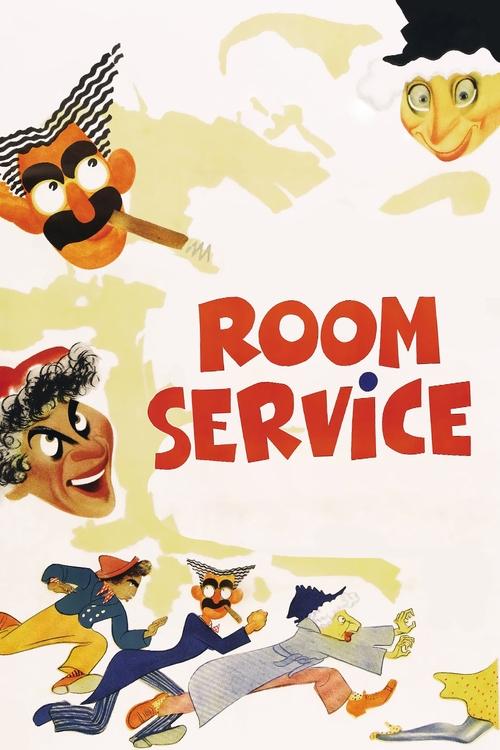
Room Service(1938)
Faker
Film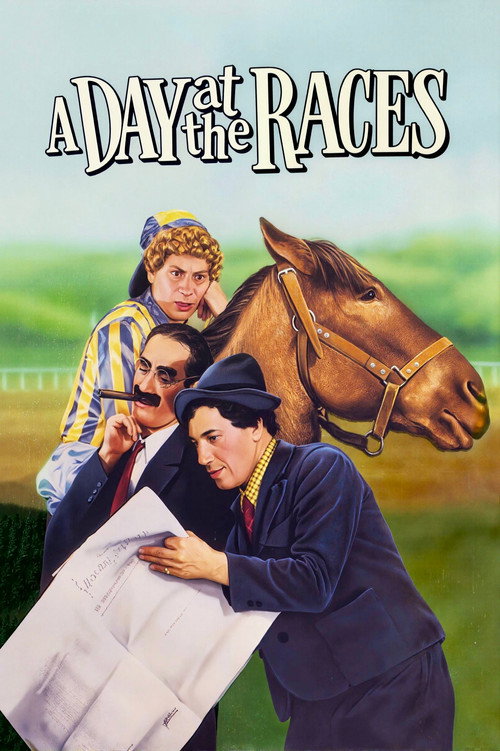
A Day at the Races(1937)
Stuffy
Film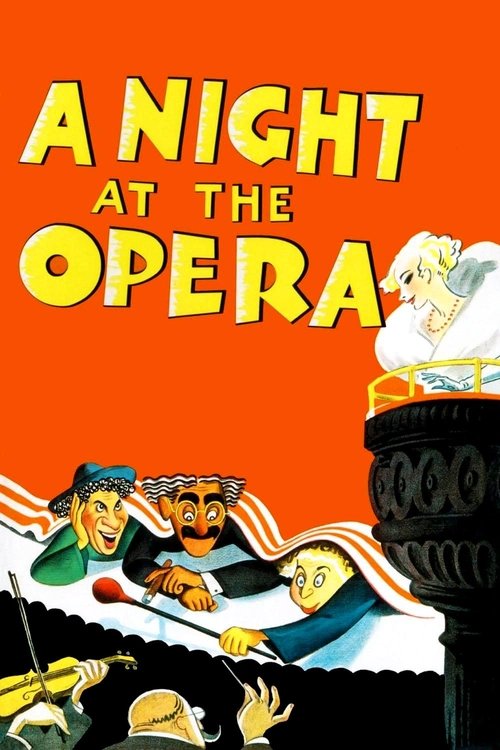
A Night at the Opera(1935)
Tomasso
Film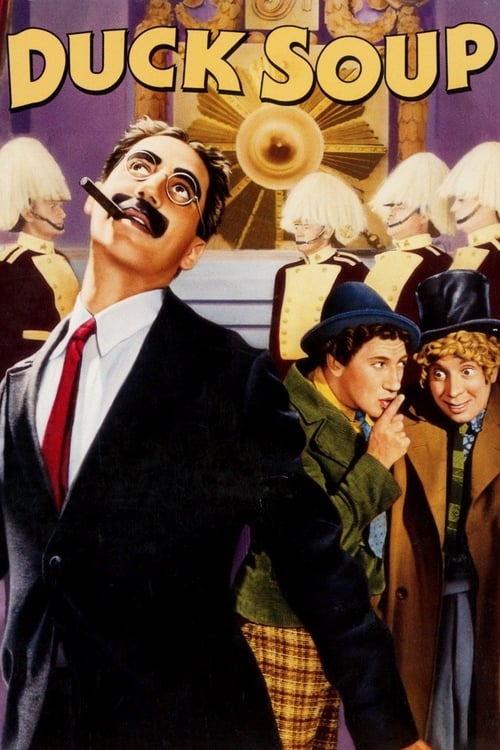
Duck Soup(1933)
Pinky
Film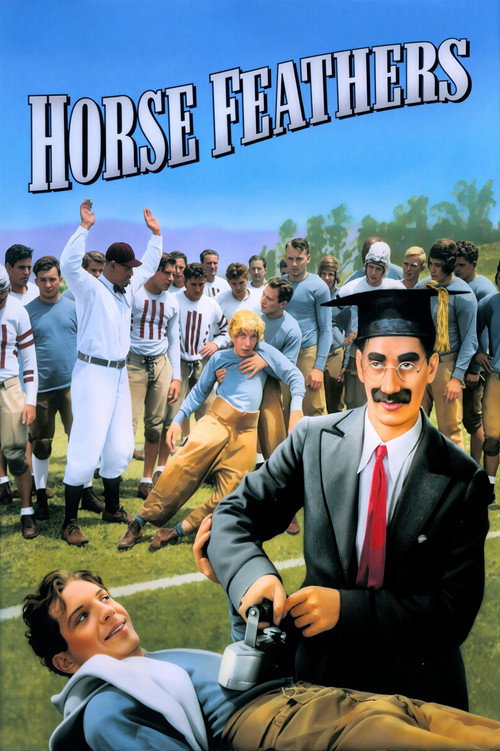
Horse Feathers(1932)
Pinky
Film
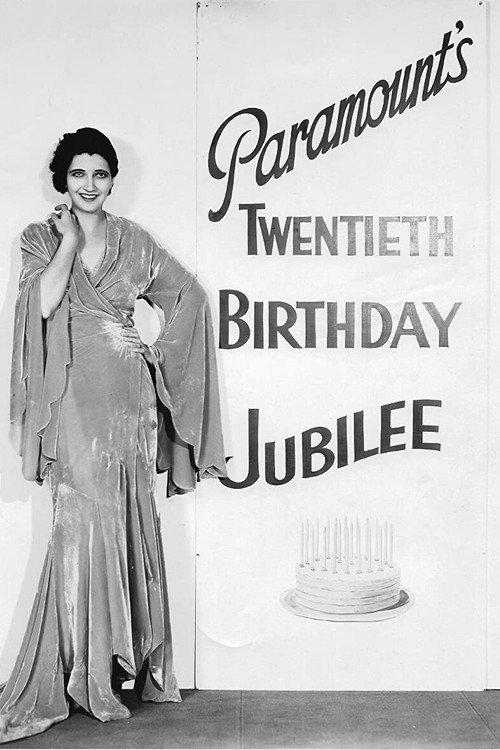
The House That Shadows Built(1931)
The Merchant of Wieners
Film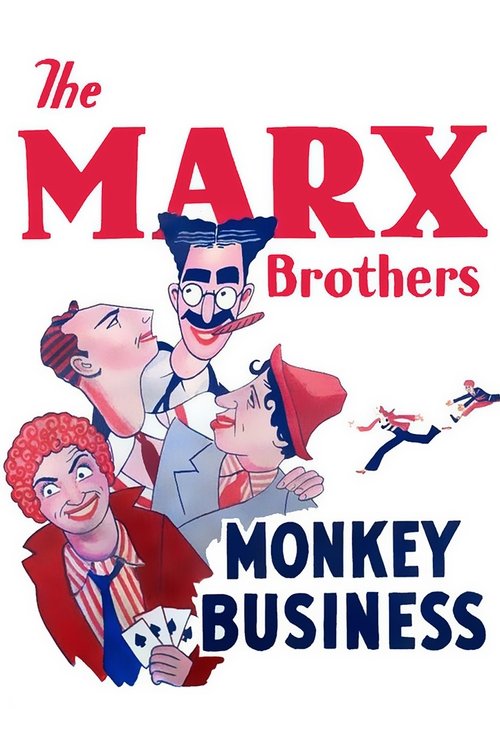
Monkey Business(1931)
Harpo
Film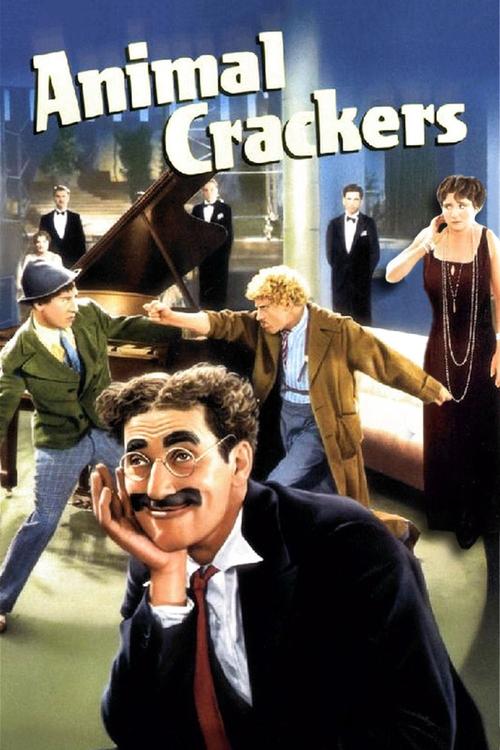
Animal Crackers(1930)
The Professor
Film
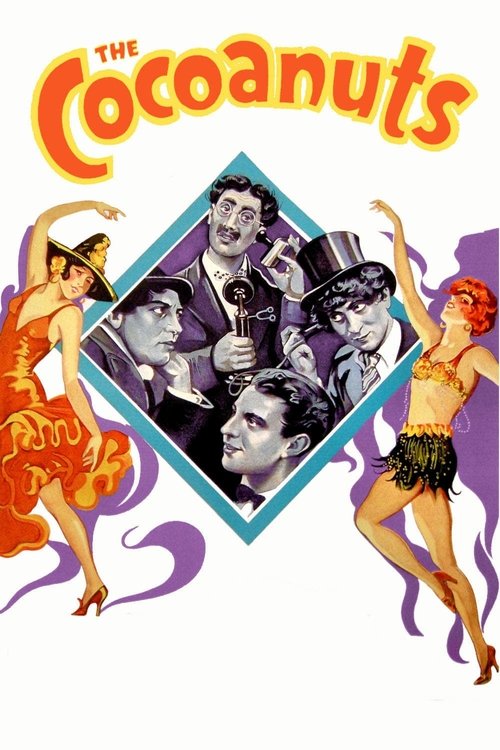
The Cocoanuts(1929)
Harpo
Film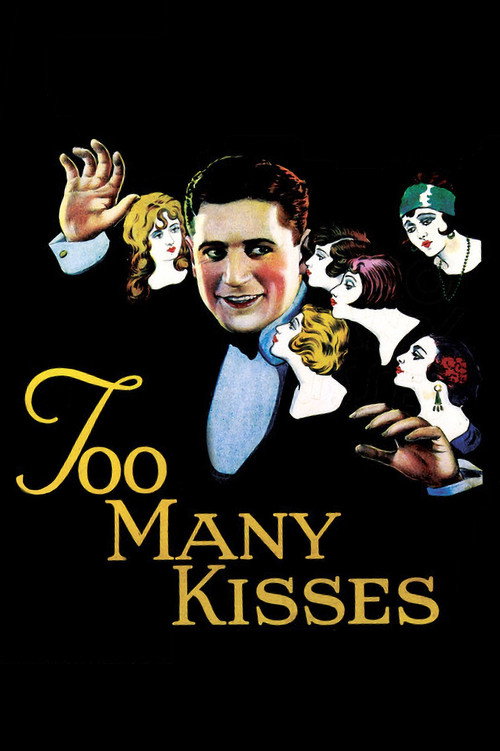
Too Many Kisses(1925)
The Village Peter Pan
Film
Memorable quotes
Browse all →No quotes logged for Harpo Marx yet — add the first memorable line below.
Got a quote we’re missing?
Submit a line from any film, show, or game.
Additional credits2Show
Non-headline appearances — talk-show, awards-show, panel, and archive-footage credits, kept separate from the main filmography.
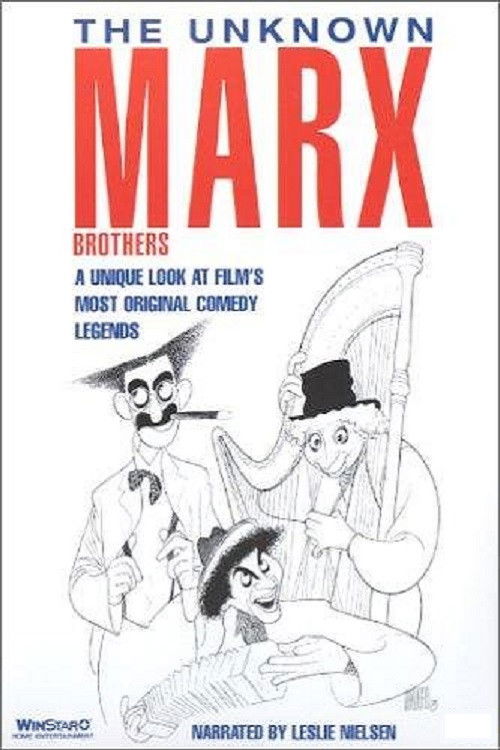
- The Unknown Marx BrothersSelf · 1993
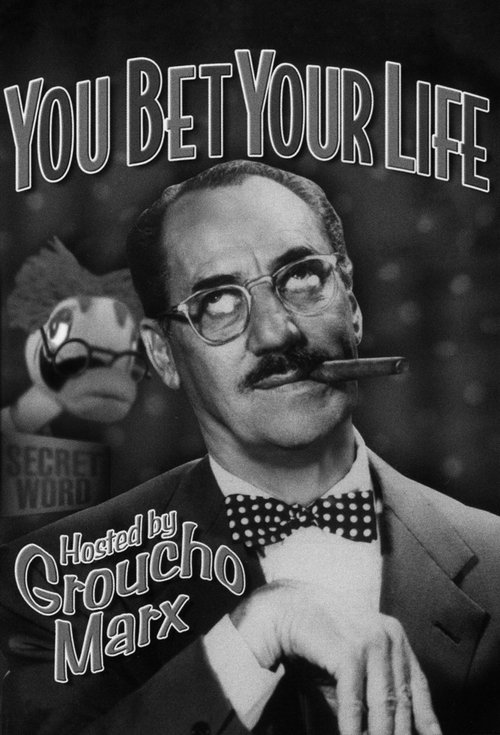
- You Bet Your LifeSelf - Prom Commercial · 1950
Edit history
Loading edit history…
Comments (0)
on Harpo MarxNo comments yet. Be the first to share what you think.