
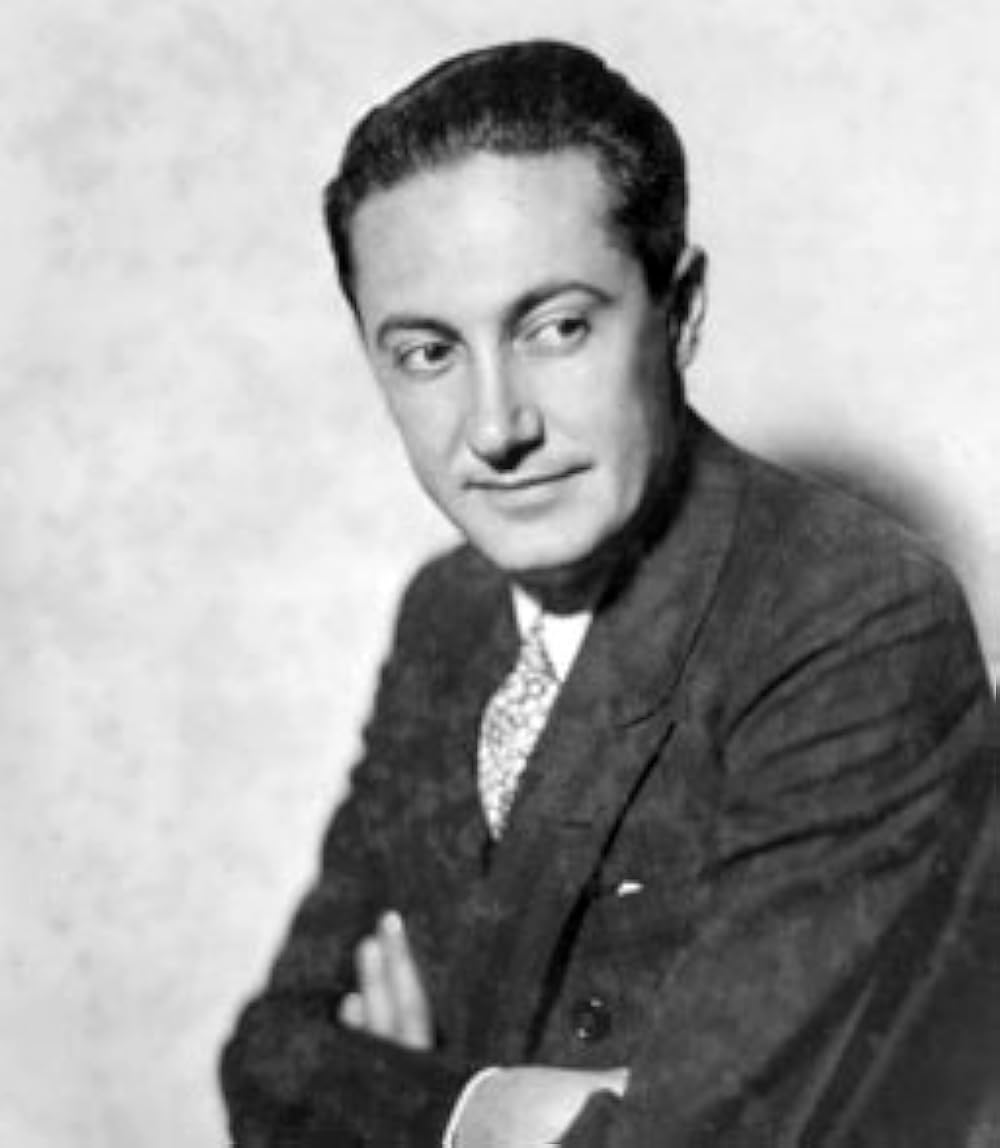
Person · Producer
Irving Thalberg
- Also:
- Writer
In short · Produced for 11 decades — 31 credits, 1 Star On Hollywood Walk Of Fame win.
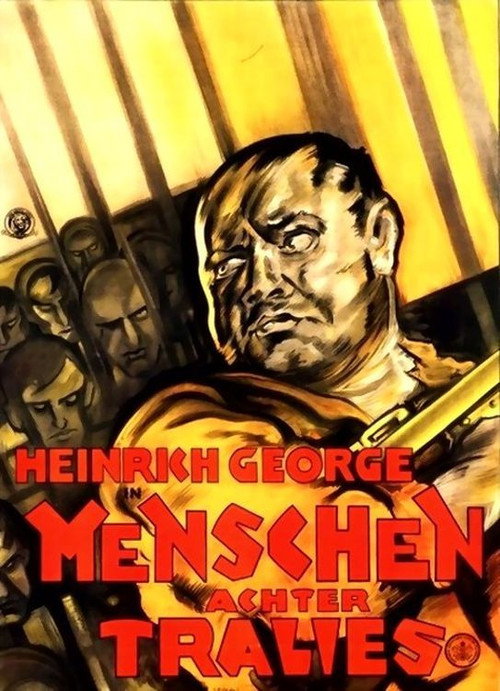
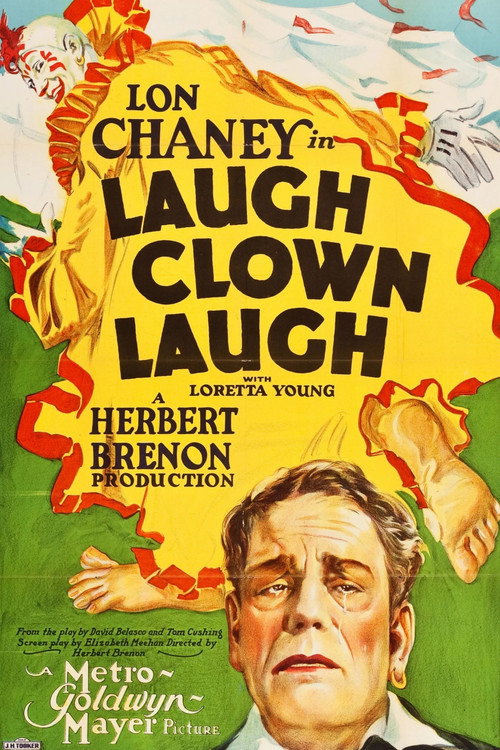
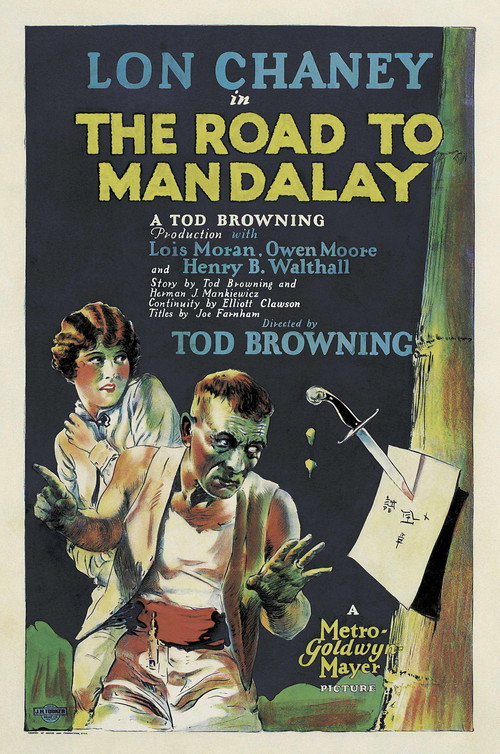
Remembered for
Ranked by community engagement + sustained interest across this person's credits in our database.
Help complete this page
We’re missing one-line descriptor, birth date. Sign in to add what you know.
Biography
Irving Grant Thalberg was born in New York City to Henrietta (Haymann) and William Thalberg, of German Jewish descent. He suffered from a weak heart, a result of rheumatic fever contracted in his teens, and endured various other health issues throughout his life. Despite his intelligence and intellectual curiosity, he believed he would not live past thirty and therefore forwent college. At age 21, he became a high-level executive at Carl Laemmle's Universal Studios, then the largest motion picture studio in the world. After encountering a career stall at Universal—partly due to a failed romance with Laemmle's daughter—Thalberg left to join the relatively unknown Louis B. Mayer Productions, which specialized in profitable but often heavy-handed melodramas. Though Mayer and Thalberg shared a common vision for their company, their approaches to management differed significantly. Mayer was a strategic, long-term planner, capable of operating at the level of a multinational corporation. Thalberg, by contrast, was deeply focused on the creative side of filmmaking, often leaving managerial responsibilities to Mayer. He was modest and refused to take on-screen credit, rejecting the idea of self-credited achievements. Their partnership proved successful, keeping Louis B. Mayer Productions consistently profitable and later expanding into their peak years at Metro-Goldwyn-Mayer (MGM), though it eventually led to a strained relationship.
By 1923, theater mogul Marcus Loew faced a critical issue: he needed a sufficient supply of quality films for his theatrical empire. To address this, he had merged Metro Pictures with his recent acquisition, Goldwyn Pictures, only to discover that the new studio had inherited several problematic projects, including the Italian-based *Ben-Hur: A Tale of the Christ* (1925) and *Greed* (1924), both of which had spiraled out of control. Loew also found that the management team was ineffective. He instructed his attorney to investigate Louis B. Mayer Productions, a studio he had previously visited in Los Angeles. Mayer's studio, located in east Los Angeles, had few tangible assets—most of its equipment was rented. Loew paid a minimal sum for Mayer’s company but offered both Mayer and Thalberg—initially rejecting Thalberg—large salaries and generous profit participation. Answering to New York-based Loew's Inc., Mayer and Thalberg moved into the newly acquired Goldwyn lot in Culver City and, with Loew’s financial backing, began building what would become the most prestigious film studio in Hollywood, quickly surpassing Thalberg’s former employer, Universal.
*Greed* was largely abandoned after a shortened release, as Thalberg recognized that director Erich von Stroheim’s original 7-hour version was unmarketable and had it heavily edited. *Ben-Hur* was recalled and re-shot with a new director. Though the film was a financial burden, it brought prestige to the new company and attracted large audiences. Mayer and Thalberg quickly moved past these inherited problems and began building their dream studio. From 1925 through the mid-1940s, MGM dominated the industry, with no other studio matching its roster of stars, directors, and technicians. Working at MGM was seen as the pinnacle of success, whether in front of or behind the camera. Under Mayer and Thalberg, the studio refined the assembly-line approach to film production, with even their B-pictures outperforming the major studios’ A-pictures. Their commitment to quality made MGM the only major studio to remain profitable throughout the Great Depression (although Columbia, a lesser studio, also managed to stay afloat, it did not achieve major status until after 1934, ironically aided by stars loaned out from MGM).
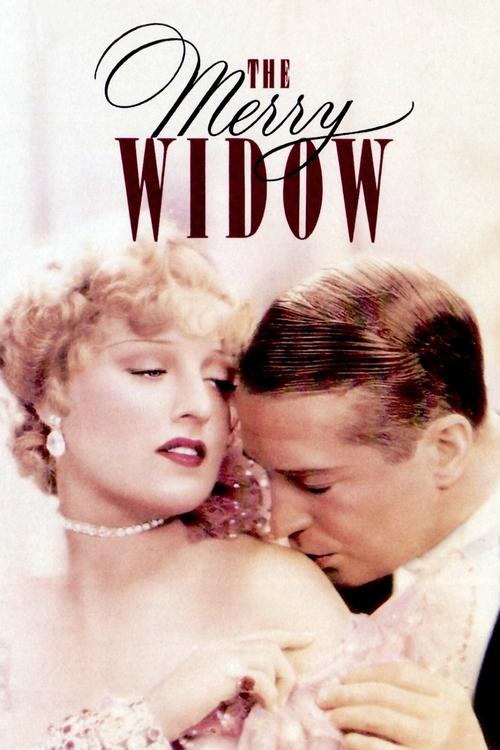
Thalberg, a workaholic, continued to push himself despite his poor health. In his role as production supervisor, he was unafraid of costly retakes or extensive reworking of films after principal photography had wrapped. One notable example was *The Big Parade* (1925), a modest $200,000 WWI drama that Thalberg believed lacked the scale of war. He added epic battle scenes, increasing the budget by $45,000, which transformed the film into MGM’s first major home-grown hit and its biggest success of the silent era, grossing nearly $5 million. He was known for his meticulous management of productions, and few in Hollywood could match his effectiveness. Thalberg fell into a deep depression following the mysterious death of his friend and assistant Paul Bern, with whom he had worked closely on the hit *Grand Hotel* (1932). He requested a one-year sabbatical, but Loew's Inc. head Nicholas Schenck, who had taken over after Marcus Loew’s death in late 1926, responded by offering him an amount exceeding what Mayer himself was scheduled to earn for the year, an action that alienated Mayer and strained their relationship. Though Thalberg remained on the job, he suffered a heart attack after a 1932 Christmas party. Mayer then orchestrated a shift in the production team, recruiting new producers such as David O. Selznick and Walter Wanger to replace him. Thalberg later recuperated in Europe with his wife, Norma Shearer, and returned to MGM in August 1933, resuming his reduced duties as a unit production head. He continued to produce hits, including *The Merry Widow* (1934), *The Barretts of Wimpole Street* (1934), the definitive version of *Mutiny on the Bounty* (1935), and the lavish *Marie Antoinette* (1938), which was
Family & relationships
- Spouse
- Children
- Irving Grant Thalberg Jr.
Filmography · 29 of 29
A platform appears here when one of these titles streams on it. Click to filter — pick several to combine.
Writer
2 creditsProducer
6 credits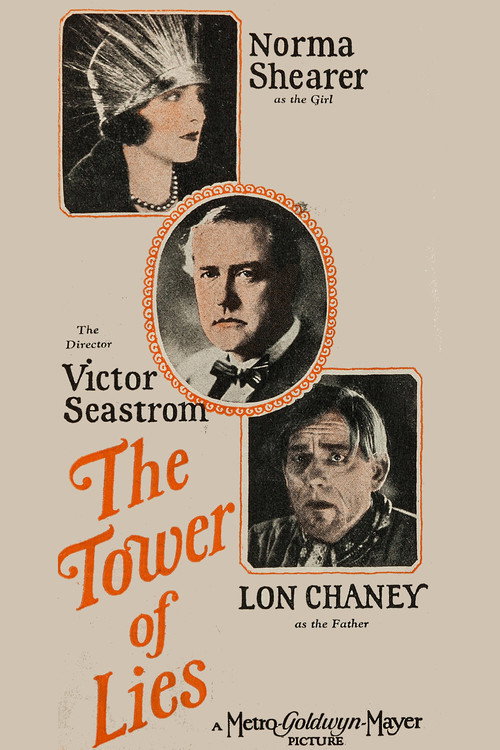
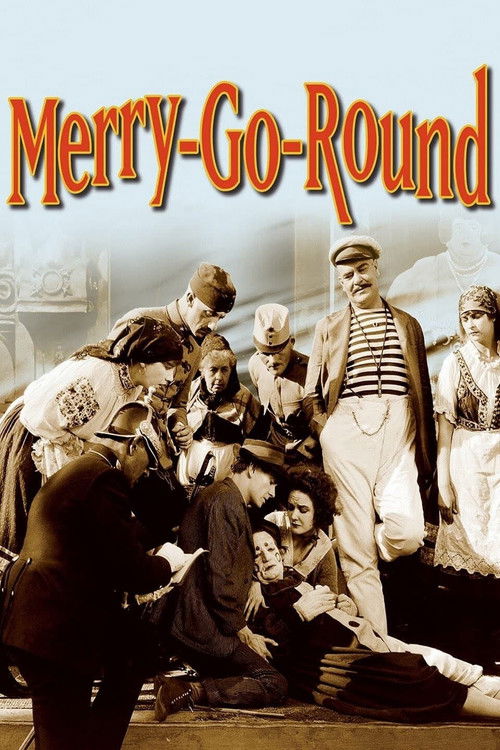
Editor
14 credits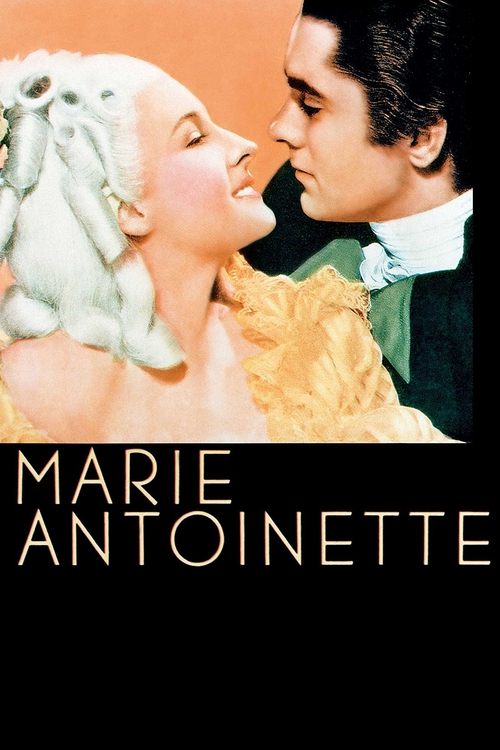
Marie Antoinette(1938)
Credits
Film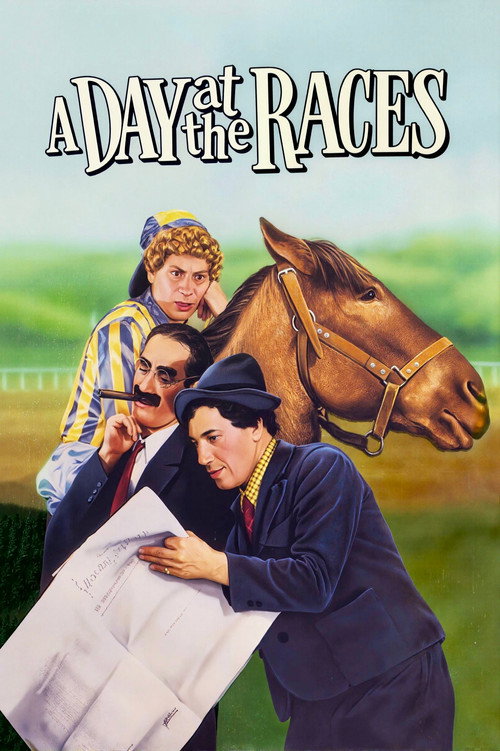
A Day at the Races(1937)
Credits
Film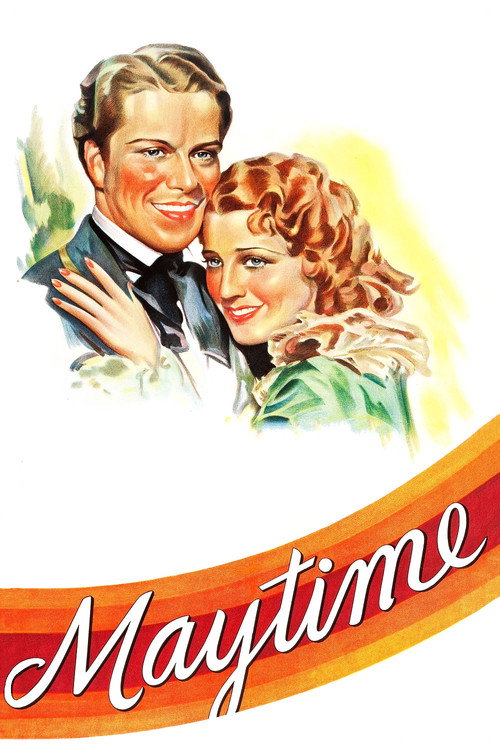
Maytime(1937)
Credits
Film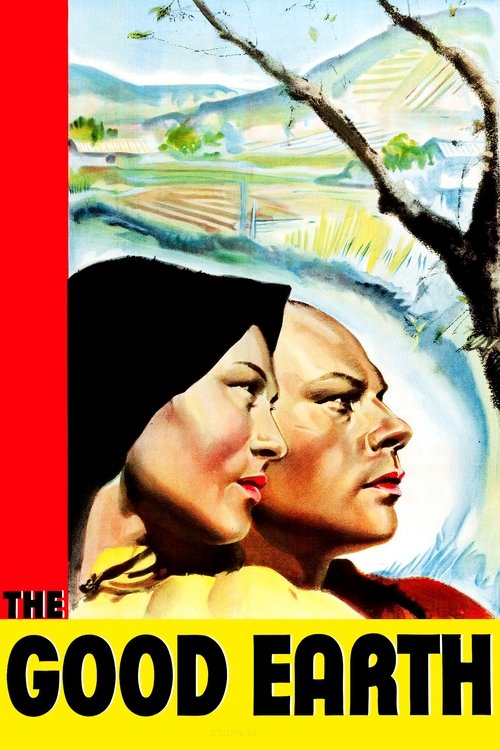
The Good Earth(1937)
Credits
Film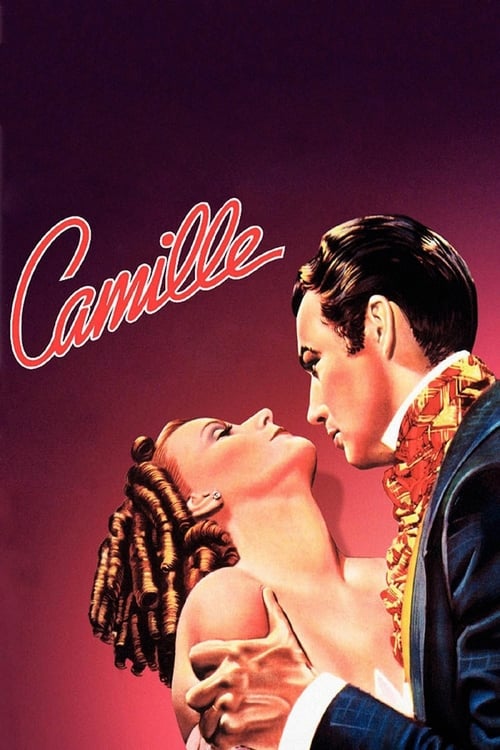
Camille(1936)
Credits
Film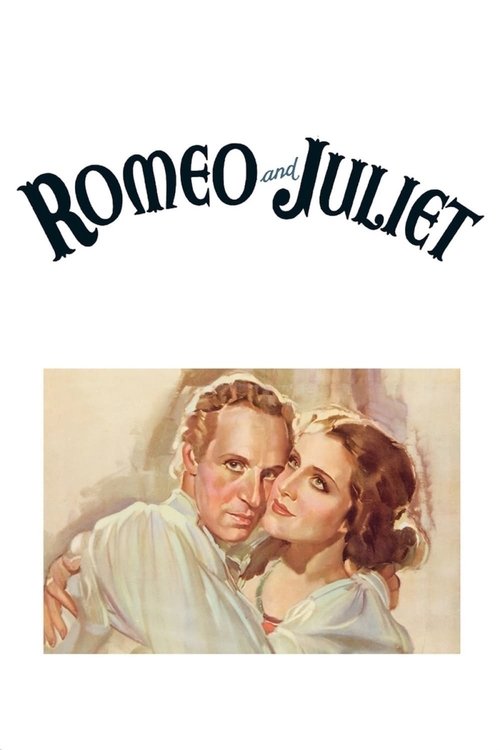
Romeo and Juliet(1936)
Credits
Film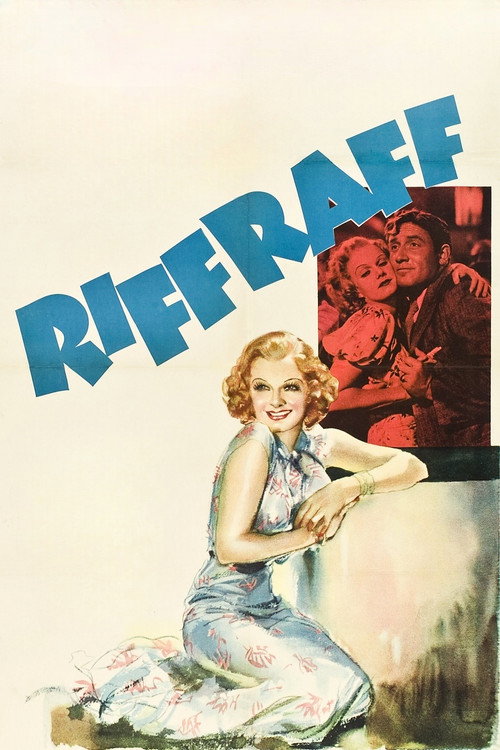
Riffraff(1935)
Credits
Film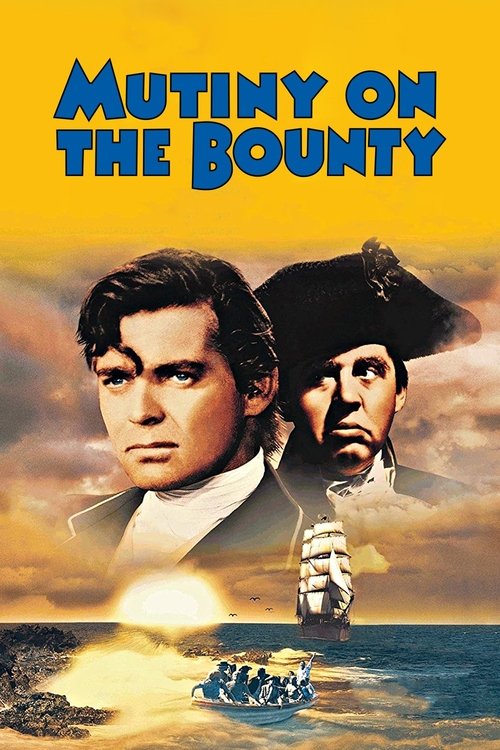
Mutiny on the Bounty(1935)
Credits
Film
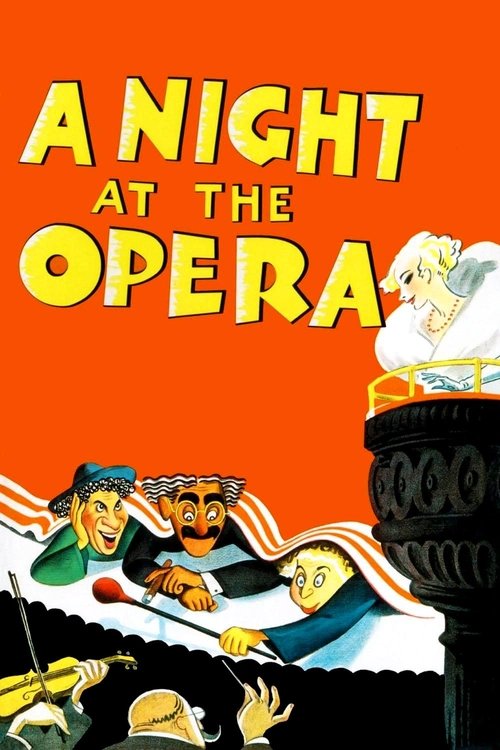
A Night at the Opera(1935)
Credits
Film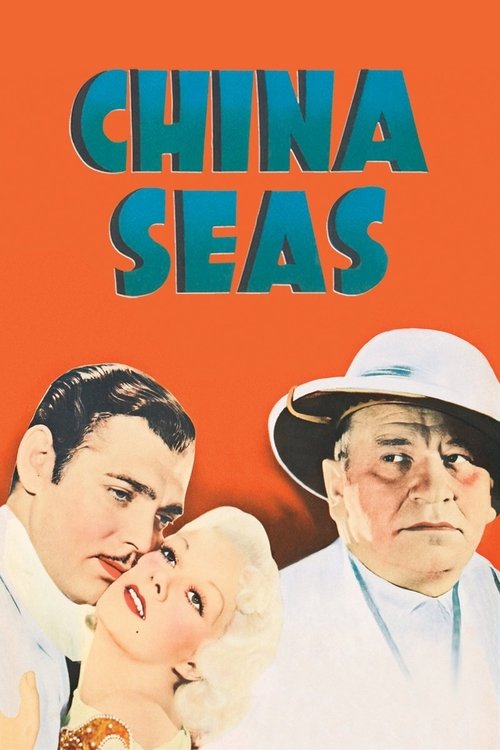
China Seas(1935)
Credits
Film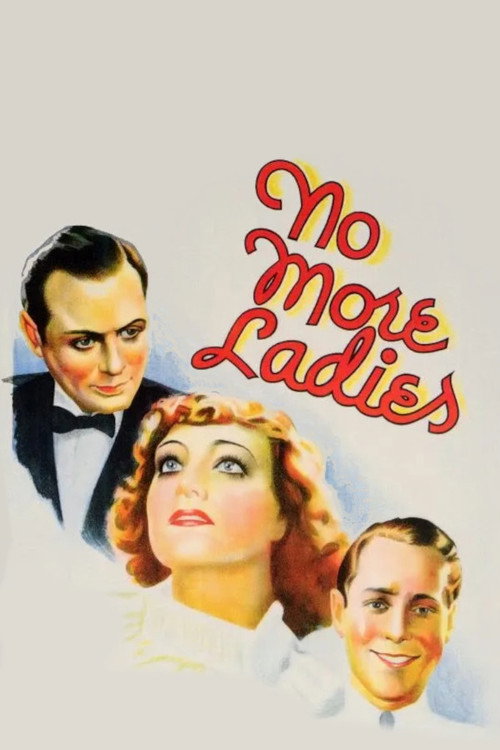
No More Ladies(1935)
Credits
Film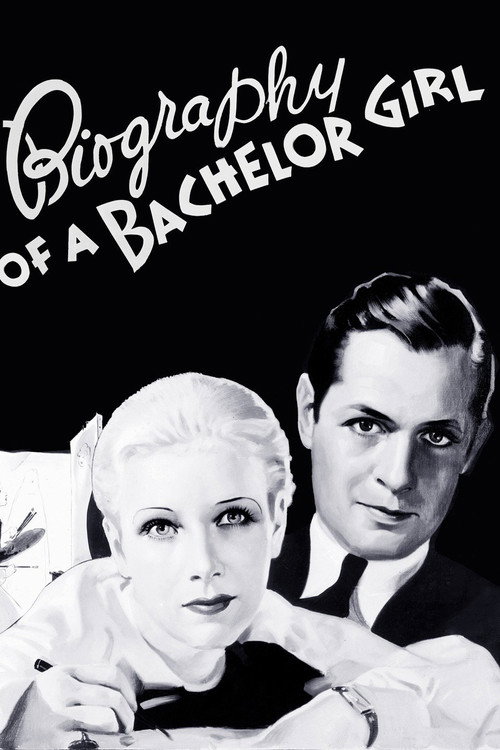
Biography of a Bachelor Girl(1935)
Credits
Film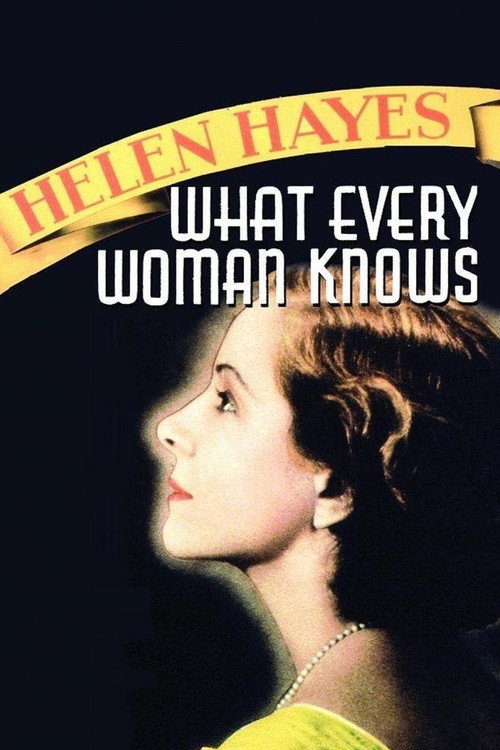
What Every Woman Knows(1934)
Credits
Film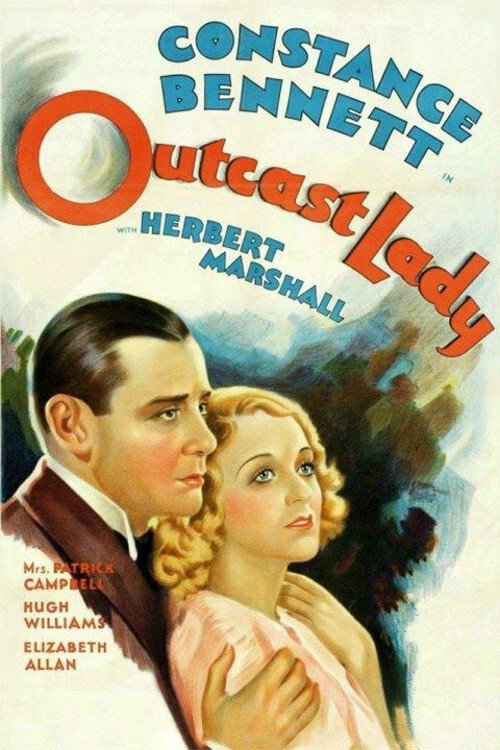
Outcast Lady(1934)
Credits
Film
Other crew
7 credits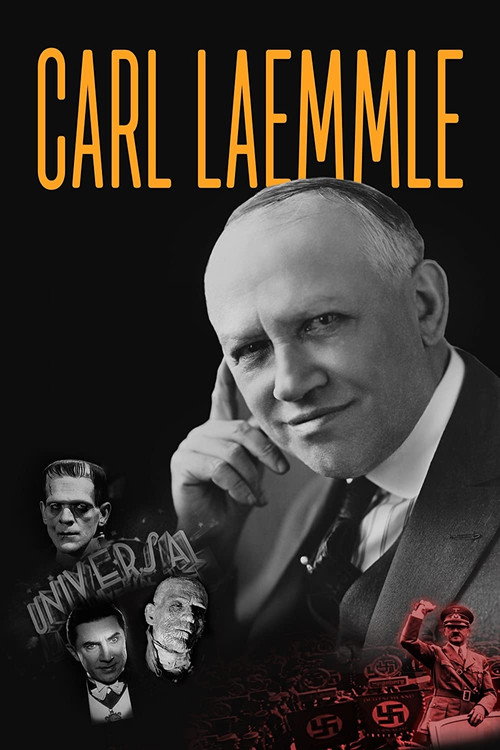




Awards & Nominations
1 winStar On Hollywood Walk Of Fame
- Won1960star on Hollywood Walk of Fame
Memorable quotes
Browse all →No quotes logged for Irving Thalberg yet — add the first memorable line below.
Got a quote we’re missing?
Submit a line from any film, show, or game.
Additional credits2Show
Non-headline appearances — talk-show, awards-show, panel, and archive-footage credits, kept separate from the main filmography.
- So Funny It Hurt: Buster Keaton & MGMSelf · 2004
- Cavalcade of the Academy AwardsSelf (archive footage) · 1940
Edit history
Loading edit history…
Comments (0)
on Irving ThalbergNo comments yet. Be the first to share what you think.