Person · Cinematographer
Karl Freund
The German master who unchained the camera in Weimar Berlin, lit Universal's monsters, and later invented the way television sitcoms are shot. (1890-1969)
- Also:
- Director
- Camera Department
In short · Shot for five decades — 130 credits, 2 Academy Award wins.
Remembered for
Ranked by community engagement + sustained interest across this person's credits in our database.
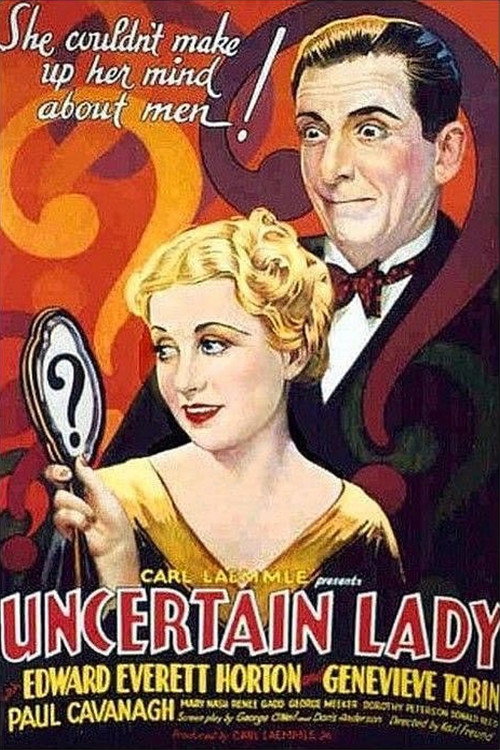
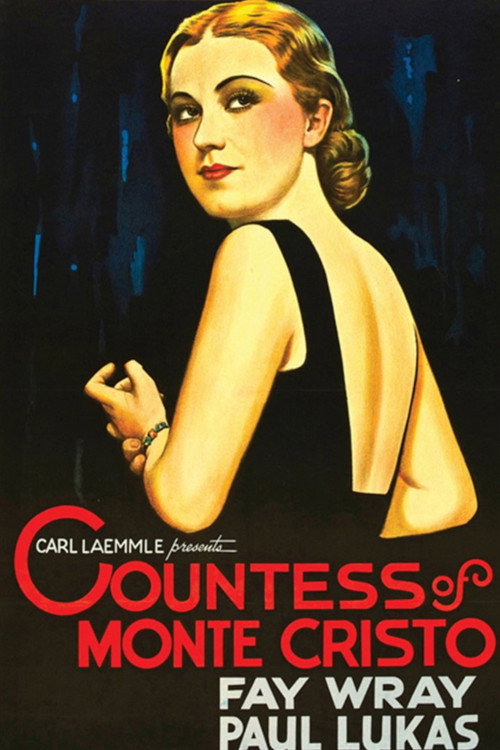
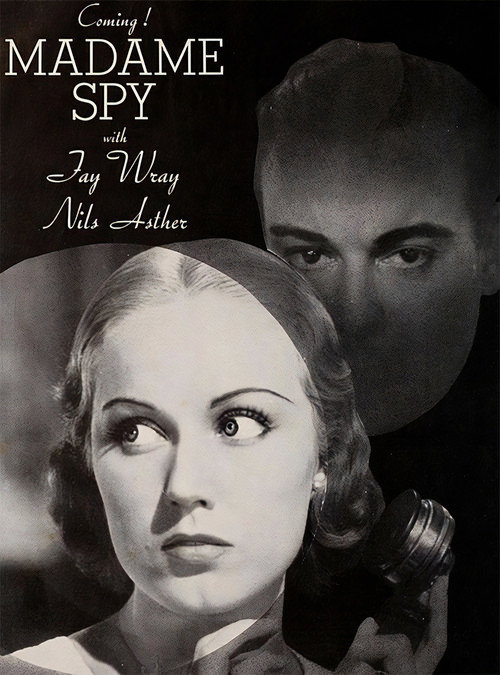
Recent & in release
- Award win
Academy Awards — Oscar — Scientific or Technical Award (class Iii)
- Award win
Academy Awards — Oscar — Cinematography
Help complete this page
We’re missing birthplace, birth date. Sign in to add what you know.
Biography
Karl Freund was born in Bohemia and learned his craft in the ferment of German silent cinema, where he became one of the great technical innovators of the age. Working with directors like F. W. Murnau, he helped pioneer the "unchained camera," freeing the previously bolted-down apparatus to glide, sway, and prowl through a scene. In "The Last Laugh" he strapped cameras to his body, sent them down chutes, and mounted them on moving rigs so the lens itself seemed to feel the doorman's shame and dizziness. He also photographed the vast futuristic cityscape of Fritz Lang's "Metropolis," one of the towering achievements of silent film.
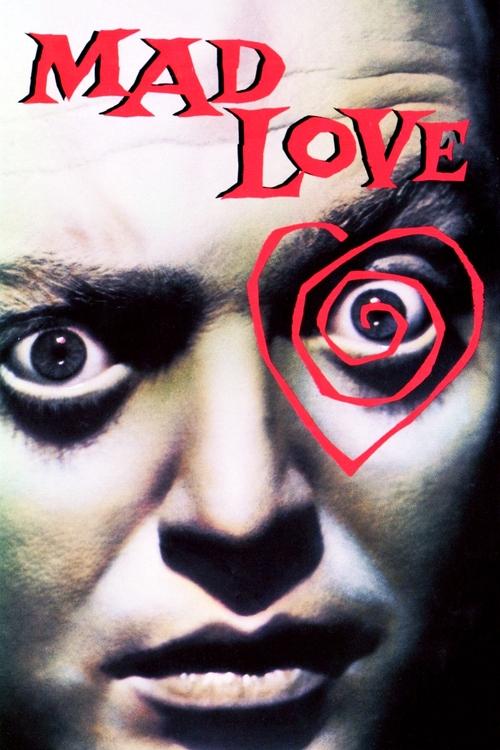
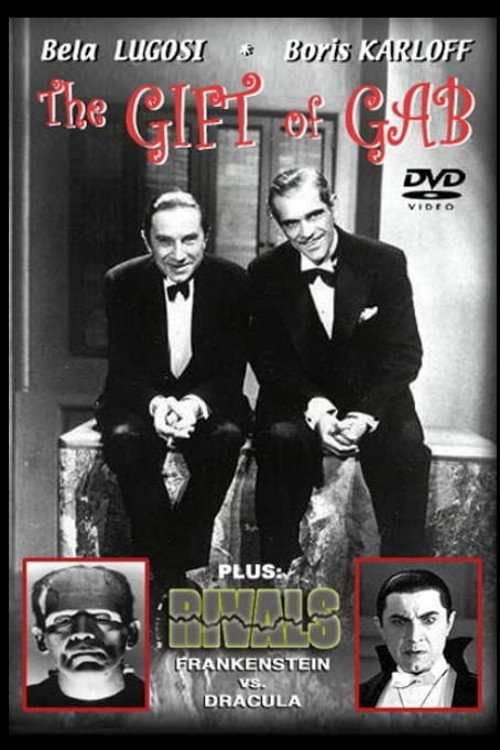
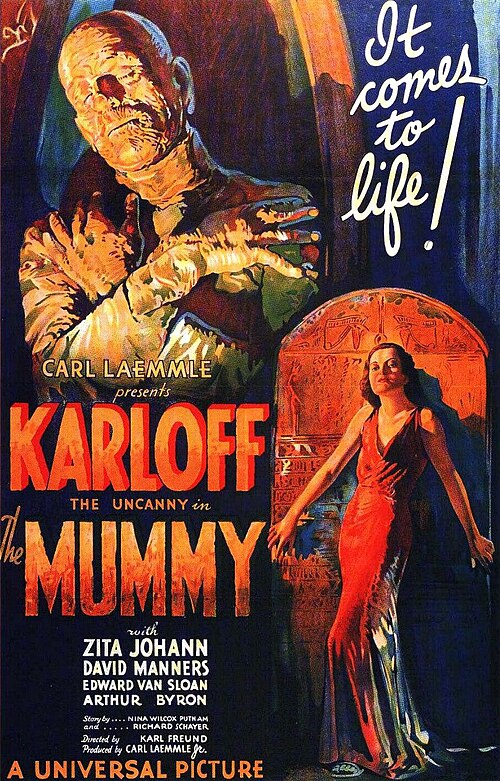
Fleeing the rise of the Nazis, Freund brought his expressionist sensibility to Hollywood and to Universal Pictures, where his sense of shadow and dread proved perfect for horror. He shot Tod Browning's "Dracula," giving Bela Lugosi's castle its cobwebbed unease, and then stepped behind the director's chair himself for "The Mummy," wrapping Boris Karloff's resurrection in slow, hypnotic menace. He directed several other films, including the disturbing "Mad Love," before returning fully to cinematography.
At MGM he won an Academy Award for the sweeping, disaster-torn imagery of "The Good Earth," proving his range extended far beyond gothic gloom. But Freund's restless engineering mind was not finished. In the early 1950s, working on "I Love Lucy," he helped devise the multi-camera, flat-lit filming system that let a live-audience comedy be shot cleanly on 35mm and preserved for endless rerun, essentially defining the visual grammar of the television sitcom for decades.
He later founded a photographic research company and continued tinkering with light meters and film technology until his death in 1969. Few figures in the history of the moving image touched so many distinct eras. Freund helped invent the modern moving camera, gave American horror its face, and then quietly built the template for how the small screen would look for a generation.
Filmography · 130 of 130
A platform appears here when one of these titles streams on it. Click to filter — pick several to combine.
Director
8 credits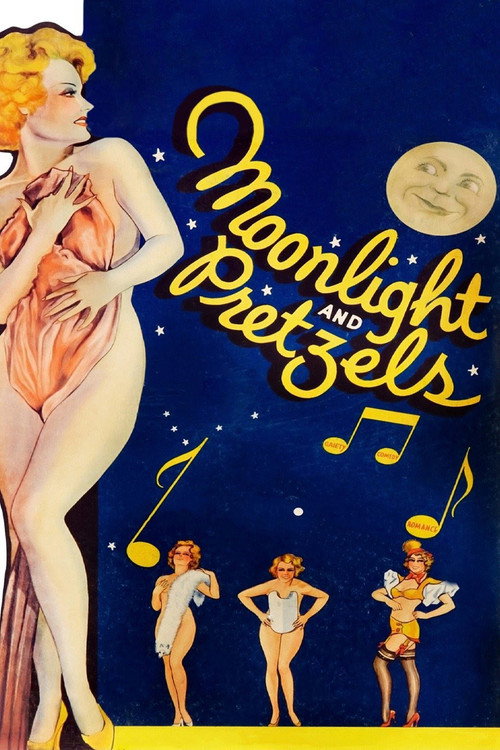

Writer
2 credits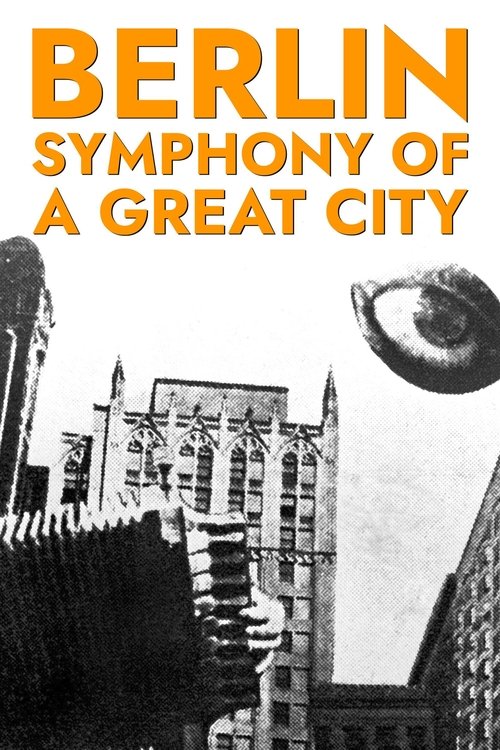
Actor
1 credit
Producer
3 credits
Cinematographer
116 credits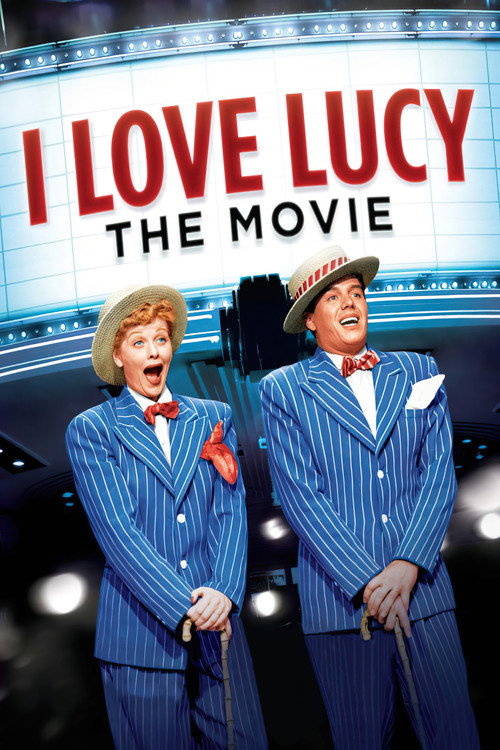
I Love Lucy(1953)
Cinematographer
Film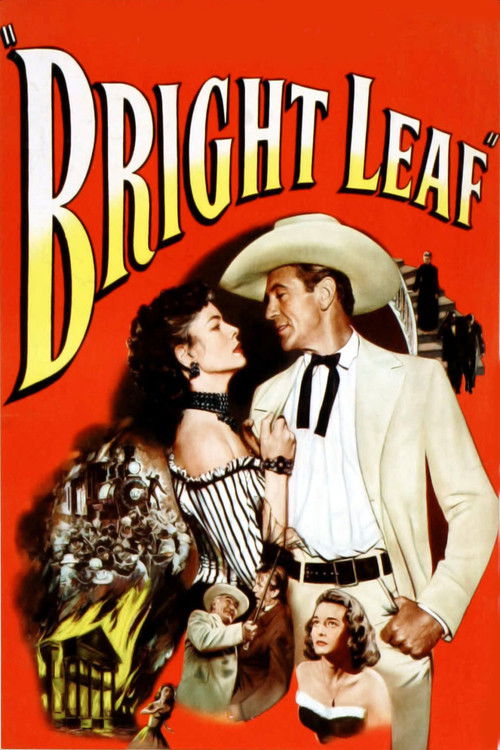
Bright Leaf(1950)
Cinematographer
Film
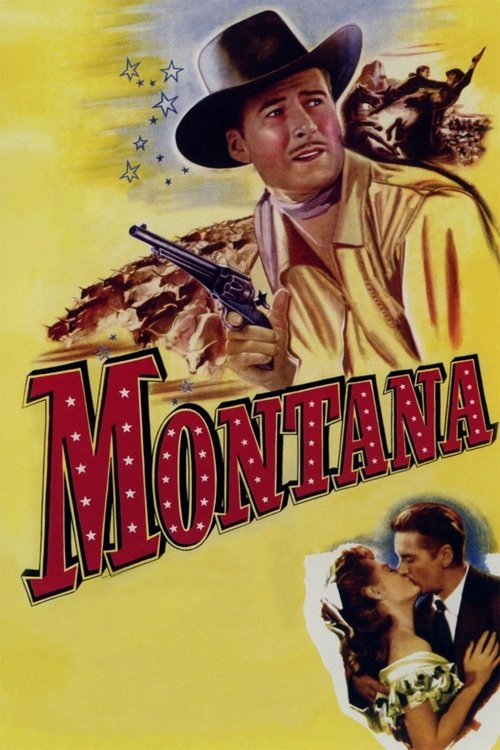
Montana(1950)
Cinematographer
Film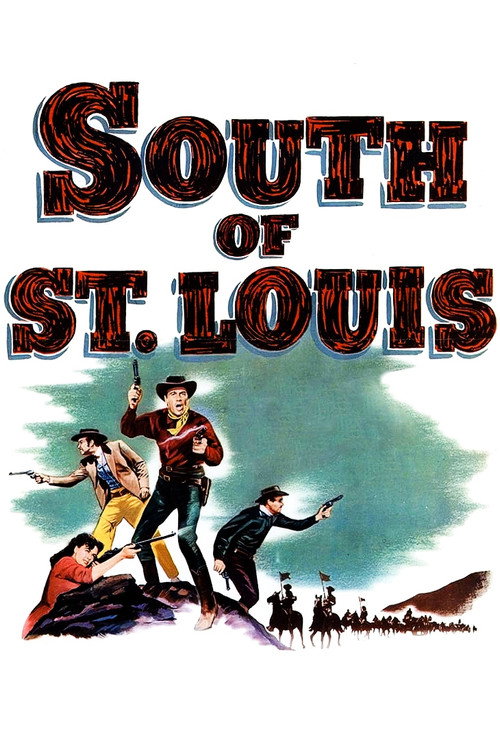
South of St. Louis(1949)
Cinematographer
Film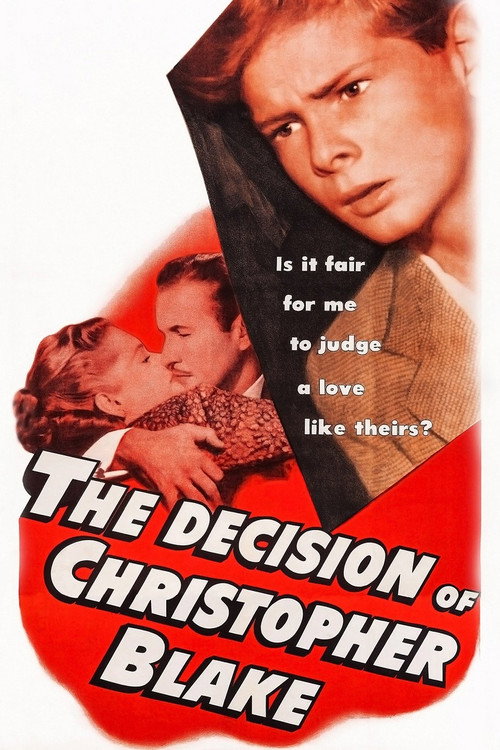
The Decision of Christopher Blake(1948)
Cinematographer
Film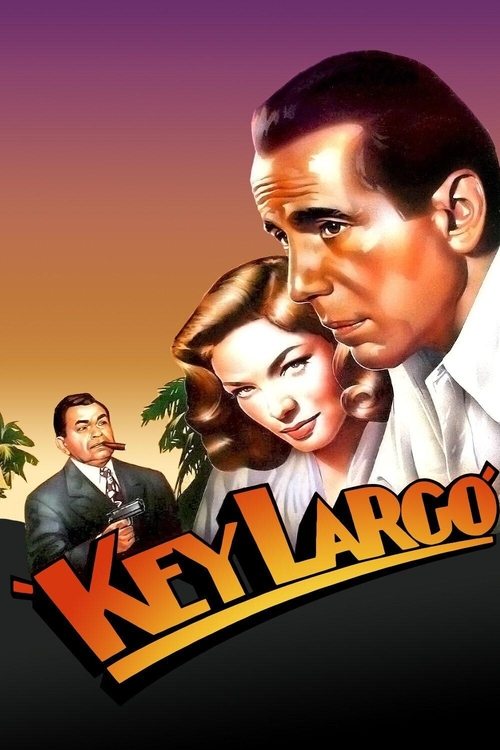
Key Largo(1948)
Cinematographer
Film
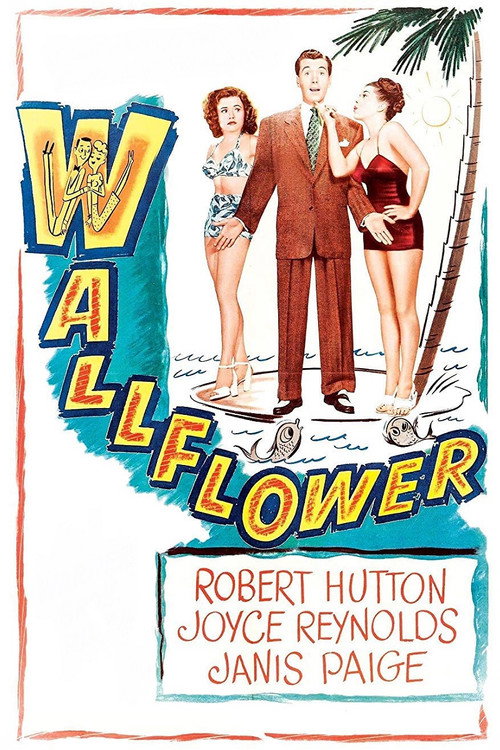
Wallflower(1948)
Cinematographer
Film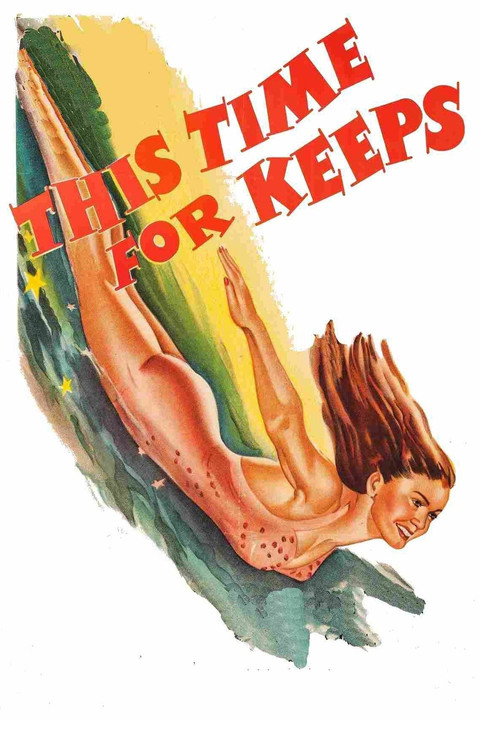
This Time for Keeps(1947)
Cinematographer
Film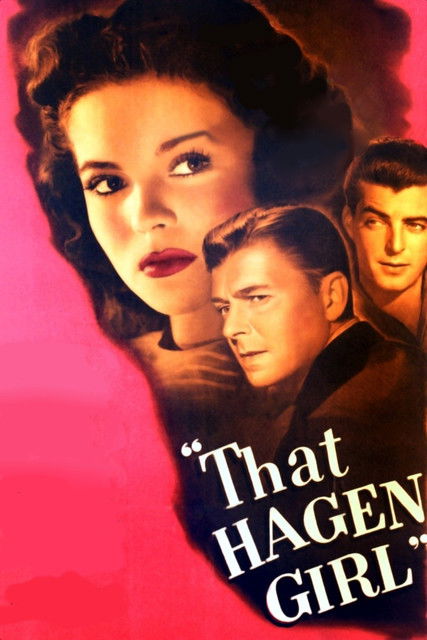
That Hagen Girl(1947)
Cinematographer
Film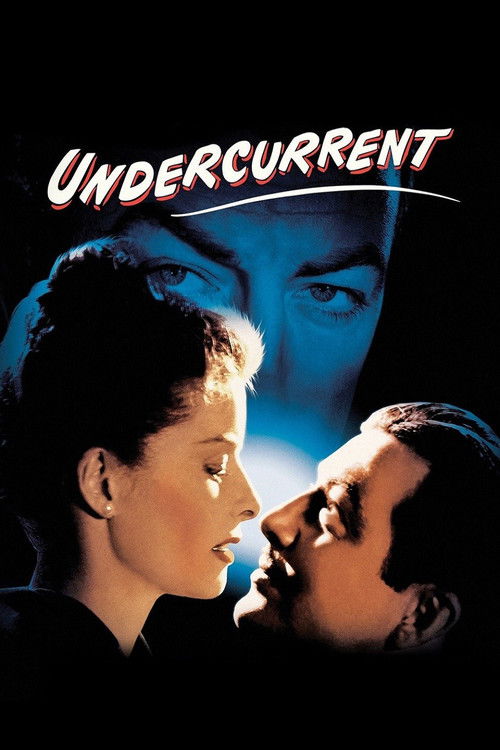
Undercurrent(1946)
Cinematographer
Film
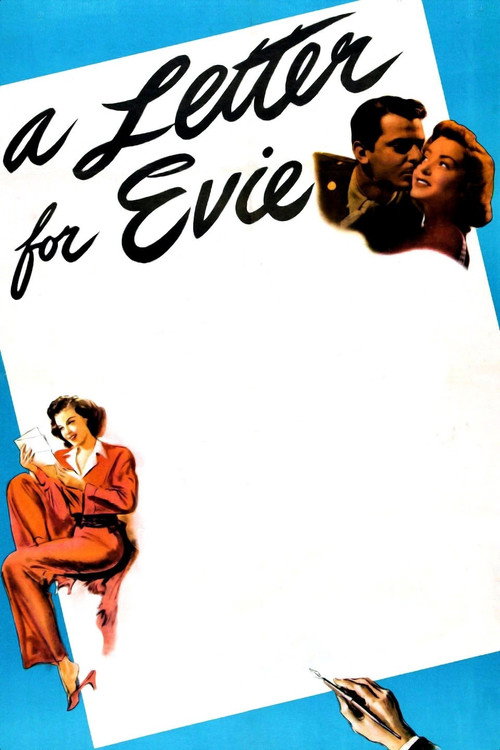
A Letter for Evie(1946)
Cinematographer
Film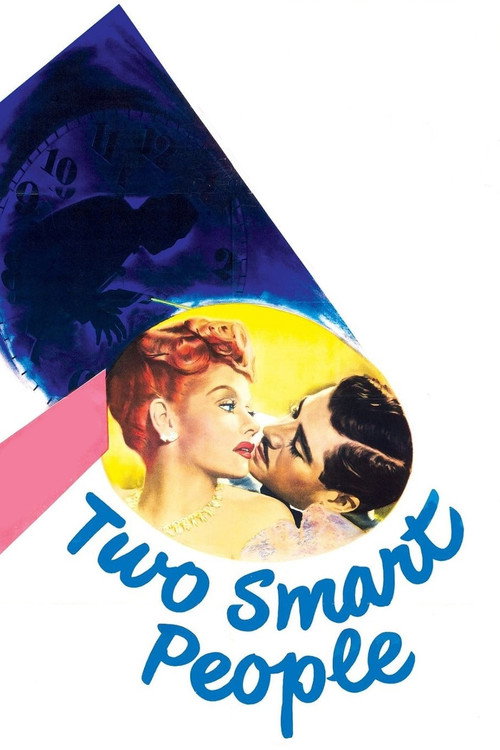
Two Smart People(1946)
Cinematographer
Film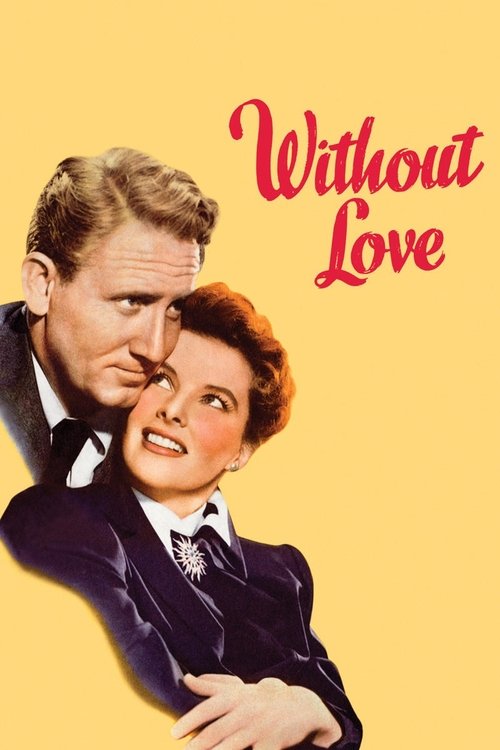
Without Love(1945)
Cinematographer
Film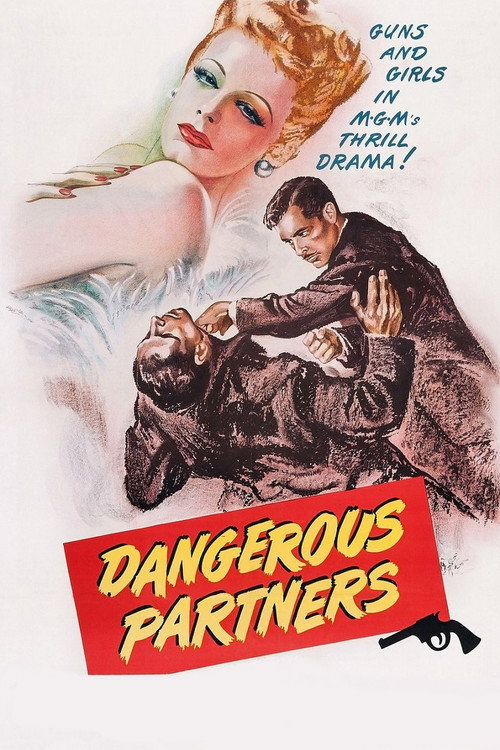
Dangerous Partners(1945)
Cinematographer
Film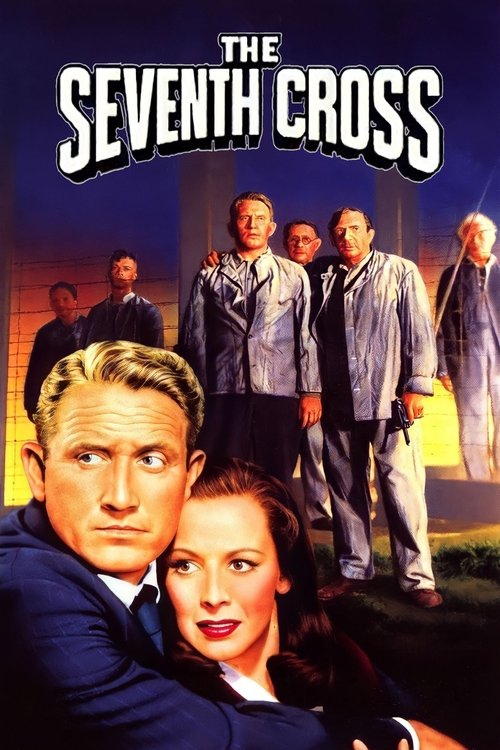
The Seventh Cross(1944)
Cinematographer
Film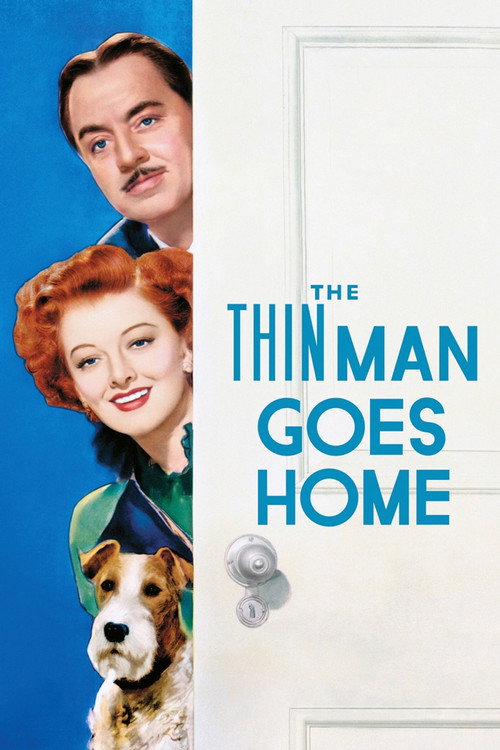
The Thin Man Goes Home(1944)
Cinematographer
Film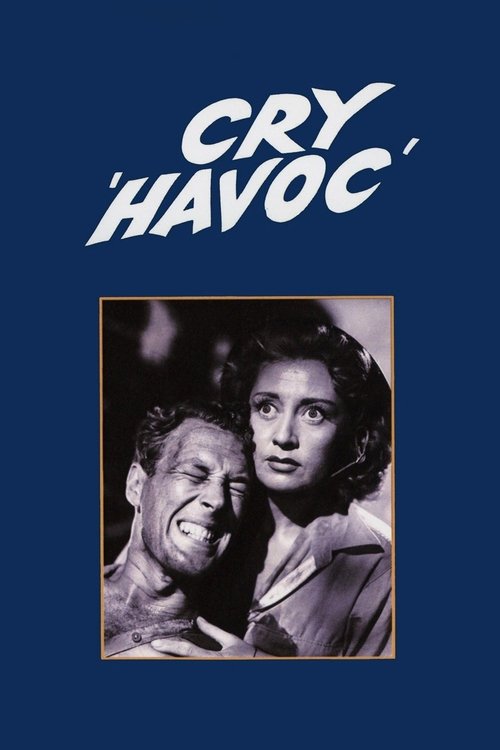
Cry 'Havoc'(1943)
Cinematographer
Film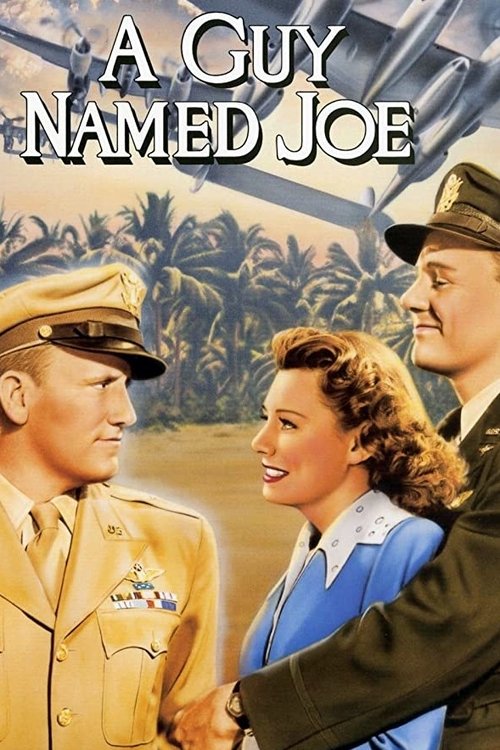
A Guy Named Joe(1943)
Cinematographer
Film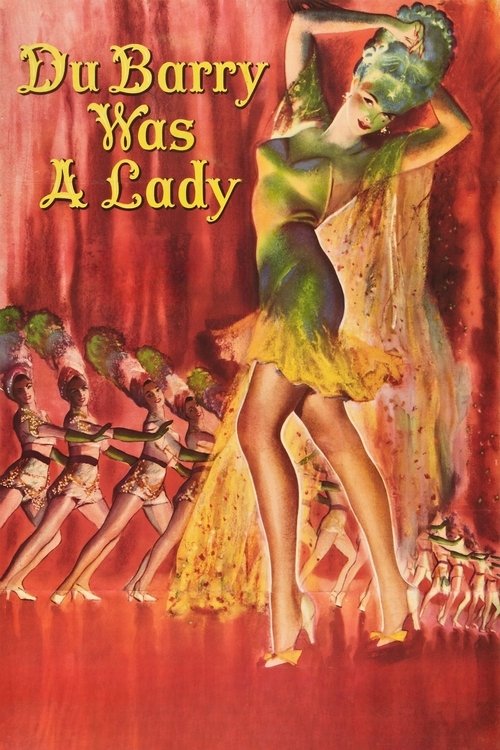
Du Barry Was a Lady(1943)
Cinematographer
Film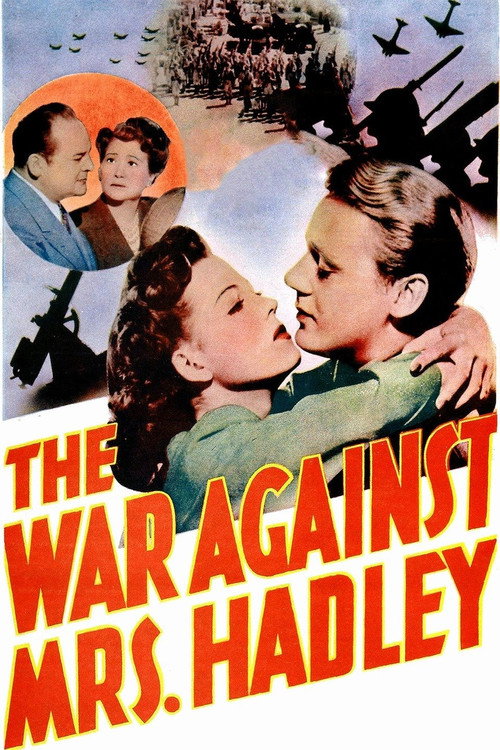
The War Against Mrs. Hadley(1942)
Cinematographer
Film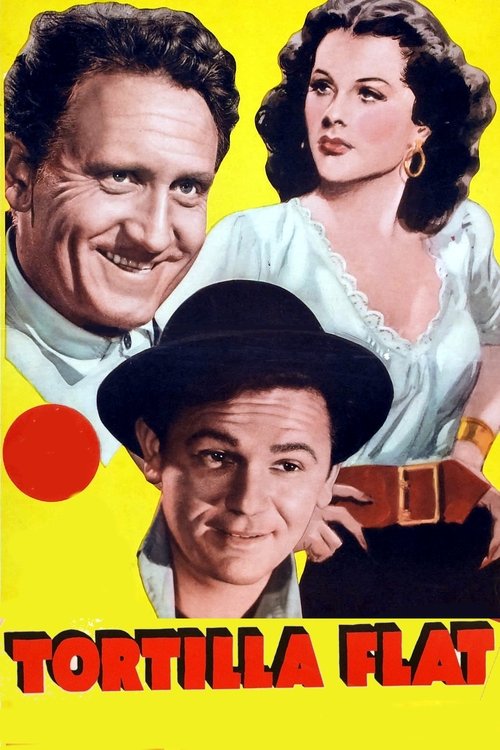
Tortilla Flat(1942)
Cinematographer
Film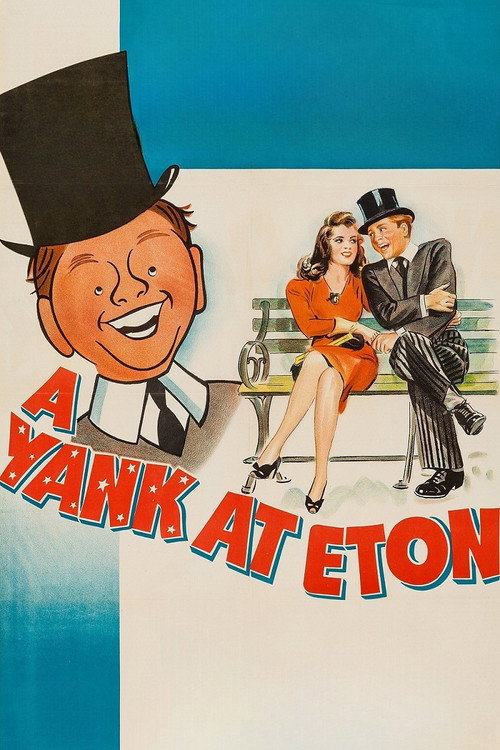
A Yank at Eton(1942)
Cinematographer
Film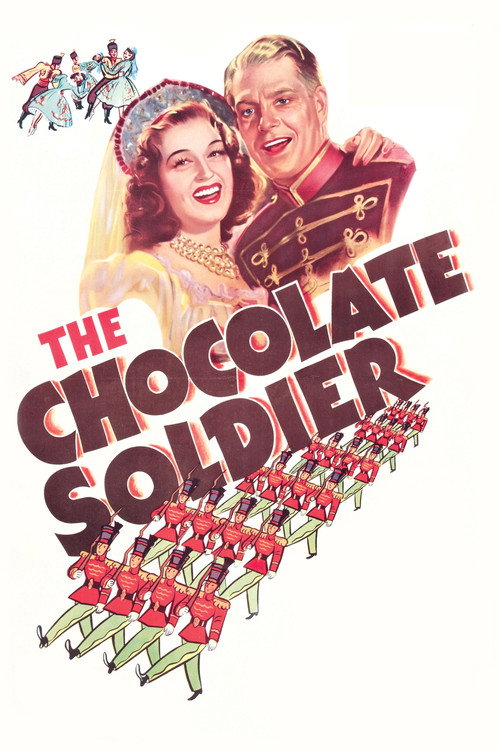
The Chocolate Soldier(1941)
Cinematographer
Film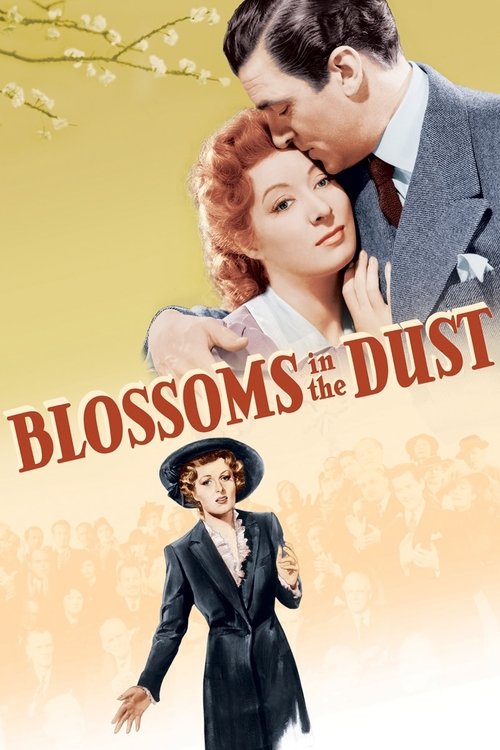
Blossoms in the Dust(1941)
Cinematographer
Film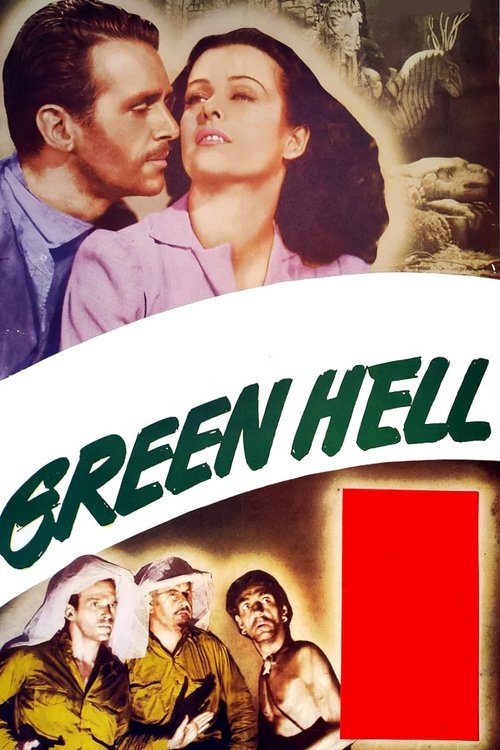
Green Hell(1940)
Cinematographer
Film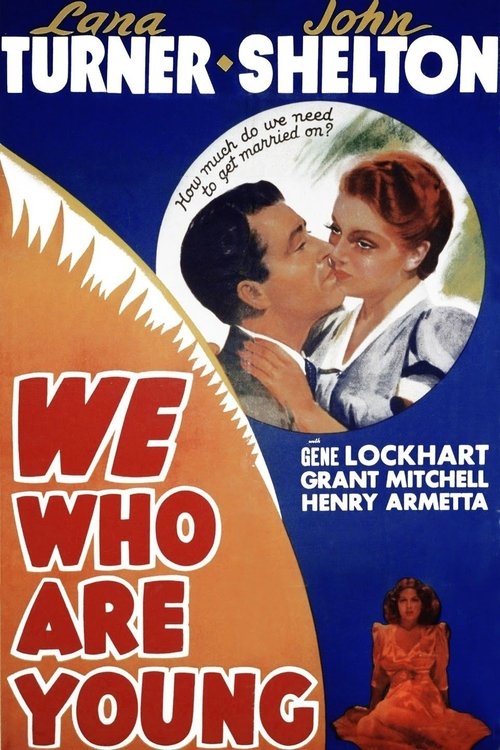
We Who Are Young(1940)
Cinematographer
Film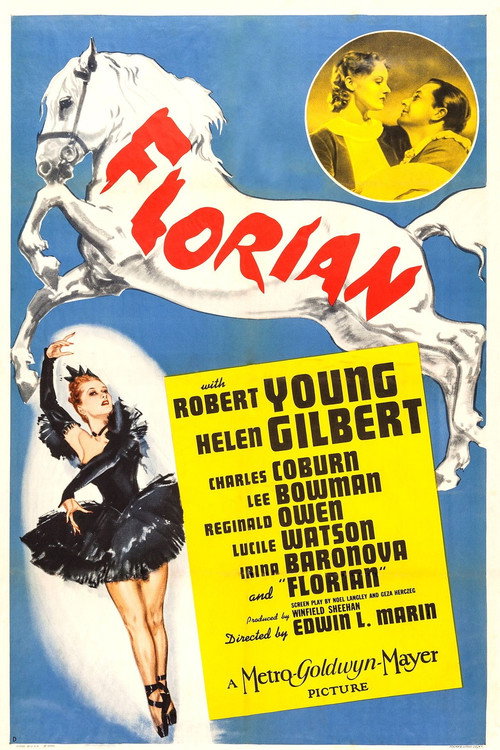
Florian(1940)
Cinematographer
Film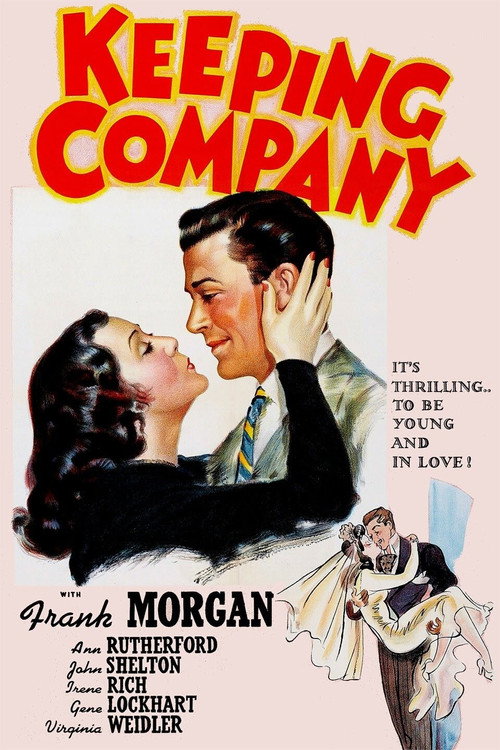
Keeping Company(1940)
Cinematographer
Film
Pride and Prejudice(1940)
Cinematographer
Film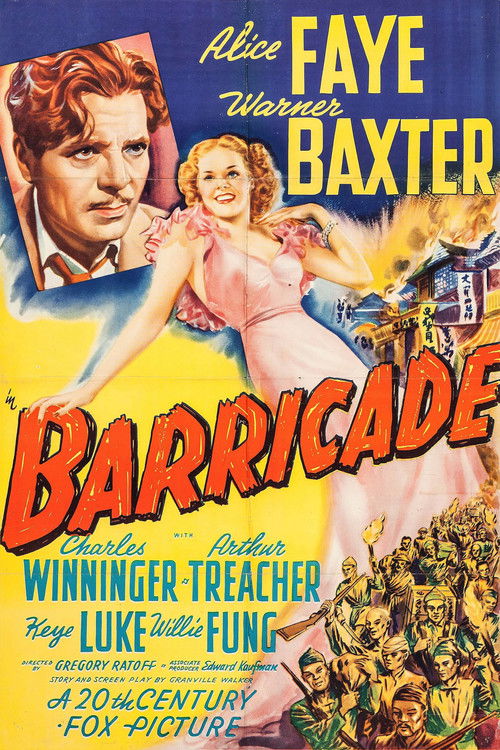
Barricade(1939)
Cinematographer
Film
Awards & Nominations
2 wins · 2 nominationsAcademy Awards
- Won1954Oscar — Scientific or Technical Award (class Iii)
- Nom1941Oscar — Cinematography (black-and-white)
- Nom1941Oscar — Cinematography (color)
- Won1937Oscar — Cinematography
Memorable quotes
Browse all →No quotes logged for Karl Freund yet — add the first memorable line below.
Got a quote we’re missing?
Submit a line from any film, show, or game.
Edit history
Loading edit history…
Comments (0)
on Karl FreundNo comments yet. Be the first to share what you think.