
Person · Screenwriter
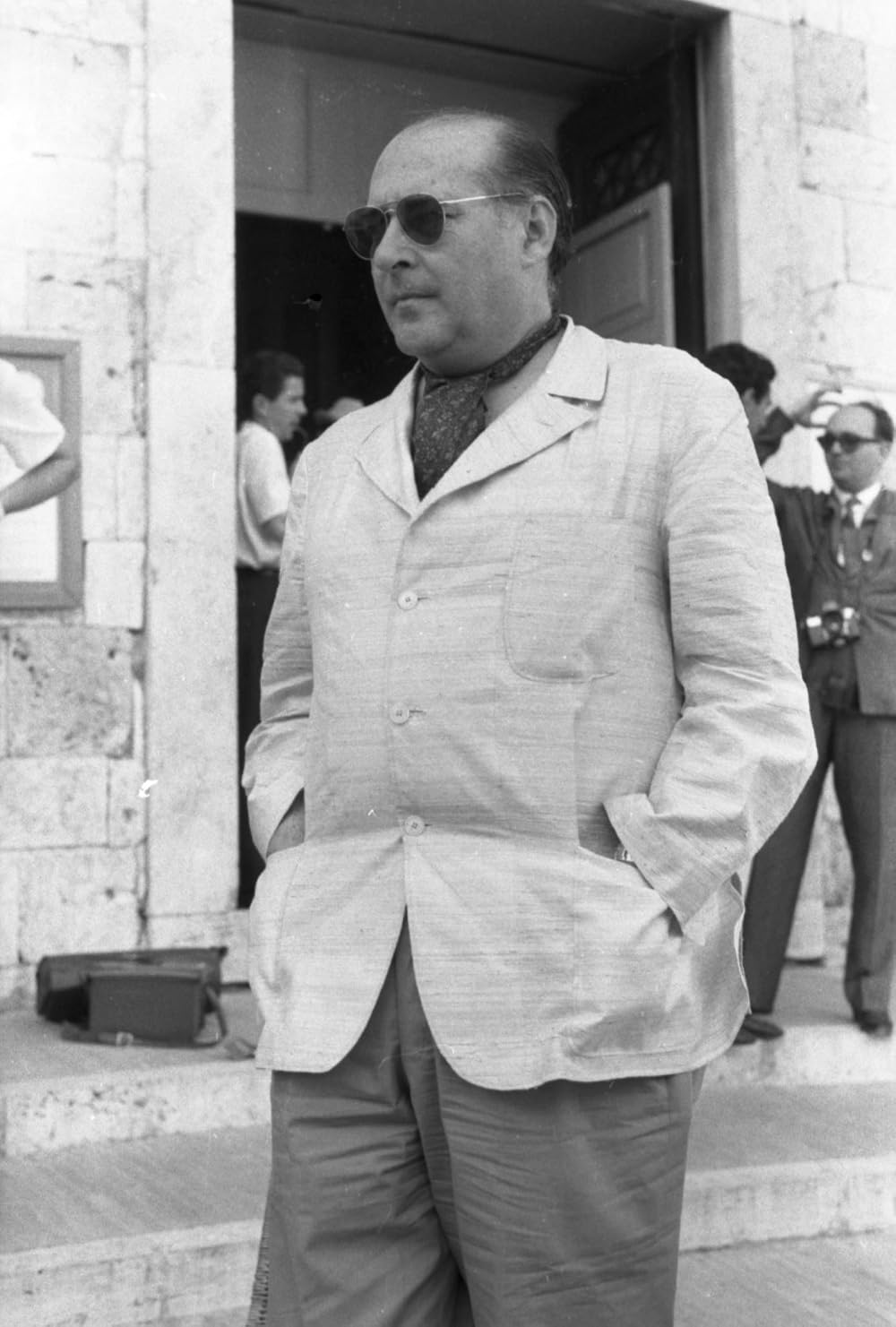
Roberto Rossellini
- Also:
- Writer
- Director
- Producer
In short · Wrote for 10 decades — 73 credits, 1 Nastro D Argento For The Director Of The Best Film win.
Remembered for
Ranked by community engagement + sustained interest across this person's credits in our database.
Help complete this page
We’re missing one-line descriptor, birth date. Sign in to add what you know.
Biography
The master filmmaker Roberto Rossellini, as one of the creators of neo-realism, is one of the most influential directors of all time. His neo-realist films influenced France's nouvelle vague movement in the 1950s and '60s that changed the face of international cinema. He also influenced American directors, including Martin Scorsese. He was born into the world of film, making his debut in Rome on May 8, 1906, the son of Elettra (Bellan), a housewife, and Angiolo Giuseppe "Beppino" Rossellini, the man who opened Italy's first cinema. He was immersed in cinema from the beginning, growing up watching movies in his father's movie-house from the time that film was first quickening as an art form. Italy was one of the places were movie-making matured, and Italian film had a huge influence on D.W. Griffith and other international directors. Between the two world wars, Hollywood would soon dictate what constituted a "well-made" film, but Rossellini would be one of the Italian directors who once again put Italy at the forefront of international cinema after the Second World War. His training in cinema was thorough and extensive and he became expert in many facets of film-making. (His brother Renzo Rossellini, also was involved in the industry, scoring films.) He did his apprenticeship as an assistant to Italian filmmakers, then got the chance to make his first film, a documentary, "Prélude à l'après-midi d'un faune", in 1937. Due to his close ties to Benito Mussolini's second son, the critic and film producer Vittorio Mussolini, he flourished in fascist Italy's cinema. Once Il Duce was deposed, Rossellini produced his first classic film, the anti-fascist Rome, Open City (1945) ("Rome, Open City") in 1945, which won the Grand Prize at Cannes. Two other neo-realist classics soon followed, Paisan (1946) ("Paisan") and Germany Year Zero (1948) ("Germany in the Year Zero"). "Rome, Open City" screenwriters Sergio Amidei and Federico Fellini were nominated for a Best Writing, Screenplay Oscar in 1947, while Rossellini himself, along with Amidei, Fellini and two others were nominated for a screen-writing Oscar in 1950 for "Paisan". "I do not want to make beautiful films, I want to make useful films," he said. Rossellini claimed, "I try to capture reality, nothing else." This led him to often cast non-professional actors, then tailor his scripts to their idiosyncrasies and life-stories to heighten the sense of realism. With other practitioners of neo-realism, Vittorio De Sica and Luchino Visconti, film was changed forever. American director Elia Kazan credits neo-realism with his own evolution as a filmmaker, away from Hollywood's idea of the well-made film to the gritty realism of On the Waterfront (1954). Rossellini had a celebrated, adulterous affair with Ingrid Bergman that was an international scandal. They became lovers on the set of Stromboli (1950) while both were married to other people and Bergman became pregnant. After they shed their spouses and married, producing three children, history repeated itself when Rossellini cheated on her with the Indian screenwriter Sonali Senroy DasGupta while he was in India at the request of Prime Minister Jawaharlal Nehru to help revitalize that country's film industry. It touched off another international scandal, and Nehru ousted him from the country. Rossellini later divorced Bergman to marry Das Gupta, legitimizing their child that had been born out-of-wedlock. Rossellini continued to make films until nearly his death. His last film The Messiah (1975) ("The Messiah"), a story of The Passion of Christ, was released in 1975. Roberto Rossellini died of a heart attack in Rome on June 3, 1977. He was 71 years old.
Family & relationships
- Spouse
- Parents
- Elettra Bellan
- Children
- Other
- Viggo River Lane(Great Grandchild)
Filmography · 64 of 64
A platform appears here when one of these titles streams on it. Click to filter — pick several to combine.
Director
35 credits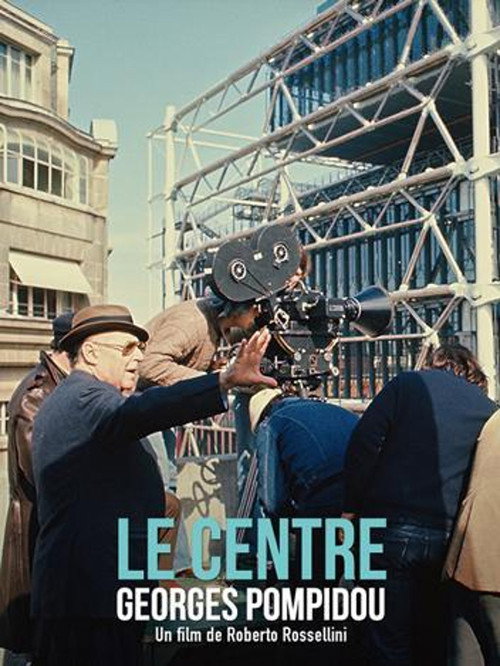
Beaubourg(1977)
Director
Film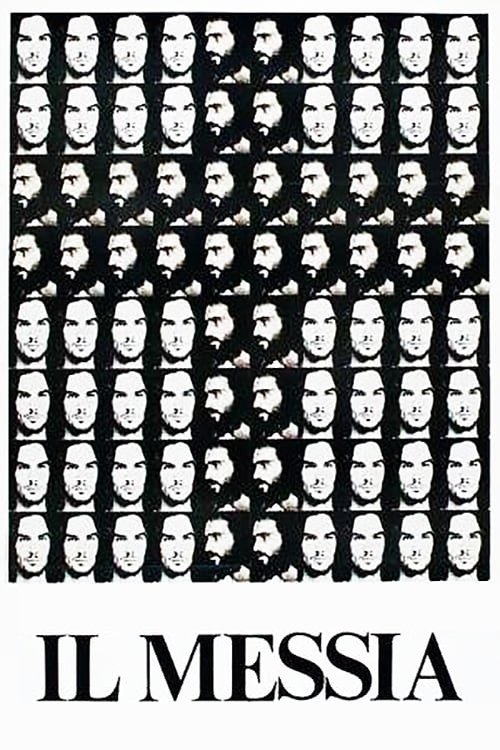
The Messiah(1975)
Director
Film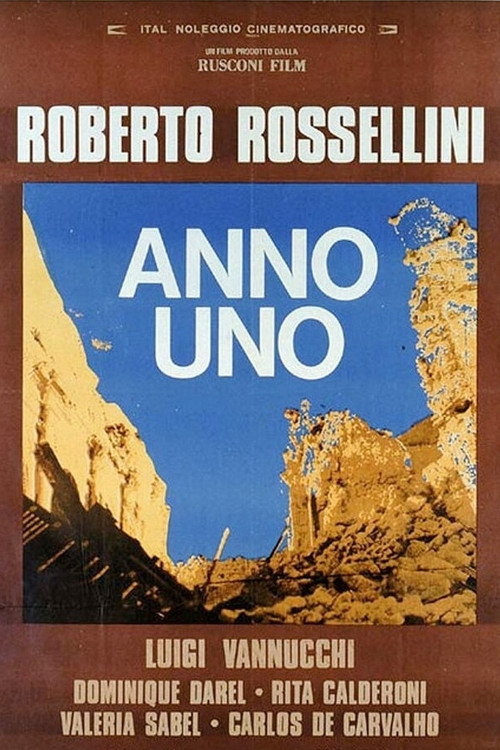
Year One(1974)
Director
Film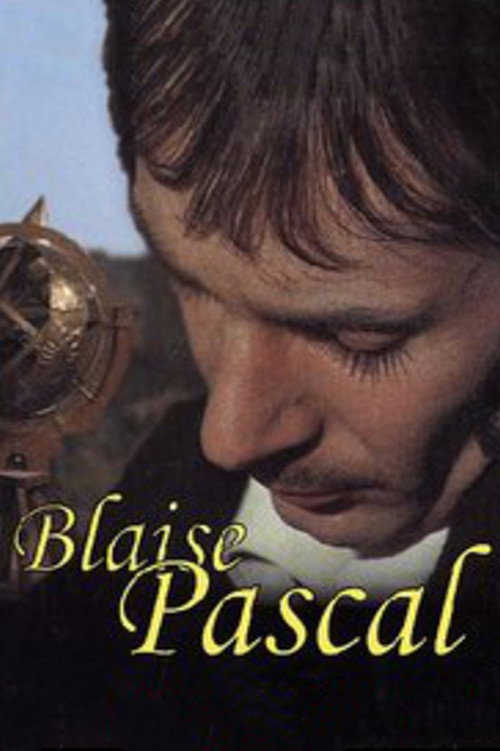
Blaise Pascal(1972)
Director
Film
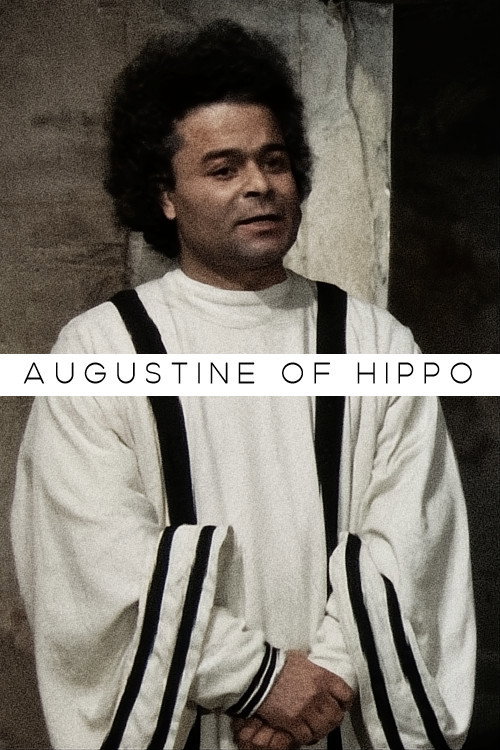
Augustine of Hippo(1972)
Director
Film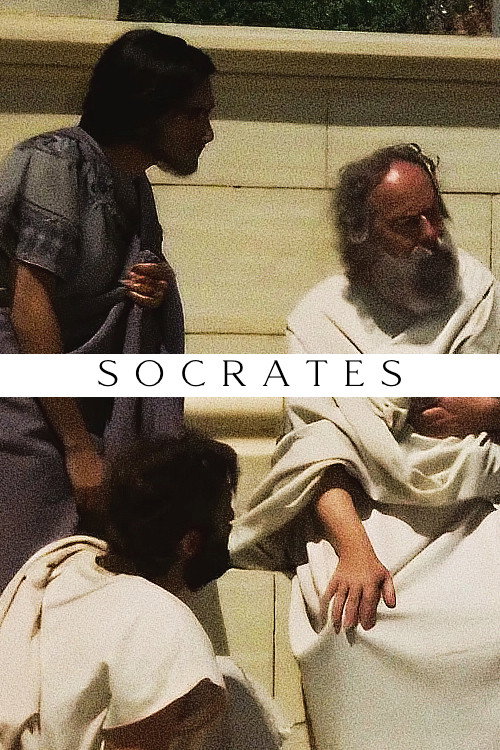
Socrates(1970)
Director
Film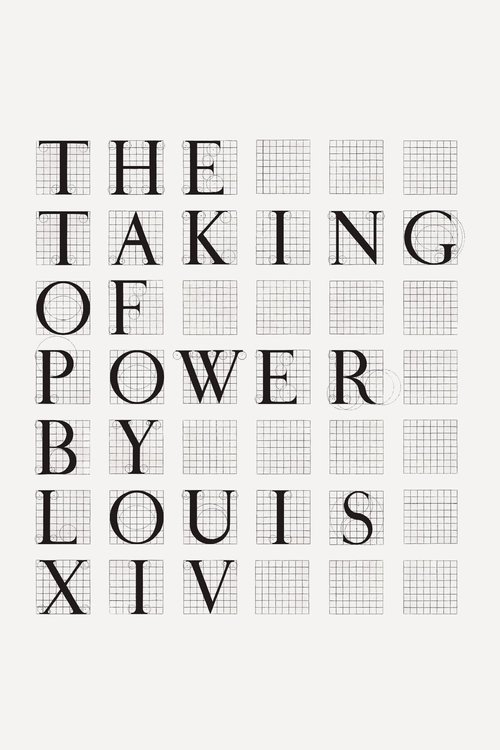
The Taking of Power by Louis XIV(1966)
Director
Film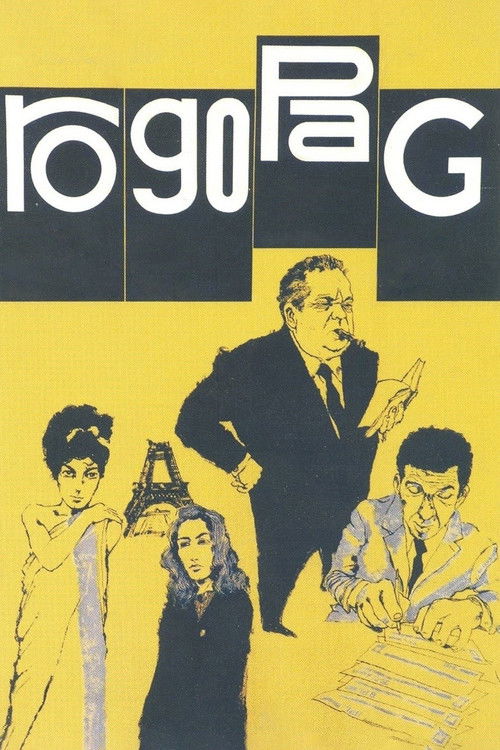
Ro.Go.Pa.G.(1963)
Director
Film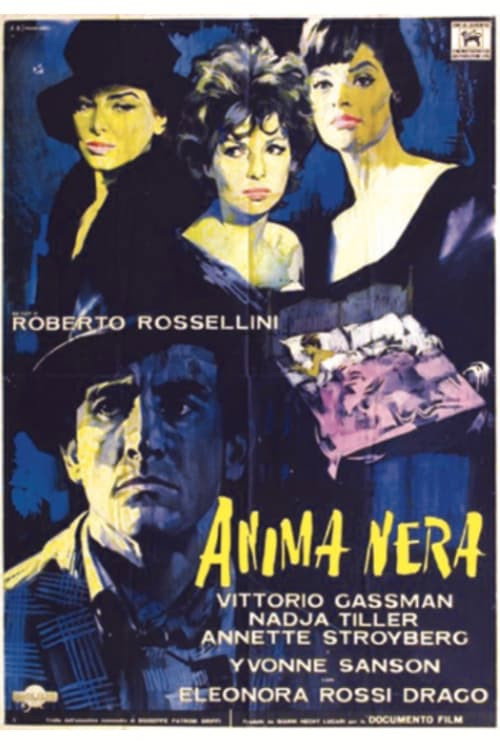
Anima nera(1962)
Director
Film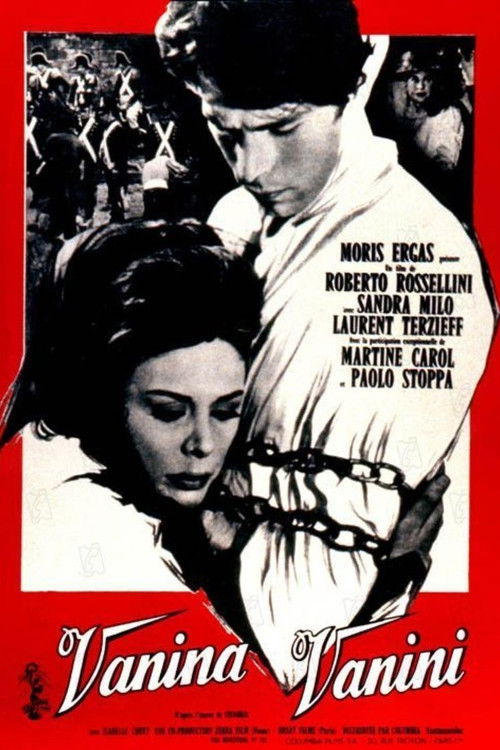
The Betrayer(1961)
Director
Film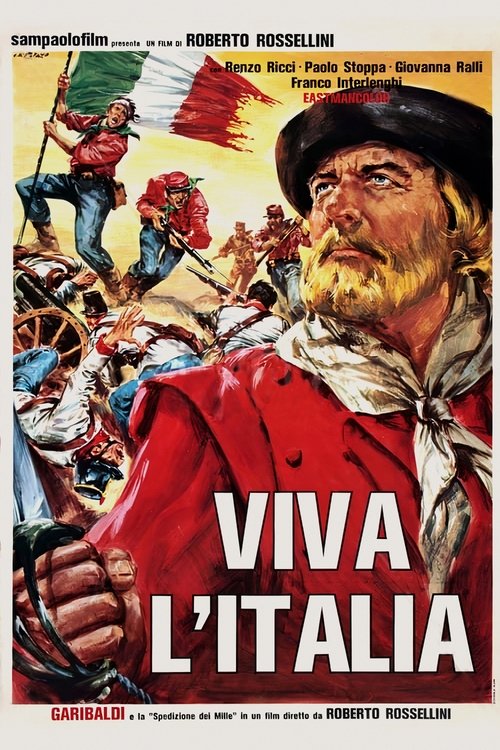
Garibaldi(1961)
Director
Film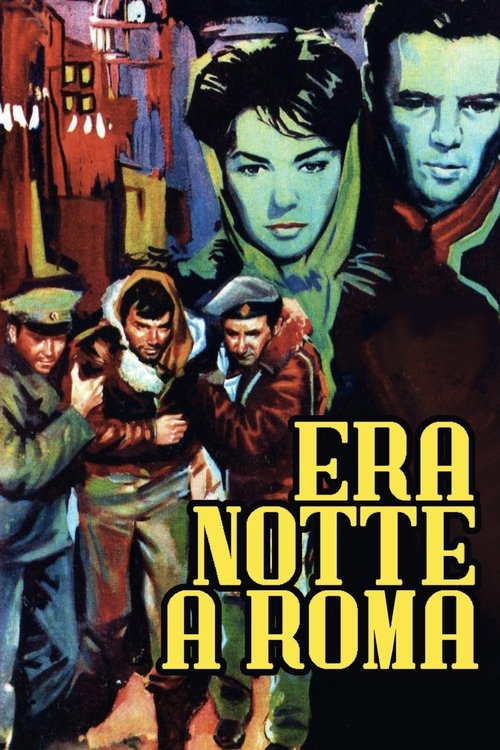
Escape by Night(1960)
Director
Film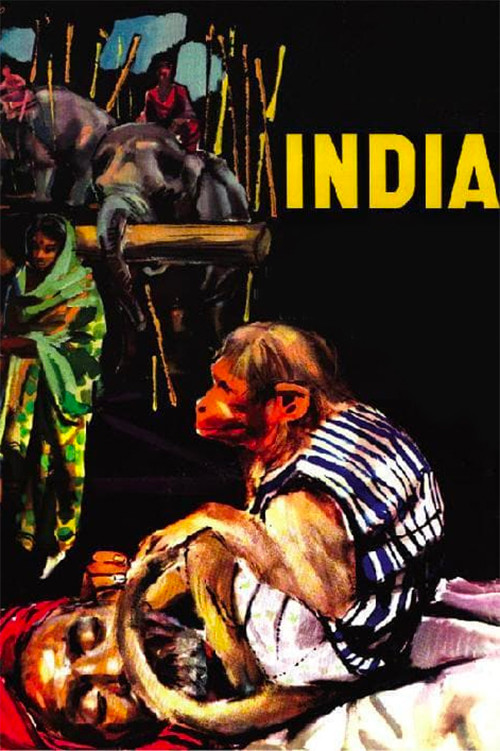
India: Matri Bhumi(1959)
Director
Film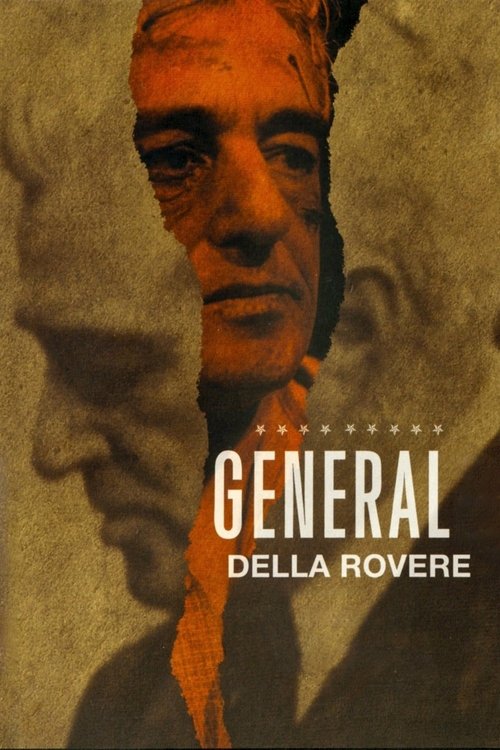
General Della Rovere(1959)
Director
Film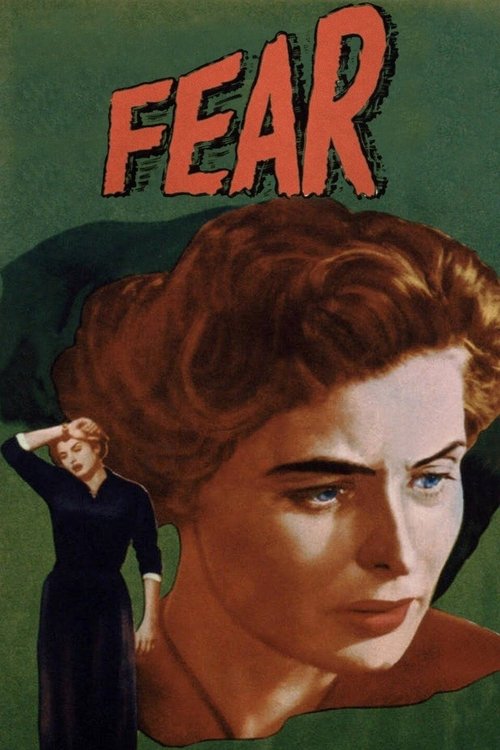
Fear(1954)
Director
Film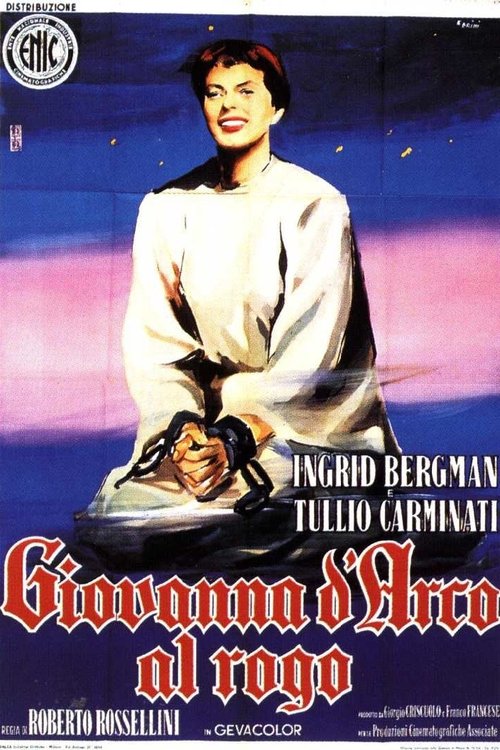
Joan of Arc at the Stake(1954)
Director
Film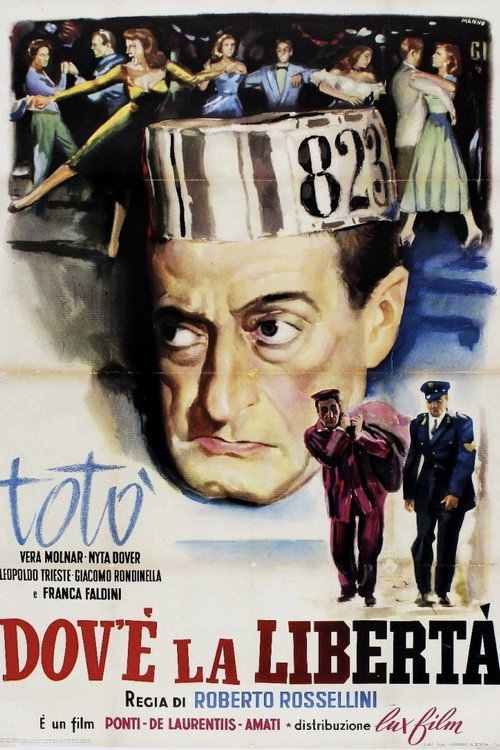
Where Is Freedom?(1954)
Director
Film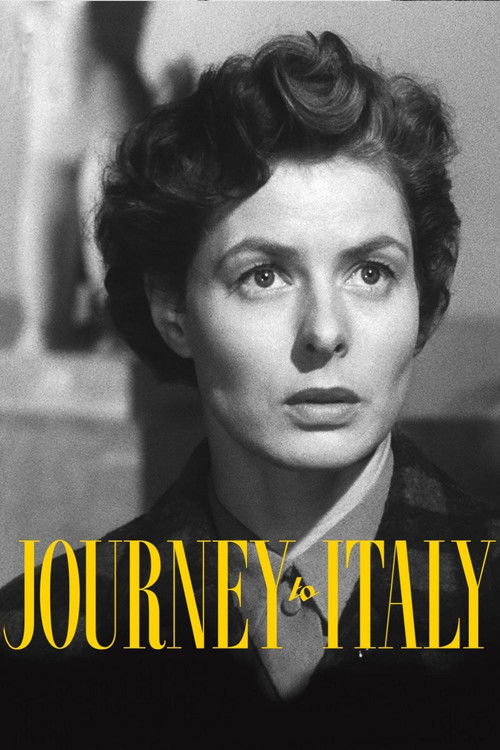
Journey to Italy(1954)
Director
Film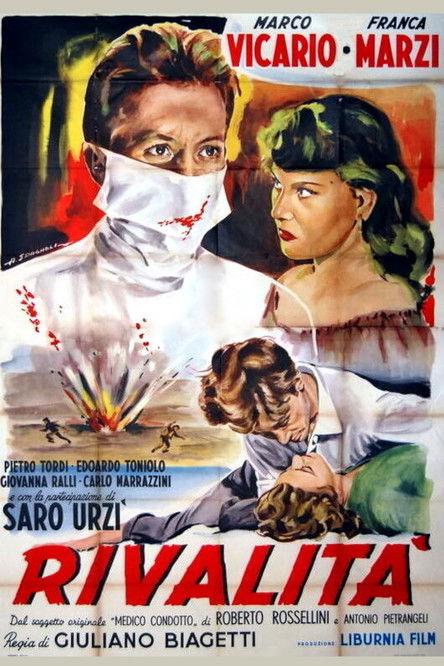
Rivalry(1953)
Director
Film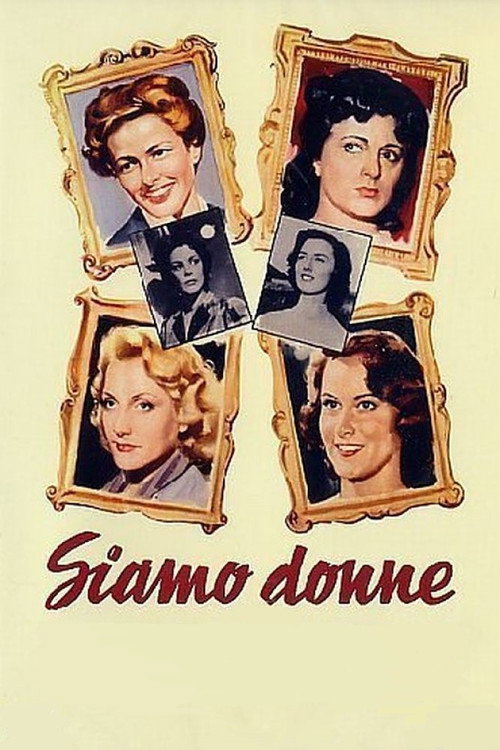
We, the Women(1953)
Director
Film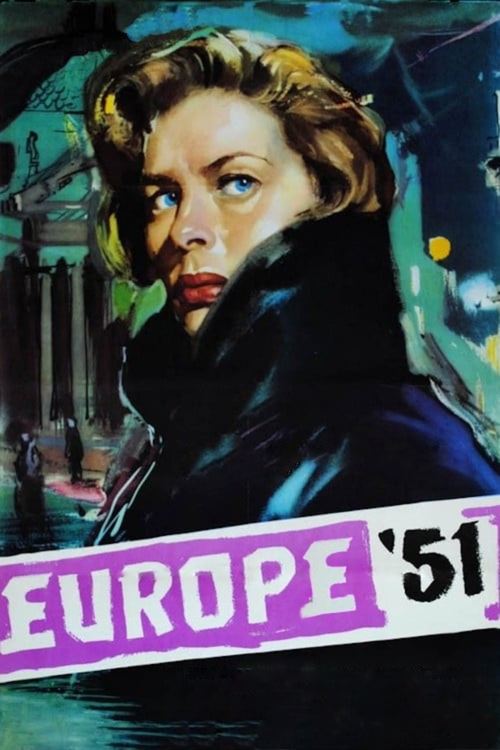
Europe '51(1952)
Director
Film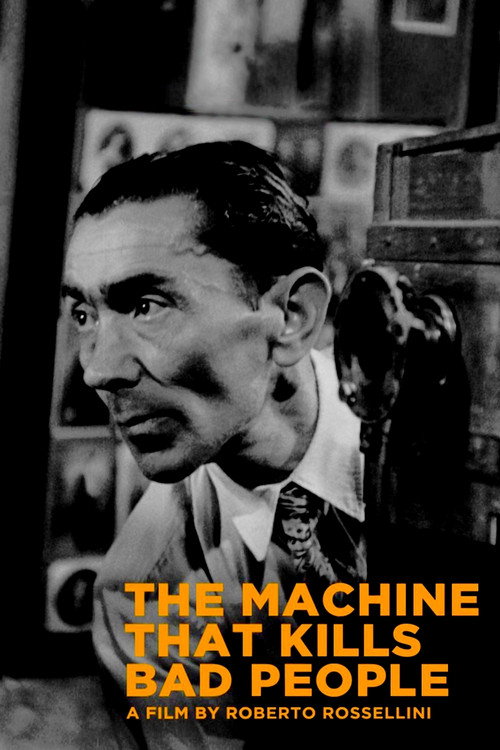
The Machine to Kill Bad People(1952)
Director
Film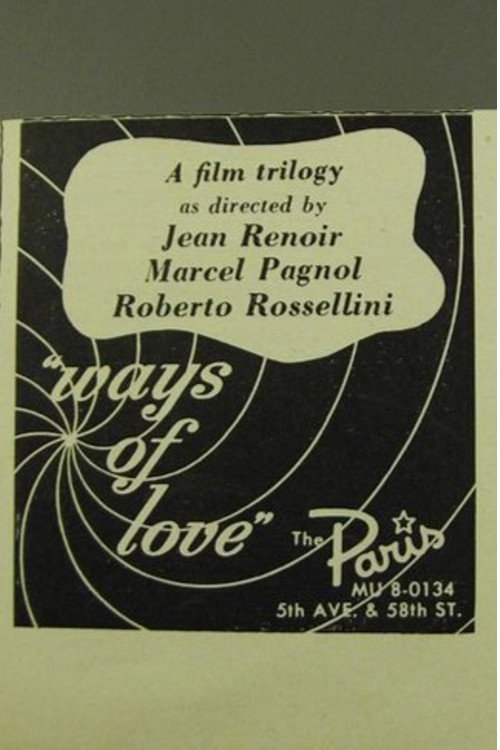
The Ways of Love(1950)
Director
Film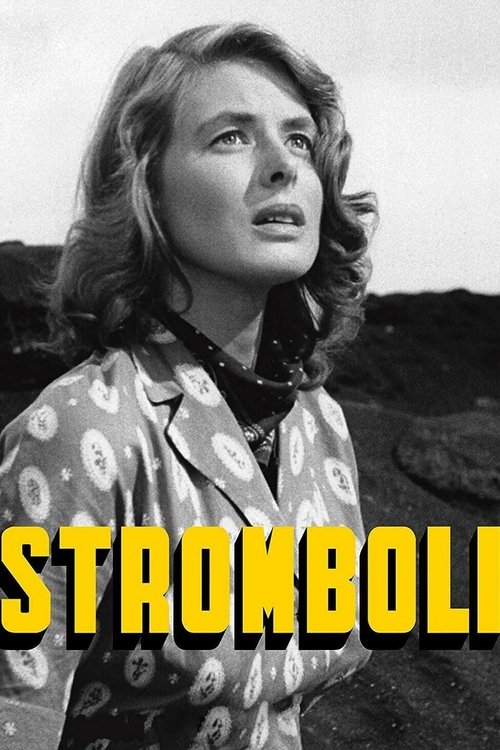
Stromboli(1950)
Director
Film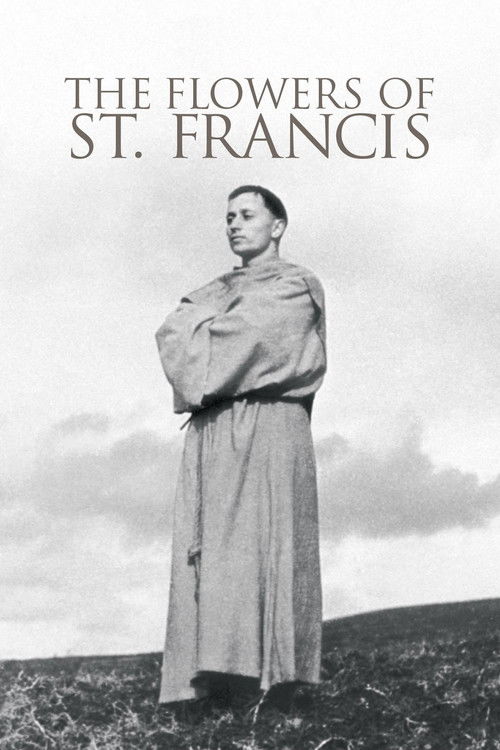
The Flowers of St. Francis(1950)
Director
Film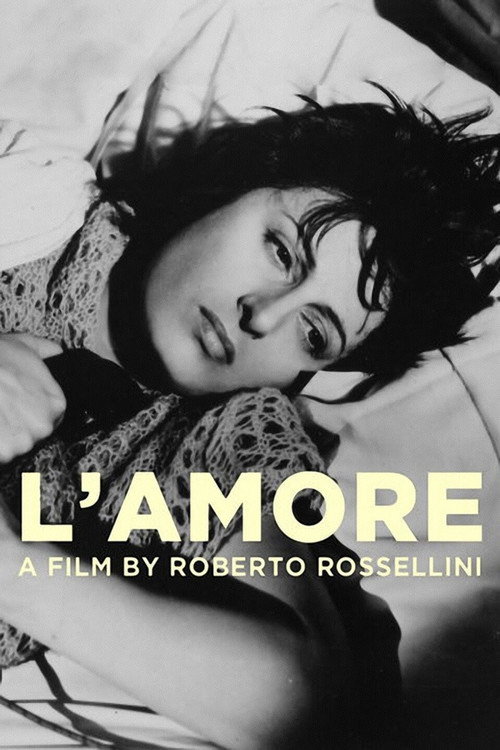
Love(1948)
Director
Film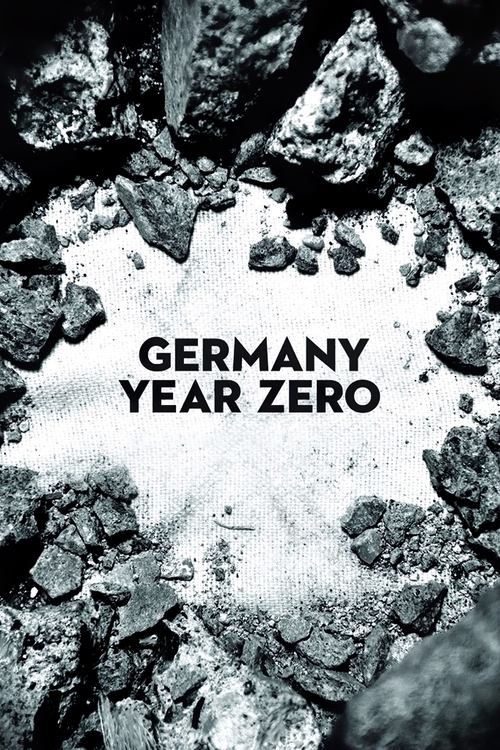
Germany Year Zero(1948)
Director
Film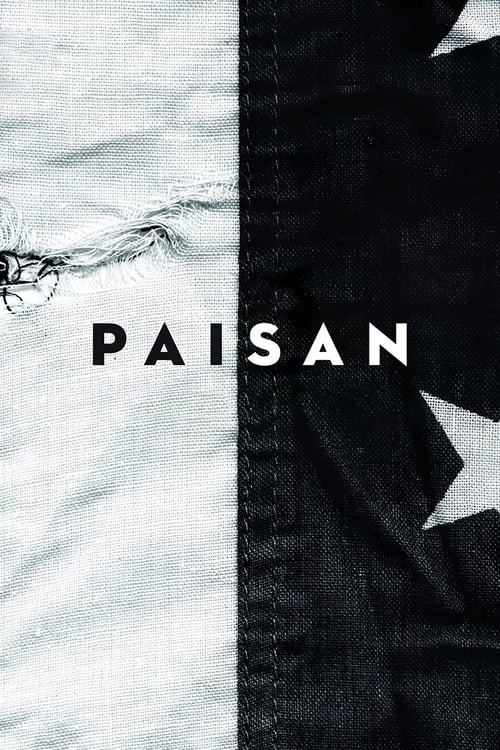
Paisan(1946)
Director
Film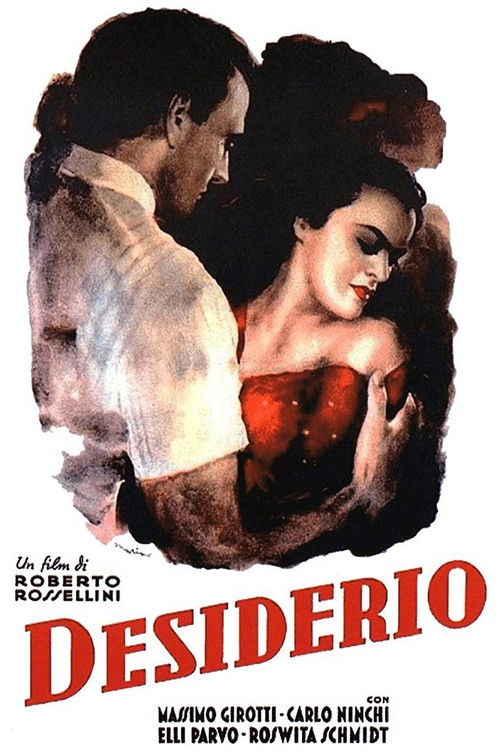
Desire(1946)
Director
Film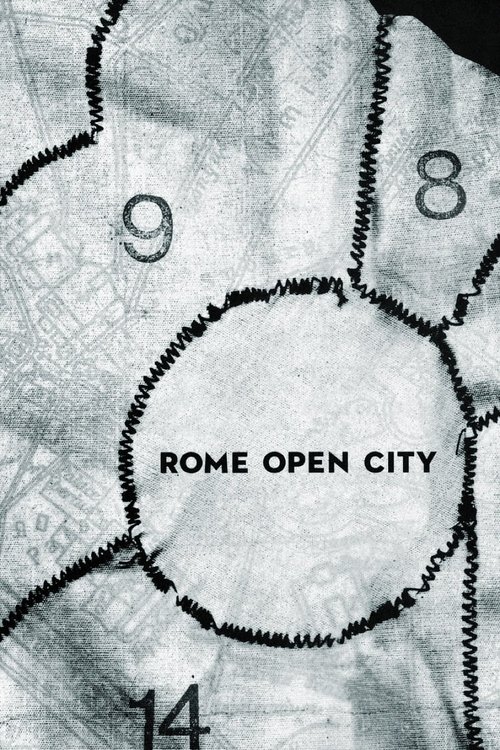
Rome, Open City(1945)
Director
Film
Writer
2 credits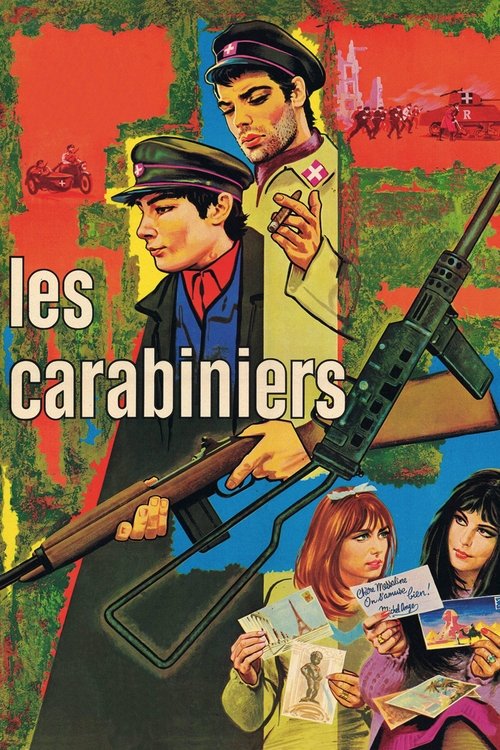
Actor
4 credits
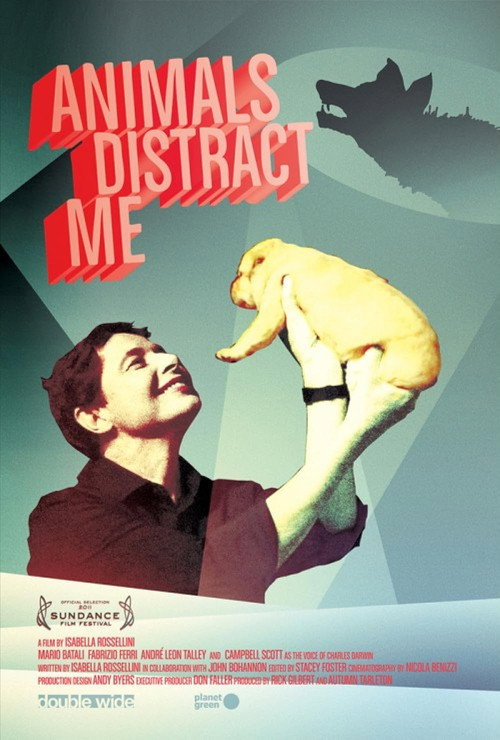
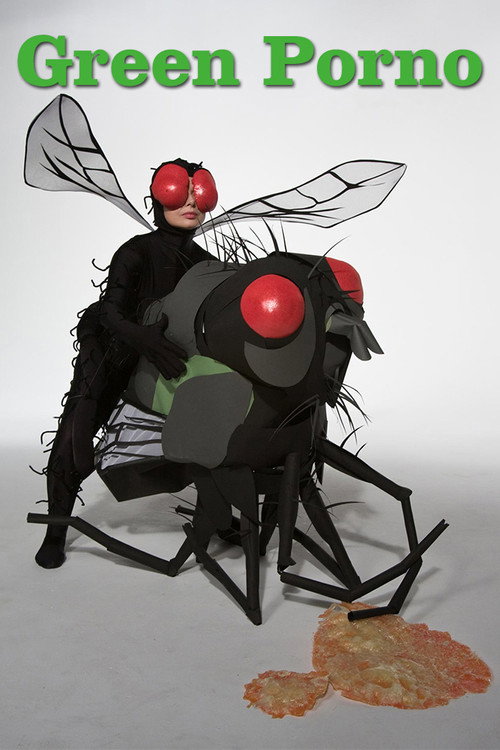
Producer
2 credits
Editor
4 credits

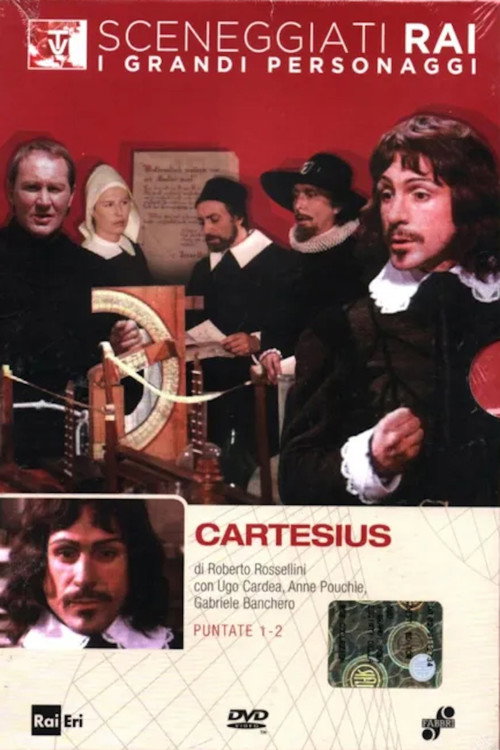
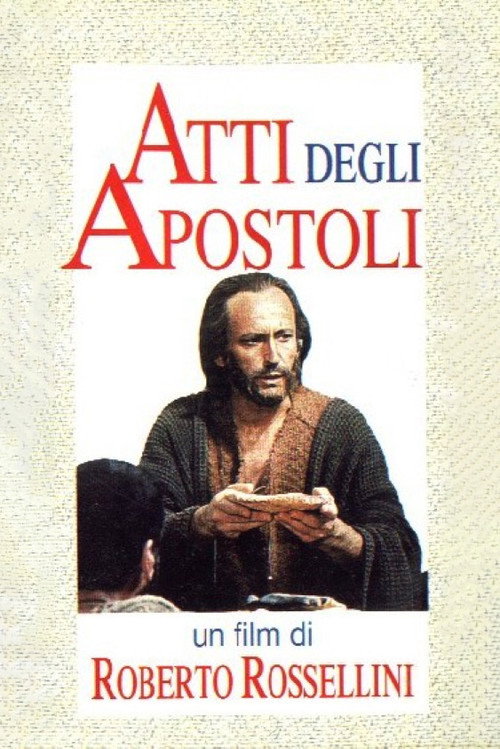
Other crew
17 credits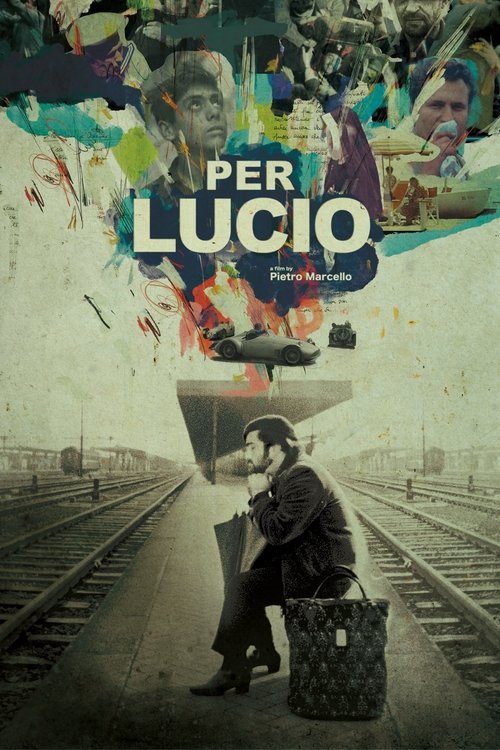
For Lucio(2021)
Crew
Film
Deodato Holocaust(2019)
Crew
Film
La passione di Anna Magnani(2019)
Crew
FilmHollywood Insider(2018)
Crew
TVMsMojo(2016)
Crew
TVLes couples mythiques du cinéma(2015)
Crew
TV
Birth of a Nation(1983)
Crew
Film
Les Rendez-vous du dimanche(1975)
Crew
TV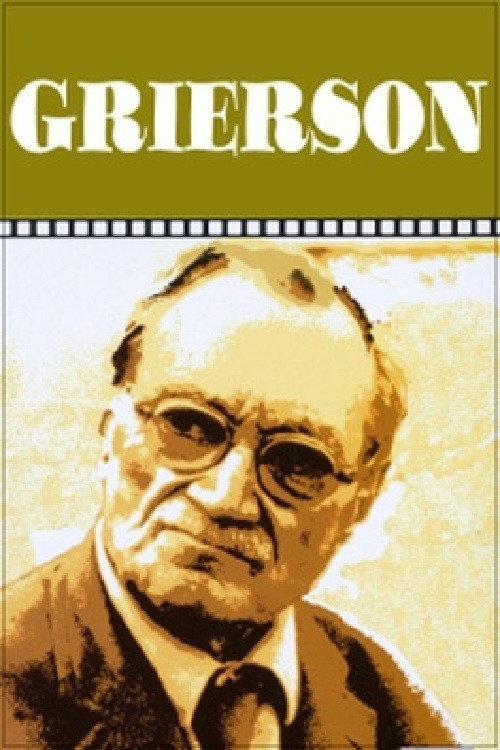
Grierson(1973)
Crew
FilmPersonenbeschreibung(1972)
Crew
TV
A Bay of Blood(1971)
Crew
Film
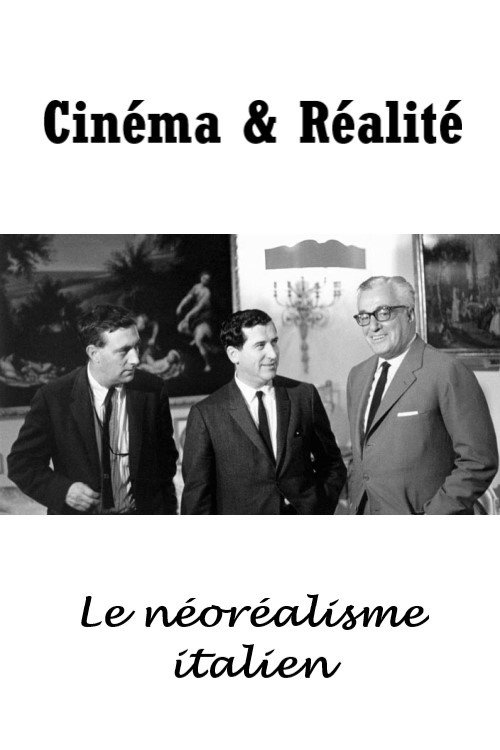
Cinéma et réalité(1967)
Crew
Film
Orient Express(1954)
Crew
Film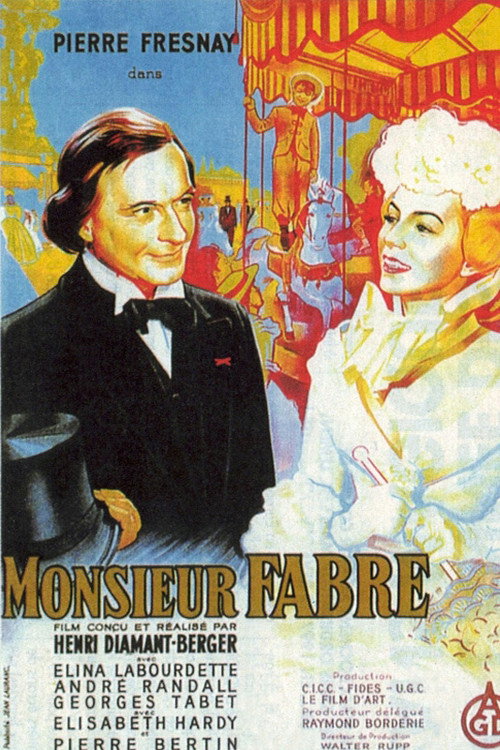
Amazing Monsieur Fabre(1951)
Crew
Film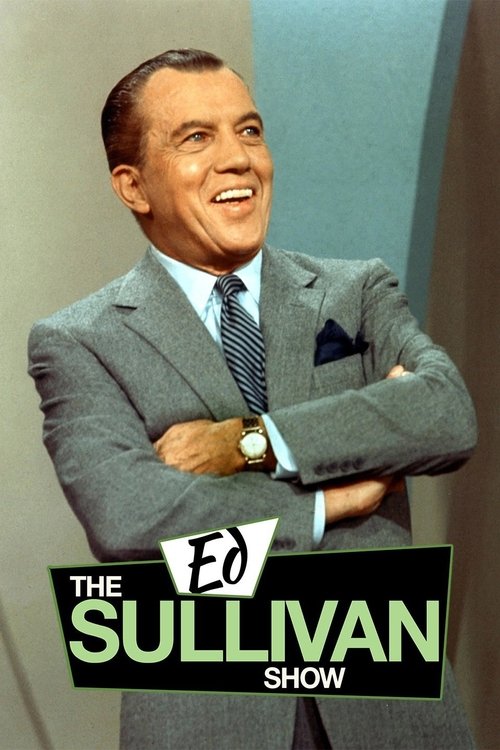
The Ed Sullivan Show(1948)
Crew
TV
Luciano Serra, Pilot(1938)
Crew
Film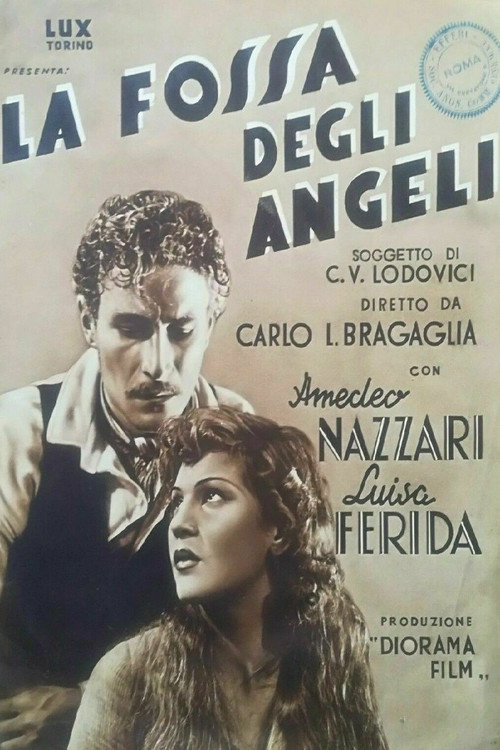
Tomb of the Angels(1937)
Crew
Film
Awards & Nominations
1 win · 2 nominationsAcademy Award
- Nom1950Best Writing, Original Screenplay
More awards & festivals (2) — regional academies & film-festival prizes
Nastro D Argento For The Director Of The Best Film
- Won1947Nastro d'Argento for the director of the best film
Academy Awards
- Nom1949Oscar — Writing (original Screenplay)
Memorable quotes
Browse all →No quotes logged for Roberto Rossellini yet — add the first memorable line below.
Got a quote we’re missing?
Submit a line from any film, show, or game.
Additional credits9Show
Non-headline appearances — talk-show, awards-show, panel, and archive-footage credits, kept separate from the main filmography.
- The RossellinisSelf · 2020
- Ingrid Bergman: In Her Own WordsSelf (archive footage) · 2015
- La guerra dei vulcaniSelf · 2012
- Isabella Rossellini - Aus dem Leben eines SchmetterlingsSelf · 2010
- Roberto Rossellini: Frammenti e battuteSelf · 2001
- Addo' sta Rossellini?Self · 1997
- Rossellini visto da RosselliniSelf · 1993
- Interview with Salvador Allende: Power and ReasonSelf - Interviewer · 1973
- L'India vista da RosselliniSelf · 1959
Edit history
Loading edit history…
Comments (0)
on Roberto RosselliniNo comments yet. Be the first to share what you think.