
Person · Cinematographer
Rudolph Maté
The cameraman behind Dreyer's spiritual masterpieces who reinvented himself as a Hollywood director of noir and spectacle. (1898-1964)
- Also:
- Director
- Camera Department
In short · Shot for five decades — 87 credits.
Remembered for
Ranked by community engagement + sustained interest across this person's credits in our database.
Help complete this page
We’re missing birthplace, birth date. Sign in to add what you know.
Biography
Rudolph Maté was born in Kraków, then part of the Austro-Hungarian Empire, and learned cinematography in the great creative laboratories of Weimar Germany, Austria, and France. Early on he worked alongside major European filmmakers, and his reputation was made through his collaboration with the Danish master Carl Theodor Dreyer.
For Dreyer he photographed two of the most revered films in the art's history. On "The Passion of Joan of Arc" he shot the trial in relentless, harrowing close-ups, faces filling the frame in stark clarity, so that spiritual agony became almost unbearably intimate. Then, on the eerie "Vampyr," he conjured a fog-drenched, dreamlike world of drifting shadows and dissolving reality, using fabric over the lens and diffused light to make a nightmare feel like a memory. These films alone would have secured his place among the great cinematographers.
Driven west by the darkening politics of Europe, Maté brought his refined eye to Hollywood, where his talent was recognized with a remarkable run of five consecutive Academy Award nominations, for pictures including Alfred Hitchcock's "Foreign Correspondent," "That Hamilton Woman," the baseball elegy "The Pride of the Yankees," the desert war film "Sahara," and the Technicolor musical "Cover Girl." He also shot the glittering, dangerous world of "Gilda," helping define Rita Hayworth's smoldering image.
Restless for more control, Maté made an unusual move for a cinematographer and became a director in the late 1940s. He proved genuinely capable, helming the taut, feverish noir "D.O.A.," whose dying-man premise remains widely imitated, along with the science-fiction spectacle "When Worlds Collide" and the historical epic "The 300 Spartans." His directorial work was uneven but never dull, always the product of an eye trained in Europe's finest tradition. He died in 1964, one of the rare figures who mattered enormously on both sides of the camera.
Filmography · 87 of 87
A platform appears here when one of these titles streams on it. Click to filter — pick several to combine.
Director
28 credits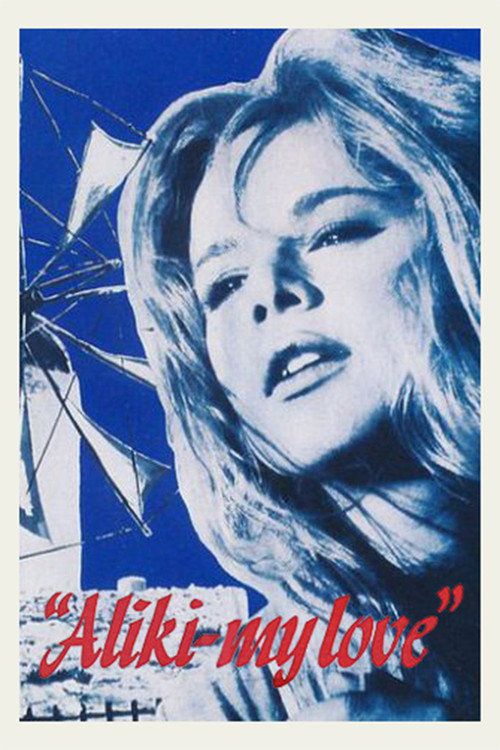
Aliki My Love(1963)
Director
Film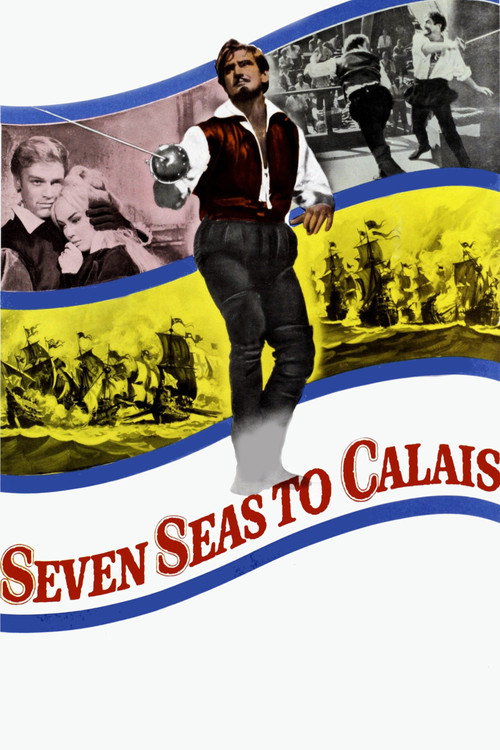
Seven Seas to Calais(1962)
Director
Film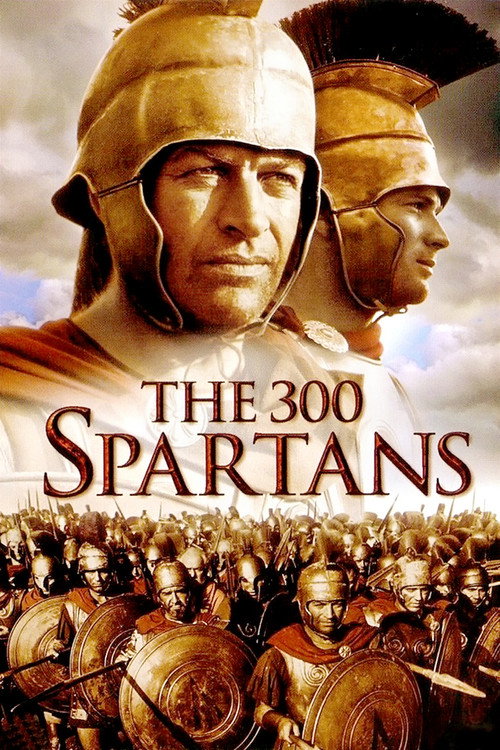
The 300 Spartans(1962)
Director
Film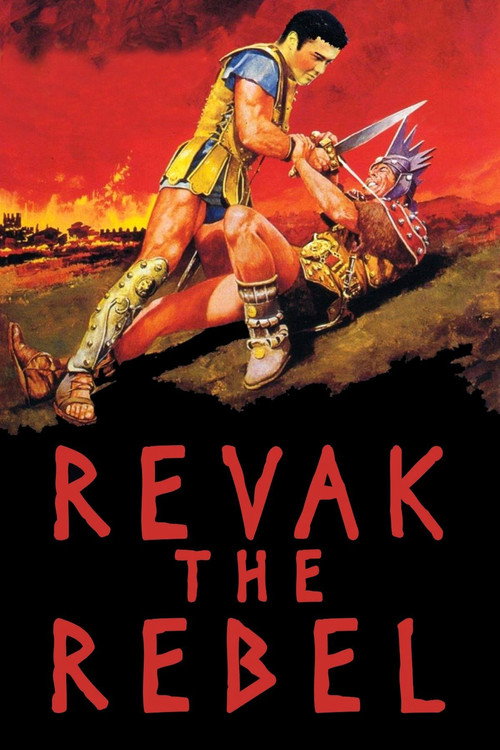
The Barbarians(1960)
Director
Film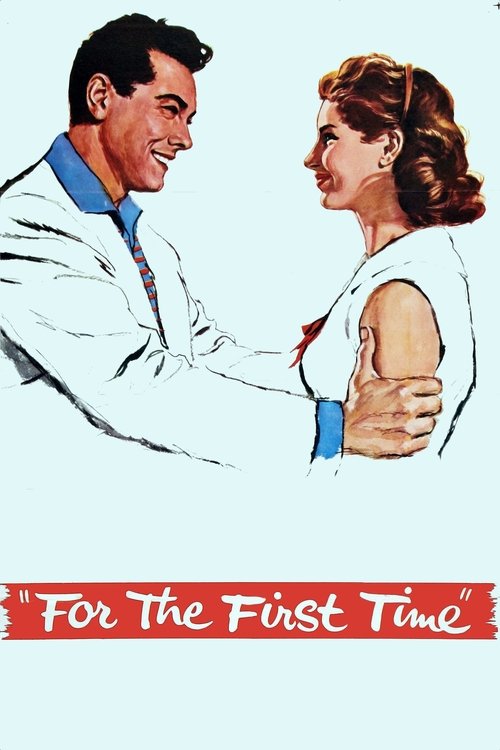
For the First Time(1959)
Director
Film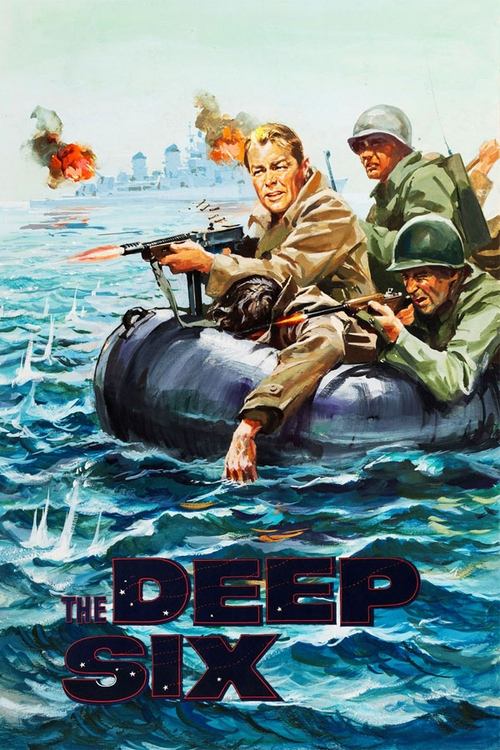
The Deep Six(1958)
Director
Film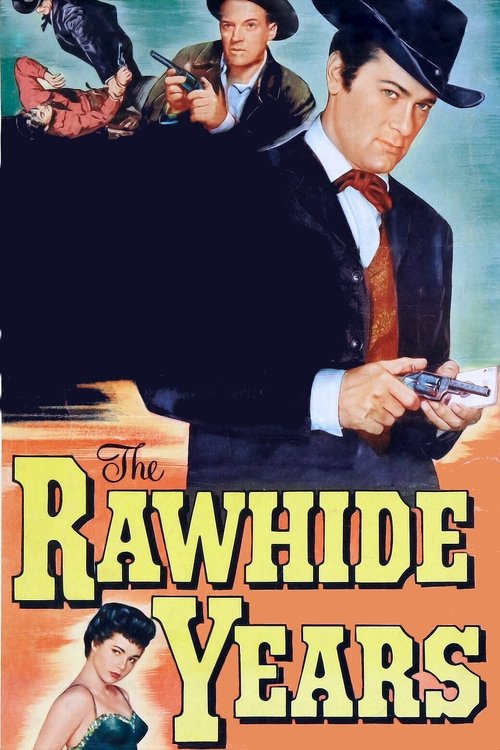
The Rawhide Years(1956)
Director
Film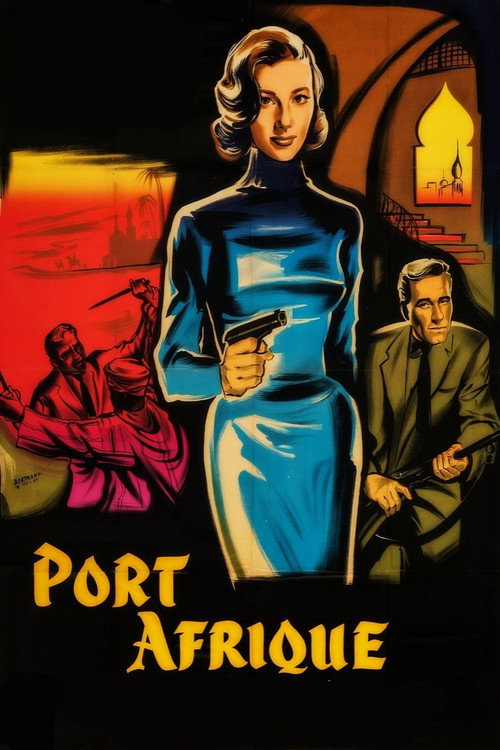
Port Afrique(1956)
Director
Film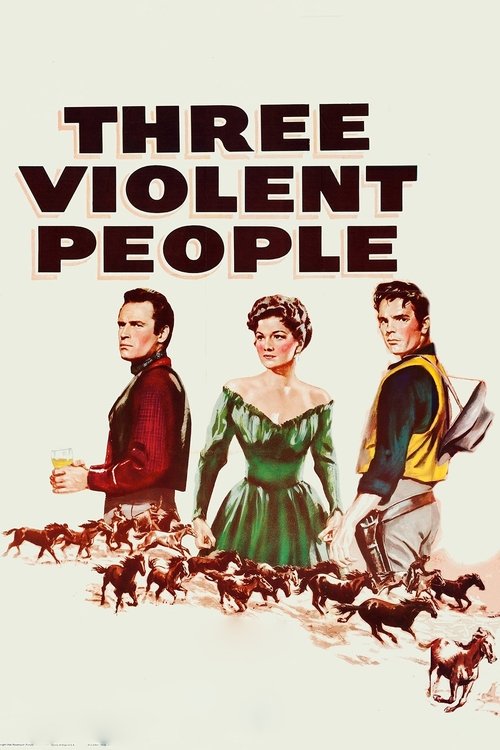
Three Violent People(1956)
Director
Film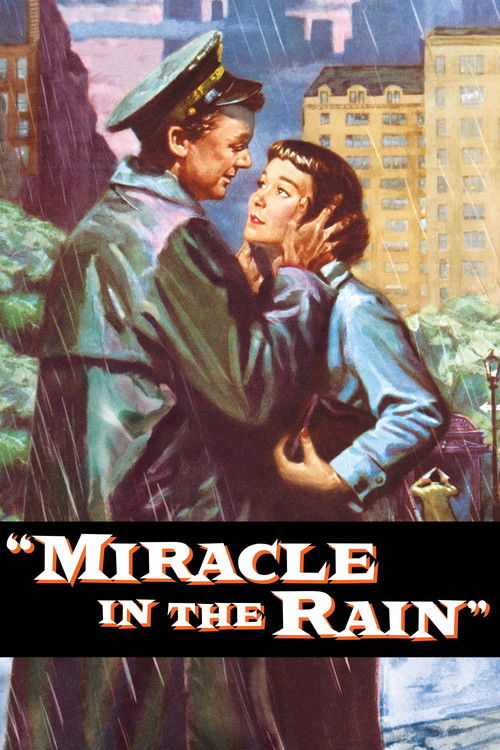
Miracle in the Rain(1956)
Director
Film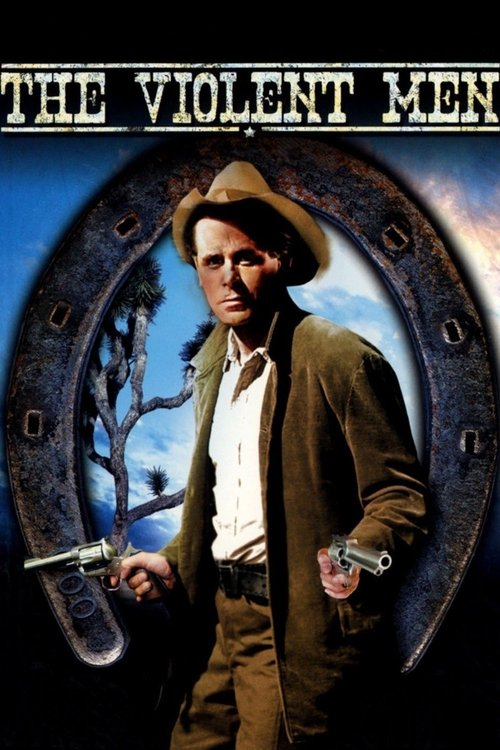
The Violent Men(1955)
Director
Film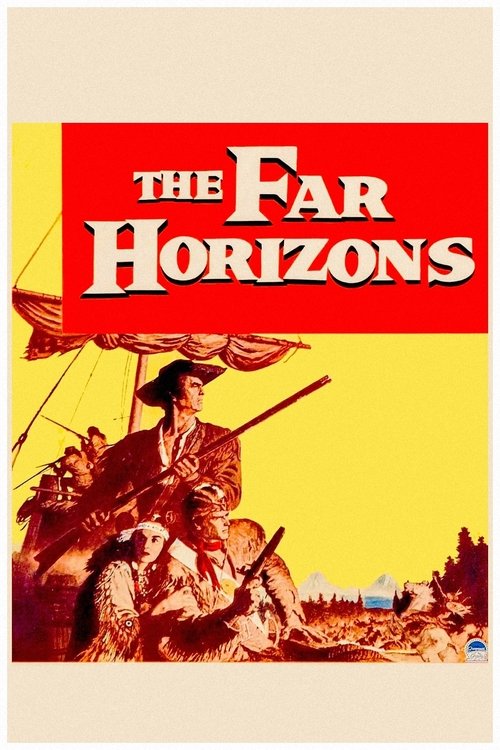
The Far Horizons(1955)
Director
Film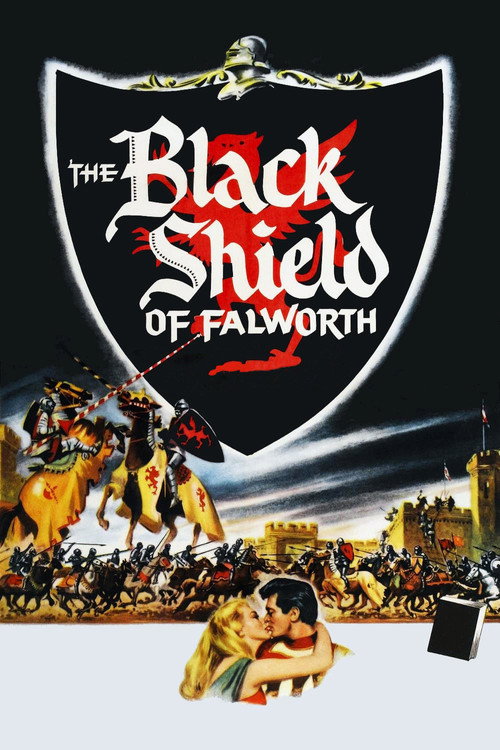
The Black Shield of Falworth(1954)
Director
Film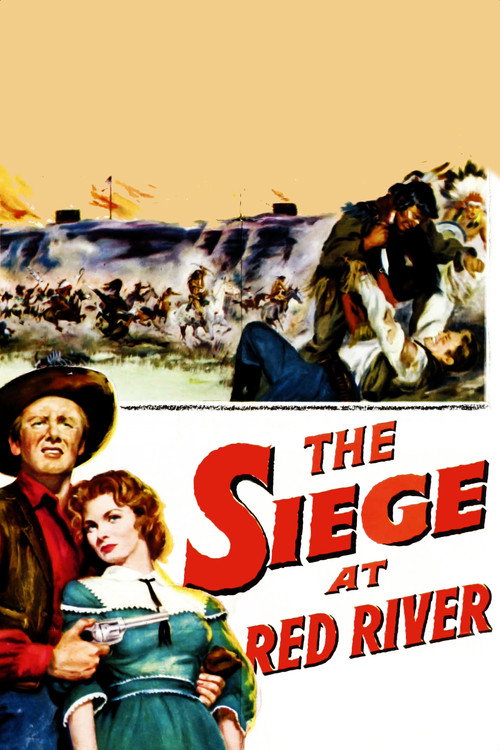
The Siege at Red River(1954)
Director
Film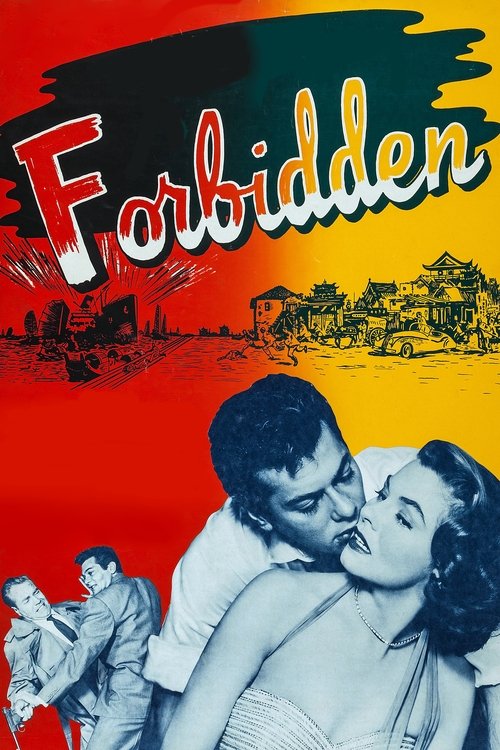
Forbidden(1953)
Director
Film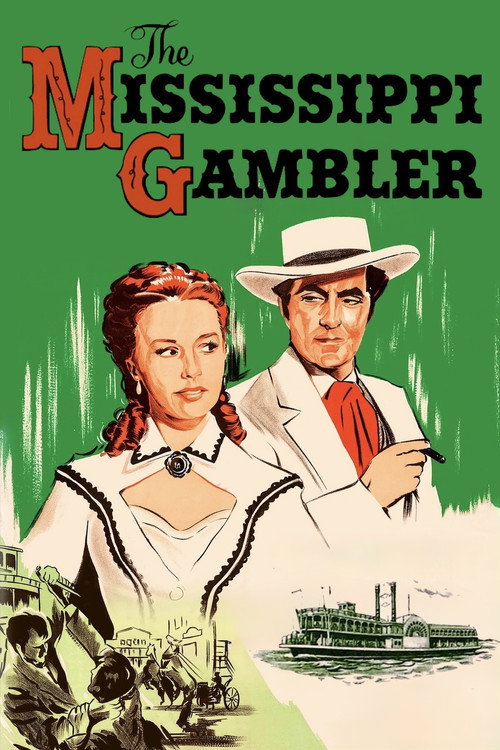
The Mississippi Gambler(1953)
Director
Film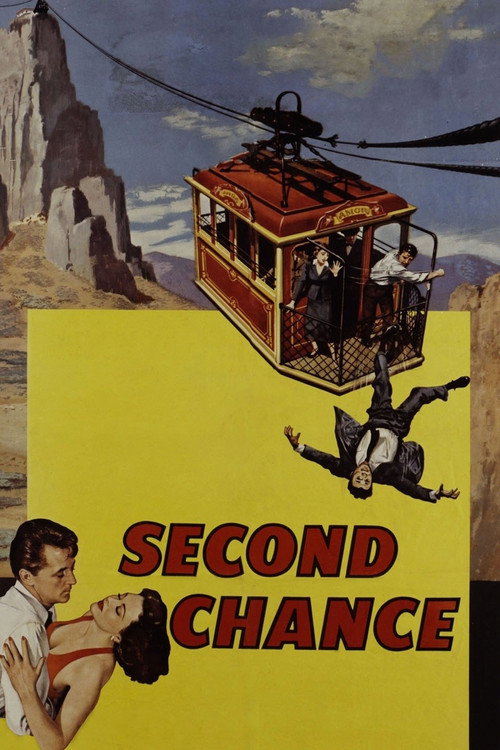
Second Chance(1953)
Director
Film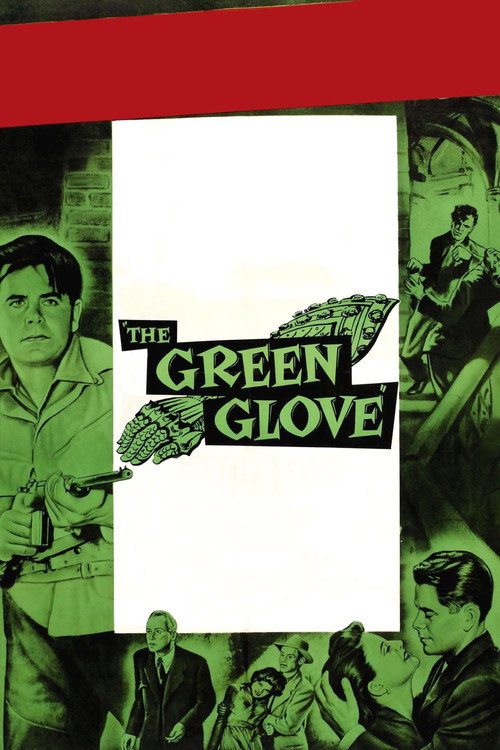
The Green Glove(1952)
Director
Film
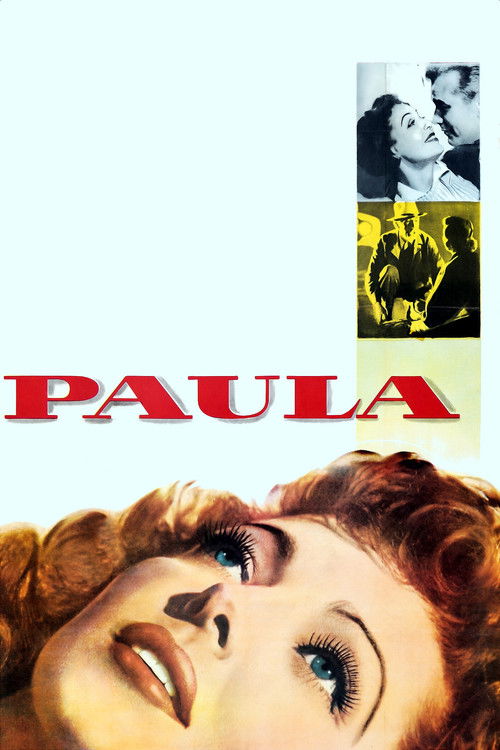
Paula(1952)
Director
Film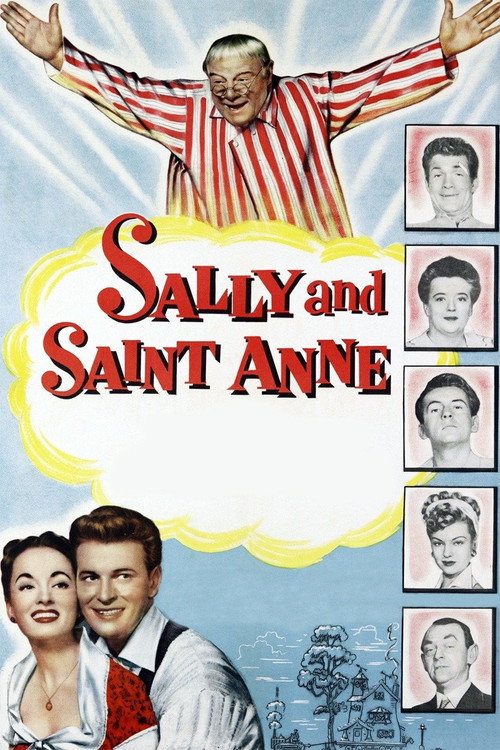
Sally and Saint Anne(1952)
Director
Film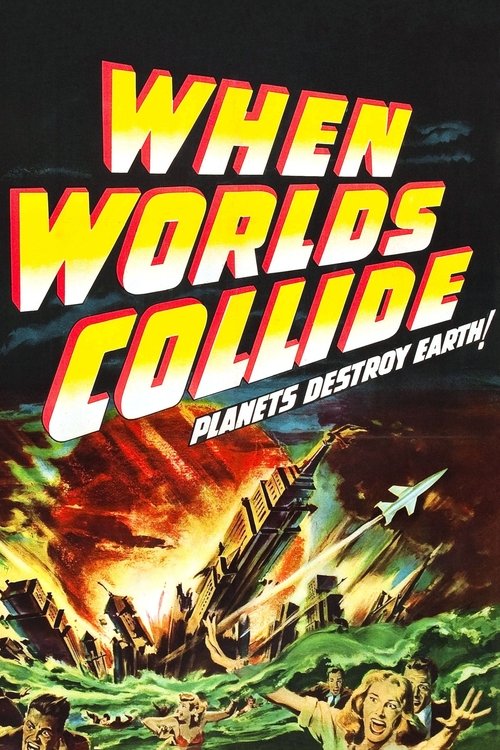
When Worlds Collide(1951)
Director
Film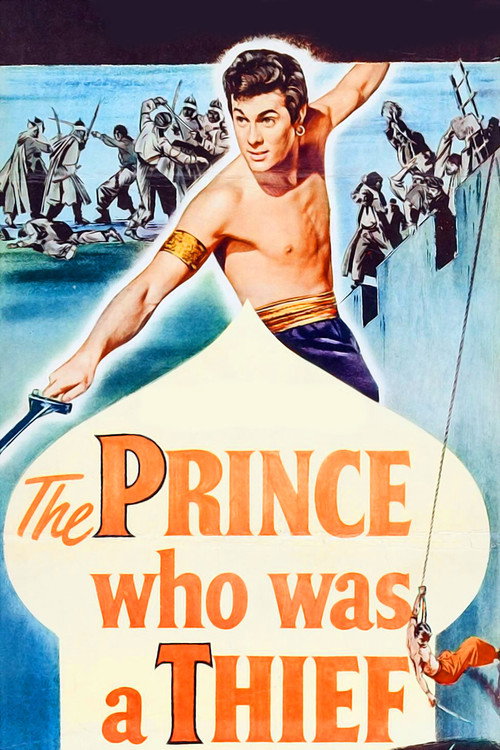
The Prince Who Was a Thief(1951)
Director
Film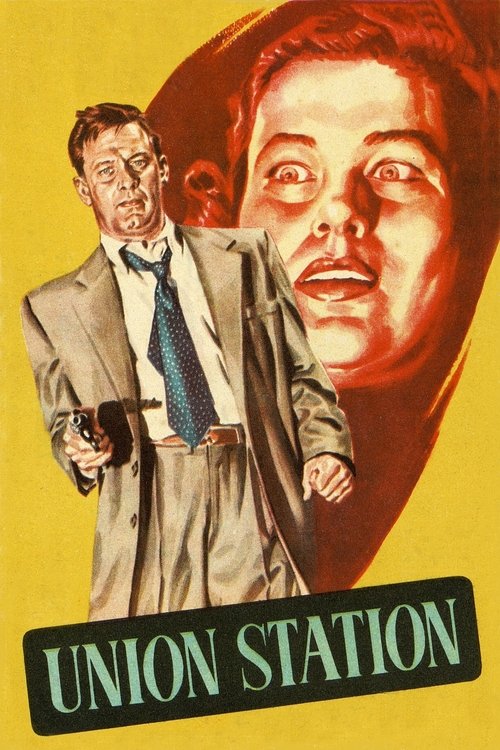
Union Station(1950)
Director
Film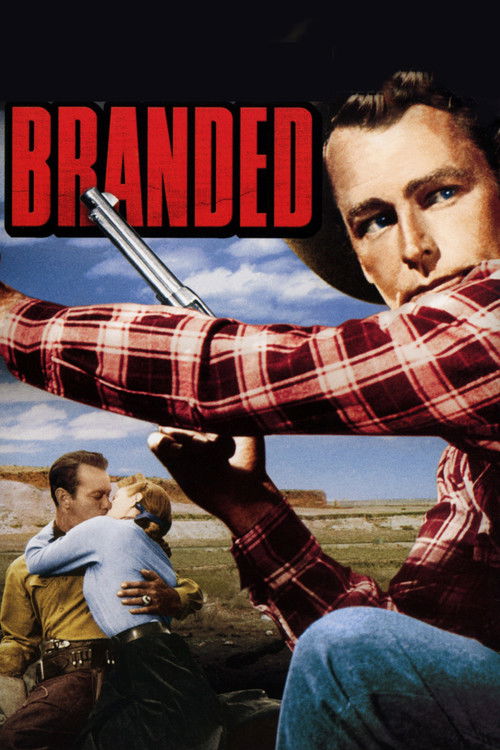
Branded(1950)
Director
Film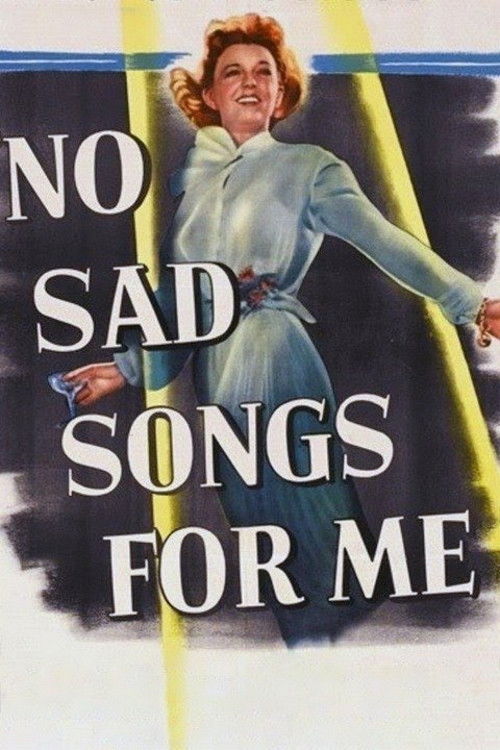
No Sad Songs for Me(1950)
Director
Film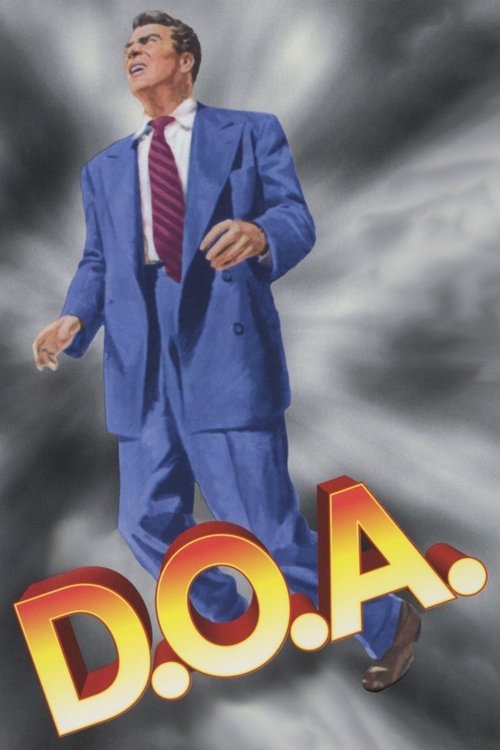
D.O.A.(1949)
Director
Film
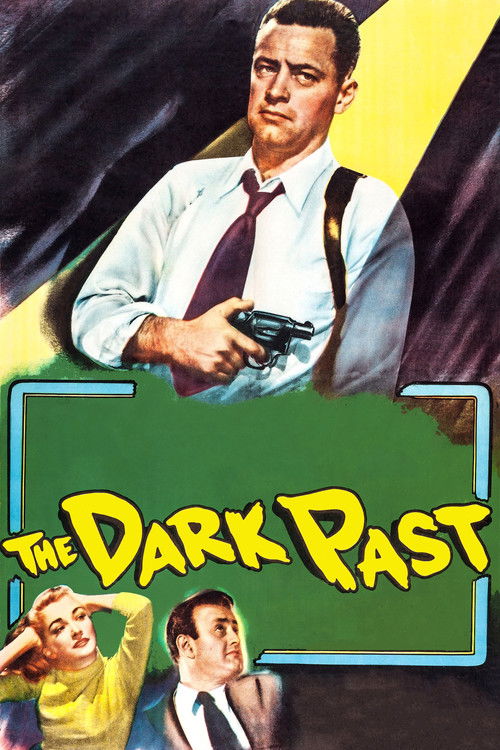
The Dark Past(1948)
Director
Film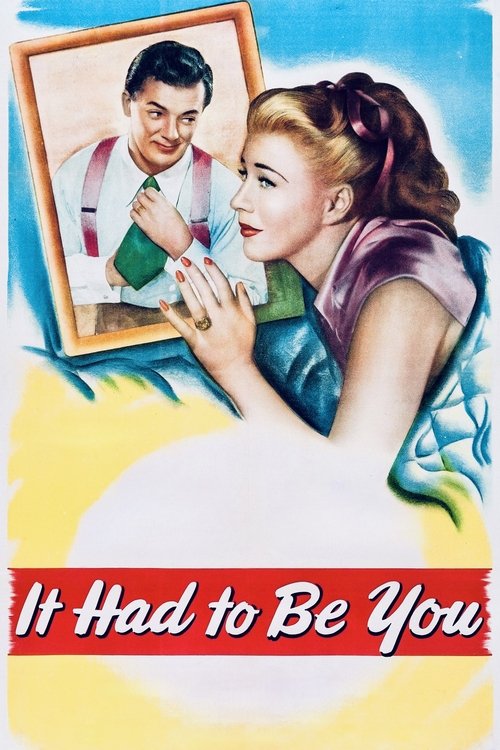
It Had to Be You(1947)
Director
Film
Producer
1 credit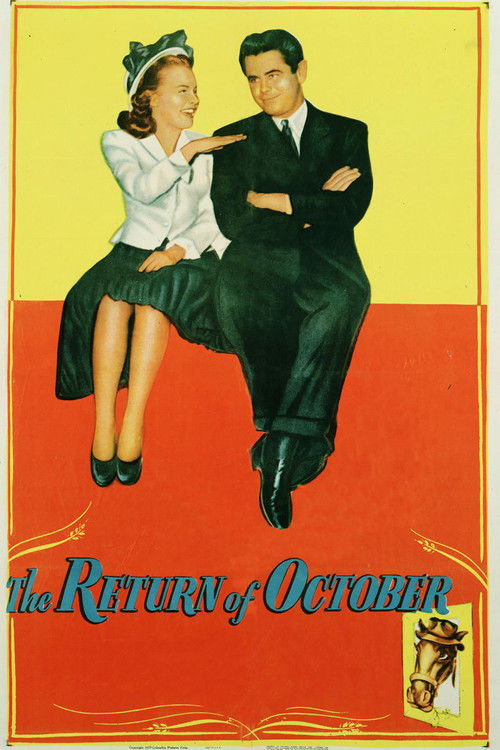
Cinematographer
58 credits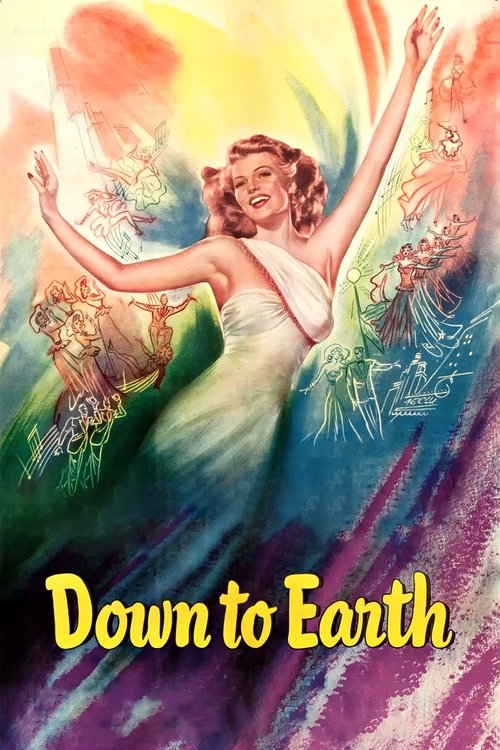
Down to Earth(1947)
Cinematographer
Film

Gilda(1946)
Cinematographer
Film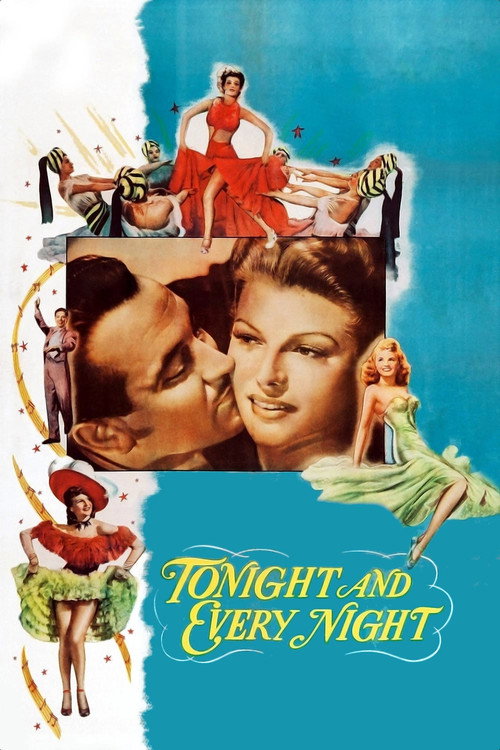
Tonight and Every Night(1945)
Cinematographer
Film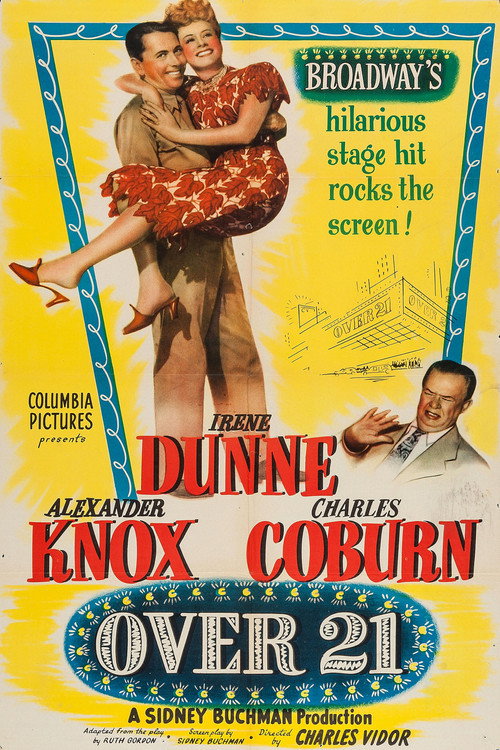
Over 21(1945)
Cinematographer
Film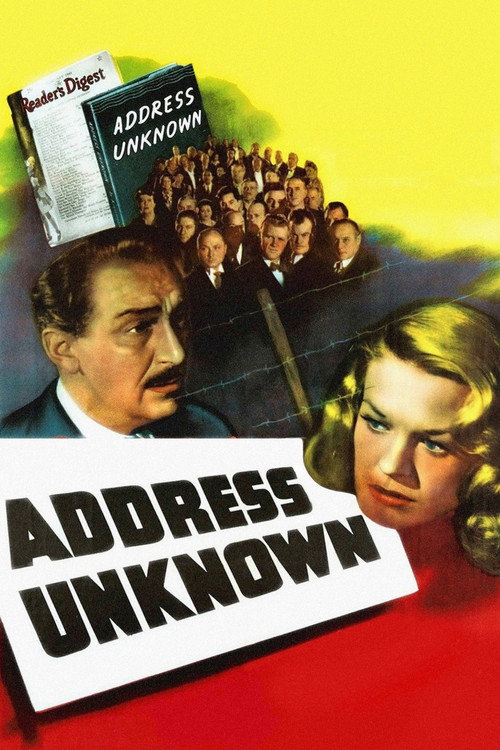
Address Unknown(1944)
Cinematographer
Film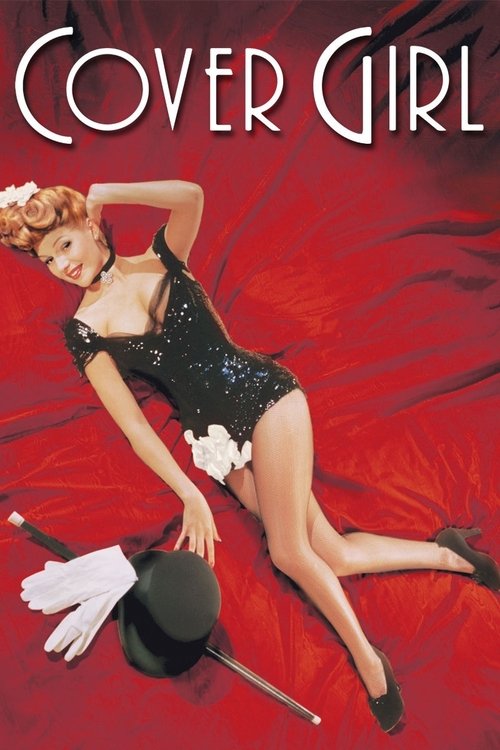
Cover Girl(1944)
Cinematographer
Film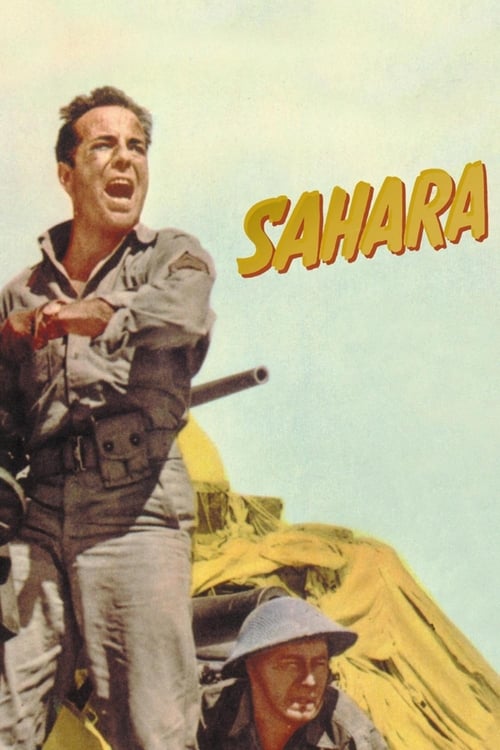
Sahara(1943)
Cinematographer
Film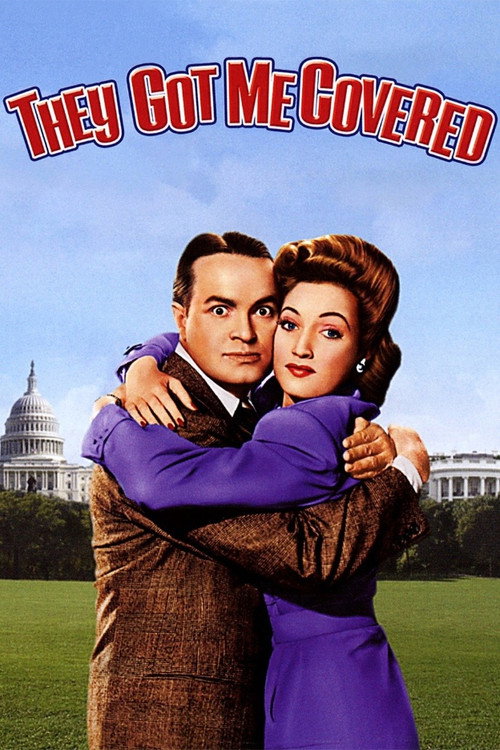
They Got Me Covered(1943)
Cinematographer
Film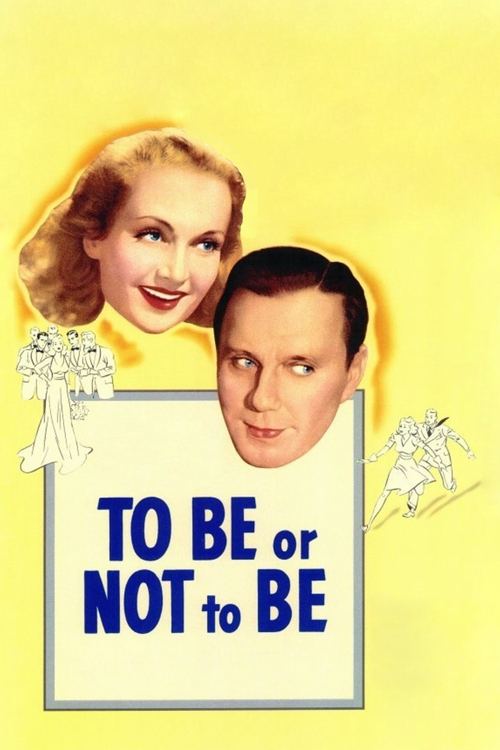
To Be or Not to Be(1942)
Cinematographer
Film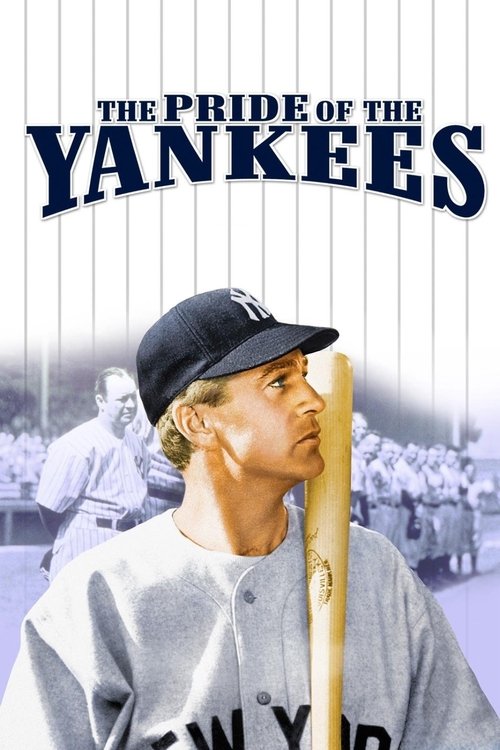
The Pride of the Yankees(1942)
Cinematographer
Film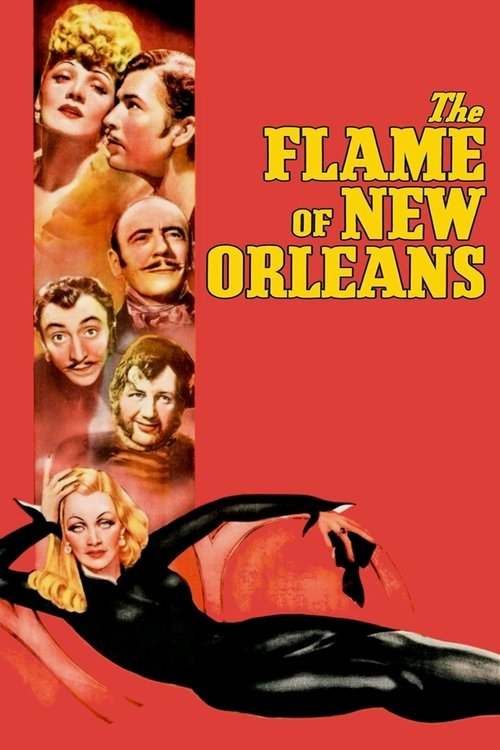
The Flame of New Orleans(1941)
Cinematographer
Film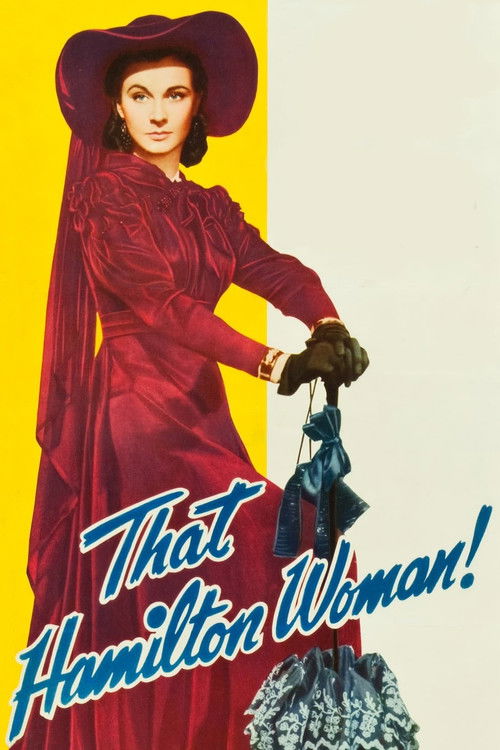
That Hamilton Woman(1941)
Cinematographer
Film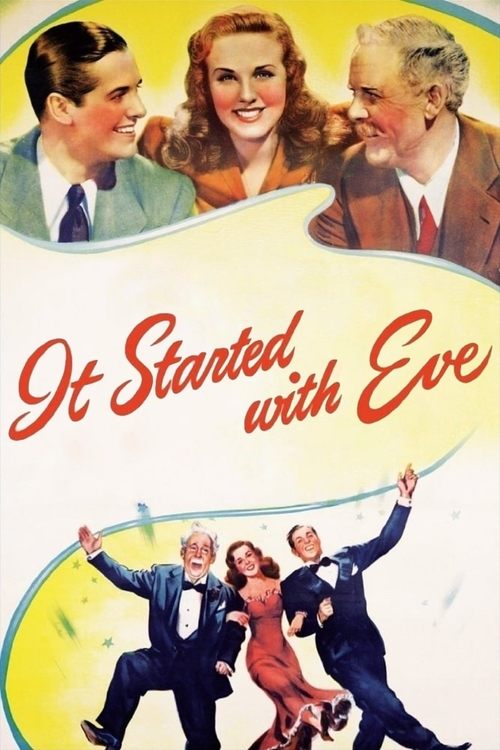
It Started with Eve(1941)
Cinematographer
Film
My Favorite Wife(1940)
Cinematographer
Film
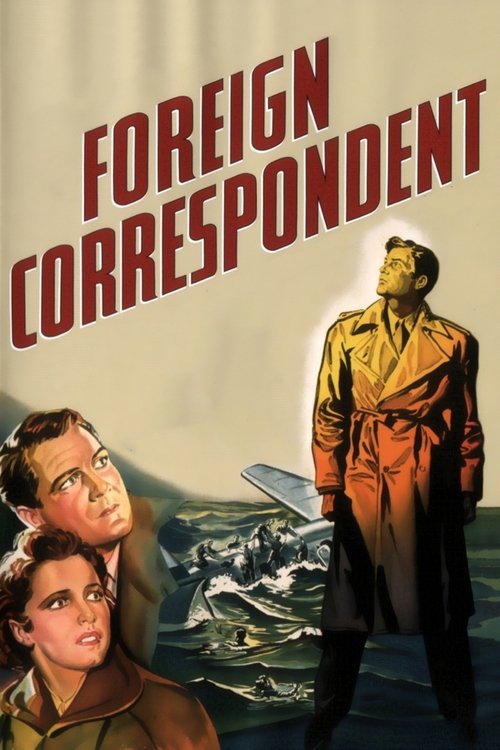
Foreign Correspondent(1940)
Cinematographer
Film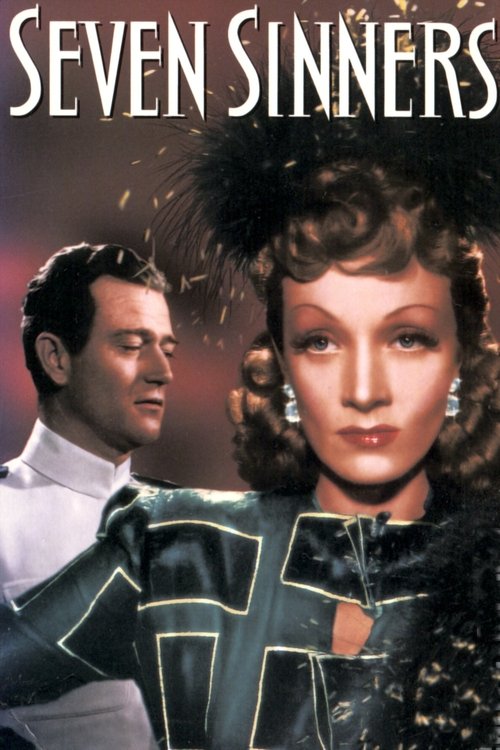
Seven Sinners(1940)
Cinematographer
Film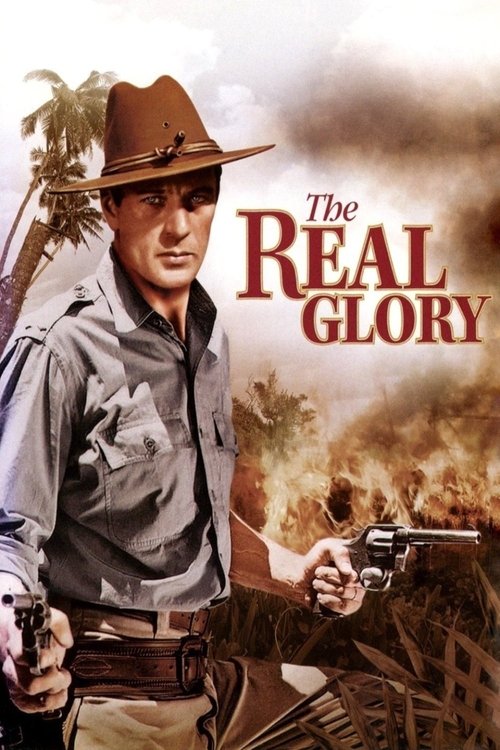
The Real Glory(1939)
Cinematographer
Film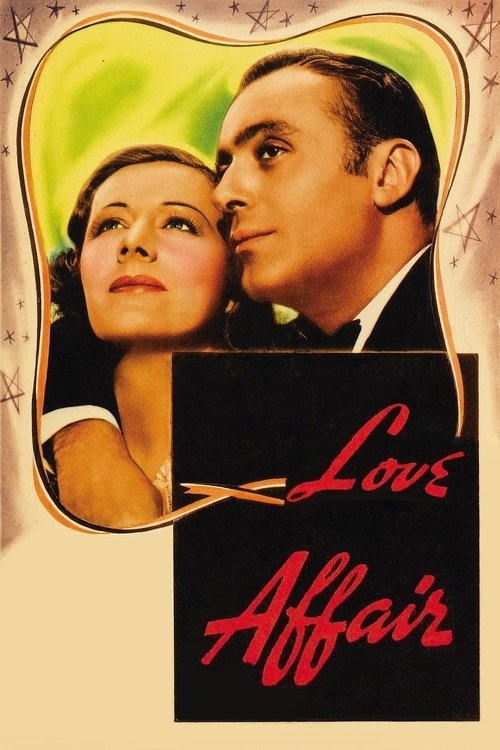
Love Affair(1939)
Cinematographer
Film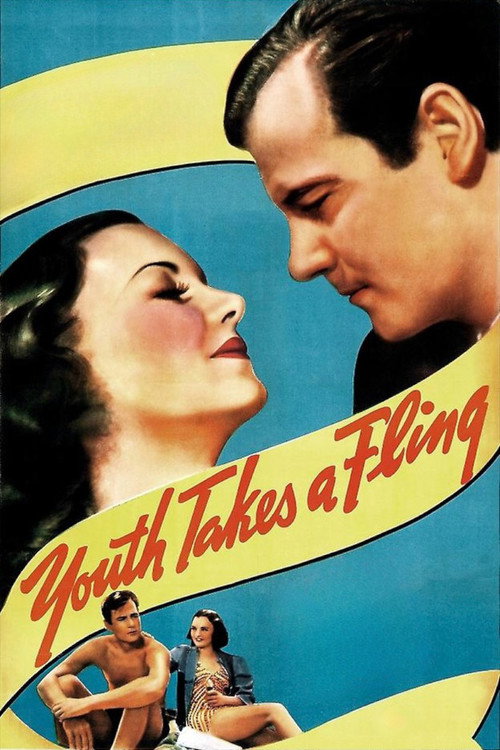
Youth Takes a Fling(1938)
Cinematographer
Film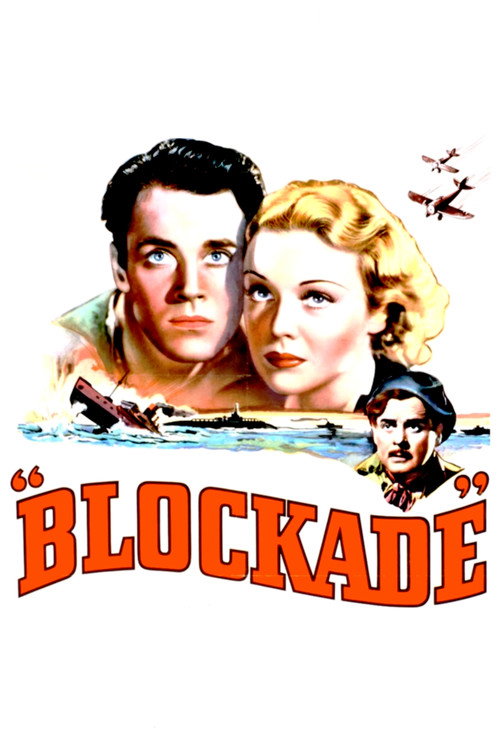
Blockade(1938)
Cinematographer
Film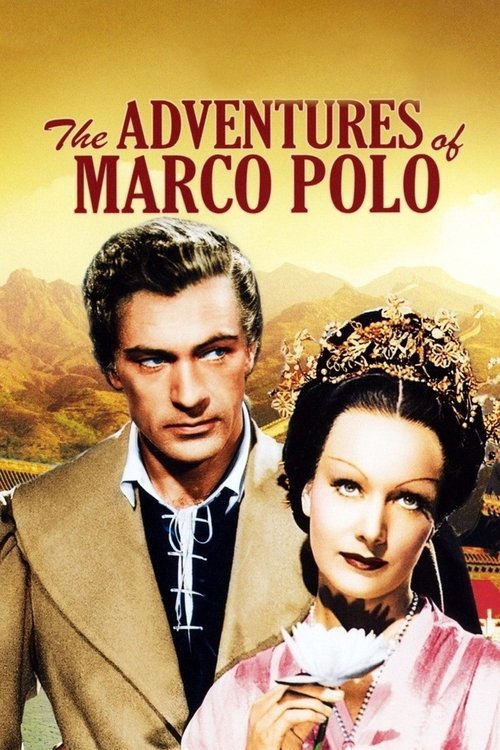
The Adventures of Marco Polo(1938)
Cinematographer
Film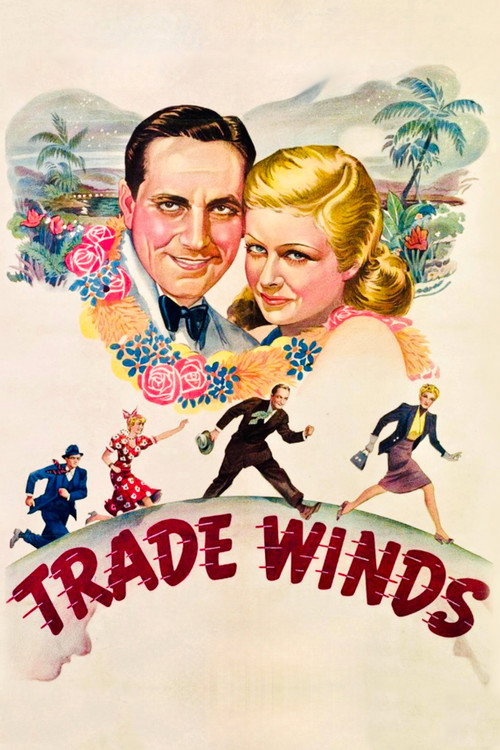
Trade Winds(1938)
Cinematographer
Film
Stella Dallas(1937)
Cinematographer
Film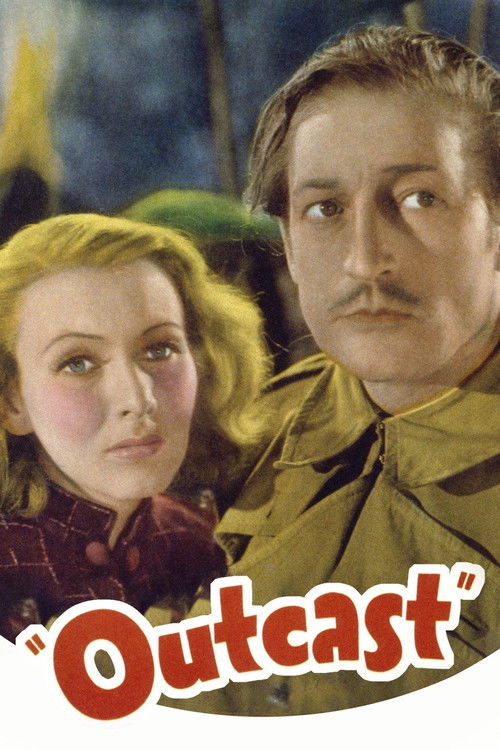
Outcast(1937)
Cinematographer
Film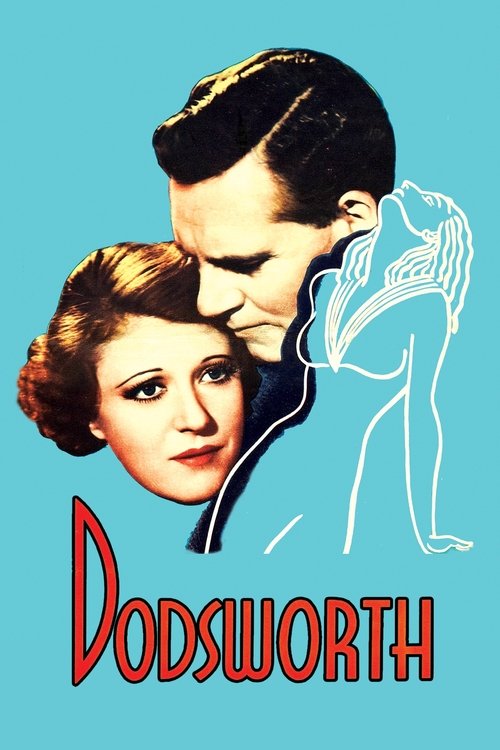
Dodsworth(1936)
Cinematographer
Film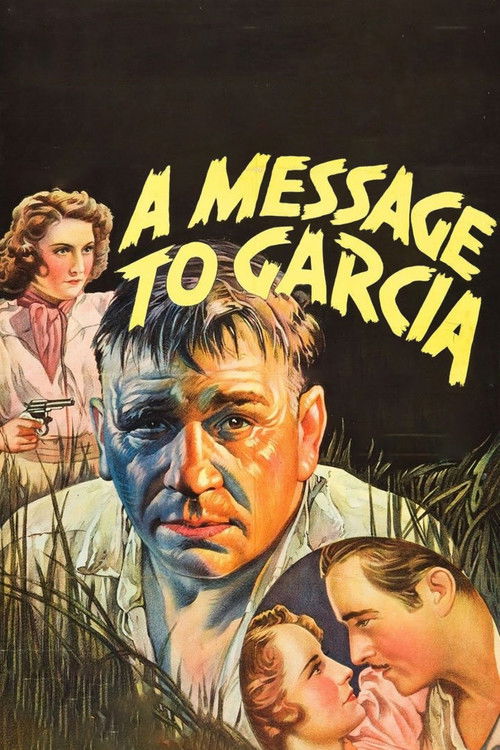
A Message to Garcia(1936)
Cinematographer
Film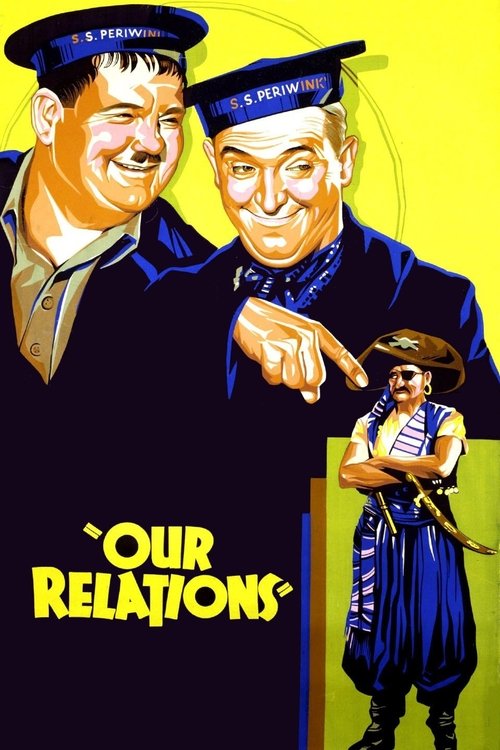
Our Relations(1936)
Cinematographer
Film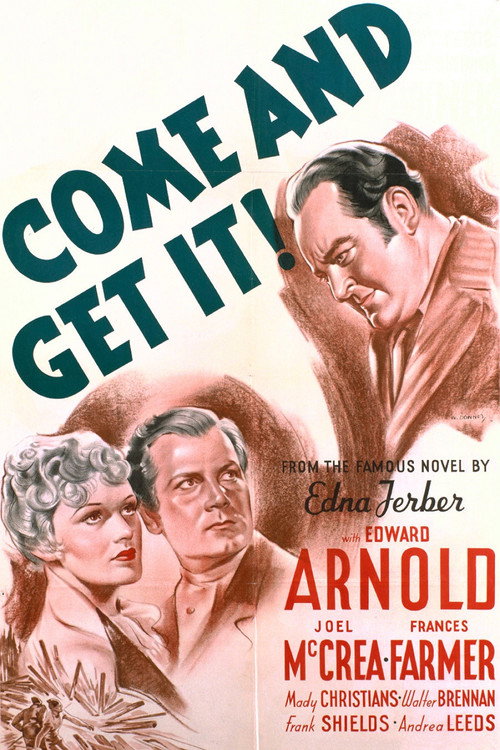
Come and Get It(1936)
Cinematographer
Film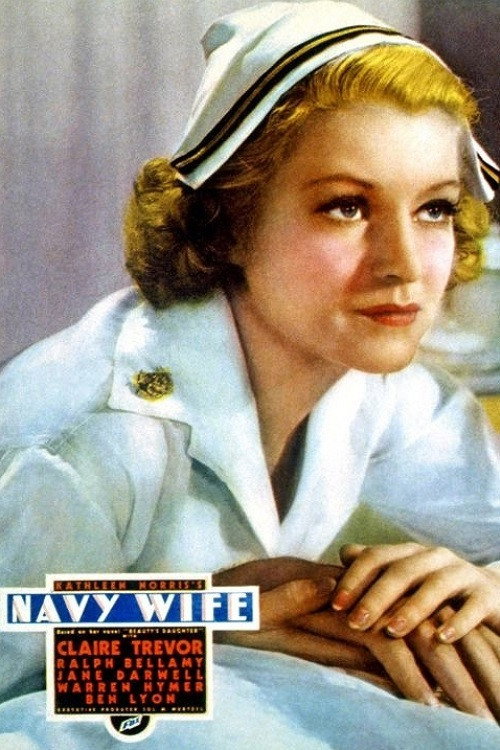
Navy Wife(1935)
Cinematographer
Film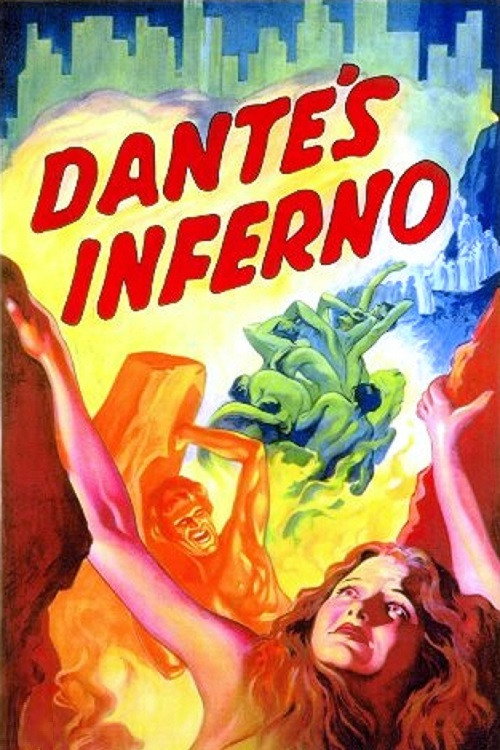
Dante's Inferno(1935)
Cinematographer
Film
Awards & Nominations
5 nominationsAcademy Awards
- Nom1944Oscar — Cinematography (color)
- Nom1943Oscar — Cinematography (black-and-white)
- Nom1942Oscar — Cinematography (black-and-white)
- Nom1941Oscar — Cinematography (black-and-white)
- Nom1940Oscar — Cinematography (black-and-white)
Memorable quotes
Browse all →No quotes logged for Rudolph Maté yet — add the first memorable line below.
Got a quote we’re missing?
Submit a line from any film, show, or game.
Edit history
Loading edit history…
Comments (0)
on Rudolph MatéNo comments yet. Be the first to share what you think.