
Company
October Films
The scrappy New York distributor that turned the harshest art-house cinema into Oscar gold, until the studio that bought it decided some pictures were too dangerous to release (1991–1999).
1 project
About
The defining paradox of October Films is reflected in the one film it refused to release. In 1998, the company had acquired and supported Todd Solondz's *Happiness*, a stark portrayal of suburban despair that won a critics' prize at Cannes — only for its corporate parent to later withdraw the film due to discomfort with its subject matter. A distributor built to showcase the cinema no one else would handle discovered, at a critical moment, that it no longer had full control. This incident encapsulates the rise and fall of October Films: a company driven by boldness, acquired by one with none.
October Films was founded in 1991 by Bingham Ray and Jeff Lipsky, two veterans of specialty distribution, in Sherman Oaks, California. The company was initially formed to bring Mike Leigh's *Life Is Sweet* to American theaters, before relocating to New York and becoming a leading force in the art house scene. October's strategy was based on conviction: acquiring challenging, foreign, and formally rigorous films, spending carefully, and leveraging critical acclaim and festival buzz to reach audiences overlooked by major studios. It was the American art house at the height of its cultural relevance.
The prestige years
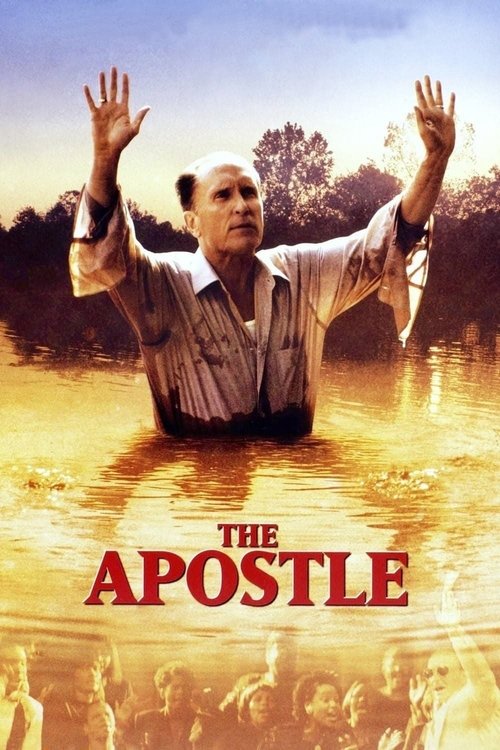
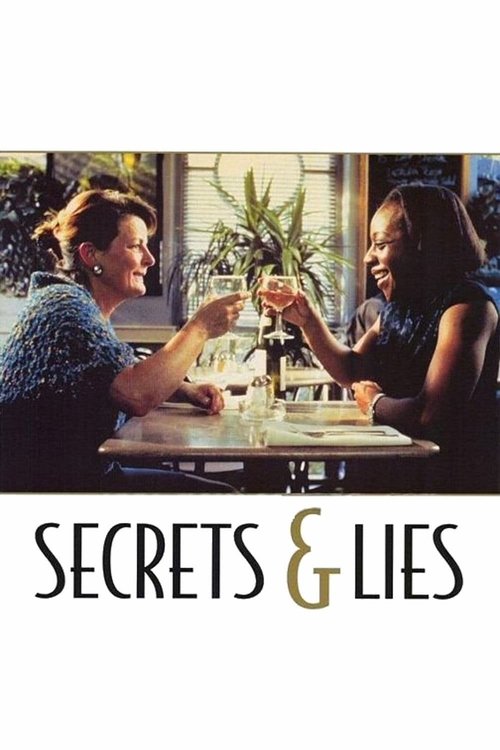
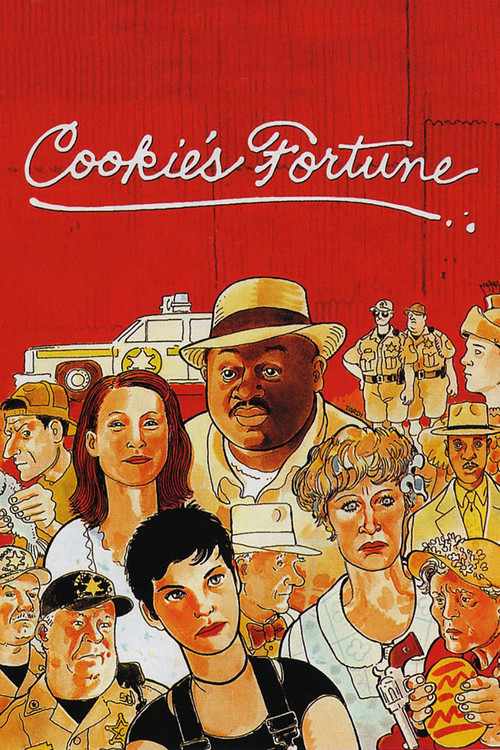
For a few years, the model proved highly effective. October released Lars von Trier's *Breaking the Waves* in 1996, a raw and intense film that marked von Trier as a major filmmaker and earned Emily Watson an Oscar nomination. That same year, Mike Leigh's *Secrets & Lies* won the Palme d'Or at Cannes and received five Academy Award nominations, including Best Picture — a remarkable achievement for a company less than five years old. October's selections often combined the unpalatable with the humane: Robert Duvall's self-financed *The Apostle* in 1997, which earned him a Best Actor nomination, and later Robert Altman's *Cookie's Fortune*. The company's identity was not defined by genre or star power, but by a belief that audiences were more discerning and engaged than the market assumed.
That belief also became its weakness. Specialty distribution is a financially demanding business, and major studios had begun to take notice of the boutique distributors outperforming them at the awards. In 1997, Universal Studios — then owned by Seagram — acquired a majority stake in October Films. On paper, the move offered validation and financial backing. In practice, it marked the beginning of the company's decline.
The turn and the shutdown
The *Happiness* episode made the new arrangement clear. Seagram objected to the film's depiction of pedophilia, and Universal prevented October from distributing the film it had supported; Good Machine, the film's production company, took over the release instead. A distributor whose purpose was to handle what the studios wouldn't had now been barred by its studio owner from doing exactly that. Bingham Ray left the company, and with him went October's original vision.
October Films had been built to say yes to the films Hollywood said no to — and had been acquired by the Hollywood that said no.
The corporate endgame came quickly. In 1999, Universal sold October Films, along with Gramercy Pictures and Interscope Communications, to Barry Diller, who merged the three into a new company, USA Films. October ceased to exist as an independent entity that year, its name retired and its film library absorbed. USA Films would later be restructured into Focus Features under Universal's specialty division, meaning October's film collection ultimately returned to the Universal system from which its buyer had originated.
October Films matters because it demonstrated both sides of a difficult truth about American film culture in real time. A small, bold distributor can indeed elevate filmmakers like von Trier, Leigh, and Duvall into Oscar contenders and cultural conversations. But that very success can also draw unwanted attention — leading to acquisition, dilution, and dissolution by the industry it challenged. The specialty labels that followed, including Focus Features, inherited both October's strategy and its cautionary story: the films October championed continue to screen, but the independence that made them possible did not survive the sale.
Projects (1)
A platform appears here when one of this studio's titles streams on it. Click to filter — pick several to combine.

Films distributed
Theatrical releases this company distributed, by U.S. box-office gross.
The Apostle
1997
Secrets & Lies
1996
Cookie's Fortune
1999
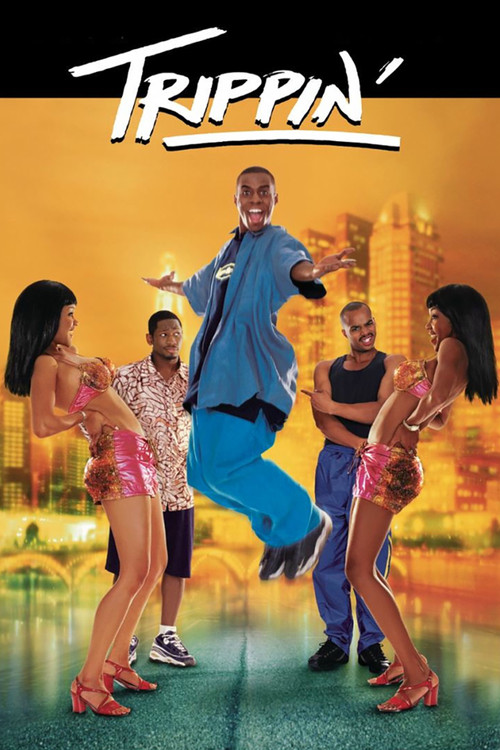
Trippin'
1999
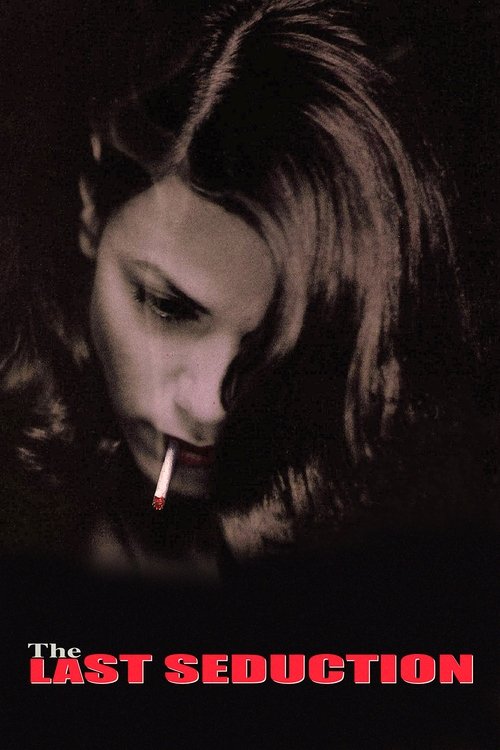
The Last Seduction
1994
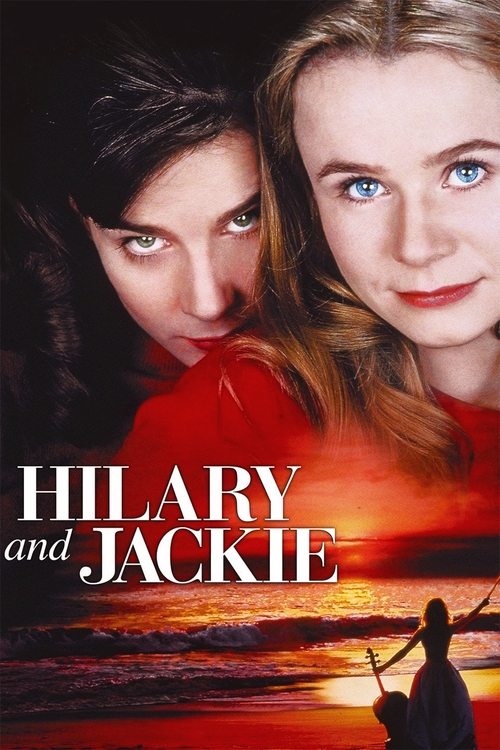
Hilary and Jackie
1998
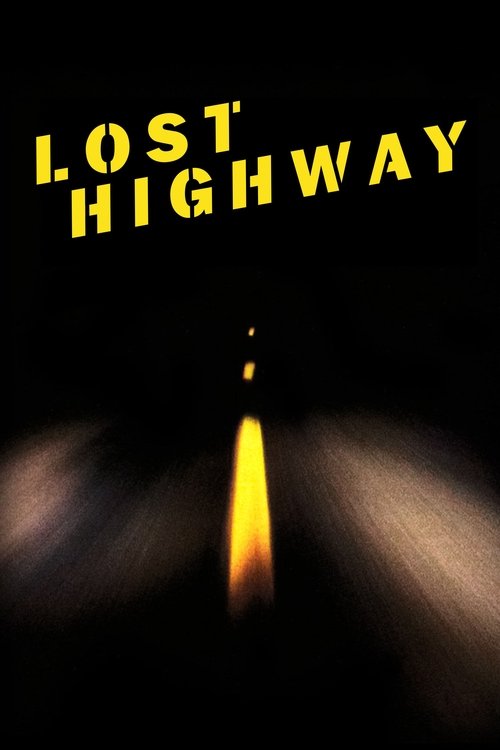
Lost Highway
1997
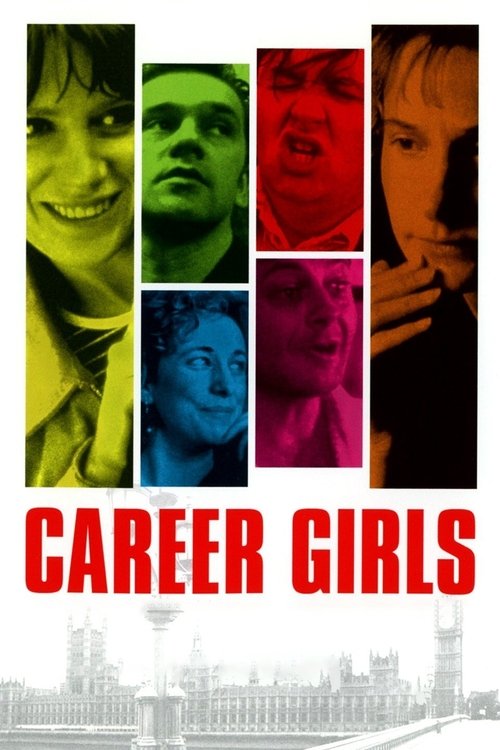
Career Girls
1997
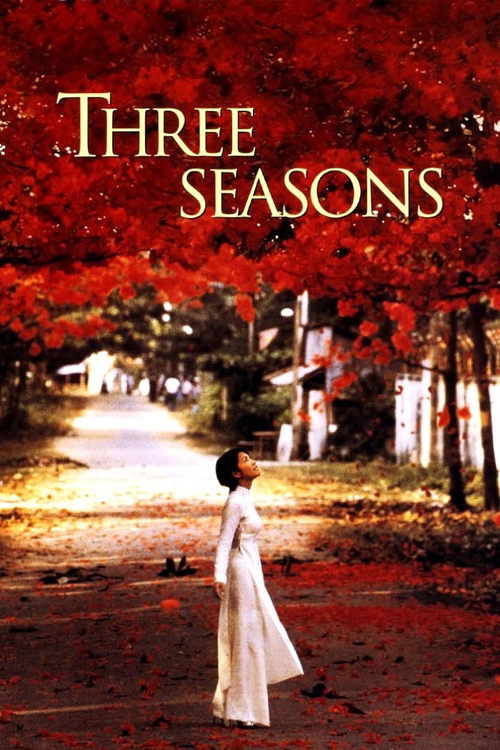
Three Seasons
1999
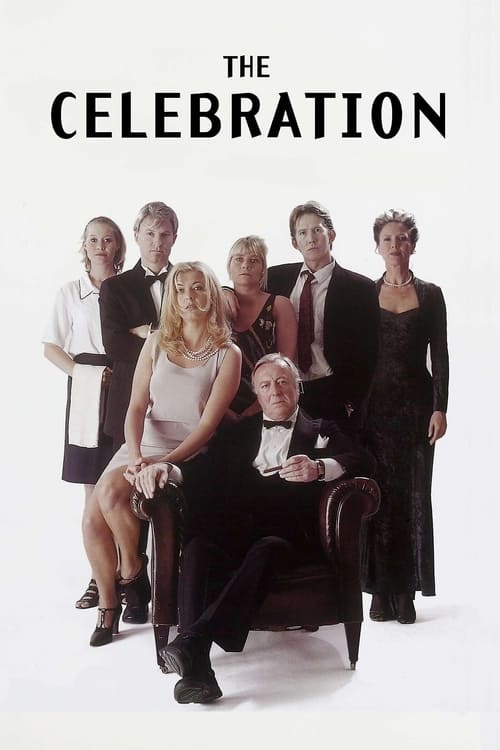
The Celebration
1998
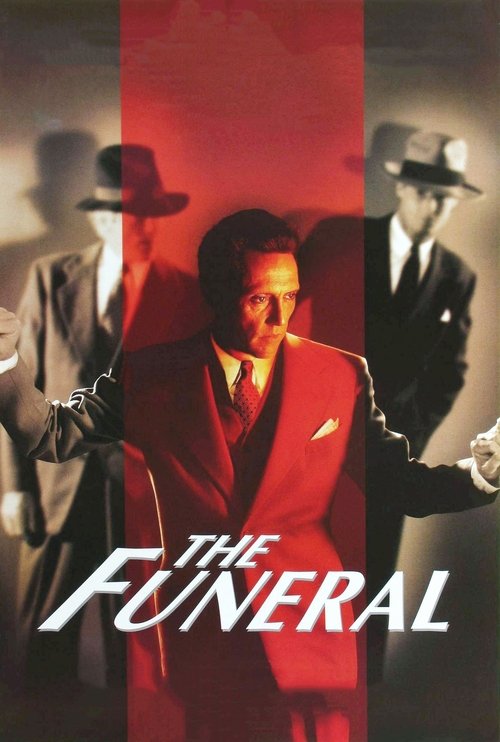
The Funeral
1996
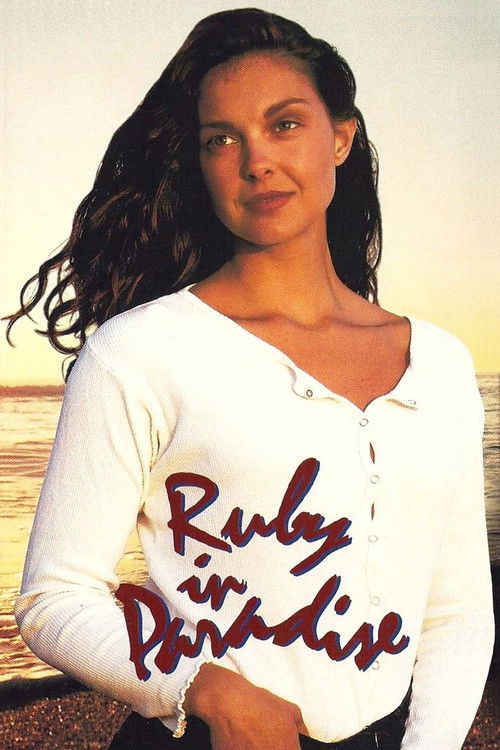
Ruby in Paradise
1993
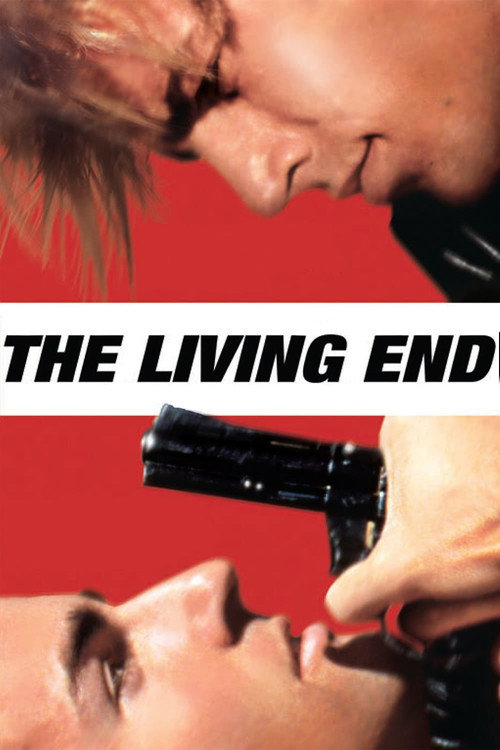
The Living End
1992
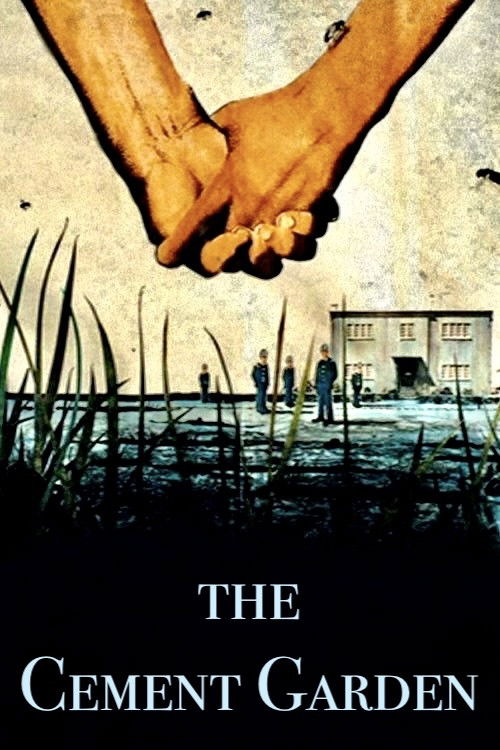
The Cement Garden
1993
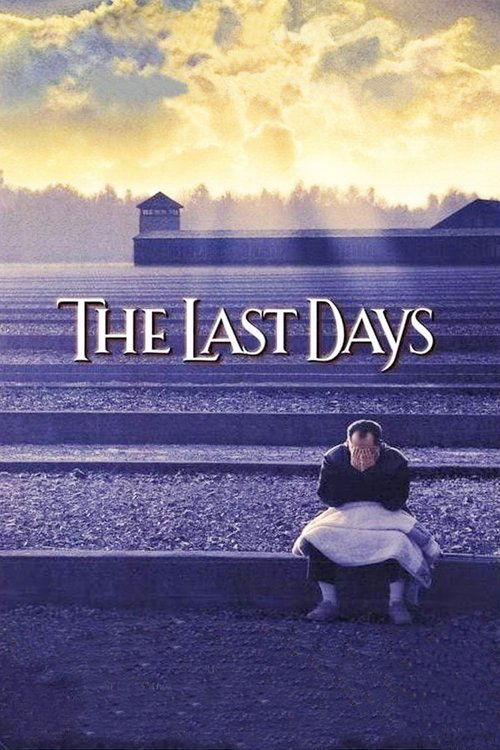
The Last Days
1998
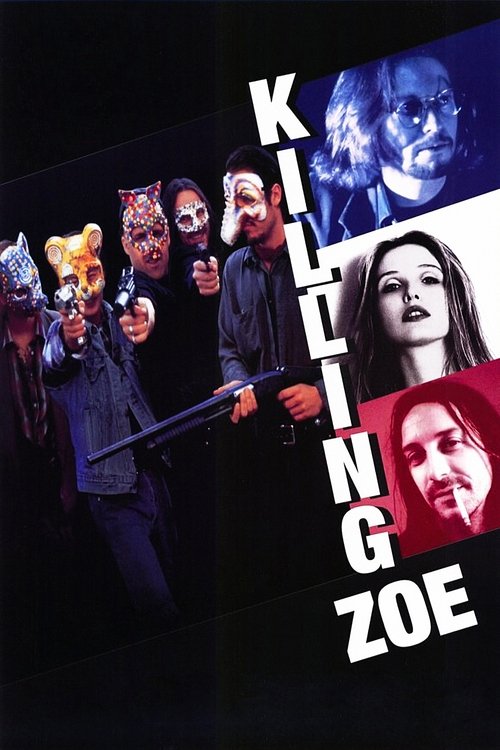
Killing Zoe
1993
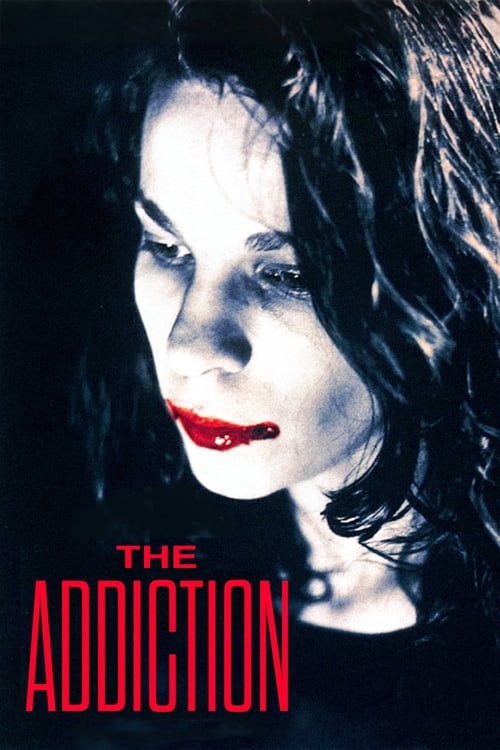
The Addiction
1995
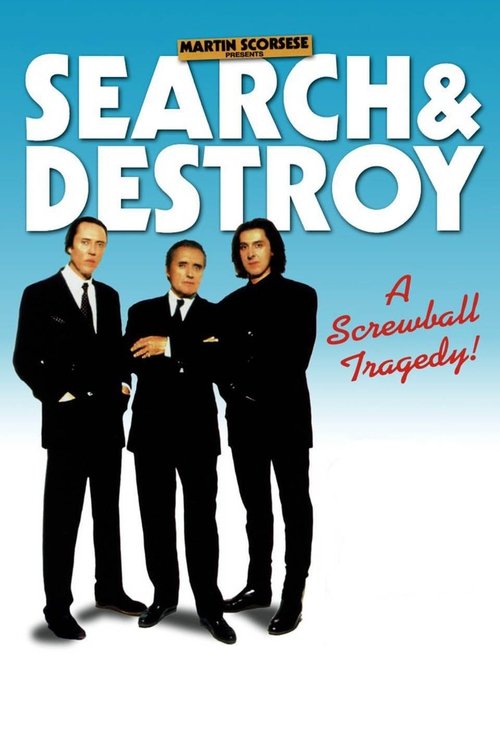
Search and Destroy
1995
People here
Work at October Films? Add it to your profile →
Reviews
Sign in to review October Films.
No reviews yet.