
Company
Polygram Filmed Entertainment
The European music giant that willed itself into a genuine Hollywood studio, minted one of the great runs in 1990s cinema, and was switched off at the very moment it started to win (1992-1999).
14 projects
About
The closing minutes of *The Usual Suspects*, with the coffee cup falling in slow motion as the con unravels, mirror PolyGram Filmed Entertainment's own trajectory. A European company that few took seriously managed, through steady and unglamorous effort, to build a real Hollywood studio—only to be dismantled after proving its worth. The paradox was clear: PolyGram spent most of a decade demonstrating that a music company could produce great films, only to be acquired for its music and shuttered for its movies.
PolyGram was the film division of a Dutch-owned music conglomerate that controlled labels including Deutsche Grammophon, Mercury, and Island, and was ultimately owned by Philips. It had previously experimented with film under the name PolyGram Pictures in the early 1980s, producing a few hits and many misses before pulling back. The real push came in 1992, when Michael Kuhn consolidated the company’s various film interests into a unified filmed-entertainment division with a bold objective: to create the first new major Hollywood studio in decades, operating from both London and Los Angeles.
Kuhn’s strategy was based on the idea that a studio is defined not just by its films, but by its infrastructure. PolyGram funded a network of prestige production labels and, importantly, developed its own distribution capabilities rather than relying on Hollywood’s existing systems. This included Gramercy Pictures, a joint venture with Universal in the U.S., and later its own PolyGram Films distribution arm. Owning distribution, Kuhn understood, was what distinguished a production company from a full-fledged studio, and PolyGram aimed to build the complete system.
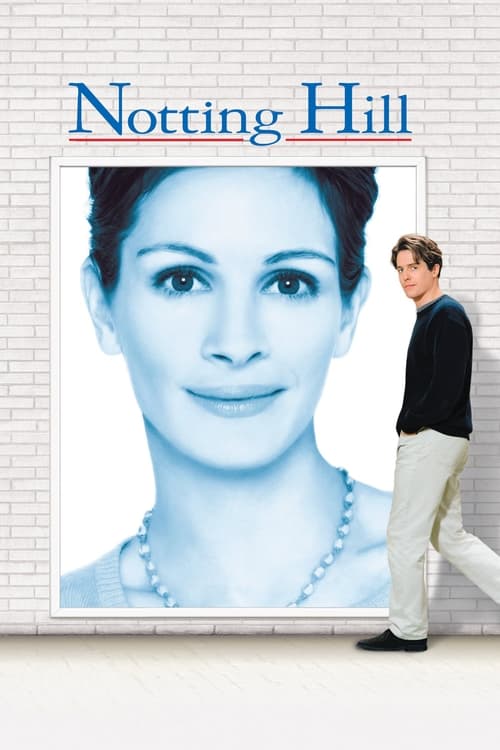
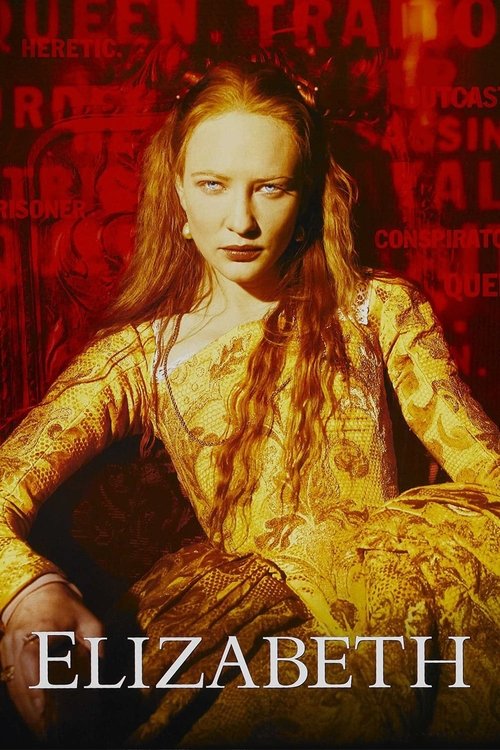
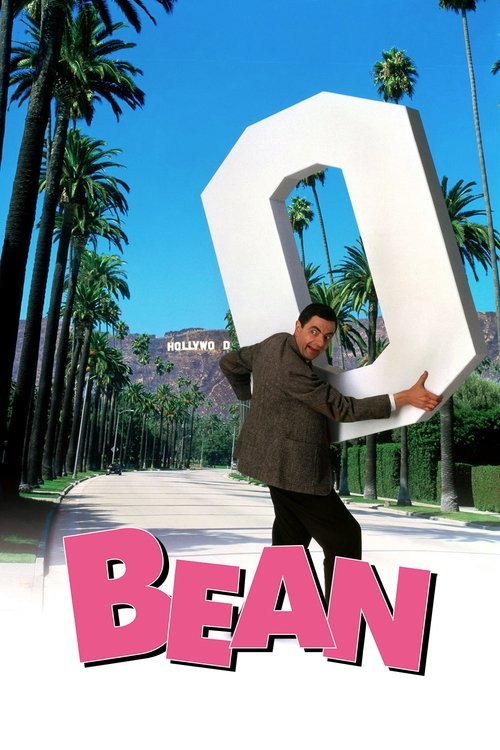
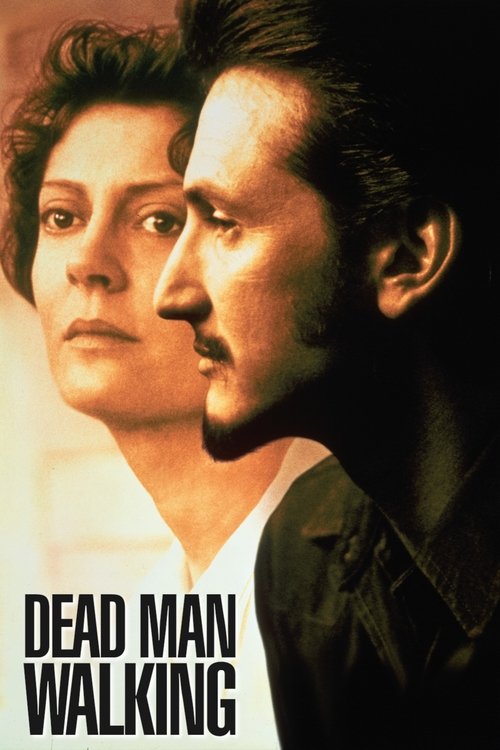
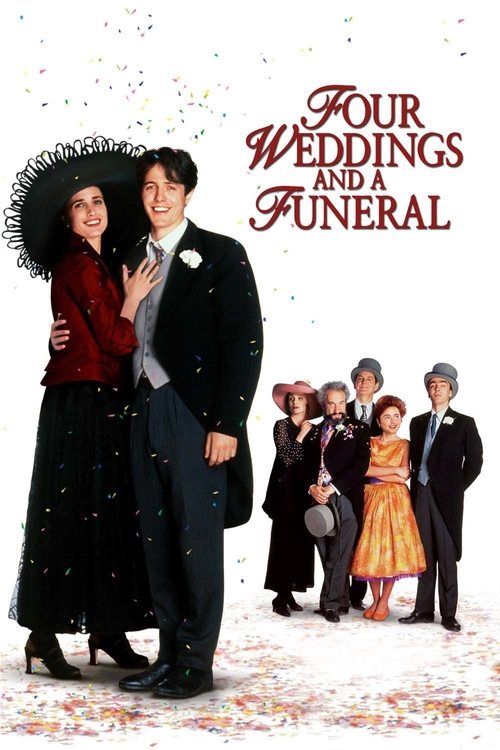
The slate of films PolyGram produced remains impressive. *Four Weddings and a Funeral* (1994) became a worldwide hit and launched Hugh Grant’s career. *The Usual Suspects* (1995) established Kevin Spacey and a twist ending as a cultural touchstone. The Coen brothers’ *Fargo* and Danny Boyle’s *Trainspotting* were released within months of each other in 1996, one a bleak American crime tale and the other a raw British energy burst. Other notable titles included *Dead Man Walking*, *Bean*, *Elizabeth*, *Lock, Stock and Two Smoking Barrels*, and *Notting Hill* (1999), which repeated the *Four Weddings* success. Few studios, past or present, have achieved such a sustained run of quality and commercial success in such a short time.
The downfall of PolyGram was not due to poor films, but to its parent company’s priorities. Building a major studio is costly, and PolyGram’s finances remained in the red as it neared major status. That patience was not forthcoming. In 1998, the Canadian media and beverage company Seagram, which already owned Universal, agreed to acquire PolyGram N.V. from Philips in a $10.4 billion deal. Seagram was interested in the music division, which, when merged with Universal’s labels, would form the world’s largest record company. The film division was an afterthought.
PolyGram was bought for its music and closed for its movies, a studio undone not by failure but by its own success in the soundtrack department. The company was gradually wound down between 1998 and 1999. Remaining projects and personnel were absorbed by Universal, and its library of more than 1,300 pre-1996 titles was sold to Metro-Goldwyn-Mayer for $250 million, which is why many former PolyGram films now feature the MGM lion. Kuhn later chronicled the company’s rise and fall in a memoir titled *One Hundred Films and a Funeral*, borrowing its name from the film that helped launch the company.
PolyGram still matters because it represents the last serious attempt to launch a new major Hollywood studio from outside the American system. It proved that a brand-new major could be built artistically and commercially, and its legacy outlived the company itself. A decade later, independent-minded producers pursuing a model of smart, mid-budget, filmmaker-driven films were, knowingly or not, trying to reassemble what PolyGram had once built—and lost to a corporate spreadsheet.
Projects (14)
A platform appears here when one of this studio's titles streams on it. Click to filter — pick several to combine.



People here
Work at Polygram Filmed Entertainment? Add it to your profile →