
Person · Screenwriter
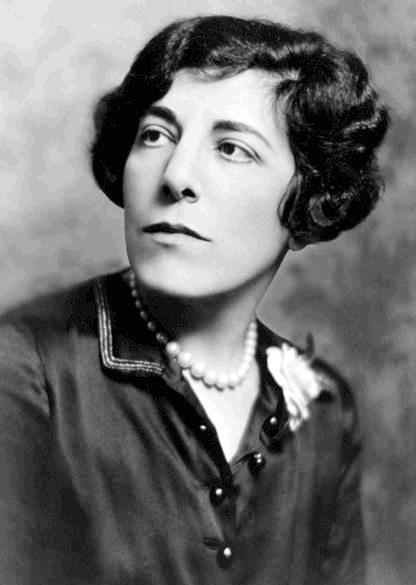
Edna Ferber
A trailblazing female writer navigates the male-dominated literary world of early 20th century America, fighting for creative control and recognition as she pens some of the most iconic novels of her time.
- Also:
- Writer
In short · Wrote for 12 decades — 30 credits.
Remembered for
Ranked by community engagement + sustained interest across this person's credits in our database.
Biography
Edna Ferber initially studied acting before working as a reporter in Milwaukee and Chicago. She later traveled extensively through America and Europe. Ferber became the author of novels with a cultural-historical background. She often structured her plots to feature a prominent female character. In her works, she portrayed changing environments and American life in a realistic style, often with a socially critical perspective. She expanded her narrative approach to create large-scale family and regional novels that were tied to the history of the United States or specific areas, including the lower Mississippi region in the early 19th century, the fur trade era in Seattle, the oil boom in Oklahoma, and the settlement of Texas. She also wrote successful social comedies for the stage, as well as short stories, dramas, and her autobiography. Several of her novels were adapted into films. The most famous example is "Giant," which was made into a film in 1956 by director George Stevens, starring James Dean, Elizabeth Taylor, Dennis Hopper, and Rock Hudson. The film was a worldwide box office success. Ferber also provided the book for the musical "Show Boat," which premiered in 1927. The musical addressed segregation and prejudices against Black people, bringing this socially critical and previously taboo topic to the stage for the first time. "Cimarron," a film released in 1960, is also based on Ferber's novel of the same name. Her works include "Dawn O'Hara" (1911, German 1916), "Buttered Side Down" (1912), "Fanny Herself" (1917, German 1930: "This is Fanny"), "Half Portions" (1920), "The Girls" (1921, German 1928), "So Big" (1924, German 1927, "A Woman Alone" from 1962), "Show Boat" (1926, German 1929: "That Comedian Ship"), "Mother Knows Best" (1927), "The Royal Family" (1928, German 1931), "American Beauty" (1931, German 1957: "The House of the Fathers"), "Dinner at Eight" (1932), "They Brought Their Women" (1933), "Come and Get it" (1935), "Stage Door" (1936), "A Peculiar Treasure" (1939), "Saratoga Drunk" (1941, German 1947), "The Land is Bright" (1941), "Great Son" (1945, German 1950), "Bravo" (1948), "Ice Palace" (1958), and "Kind of Magic" (1963).
Filmography · 30 of 30
A platform appears here when one of these titles streams on it. Click to filter — pick several to combine.
Writer
27 credits
Radio Play Revival(2021)
Writers
TV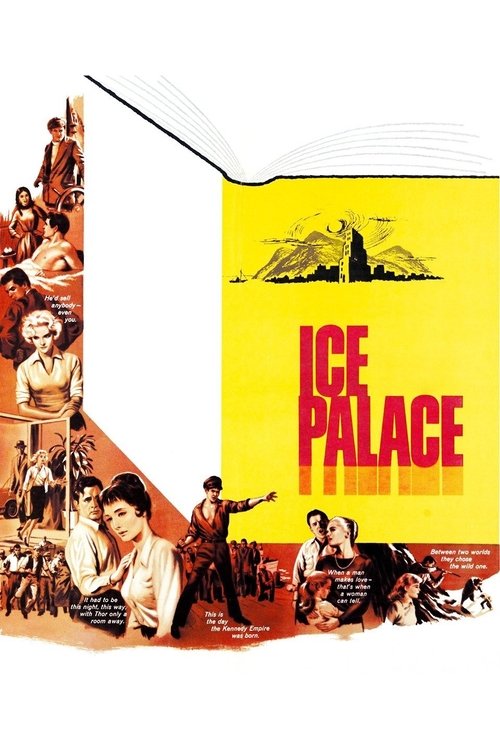
Ice Palace(1960)
Writer
Film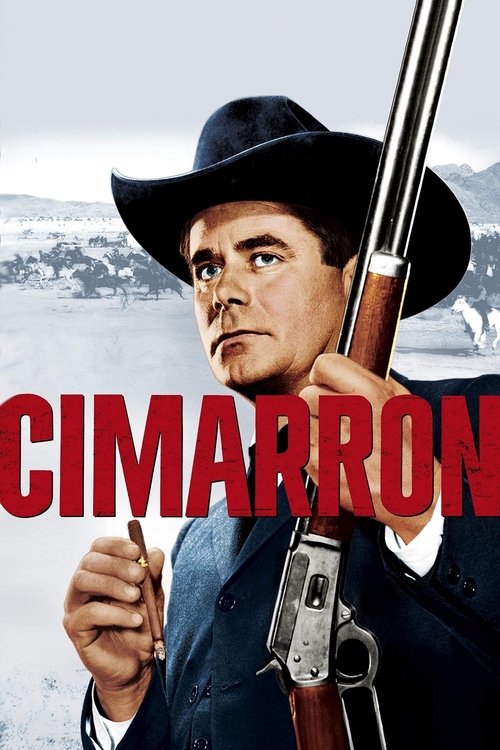
Cimarron(1960)
Writer
Film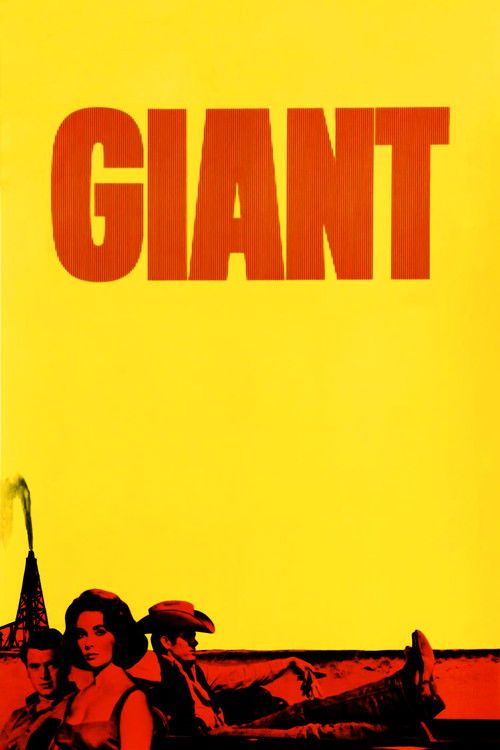
Giant(1956)
Writer
Film
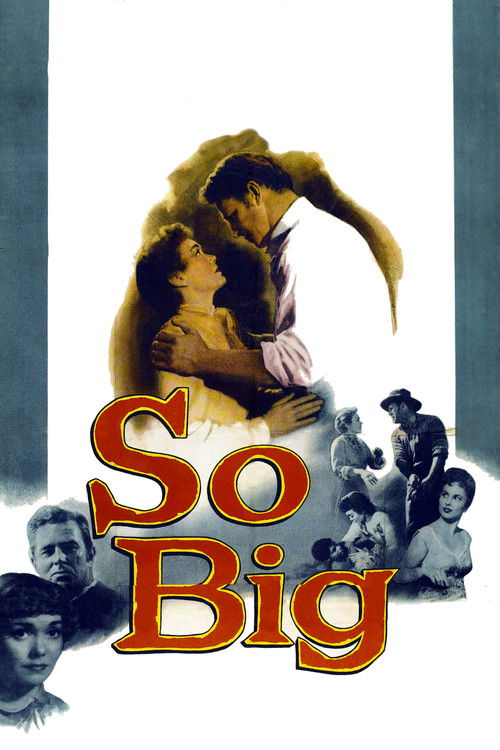
So Big(1953)
Writer
Film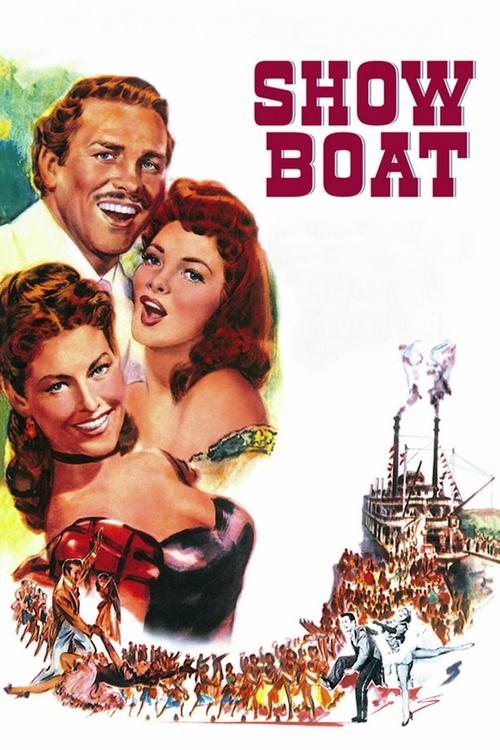
Show Boat(1951)
Writer
Film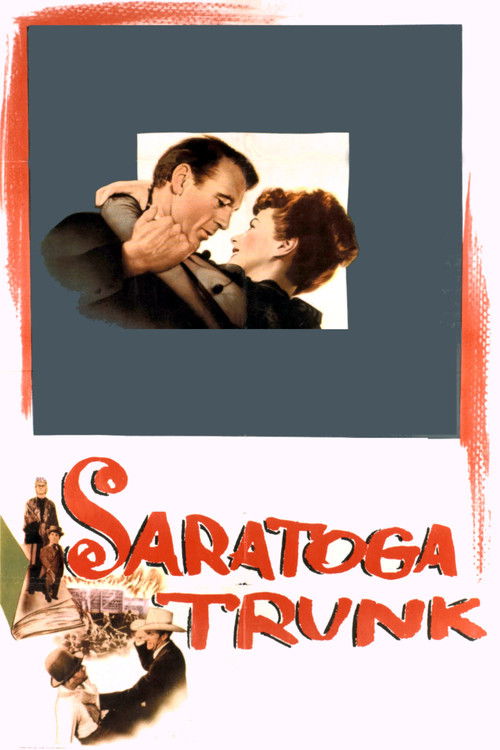
Saratoga Trunk(1945)
Writer
Film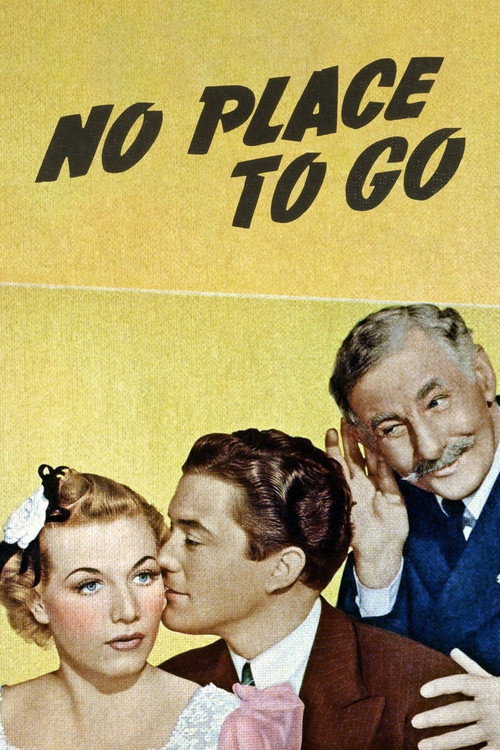
No Place to Go(1939)
Writer
Film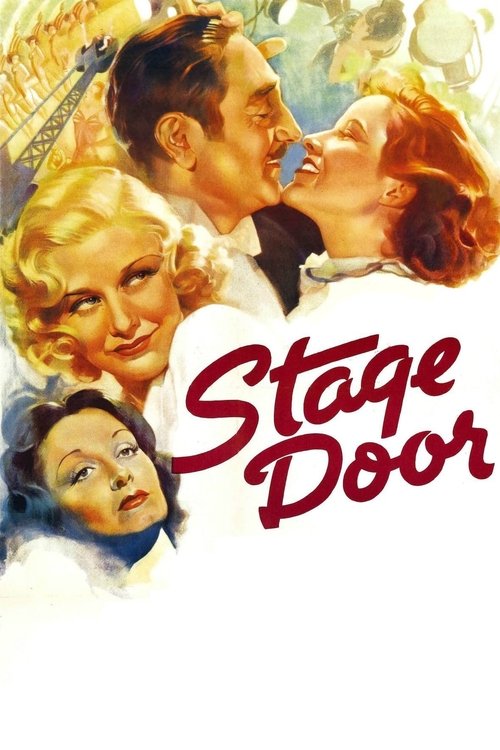
Stage Door(1937)
Writer
Film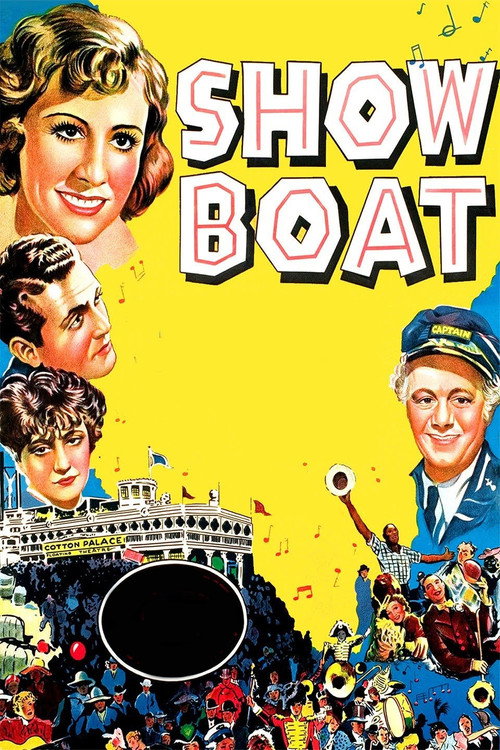
Show Boat(1936)
Writer
Film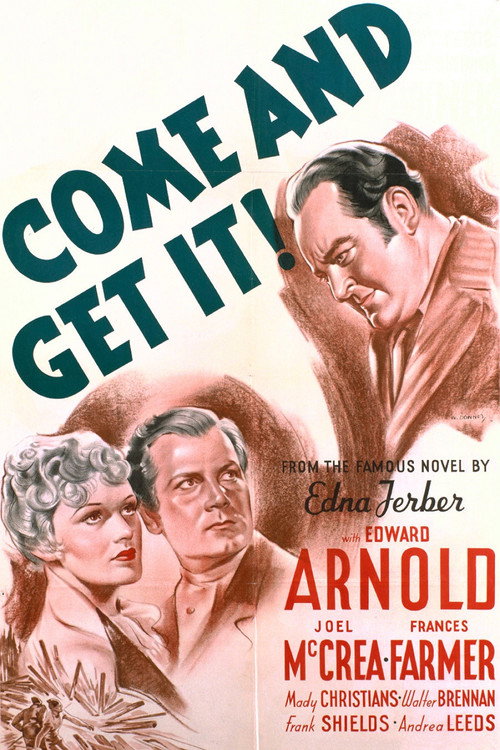
Come and Get It(1936)
Writer
Film
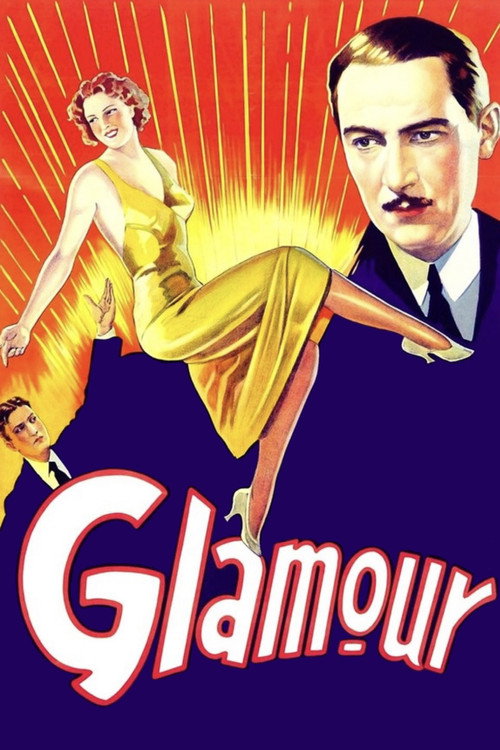
Glamour(1934)
Writer
Film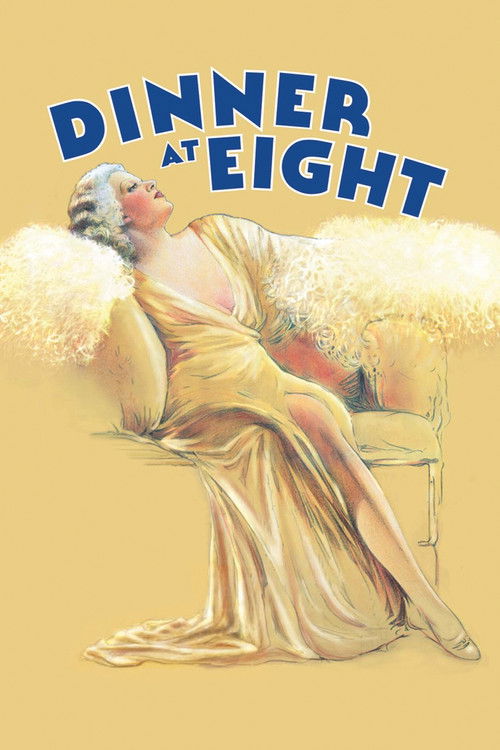
Dinner at Eight(1933)
Writer
Film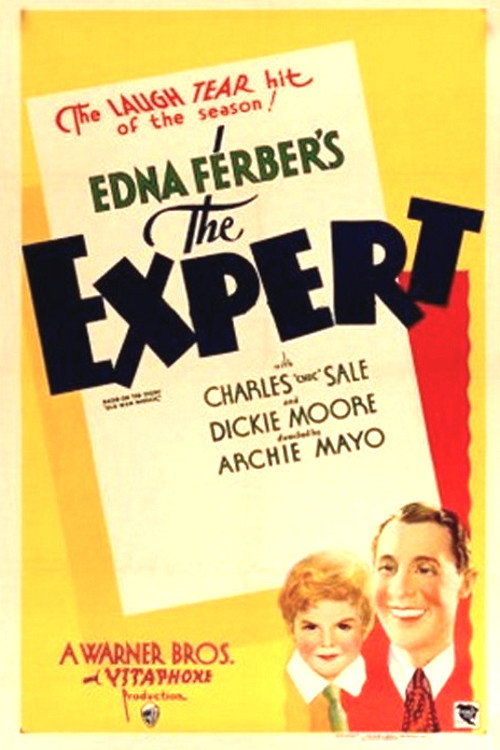
The Expert(1932)
Writer
Film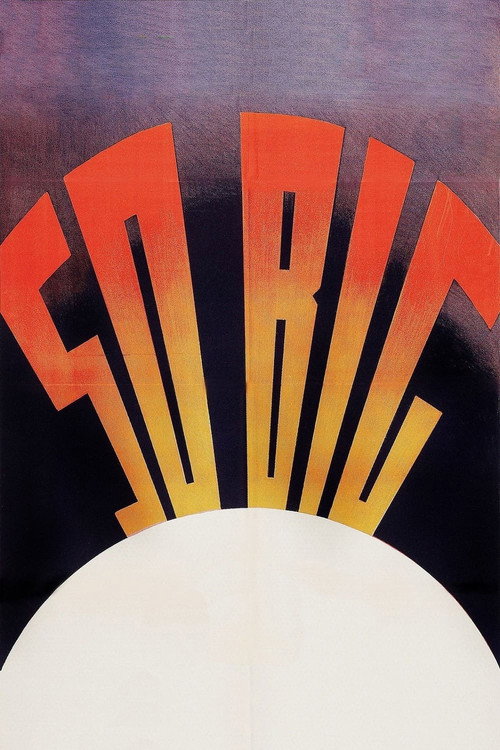
So Big!(1932)
Writer
Film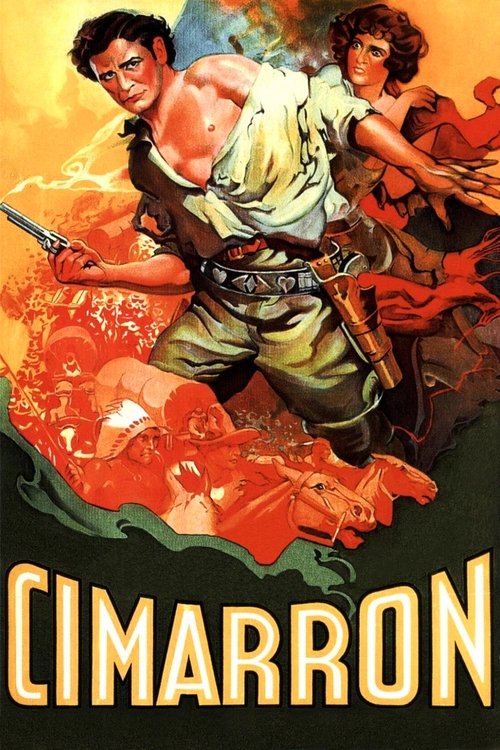
Cimarron(1931)
Writer
Film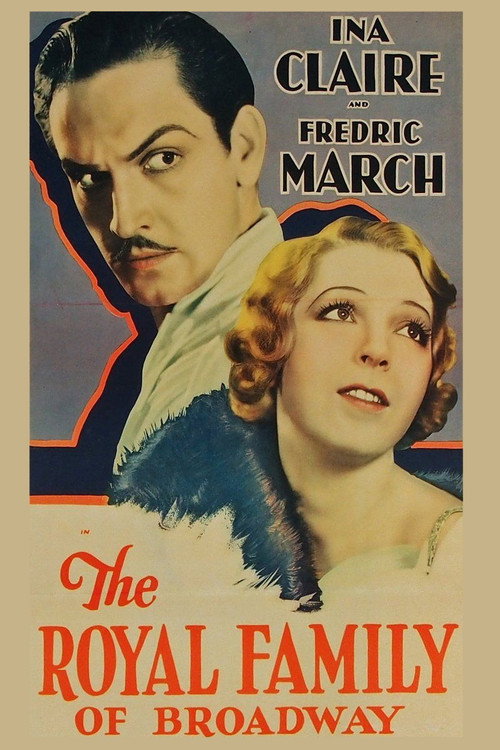
The Royal Family of Broadway(1930)
Writer
Film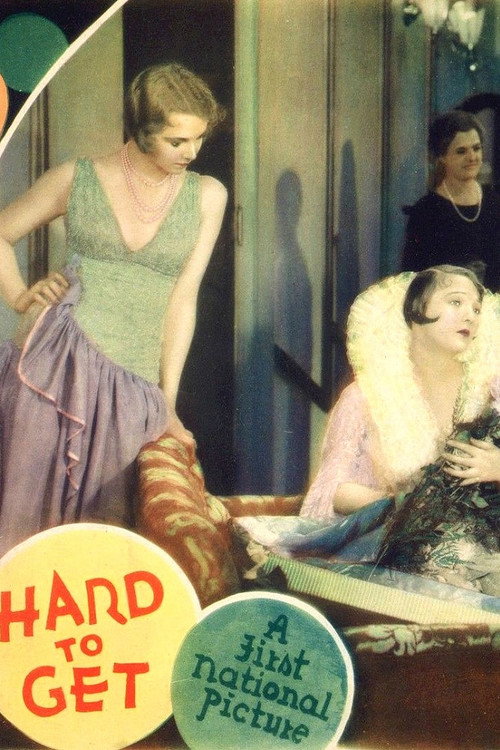
Hard to Get(1929)
Writer
Film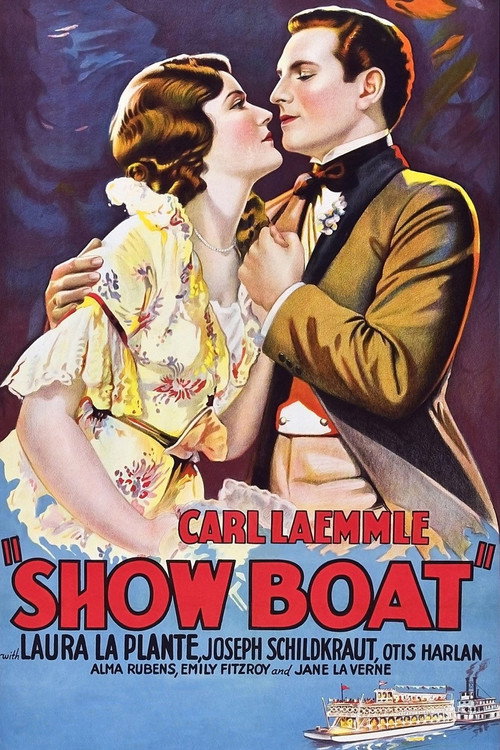
Show Boat(1929)
Writer
FilmMother Knows Best(1928)
Writer
Film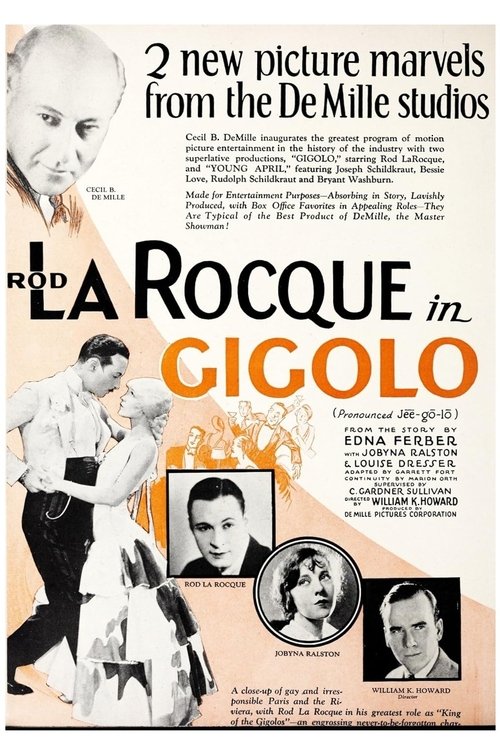
Gigolo(1926)
Writer
Film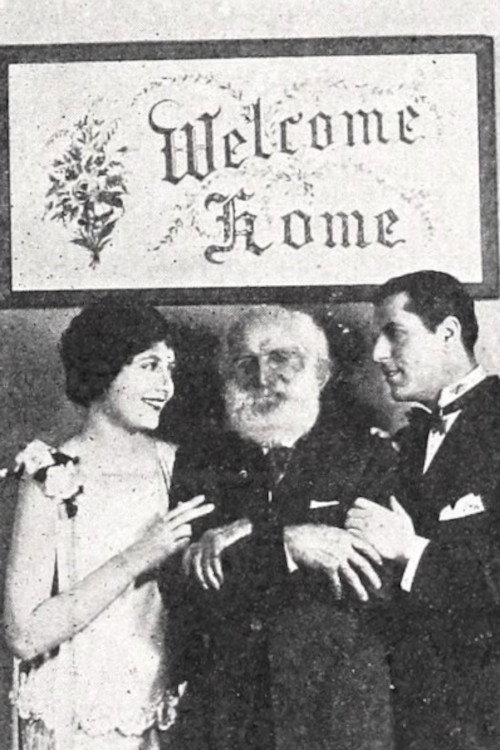
Welcome Home(1925)
Writer
Film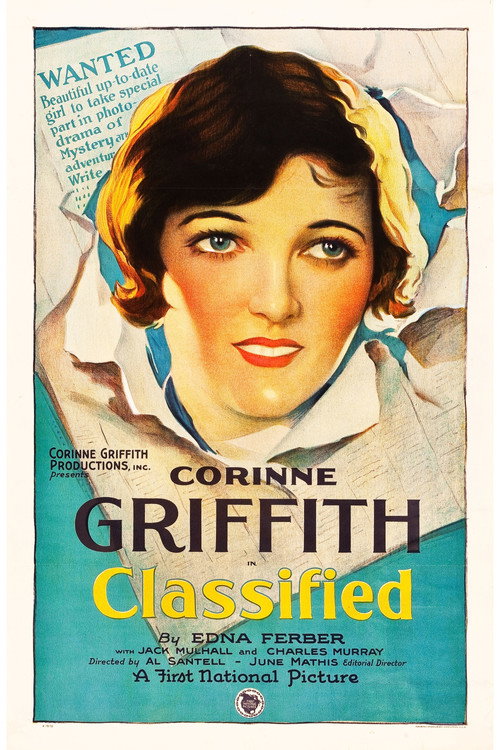
Classified(1925)
Writer
Film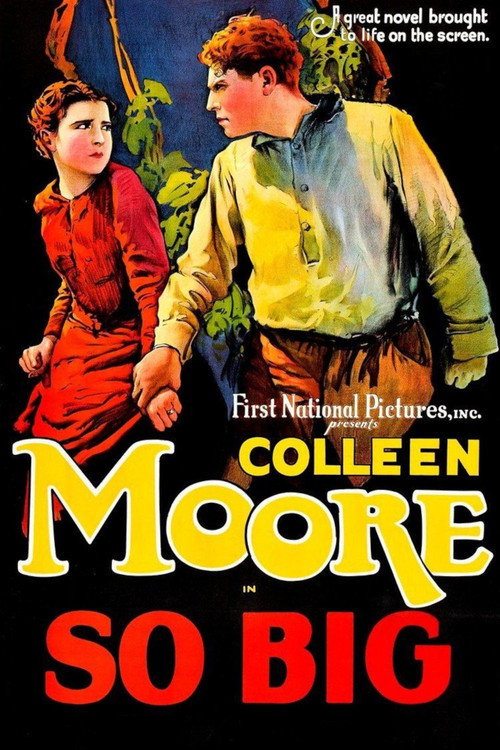
So Big(1924)
Writer
Film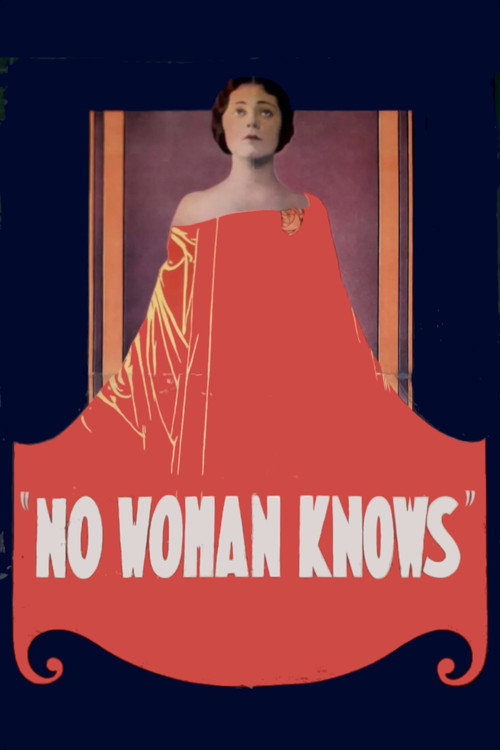
No Woman Knows(1921)
Writer
FilmA Gay Old Dog(1919)
Writer
Film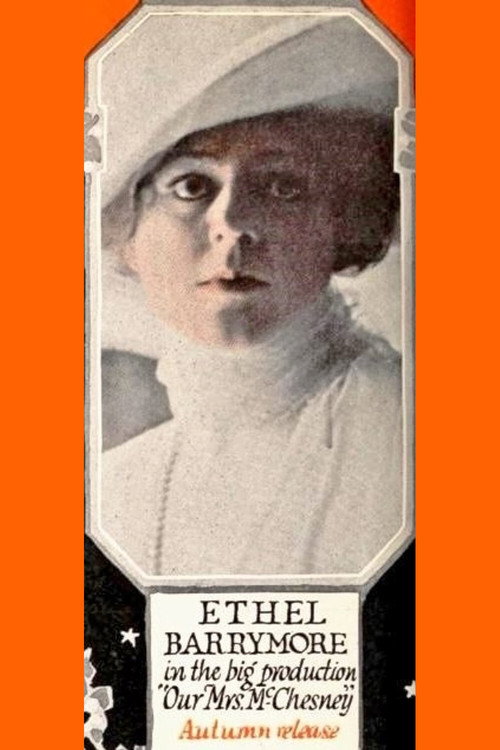
Our Mrs. McChesney(1918)
Writer
Film
Editor
3 credits
Memorable quotes
Browse all →No quotes logged for Edna Ferber yet — add the first memorable line below.
Got a quote we’re missing?
Submit a line from any film, show, or game.
Edit history
Loading edit history…
Comments (0)
on Edna FerberNo comments yet. Be the first to share what you think.