
Person · Director
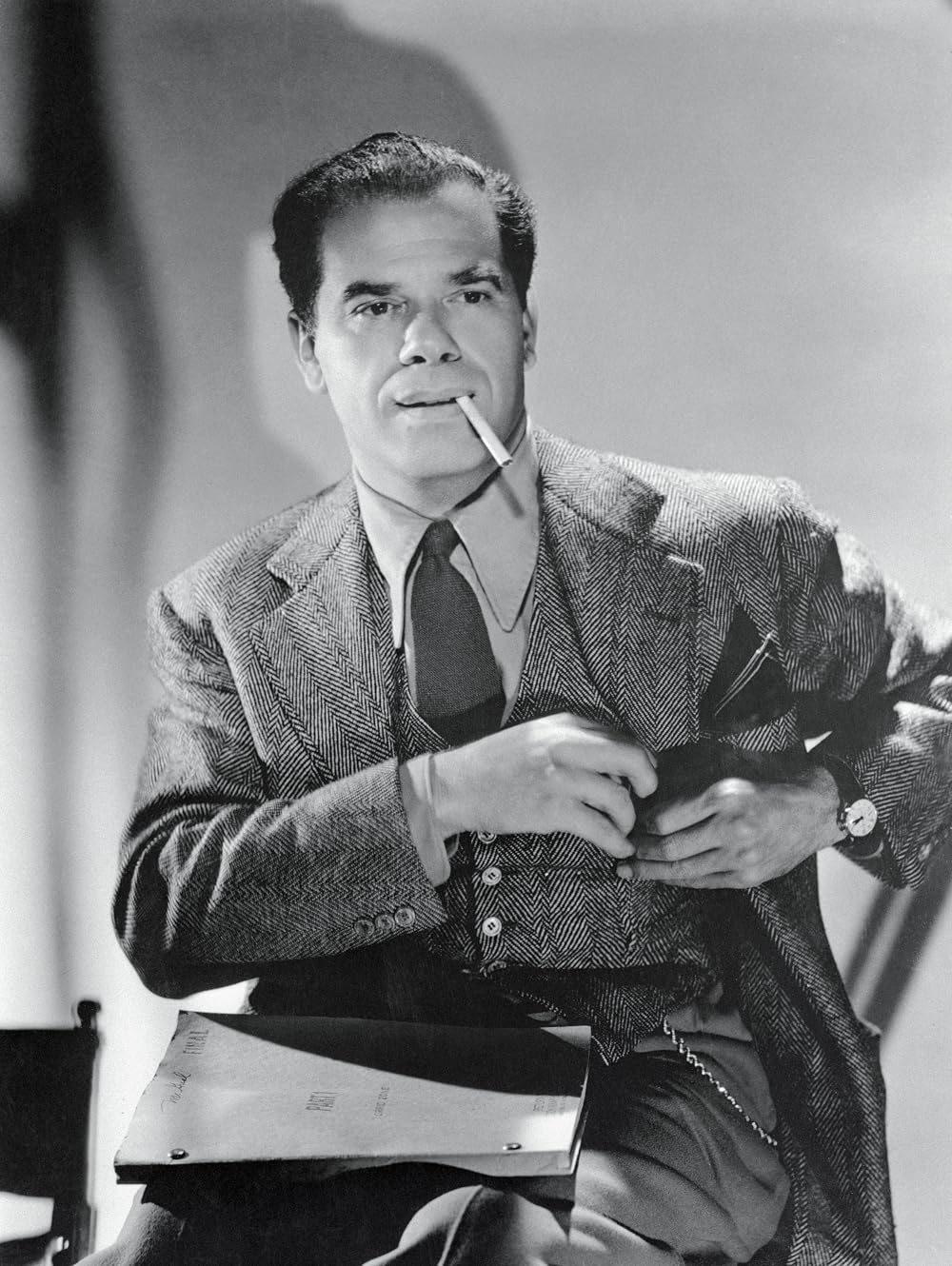
Frank Capra
- Also:
- Writer
- Producer
In short · Directed for 12 decades — 84 credits, 7 Academy Award wins.
Remembered for
Ranked by community engagement + sustained interest across this person's credits in our database.
Recent & in release
- Award win
National Medal Of Arts — National Medal of Arts
- Award win
Afi Life Achievement Award — AFI Life Achievement Award
- Award win
Inkpot Award — Inkpot Award
- Award win
Golden Plate Award — Golden Plate Award
Help complete this page
We’re missing one-line descriptor, birth date. Sign in to add what you know.
Biography
Frank Capra was born on May 18, 1897, in Bisacquino, Sicily, as one of seven children. On May 10, 1903, his family departed for the United States aboard the Germania, arriving in New York on May 23. Capra described the voyage as degrading and miserable, with poor ventilation, constant sickness, and stormy weather. The family then traveled by train to California, where his older brother Benjamin was living. Due to their limited English, the family subsisted on bread and bananas during the journey. On June 3, they arrived at the Southern Pacific station in Los Angeles, a city of about 102,000 people. They stayed with Benjamin, and on September 14, 1903, Frank began school at Castelar Elementary. In 1909, he entered Los Angeles' Manual Arts High School. To earn money, he sold newspapers in downtown L.A. after school and on weekends, sometimes working with his brother Tony, who would punch him to draw attention and boost sales. Capra also performed in a two-man music combo in the red-light district, playing at brothels and other venues for a dollar per night. He worked as a janitor at his high school and became interested in theater, often handling backstage duties like lighting. Despite family pressure to drop out and work, Capra refused, believing education was essential to achieving the American Dream. He graduated from high school on January 27, 1915, and in September of that year, he entered Throop College of Technology (now the California Institute of Technology) to study chemical engineering. The annual tuition was $250, and he received occasional financial support from his family. While at Throop, Capra discovered poetry and the essays of Montaigne, which inspired him to write. He composed "The Butler's Failure," a story about an English butler driven to murder and suicide by poverty. Capra received a $250 cash award for having the highest grades in the school, which included a six-week trip across the U.S. and Canada. After his father, Turiddu, died in 1916, Capra began working at the campus laundry to support himself. When the U.S. declared war on Germany on April 6, 1917, Capra enlisted in the Army, joining the Coastal Artillery despite not yet being a naturalized citizen. He served as a supply officer for student soldiers at Throop who were part of a Reserve Officers Training Corps program. Capra discovered at enlistment that he was not an American citizen and was naturalized in 1920. He graduated from Throop with a bachelor's degree on September 15, 1918, and was inducted into the U.S. Army on October 18. He was stationed at the Presidio in San Francisco, where he contracted the Spanish influenza and was discharged on December 13. An armistice ending World War I was declared shortly after. After recovering, Capra moved to his brother Ben's home in L.A. and took on various manual labor jobs, including errand boy, ditch digger, and orange tree pruner. He also worked as an extra in films and as a prop buyer at an independent studio on Sunset Boulevard and Gower Street, which later became Columbia Pictures. He was often unemployed, reinforcing his family's earlier disapproval of his higher education. Capra wrote short stories but struggled to get them published. He eventually became a live-in tutor for the son of gambler "Lucky" Baldwin, later using the Baldwin estate as a location for *Dirigible* (1931). In 1919, Capra, former actor W. M. Plank, and financial backer Ida May Heitmann incorporated the Tri-State Motion Picture Co. in Nevada. Tri-State produced three short films in 1920—*Don't Change Your Husband* (1919), *The Pulse of Life* (1917), and *The Scar of Love* (1920)—all directed by Plank and possibly based on story treatments written by Capra.
Family & relationships
- Spouse
- Lou Capra
- Parents
- Sarah Nicolas
Filmography · 74 of 74
A platform appears here when one of these titles streams on it. Click to filter — pick several to combine.
Director
42 credits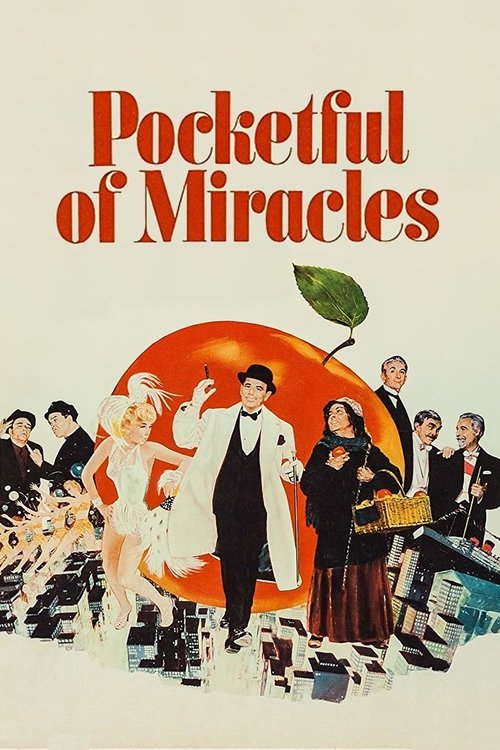
Pocketful of Miracles(1961)
Director
Film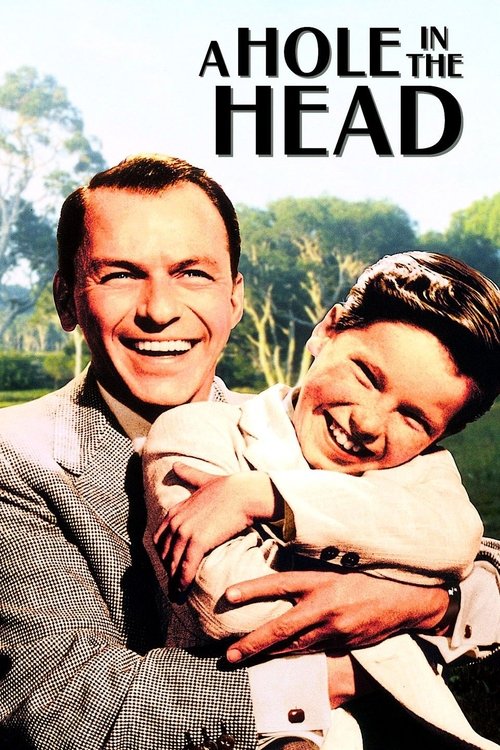
A Hole in the Head(1959)
Director
Film
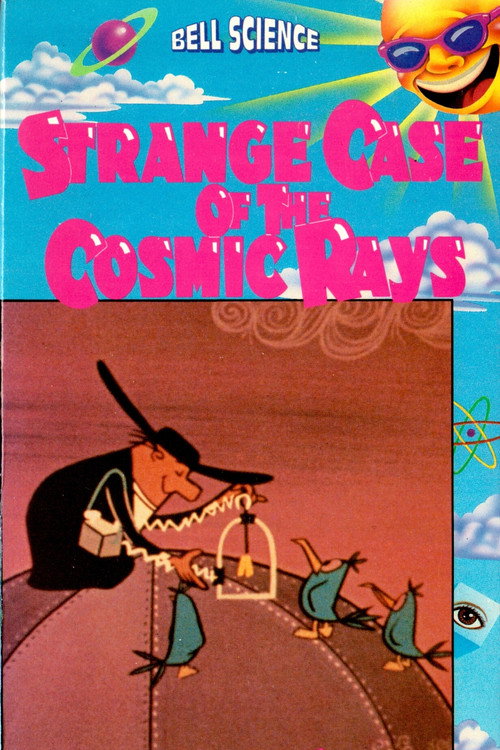
The Strange Case of the Cosmic Rays(1957)
Director
Film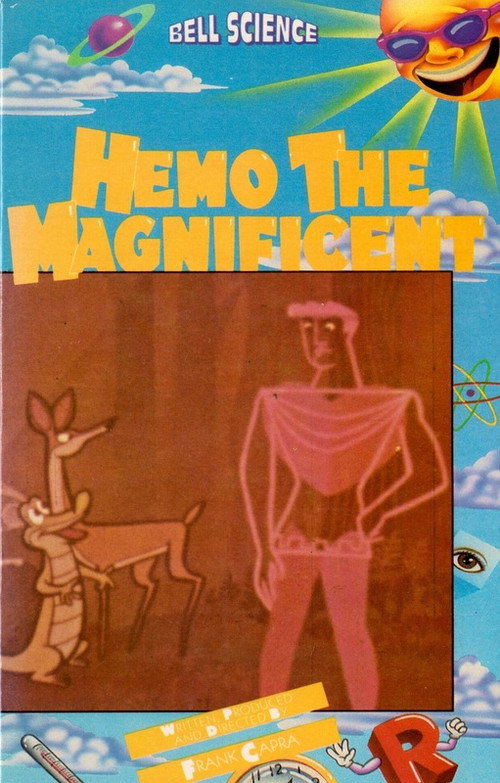
Hemo the Magnificent(1957)
Director
Film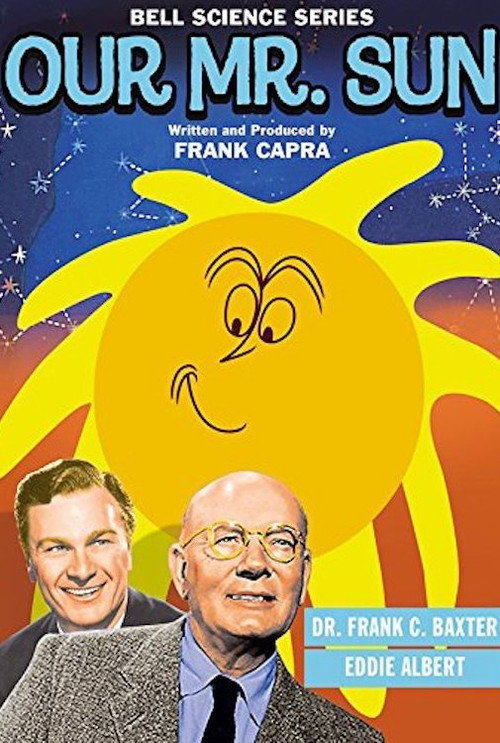
Our Mr. Sun(1956)
Director
Film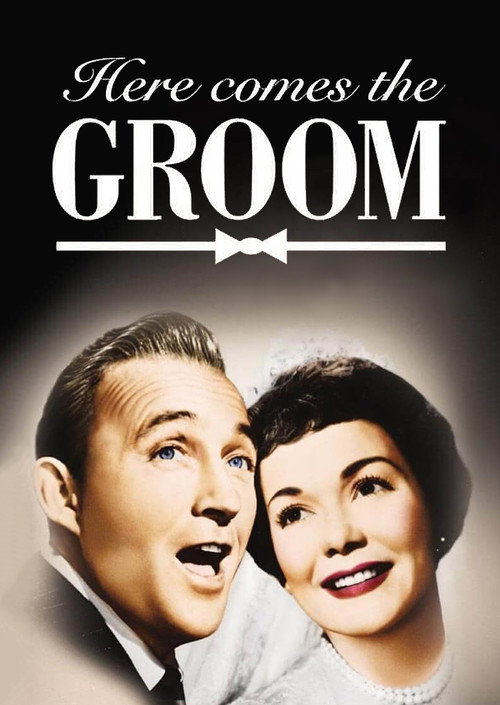
Here Comes the Groom(1951)
Director
Film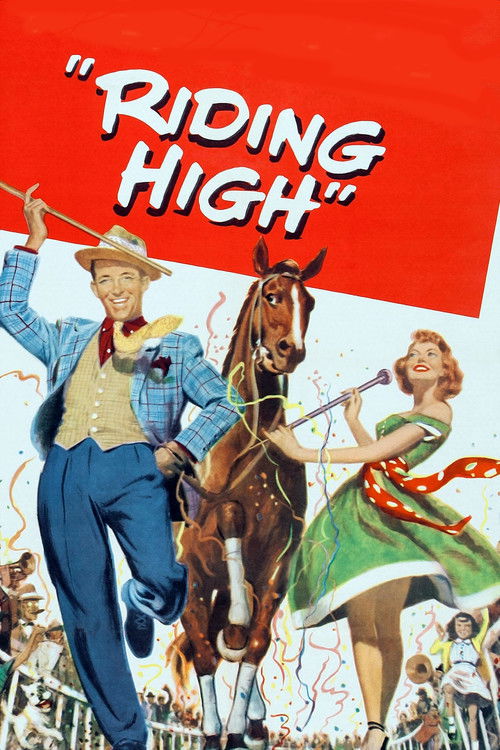
Riding High(1950)
Director
Film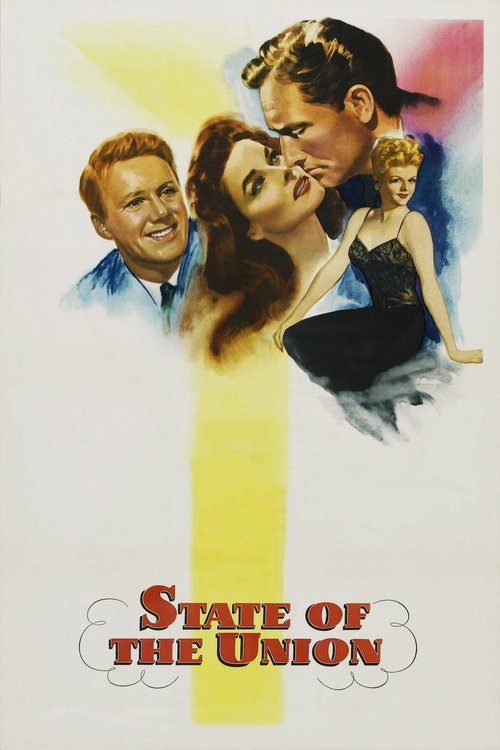
State of the Union(1948)
Director
Film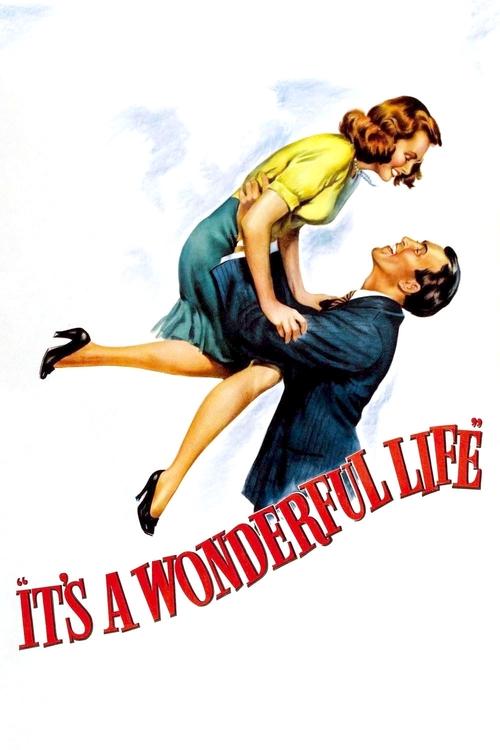
It's a Wonderful Life(1946)
Director
Film
Your Job in Germany(1945)
Director
Film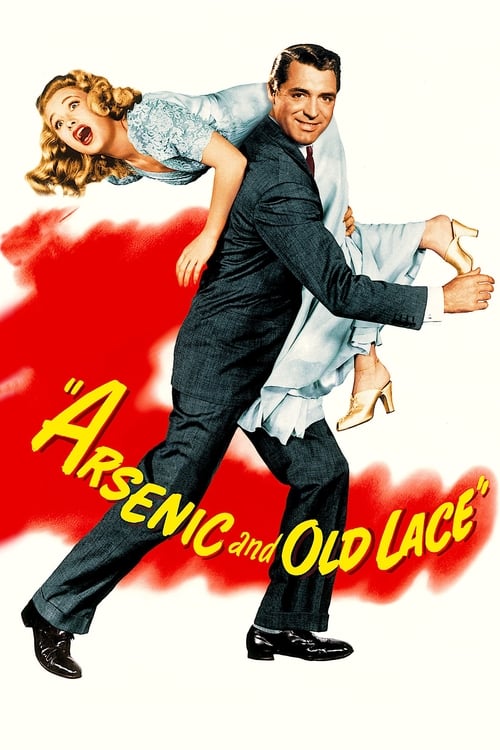
Arsenic and Old Lace(1944)
Director
Film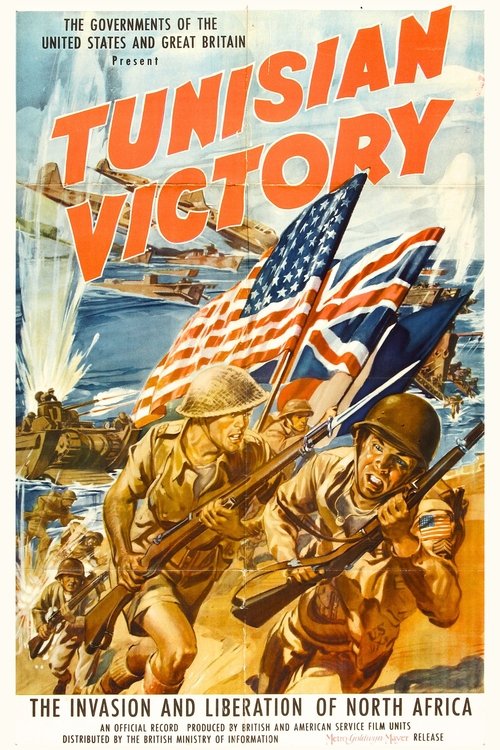
Tunisian Victory(1944)
Director
Film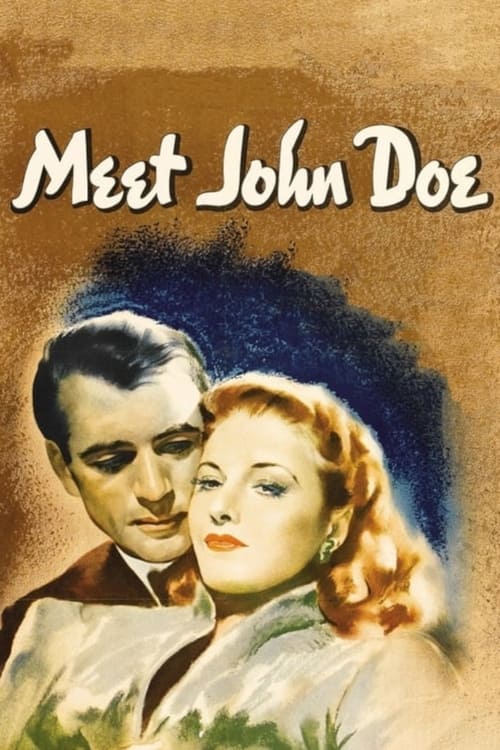
Meet John Doe(1941)
Director
Film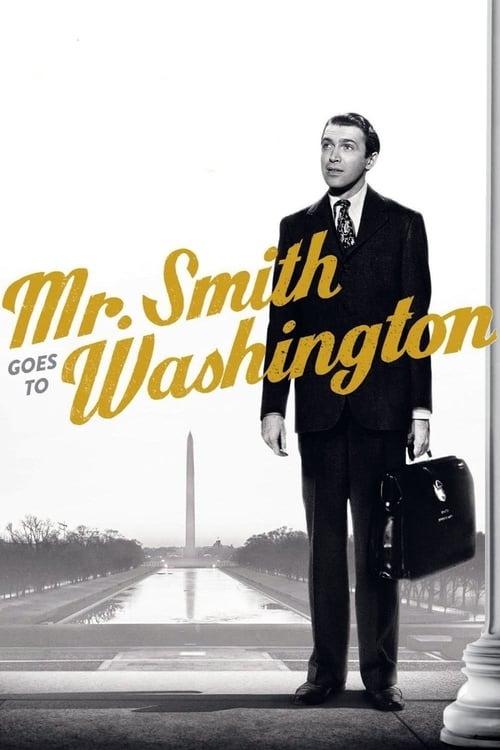
Mr. Smith Goes to Washington(1939)
Director
Film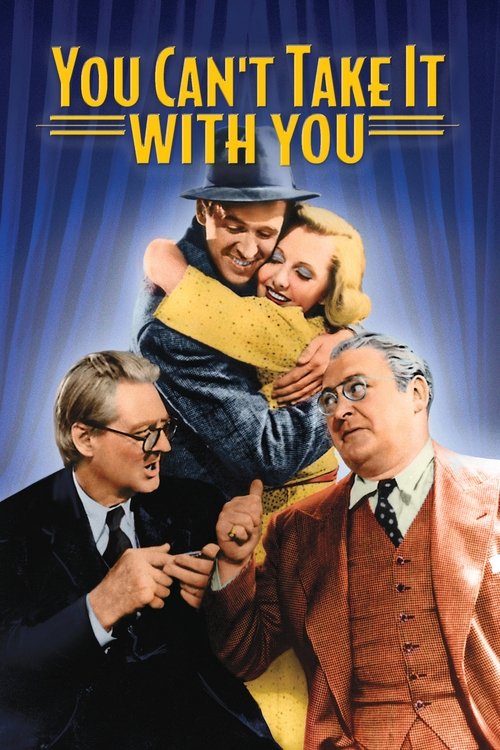
You Can't Take It with You(1938)
Director
Film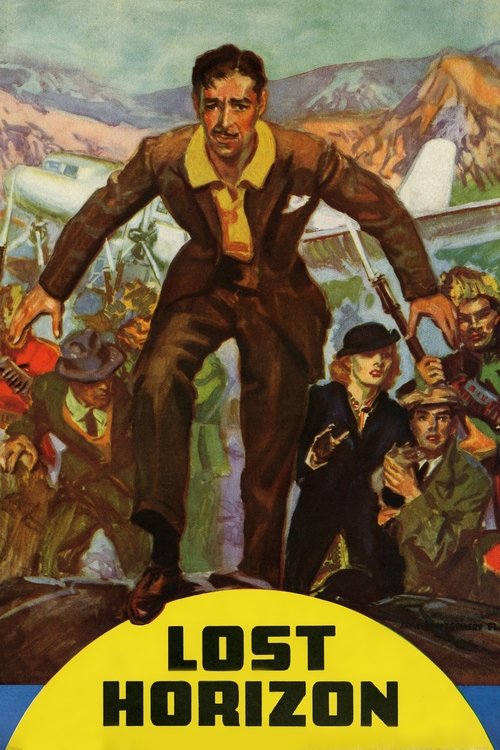
Lost Horizon(1937)
Director
Film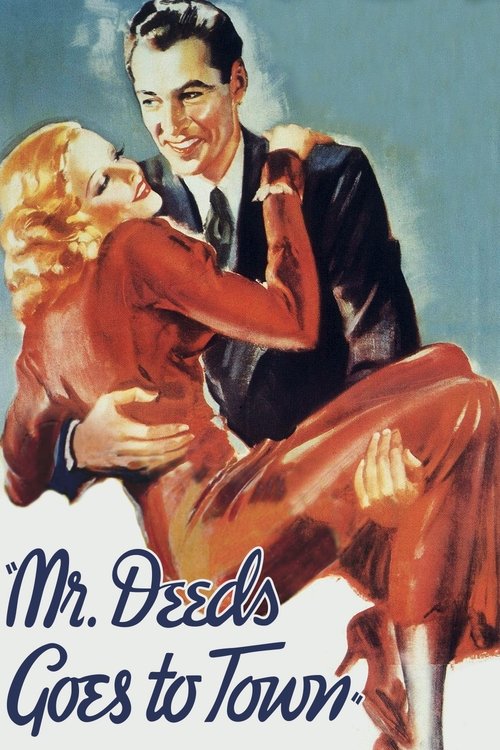
Mr. Deeds Goes to Town(1936)
Director
Film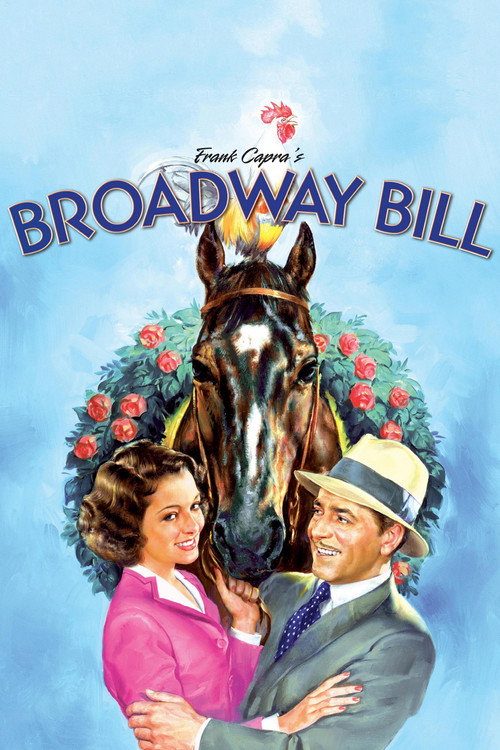
Broadway Bill(1934)
Director
Film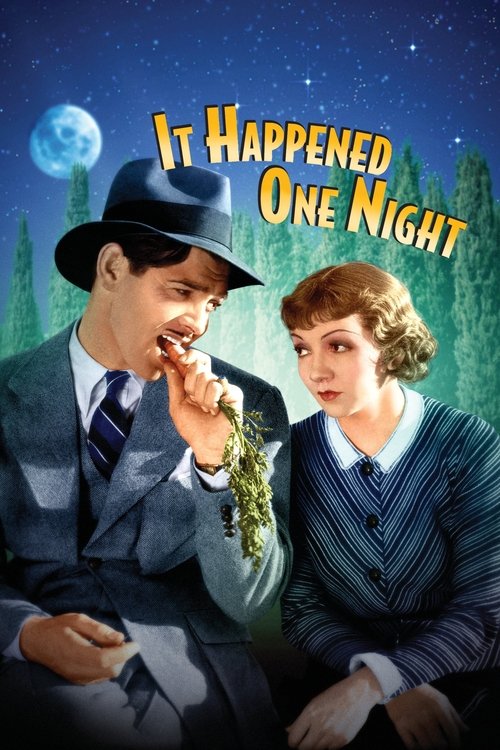
It Happened One Night(1934)
Director
Film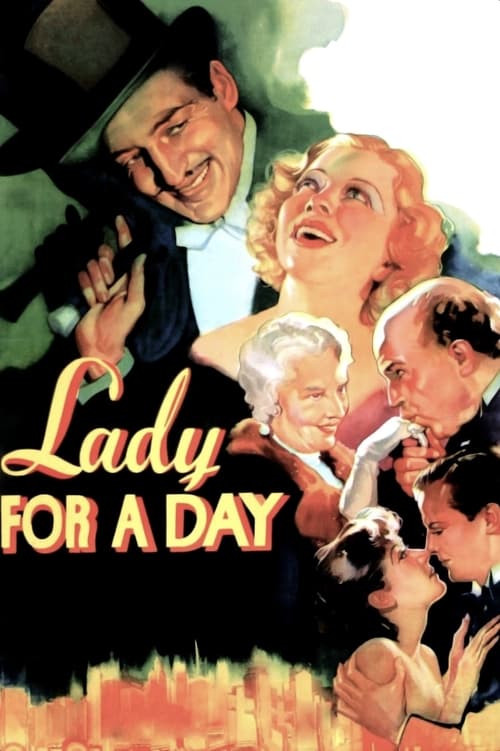
Lady for a Day(1933)
Director
Film
Forbidden(1932)
Director
Film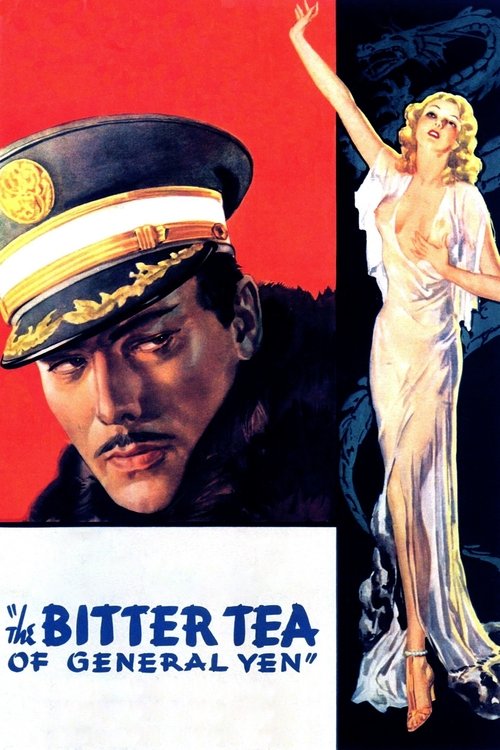
The Bitter Tea of General Yen(1932)
Director
Film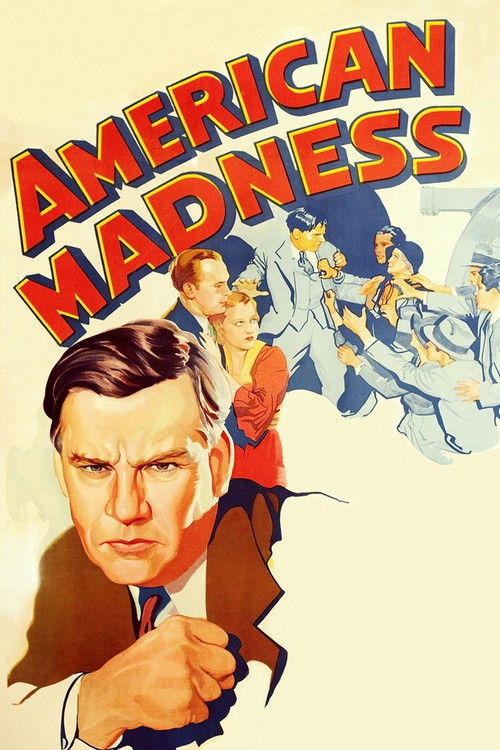
American Madness(1932)
Director
Film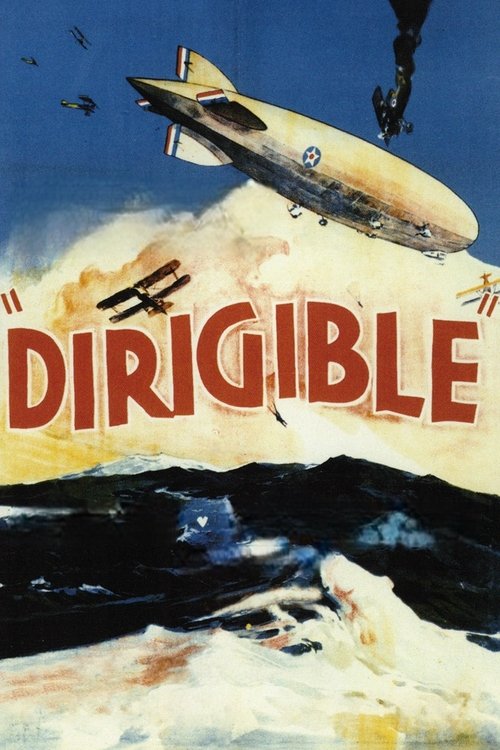
Dirigible(1931)
Director
Film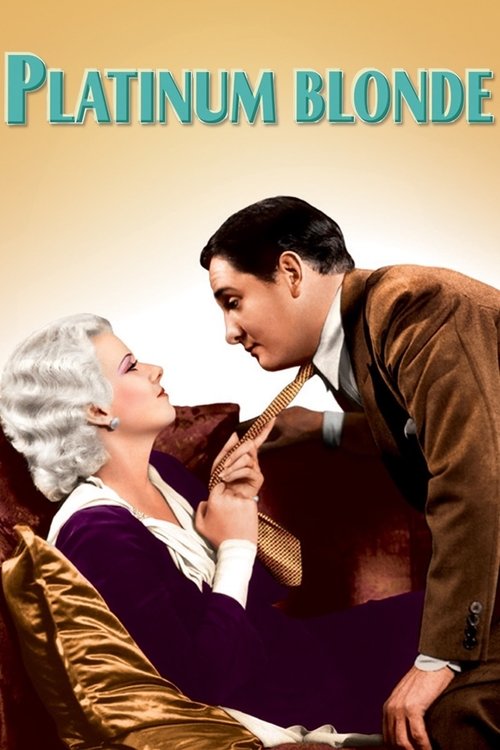
Platinum Blonde(1931)
Director
Film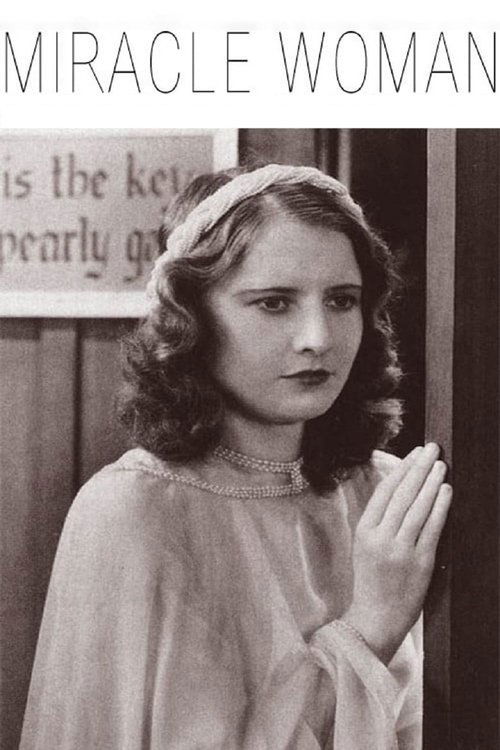
The Miracle Woman(1931)
Director
Film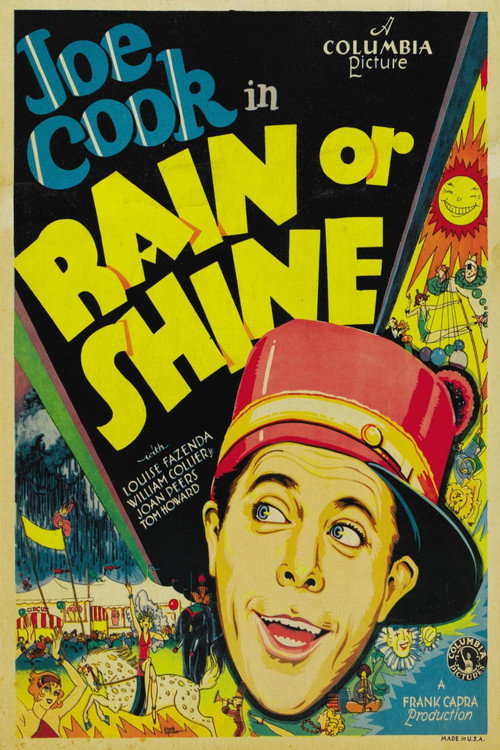
Rain or Shine(1930)
Director
Film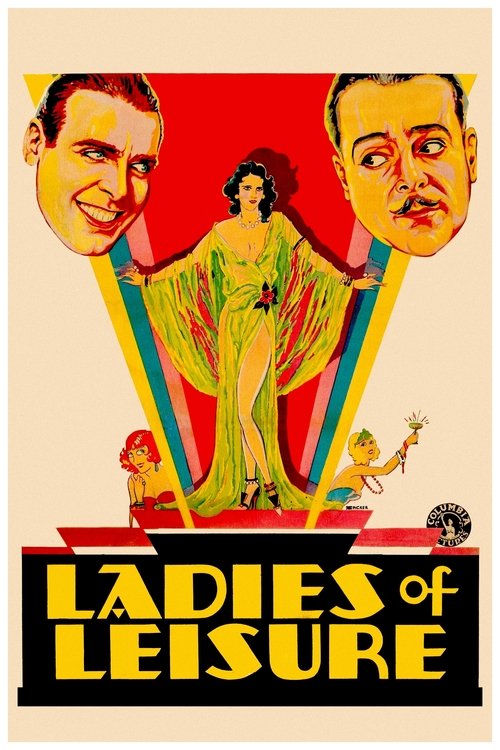
Ladies of Leisure(1930)
Director
Film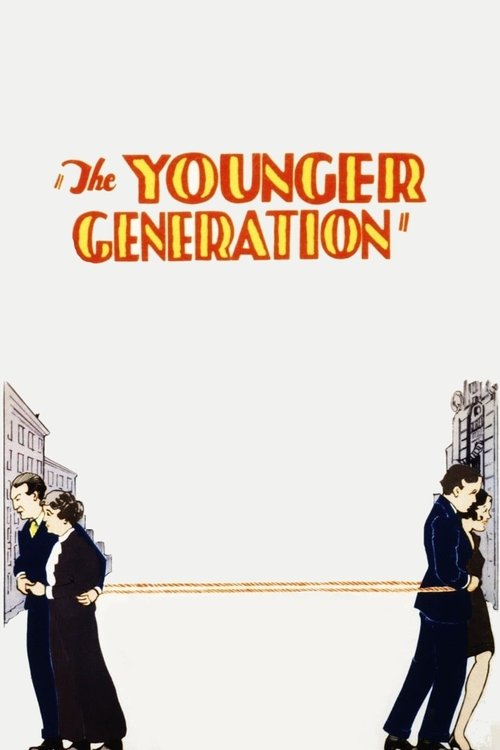
The Younger Generation(1929)
Director
Film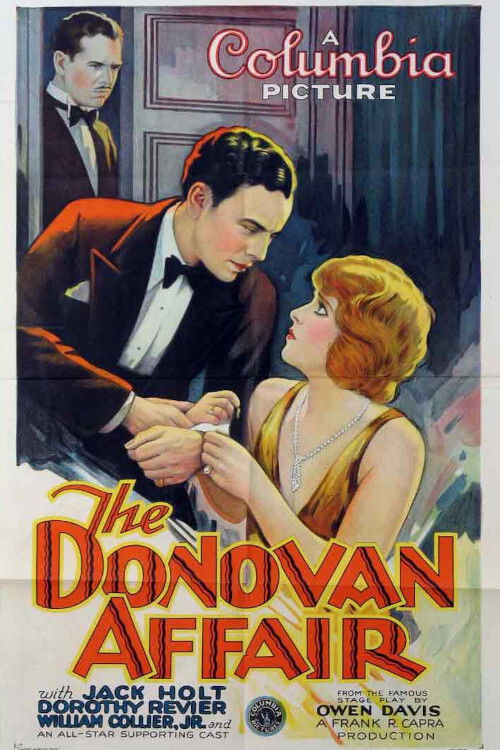
The Donovan Affair(1929)
Director
Film
Writer
8 credits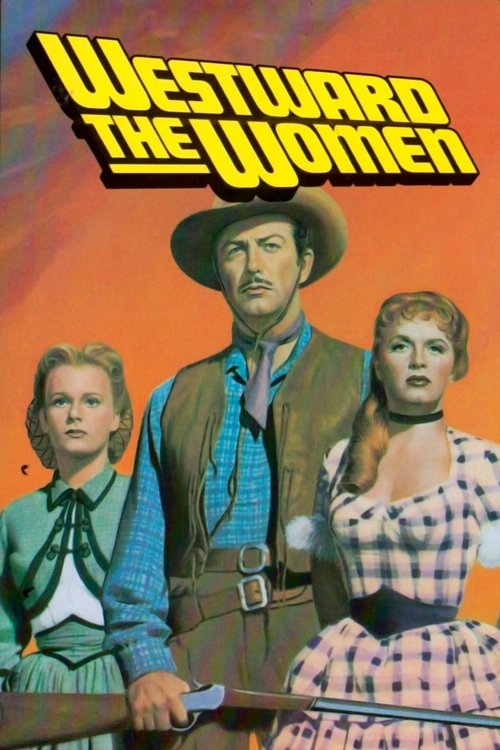


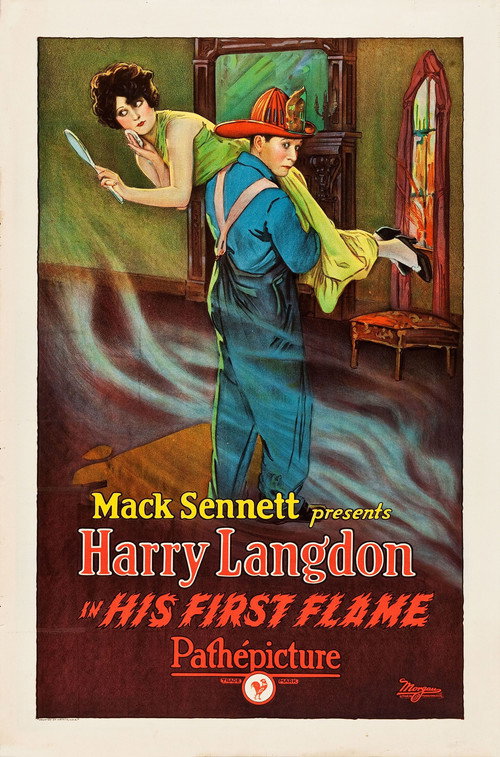
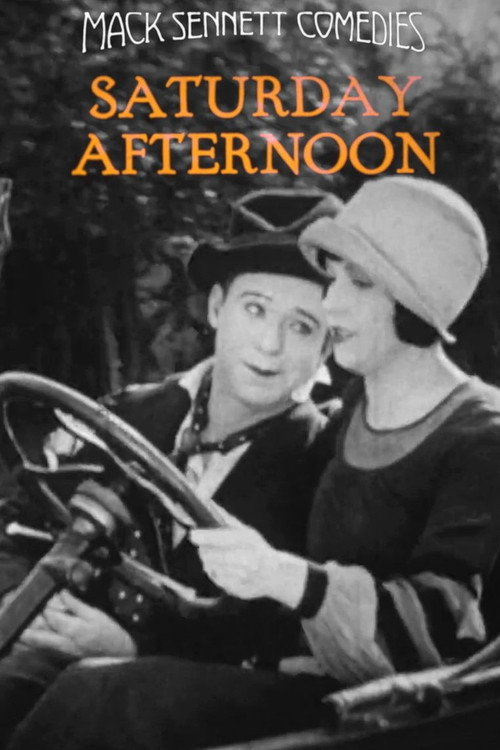

Actor
1 creditProducer
5 credits
Editor
2 credits

Other crew
16 credits
A Sétima Arte(2021)
Crew
TV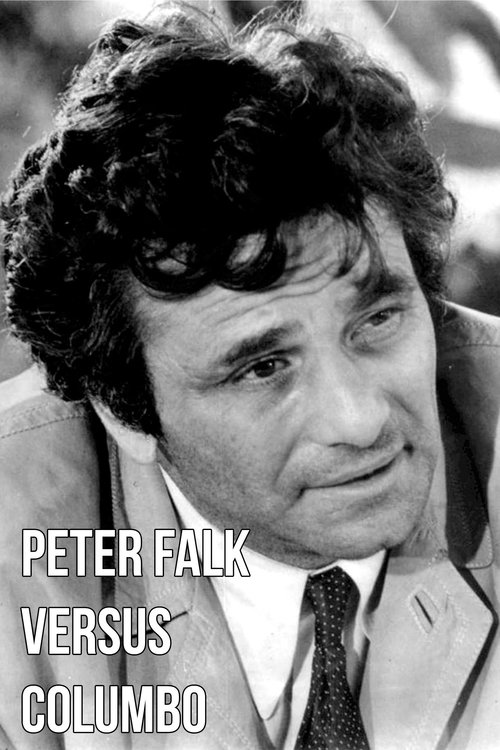
Peter Falk versus Columbo(2019)
Crew
Film
The Movies(2019)
Crew
TV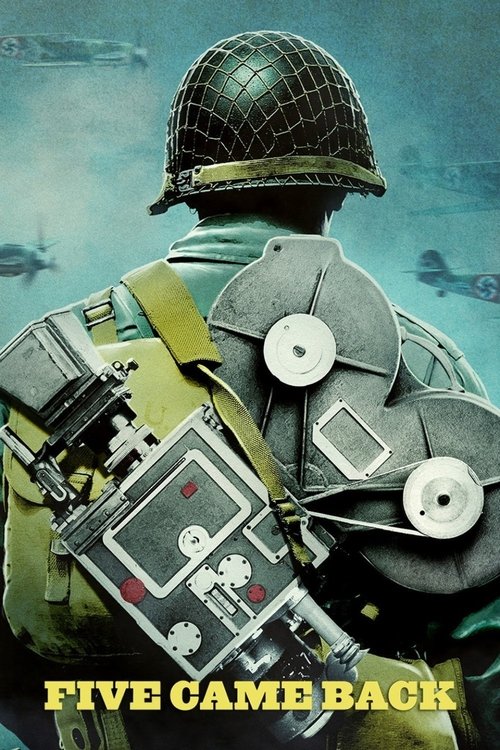
Five Came Back(2017)
Crew
TV
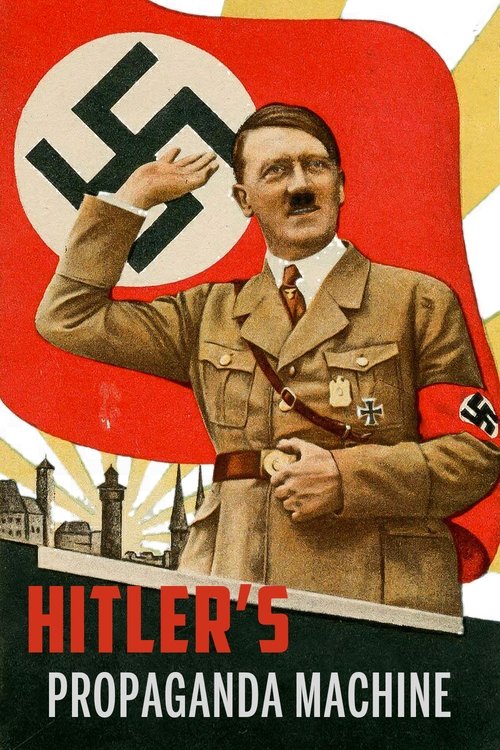
Hitler's Propaganda Machine(2017)
Crew
TV
Night Job(2017)
Crew
FilmBoom in the Shot(2017)
Crew
TV
To Tell the Truth(2016)
Crew
TV
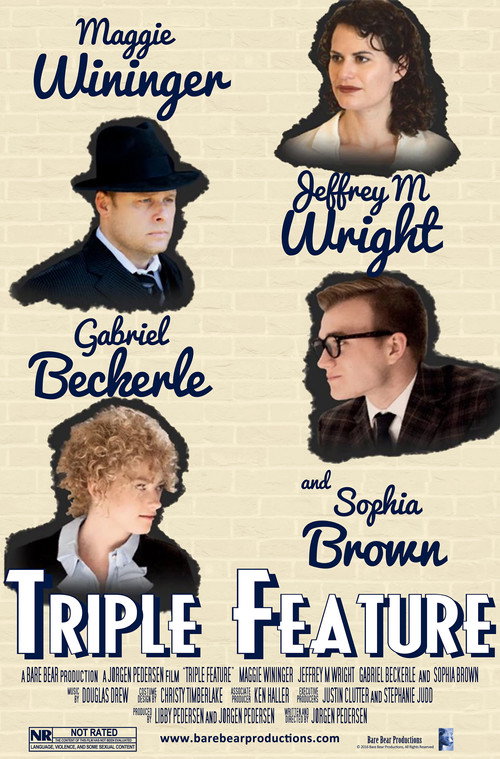
Triple Feature(2016)
Crew
Film
And the Oscar Goes To...(2014)
Crew
Film
Late Night with David Letterman(1982)
Crew
TVCinéma cinémas(1982)
Crew
TV
Hollywood(1980)
Crew
TV
The Merv Griffin Show(1962)
Crew
TV
Coming!! Snafu(1943)
Crew
Film
Cavalcade of the Academy Awards(1940)
Crew
Film
Awards & Nominations
7 wins · 9 nominationsAcademy Award
- Nom1947Best Director
- Nom1940Best Director
- Nom1939Best Director
- Nom1937Best Director
- Nom1935Best Director
- Nom1934Best Director
More awards & festivals (10) — regional academies & film-festival prizes
Academy Awards
- Nom1946Oscar — Directing
- Nom1939Oscar — Directing
- Won1938Oscar — Directing
- Won1936Oscar — Directing
- Won1934Oscar — Directing
- Nom1932Oscar — Directing
National Medal Of Arts
- Won1986National Medal of Arts
Afi Life Achievement Award
- Won1982AFI Life Achievement Award
Inkpot Award
- Won1974Inkpot Award
Golden Plate Award
- Won1970Golden Plate Award
Originals
Streaming originals this person worked on.
Memorable quotes
Browse all →No quotes logged for Frank Capra yet — add the first memorable line below.
Got a quote we’re missing?
Submit a line from any film, show, or game.
Additional credits10Show
Non-headline appearances — talk-show, awards-show, panel, and archive-footage credits, kept separate from the main filmography.
- Frank Capra: Mr AmericaSelf - Filmmaker · 2023
- The Century of IconsSelf (archive footage) (1 Episode) · 2022
- Pearl Harbor the World on FireSelf - American Film Director · 2021
- Frank Capra, il était une fois l'AmériqueSelf · 2020
- The Great BusterSelf · 2018
- Why We FightSelf · 2005
- The Lady with the TorchSelf · 1999
- George Stevens: A Filmmaker's JourneySelf · 1985
- George Stevens: A Filmmaker's JourneySelf · 1984
- Dear Mr. GableSelf · 1968
Edit history
Loading edit history…
Comments (0)
on Frank CapraNo comments yet. Be the first to share what you think.