
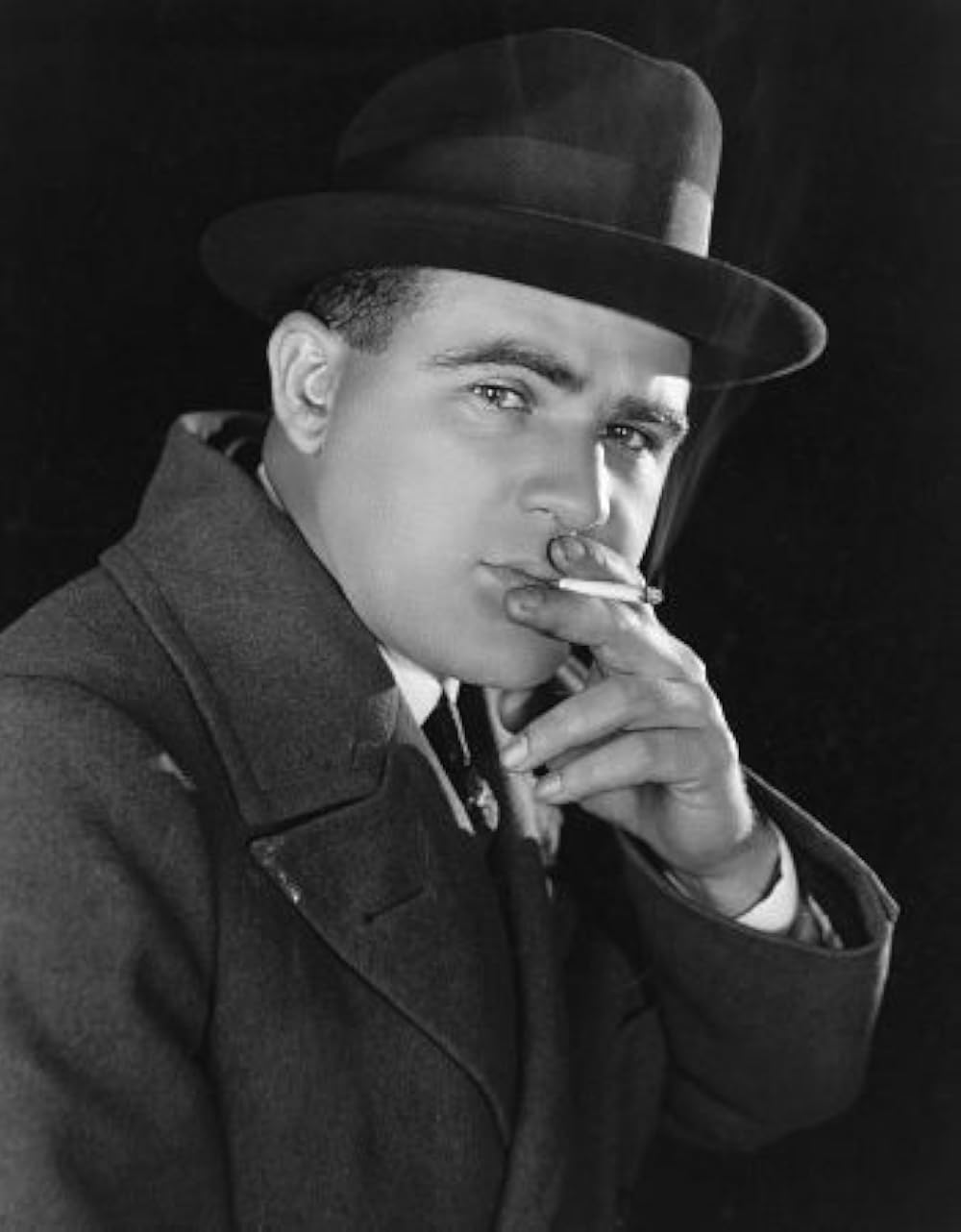
Person · Producer
Hal Roach
- Also:
- Writer
In short · Produced for 12 decades — 328 credits, 1 Academy Award win.
Remembered for
Ranked by community engagement + sustained interest across this person's credits in our database.
Help complete this page
We’re missing one-line descriptor. Sign in to add what you know.
Biography
Hal Roach was born in 1892 in Elmira, New York. Before arriving in Hollywood, he worked as a mule skinner, wrangler, and gold prospector. In Hollywood, he began working as an extra in comedies, where he met comedian Harold Lloyd in 1913 in San Diego. Though he was considered a poor actor, Roach recognized the potential of the film industry and of Lloyd. After receiving a small inheritance, he began producing, directing, and writing a series of short film comedies under the banner of Phun Philms, later renamed Rolin, which operated until 1922. These early films, starring Lloyd, were initially of poor quality but improved enough to be distributed by Pathe, which purchased Roach's product by the exposed foot of film. The Roach/Lloyd collaboration developed through two main characters: the first, "Will E. Work," failed to gain traction, while the second, "Lonesome Luke," a clear imitation of Charles Chaplin, found greater success. Lloyd's dissatisfaction with the character led to frequent conflicts with Roach, including walkouts and reconciliations. In 1917, Lloyd abandoned the character to create his now-famous "Glasses" persona, which proved more successful at the box office. This shift allowed Roach to renegotiate his deal with Pathe and establish his own production company, securing a solid financial foundation. Hal Roach Productions became a distinctive entity in Hollywood, functioning as a paternalistic boutique studio that produced numerous popular short film series and a few features, while maintaining high quality and treating employees well. Roach's relationship with Lloyd deteriorated further after 1920, particularly over scheduling disputes. Despite Lloyd's eventual departure, Roach retained re-issue rights to his shorts. While both had built their careers together, it was Lloyd who sought independence, no longer needing Roach's financial backing. This shift frustrated Roach, who found it increasingly difficult to offer praise for his former star. Lloyd went on to greater success at Paramount. Meanwhile, Roach focused on developing his kiddie comedy series, Our Gang, which became an immediate hit. By 1917, at age 25, Roach was already wealthy and spent time traveling in Europe. By the early 1920s, he had surpassed Mack Sennett as the "King of Comedy," creating many of the most memorable comic series of the era, including the team of Stan Laurel and Oliver Hardy, Charley Chase, Edgar Kennedy, 'Snub' Pollard, and the long-running Our Gang series (also known as "The Little Rascals" in TV distribution). Pathe, which had distributed Roach's films, shut down its U.S. operations in 1927 after its domestic representative, Paul Brunet, returned to France. Roach secured a better deal with MGM, unlike his competitor Mack Sennett, who could not and later went bankrupt in 1933. For the next eleven years, Roach supported MGM's financial stability, though the arrangement likely benefited him more. In the mid-1930s, Roach became fascinated with Benito Mussolini and sought a business alliance with the fascist dictator's newly built film complex, Cinecitta. After Roach received assurances from Mussolini that Italy would not impose sanctions against Jews, the two formed RAM ("Roach And Mussolini") Productions, a move that upset MGM's parent company, Leow's Inc. These events coincided with Roach selling "Our Gang" to MGM and shifting his focus to feature film production. In September 1937, Vittorio Mussolini, Il Duce's son, visited Hollywood, and Roach hosted a lavish party to celebrate his 21st birthday. Soon after, Italy adopted an increasingly anti-Semitic stance, prompting Leow's chairman Nicholas Schenck to cancel the distribution deal. Roach then signed with United Artists in May 1938 and followed up his previous feature misfires with a string of successes, including Topper (1937) and its sequels, the acclaimed Of Mice and Men (1939), and One Million B.C. (1940), the most profitable film of the year. Despite widespread condemnation from his peers, Roach refused to reconsider his association with Mussolini, even after World War II, proudly displaying an autographed portrait of the dictator in his home until his death. Audience demand for longer feature-length productions challenged Roach's traditional methods, and by the early 1940s, he began producing low-budget, full-length screwball comedies, musicals, and dramas.
Family & relationships
- Other
Filmography · 327 of 327
A platform appears here when one of these titles streams on it. Click to filter — pick several to combine.
Director
34 credits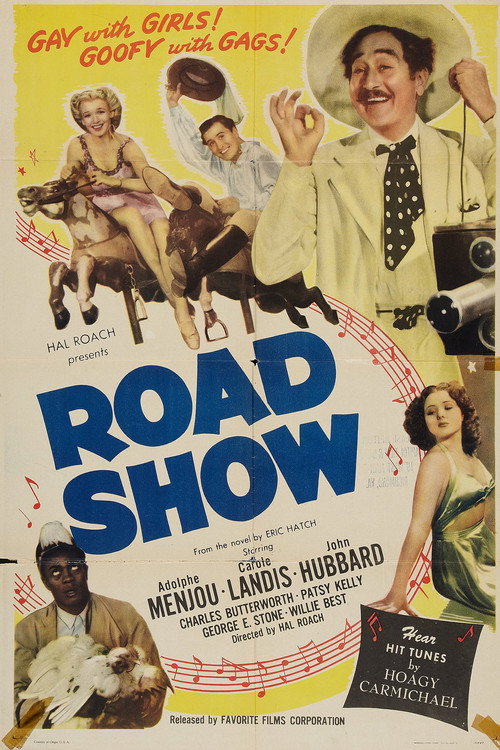
Road Show(1941)
Director
Film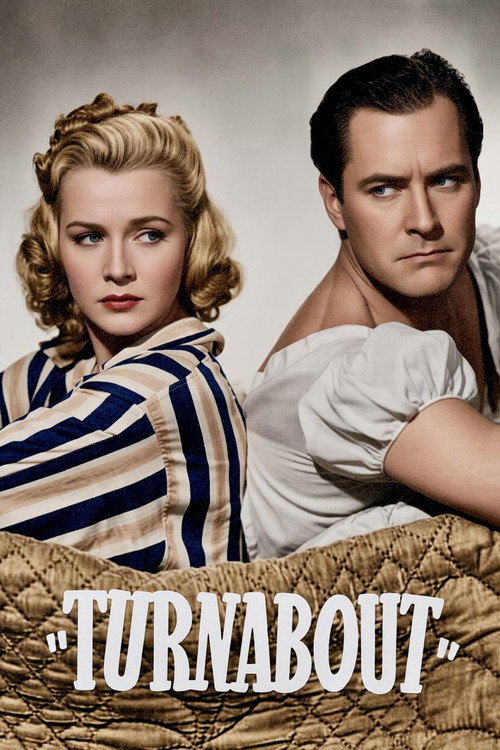
Turnabout(1940)
Director
Film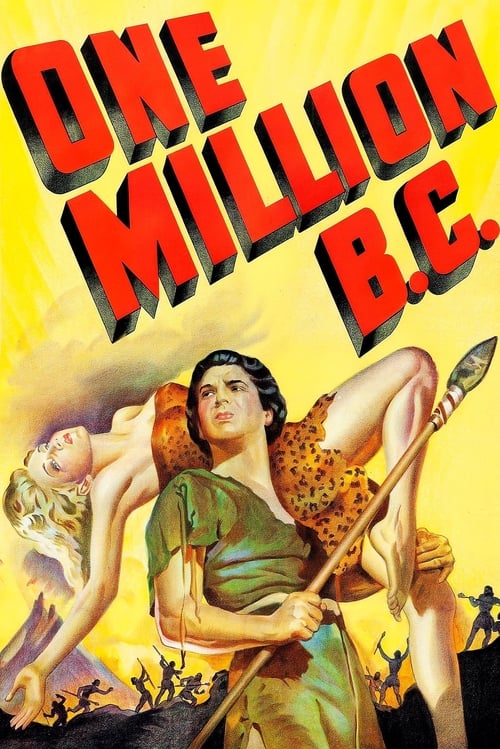
One Million B.C.(1940)
Director
Film
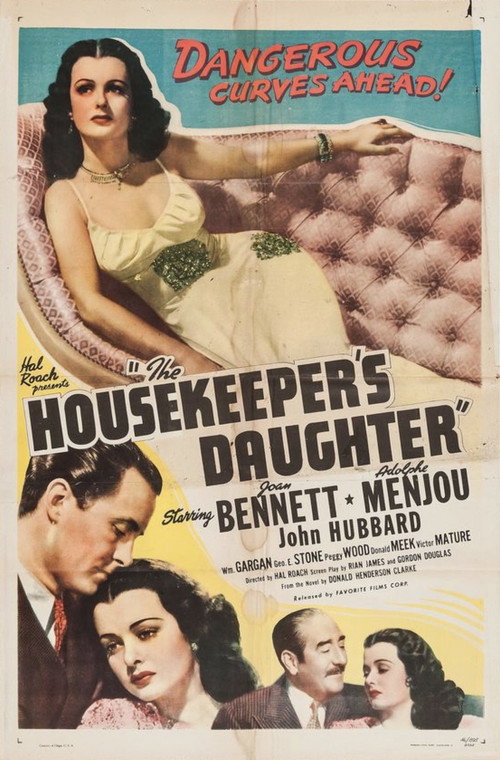
The Housekeeper's Daughter(1939)
Director
Film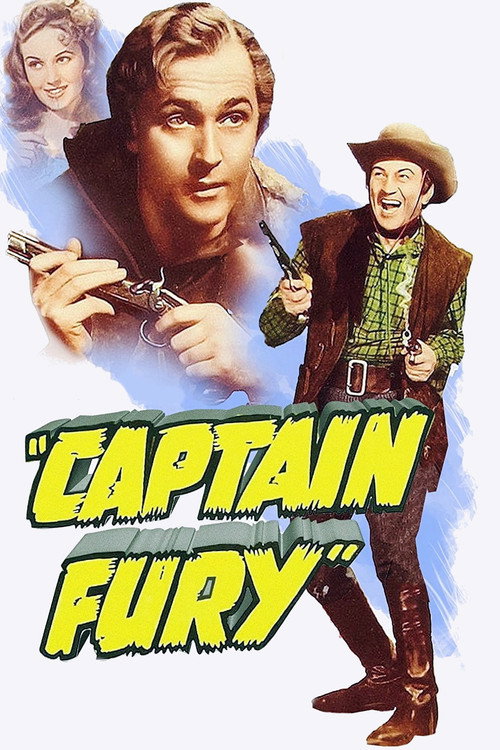
Captain Fury(1939)
Director
Film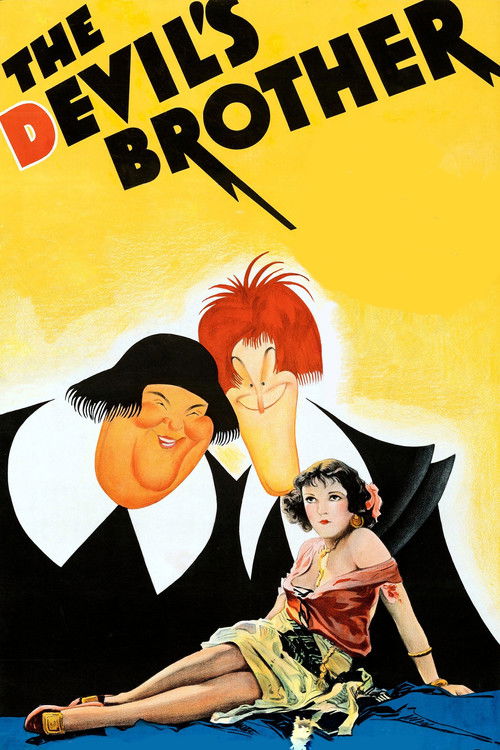
The Devil's Brother(1933)
Director
FilmMonsieur Le Fox(1931)
Director
Film
On the Loose(1931)
Director
Film
Men of the North(1930)
Director
FilmMonsieur Le Fox(1930)
Director
Film
The White Sheep(1924)
Director
Film
Smithy(1924)
Director
Film
Scorching Sands(1923)
Director
Film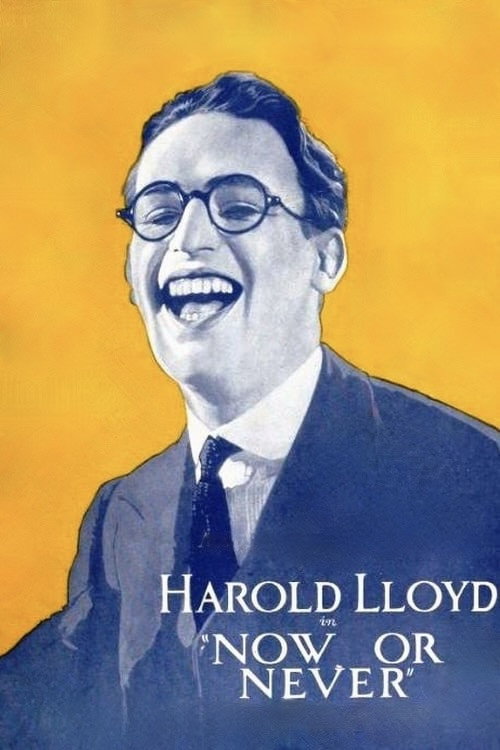
Now or Never(1921)
Director
Film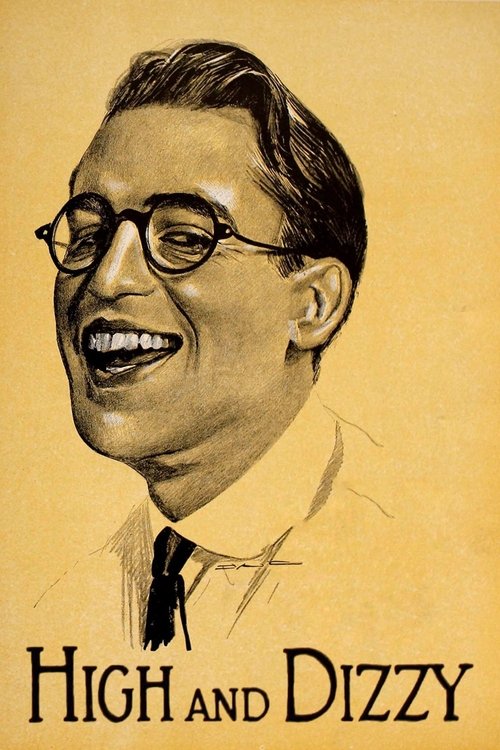
High and Dizzy(1920)
Director
Film
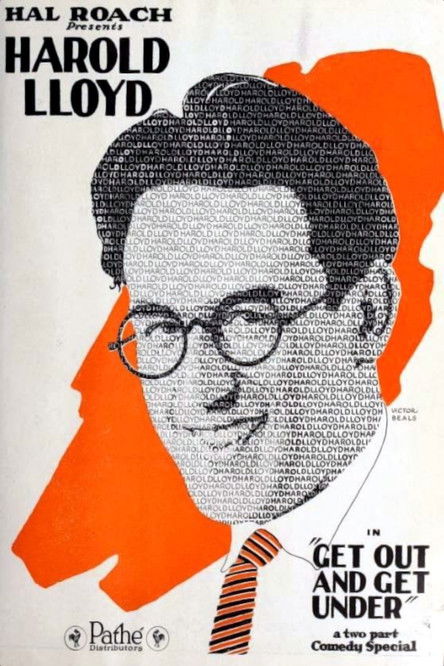
Get Out and Get Under(1920)
Director
Film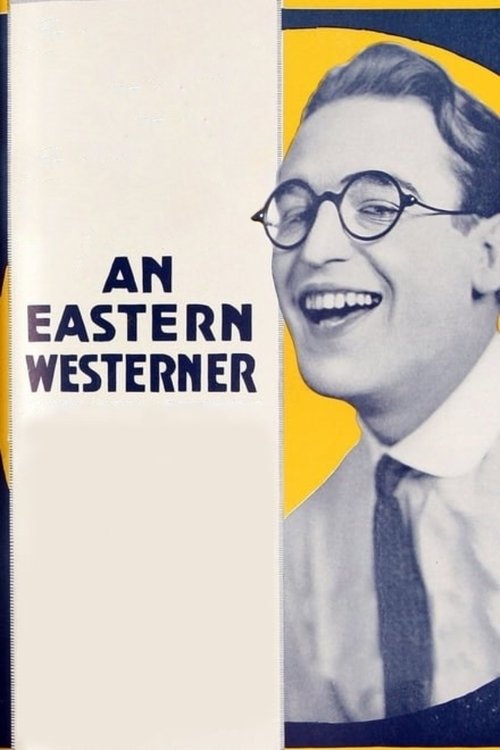
An Eastern Westerner(1920)
Director
Film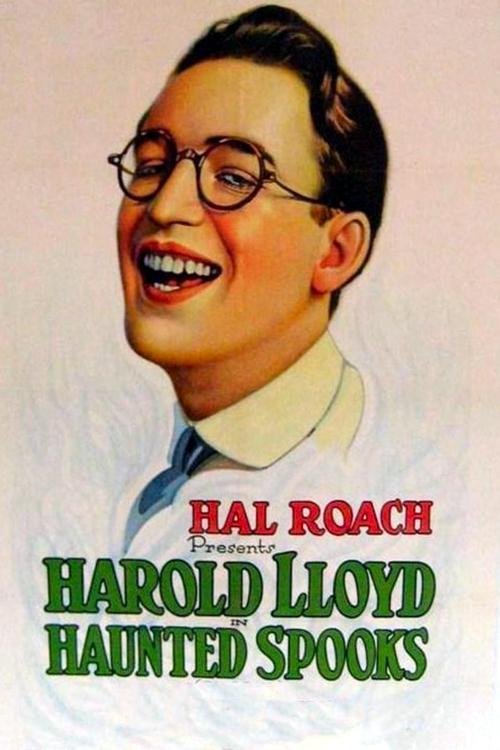
Haunted Spooks(1920)
Director
Film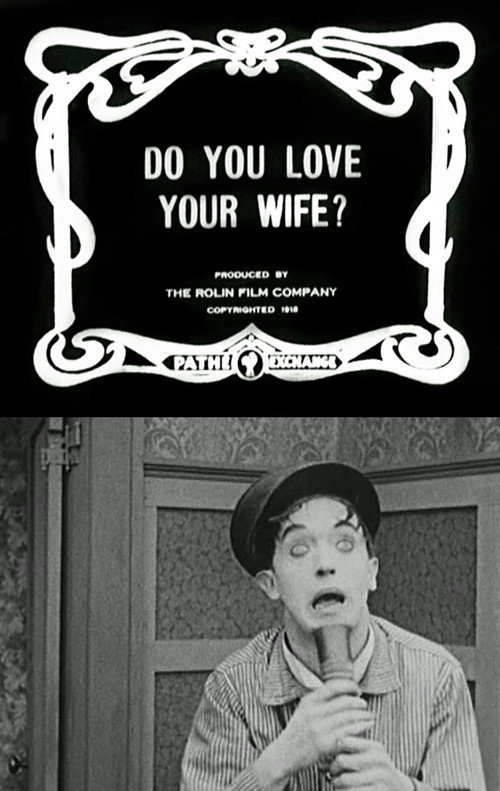
Do You Love Your Wife?(1919)
Director
Film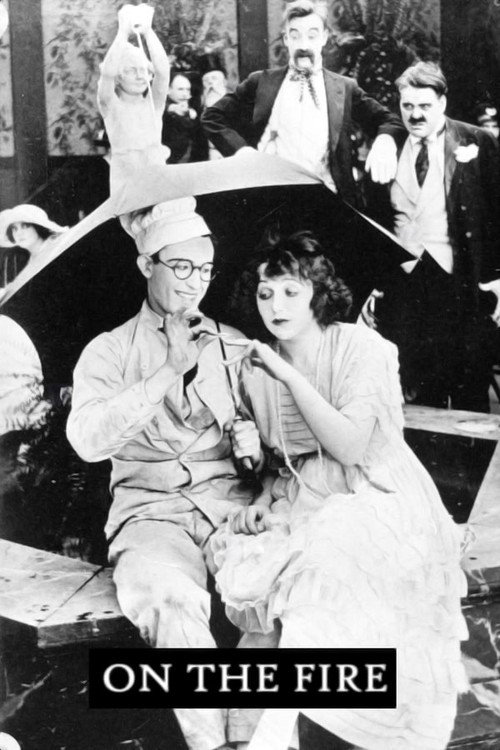
On the Fire(1919)
Director
Film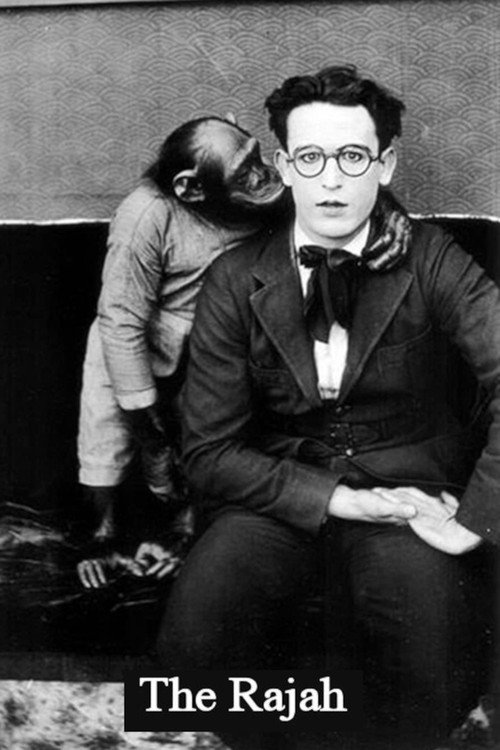
The Rajah(1919)
Director
Film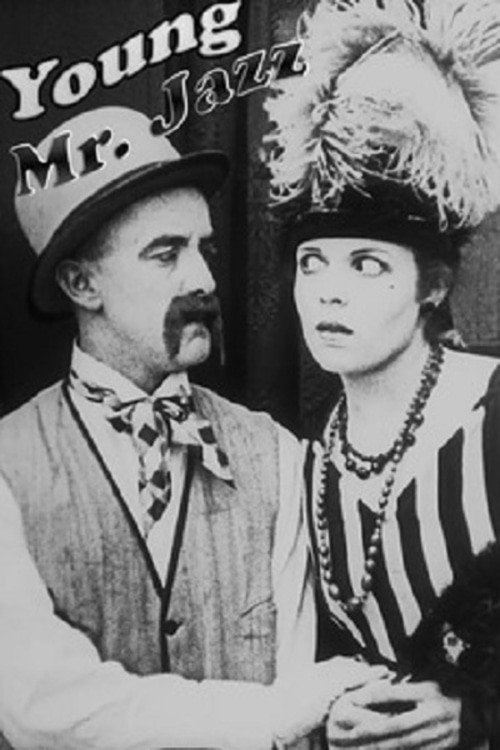
Young Mr. Jazz(1919)
Director
Film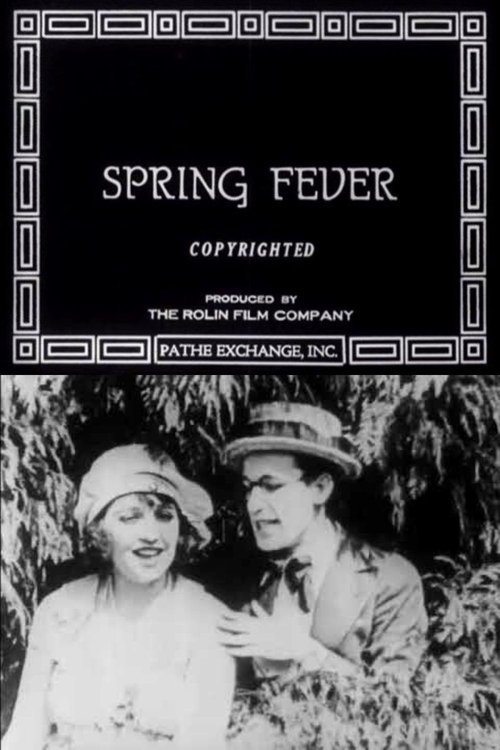
Spring Fever(1919)
Director
Film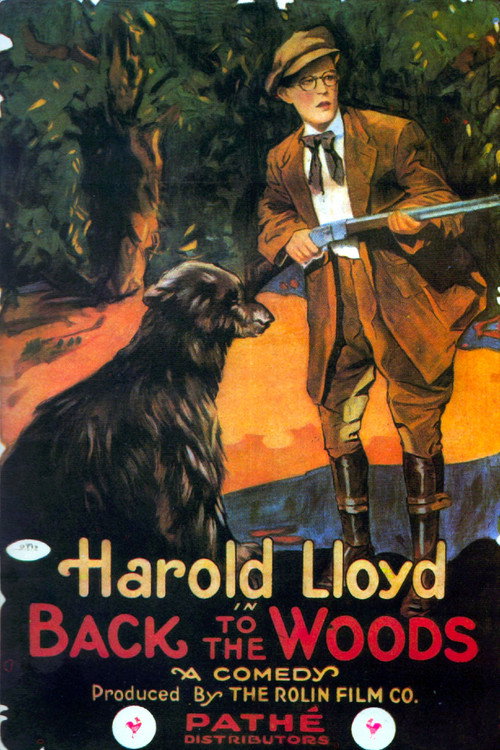
Back to the Woods(1919)
Director
Film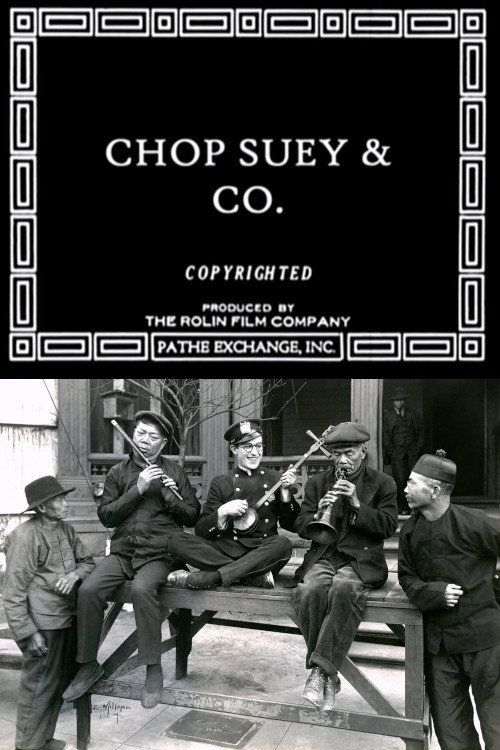
Chop Suey & Co.(1919)
Director
Film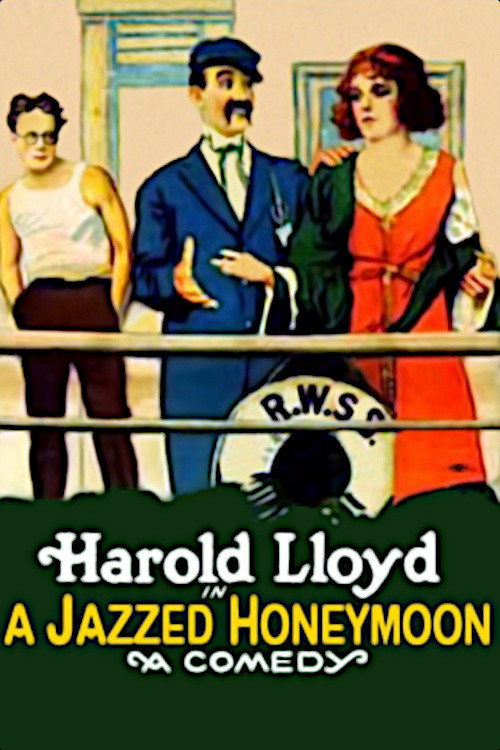
A Jazzed Honeymoon(1919)
Director
Film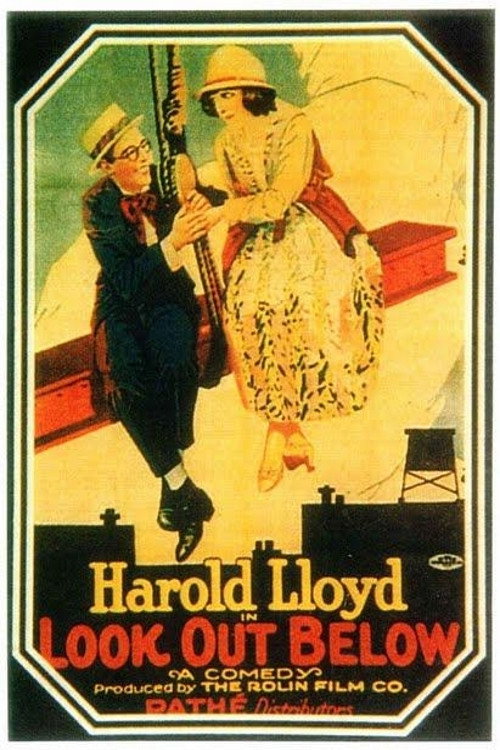
Look Out Below(1919)
Director
Film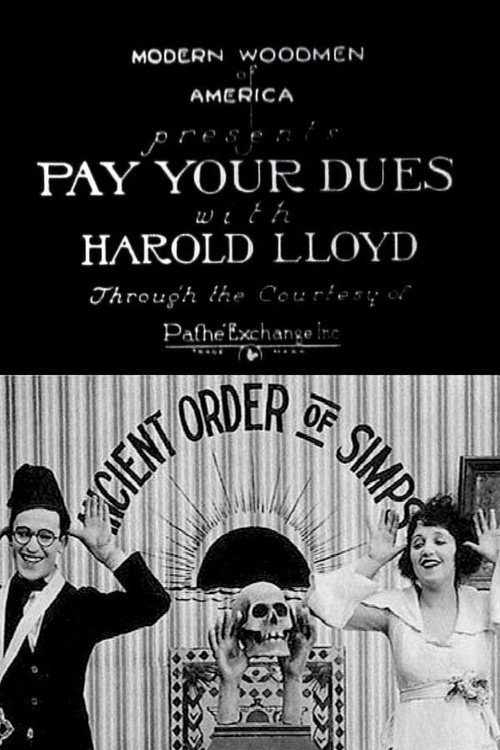
Pay Your Dues(1919)
Director
Film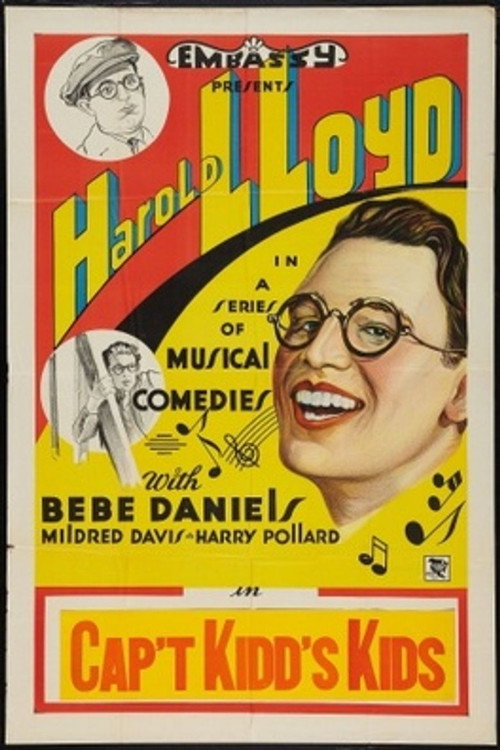
Captain Kidd's Kids(1919)
Director
Film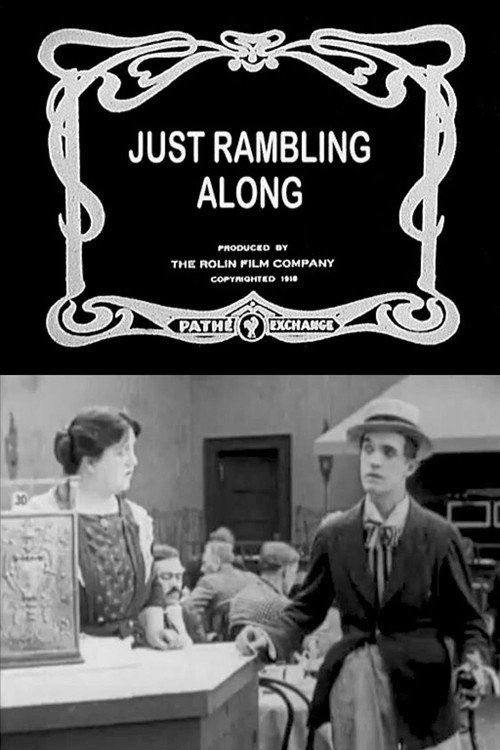
Just Rambling Along(1918)
Director
Film
Writer
79 credits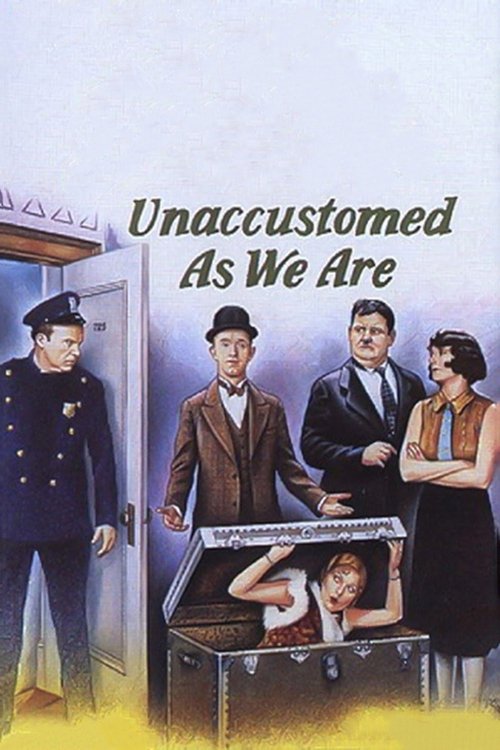
Unaccustomed As We Are(1929)
Writer
Film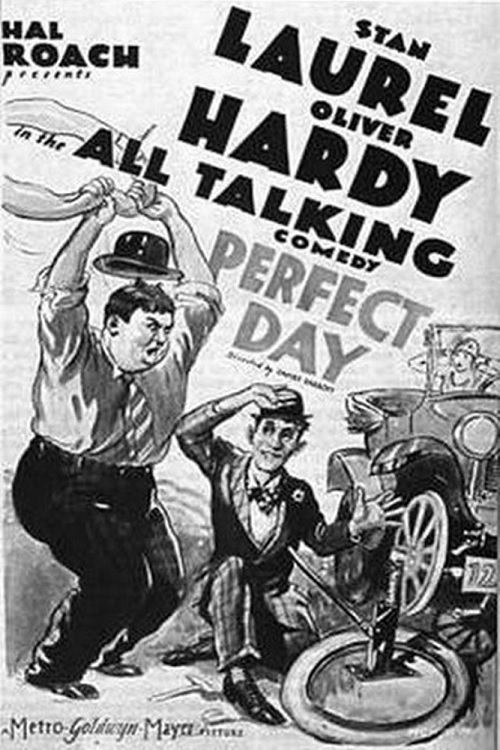
Perfect Day(1929)
Writer
Film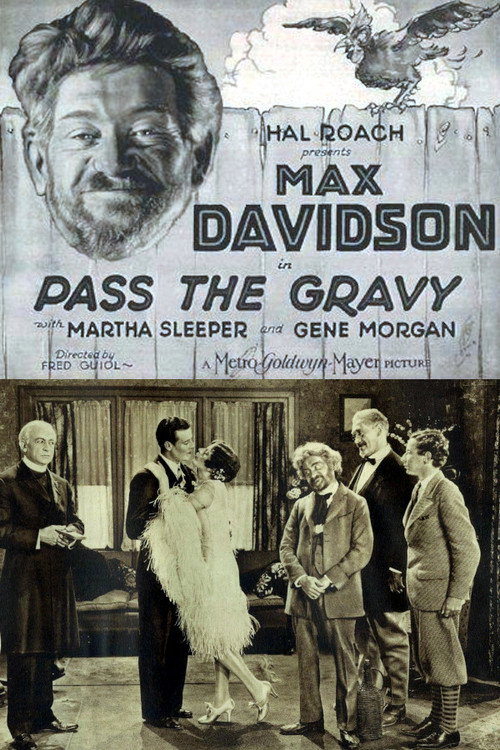
Pass the Gravy(1928)
Writer
Film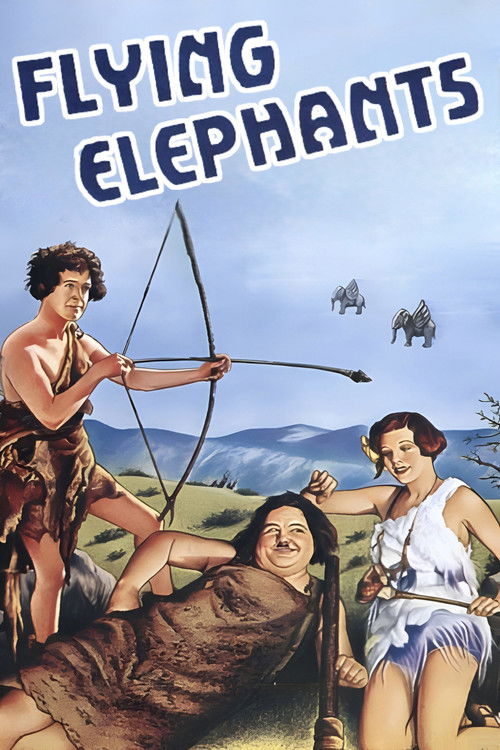
Flying Elephants(1928)
Writer
Film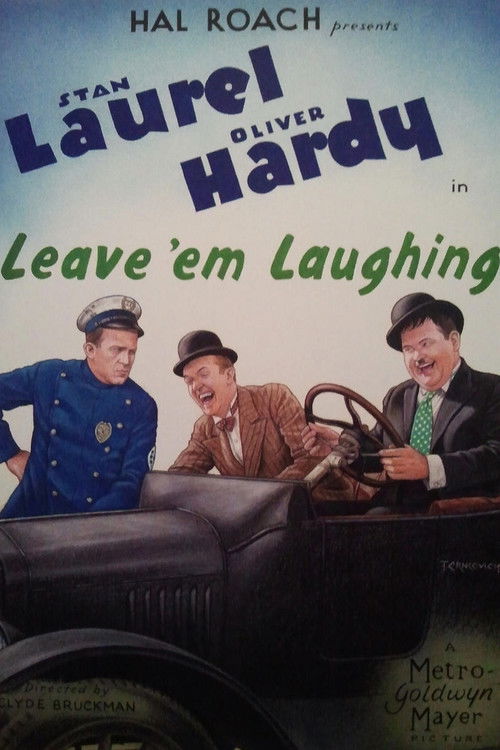
Leave 'em Laughing(1928)
Writer
Film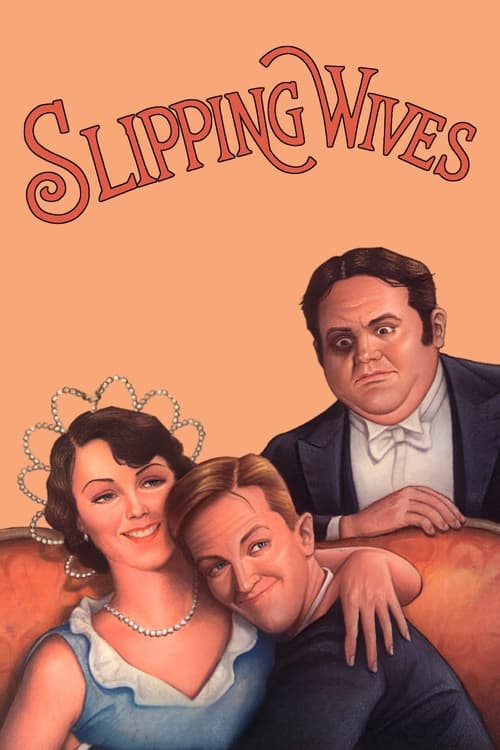
Slipping Wives(1927)
Writer
Film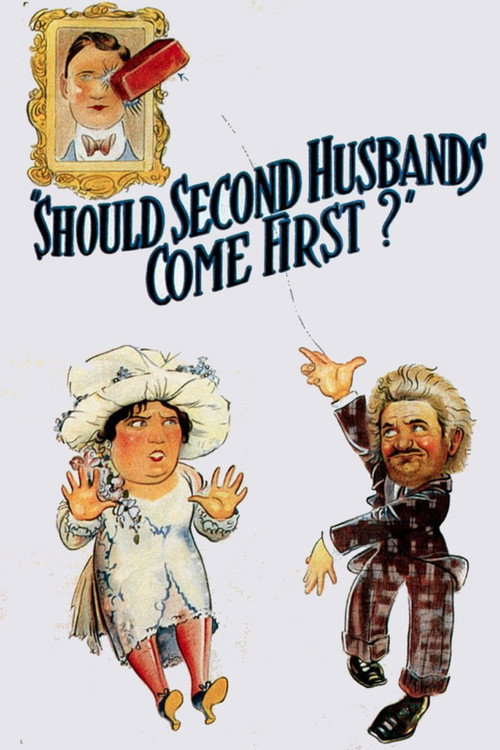
Should Second Husbands Come First?(1927)
Writer
Film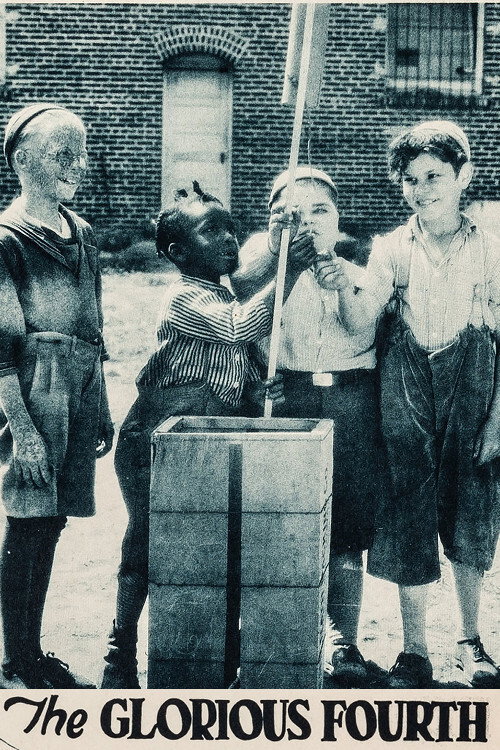
The Glorious Fourth(1927)
Writer
Film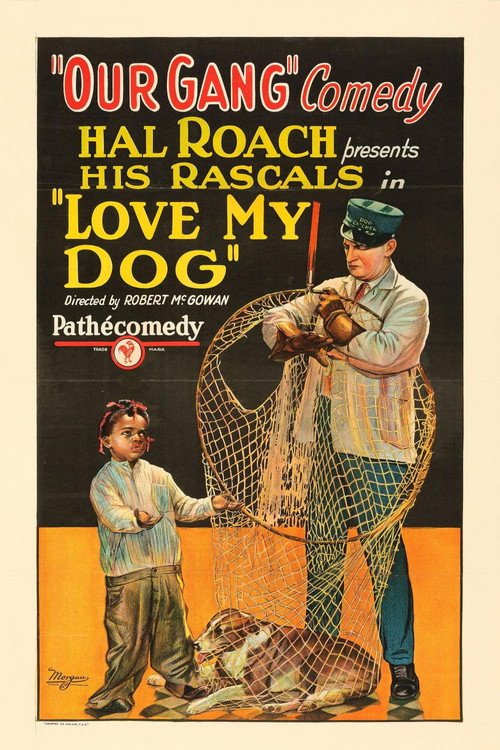
Love My Dog(1927)
Writer
Film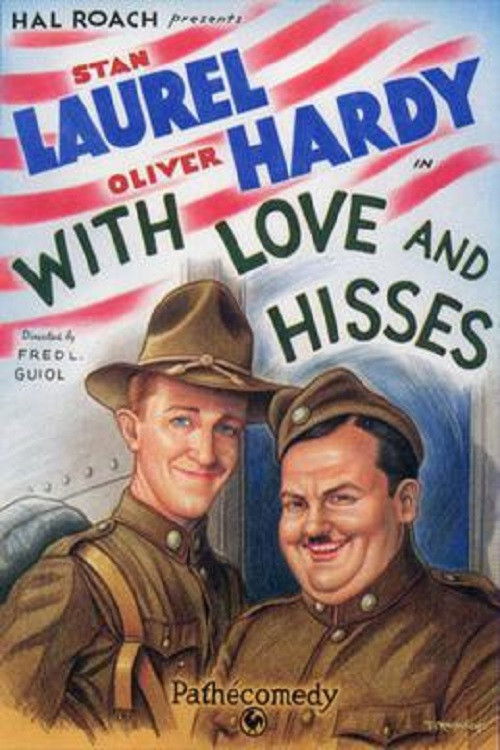
With Love and Hisses(1927)
Writer
Film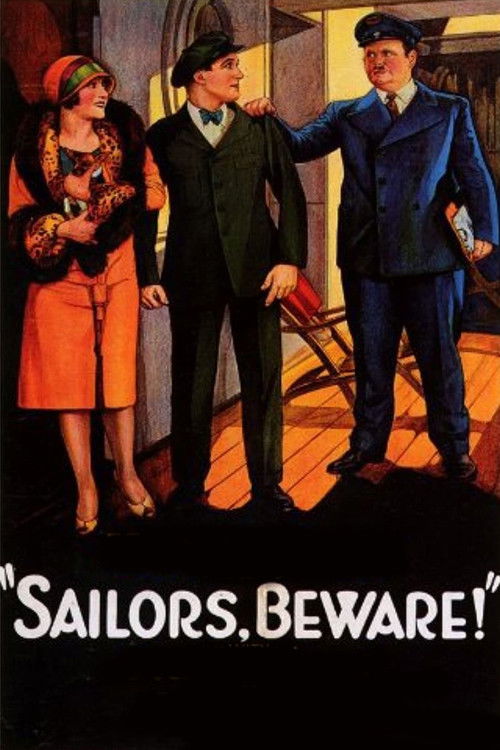
Sailors, Beware!(1927)
Writer
Film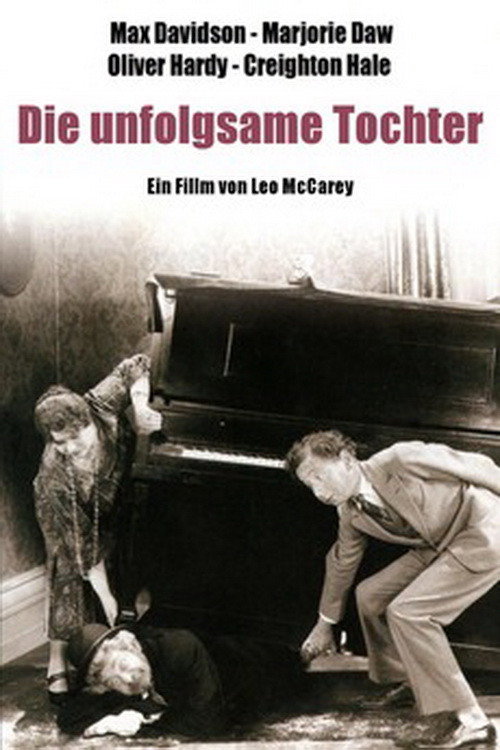
Why Girls Say No(1927)
Writer
Film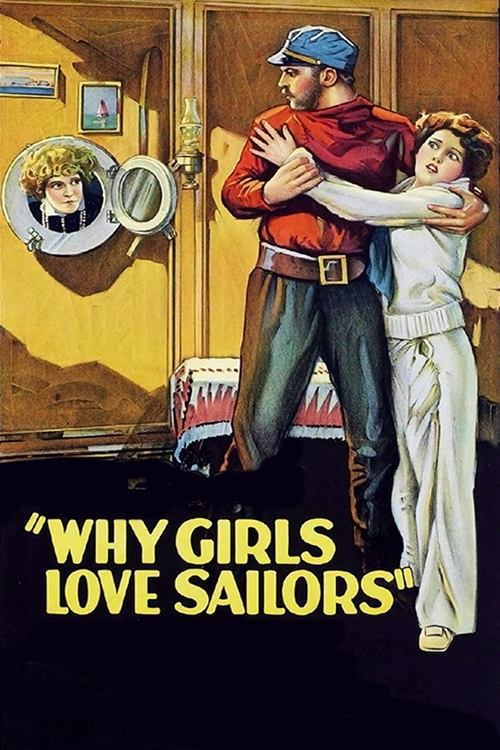
Why Girls Love Sailors(1927)
Writer
Film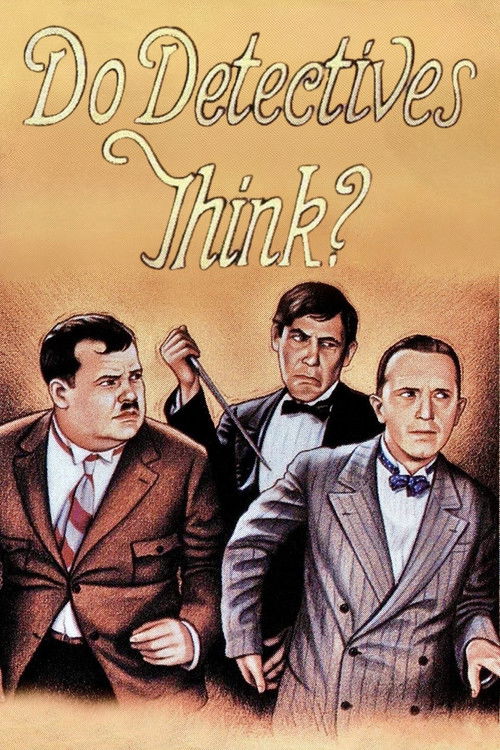
Do Detectives Think?(1927)
Writer
Film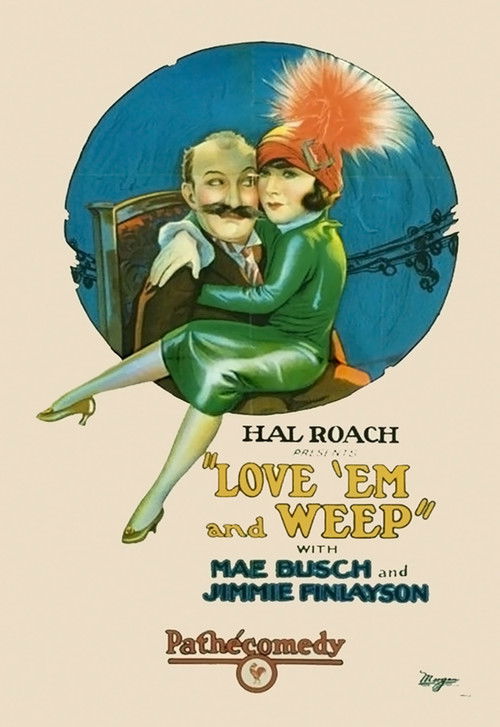
Love 'Em and Weep(1927)
Writer
Film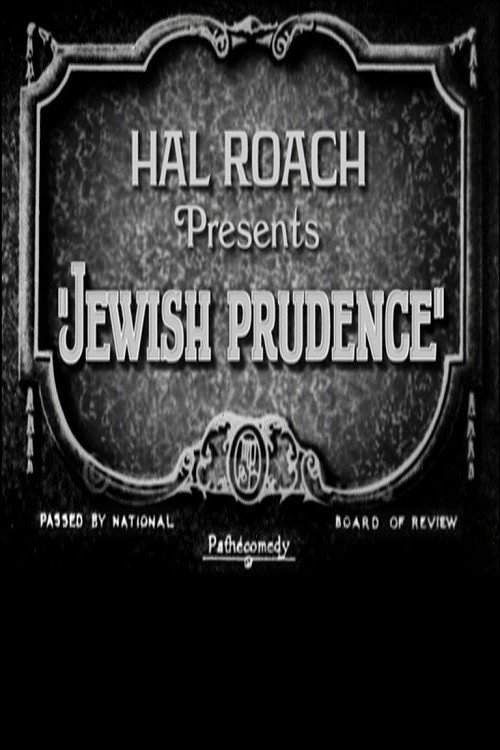
Jewish Prudence(1927)
Writer
Film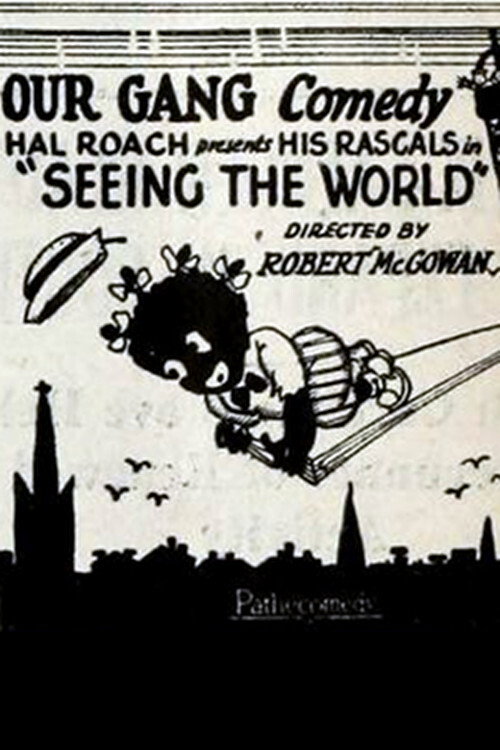
Seeing the World(1927)
Writer
Film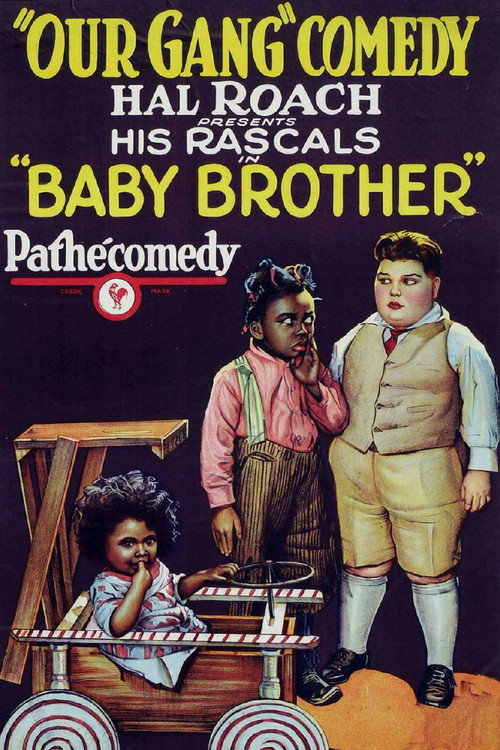
Baby Brother(1927)
Writer
Film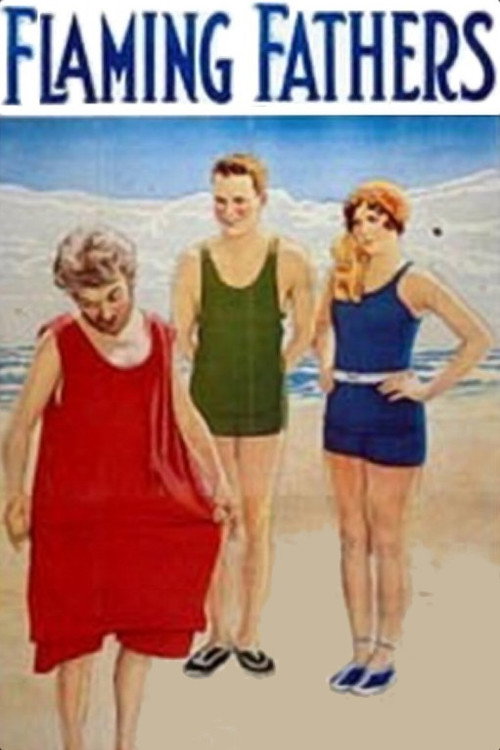
Flaming Fathers(1927)
Writer
Film
Call of the Cuckoo(1927)
Writer
Film
The Devil Horse(1926)
Writer
Filmmonkey-business-1926(1926)
Writer
Film
Shivering Spooks(1926)
Writer
Film
Good Cheer(1926)
Writer
Film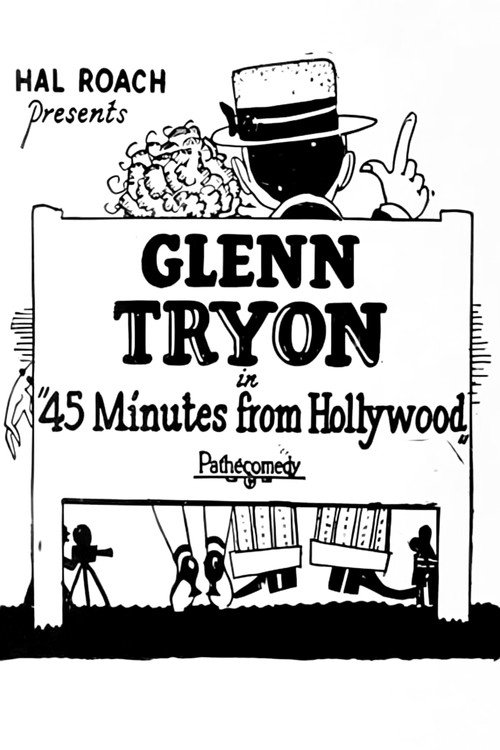
45 Minutes from Hollywood(1926)
Writer
Film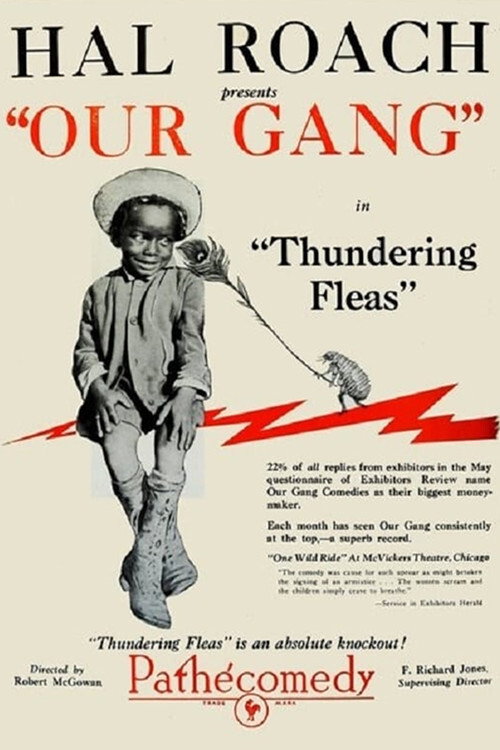
Thundering Fleas(1926)
Writer
Film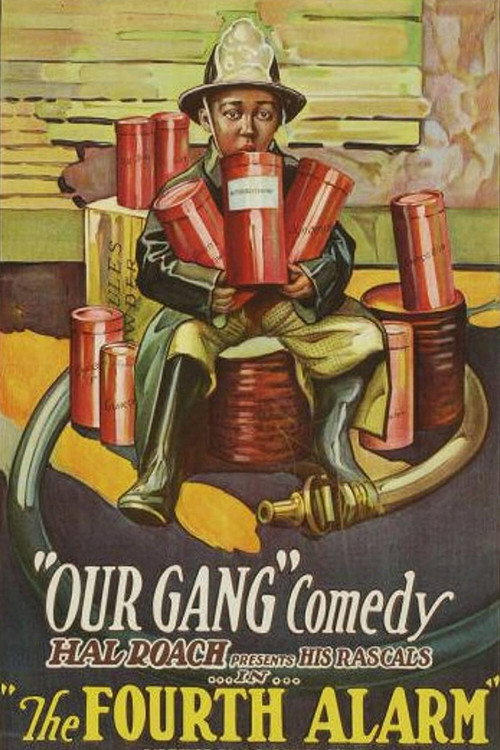
The Fourth Alarm(1926)
Writer
Film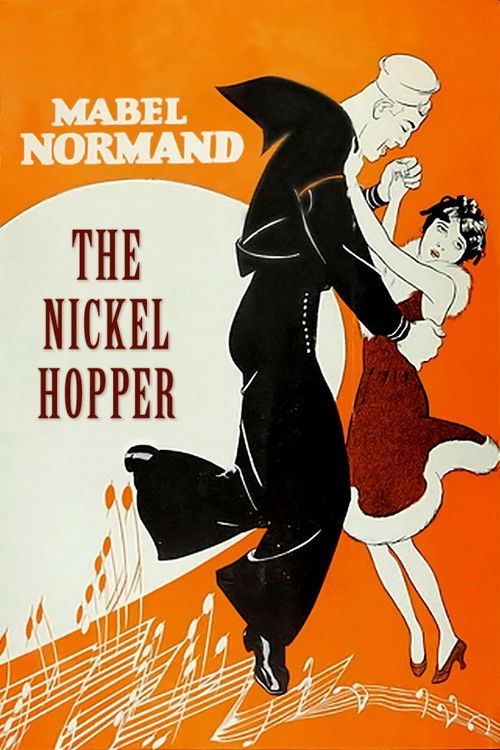
The Nickel-Hopper(1926)
Writer
Film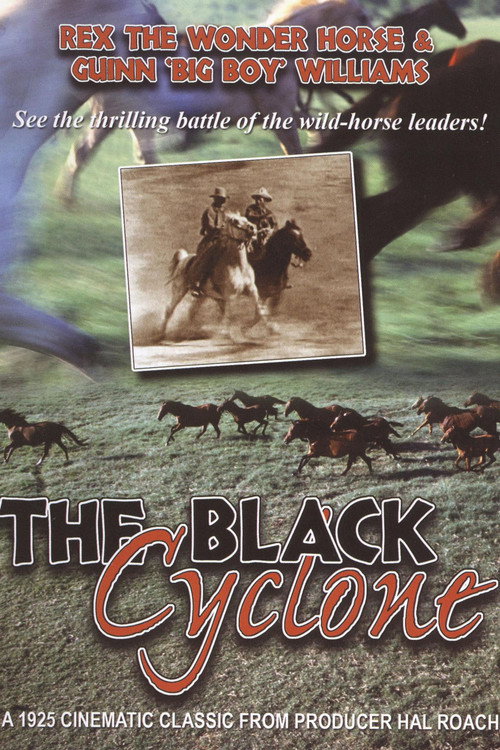
Black Cyclone(1925)
Writer
Film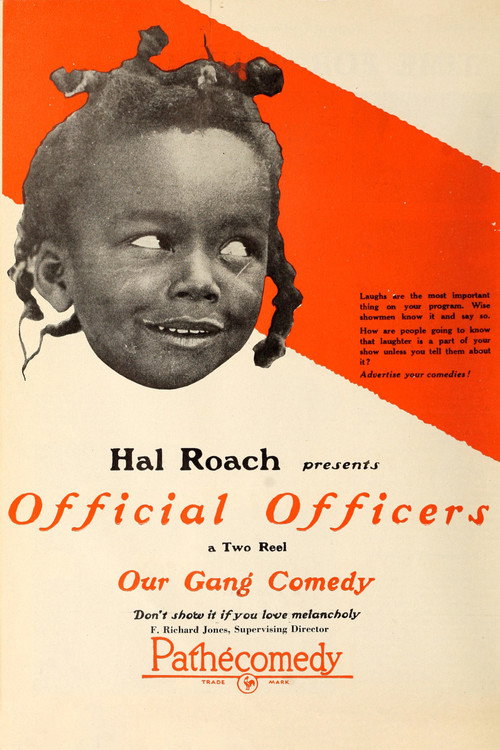
Official Officers(1925)
Writer
Film
Actor
1 credit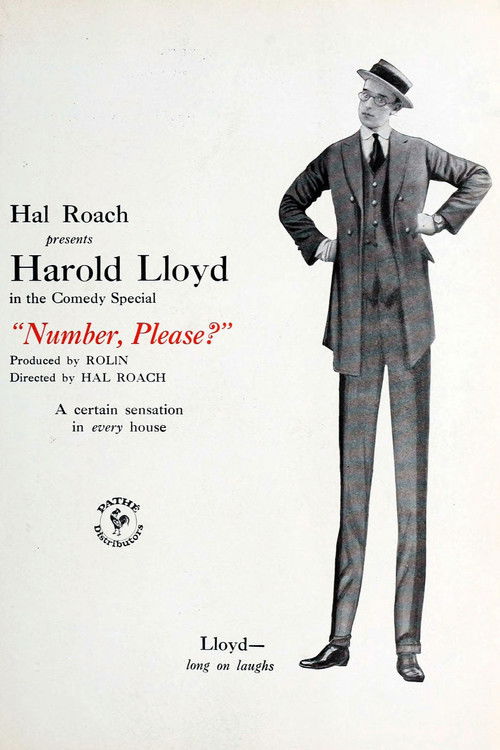
Producer
160 credits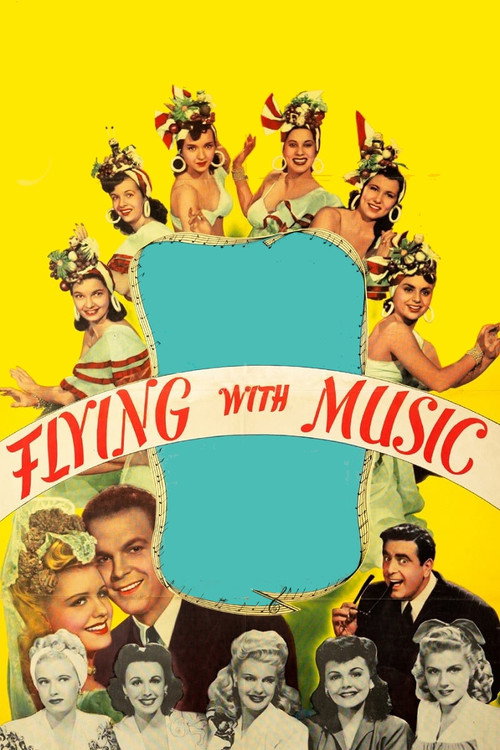
Flying with Music(1942)
Producer
Film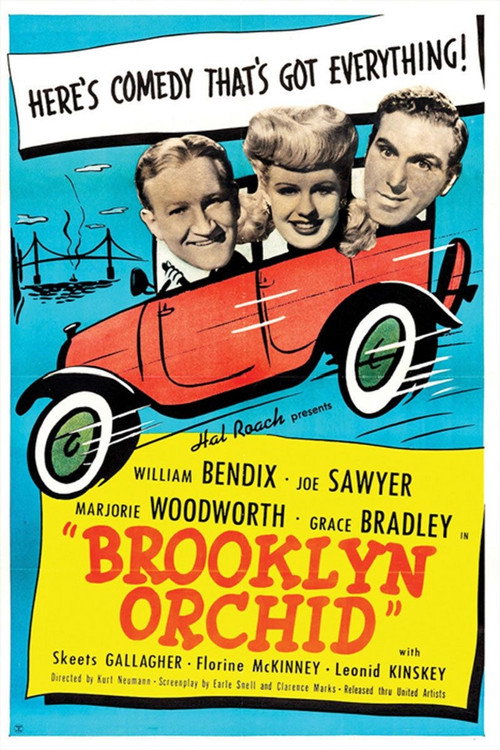
Brooklyn Orchid(1942)
Producer
Film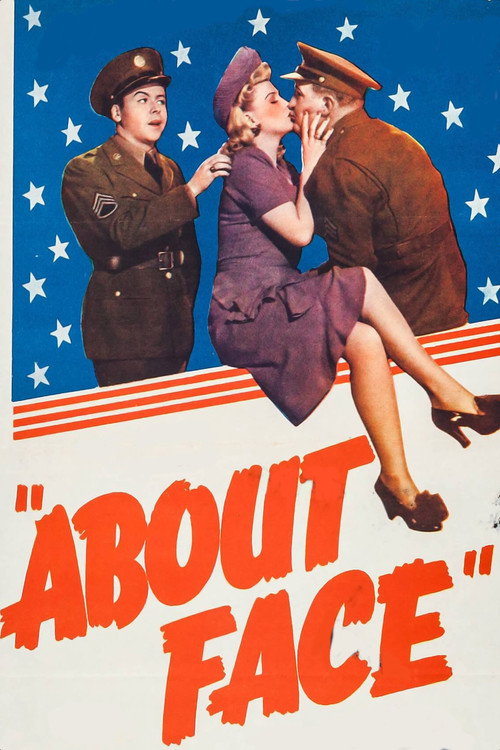
About Face(1942)
Producer
Film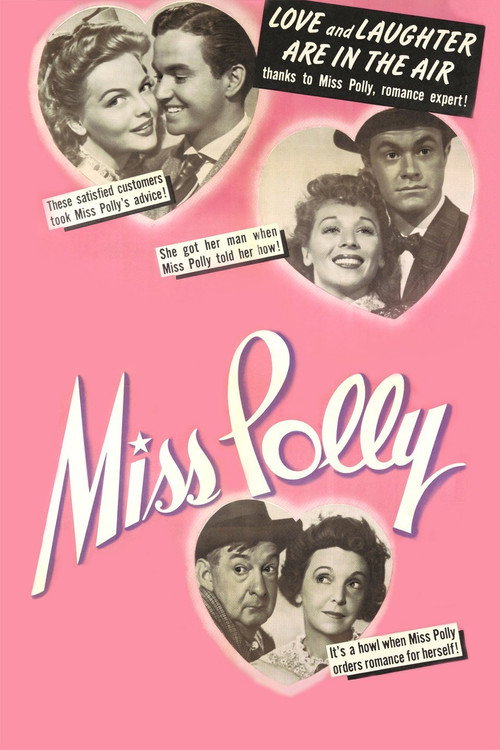
Miss Polly(1941)
Producer
Film
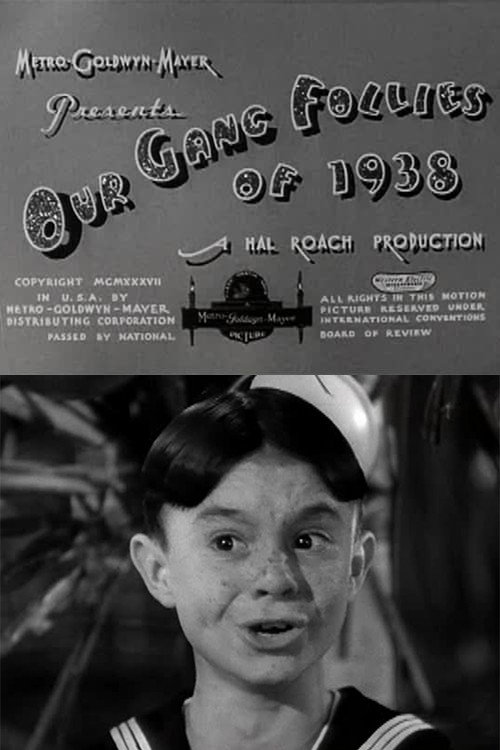
Our Gang Follies of 1938(1937)
Producer
Film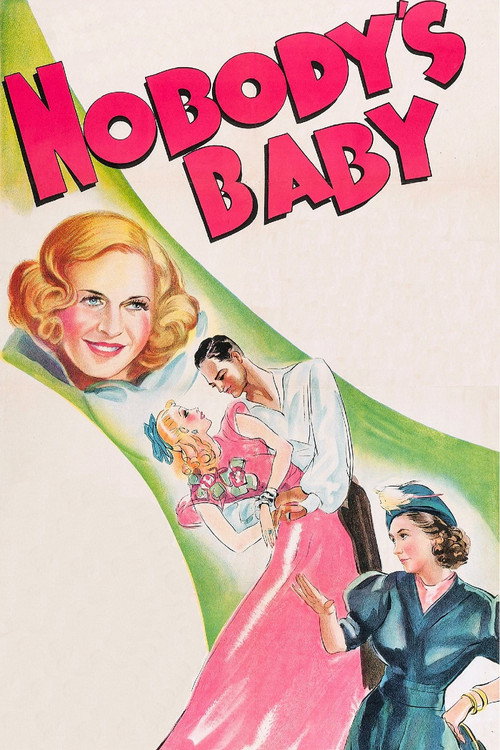
Nobody's Baby(1937)
Producer
Film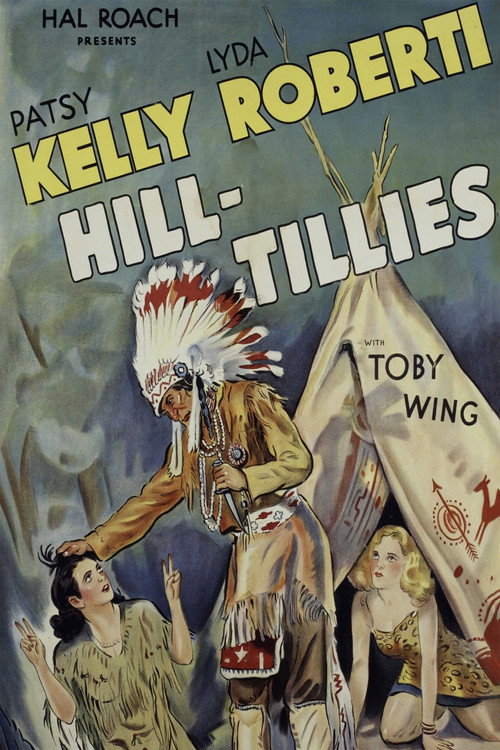
Hill-Tillies(1936)
Producer
Film
On the Wrong Trek(1936)
Producer
Film
Neighborhood House(1936)
Producer
Film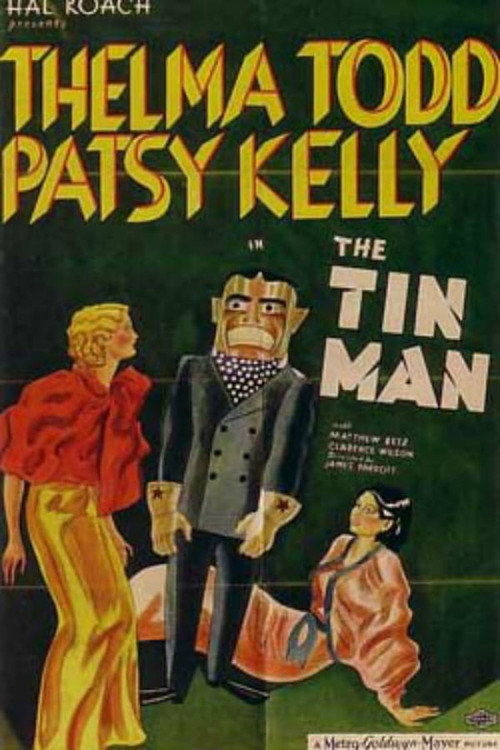
The Tin Man(1935)
Producer
Film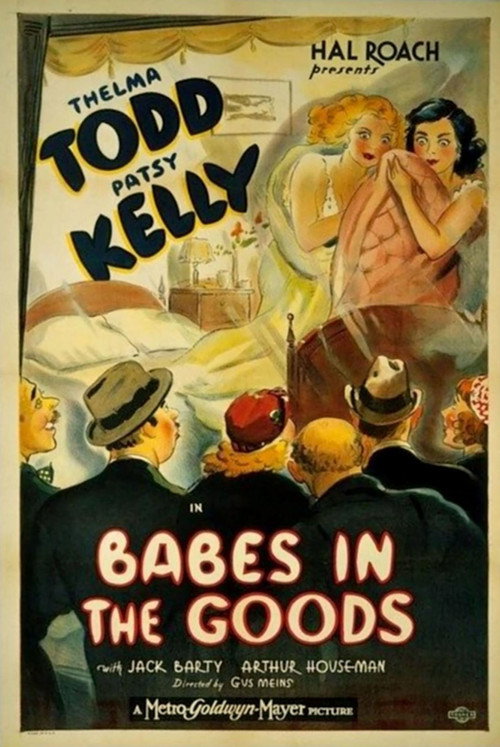
Babes in the Goods(1934)
Producer
Film
Mixed Nuts(1934)
Producer
Film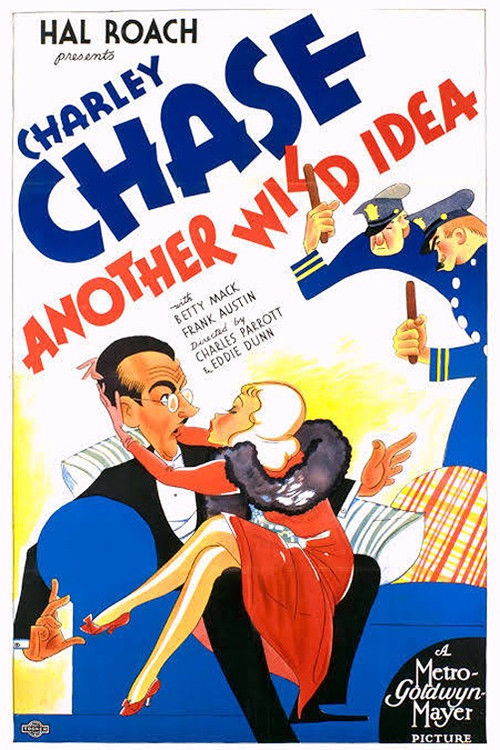
Another Wild Idea(1934)
Producer
Film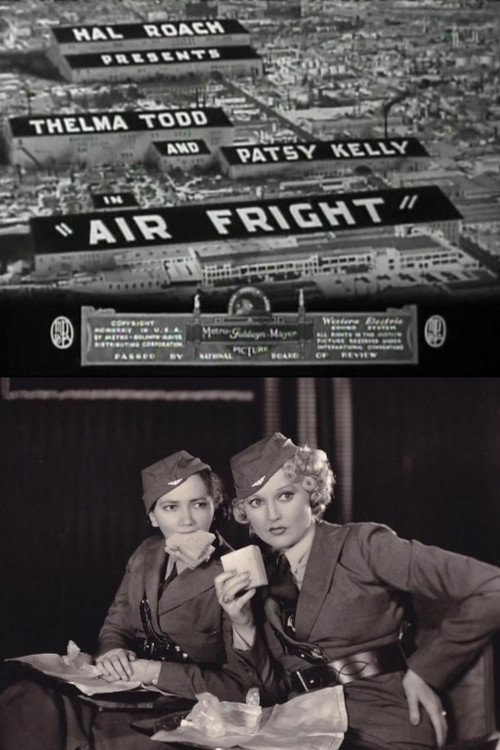
Air Fright(1933)
Producer
Film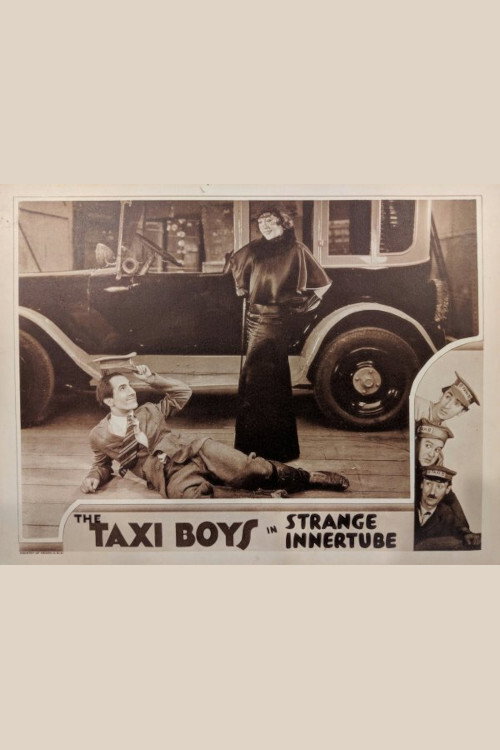
Strange Innertube(1932)
Producer
Film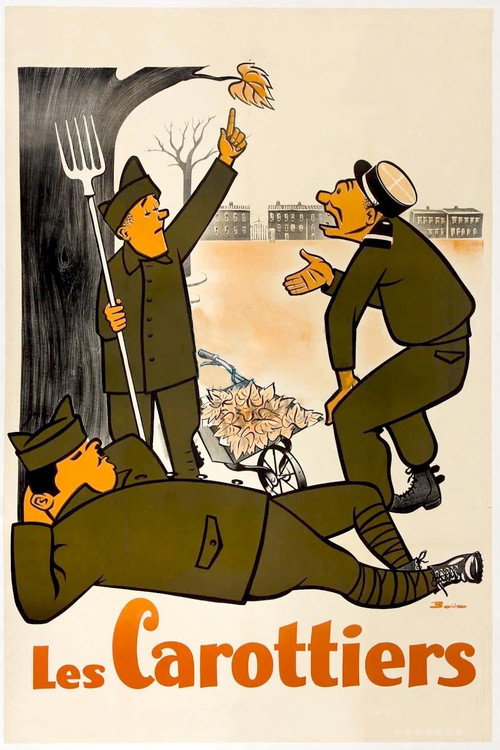
Les carottiers(1932)
Producer
Film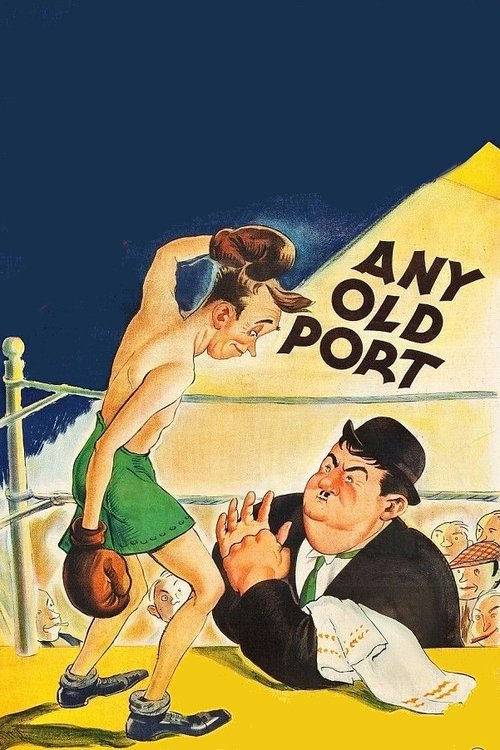
Any Old Port!(1932)
Producer
Film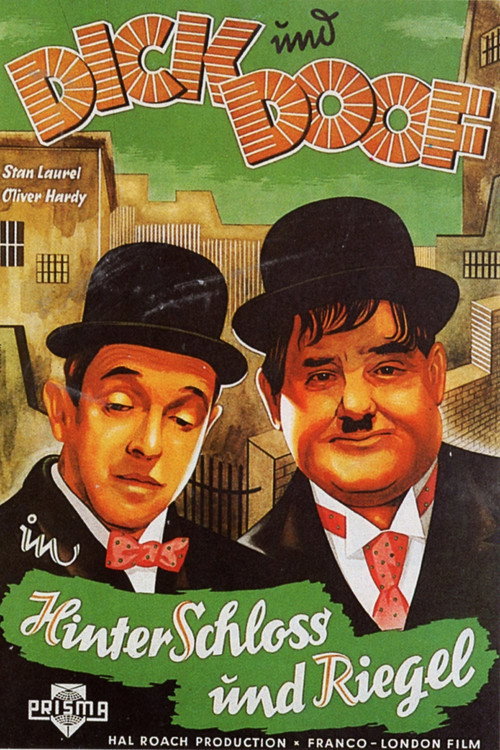
Hinter Schloss und Riegel(1931)
Producer
FilmEl alma de la fiesta(1931)
Producer
FilmMonerías(1931)
Producer
Film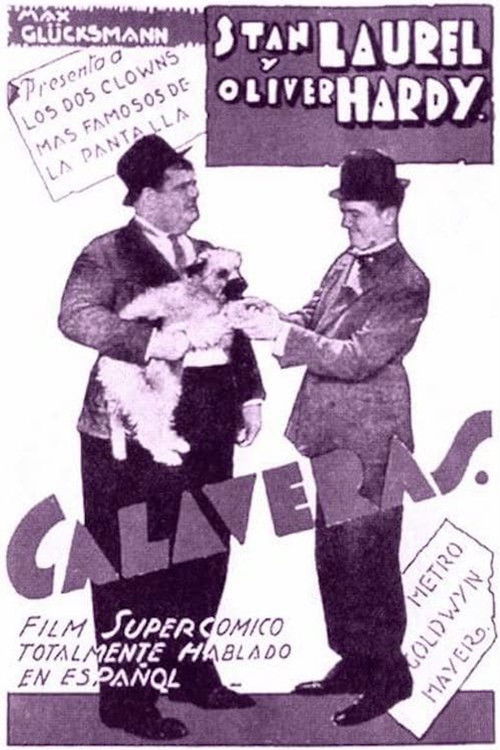
Los calaveras(1931)
Producer
Film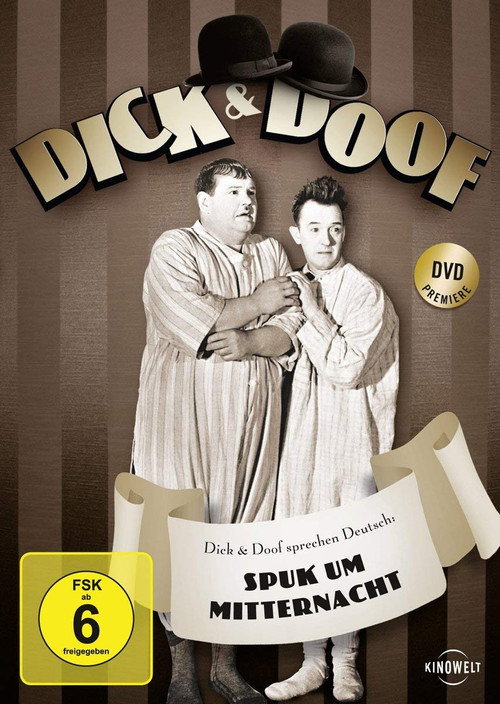
Spuk um Mitternacht(1931)
Producer
FilmLos presidiarios(1931)
Producer
Film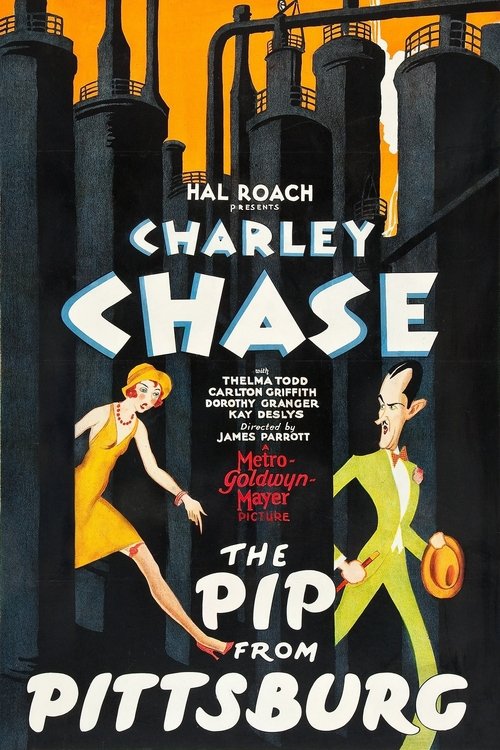
The Pip from Pittsburg(1931)
Producer
Film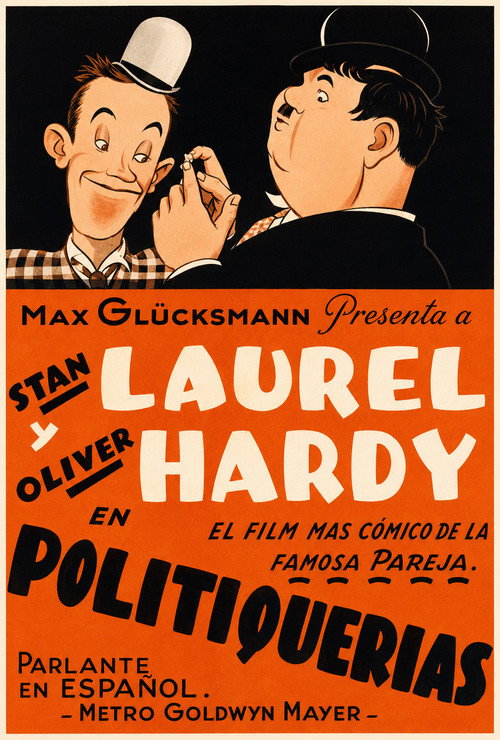
Politiquerías(1931)
Producer
Film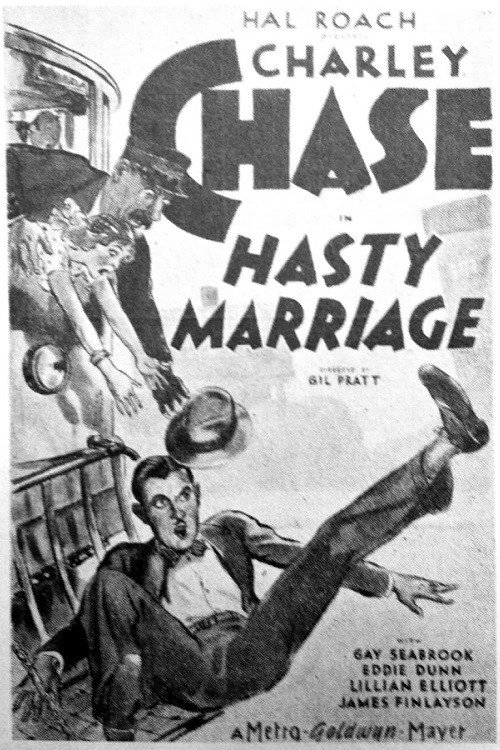
Hasty Marriage(1931)
Producer
Film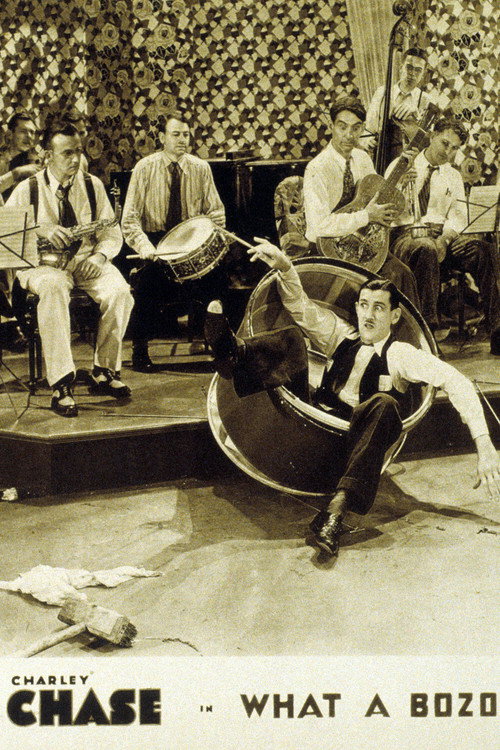
What a Bozo!(1931)
Producer
Film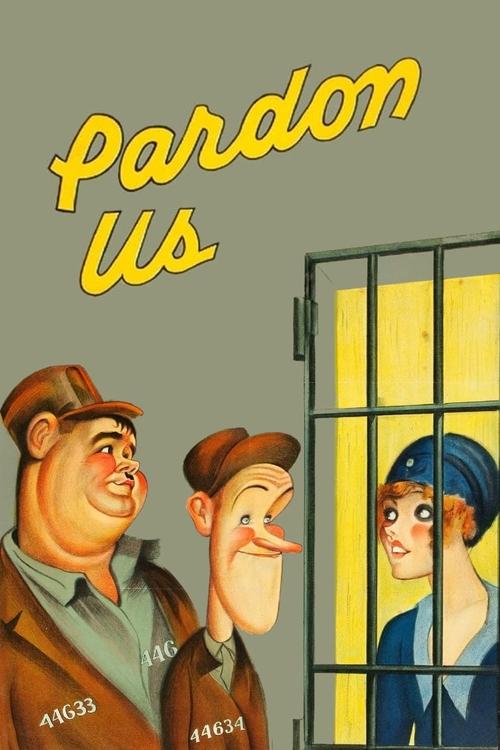
Pardon Us(1931)
Producer
Film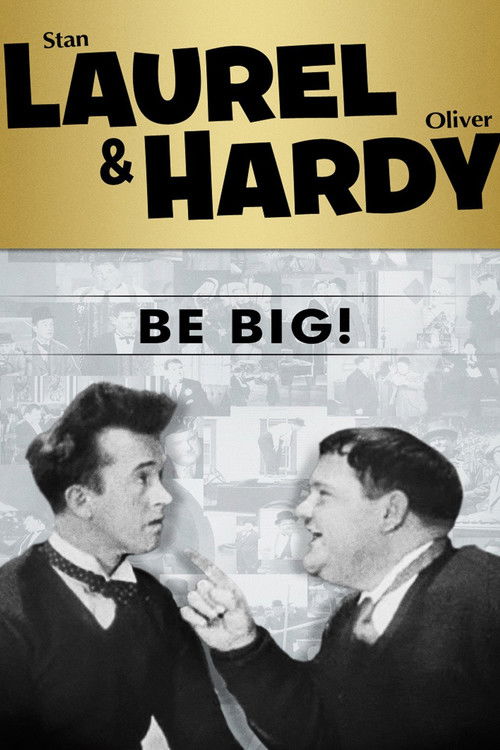
Be Big!(1931)
Producer
FilmEl príncipe del dólar(1930)
Producer
Film
Editor
28 credits
L'oeil, le pinceau et le cinématographe : naissance d'un art(2021)
Credits
Film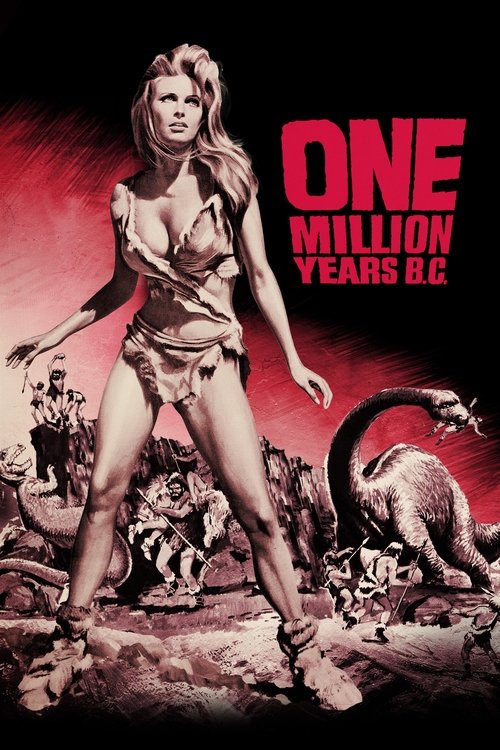
One Million Years B.C.(1966)
Credits
Film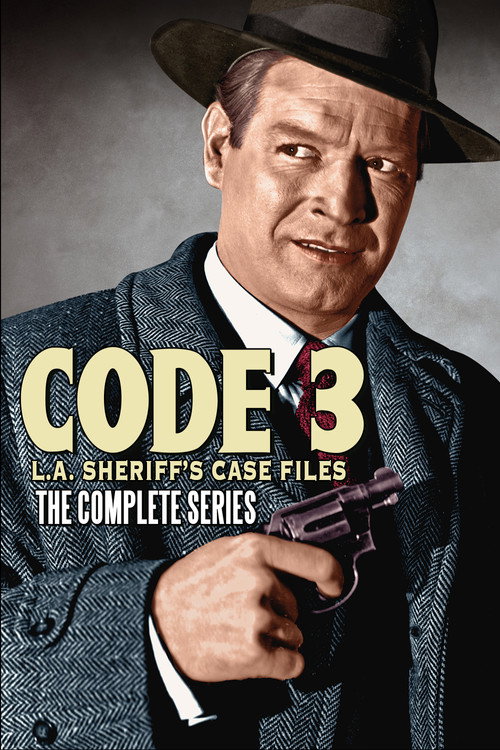
Code 3(1957)
Credits
TVPassport to Danger(1954)
Credits
TV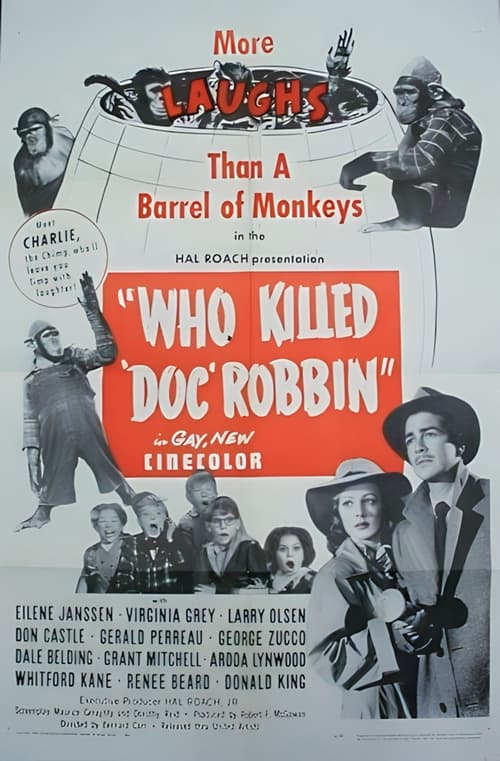
Who Killed 'Doc' Robbin?(1948)
Credits
Film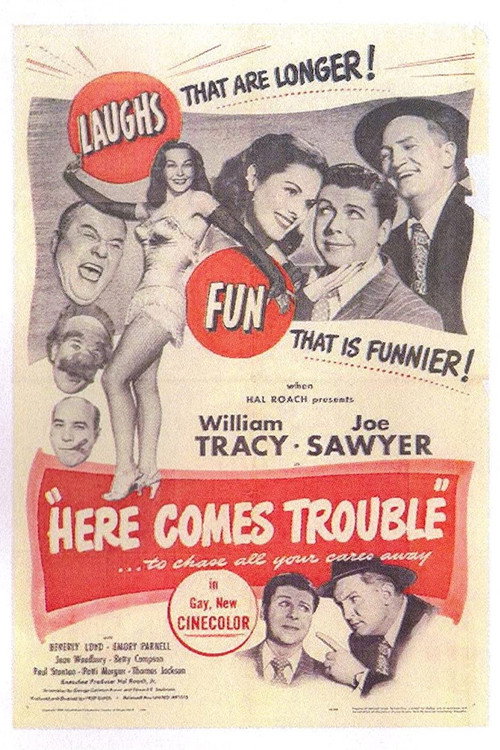
Here Comes Trouble(1948)
Credits
Film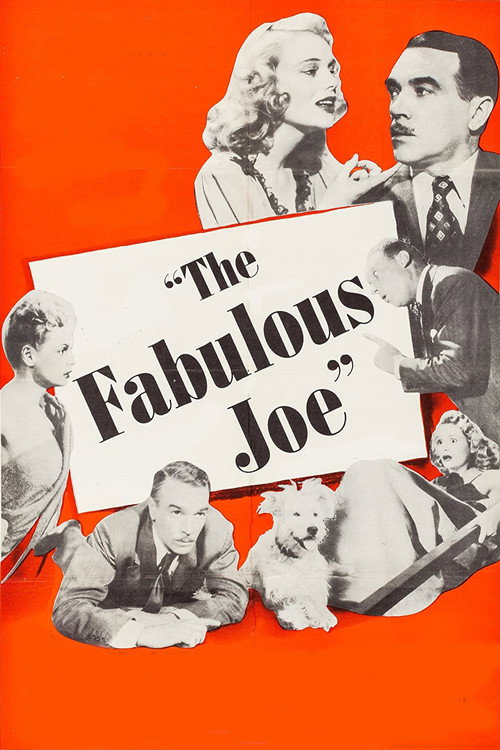
The Fabulous Joe(1947)
Credits
Film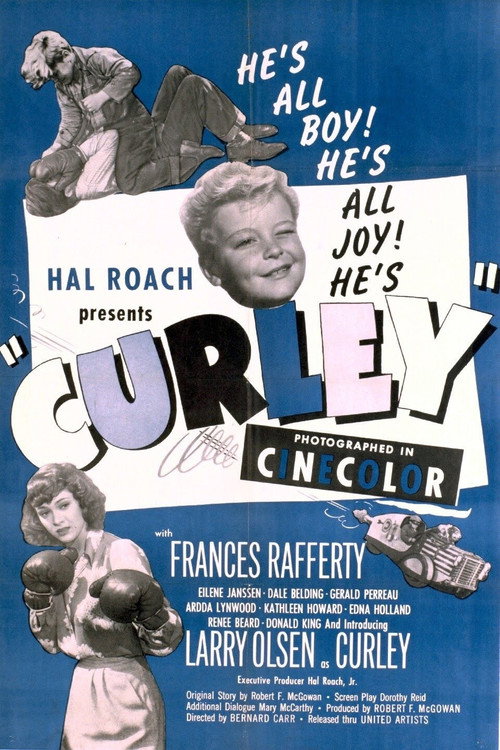
Curley(1947)
Credits
Film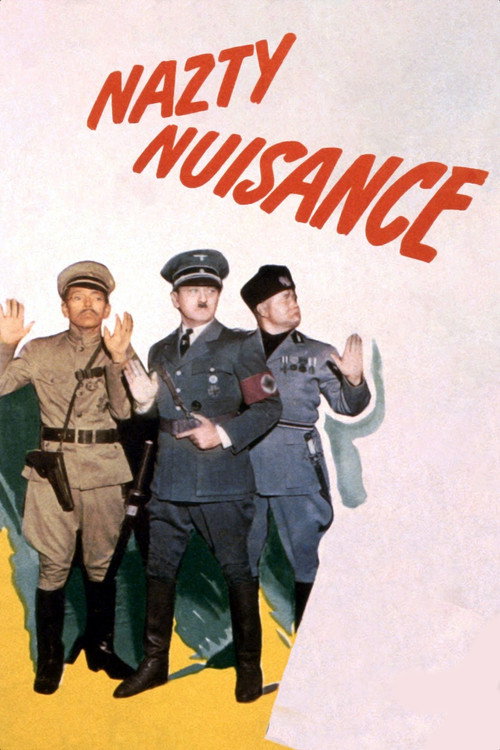
The Last Three(1943)
Credits
Film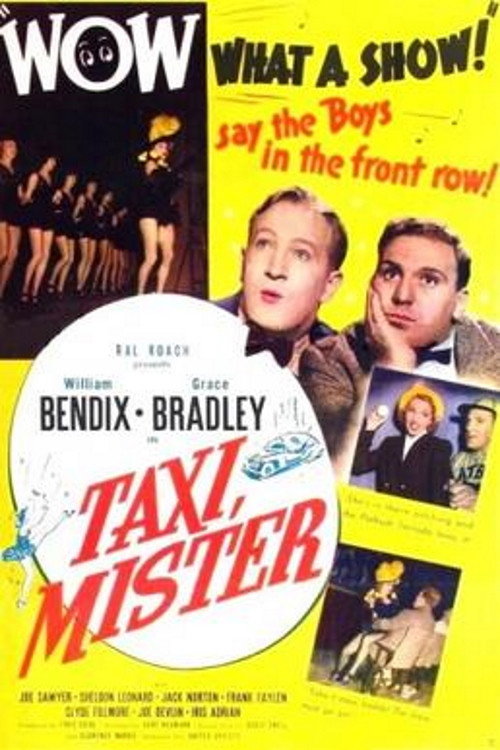
Taxi, Mister(1943)
Credits
Film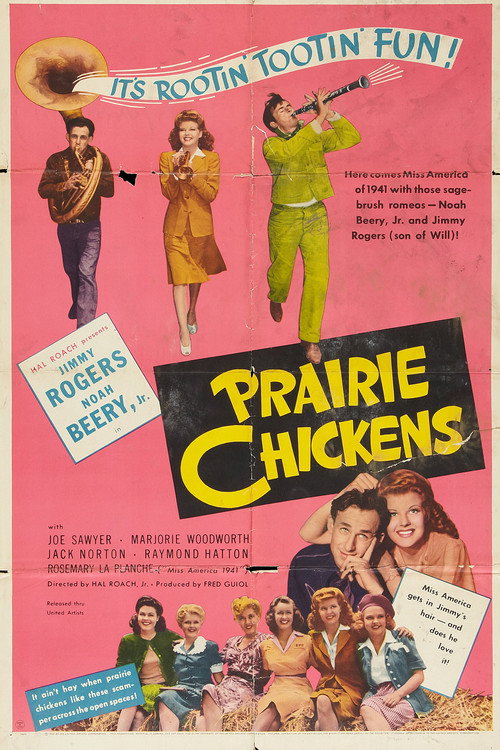
Prairie Chickens(1943)
Credits
Film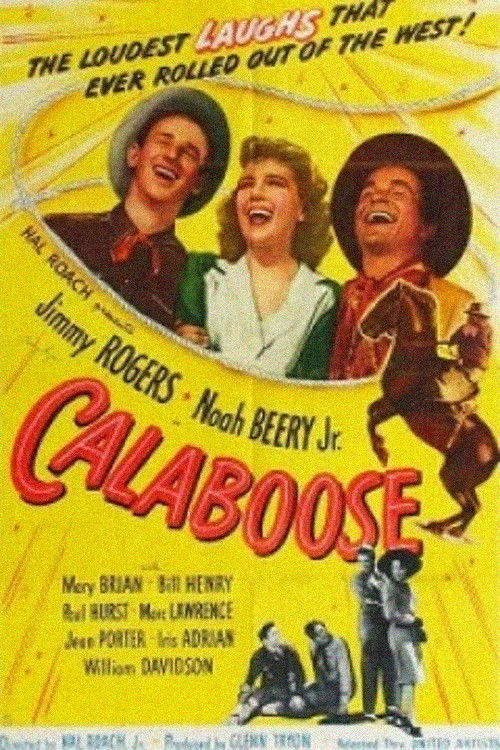
Calaboose(1943)
Credits
Film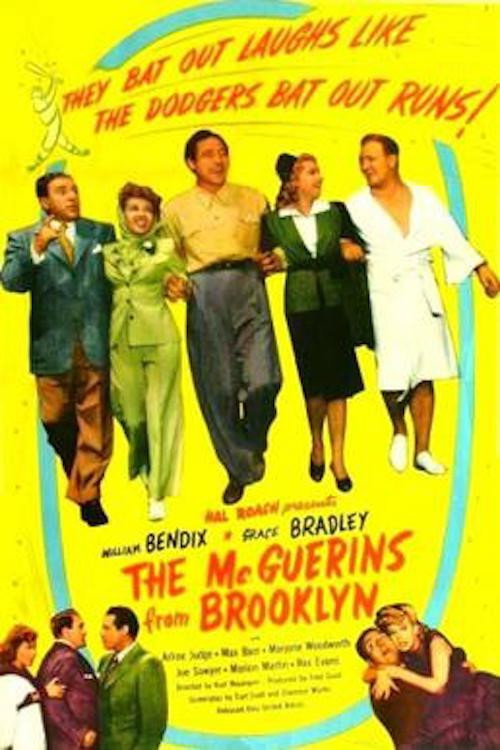
The McGuerins from Brooklyn(1942)
Credits
Film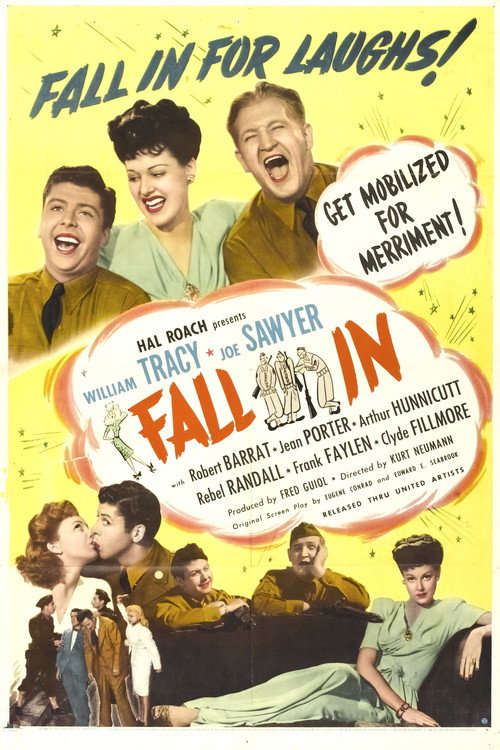
Fall In(1942)
Credits
Film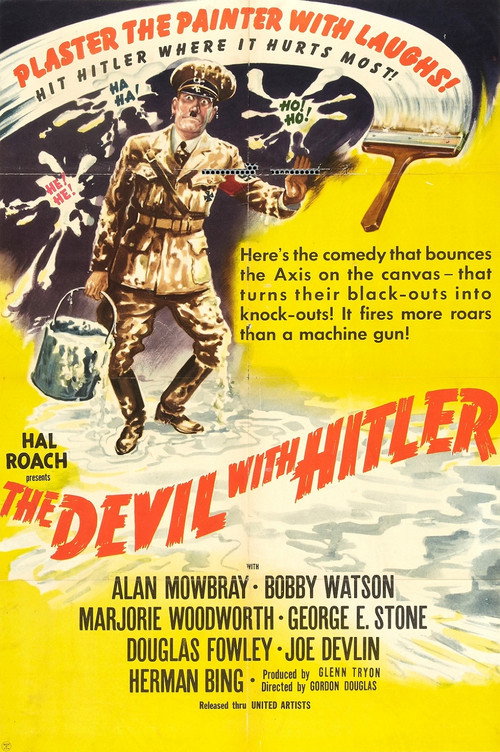
The Devil with Hitler(1942)
Credits
Film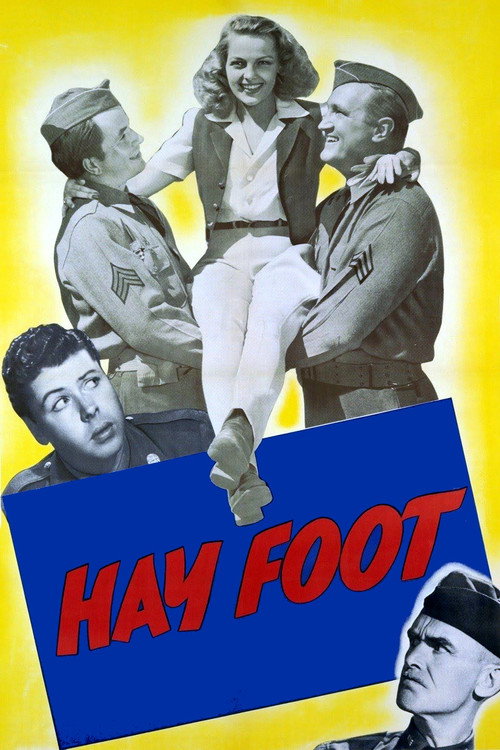
Hay Foot(1942)
Credits
Film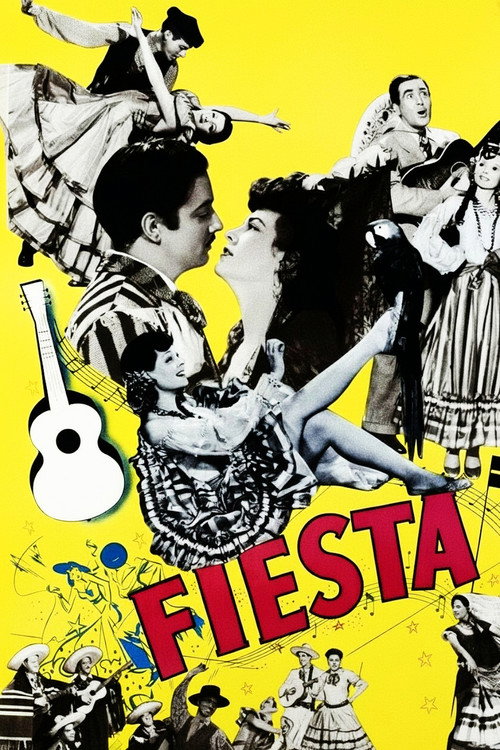
Fiesta(1941)
Credits
Film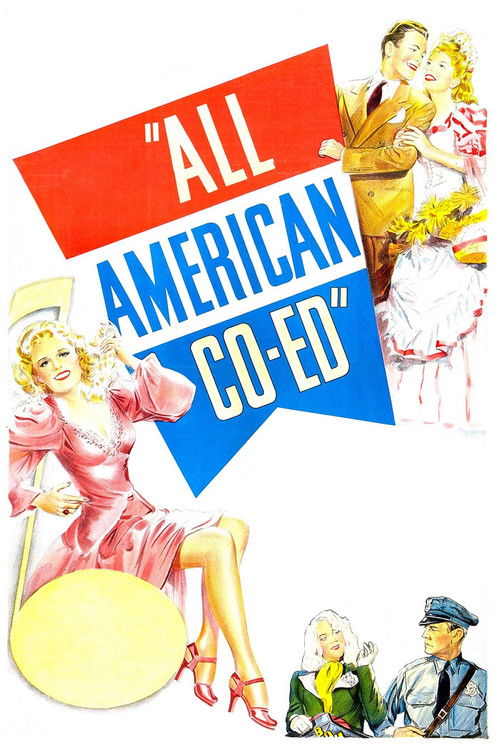
All-American Co-Ed(1941)
Credits
Film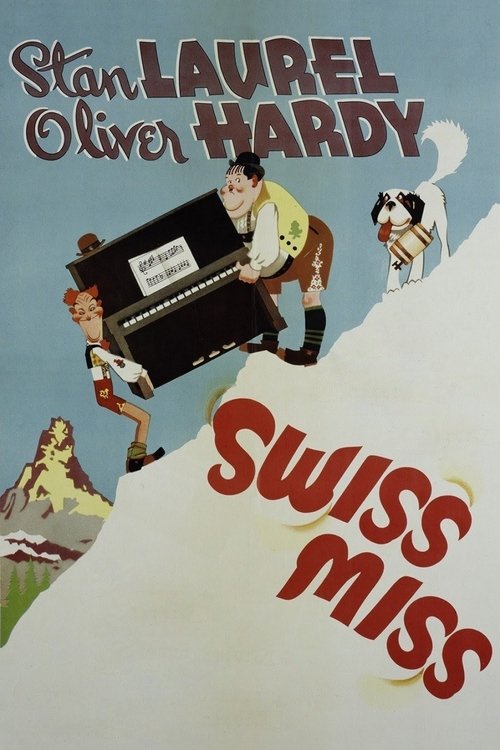
Swiss Miss(1938)
Credits
Film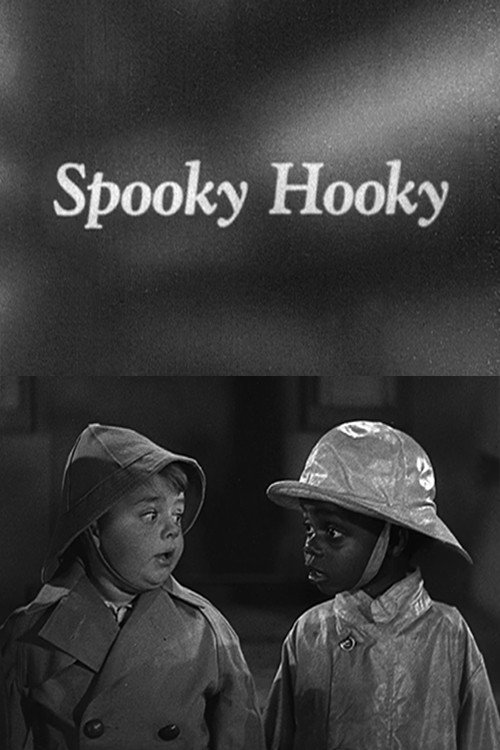
Spooky Hooky(1936)
Credits
Film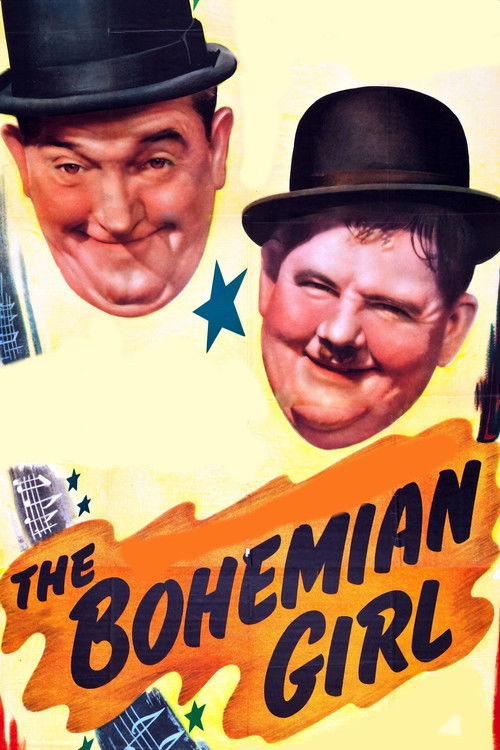
The Bohemian Girl(1936)
Credits
Film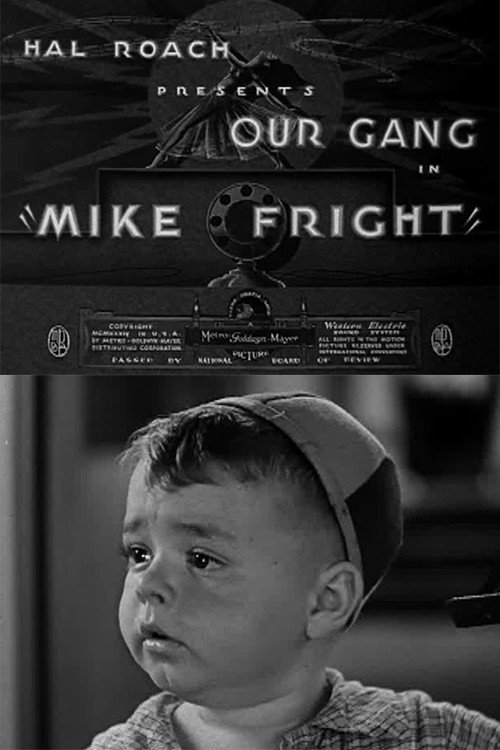
Mike Fright(1934)
Credits
Film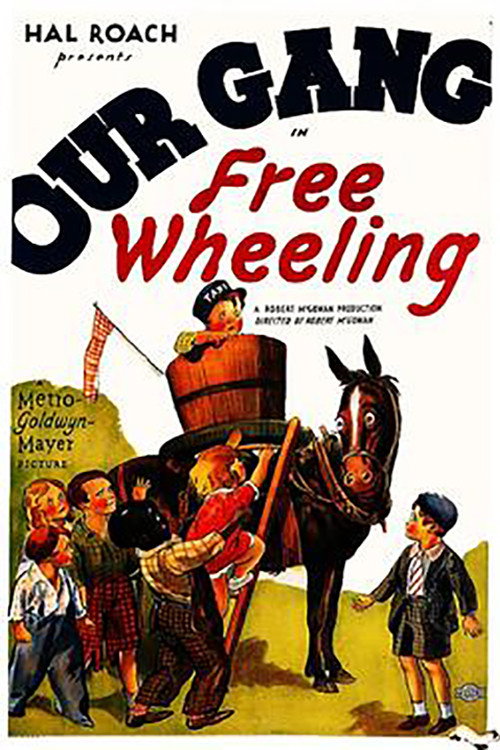
Free Wheeling(1932)
Credits
Film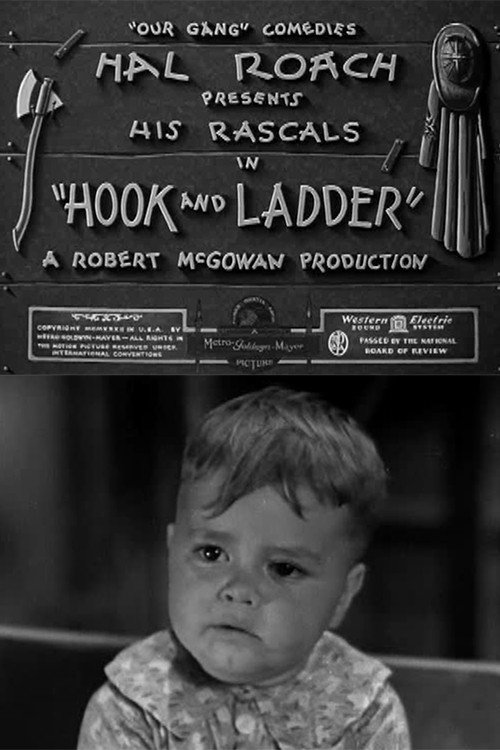
Hook and Ladder(1932)
Credits
Film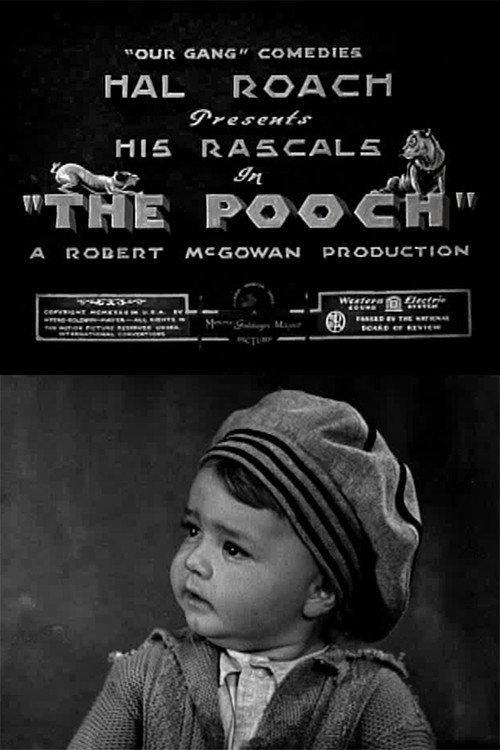
The Pooch(1932)
Credits
Film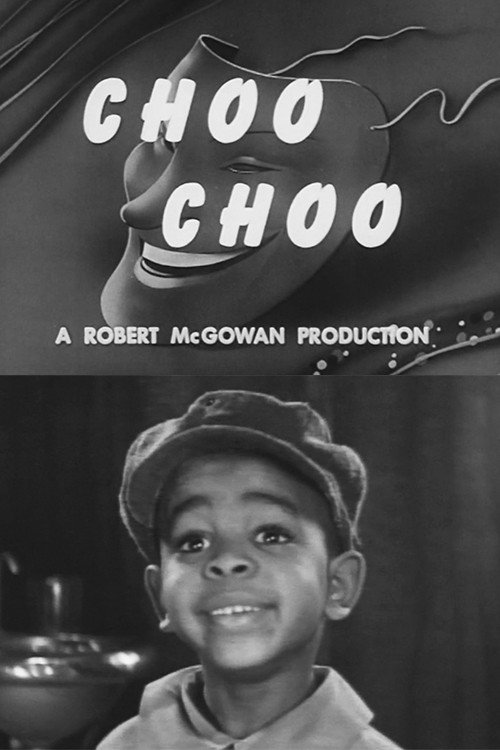
Choo-Choo!(1932)
Credits
Film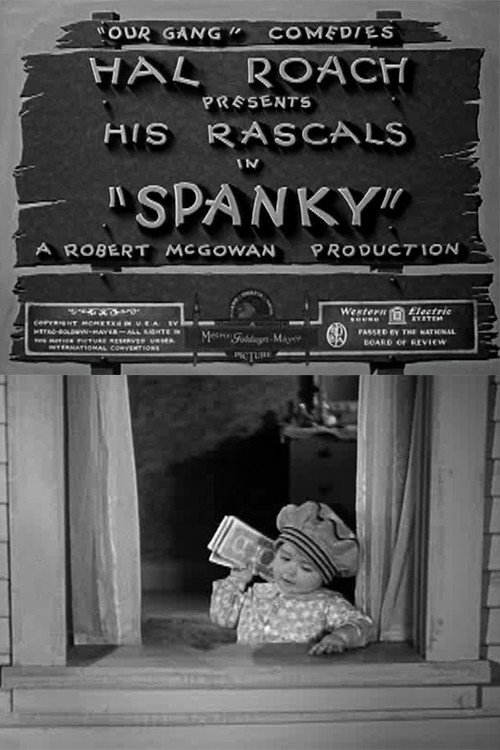
Spanky(1932)
Credits
Film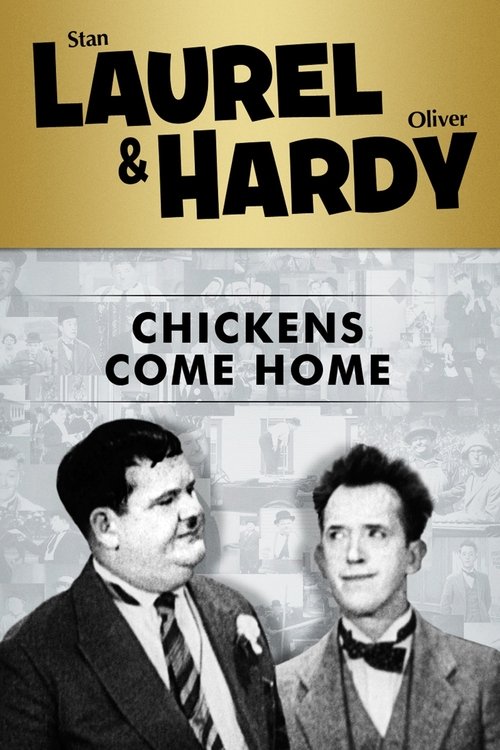
Chickens Come Home(1931)
Credits
Film
Other crew
25 credits
The Florida Project(2017)
Crew
Film
And the Oscar Goes To...(2014)
Crew
Film
Laurel & Hardy: Their Lives and Magic(2011)
Crew
Film
Living Famously(2002)
Crew
TVSlaphappy(2001)
Crew
TV
E! True Hollywood Story(1996)
Crew
TV
The First 100 Years: A Celebration of American Movies(1995)
Crew
Film
A Century of Cinema(1994)
Crew
Film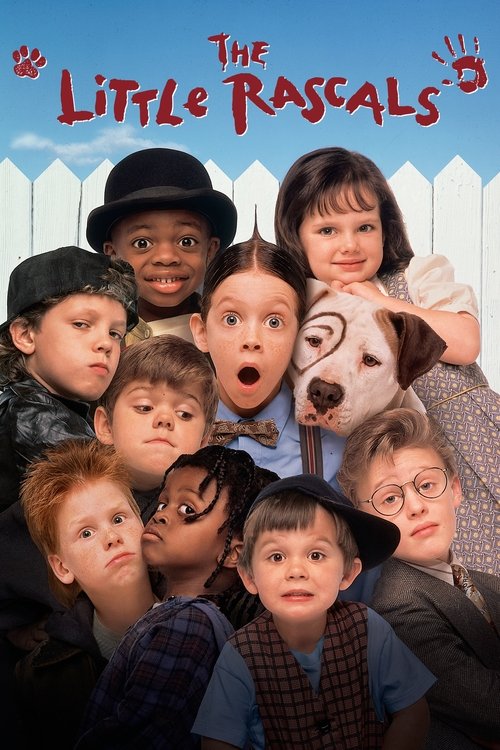
The Little Rascals(1994)
Crew
Film
Biography(1987)
Crew
TV
Hollywood Uncensored(1987)
Crew
Film
George Stevens: A Filmmaker's Journey(1984)
Crew
Film
Late Night with David Letterman(1982)
Crew
TV
The South Bank Show(1978)
Crew
TV
The Tonight Show Starring Johnny Carson(1962)
Crew
TV
Gigantis: The Fire Monster(1959)
Crew
Film
Wild Poses(1933)
Crew
Film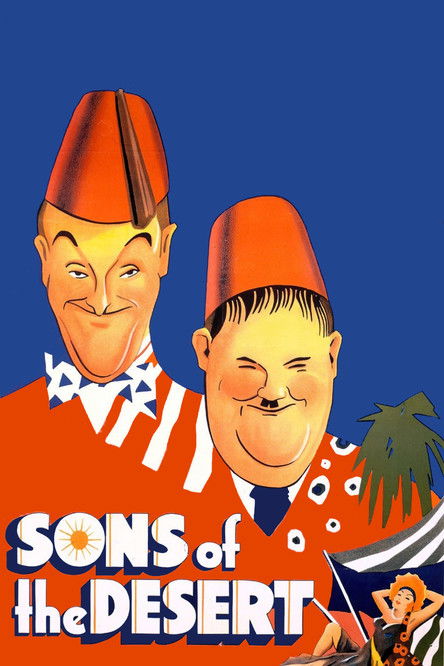
Sons of the Desert(1933)
Crew
Film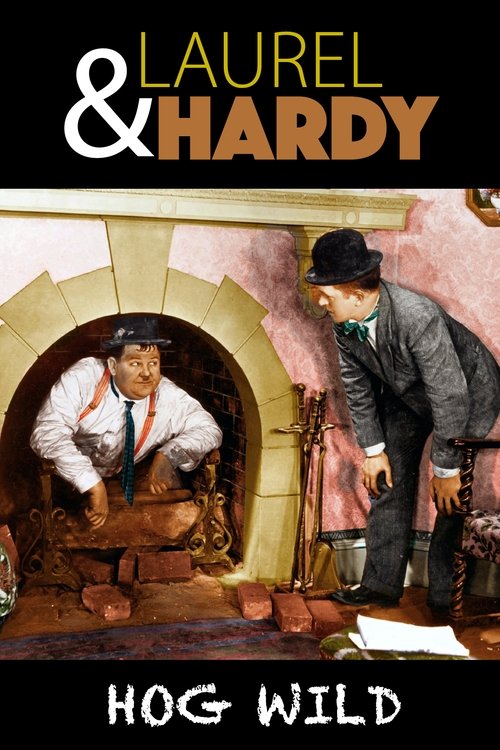
Hog Wild(1930)
Crew
Film
The Hoosier Schoolmaster(1924)
Crew
Film
The Squaw Man(1914)
Crew
Film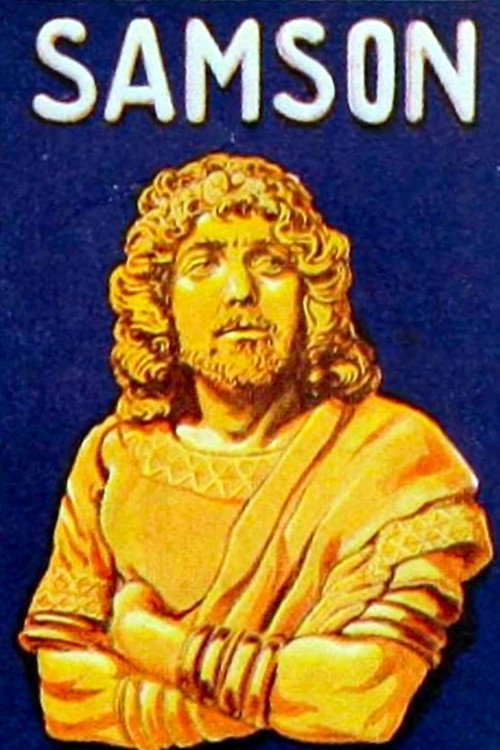
Samson(1914)
Crew
Film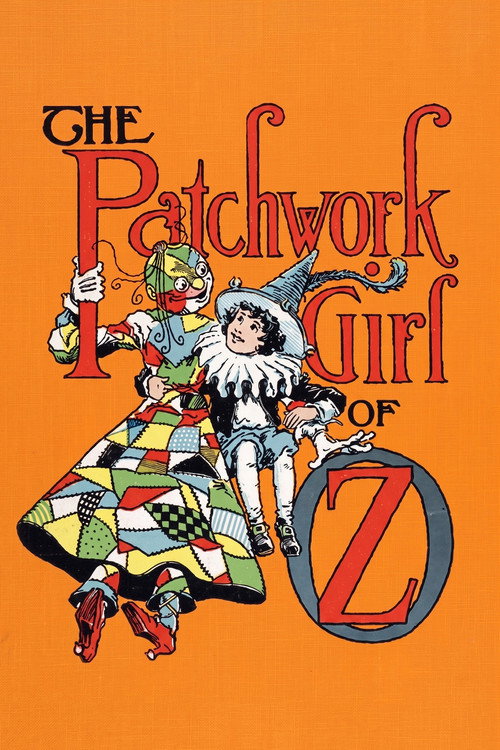
The Patchwork Girl of Oz(1914)
Crew
Film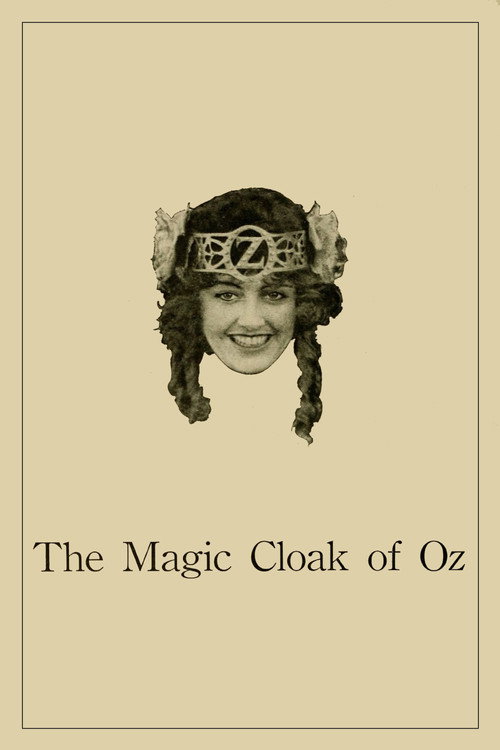
The Magic Cloak of Oz(1914)
Crew
Film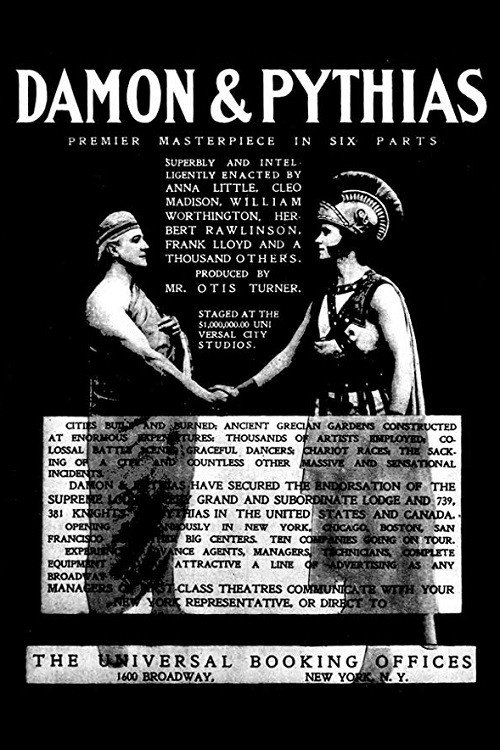
Damon and Pythias(1914)
Crew
Film
Awards & Nominations
1 winAcademy Awards
- Won1983Oscar — Honorary Award
Memorable quotes
Browse all →No quotes logged for Hal Roach yet — add the first memorable line below.
Got a quote we’re missing?
Submit a line from any film, show, or game.
Additional credits1Show
Non-headline appearances — talk-show, awards-show, panel, and archive-footage credits, kept separate from the main filmography.
- George Stevens: A Filmmaker's JourneySelf · 1985
Edit history
Loading edit history…
Comments (0)
on Hal RoachNo comments yet. Be the first to share what you think.