
Person
Maxwell Anderson
In short · Worked for 11 decades — 82 credits.
Remembered for
Ranked by community engagement + sustained interest across this person's credits in our database.
Help complete this page
We’re missing one-line descriptor. Sign in to add what you know.
Biography
James Maxwell Anderson was born in Atlantic, Pennsylvania, on December 15, 1888 to William Lincoln Anderson and Charlotte Perrimela (Stephenson) Anderson. The second child born to the couple, Anderson spent his formative years on his maternal grandmother's farm in Atlantic before the family moved to Andover, Ohio when he was three years old. His father attended a seminary at night to study for the ministry while he supported the family as a railroad fireman.His father took up the life of a traveling minister, moving his family frequently until Anderson was in his late teens. Anderson attended schools in Ohio, Iowa, North Dakota, and Pennsylvania. The Anderson family's life was a vagabond one until they settled in Jamestown, North Dakota in 1907.After graduating from Jamestown High School, Anderson went to the University of North Dakota in 1908. He worked his way through college as a waiter and serving on the night copy desk of the newspaper "The Grand Forks Herald." He was a member of the literary society Ad Altiora at UND and helped put together the "Dacotah" Annual. He also participated in college theatrics, serving as assistant director for the Sock and Buskin Dramatic Society.Graduating with a Bachelor of Arts degree in English Literature in June 1911, Anderson married his UND classmate Margaret Haskett, a farmer's daughter, on August 1, 1911. They eventually had three sons, Quentin, Alan, and Terence.His first job after college was serving as the principal of the Minnewaukan, North Dakota high school, where he doubled as an English teacher. After making pacifist comments to his students, his contract was not renewed, and he moved to Palo Alto, California, where he enrolled in a master's program in English Lit at Stanford University. After graduating from Stanford in 1914, he spent three years as a high school English teacher in San Francisco before accepting an offer to become chairman of Whittier College's English Department in 1917. Once again he got in trouble with his pro-pacifist statements, and he was fired after his first year for speaking out publicly on behalf of a student seeking conscientious objector status during World War I.Moving back to San Francisco, he worked as a journalist on the "San Francisco Chronicle" and the "San Francisco Bulletin," then moved to New York City to take an editorial position on the liberal periodical "The New Republic." He continued his work as a newspaperman, becoming a stringer for the "New York Globe" and the New York World." He also found time to help launch the poetry magazine "Measure."Turning his interest to the theater, he wrote his first play in 1923. Written in verse, "White Desert" was a flop, lasting only 12 performances, but it attracted the attention of "New York World" critic Laurence Stallings. Stallings chose Maxwell as his collaborator on his World War One play "What Price Glory?" Opening on September 3, 1924, the play was one of the stage sensations of the decade, earning kudos and running for 430 performances. The financial rewards of helping create such a big boffo box office blockbuster enabled Anderson to retire from journalism and become a full-time dramatist.Many of his plays were written in verse, and they typically touch on social and moral problems, such as "Winterset" (1935), which addressed the Sacco & Vanzetti trials in fictional form. The play, which won the first New York Critics Circle Award, is about a gangster who visits the children of the anarchists executed for the murder he himself committed. Anderson won the 1933 Pulitzer Prize for Drama for his play "Both Your Houses," and repeated as the New York Critics Circle Award winner for "High Tor" in 1936. He wrote many historical dramas and two librettos for Kurt Weill, "Knickerbocker Holiday" (1938) and "Lost in the Stars" (1940). He was also a lyricist, his most famous creation being "September Song" from "Knickerbocker Holiday."His plays included "Elizabeth the Queen" (1930), "Mary of Scotland " (1933), "Key Largo" (1939); "Truckline Café" (1945), "Joan of Lorraine" (1946), "Anne of the Thousand Days" (1947), and "The Bad Seed" (1954). Anderson also worked on numerous screenplays, including All Quiet on the Western Front (1930), for which he received an Academy Award nomination, Washington Merry-Go-Round (1932), Rain (1932) , Death Takes a Holiday (1934), and So Red the Rose (1935).Plays of his that were turned into movies were "Mary of Scotland (1936), "Saturday's Children," which was filmed three times (once as "Maybe It's Love"), Winterset (1936), "Elizabeth the Queen", which became The Private Lives of Elizabeth and Essex (1939), The Eve of St. Mark (1944), Knickerbocker Holiday (1944). Key Largo (1948), "Joan of Lorraine," which became Joan of Arc (1948), The Bad Seed (1956), "The Devil's Hornpipe", which became Never Steal Anything Small (1959), and Anne of the Thousand Days (1969). "What Price Glory?" was made into a silent film in 1926 and was remade by John Ford in 1952.He published two books of poetry, "You Who Have Dreams" in 1925, and "Notes on a Dream," published posthumously in 1972. Anderson also published two collections of essays, "The Essence of Tragedy and Other Footnotes and Papers" (1939) and "Off Broadway Essays About the Theatre" (1947).His wife Margaret died on February 26, 1931, and he remarried in 1933, taking Gertrude "Mab" Higger as his second wife. They had a daughter, Hesper, born on August 12, 1934, and when Gertrude died on March 21, 1953, he married Gilda Hazard on June 6, 1954.Among his many honors were honorary Doctor of Literature degrees from Columbia University in 1946 and the University of North Dakota in 1958, and the National Institute of Arts and Letters' Gold Medal in Drama in 1954.Maxwell Anderson had a stroke on February 26, 1959 and died two days later in Stamford, Connecticut. His oeuvre included over thirty published plays and over a dozen unpublished ones.
Filmography · 82 of 82
A platform appears here when one of these titles streams on it. Click to filter — pick several to combine.
Editor
82 credits
Elsbeth(2024)
Credits
TV

The Bad Seed Returns(2022)
Credits
Film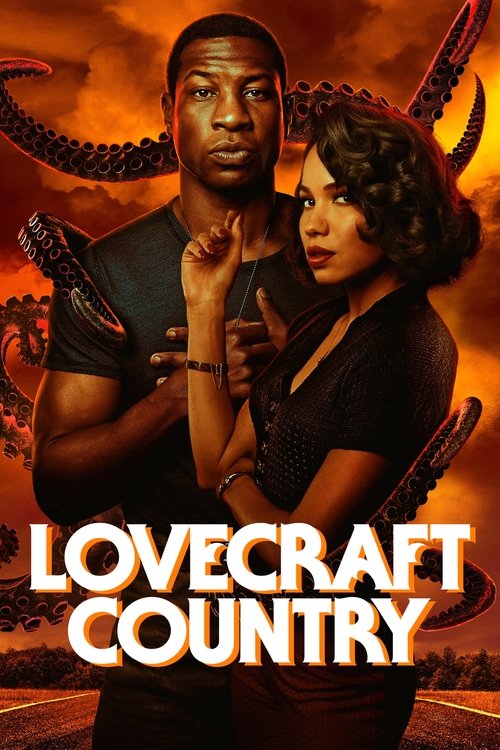
Lovecraft Country(2020)
Credits
TV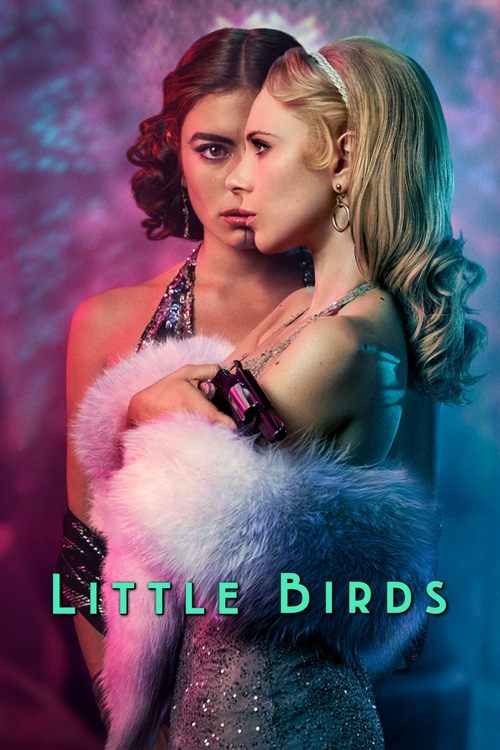
Little Birds(2020)
Credits
TV

The Bad Seed(2018)
Credits
Film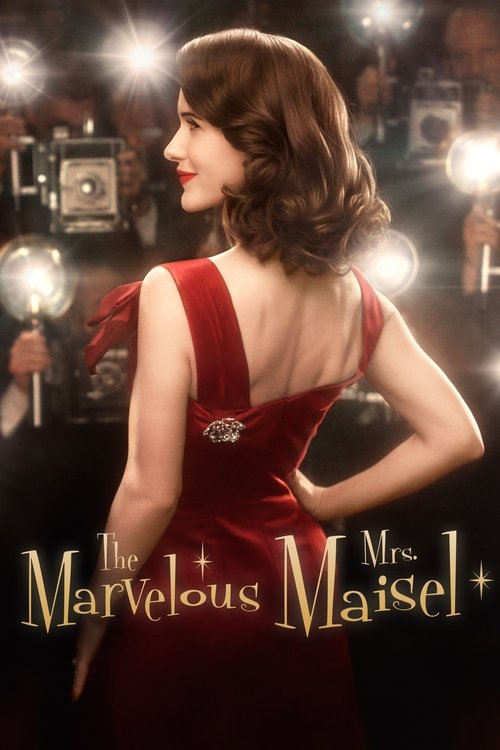
The Marvelous Mrs. Maisel(2017)
Credits
TV
That Summer(2017)
Credits
Film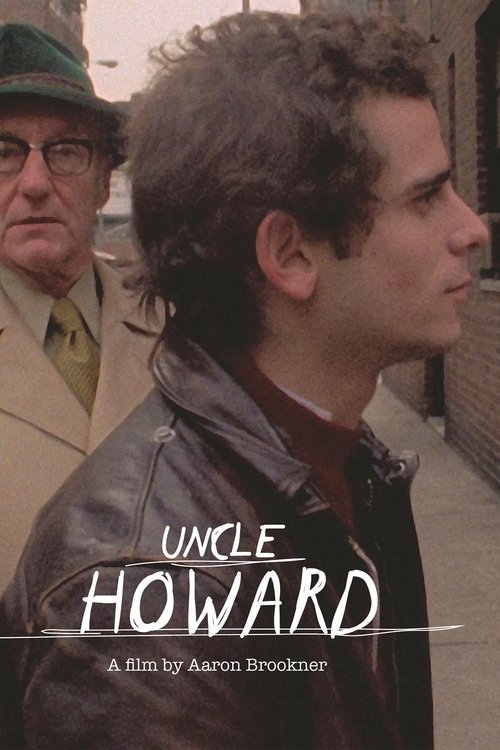
Uncle Howard(2016)
Credits
Film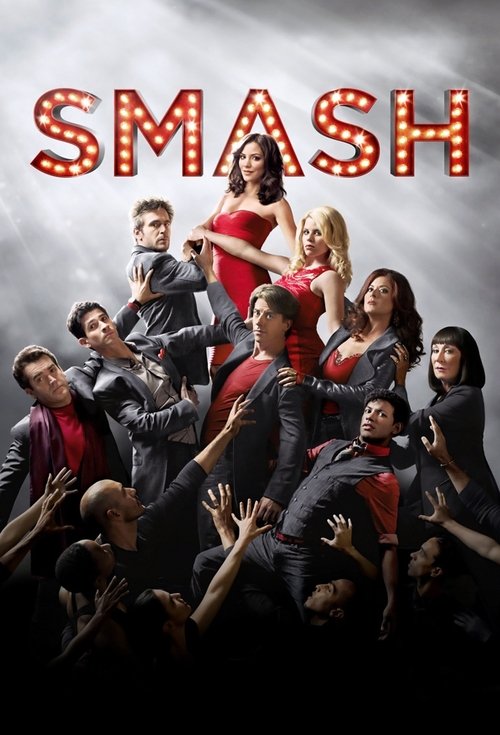
Smash(2012)
Credits
TV
American Horror Story(2011)
Credits
TV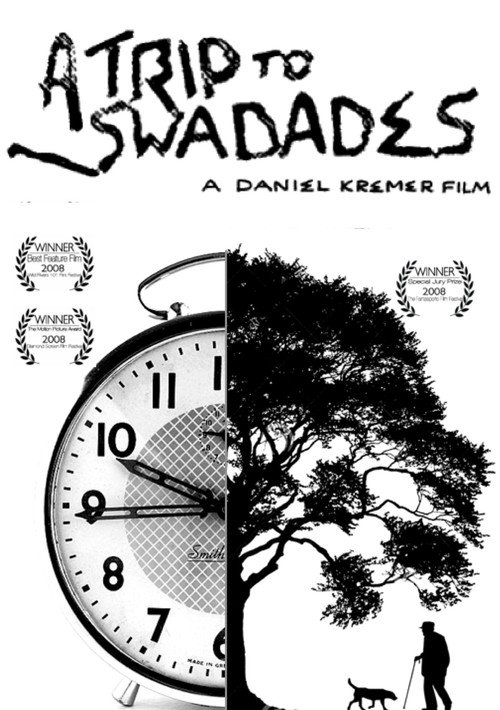
A Trip to Swadades(2008)
Credits
FilmBragging Rites: The Carolina-Clemson Rivalry(2003)
Credits
Film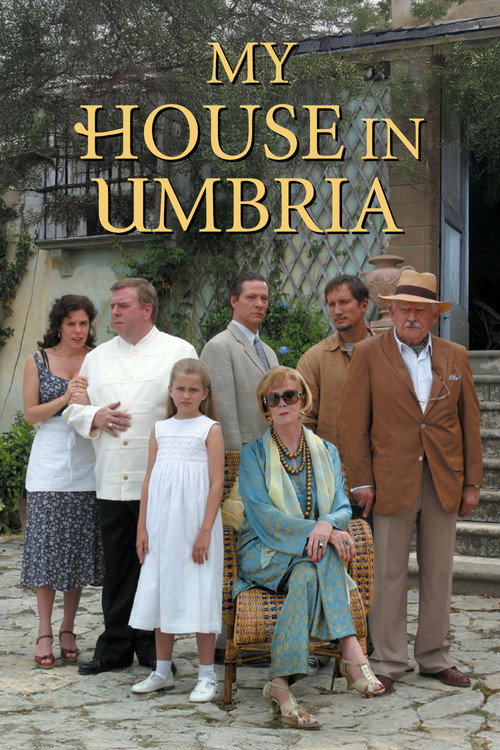
My House in Umbria(2003)
Credits
Film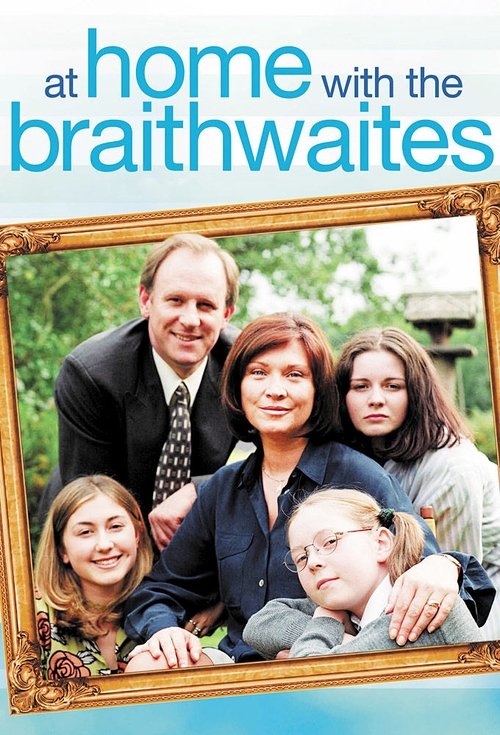
At Home with the Braithwaites(2000)
Credits
TV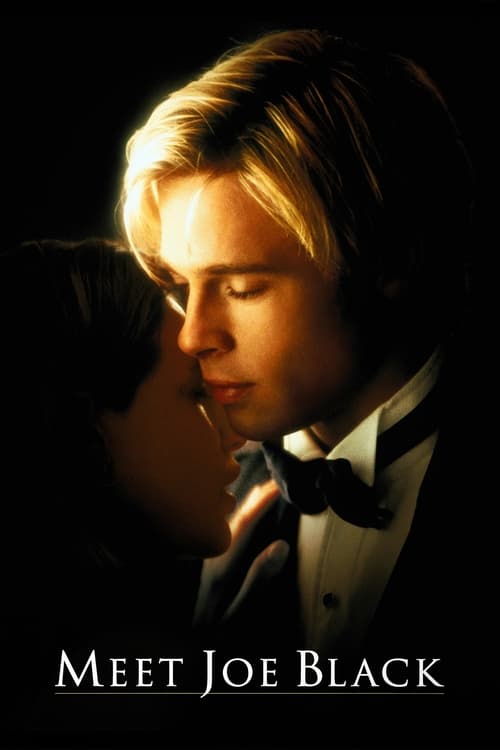
Meet Joe Black(1998)
Credits
Film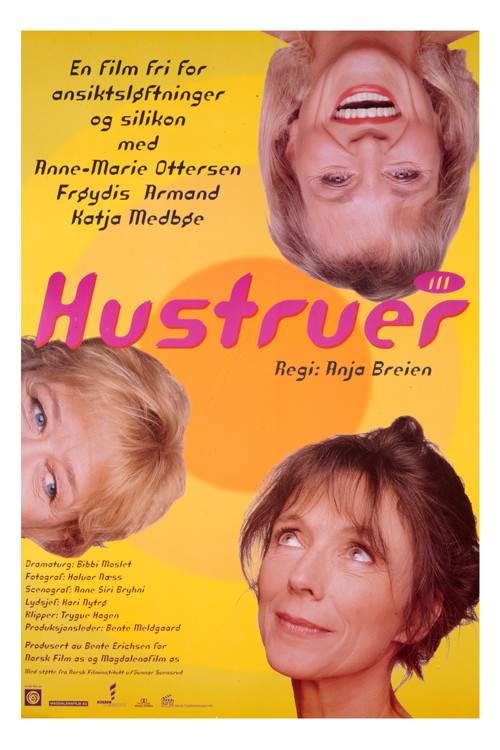
Wives III(1996)
Credits
Film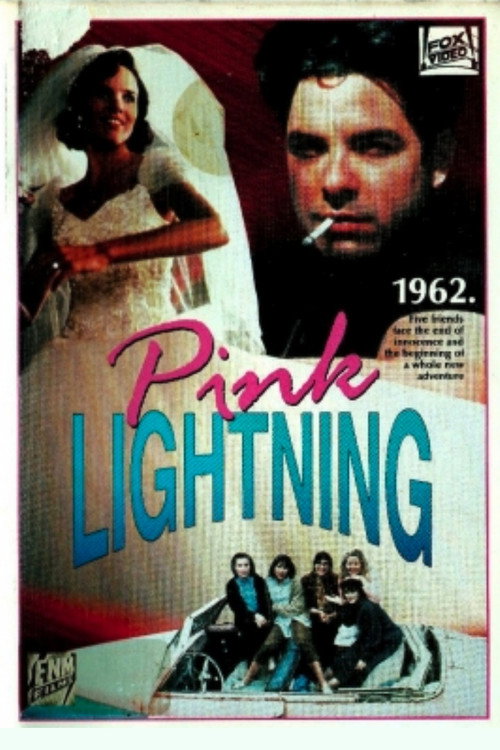
Pink Lightning(1991)
Credits
Film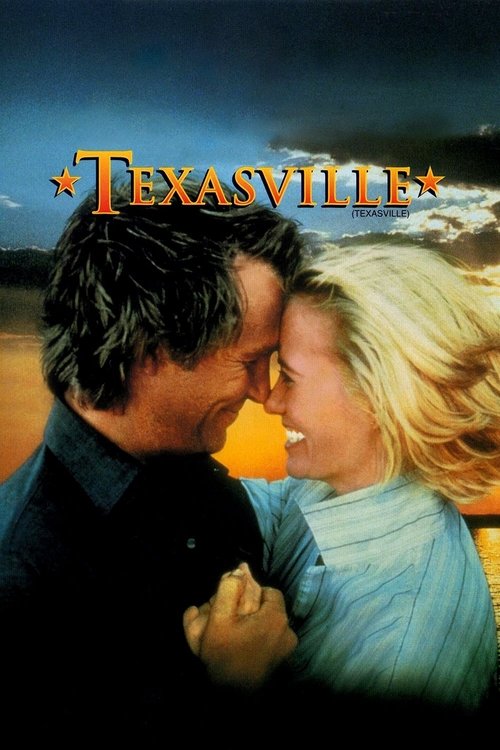
Texasville(1990)
Credits
Film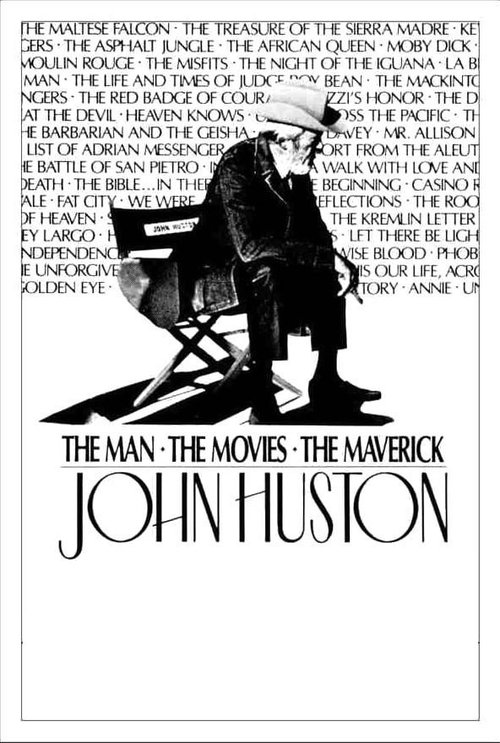
John Huston: The Man, the Movies, the Maverick(1988)
Credits
Film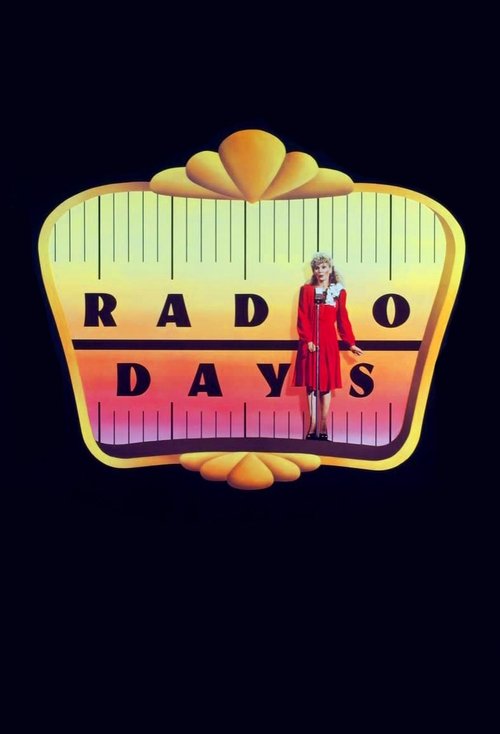
Radio Days(1987)
Credits
Film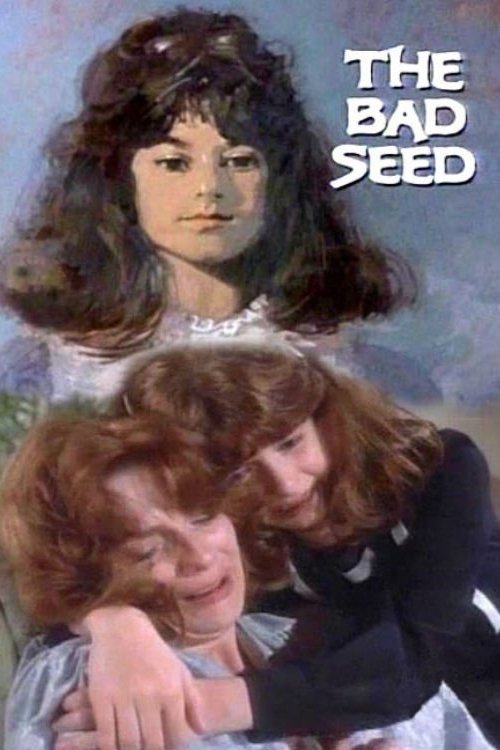
The Bad Seed(1985)
Credits
Film
EastEnders(1985)
Credits
TV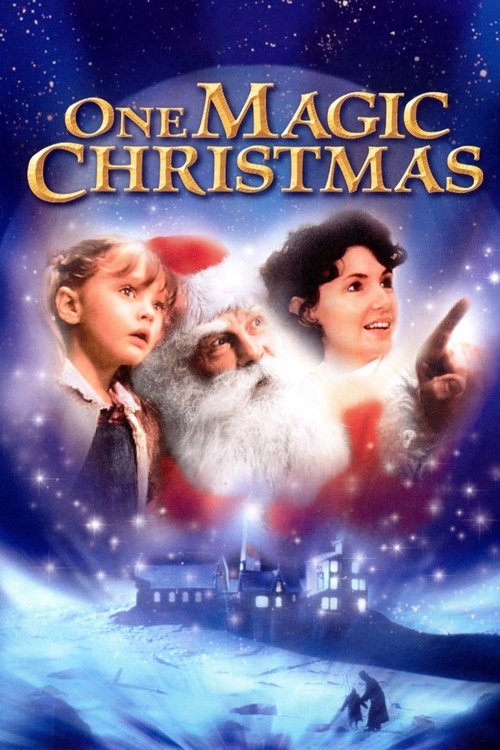
One Magic Christmas(1985)
Credits
Film
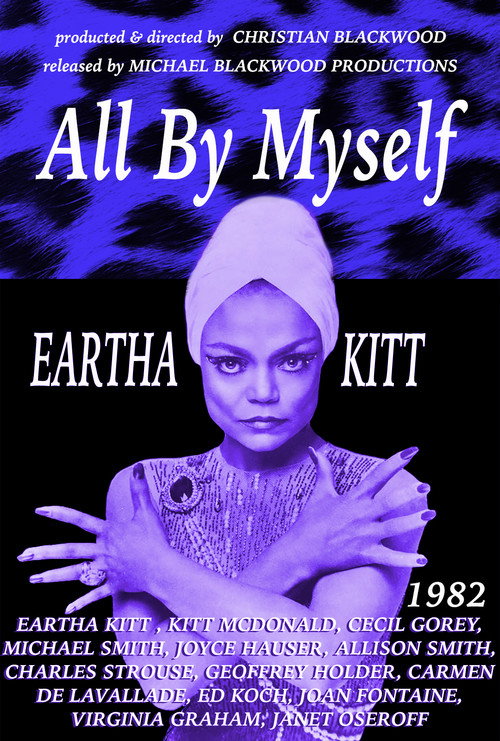
All by Myself: The Eartha Kitt Story(1982)
Credits
Film
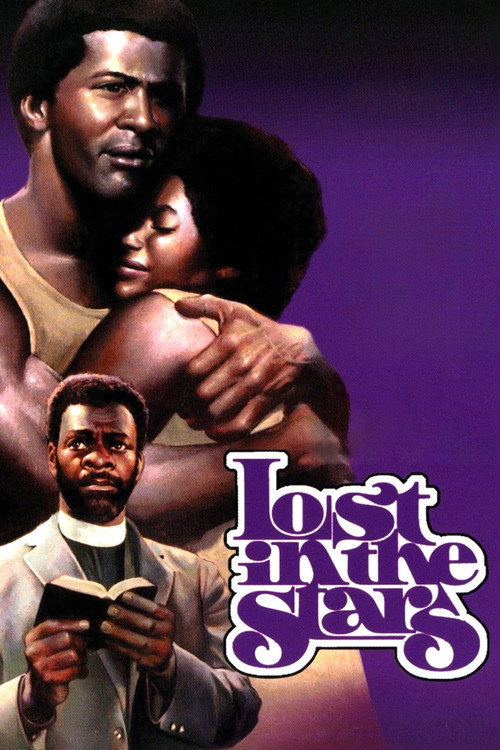
Lost in the Stars(1974)
Credits
Film
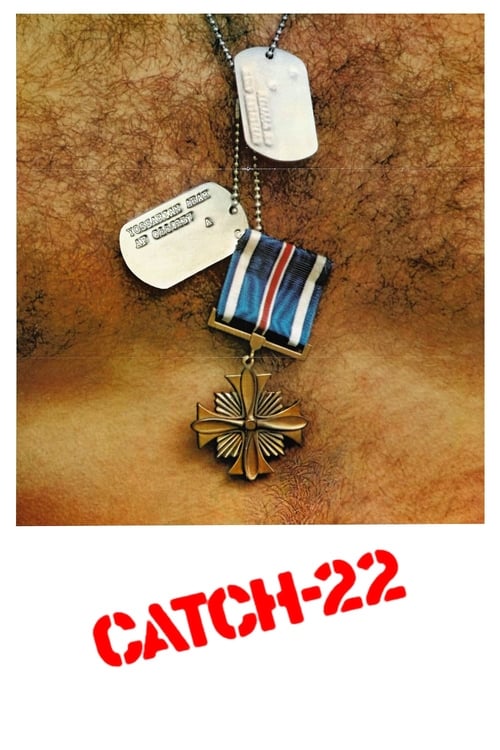
Catch-22(1970)
Credits
Film
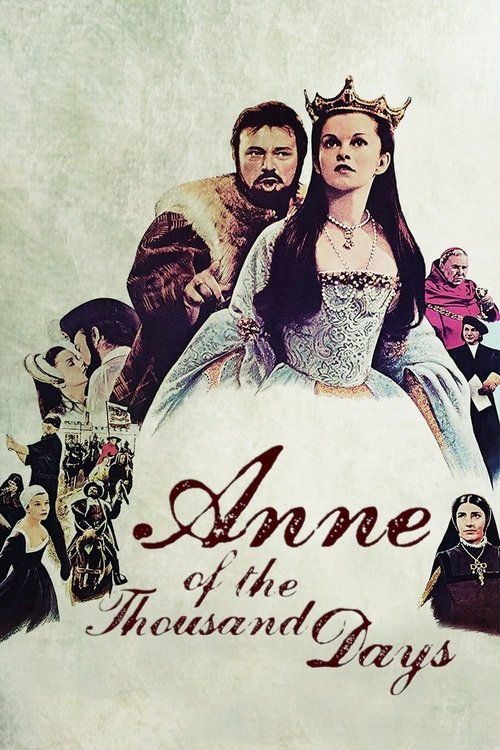
Anne of the Thousand Days(1969)
Credits
Film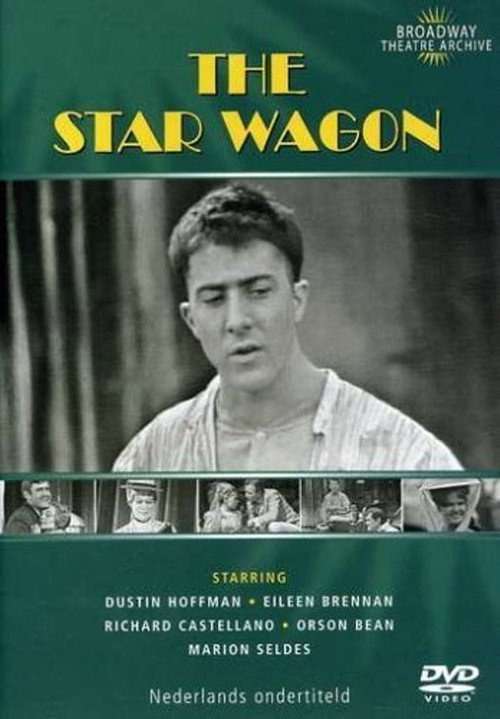
The Star Wagon(1966)
Credits
Film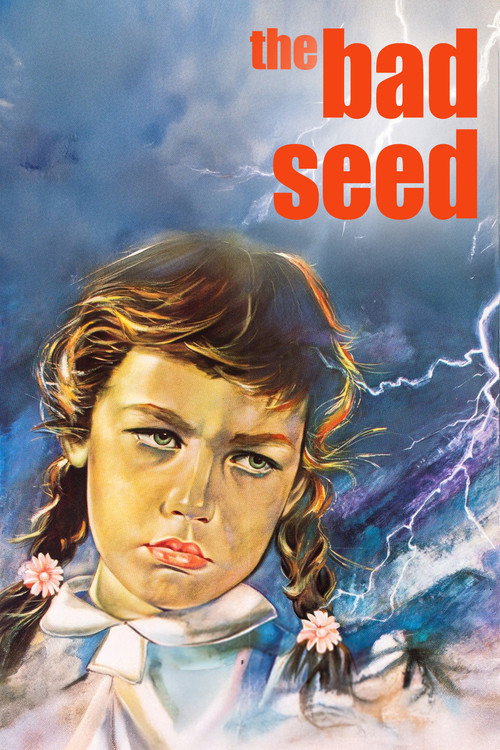
The Bad Seed(1963)
Credits
Film
The Mike Douglas Show(1961)
Credits
TV
Originals
Streaming originals this person worked on.
Memorable quotes
Browse all →No quotes logged for Maxwell Anderson yet — add the first memorable line below.
Got a quote we’re missing?
Submit a line from any film, show, or game.
Edit history
Loading edit history…
Comments (0)
on Maxwell AndersonNo comments yet. Be the first to share what you think.