
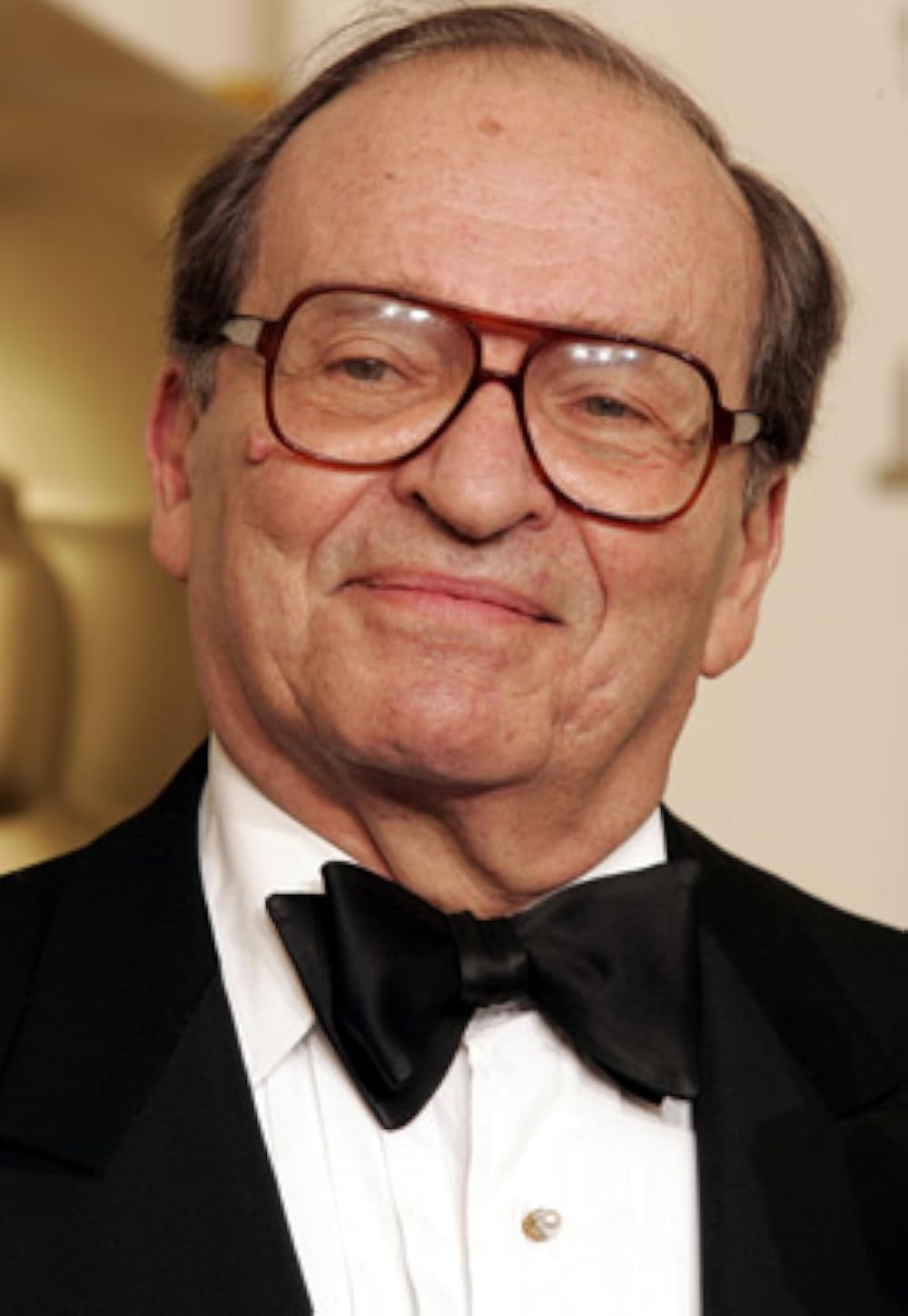
Person · Director
Sidney Lumet
- Also:
- Writer
- Producer
In short · Directed for 10 decades — 83 credits, 2 Nastro D Argento For Best Non Italian Film wins.
Remembered for
Ranked by community engagement + sustained interest across this person's credits in our database.
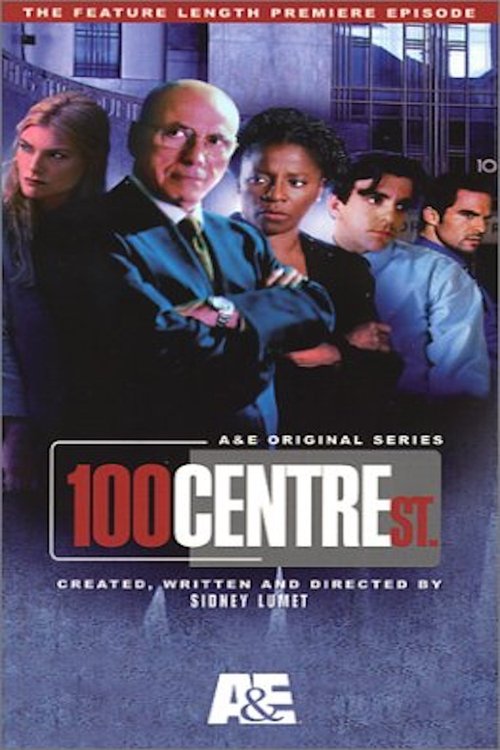
Recent & in release
- Award win
Academy Awards — Oscar — Honorary Award
- Award win
Nastro D Argento For Best Non Italian Film — Nastro d'argento for best non-Italian film
Help complete this page
We’re missing one-line descriptor. Sign in to add what you know.
Biography
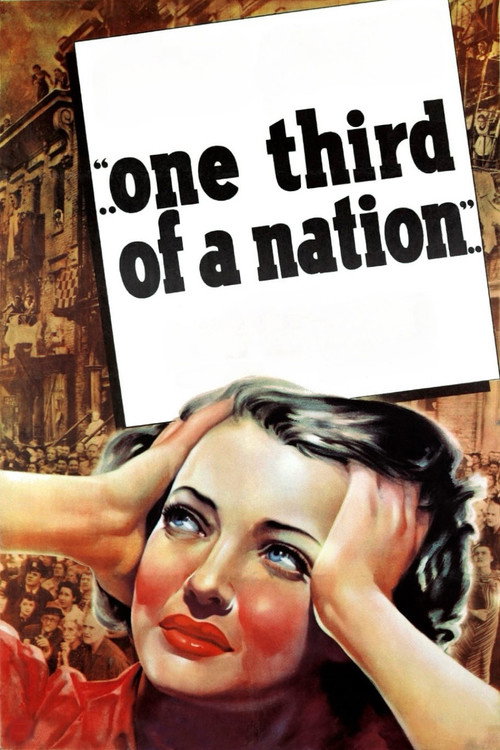
Sidney Lumet was a master of cinema, best known for his technical knowledge and his skill at getting first-rate performances from his actors -- and for shooting most of his films in his beloved New York. He made over 40 movies, often complex and emotional, but seldom overly sentimental. Although his politics were somewhat left-leaning and he often treated socially relevant themes in his films, Lumet didn't want to make political movies in the first place. Born on June 25, 1924, in Philadelphia, the son of actor Baruch Lumet and dancer Eugenia Wermus Lumet, he made his stage debut at age four at the Yiddish Art Theater in New York. He played many roles on Broadway in the 1930s and also in the film ...One Third of a Nation... (1939). After starting an off-Broadway acting troupe in the late 1940s, he became the director of many television shows in the 1950s. Lumet made his feature film directing debut with 12 Angry Men (1957), which won the Golden Bear at the Berlin Film Festival and earned three Academy Award nominations. The courtroom drama, which takes place almost entirely in a jury room, is justly regarded as one of the most auspicious directorial debuts in film history. Lumet got the chance to direct Marlon Brando in The Fugitive Kind (1960), an imperfect, but powerful adaptation of Tennessee Williams' "Orpheus Descending". The first half of the 1960s was one of Lumet's most artistically successful periods. Long Day's Journey Into Night (1962), a masterful, brilliantly photographed adaptation of the Eugene O'Neill play, is one of several Lumet films about families. It earned Katharine Hepburn, Ralph Richardson, Dean Stockwell and Jason Robards deserved acting awards in Cannes and Hepburn an Oscar nomination. The alarming Cold War thriller Fail Safe (1964) unfairly suffered from comparison to Stanley Kubrick's equally great satire Dr. Strangelove or: How I Learned to Stop Worrying and Love the Bomb (1964), which was released shortly before. The Pawnbroker (1964), arguably the most outstanding of the great movies Lumet made in this phase, tells the story of a Holocaust survivor who lives in New York and can't overcome his experiences in the Nazi concentration camps. Rod Steiger's unforgettable performance in the title role earned an Academy Award nomination. Lumet's intense character study The Hill (1965) about inhumanity in a military prison camp was the first of five films he did with Sean Connery. After the overly talky but rewarding drama The Group (1966) about young upper-class women in the 1930s, and the stylish spy thriller The Deadly Affair (1967), the late 1960s turned out to be a lesser phase in Lumet's career. He had a strong comeback with the box-office hit The Anderson Tapes (1971). The Offence (1973) was commercially less successful, but artistically brilliant - with Connery in one of his most impressive performances. The terrific cop thriller Serpico (1973), the first of his films about police corruption in New York City, became one of his biggest critical and financial successes. Al Pacino's fascinating portrayal of the real-life cop Frank Serpico earned a Golden Globe and the movie earned two Academy Award nominations (it is worth noting that Lumet's feature films of the 1970s alone earned 30 Oscar nominations, winning six times). The love triangle Lovin' Molly (1974) was not always convincing in its atmospheric details, but Lumet's fine sense of emotional truth and a good Blythe Danner keep it interesting. The adaptation of Agatha Christie's Murder on the Orient Express (1974), an exquisitely photographed murder mystery with an all-star cast, was a big success again. Lumet's complex crime thriller Dog Day Afternoon (1975), which Pauline Kael called "one of the best "New York" movies ever made", gave Al Pacino the opportunity for a breathtaking, three-dimensional portrayal of a bisexual man who tries to rob a bank to finance his lover's sex-change operation. Lumet's next masterpiece, Network (1976), was a prophetic satire on media and society. The film version of Peter Shaffer's stage play Equus (1977) about a doctor and his mentally confused patient was also powerful, not least because of the energetic acting by Richard Burton and Peter Firth. After the enjoyable musical The Wiz (1978) and the interesting but not easily accessible comedy Just Tell Me What You Want (1980), Sidney Lumet won the New York Film Critics Circle Award for his outstanding direction of Prince of the City (1981), one of his best and most typical films. It's about police corruption, but hardly a remake of Serpico (1973). Starring a powerful Treat Williams, it's an extraordinarily multi-layered film. In his highly informative book "Making Movies" (1995), Lumet describes the film in the following way: "When we try to control everything, everything winds up controlling us. Nothing is what it seems." It's also a movie about values, friendship and drug addiction and, like "Serpico", is based on a true story. In Deathtrap (1982), Lumet successfully blended suspense and black humor. The Verdict (1982) was voted the fourth greatest courtroom drama of all time by the American Film Institute in 2008. A few minor inaccuracies in legal details do not mar this study of an alcoholic lawyer (superbly embodied by Paul Newman) aiming to regain his self-respect through a malpractice case. The expertly directed movie received five Academy Award nominations. Lumet's controversial drama Daniel (1983) with Timothy Hutton, an adaptation of E.L. Doctorow's "The Book of Daniel" about two young people whose parents were executed during the McCarthy Red Scare hysteria in the 1950s for alleged espionage, is one of his underrated achievements. His later masterpiece Running on Empty (1988) has a similar theme, portraying a family which has been on the run from the FBI since the parents (played by Christine Lahti and Judd Hirsch) committed a bomb attack on a napalm laboratory in 1971 to protest the war in Vietnam. The son (played by River Phoenix in an extraordinarily moving, Oscar-nominated performance) falls in love with a girl and wishes to stay with her and study music. Naomi Foner's screenplay won the Golden Globe. Other Lumet movies of the 1980s are the melancholic comedy drama Garbo Talks (1984); the occasionally clichéd Power (1986) about election campaigns; the all too slow thriller The Morning After (1986) and the amusing gangster comedy Family Business (1989). With Q&A (1990) Lumet returned to the genre of the New York cop thriller. Nick Nolte shines in the role of a corrupt and racist detective in this multi-layered, strangely underrated film. Sadly, with the exception of Night Falls on Manhattan (1996), an imperfect but fascinating crime drama in the tradition of his own previous genre works, almost none of Lumet's works of the 1990s did quite get the attention they deserved. The crime drama A Stranger Among Us (1992) blended genres in a way that did not seem to match most viewers' expectations, but its contemplations about life arouse interest. The intelligent hospital satire Critical Care (1997) was unfairly neglected as well. The courtroom thriller Guilty as Sin (1993) was cold but intriguing. Lumet's Gloria (1999) remake seemed unnecessary, but he returned impressively with the underestimated courtroom comedy Find Me Guilty (2006) and the justly acclaimed crime thriller Before the Devil Knows You're Dead (2007). In 2005, Sidney Lumet received a well-deserved honorary Academy Award for his outstanding contribution to filmmaking. Sidney Lumet tragically died of cancer in 2011.
Family & relationships
- Parents
- Baruch Lumet
- Children
- Amy Lumet
- Other
- Jake Cannavale
Filmography · 77 of 77
A platform appears here when one of these titles streams on it. Click to filter — pick several to combine.
Director
45 credits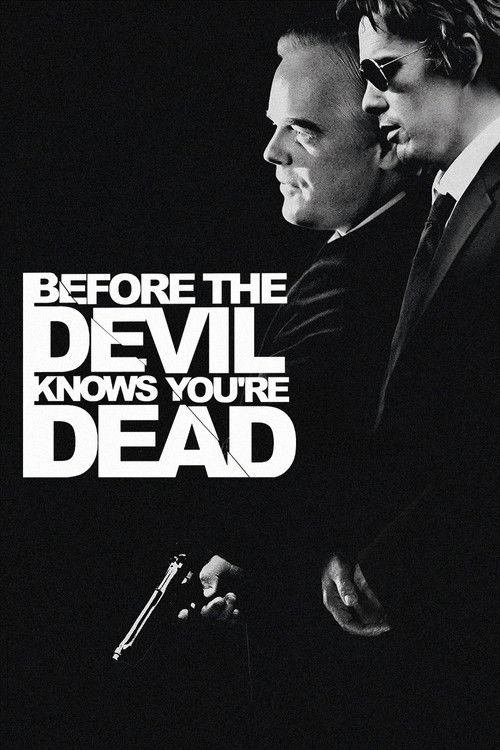
Before the Devil Knows You're Dead(2007)
Director
Film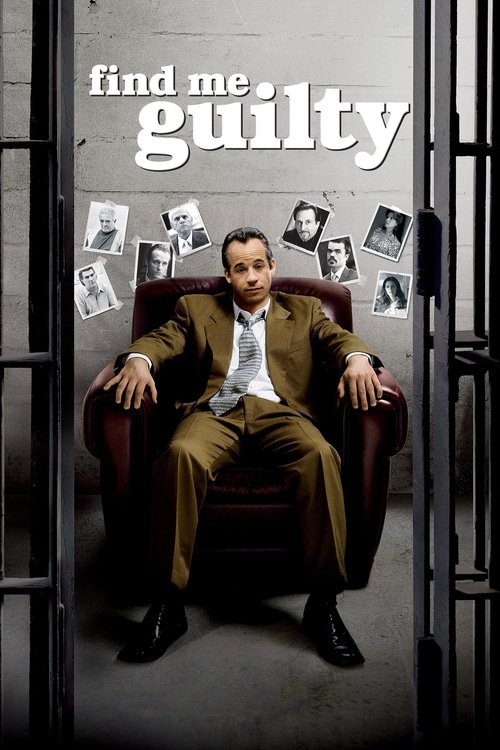
Find Me Guilty(2006)
Director
Film
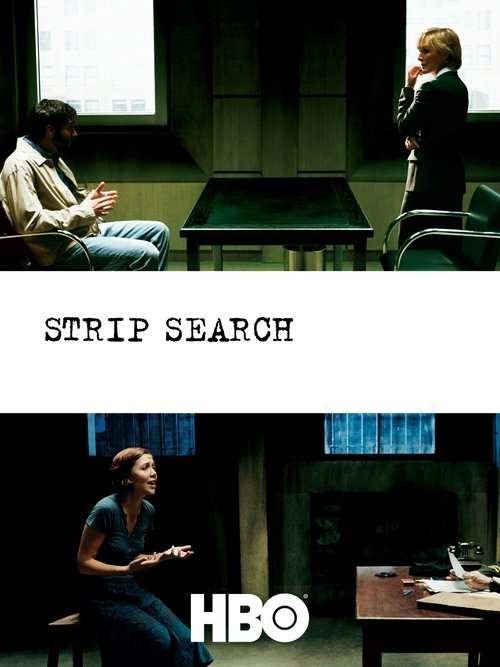
Strip Search(2004)
Director
Film
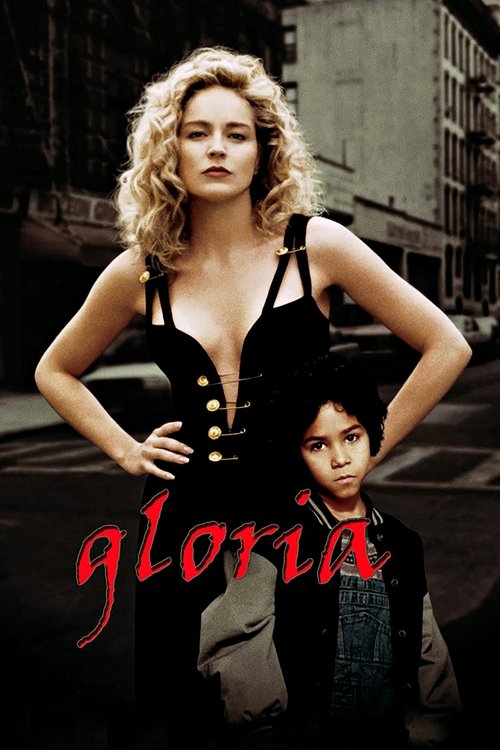
Gloria(1999)
Director
Film
Critical Care(1997)
Director
Film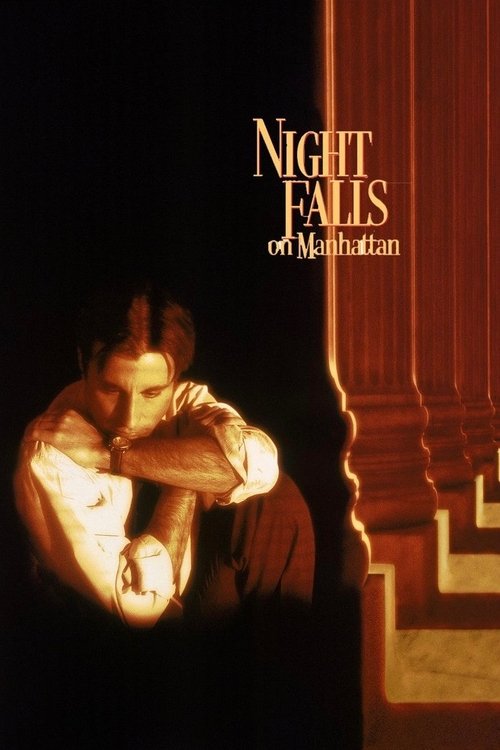
Night Falls on Manhattan(1996)
Director
Film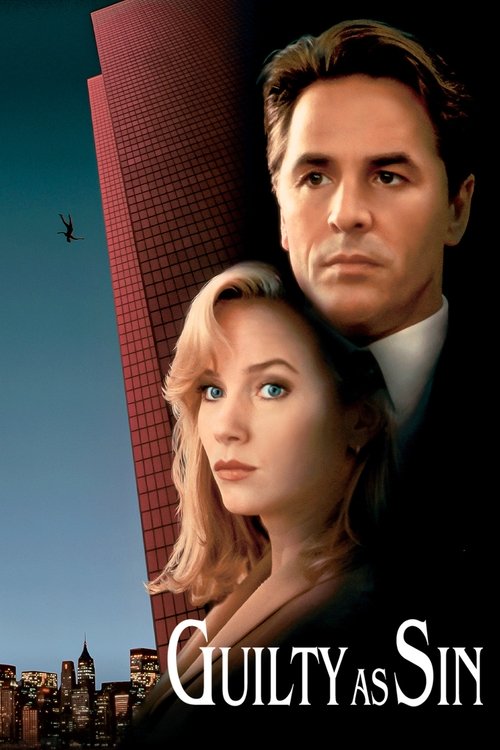
Guilty as Sin(1993)
Director
Film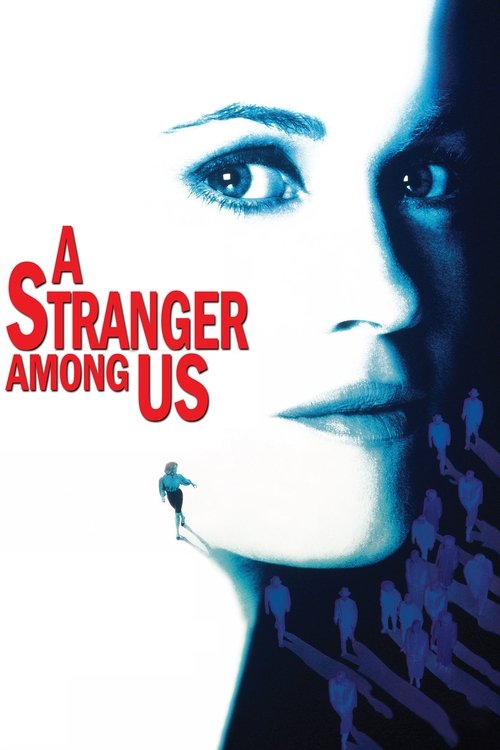
A Stranger Among Us(1992)
Director
Film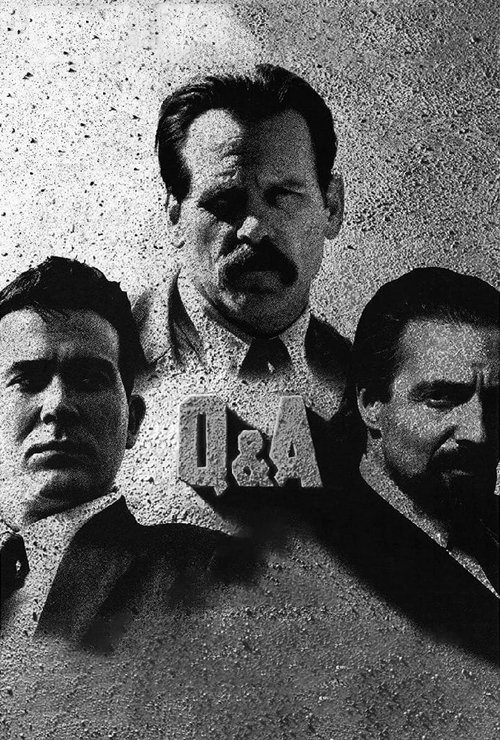
Q&A(1990)
Director
Film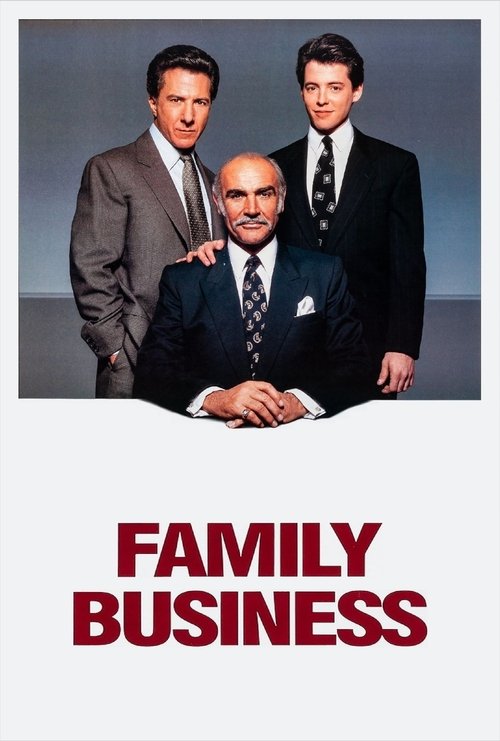
Family Business(1989)
Director
Film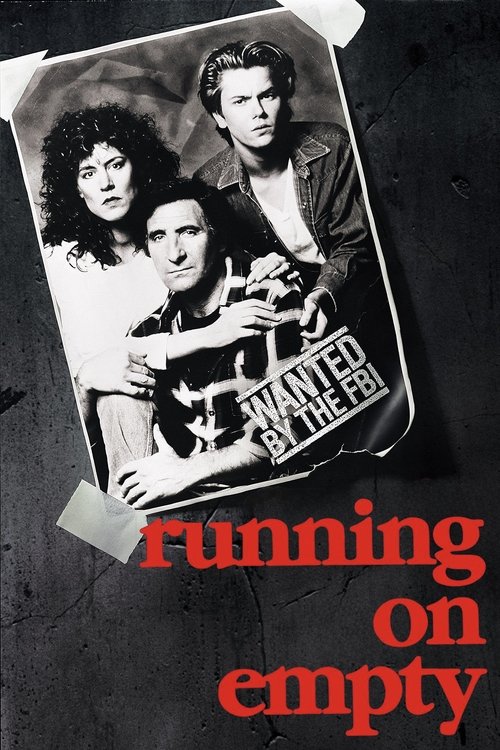
Running on Empty(1988)
Director
Film
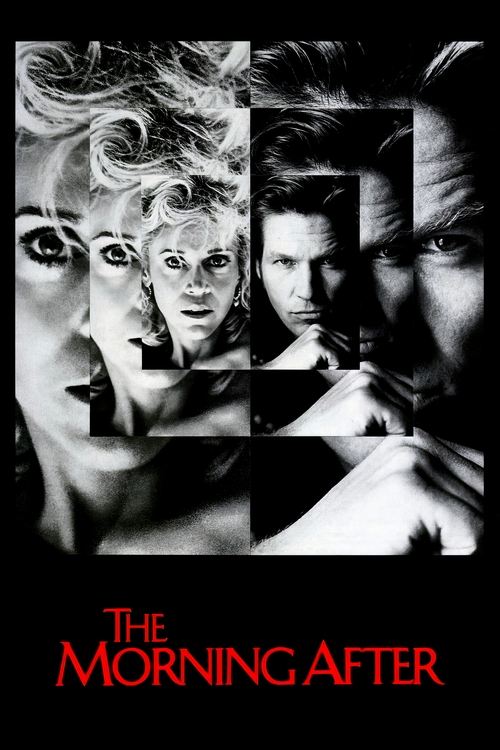
The Morning After(1986)
Director
Film
Power(1986)
Director
Film
Garbo Talks(1984)
Director
Film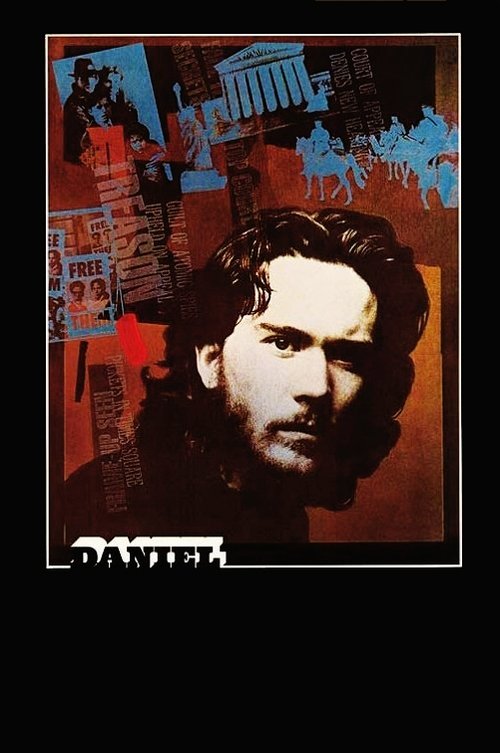
Daniel(1983)
Director
Film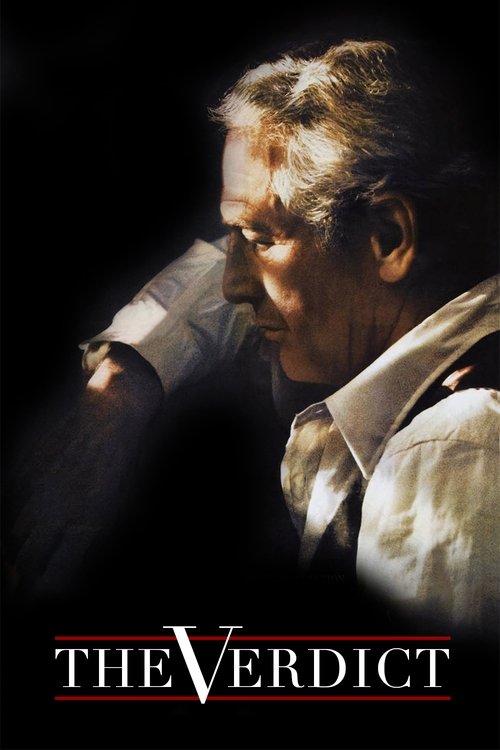
The Verdict(1982)
Director
Film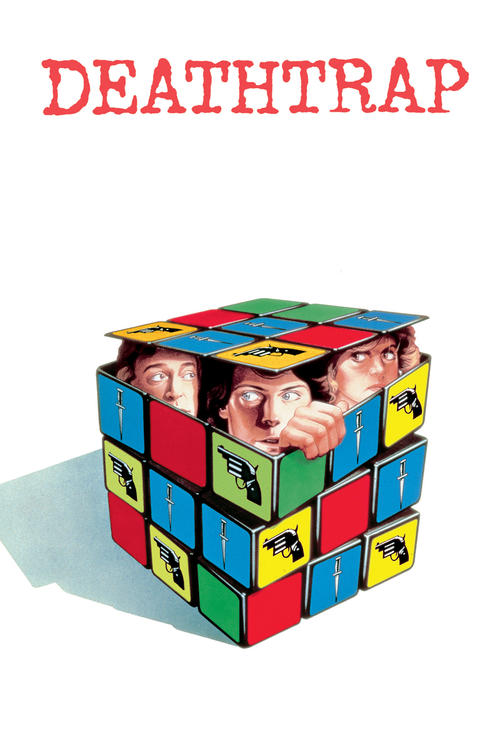
Deathtrap(1982)
Director
Film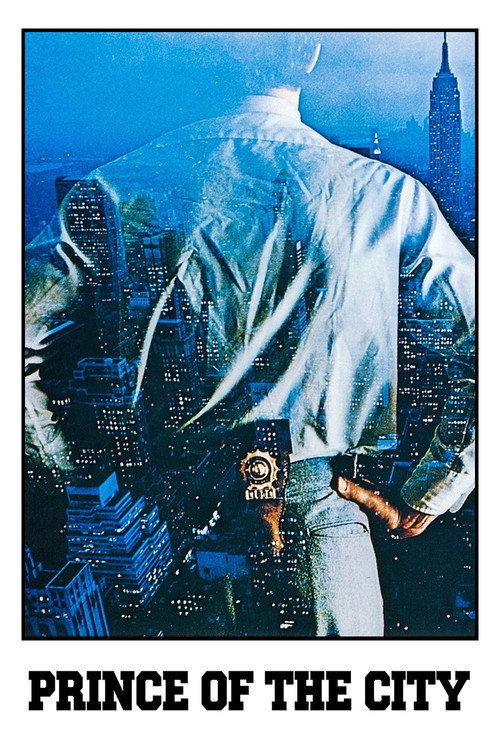
Prince of the City(1981)
Director
Film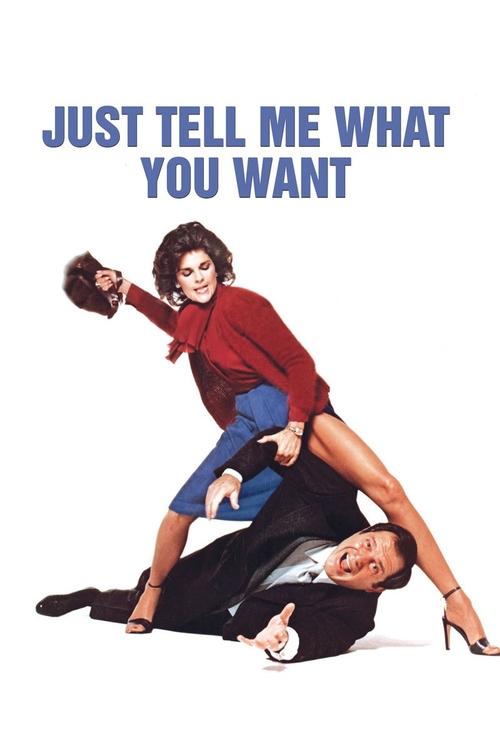
Just Tell Me What You Want(1980)
Director
Film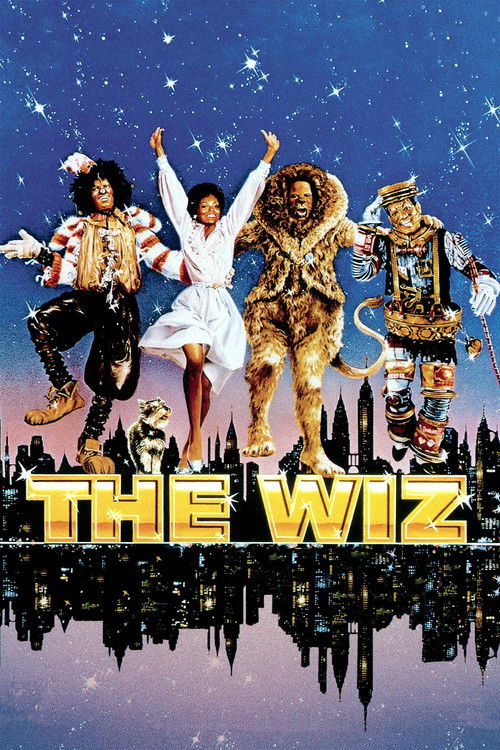
The Wiz(1978)
Director
Film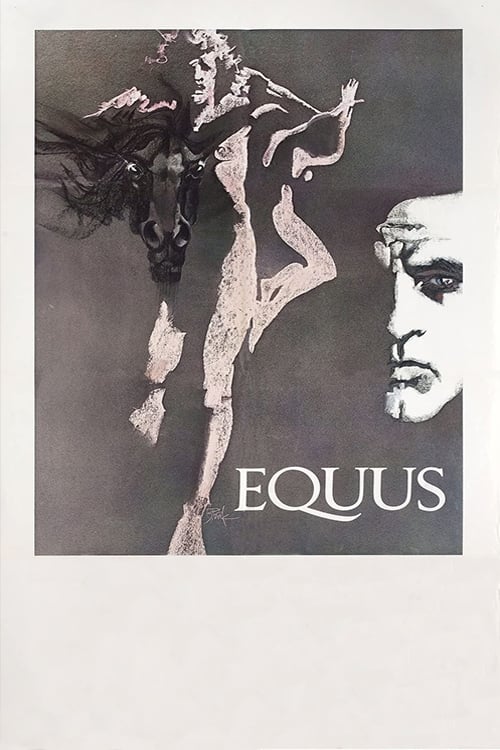
Equus(1977)
Director
Film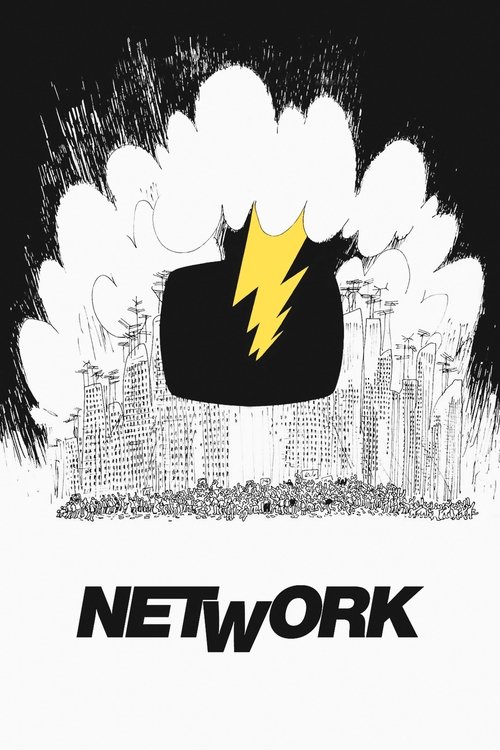
Network(1976)
Director
Film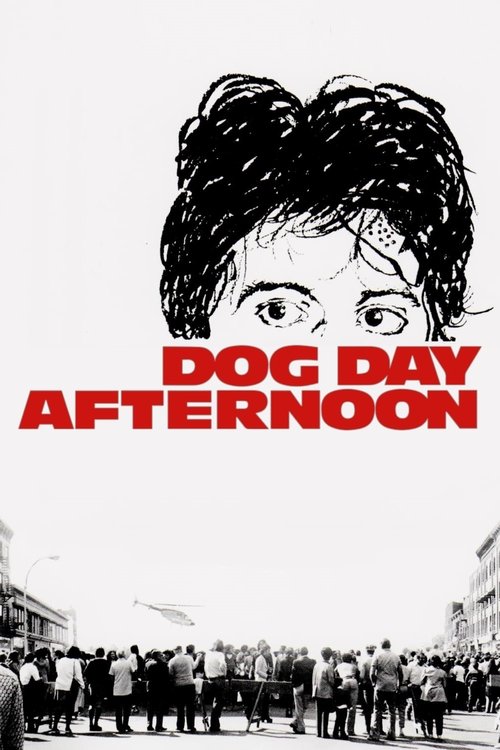
Dog Day Afternoon(1975)
Director
Film
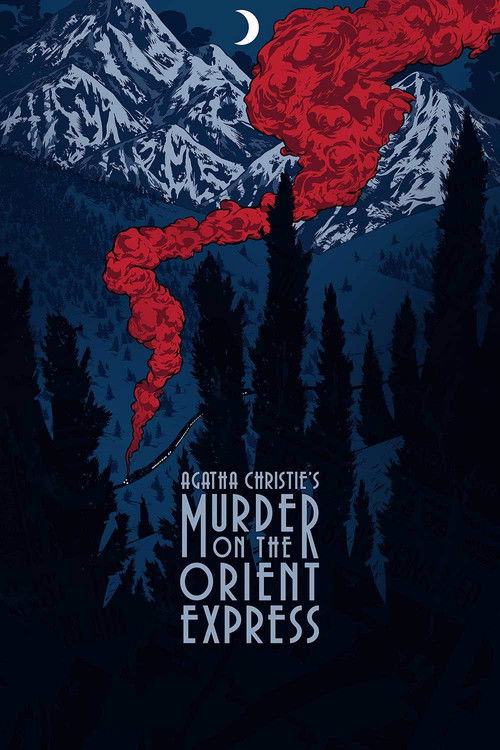
Murder on the Orient Express(1974)
Director
Film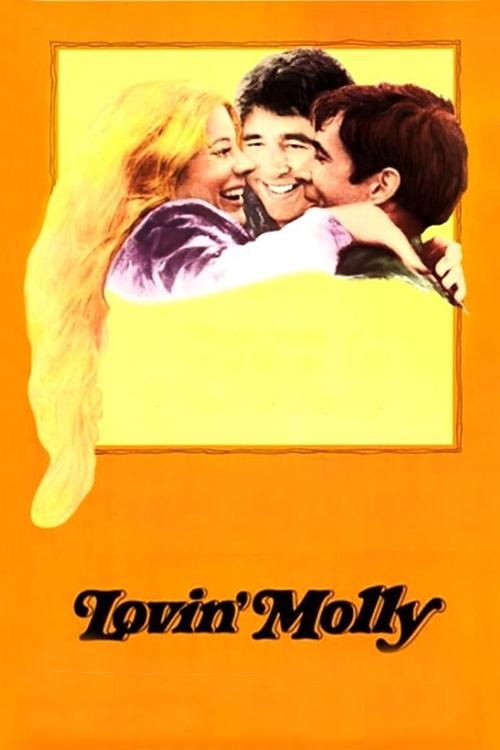
Lovin' Molly(1974)
Director
Film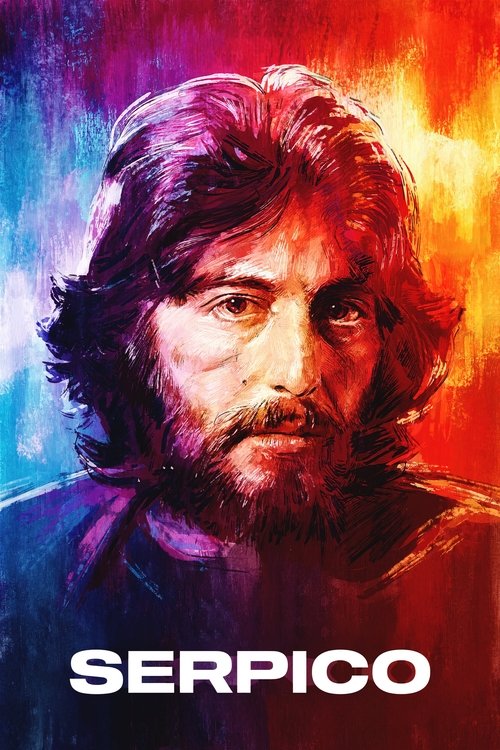
Serpico(1973)
Director
Film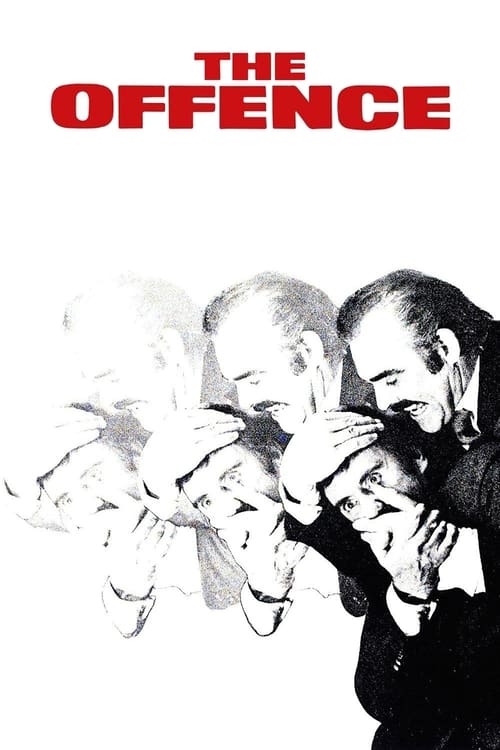
The Offence(1973)
Director
Film
Child's Play(1972)
Director
Film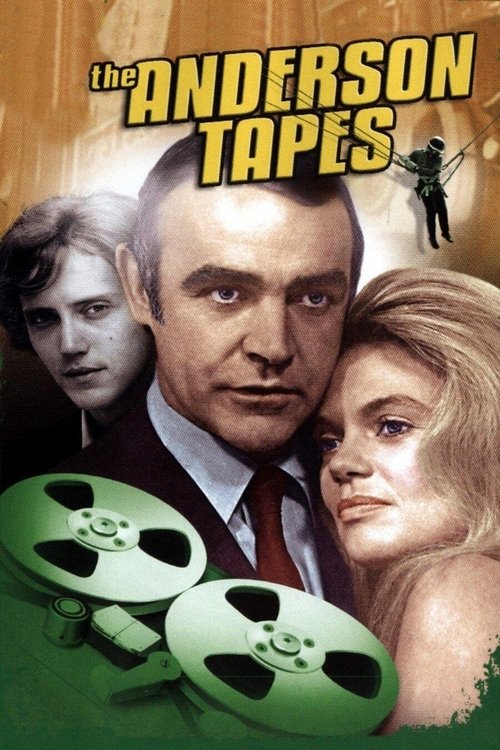
The Anderson Tapes(1971)
Director
Film
The Last of the Mobile Hot Shots(1970)
Director
Film
Writer
1 creditActor
3 credits


Other crew
28 credits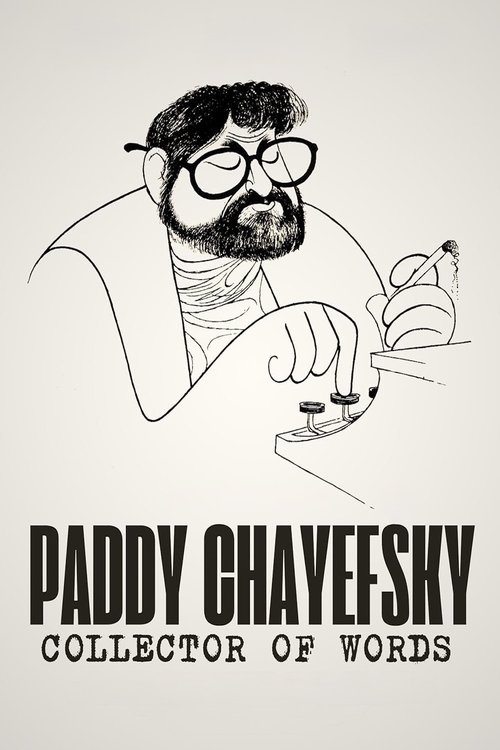
Paddy Chayefsky: Collector of Words(2025)
Crew
Film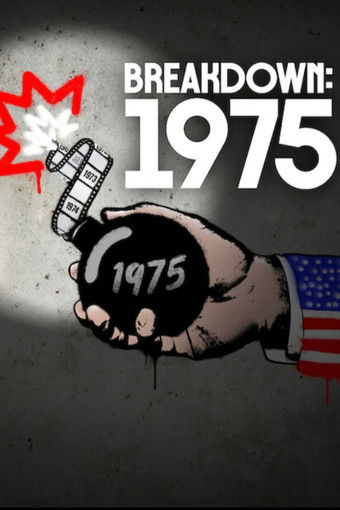
Breakdown: 1975(2025)
Crew
Film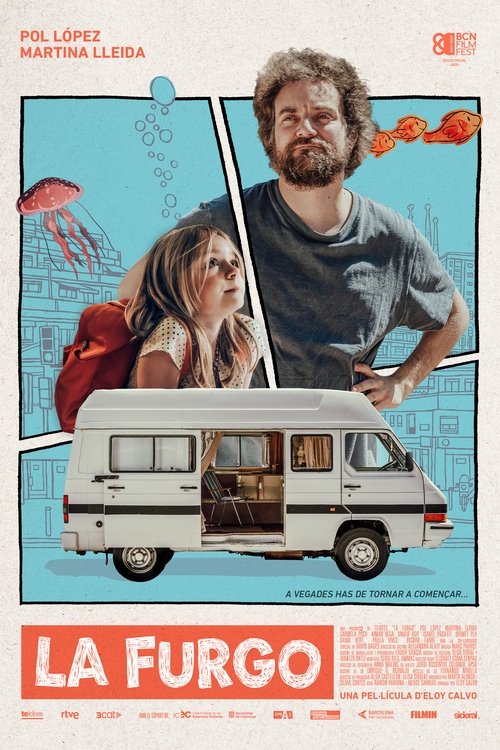
La furgo(2025)
Crew
Film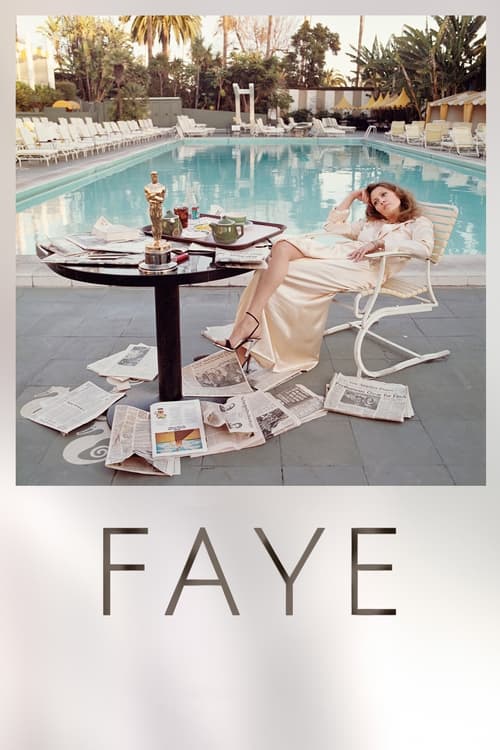
Faye(2024)
Crew
Film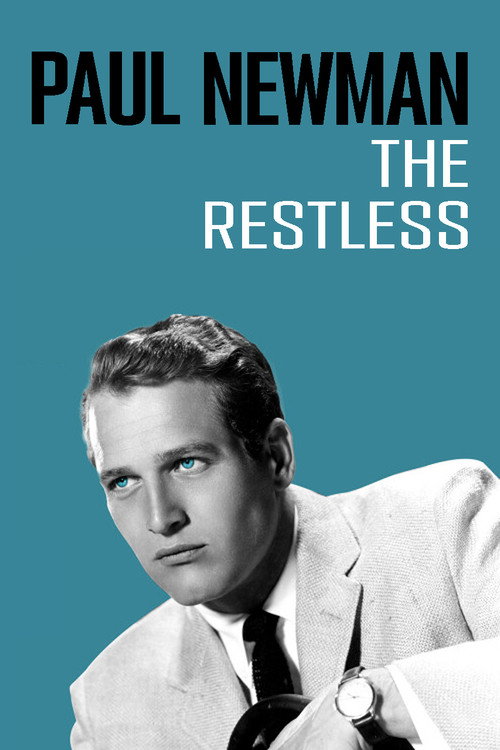
Restless: Being Paul Newman(2023)
Crew
Film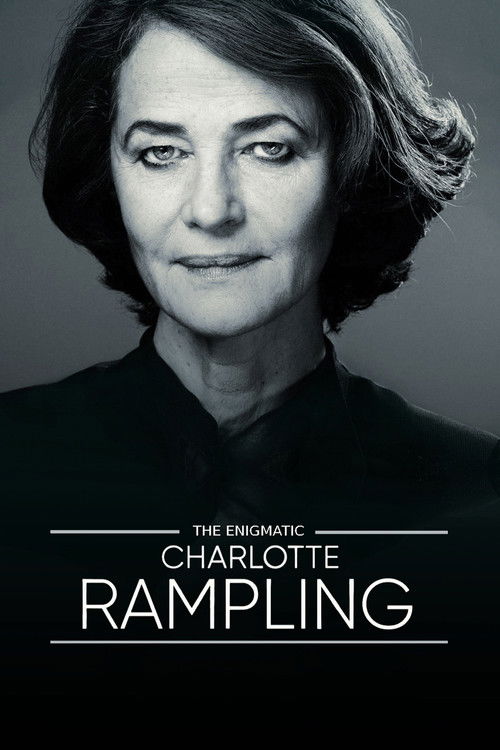
The Enigmatic Charlotte Rampling(2023)
Crew
Film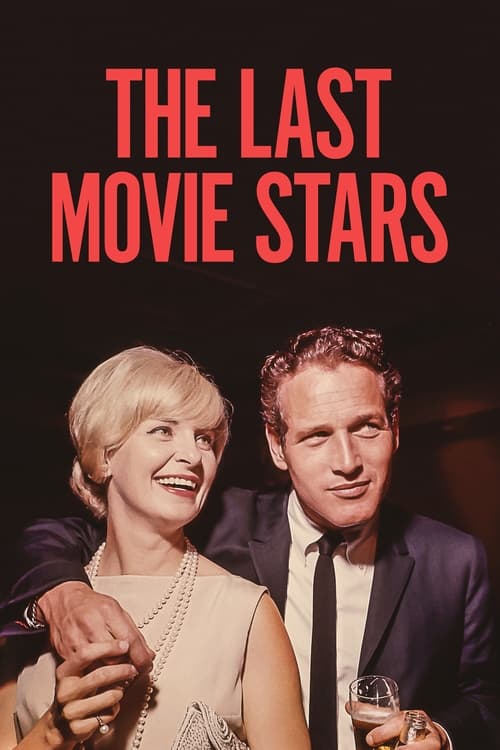
The Last Movie Stars(2022)
Crew
TV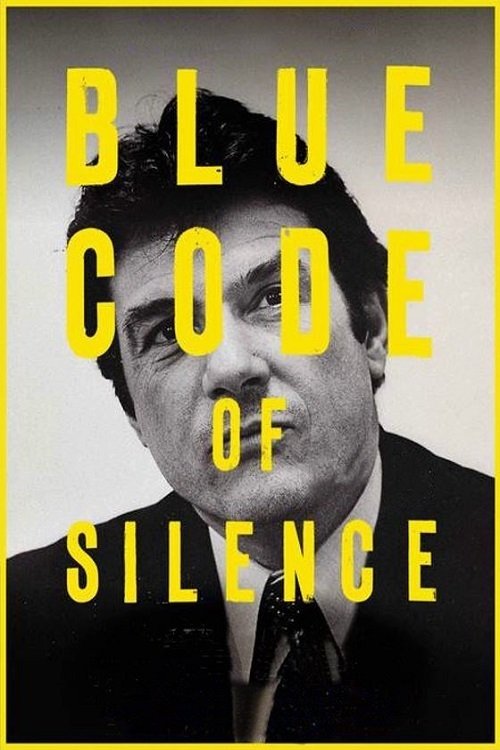
Blue Code of Silence(2020)
Crew
FilmFilm Önü / Arkasi(2019)
Crew
TVHollywood Insider(2018)
Crew
TVInèdits(2018)
Crew
TV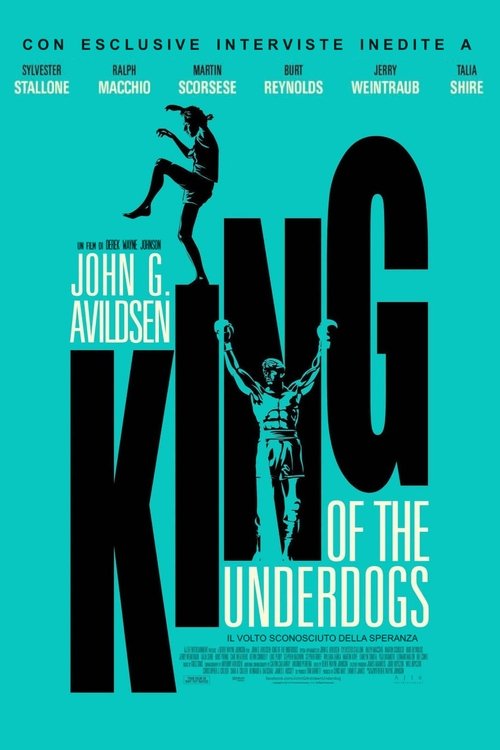
John G. Avildsen: King of the Underdogs(2017)
Crew
Film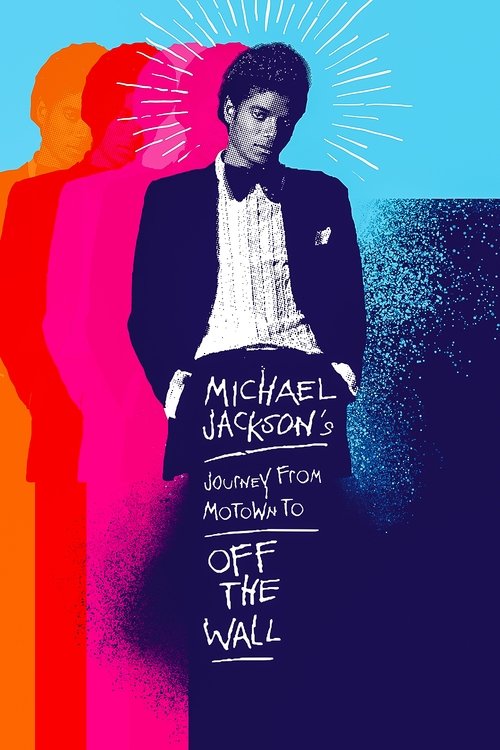
Michael Jackson's Journey from Motown to Off the Wall(2016)
Crew
FilmMinty Comedic Arts(2015)
Crew
TV
And the Oscar Goes To...(2014)
Crew
Film
Nosferatu vs. Father Pipecock & Sister Funk(2014)
Crew
Film
What Is Cinema?(2013)
Crew
Film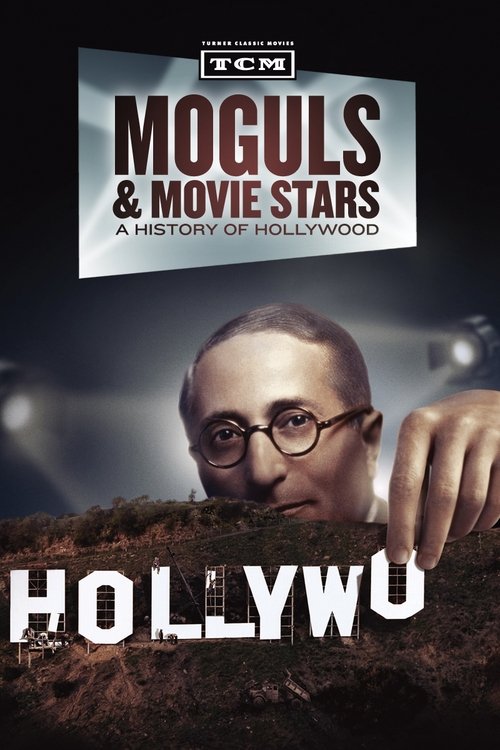
Moguls & Movie Stars: A History of Hollywood(2010)
Crew
TV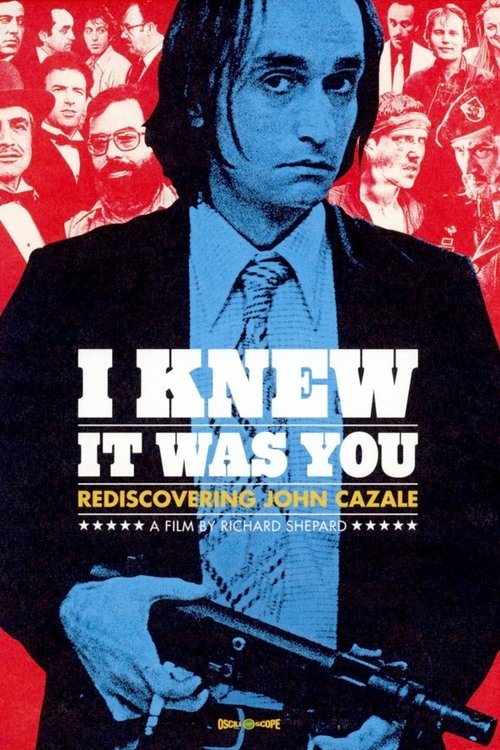
I Knew It Was You: Rediscovering John Cazale(2009)
Crew
Film
In Her Skin(2009)
Crew
Film
Rachel Getting Married(2008)
Crew
Film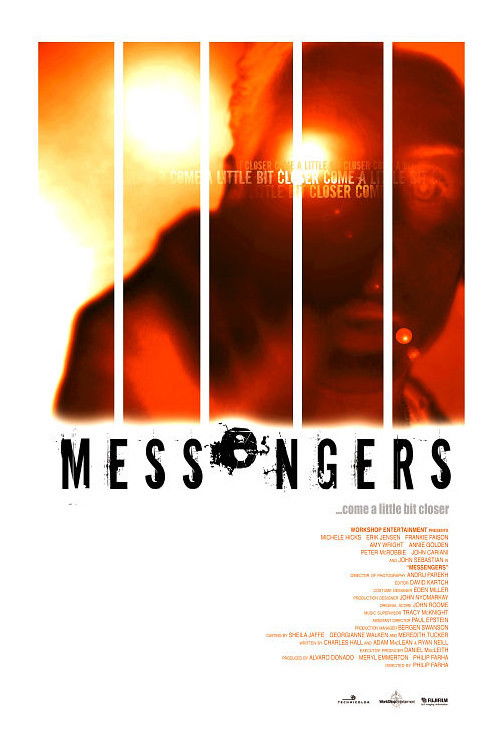
Messengers(2004)
Crew
Film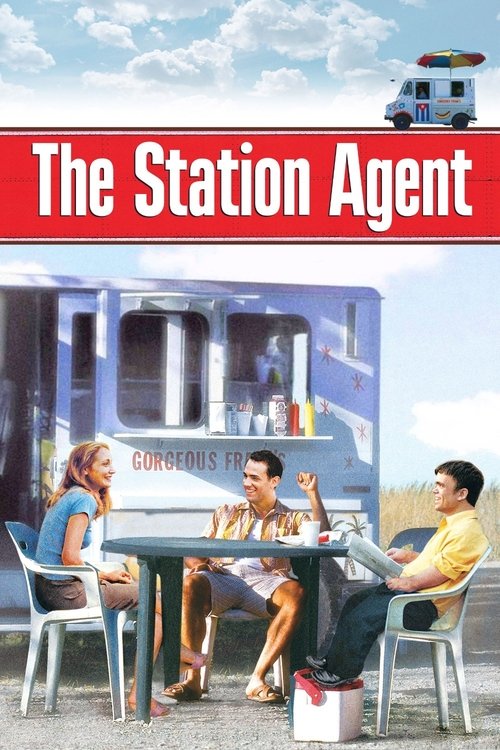
The Station Agent(2003)
Crew
FilmPrivate Screenings(1996)
Crew
TV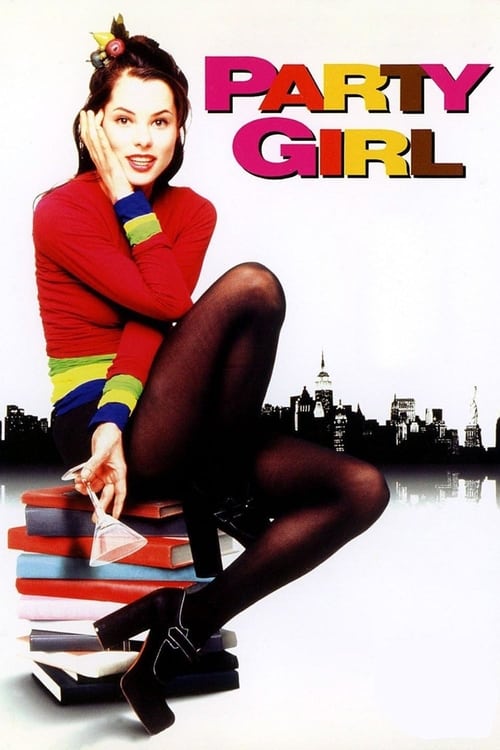
Party Girl(1995)
Crew
Film

Días de cine(1991)
Crew
TV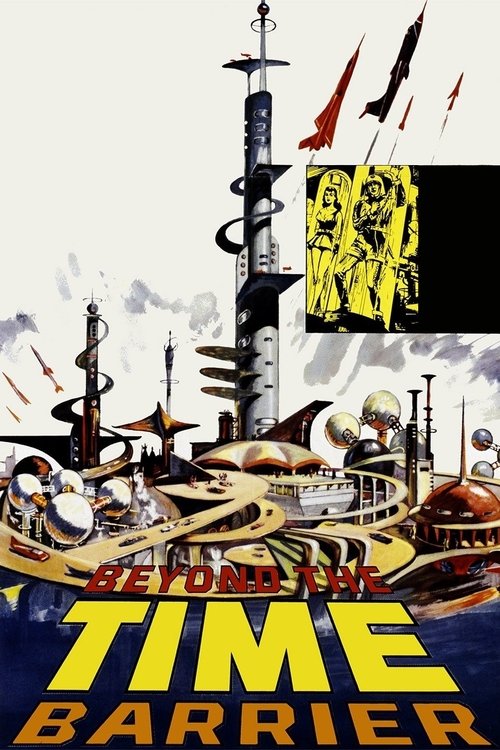
Beyond the Time Barrier(1960)
Crew
FilmDanger(1950)
Crew
TV
Awards & Nominations
2 wins · 6 nominationsAcademy Award
- Nom1958Best Director — Sidney Lumet
More awards & festivals (7) — regional academies & film-festival prizes
Academy Awards
- Won2004Oscar — Honorary Award
- Nom1982Oscar — Directing
- Nom1981Oscar — Writing (adapted Screenplay)
- Nom1976Oscar — Directing
- Nom1975Oscar — Directing
- Nom1957Oscar — Directing
Nastro D Argento For Best Non Italian Film
- Won1958Nastro d'argento for best non-Italian film — Sidney Lumet
Originals
Streaming originals this person worked on.
Memorable quotes
Browse all →No quotes logged for Sidney Lumet yet — add the first memorable line below.
Got a quote we’re missing?
Submit a line from any film, show, or game.
Additional credits6Show
Non-headline appearances — talk-show, awards-show, panel, and archive-footage credits, kept separate from the main filmography.
- By Sidney LumetSelf · 2015
- Directed by Sidney Lumet: How the Devil Was MadeSelf · 2008
- Based on a True StorySelf · 2004
- Finding EleazarSelf · 2004
- Spike Lee's '25th Hour': The Evolution of an American FilmmakerSelf · 2003
- Intimate Portrait: Sean ConnerySelf · 1998
Edit history
Loading edit history…
Comments (0)
on Sidney LumetNo comments yet. Be the first to share what you think.