
Person · Composer
Dimitri Tiomkin
The flamboyant Russian emigre who became the unlikely poet of the American West, winning four Oscars and teaching Hollywood the power of the title song (1894-1979).
- Also:
- Music Department
- Producer
In short · Composed for four decades — 105 credits, 5 Academy Award wins.
Remembered for
Ranked by community engagement + sustained interest across this person's credits in our database.
Recent & in release
- Award win
Golden Globe Awards — Golden Globe — Best Original Song
- Award win
Academy Awards — Oscar — Music (original Score)
- Award win
Academy Awards — Oscar — Music (original Score)
- Award win
Academy Awards — Oscar — Music (original Score)
Help complete this page
We’re missing birthplace, birth date. Sign in to add what you know.
Biography
Born in the Ukrainian town of Kremenchuk in the Russian Empire, Dimitri Tiomkin trained as a concert pianist at the St. Petersburg Conservatory and fled the Russian Revolution, playing in Berlin cafes and Paris music halls before reaching America in the 1920s. He gave the European premiere of Gershwin's Concerto in F and toured as a virtuoso until the Depression and a wrist injury pushed him toward Hollywood.
There the exuberant Russian with the thick accent - he liked to joke about scoring pictures set in an America he had learned from the movies - became one of its most successful composers, and a canny self-promoter who understood the business as few artists did. Frank Capra gave him his first major films, and Tiomkin repaid him with the warm, populist scores of Mr. Smith Goes to Washington, Lost Horizon, and It's a Wonderful Life. But it was the Western that made him immortal.
His score for High Noon in 1952 changed the industry: rather than lush underscore, he built the film around a single ballad, Do Not Forsake Me, Oh My Darlin', and won two Academy Awards in one night, for score and song. The gambit made the movie theme song a commercial force, and Tiomkin exploited it brilliantly across Giant, Gunfight at the O.K. Corral, Rio Bravo, and the television theme for Rawhide. He won two further Oscars, for The High and the Mighty and The Old Man and the Sea, and delivered a famously cheeky acceptance speech thanking Brahms, Beethoven, Wagner, and Strauss. He worked into the 1960s on epics like The Alamo and 55 Days at Peking, then retired to Europe. He died in London in 1979, having given the mythic American landscape a musical grandeur invented, improbably, by a man from the Ukrainian steppe.
Filmography · 105 of 105
A platform appears here when one of these titles streams on it. Click to filter — pick several to combine.
Producer
1 creditComposer
104 credits
Great Catherine(1968)
Composer
Film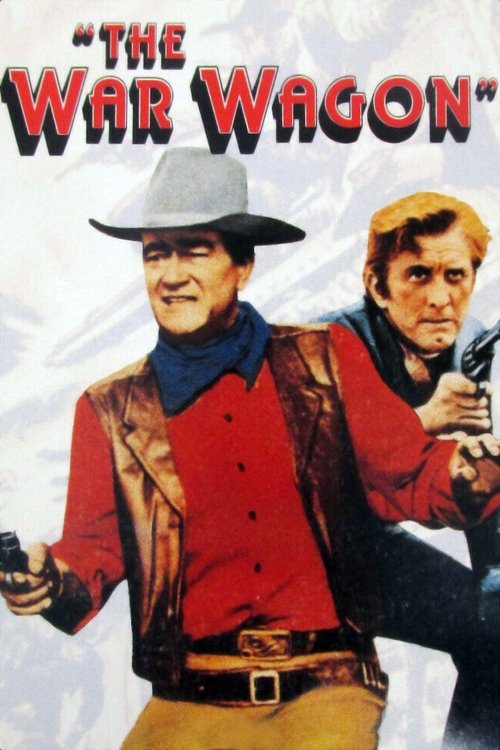
The War Wagon(1967)
Composer
Film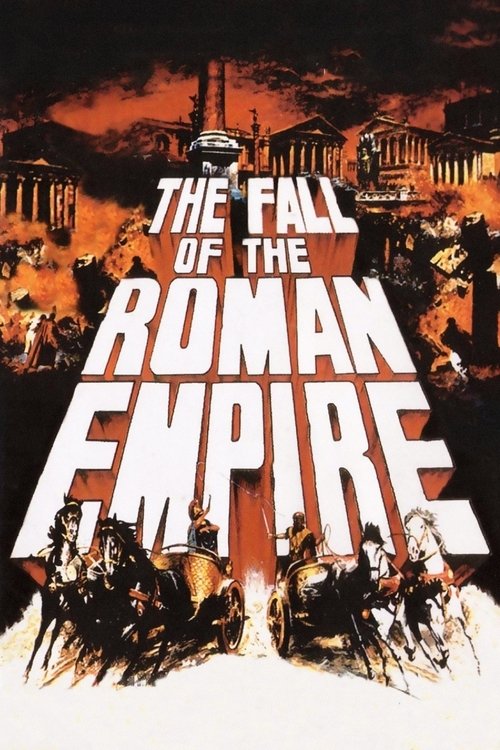
The Fall of the Roman Empire(1964)
Composer
Film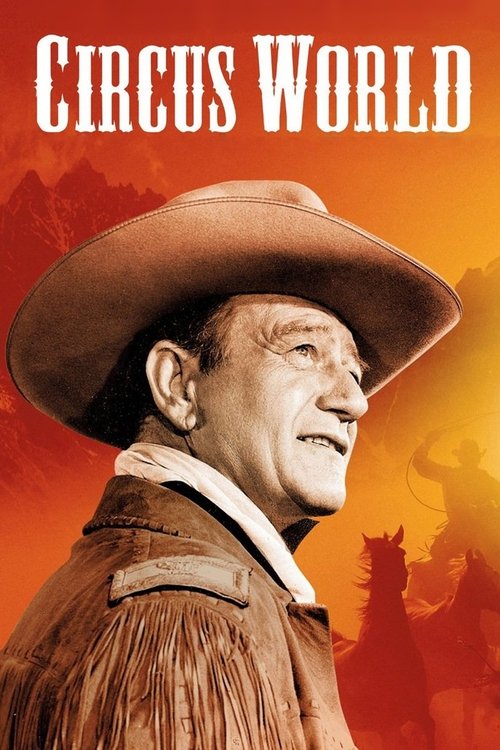
Circus World(1964)
Composer
Film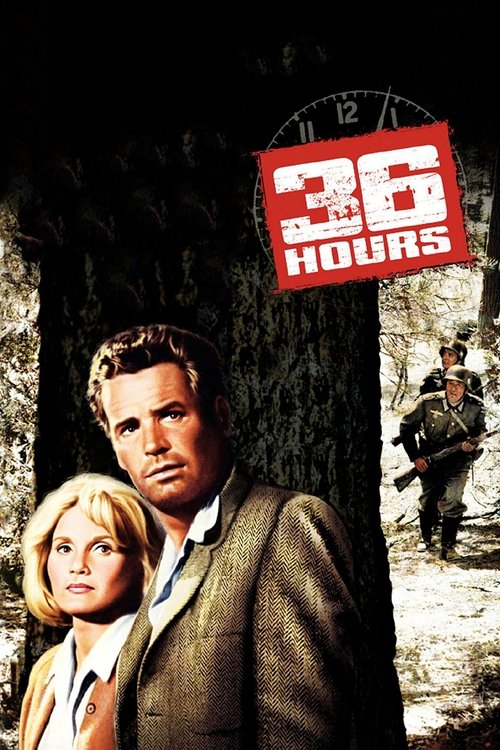
36 Hours(1964)
Composer
Film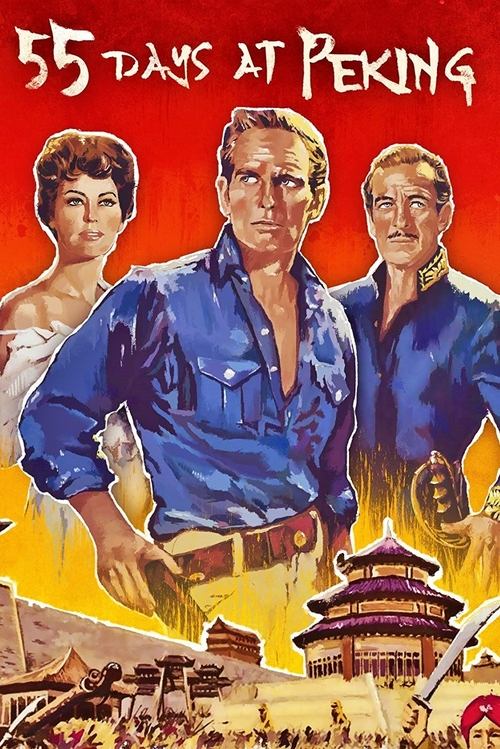
55 Days at Peking(1963)
Composer
Film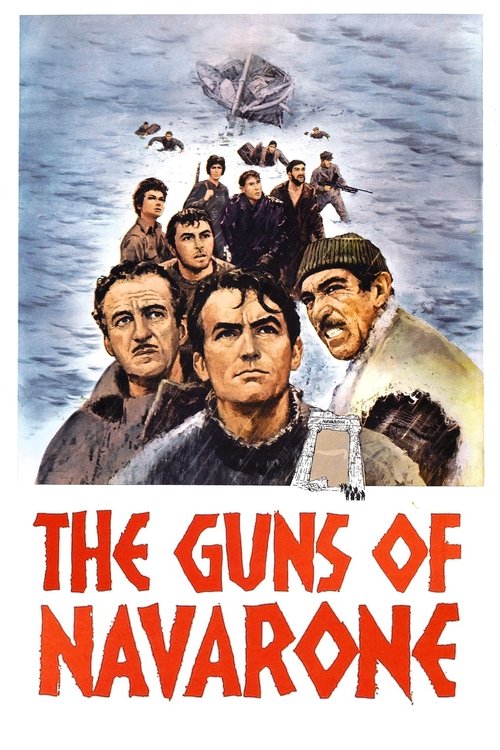
The Guns of Navarone(1961)
Composer
Film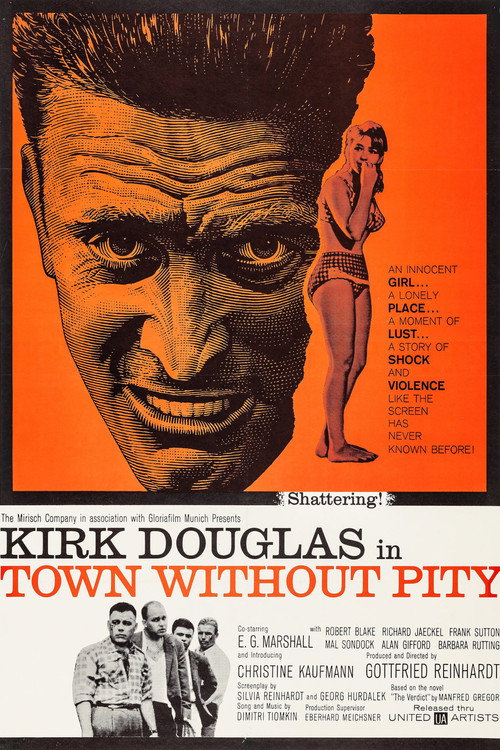
Town Without Pity(1961)
Composer
Film
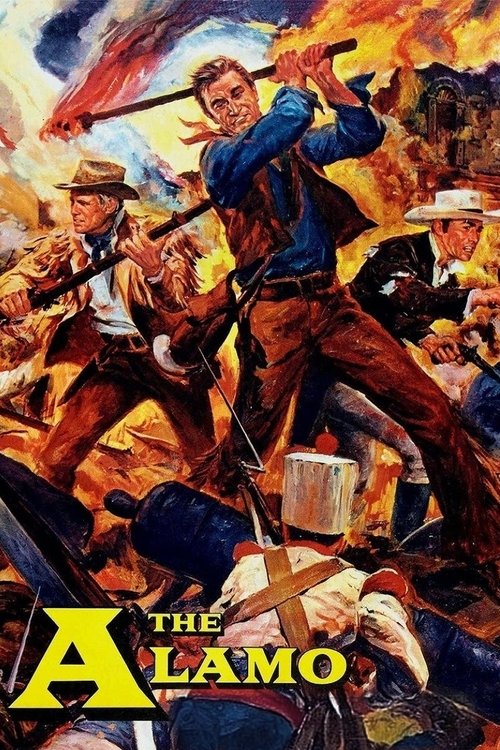
The Alamo(1960)
Composer
Film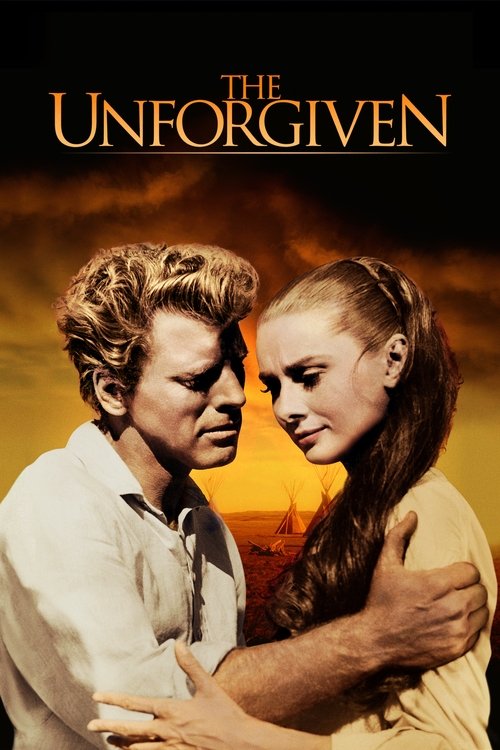
The Unforgiven(1960)
Composer
Film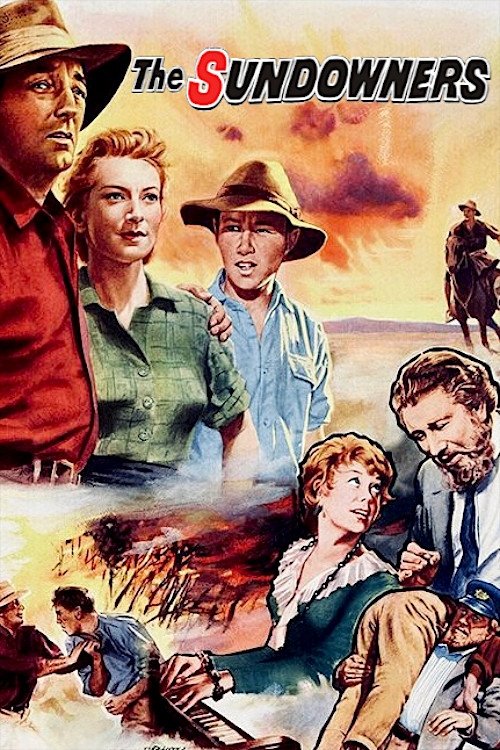
The Sundowners(1960)
Composer
Film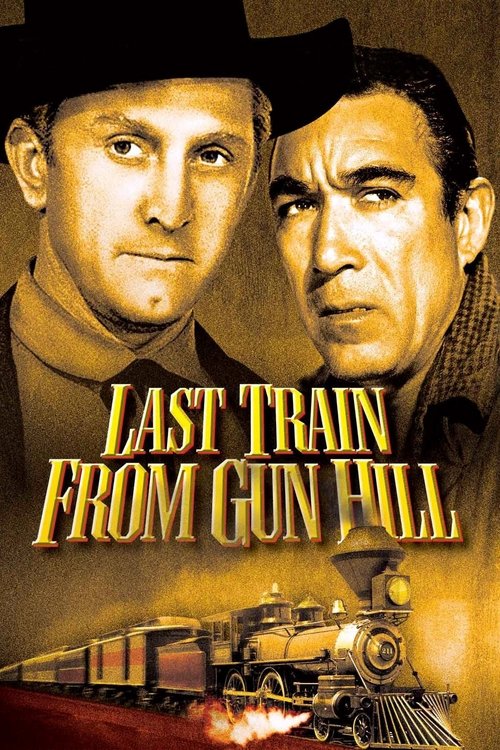
Last Train from Gun Hill(1959)
Composer
Film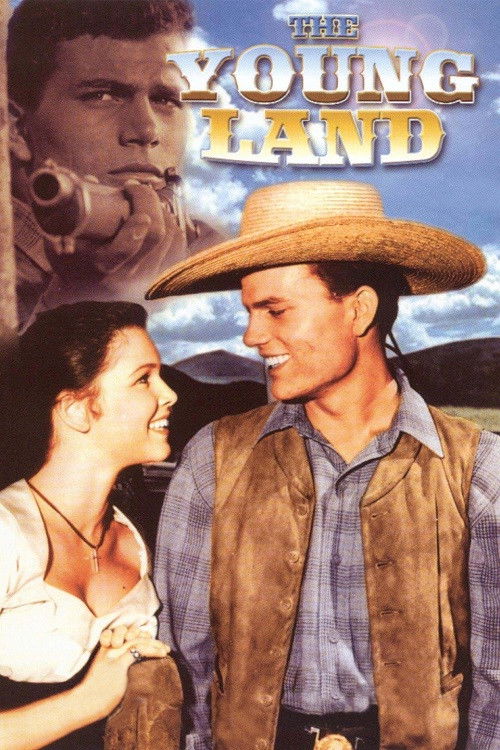
The Young Land(1959)
Composer
Film
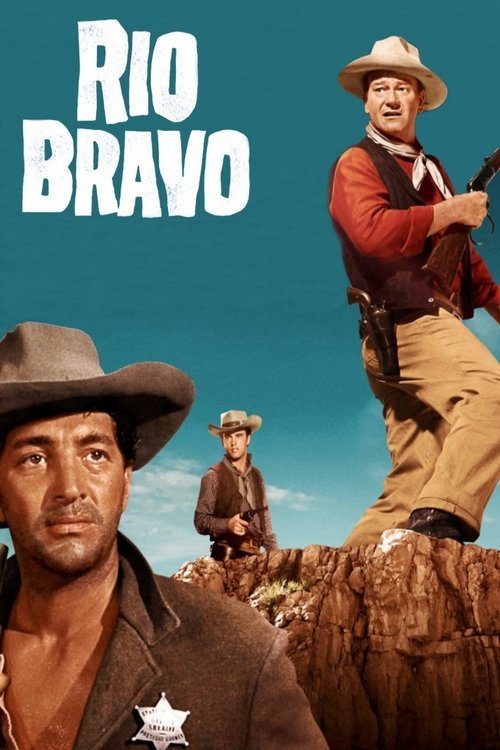
Rio Bravo(1959)
Composer
Film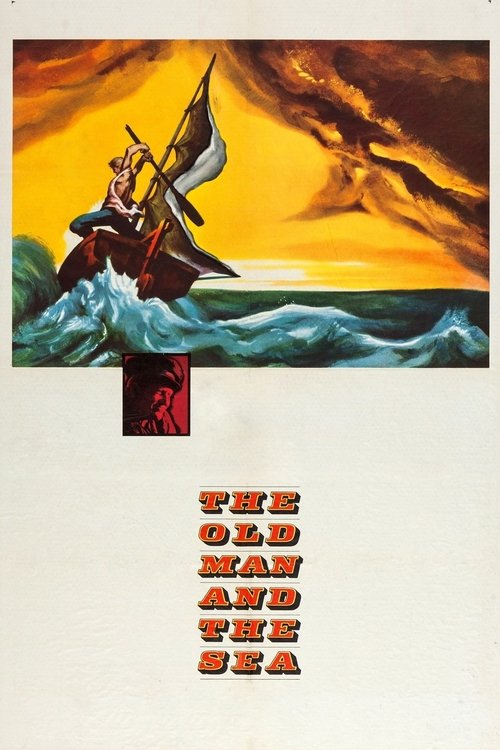
The Old Man and the Sea(1958)
Composer
Film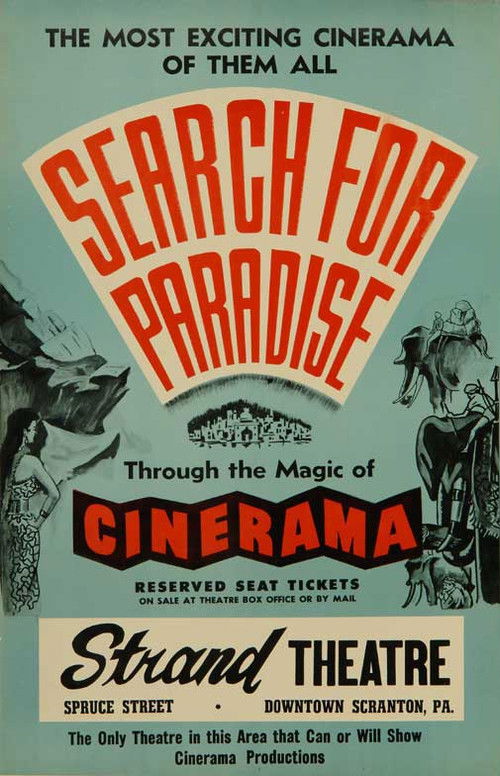
Search for Paradise(1957)
Composer
Film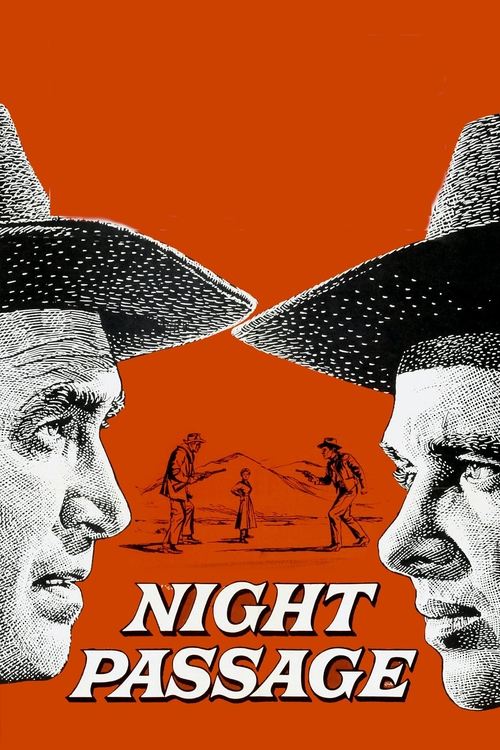
Night Passage(1957)
Composer
Film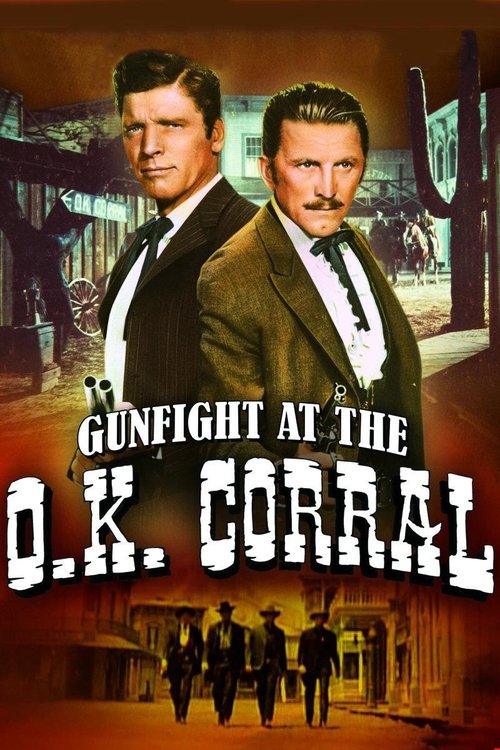
Gunfight at the O.K. Corral(1957)
Composer
Film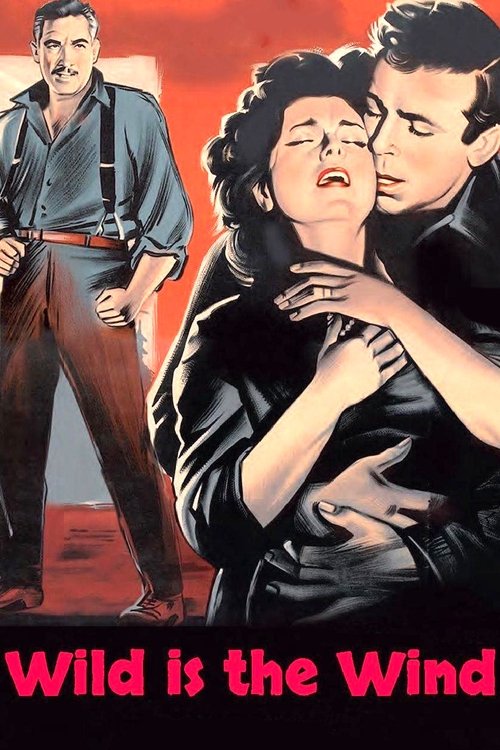
Wild Is the Wind(1957)
Composer
Film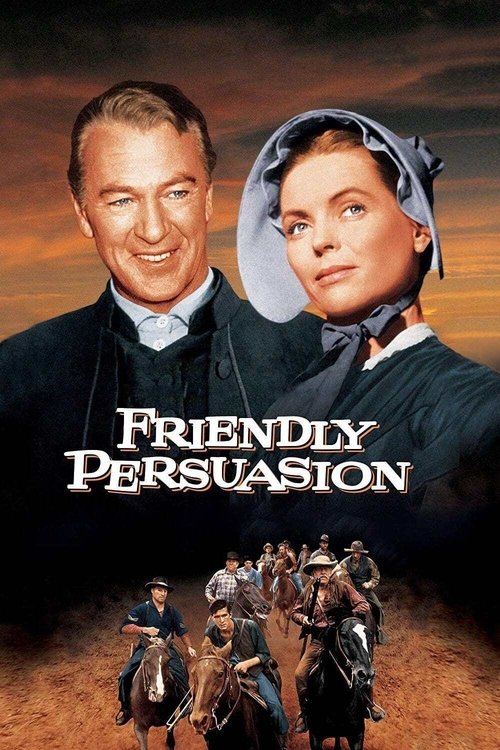
Friendly Persuasion(1956)
Composer
Film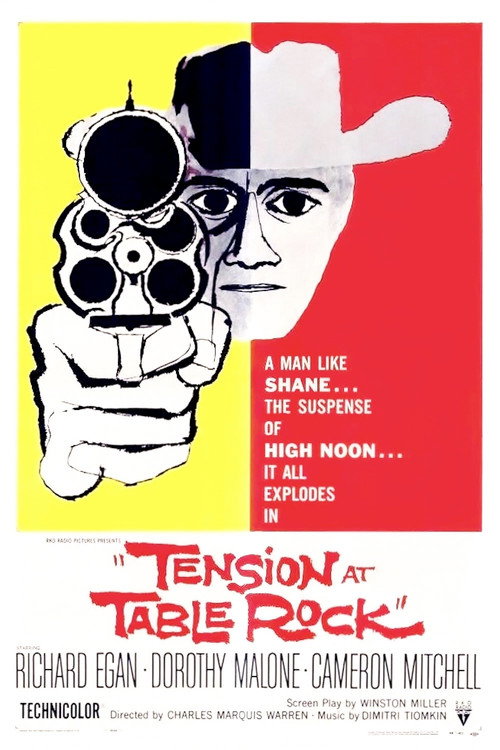
Tension at Table Rock(1956)
Composer
Film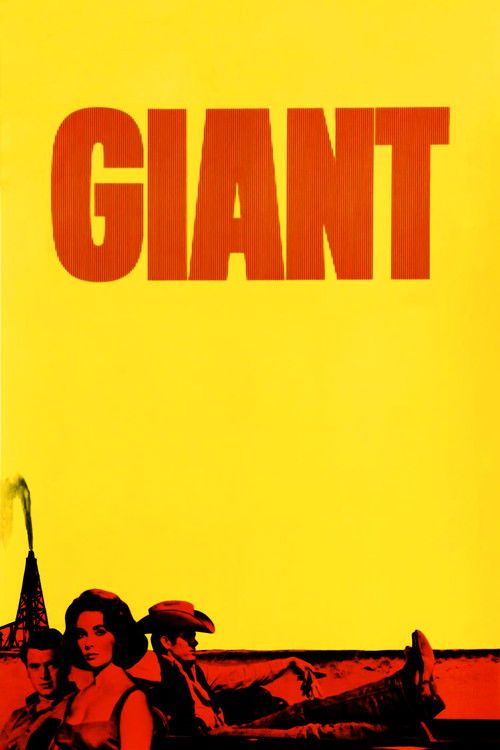
Giant(1956)
Composer
Film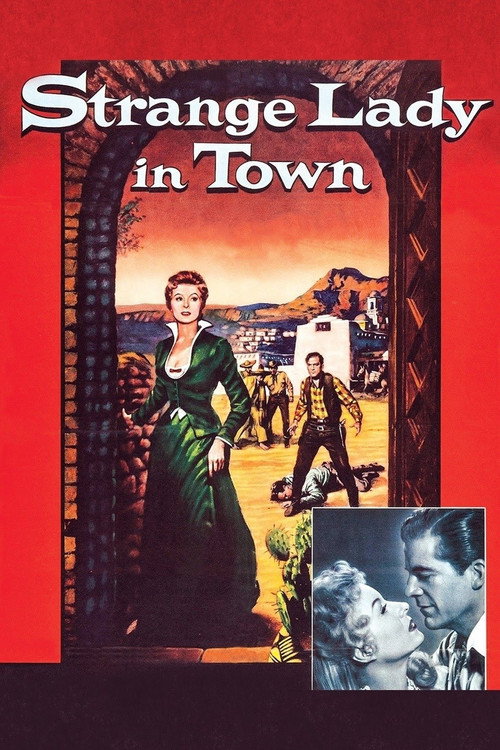
Strange Lady in Town(1955)
Composer
Film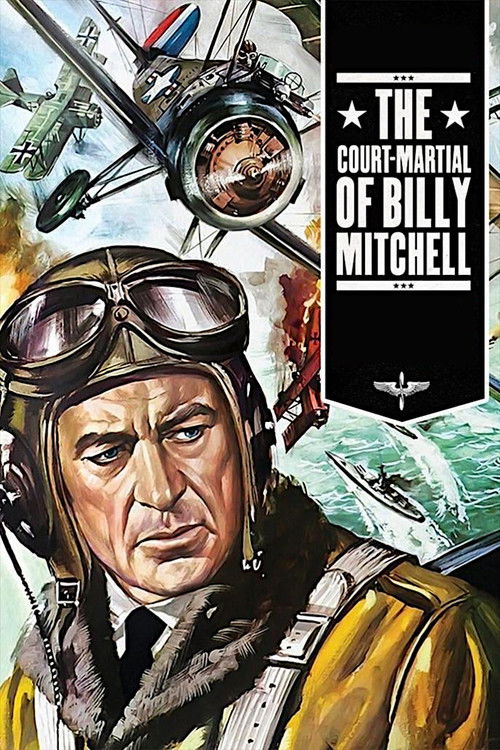
The Court-Martial of Billy Mitchell(1955)
Composer
Film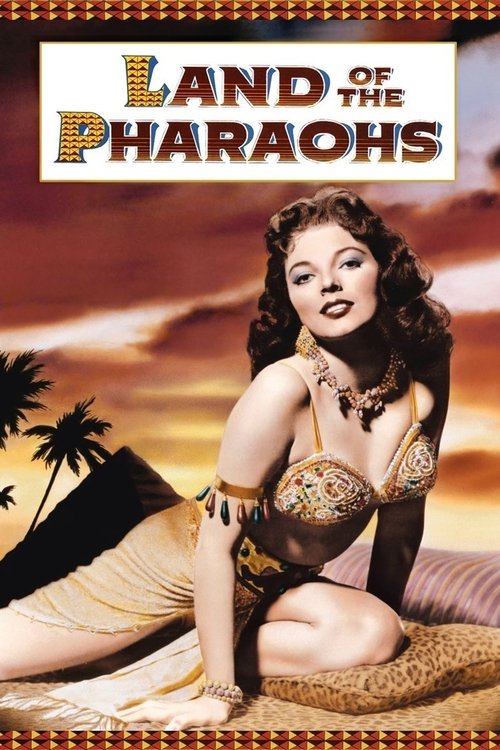
Land of the Pharaohs(1955)
Composer
Film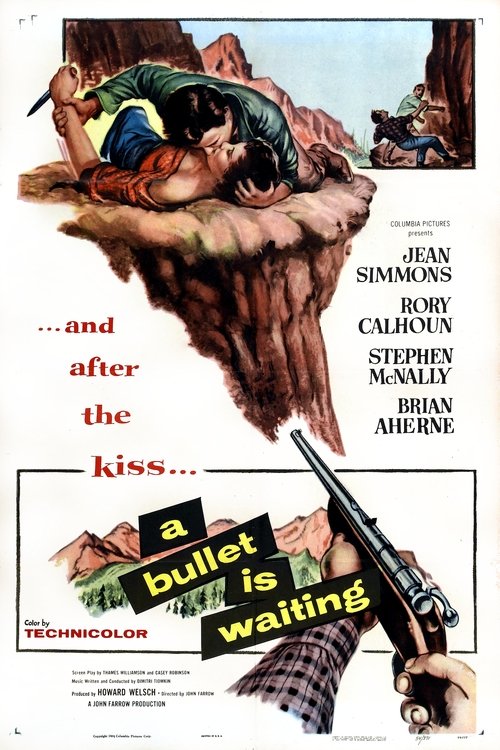
A Bullet Is Waiting(1954)
Composer
Film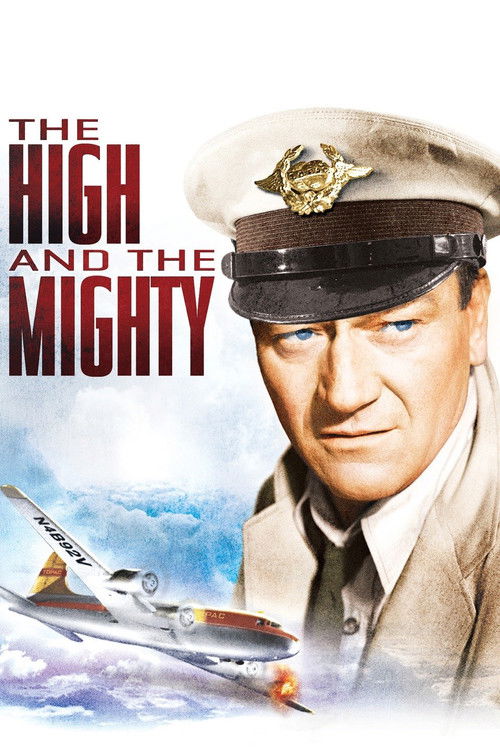
The High and the Mighty(1954)
Composer
Film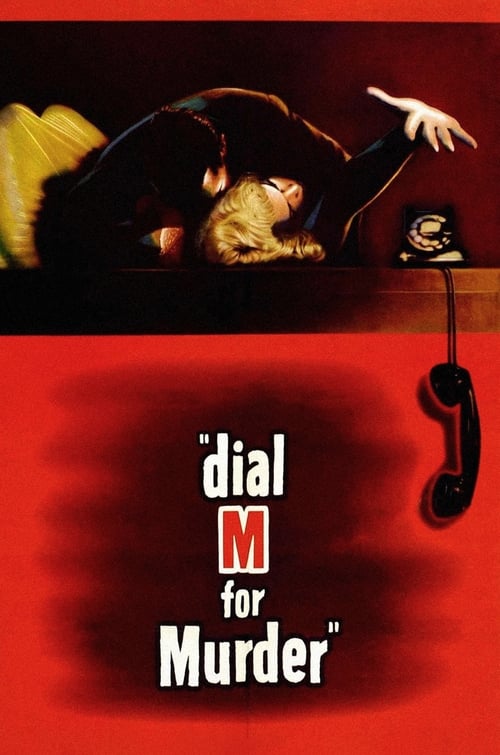
Dial M for Murder(1954)
Composer
Film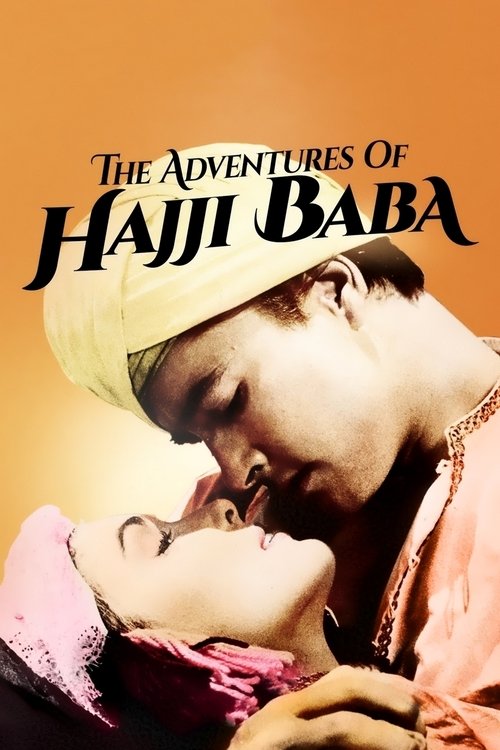
The Adventures of Hajji Baba(1954)
Composer
Film
The Command(1954)
Composer
Film
Awards & Nominations
5 wins · 19 nominationsAcademy Awards
- Nom1971Oscar — Music (original Song Score or Adaptation Score)
- Nom1964Oscar — Music (original Score)
- Nom1963Oscar — Music (original Score)
- Nom1963Oscar — Music (original Song)
- Nom1961Oscar — Music (original Score)
- Nom1961Oscar — Music (original Song)
- Nom1960Oscar — Music (original Score)
- Nom1960Oscar — Music (original Song)
- Nom1959Oscar — Music (original Song)
- Won1958Oscar — Music (original Score)
- Nom1957Oscar — Music (original Song)
- Nom1956Oscar — Music (original Score)
- Nom1956Oscar — Music (original Song)
- Won1954Oscar — Music (original Score)
- Nom1954Oscar — Music (original Song)
- Won1952Oscar — Music (original Score)
- Won1952Oscar — Music (original Song)
- Nom1949Oscar — Music (original Score)
- Nom1944Oscar — Music (original Score)
- Nom1943Oscar — Music (original Score)
- Nom1942Oscar — Music (original Score)
- Nom1939Oscar — Music (original Song Score or Adaptation Score)
- Nom1937Oscar — Music (original Song Score or Adaptation Score)
Golden Globe Awards
- Won1961Golden Globe — Best Original Song
Memorable quotes
Browse all →No quotes logged for Dimitri Tiomkin yet — add the first memorable line below.
Got a quote we’re missing?
Submit a line from any film, show, or game.
Edit history
Loading edit history…
Comments (0)
on Dimitri TiomkinNo comments yet. Be the first to share what you think.