
Person · Cinematographer
Gregg Toland
The deep-focus visionary who made "Citizen Kane" look like nothing before it and rewrote what a camera could see. (1904-1948)
- Also:
- Camera Department
- Director
In short · Shot for three decades — 61 credits, 1 Academy Award win.
Remembered for
Ranked by community engagement + sustained interest across this person's credits in our database.
Help complete this page
We’re missing birthplace, birth date. Sign in to add what you know.
Biography
Gregg Toland grew up poor in Charleston, Illinois, and drifted to California as a teenager, taking an office-boy job at a Hollywood studio at fifteen and lugging cable on the camera crews until the equipment became an extension of his hands. He rose faster than almost anyone in the trade, becoming a first cameraman in his twenties and, before long, the highest-paid cinematographer in the business.
What set Toland apart was restless curiosity about the machinery of his own art. He experimented obsessively with faster film stock, coated lenses, and arc lighting to keep both foreground and deep background in razor focus at the same time, a technique that let a whole scene play in a single unbroken image rather than being cut apart. He proved what it could do on "The Long Voyage Home" and "The Grapes of Wrath," then made it legend on Orson Welles's "Citizen Kane" in 1941, where floors, ceilings, and cavernous shadows became storytelling in their own right. Welles, a first-time director, so respected Toland that he shared a title card with him.
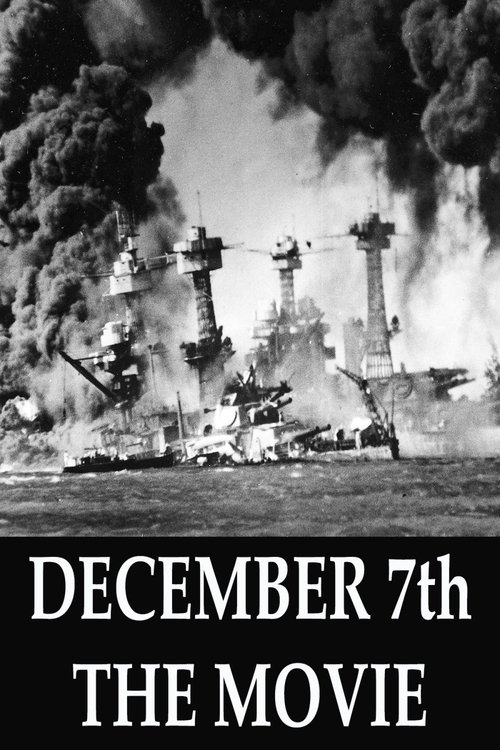
Toland won his Academy Award for the shimmering black-and-white of "Wuthering Heights," and shot Goldwyn prestige pictures like "Dead End" and "The Little Foxes" with the same painterly control. After Pearl Harbor he enlisted, making documentaries with John Ford's naval photographic unit and helping assemble the sober record of the attack.
Returning to Hollywood, he photographed "The Best Years of Our Lives," whose quiet, deep-focus realism helped it become one of the most honored films of its decade. He was still at the height of his powers, generous with younger cameramen and endlessly tinkering with new rigs, when he died of a sudden heart attack at his home in 1948. He was only forty-four. The techniques he championed had by then spread through the whole industry, and generations of directors and cinematographers still study his images as a first grammar of what the frame can hold.
Filmography · 61 of 61
A platform appears here when one of these titles streams on it. Click to filter — pick several to combine.
Director
1 creditCinematographer
60 credits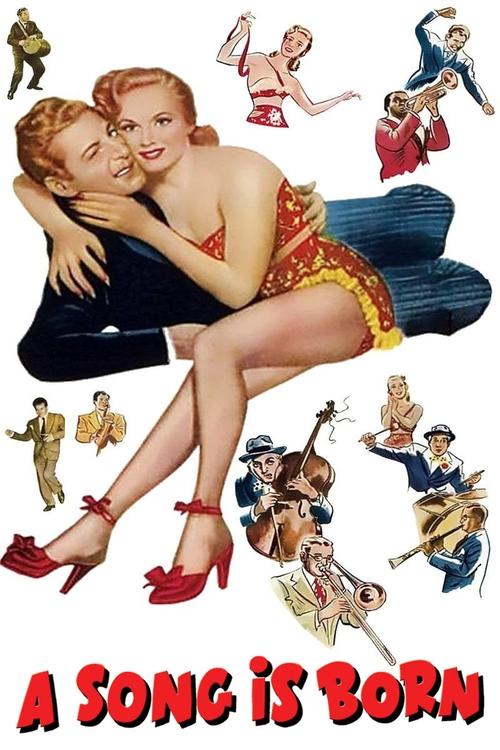
A Song Is Born(1948)
Cinematographer
Film
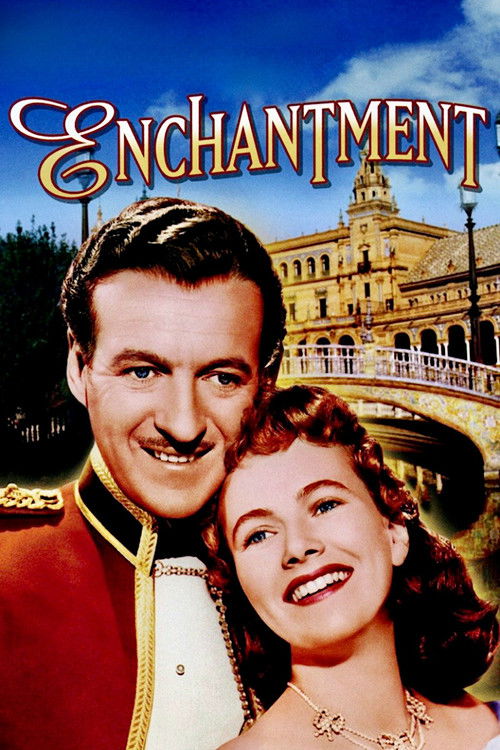
Enchantment(1948)
Cinematographer
Film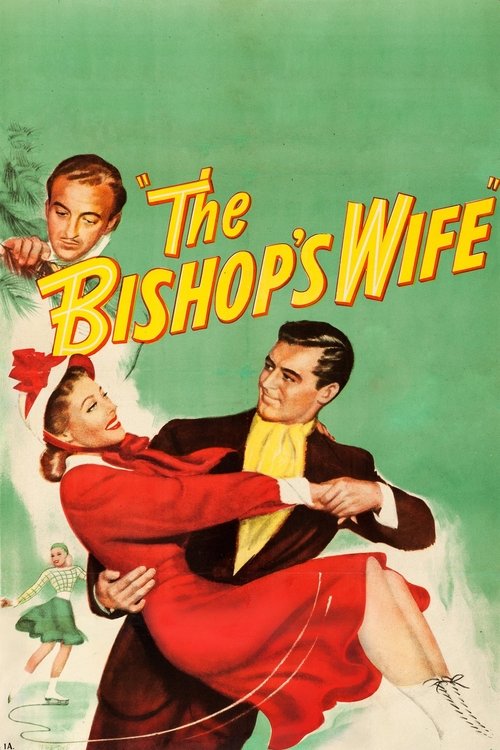
The Bishop's Wife(1947)
Cinematographer
Film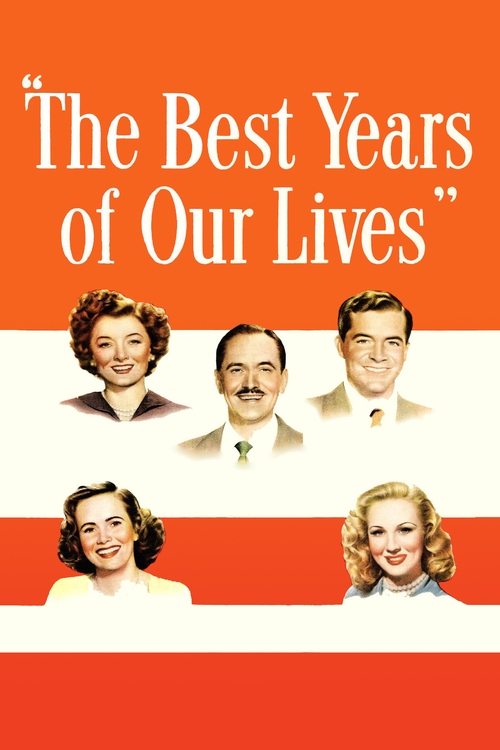
The Best Years of Our Lives(1946)
Cinematographer
Film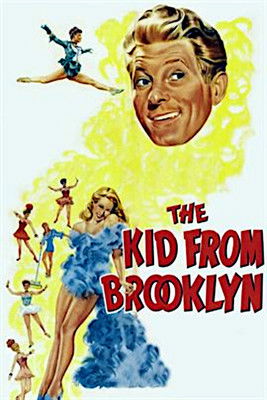
The Kid from Brooklyn(1946)
Cinematographer
Film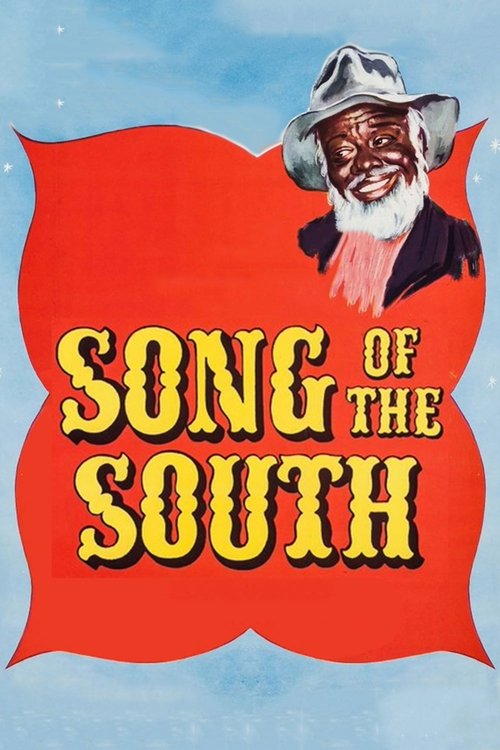
Song of the South(1946)
Cinematographer
Film
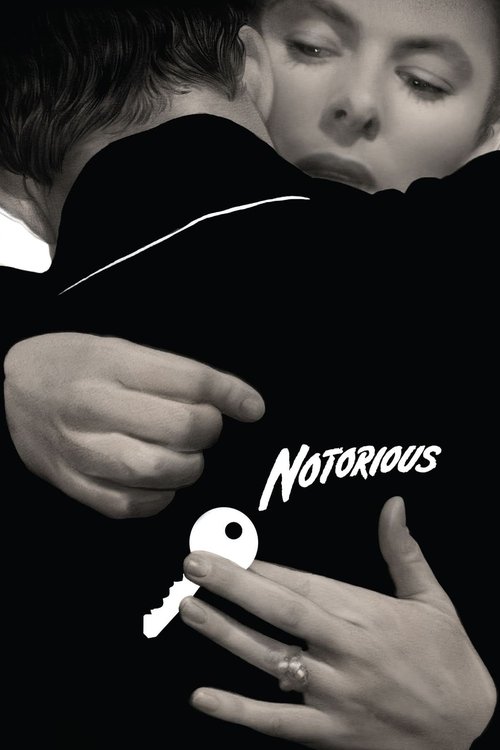
Notorious(1946)
director of photography: second unit (uncredited)
Film
The Fighting Generation(1944)
Cinematographer
Film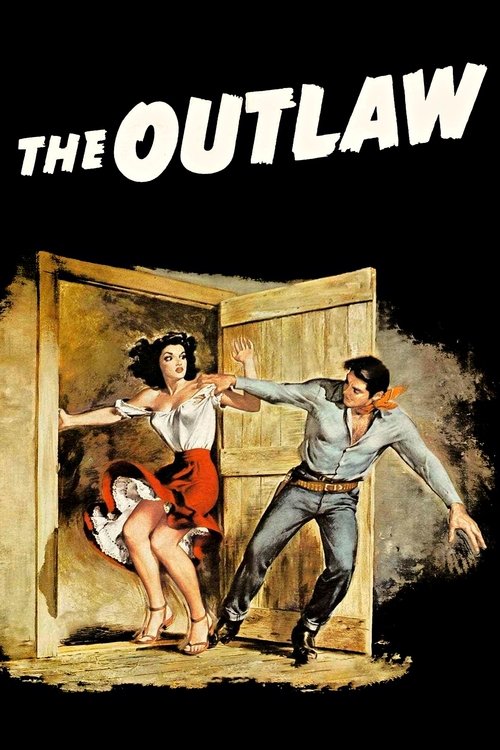
The Outlaw(1943)
Cinematographer
Film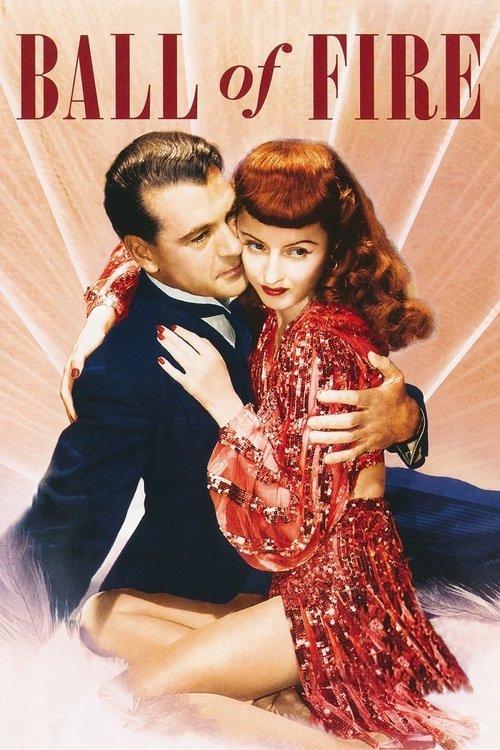
Ball of Fire(1941)
Cinematographer
Film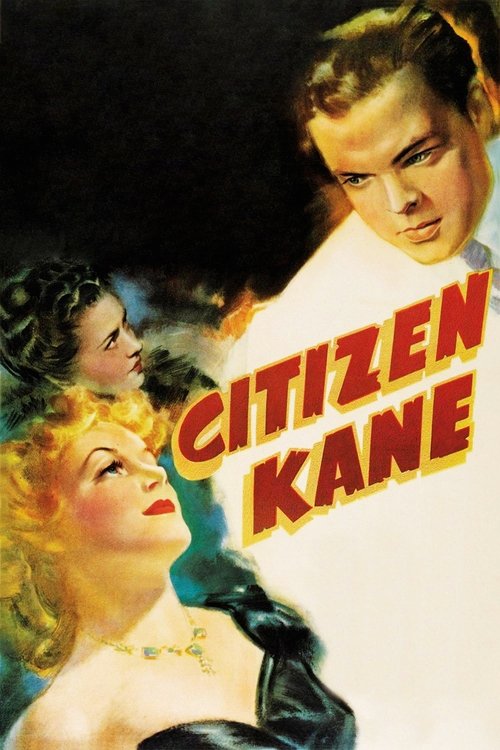
Citizen Kane(1941)
Cinematographer
Film
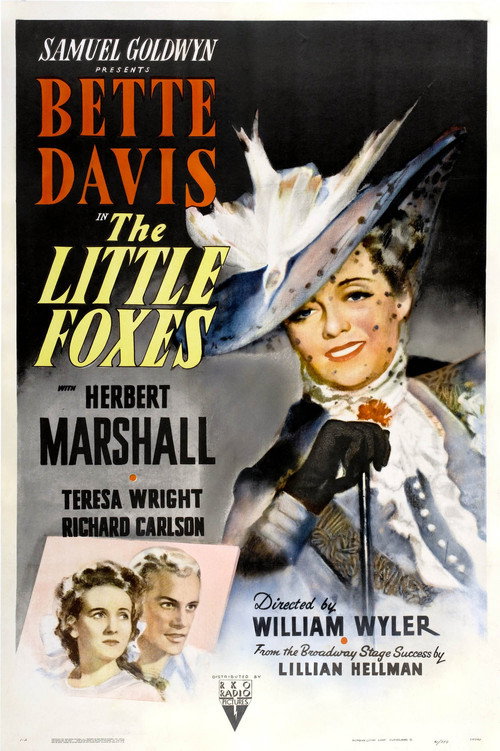
The Little Foxes(1941)
Cinematographer
Film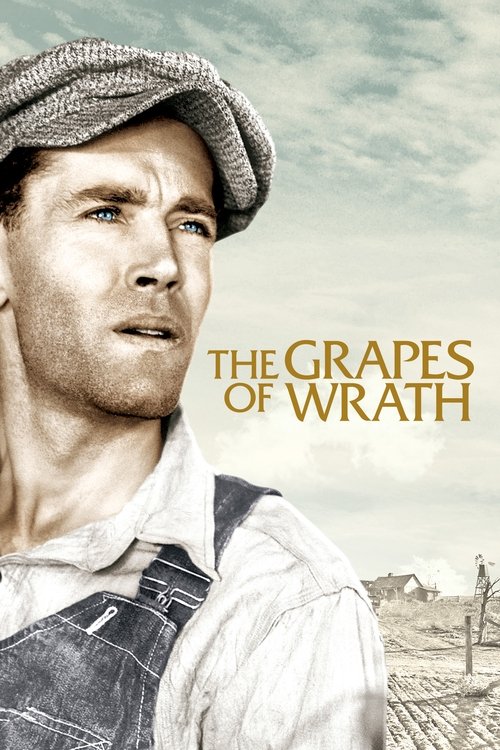
The Grapes of Wrath(1940)
Cinematographer
Film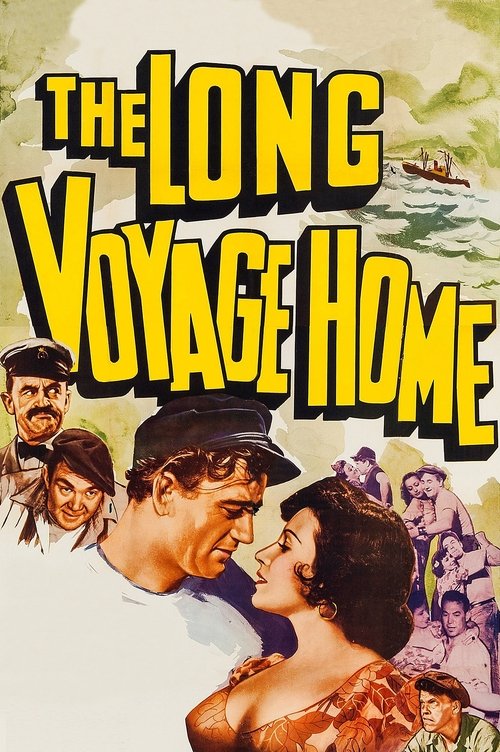
The Long Voyage Home(1940)
Cinematographer
Film
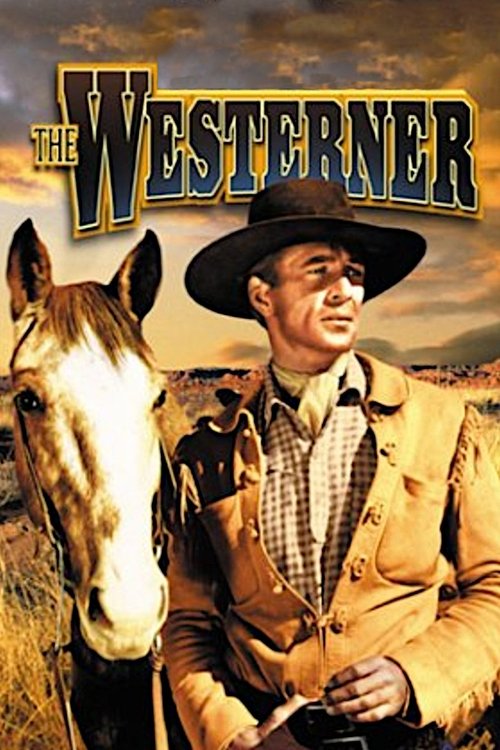
The Westerner(1940)
Cinematographer
Film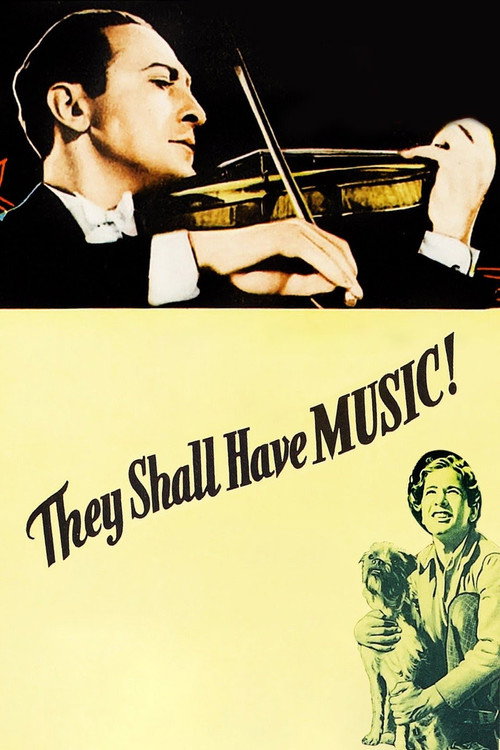
They Shall Have Music(1939)
Cinematographer
Film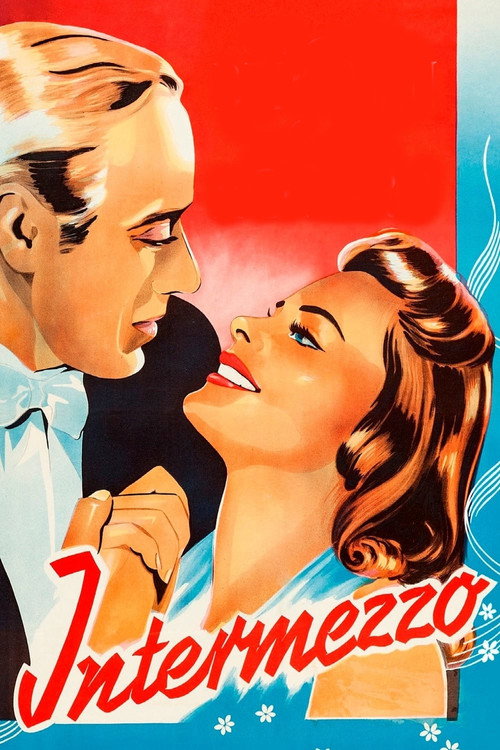
Intermezzo(1939)
Cinematographer
Film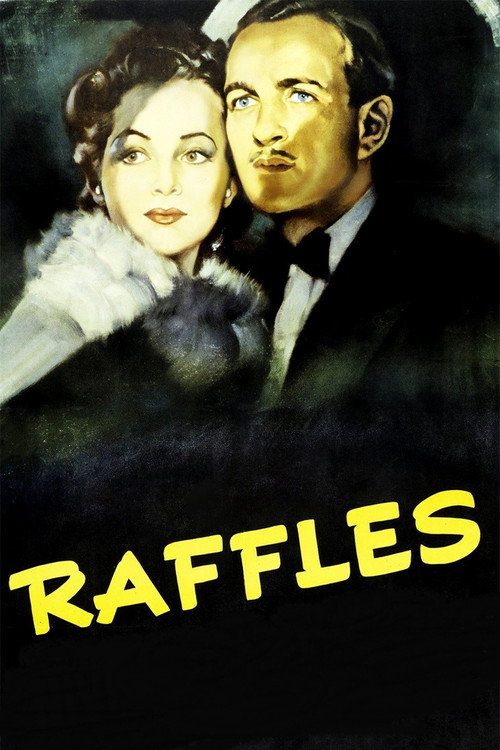
Raffles(1939)
Cinematographer
Film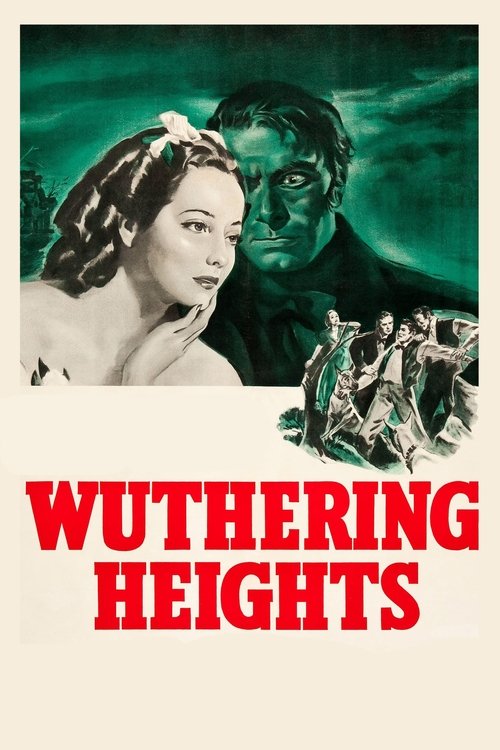
Wuthering Heights(1939)
Cinematographer
Film
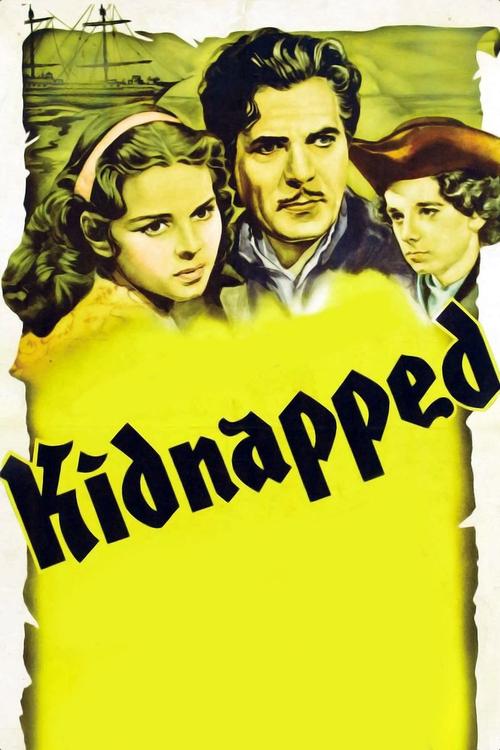
Kidnapped(1938)
Cinematographer
Film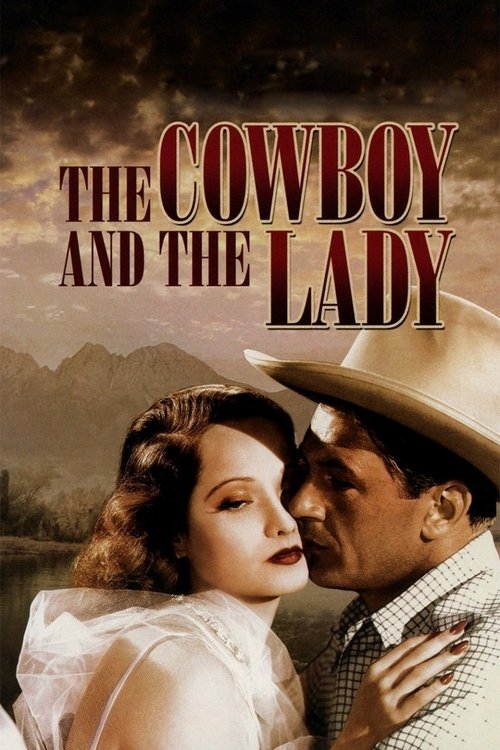
The Cowboy and the Lady(1938)
Cinematographer
Film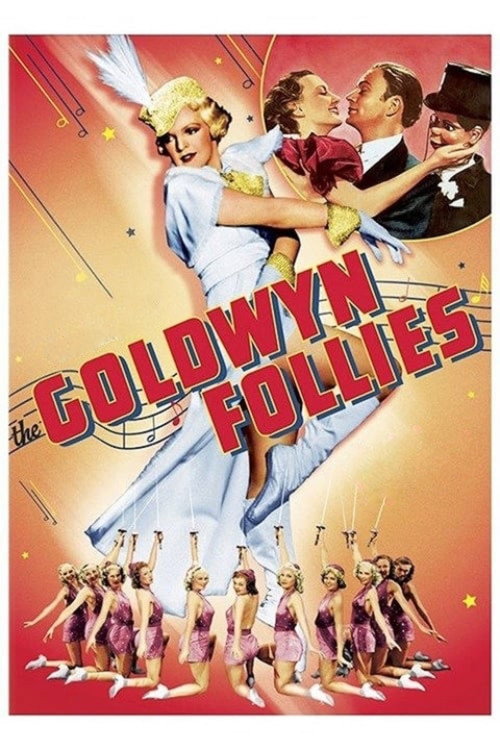
The Goldwyn Follies(1938)
Cinematographer
Film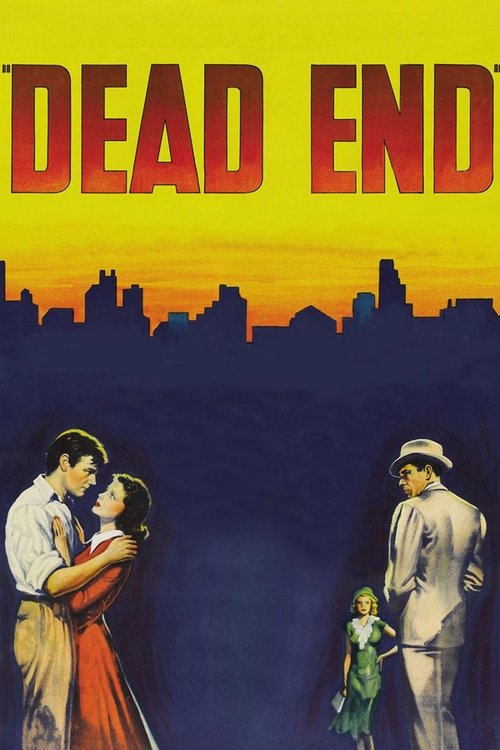
Dead End(1937)
Cinematographer
Film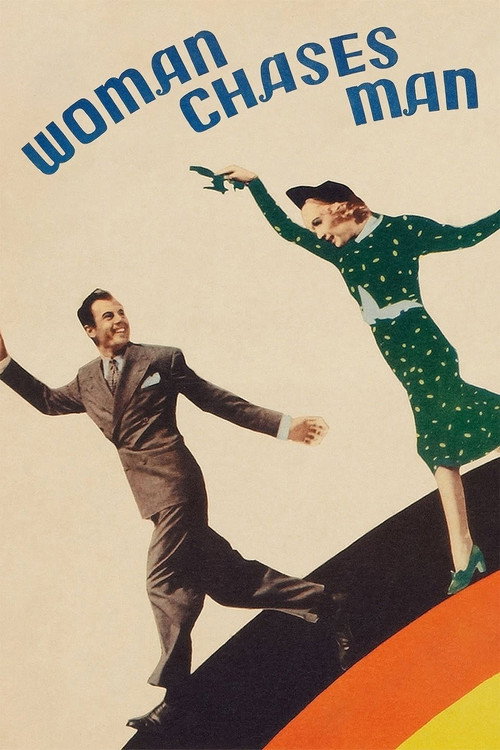
Woman Chases Man(1937)
Cinematographer
Film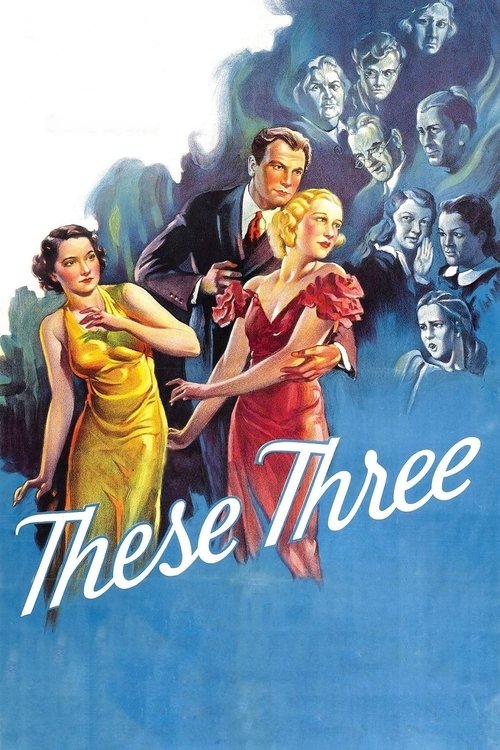
These Three(1936)
Cinematographer
Film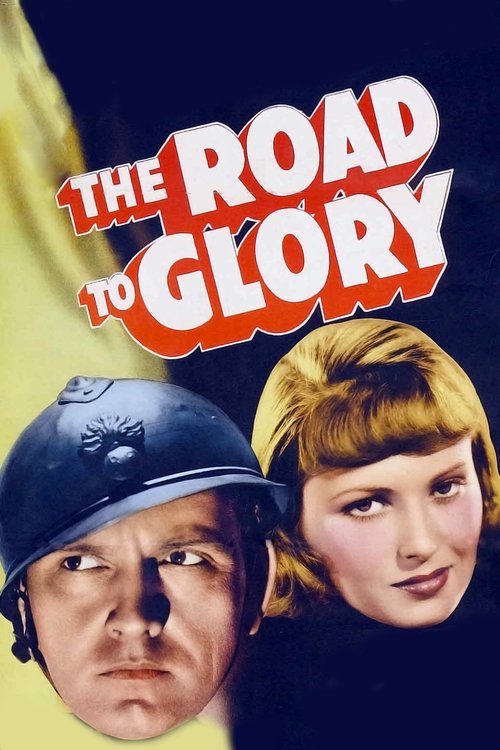
The Road to Glory(1936)
Cinematographer
Film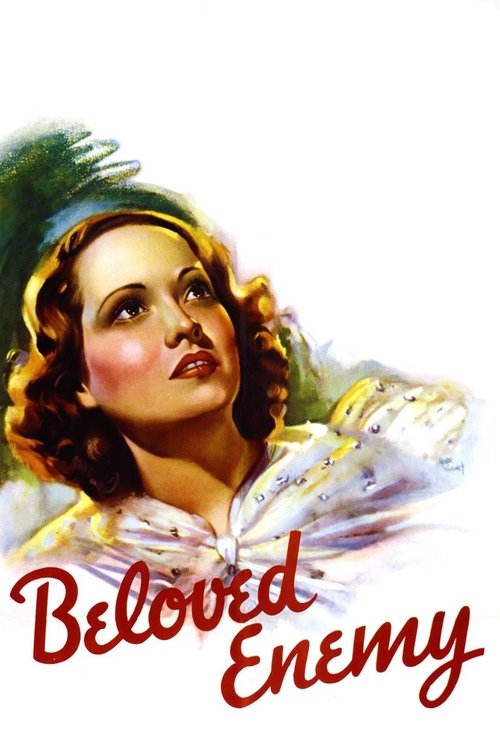
Beloved Enemy(1936)
Cinematographer
Film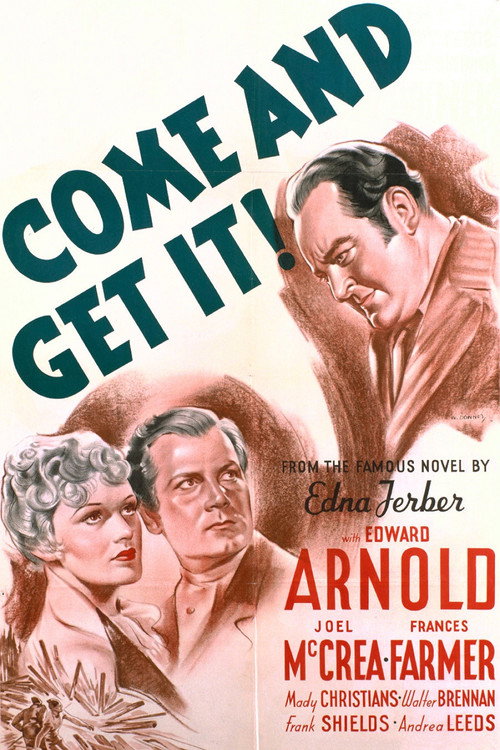
Come and Get It(1936)
Cinematographer
Film
Splendor(1935)
Cinematographer
Film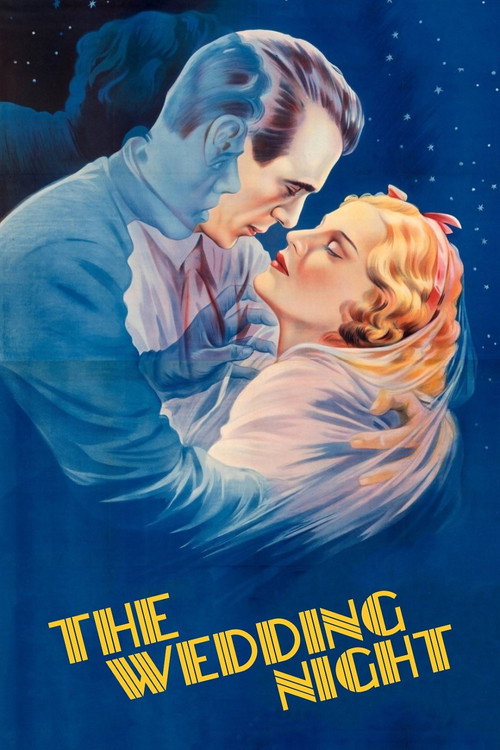
The Wedding Night(1935)
Cinematographer
Film
Awards & Nominations
1 win · 4 nominationsAcademy Awards
- Nom1941Oscar — Cinematography (black-and-white)
- Nom1940Oscar — Cinematography (black-and-white)
- Won1939Oscar — Cinematography (black-and-white)
- Nom1937Oscar — Cinematography
- Nom1935Oscar — Cinematography
Memorable quotes
Browse all →No quotes logged for Gregg Toland yet — add the first memorable line below.
Got a quote we’re missing?
Submit a line from any film, show, or game.
Edit history
Loading edit history…
Comments (0)
on Gregg TolandNo comments yet. Be the first to share what you think.